 Complete Gardening
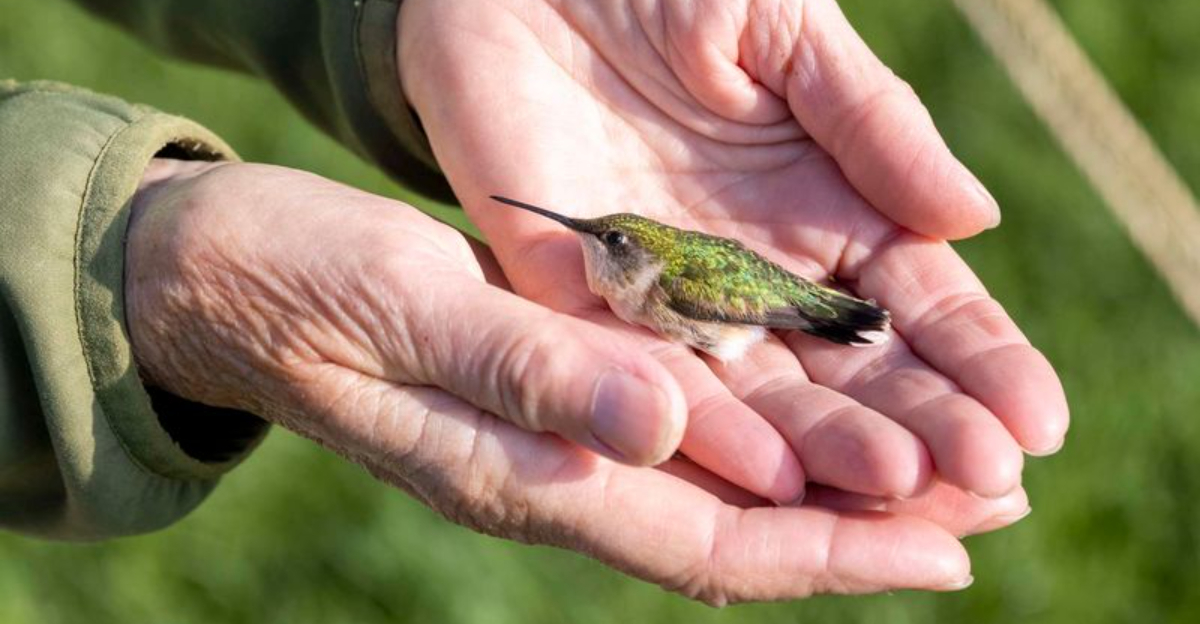
Hummingbird banding is a fascinating process that allows scientists to better understand the movements, behaviors, and conservation needs of these tiny, yet incredibly fast creatures.
With their rapid wing beats and vibrant colors, hummingbirds captivate anyone who encounters them. Through banding, researchers can gather essential data to help protect and preserve these wonderful birds for future generations.
1. The Bands Are Smaller Than a Grain of Rice
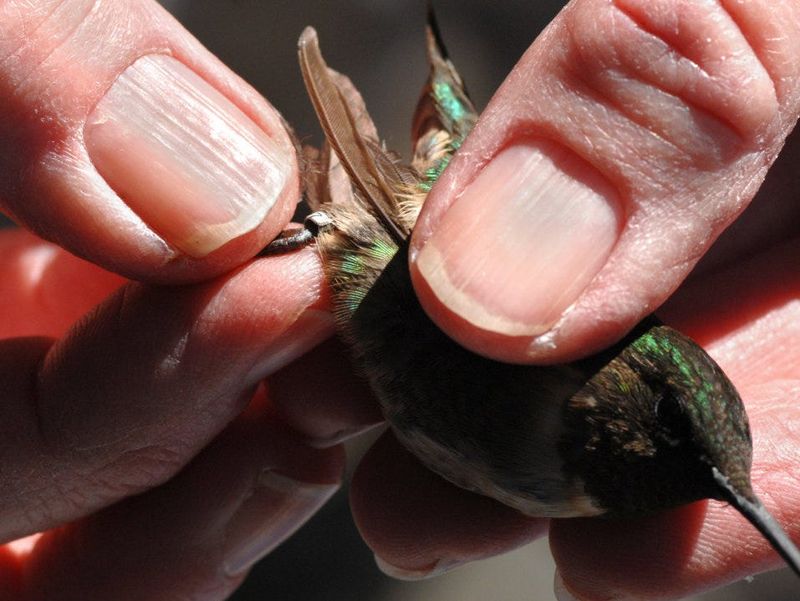
Imagine holding something smaller than a grain of rice. Hummingbird bands are crafted from ultra-light aluminum, tiny enough to slip onto a sewing needle. Each band bears a unique code, functioning like a social security number for these agile birds. This intricate identification system allows scientists to track individual hummingbirds over time. The bands are so delicate and lightweight; they ensure minimal interference with the bird’s natural activities. Despite their size, these bands provide invaluable data for understanding hummingbird habits and migrations. No other method offers such precise, individual tracking of these marvelous creatures.
2. They Weigh Less Than 0.003 Ounces
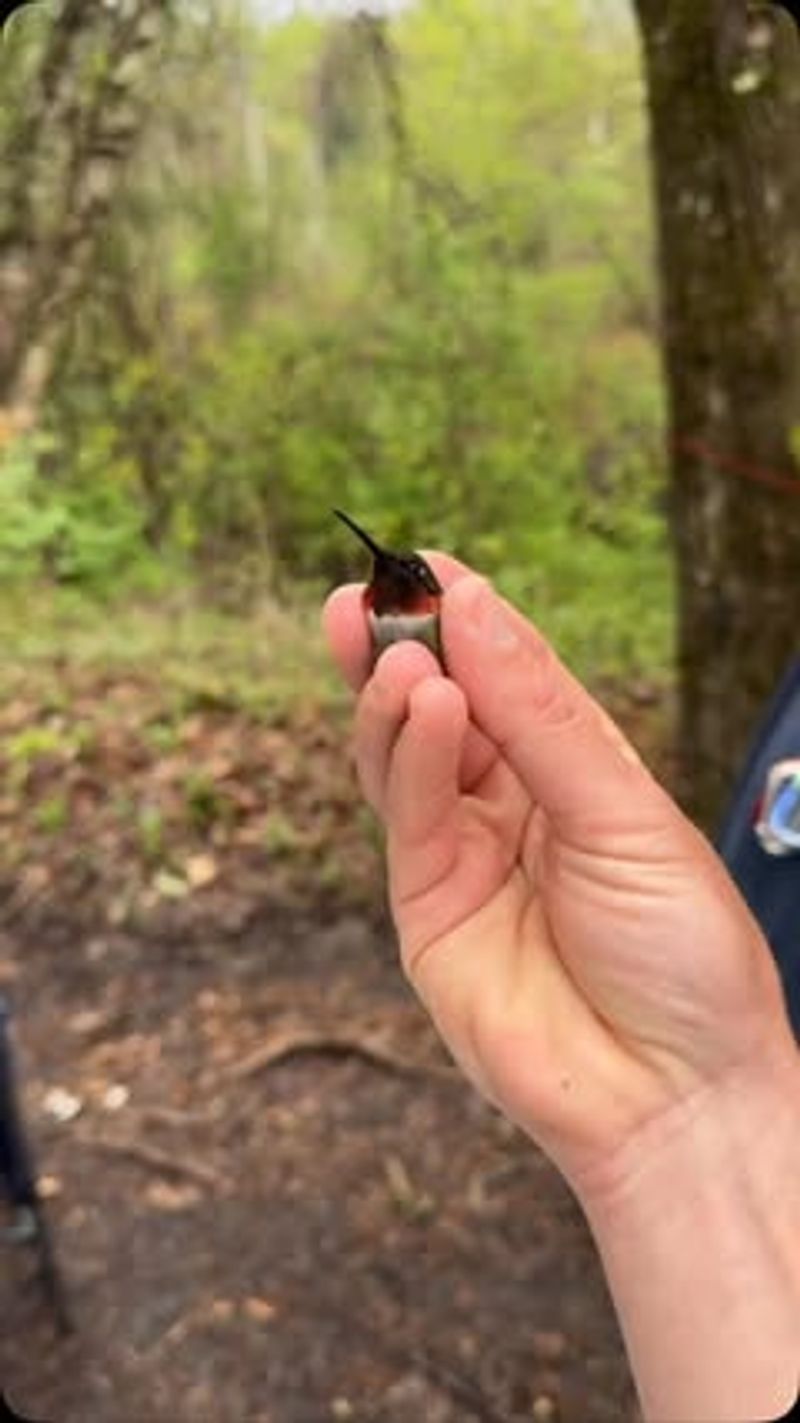
When it comes to banding, weight matters. Hummingbird bands are meticulously designed to weigh less than 0.003 ounces—less than 1/1000th of the hummingbird’s body weight. This ensures the bands do not interfere with their ability to fly, feed, or perform other vital behaviors. Imagine wearing a bracelet so light, you barely notice it! This attention to detail reflects the care scientists take in studying these remarkable birds. The ultra-lightweight nature of these bands ensures hummingbirds continue their extraordinary feats, such as hovering mid-air, unfettered and free.
3. 🧑🔬 Only Experts Can Do It
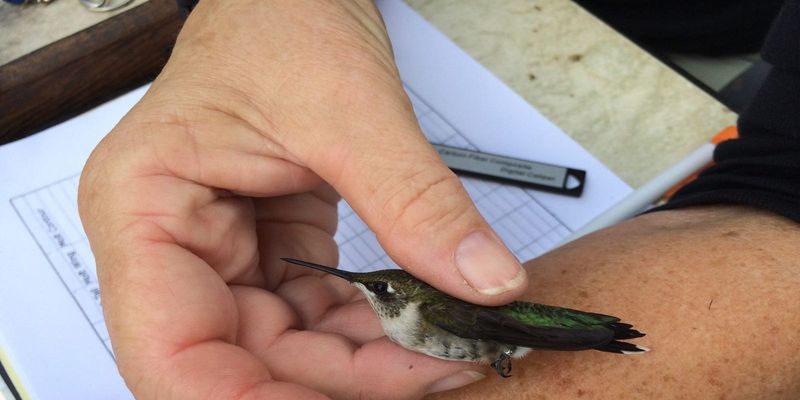
Banding a hummingbird is an art mastered by few. Only those with special federal permits and extensive training are qualified to band these delicate creatures. The process requires a steady hand, profound knowledge, and a gentle touch. Given their fragile nature, improper handling can harm hummingbirds, making expertise essential. This commitment ensures the birds’ safety and well-being. Banders dedicate years to perfecting this skill, highlighting the passion and precision involved in this scientific endeavor. The trust placed in these experts allows for valuable data collection while safeguarding the hummingbirds’ health and longevity.
4. A Simple Trap Does the Trick

Capturing a hummingbird might sound daunting, but a simple trap does the trick. Researchers use tiny drop-door traps or mesh screens placed near feeders to gently catch these swift birds. The design ensures safe and humane capture, minimizing stress and harm. This method allows scientists to catch, band, and release hummingbirds quickly. While the trap might seem basic, it is a crucial tool in the banding process, enabling the collection of essential data. The ingenuity behind this simple trap demonstrates human creativity in studying and protecting wildlife.
5. Each Bird Gets Measured, Weighed, and Inspected
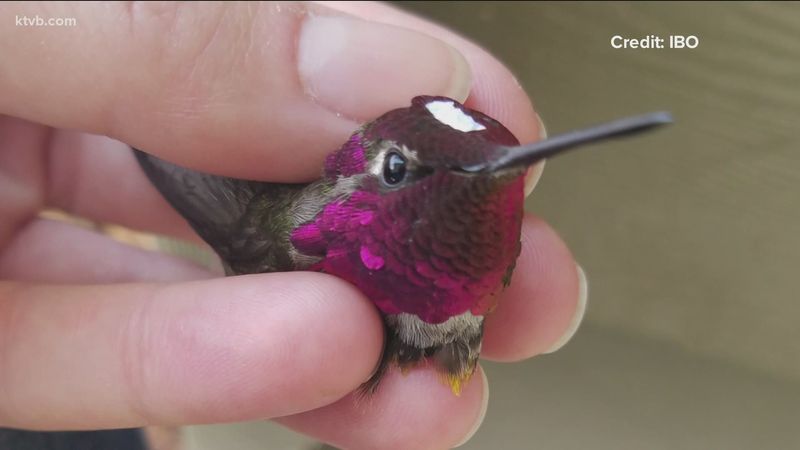
Once a hummingbird is captured, it undergoes a quick yet thorough examination. Scientists measure the bird’s wing and tail length, weigh it, and inspect its fat levels. They also determine the species, sex, and age, gathering data that aids in tracking migration, lifespan, and population health. This detailed examination provides insights into the well-being and habits of hummingbirds. By collecting such data, researchers contribute to broader conservation efforts, helping protect these tiny wonders from environmental changes and threats. The meticulous inspection highlights the comprehensive care in studying these birds.
6. 📍 Banding Reveals Stunning Migration Routes
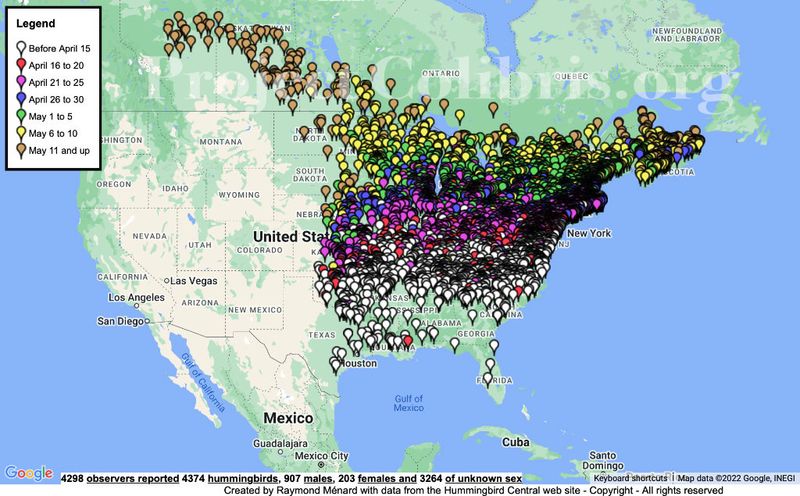
Hummingbird banding has unveiled astonishing migration patterns. Some Ruby-throated Hummingbirds, for example, have been recaptured over 2,000 miles from their original banding site. These findings reveal incredible journeys from the U.S. to Central America and back, showcasing resilience and navigational prowess. Understanding these routes is vital for conservation, helping scientists identify critical habitats and migration corridors. The data gleaned from banding offers a window into the life of these migratory marvels, providing essential information for preserving their intricate migratory paths and ensuring their survival amidst environmental pressures.
7. The Whole Process Takes Less Than 60 Seconds
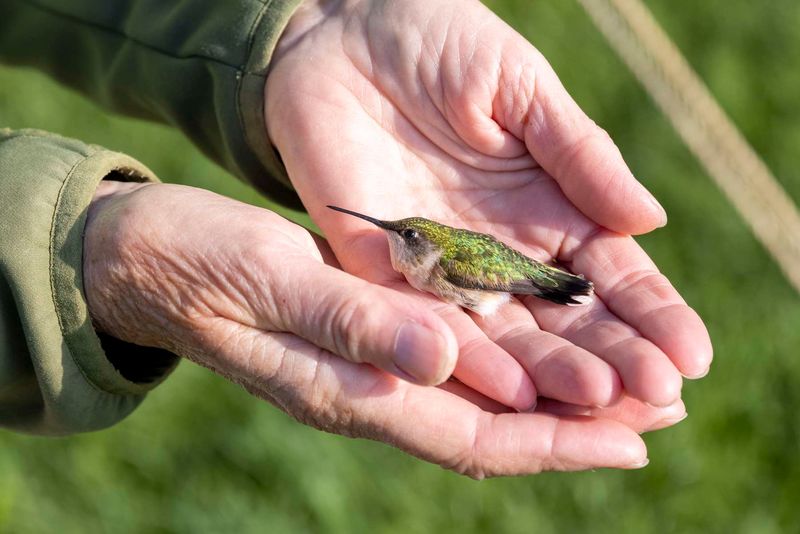
Speed is of the essence when banding hummingbirds. From capture to release, the entire banding process is completed in under 60 seconds by skilled experts. This efficiency minimizes stress on the bird, allowing it to resume its natural activities swiftly. Imagine the precision required to ensure everything—from trapping to data collection—is done swiftly yet meticulously. This rapid process exemplifies the expertise and dedication of researchers who strive to balance scientific inquiry with the well-being of these agile avians. The quick turnaround underscores the commitment to ethical and effective wildlife research.
8. 🧠 Hummingbirds Recognize Feeders—Even After Being Banding
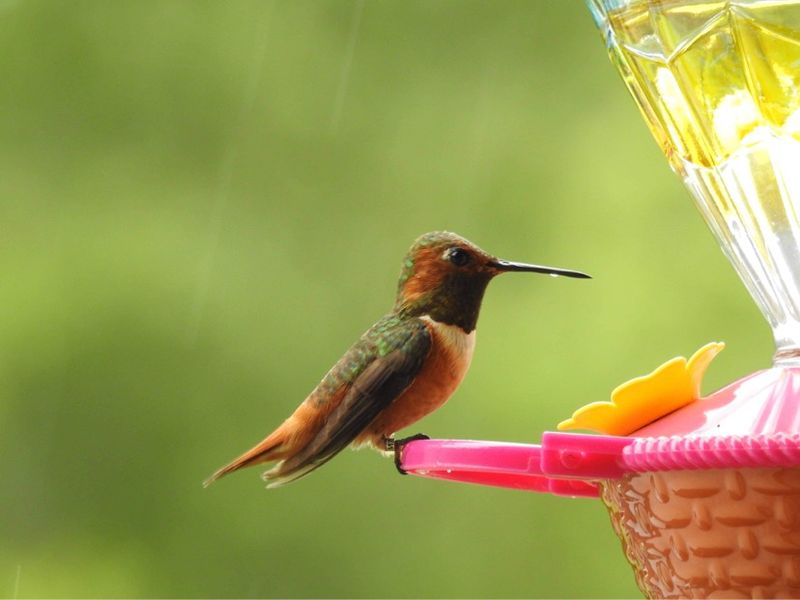
Hummingbirds possess incredible memory, often returning to the same feeders year after year. Even after being banded, they display remarkable site fidelity. This behavior showcases their ability to navigate vast distances and recognize familiar locations. Such memory and recognition are crucial for their survival, aiding in locating reliable food sources. The resilience of these tiny birds is evident in their ability to remember and return to specific spots. Understanding this behavior helps researchers study migration patterns and feeder preferences, ultimately aiding in conservation strategies for these remarkable avians.
9. It’s a Global Conservation Effort

Hummingbird banding is part of a global conservation effort. Scientists worldwide collaborate to monitor changes in migration patterns caused by climate change, habitat loss, and urbanization. This international cooperation is vital for developing strategies to protect these enchanting creatures. By banding hummingbirds, researchers gather critical data, informing conservation programs and policies. The shared commitment to preserving hummingbirds highlights the importance of global partnerships in wildlife conservation. This collective effort ensures that future generations can continue to marvel at the beauty and wonder of hummingbirds as they flutter and thrive across continents.