 Complete Gardening
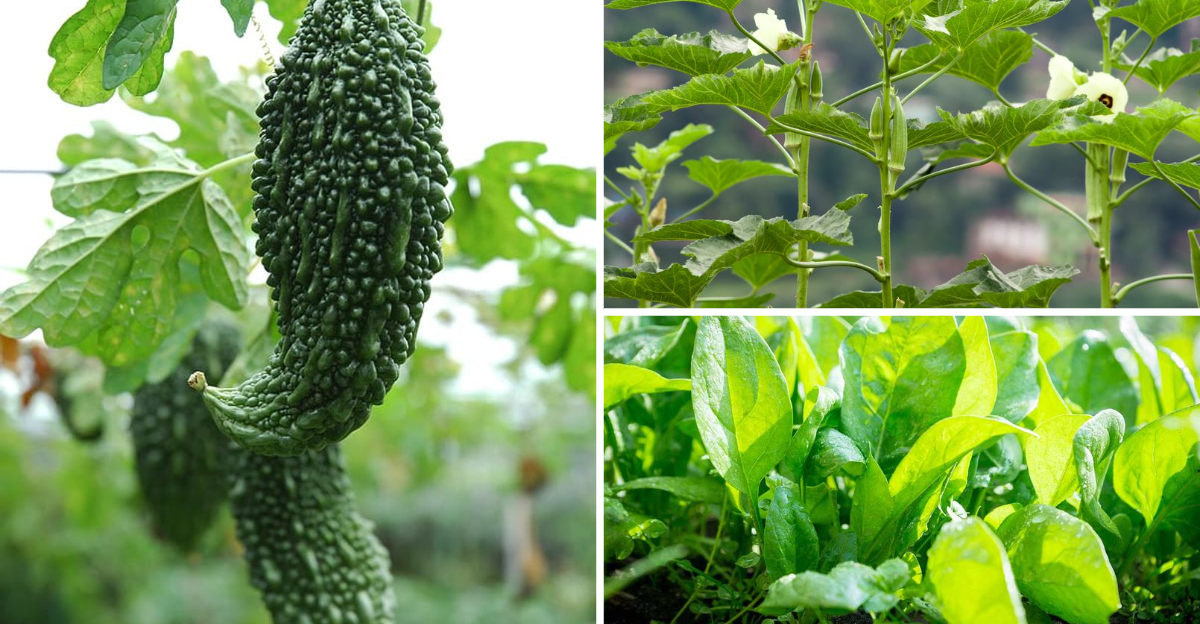
Embarking on a six-month journey to cultivate 17 vegetables known for supporting blood sugar levels was an enlightening experience. Each vegetable brought its own set of challenges and triumphs, teaching me valuable lessons about growth, patience, and health. Join me as I share insights from cultivating 10 of these remarkable vegetables.
1. Bitter Melon
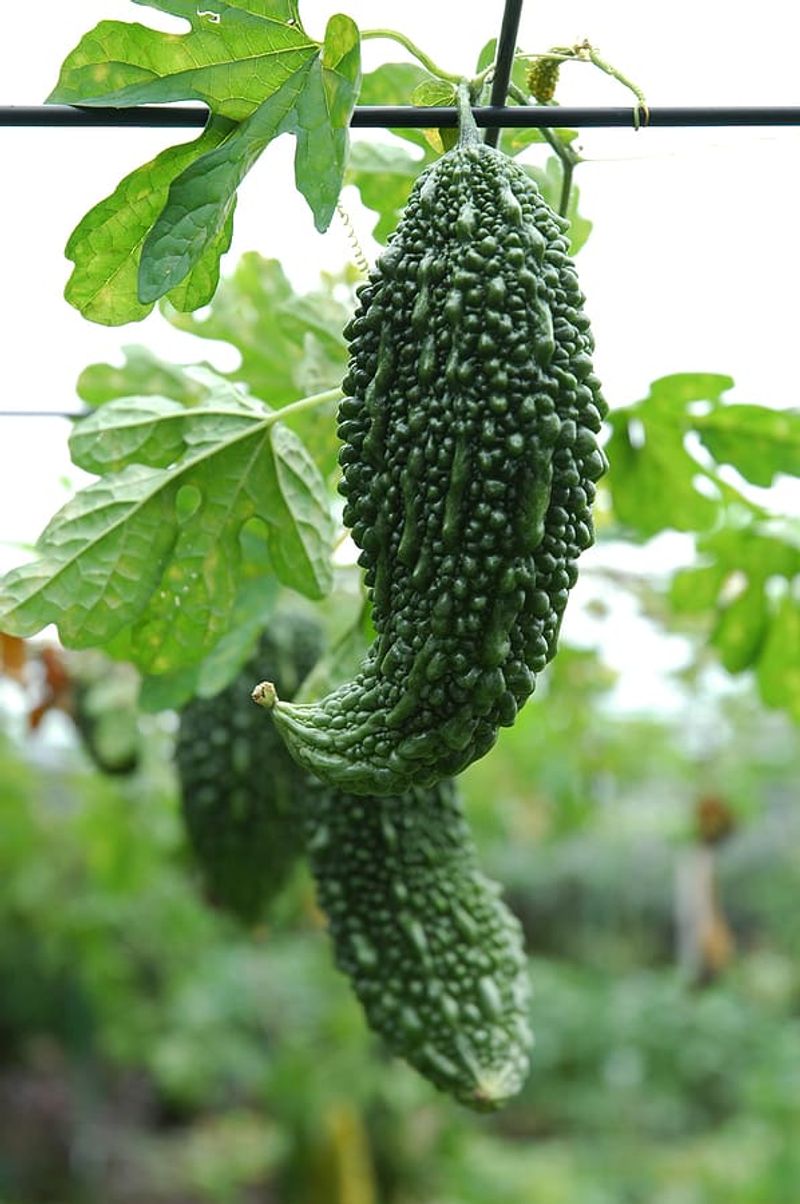
The peculiar charm of bitter melon lies in its rugged appearance and a taste that intrigues the palate. Once you look past its bitterness, you’ll find a vegetable teeming with potential health benefits. Historically, this gourd has been cherished in Asian cuisines not just for its unique flavor, but for its purported ability to help regulate blood sugar levels.
My attempt to cultivate bitter melon was nothing short of an adventure. Watching those distinctive fruits develop was like witnessing nature’s craftsmanship. As they matured, I noticed how their vibrant green hue became a striking focal point in the garden.
With each harvest, my appreciation for bitter melon grew. Its resilience and adaptability were lessons in strength and perseverance—a true testament to its long-standing reputation in herbal medicine.
2. Okra

Okra, often hailed as the ‘lady’s finger,’ stands out with its slender, elegant pods and delicate flowers. This vegetable is a beloved staple in many southern dishes, bringing both flavor and a unique texture. Known for its soluble fiber content, okra is reputed to aid in managing blood sugar levels.
Growing okra was a delightful experience. Its growth is rapid, and the plant’s tall, elegant stature added a touch of grace to the garden. The first sight of okra flowers blooming was a moment of pure joy, hinting at the bounty to come.
Harvesting okra was a rewarding endeavor, and cooking with it became a celebration of flavors. Its subtle taste and tender pods were a reminder of how simplicity in nature can lead to profound health benefits.
3. Eggplant

The regal beauty of eggplants lies in their glossy, purple skins and firm flesh. Often associated with Mediterranean and Asian cuisines, eggplants have carved a niche for themselves not just as a versatile ingredient, but also for their low glycemic index, which makes them a friend to those monitoring blood sugar.
Cultivating eggplants was like watching a royal procession unfold. The plants grew robust and the fruits, with their deep purple hue, were simply stunning. Their striking appearance was a constant source of admiration and pride.
As the harvest season came, the eggplants revealed their culinary potential. From grilling to baking, each preparation highlighted their creamy texture and subtle flavor, making them a garden favorite for their contribution to heart-healthy meals.
4. Spinach

Spinach is the understated hero of the vegetable world, celebrated for its rich nutrient profile and versatility. Known for its ability to support healthy blood sugar levels, this leafy green has been a cornerstone of healthy diets for generations.
Growing spinach was a lesson in patience and timing. Its tender leaves require careful attention but reward with a harvest that is both abundant and nutritious. The deep green leaves were a visual testament to their vitality.
The joy of picking fresh spinach leaves can’t be overstated. Whether incorporated into salads, smoothies, or cooked dishes, spinach’s mild flavor and nutritional prowess were ever-present, offering a gateway to better health.
5. Bell Peppers
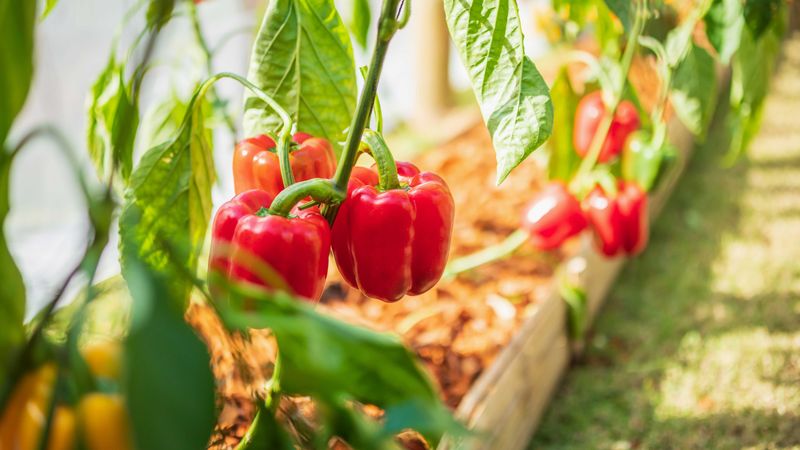
Bell peppers, with their vivid colors and crisp texture, are the cheerful gems of the vegetable world. Renowned for their high vitamin C content and low glycemic index, they play an essential role in a balanced diet while aiding in blood sugar management.
Cultivating bell peppers was akin to nurturing a box of crayons, each plant offering a splash of color and life to the garden. Their growth was a sight to behold, with each stage presenting a new burst of vibrancy.
When it came time to harvest, the variety of colors on display was mesmerizing. Cooking with bell peppers brought both visual appeal and a sweet, refreshing taste, proving that healthy eating can be both beautiful and delicious.
6. Green Beans
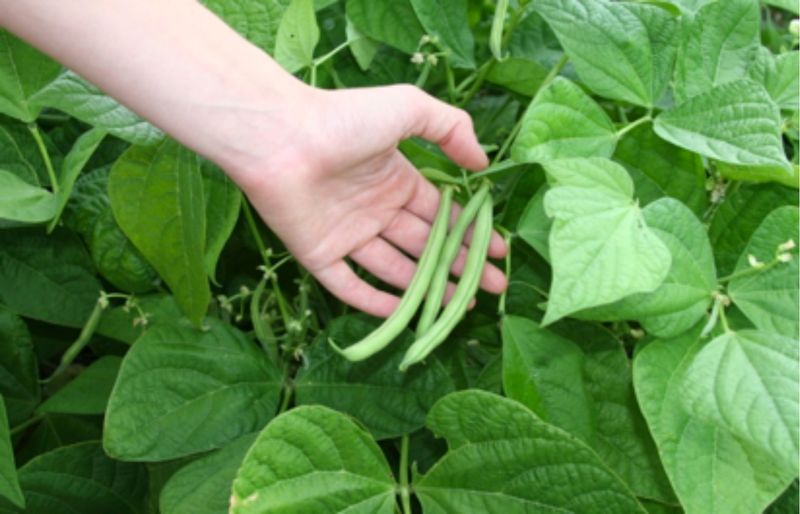
Green beans are the epitome of simplicity and elegance in the vegetable kingdom. Known for their crisp texture and rich fiber content, they are a staple in many cuisines and are celebrated for their role in managing blood sugar levels.
Growing green beans was a testament to nature’s efficiency. Their climbing vines quickly took hold, producing a seemingly endless supply of tender pods that were a joy to harvest. The process was an ongoing dance of growth and renewal.
Incorporating green beans into meals was a celebration of their freshness and subtle flavor. Whether steamed, sautéed, or added to stews, they brought a lightness and nutritional punch to every dish.
7. Carrots

Carrots are the sweet, crunchy stars of the root vegetable family, loved for their vibrant color and health benefits. With a reputation for aiding in blood sugar regulation, carrots are both a nutritious and delicious addition to any meal.
Cultivating carrots was a journey beneath the surface, quite literally. Watching their green tops emerge was a sign of the treasures hidden below. Each pull from the earth was a delightful revelation of their orange brilliance.
Enjoying the freshly harvested carrots was a sweet reward. Whether eaten raw or cooked, their natural sweetness and crisp texture were a testament to the wonders of home gardening.
8. Zucchini

Zucchini, the understated workhorse of the summer garden, offers a bounty of culinary possibilities and health benefits. Known for its low carbohydrate content, zucchini is a favorite among those mindful of their blood sugar levels.
Growing zucchini was like welcoming an exuberant guest to the garden party. Its large leaves and rapid growth were signs of the abundance to come. Each fruit was a promise fulfilled, offering versatility in both sweet and savory dishes.
Cooking with zucchini became an exercise in creativity, from zoodles to breads, each preparation highlighted its mild flavor and nourishing qualities. Zucchini proved that straightforward ingredients can be the foundation of delightful meals.
9. Cucumbers

Cucumbers are the refreshing antidote to summer’s heat, known for their hydrating properties and crisp, clean taste. With their low-calorie count and potential to support blood sugar levels, cucumbers are a staple in any healthy diet.
Tending to cucumbers was akin to crafting a living tapestry. Their vines weaved through trellises, and the fruits appeared like hidden gems amongst the foliage. Each harvest was a testament to their resilience and abundance.
Enjoying cucumbers fresh from the garden was a crisp, cooling experience. Their subtle flavor and hydrating qualities made them an essential part of summer salads and snacks, embodying the essence of freshness.
10. Tomatoes
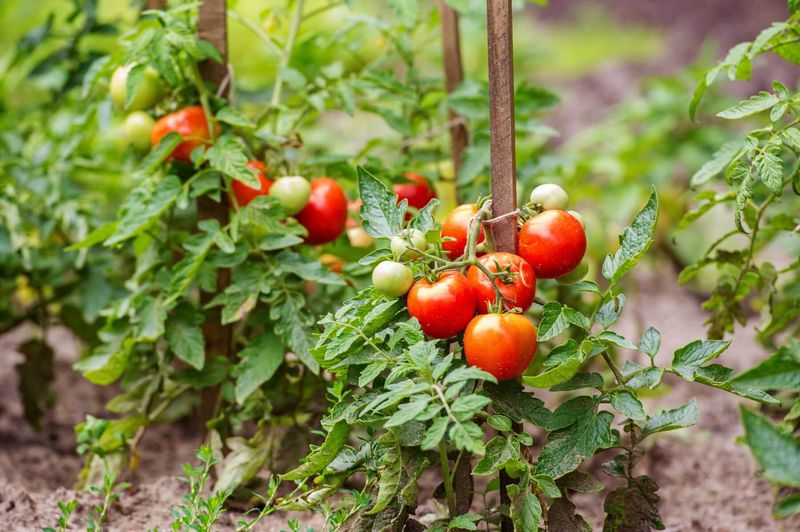
Tomatoes are the vibrant jewels of any garden, celebrated for their flavor and versatility in dishes worldwide. Despite their natural sweetness, they have a relatively low glycemic index, making them a wonderful addition to a blood sugar-conscious diet.
Growing tomatoes was a colorful journey, from the delicate yellow flowers to the ripe, juicy fruits. Each stage of their growth was a visual delight, promising the taste of summer with every bite.
Harvesting tomatoes was an act of pure satisfaction. Their sun-warmed skins and bursting flavor were a reminder of nature’s generosity, making every meal they graced a celebration of freshness and health.
11. Jerusalem Artichoke

Jerusalem artichokes, often called sunchokes, stand out with their sunflower-like blooms. These tubers harbor a nutty flavor that distinguishes them from typical vegetables. Their allure lies in the high inulin content, a prebiotic fiber beneficial for blood sugar control. Despite their appearance, they are not related to traditional artichokes.
Cooking them enhances their natural sweetness, making them a versatile addition to various dishes. Whether roasted or pureed, they never fail to impress.
This North American native adds a rustic charm to gardens and plates alike, supporting digestive health.
12. Swiss Chard

Swiss chard, with its vibrant stems and lush leaves, is a visual treat. This leafy green isn’t just about looks; it packs a punch with essential vitamins and minerals. Rich in magnesium, it aids in maintaining stable blood sugar levels.
Often overshadowed by its cousin, spinach, chard’s slightly bitter taste adds depth to salads and sautés. Cooking mellows its flavor, making it a delightful side dish.
A Mediterranean native, Swiss chard brings color and health benefits to any meal, making it a staple for those monitoring blood sugar.
13. Kohlrabi

Kohlrabi, sometimes called the “German turnip,” intrigues with its alien-like appearance. Its bulbous stem and edible leaves offer a mild, sweet flavor. This cruciferous vegetable supports blood sugar management with its high fiber content.
Eaten raw or cooked, kohlrabi adds crunch to salads or a tender texture when steamed. Its versatility in the kitchen makes it a gardener’s favorite.
Originating from Europe, this unique vegetable showcases adaptability and resilience, thriving in diverse climates while promoting health.
14. Fenugreek Greens

Fenugreek greens, known for their medicinal properties, bring a unique flavor to the table. These greens are filled with fiber, aiding in blood sugar regulation and digestion. Their slightly bitter taste pairs well with spices in various cuisines.
Although often overshadowed by their seeds, fenugreek greens offer culinary versatility. They can be incorporated into curries or salads to enhance flavor profiles.
Historically used in traditional medicine, fenugreek remains a staple in many households, valued for its health benefits and distinctive taste.
15. Rutabaga

Rutabaga, a cross between cabbage and turnip, stands out with its golden-brown hue. Its sweet yet peppery taste makes it a versatile choice for blood sugar-conscious diets. Rich in vitamins C and E, it supports overall health while aiding blood sugar control.
Roasted or mashed, rutabaga provides a satisfying, hearty option for meals. Its adaptability in recipes often surprises those unfamiliar with it.
Originating from Northern Europe, rutabaga’s robust nature and earthy flavor have cemented its place in global cuisines.
16. Celery Root (Celeriac)
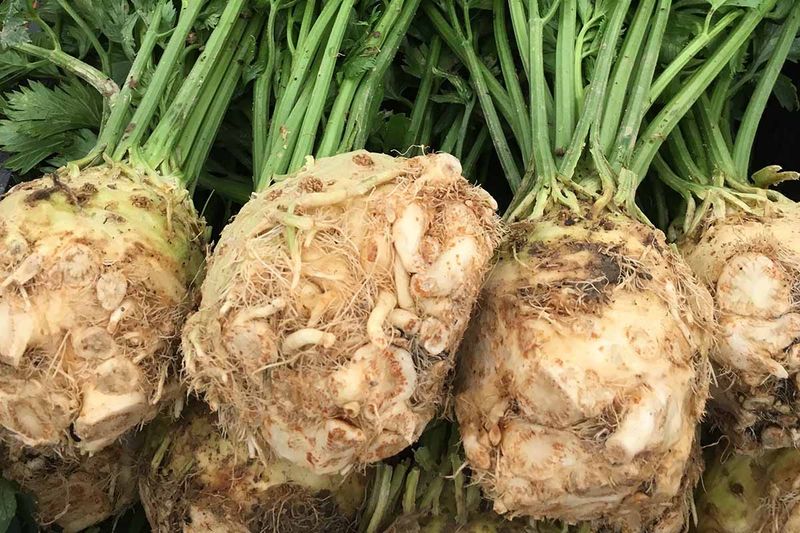
Celery root, or celeriac, captivates with its earthy aroma and versatility. Despite its gnarly appearance, its slightly nutty flavor and smooth texture win over skeptics. This root vegetable is low in calories, supporting blood sugar regulation effortlessly.
Celeriac’s versatility shines in purees, soups, or roasted dishes, enhancing meals with its distinct taste. Its ability to absorb flavors makes it a culinary chameleon.
Rooted in European tradition, celery root remains a beloved ingredient, offering both health benefits and culinary excitement.
17. Jicama
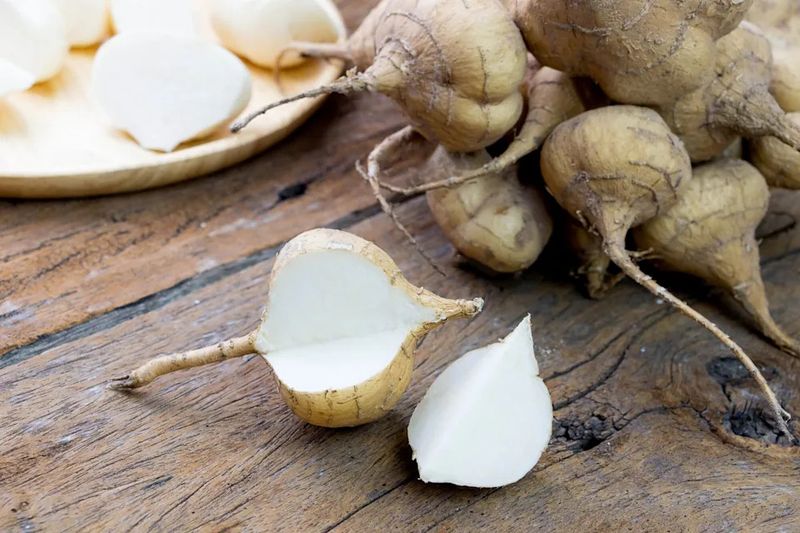
Jicama, native to Mexico, offers a refreshing crunch and subtle sweetness. Often described as a cross between a potato and an apple, it features prominently in salads for its texture and hydrating qualities. With low calories and high fiber, jicama supports stable blood sugar levels.
Whether eaten raw or cooked, it adds a crisp dimension to dishes. Its adaptability ensures it complements a variety of flavors.
Jicama’s unique taste and texture make it a valuable addition to gardens and kitchens alike, showcasing its tropical origins.