 Complete Gardening
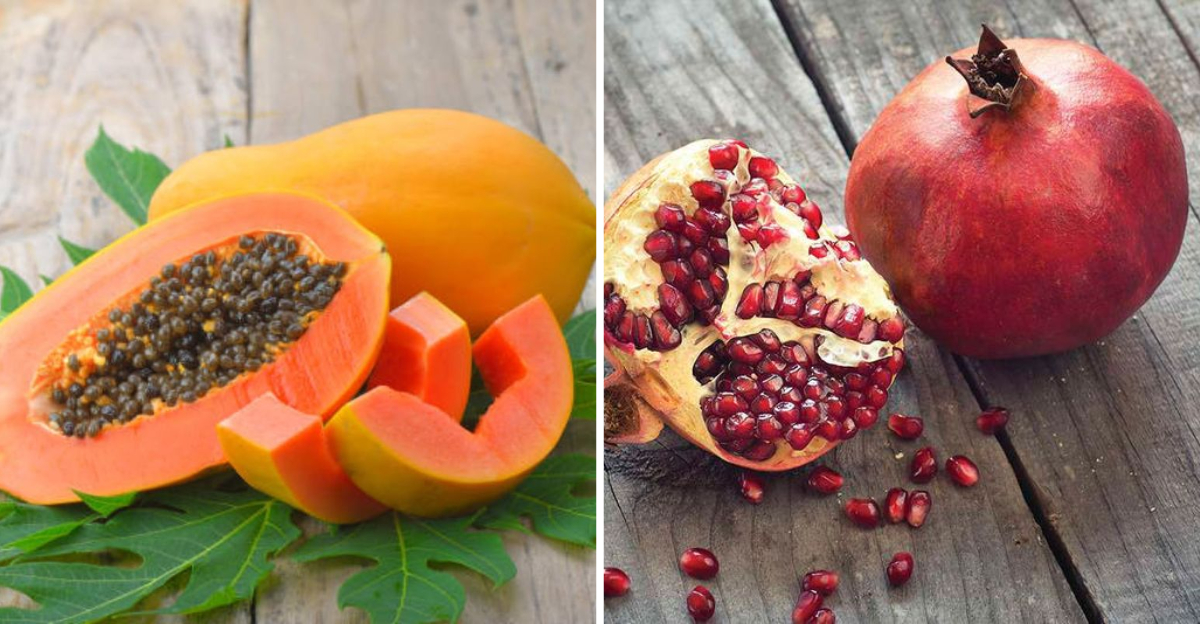
For two transformative years, I embarked on a journey to cultivate a variety of healing fruits in my own backyard. These fruits, known for their health benefits, were more than just garden plants; they became a source of vitality and wellness. The health results were truly surprising, offering insights into how nature’s bounty can profoundly impact our well-being. This blog post explores seven of these remarkable fruits, each offering unique healing properties and contributing to my overall health transformation.
1. Blueberry
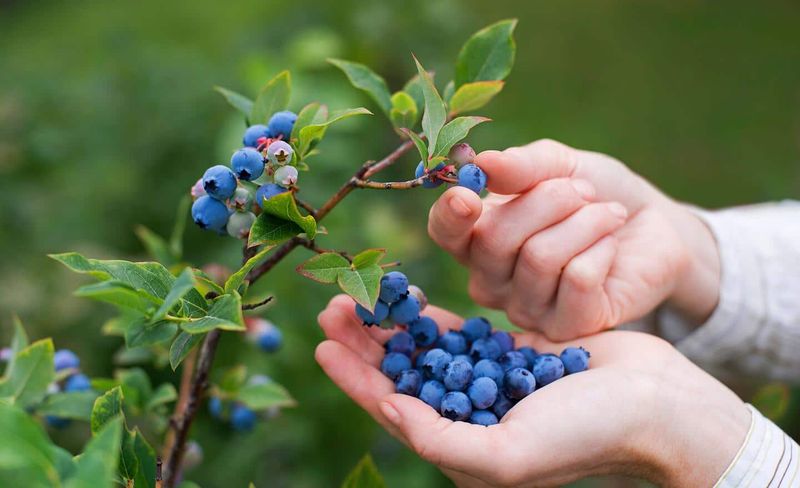
Blueberries, small but mighty, emerged as my heart’s ally in the garden. These tiny blue gems are packed with antioxidants, promoting heart health and reducing inflammation. Each berry is a burst of sweet, tangy flavor, making them a delightful snack. Cultivating them required patience, but the payoff was immense. Imagine plucking fresh blueberries on a summer morning, a satisfying reward for my efforts.
Did you know? Blueberries can also improve cognitive function, making them a true brain food. Their versatility in recipes added variety to my meals.
2. Papaya
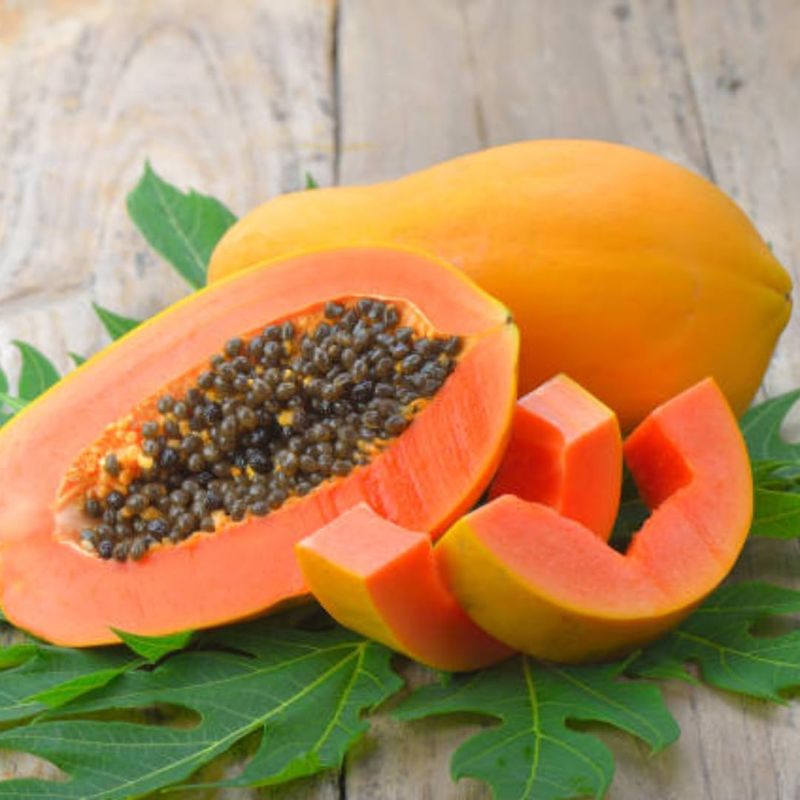
Papaya, with its tropical allure, stood as a digestive champion in my garden. Its sweet, juicy flesh is not only delicious but also rich in enzymes like papain, aiding digestion and reducing bloating. Growing papayas introduced a slice of the tropics into my backyard.
These fruits are a powerhouse of vitamins, especially vitamin C and A, which bolstered my immune system. The vibrant orange color was a feast for the eyes, adding visual appeal to my garden.
Fun fact: Papayas were revered by ancient civilizations for their medicinal properties.
3. Pomegranate
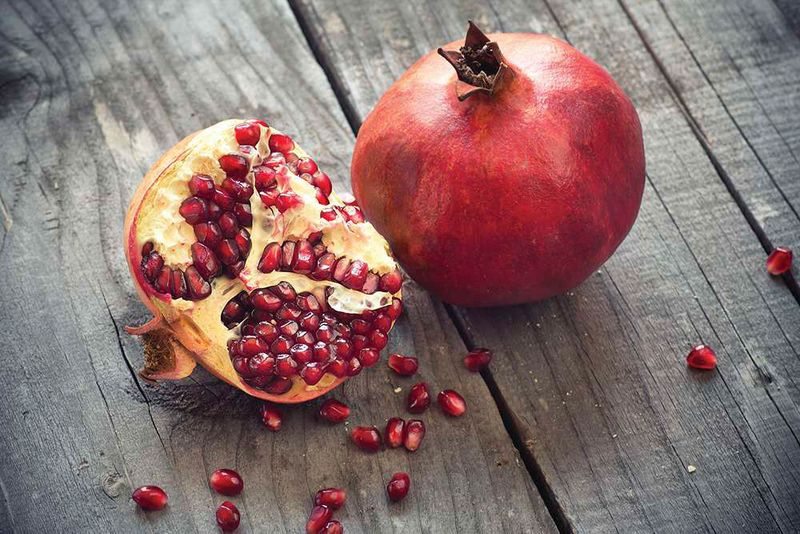
Pomegranates, with their jewel-like seeds, became my garden’s crown jewels. These fruits are renowned for their high antioxidant levels, which combat oxidative stress and support cardiovascular health. The process of extracting seeds is meditative, rewarding patience with a burst of tart, juicy goodness.
Incorporating pomegranate seeds into salads and smoothies added a tangy twist to my diet.
Did you know? Pomegranates have been symbols of fertility and prosperity in various cultures throughout history, making them not just healthful but also culturally rich.
4. Kiwi
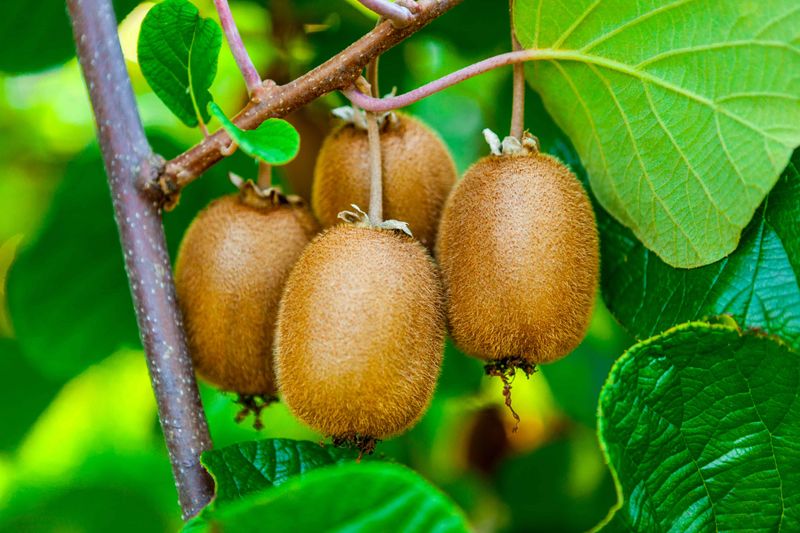
Kiwi, the fuzzy, brown fruit with a bright green interior, became a zesty addition to my garden. Known for its high vitamin C content, kiwi supports the immune system and skin health. The unique tartness of the fruit is invigorating, while its cultivation was a lesson in perseverance and patience.
Growing on vines, kiwi added a lush, green element to my garden landscape.
Fun fact: Kiwi was originally known as the Chinese gooseberry and has traveled far from its origins to become a favorite worldwide.
5. Lemon
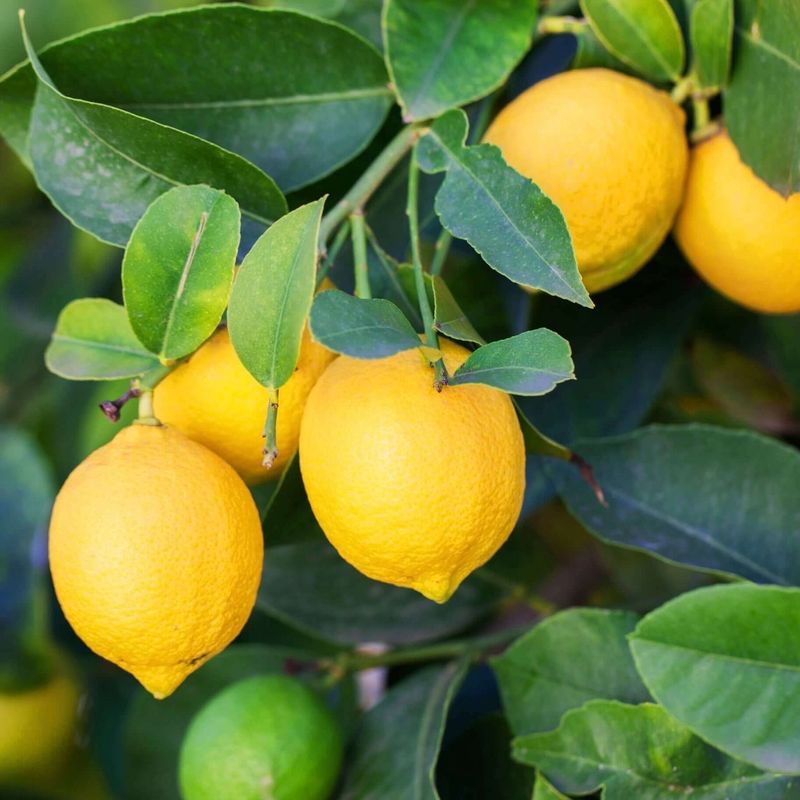
Lemons, vibrant and full of zest, became my garden’s citrus stars. These fruits are celebrated for their detoxifying properties and high vitamin C levels, essential for immune support and skin rejuvenation.
The lemon tree’s fragrant blossoms were an olfactory delight, while the fruit itself added a tangy kick to beverages and dishes alike.
Did you know? Lemons have been historically used for their antiseptic and medicinal properties, making them a staple in home remedies since ancient times.
6. Strawberry
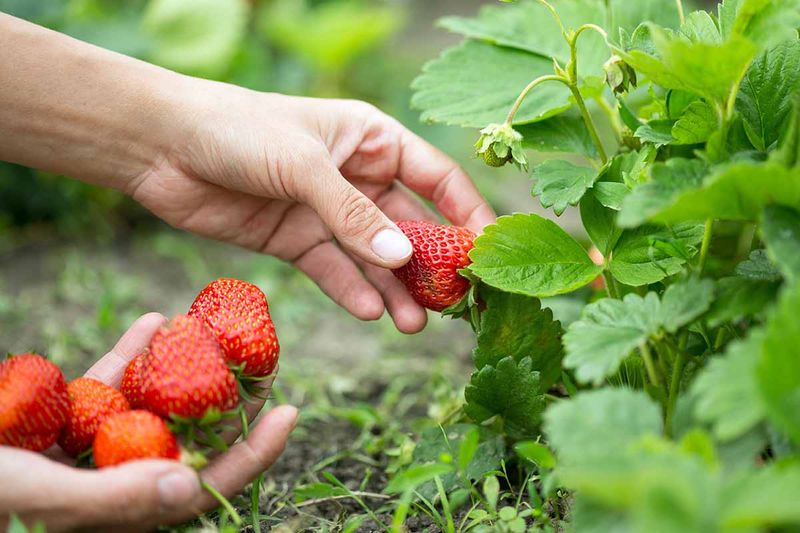
Strawberries, with their bright red hue and sweet fragrance, became a joyful presence in my garden. These berries are rich in vitamin C and manganese, promoting skin health and reducing inflammation. Their juicy sweetness is irresistible.
Growing strawberries invited playful chipmunks and birds, adding life and energy to my garden.
Did you know? Strawberries are the only fruit with seeds on the outside, a unique feature that adds to their charm and appeal.
7. Avocado
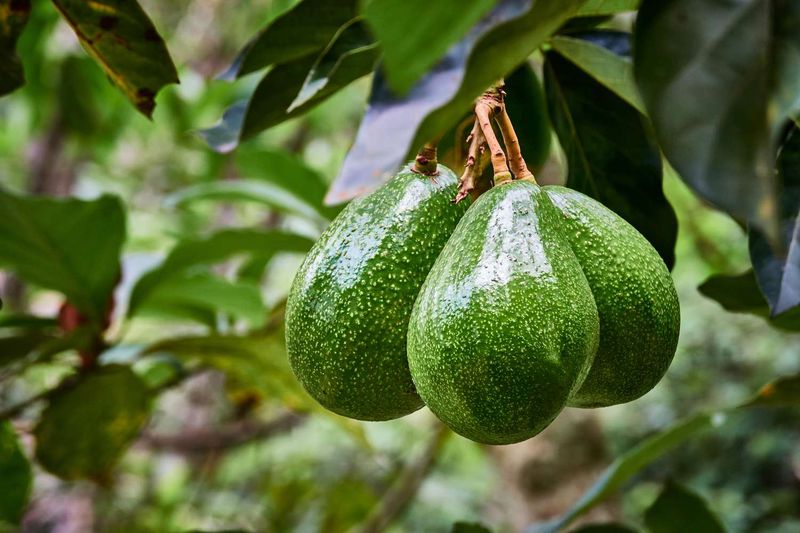
Avocados, creamy and nutrient-dense, emerged as my garden’s buttery delights. Packed with healthy fats, they supported my heart health and kept me satiated. The smooth, rich taste of avocados complemented a variety of dishes, from salads to toast.
Growing avocados was a lesson in patience, as these trees take time to bear fruit but offer substantial rewards.
Fun fact: Avocados were once called “alligator pears” due to their bumpy skin and pear shape, adding a quirky historical note to their profile.
8. Dragon Fruit
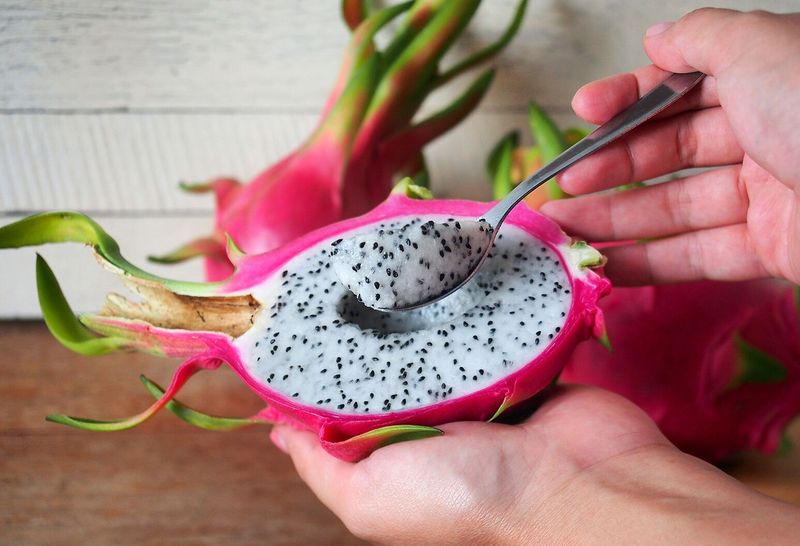
Imagine the thrill of cutting open a dragon fruit to reveal its stunning interior. Known for its high vitamin C content, this exotic fruit boosted my immune system significantly.
The seeds, rich in omega-3, contributed to improved heart health. Besides these benefits, its low-calorie nature supported weight management effectively. During summer mornings, a bowl full of dragon fruit slices became the perfect energy-boosting breakfast.
Did you know? Dragon fruit is also known as “pitaya,” and its vibrant flowers bloom at night, adding a mystical touch to my garden.
9. Amla (Indian Gooseberry)
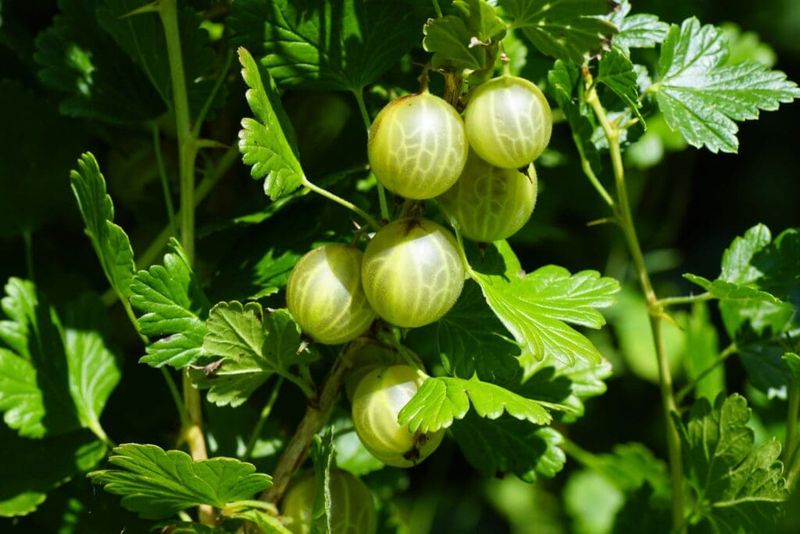
Amla, or Indian gooseberry, not only added a tangy twist to my meals but also became a powerhouse of health. Its high vitamin C content fortified my immune defenses.
Additionally, amla’s antioxidant properties helped in detoxifying my body, and its anti-inflammatory characteristics reduced joint pain significantly. The fruit’s versatility meant it found its way into pickles and juices alike.
Fun fact: Amla has been used in Ayurvedic medicine for over 5,000 years, and its rejuvenating properties were as refreshing as its history is rich.
10. Mulberry
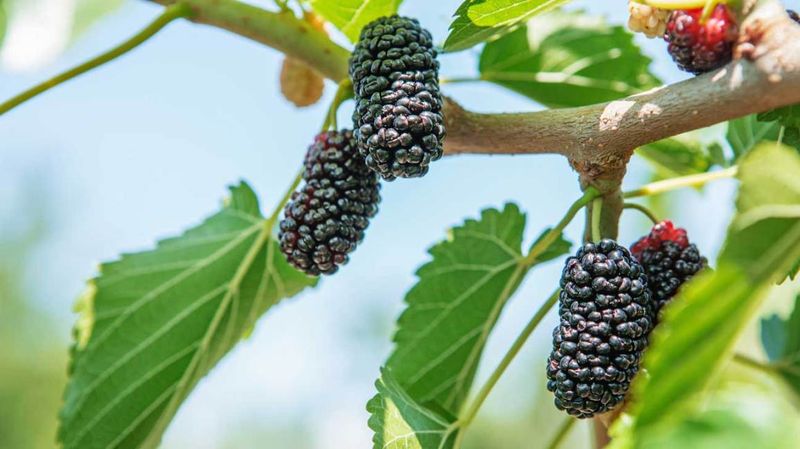
Mulberries brought a sweet and tart delight to my home garden. Aside from their delicious taste, they played a crucial role in balancing my blood sugar levels.
These berries, rich in iron, supported improved blood circulation, and their fiber content aided in digestion. Enjoying mulberries as a refreshing snack was a daily ritual during their harvest season.
Quirkily, the ancient Romans believed mulberries were a symbol of wisdom, which certainly felt true as I incorporated them into my diet.
11. Elderberry

Elderberries became my go-to for bolstering my immune system during flu season. Their antiviral properties provided a natural shield against colds and flu.
These small yet powerful berries also promoted skin health with their high antioxidant content, offering a natural glow. Elderberry-infused teas and syrups added a soothing touch to my evenings.
Interesting tidbit: In folklore, elderberries were believed to ward off evil spirits, making them a fascinating addition to my garden.
12. Persimmon
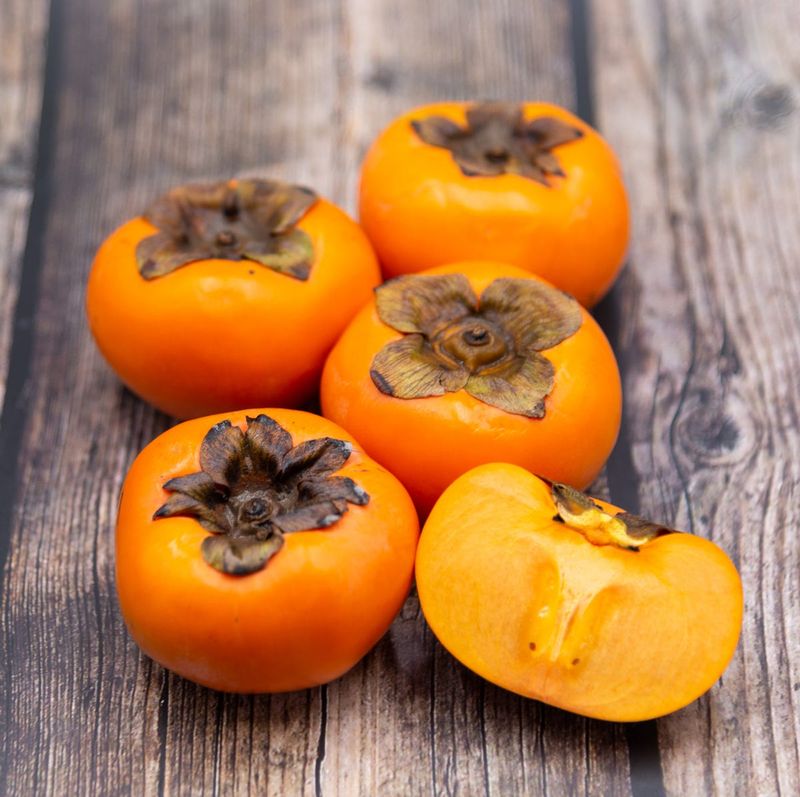
With their sweet, honey-like flavor, persimmons became a delightful addition to my fruit basket. Their high fiber content greatly improved my digestive health.
Rich in vitamin A, persimmons also enhanced my vision and skin complexion. Making persimmon smoothies became a delicious morning ritual.
Did you know? Persimmons have been cultivated in China for over 2,000 years and were once considered “food of the gods” in ancient Greece, adding a touch of mythology to my garden.
13. Goji Berry
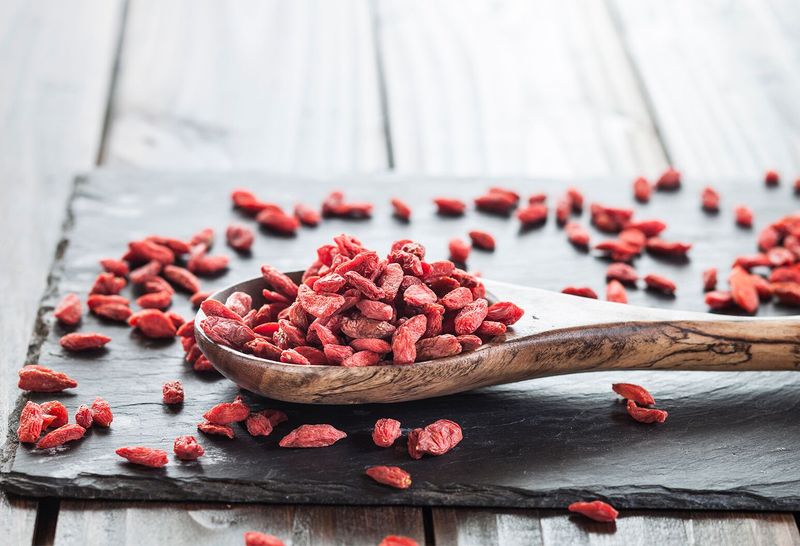
Goji berries were small but mighty in their impact on my health. Known for their antioxidant properties, they helped in reducing inflammation and boosting energy levels.
These berries also improved my sleep quality, making restful nights a pleasant routine. Adding goji berries to my morning oatmeal provided a nutrient-rich start to the day.
Fun fact: Goji berries, often called “wolfberries,” have been used in traditional Chinese medicine for centuries, believed to enhance longevity.
14. Guava
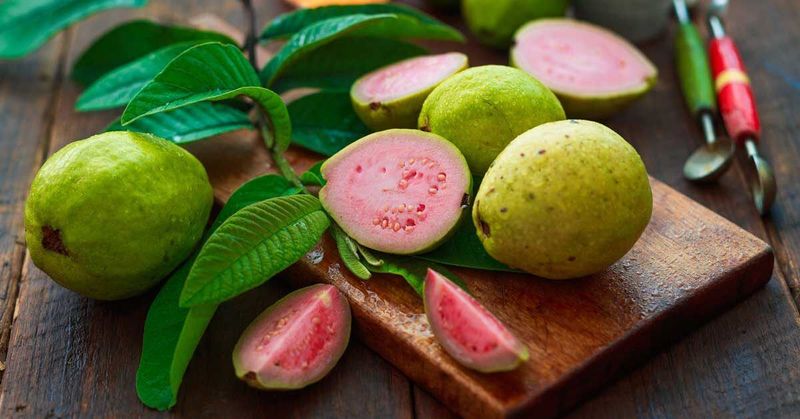
Guavas, with their aromatic scent and sweet flavor, became a staple in my fruit collection. Rich in vitamin C, they fortified my immune system effectively.
Their dietary fiber content promoted digestive health, making them a favorite snack. Guava smoothies were a refreshing treat on warm afternoons, hydrating and revitalizing.
Did you know? Guavas are called “superfruits” due to their high nutrient density, making them a worthy addition to any health-conscious garden.
15. Raspberry
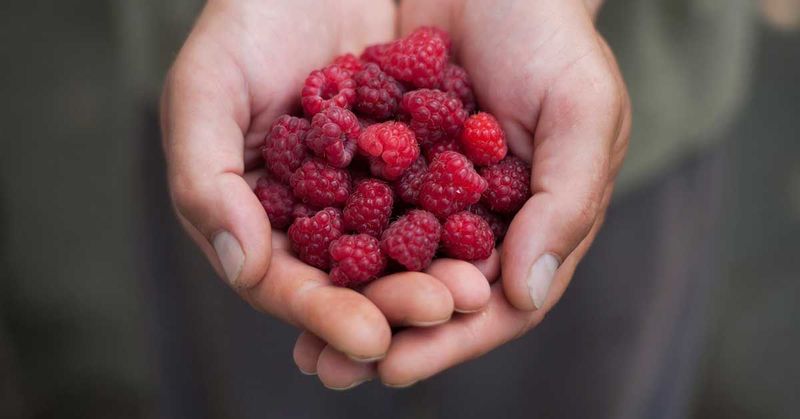
Raspberries graced my garden with their vivid color and delightful taste. These berries, packed with fiber, supported my digestive health remarkably.
Rich in antioxidants, raspberries also contributed to youthful skin and improved heart health. Enjoying them fresh or in desserts became a cherished part of my summer alongside homemade raspberry jam.
Fun fact: Raspberries are believed to have originated in Eastern Asia and were once a symbol of kindness in Christian art, enriching my garden with both beauty and history.
16. Blackberry
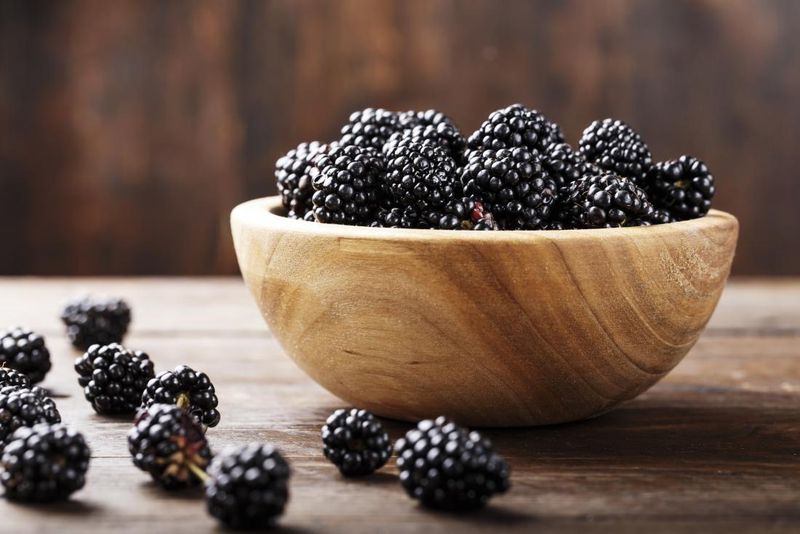
Blackberries, with their rich color and juicy flavor, became a highlight of my garden, offering a burst of nutrition with each bite.
High in vitamin C and fiber, they supported my cardiovascular health and boosted my immune system. Blackberry-infused teas provided warmth and wellness during cooler months.
Quirkily, in folklore, blackberries were thought to protect against evil when hung in doorways, adding an intriguing cultural layer to their presence in my garden.
17. Fig
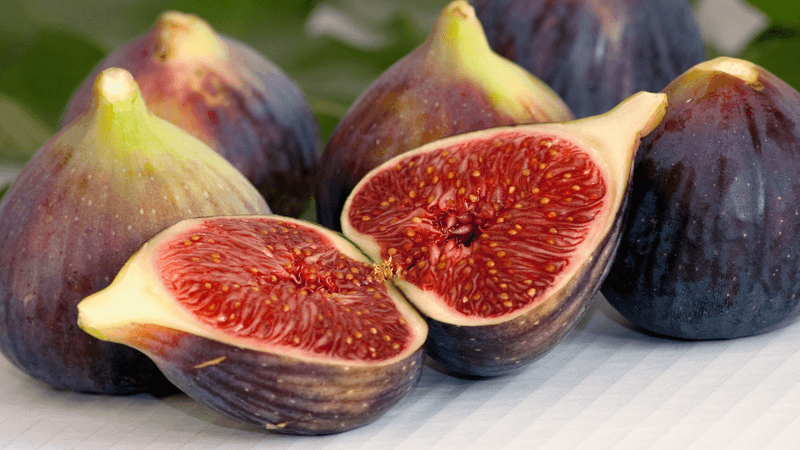
Figs added a touch of luxury to my homegrown fruit collection. Their natural sweetness and chewy texture made them a versatile ingredient in both salads and desserts.
Rich in dietary fiber, figs significantly improved my digestive health and helped regulate blood sugar levels. Figs dried in the sun became a delicious, healthy snack.
Did you know? Figs have been cultivated since ancient times, and were revered by the ancient Greeks and Romans, lending a historical richness to my gardening experience.
18. Passion Fruit
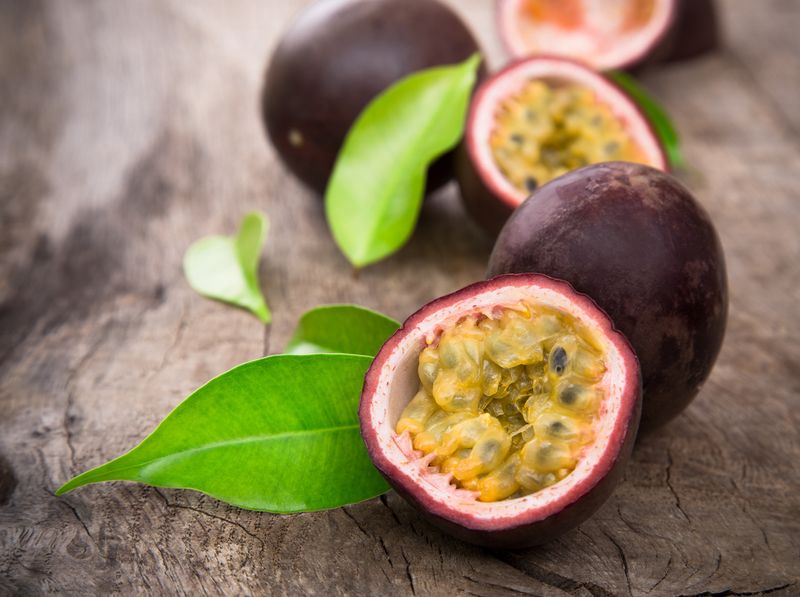
Passion fruit brought an exotic flair to my gardening adventure. Its tangy flavor and crunchy seeds offered a unique taste experience.
Rich in antioxidants, passion fruit greatly enhanced my skin health and supported my immune system. Making passion fruit smoothies became a refreshing way to enjoy this tropical delight.
Fun fact: Passion fruit is named for the passion flowers it grows from, which have a distinct and unique appearance, adding an aesthetic charm to my garden.
19. Cranberry
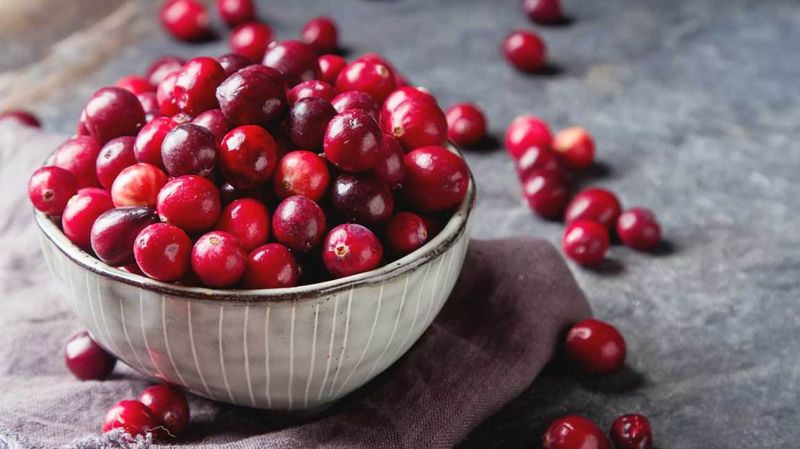
Cranberries became a staple in my garden, offering both aesthetic beauty and health benefits. Known for their ability to prevent urinary tract infections, they also supported my digestive health.
Their tart flavor was a refreshing addition to juices and sauces, bringing a zingy twist to meals. Homemade cranberry sauce became a festive favorite.
Did you know? Cranberries were used by Native Americans as food, medicine, and dye, reflecting their versatile utility and cultural significance.