 Complete Gardening
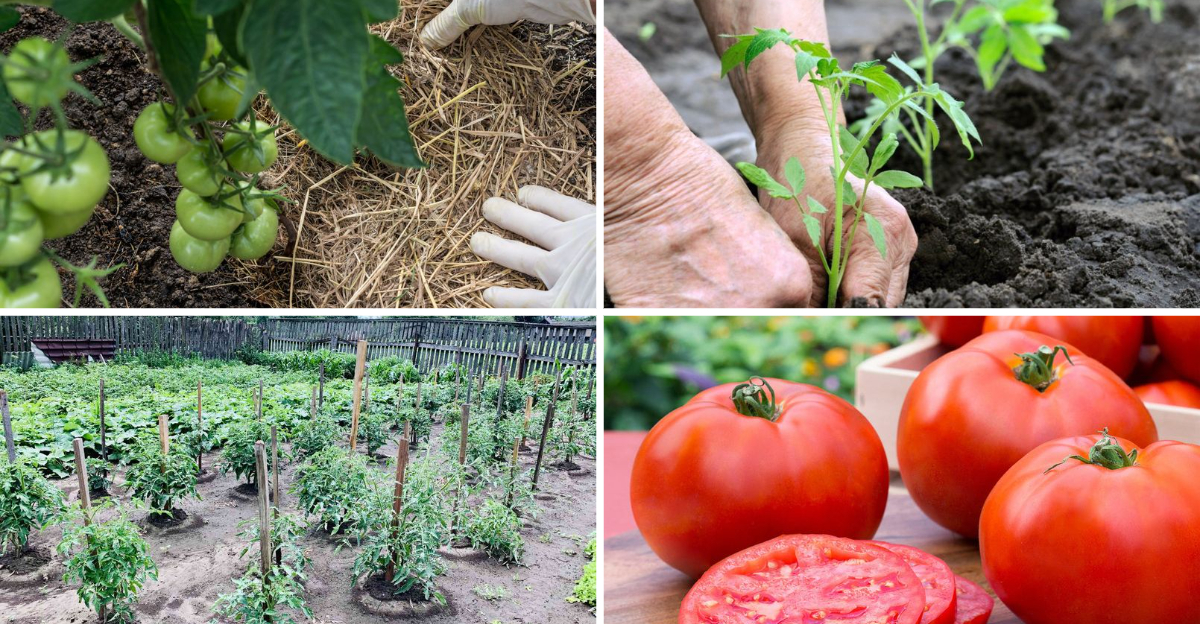
Last summer, my backyard produced an incredible 200 pounds of juicy, ripe tomatoes that filled my kitchen counters and made my neighbors jealous. Growing this amazing harvest wasn’t luck – it took smart planning, the right techniques, and some secrets I learned through trial and error. Whether you’re a beginner gardener or someone looking to boost your tomato game, these proven strategies will help you grow more tomatoes than you ever thought possible.
1. Start with Champion Varieties That Actually Produce
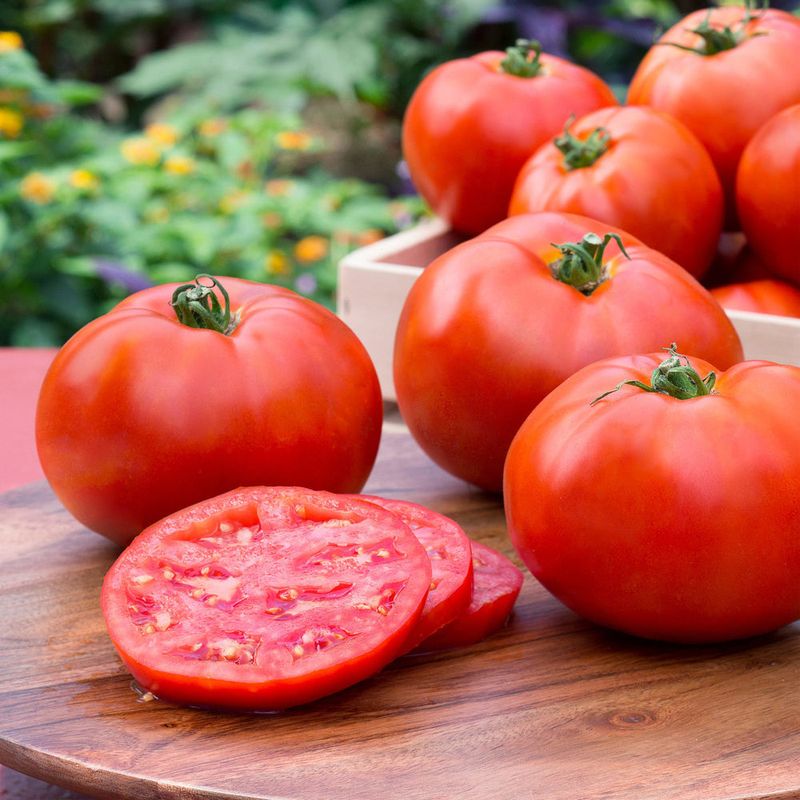
Choosing high-yielding tomato varieties made the biggest difference in my harvest numbers. Celebrity, Better Boy, and Cherokee Purple consistently delivered heavy crops throughout the growing season.
These varieties resist common diseases while producing large, flavorful fruits. Cherokee Purple alone gave me 15 pounds per plant, while Celebrity kept producing until the first frost hit my garden in late October.
2. Plant Seedlings Deep for Stronger Root Systems
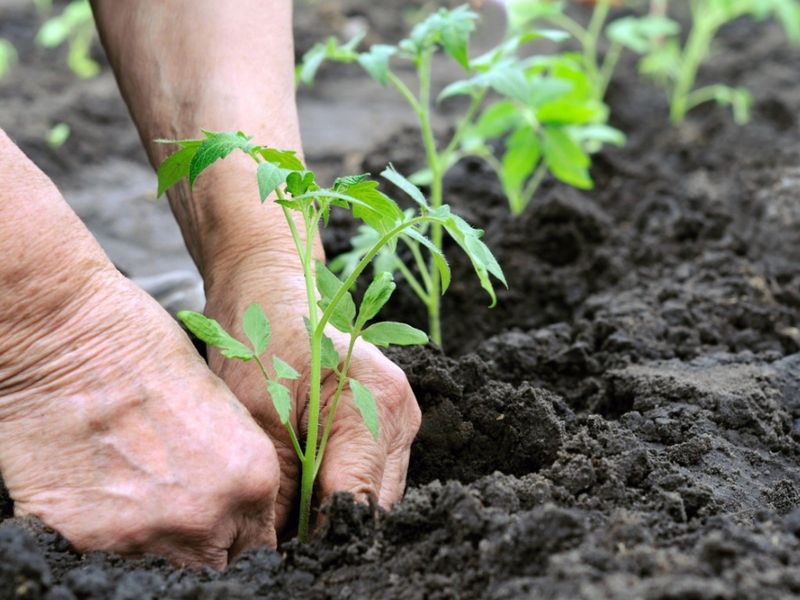
Burying two-thirds of each seedling stem underground creates an incredibly strong root system that supports heavy fruit production. Most gardeners plant too shallow and wonder why their plants struggle later.
Remove the lower leaves and plant deep, leaving only the top few sets of leaves above ground. This technique helped my plants stay upright even when loaded with 20-pound clusters of ripe tomatoes.
3. Space Plants Wider Than You Think You Should
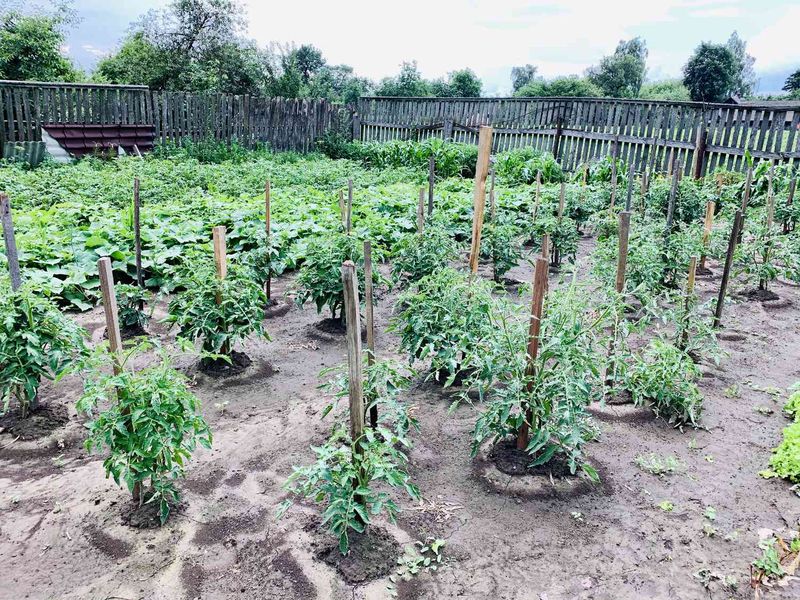
Cramming tomato plants together seems like it would increase yields, but it actually reduces production and invites disease problems. I space my plants four feet apart in all directions.
This spacing allows excellent air circulation and gives each plant room to spread its branches. Wide spacing also makes harvesting easier and reduces fungal problems that can destroy entire crops during humid summer weather.
4. Build Fortress-Strong Support Systems Early
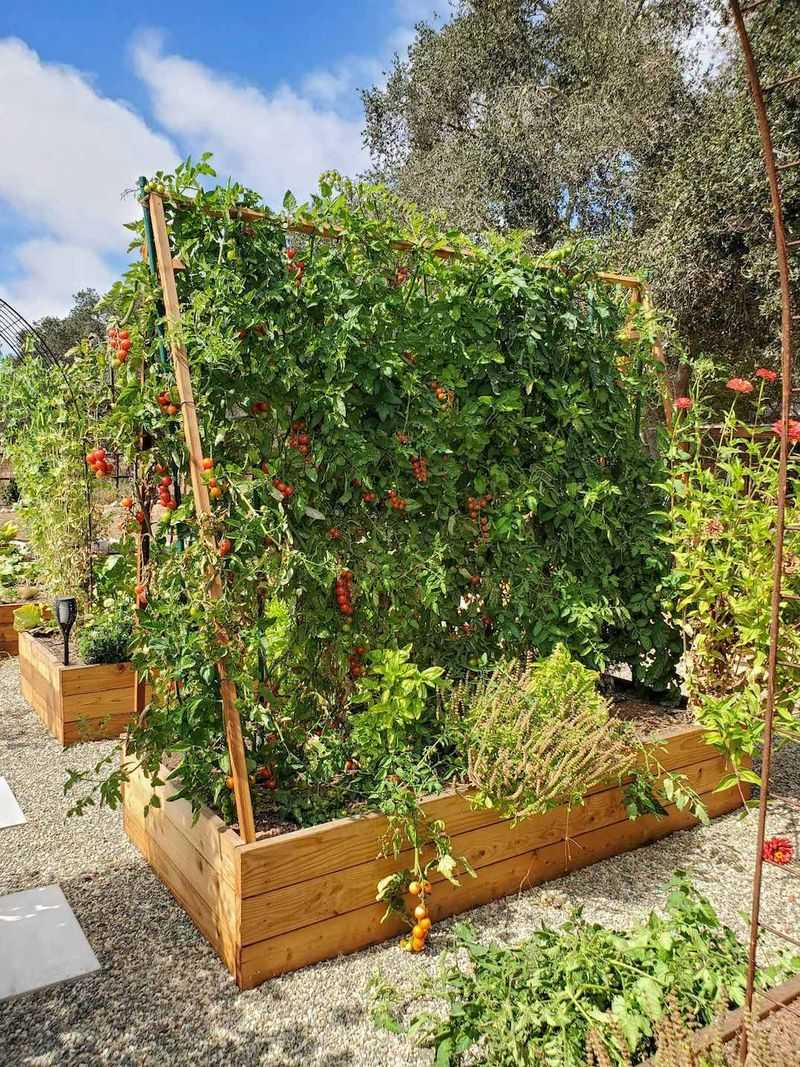
Flimsy tomato cages collapse under the weight of a heavy harvest, so I use 8-foot steel posts with horizontal wire supports. Installing these supports when plants are small prevents root damage later.
My support system holds plants upright even during summer storms and keeps heavy fruit clusters off the ground. Strong supports are essential because healthy tomato plants can grow 6-8 feet tall and weigh over 50 pounds when fully loaded.
5. Water Consistently to Prevent Fruit Problems
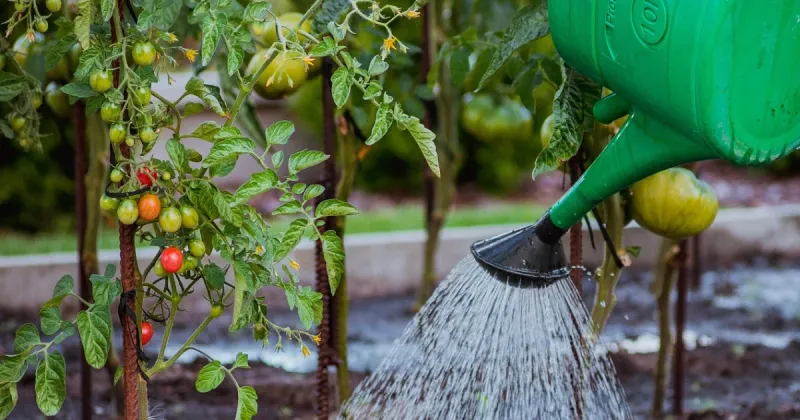
Inconsistent watering causes blossom end rot, cracking, and reduced fruit production that can ruin your harvest. I water deeply twice per week, giving each plant about two gallons each time.
Soaker hoses deliver water directly to roots without wetting leaves, which prevents disease problems. Consistent moisture levels keep plants producing steadily and prevent the stress that causes plants to drop flowers and reduce fruit set.
6. Feed Plants Like the Heavy Feeders They Are
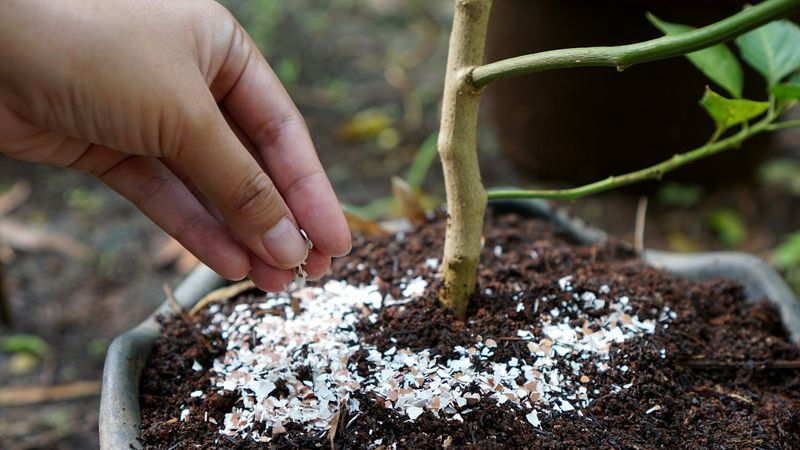
Tomatoes need more nutrients than most vegetables because they’re producing fruit constantly throughout the growing season. I side-dress plants with compost every three weeks and add liquid fertilizer weekly.
Calcium is especially important for preventing blossom end rot, so I add crushed eggshells around each plant. Well-fed plants produce larger fruits and keep flowering longer, extending your harvest well into fall when other gardens are finished.
7. Prune Suckers for Maximum Fruit Production
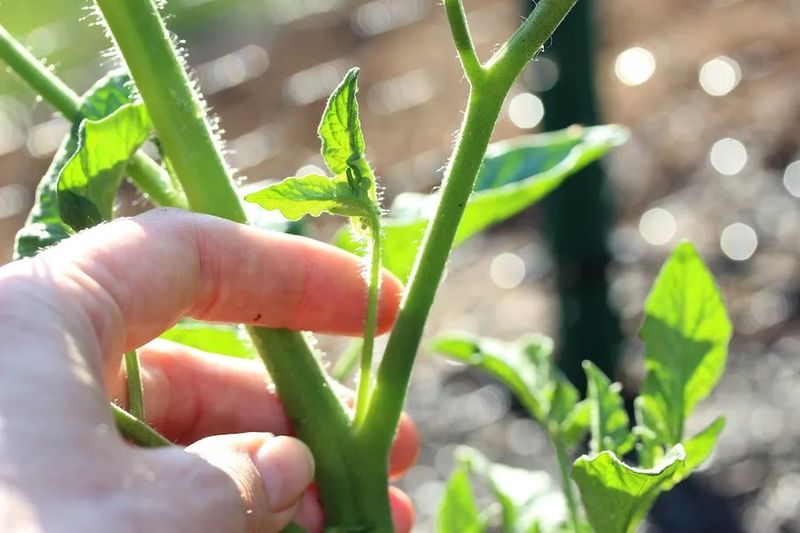
Suckers are shoots that grow between the main stem and branches, stealing energy from fruit production. I remove suckers when they’re small, using my fingers to pinch them off cleanly.
Removing suckers focuses the plant’s energy on developing larger, better-quality fruits instead of excess foliage. This pruning technique increased my harvest by about 30% compared to unpruned plants in previous years.
8. Mulch Heavily to Retain Moisture and Suppress Weeds
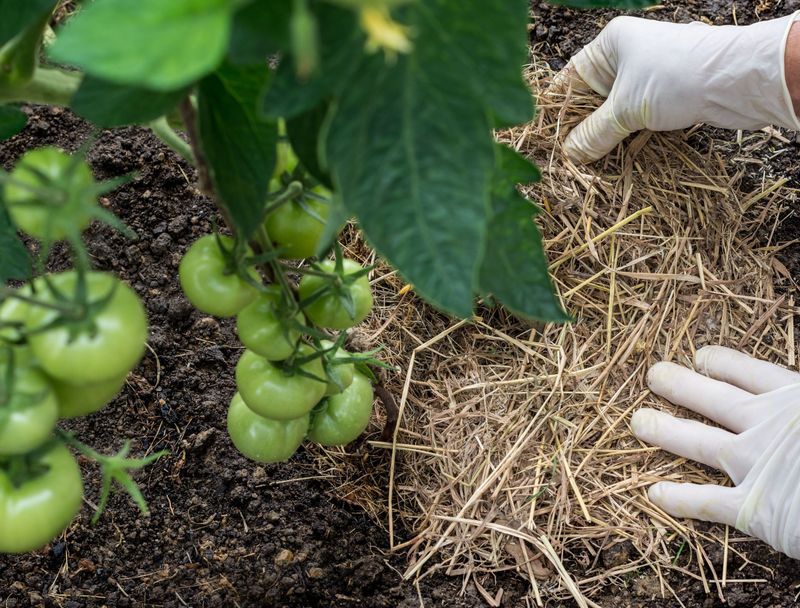
Four inches of organic mulch around each plant keeps soil moist, suppresses weeds, and gradually breaks down to feed the soil. I use straw, grass clippings, or shredded leaves.
Mulch also prevents soil from splashing onto leaves during watering, which reduces disease problems. Keep mulch a few inches away from plant stems to prevent pest problems and allow air circulation around the base of each plant.
9. Choose Your Planting Location Like a Real Estate Agent
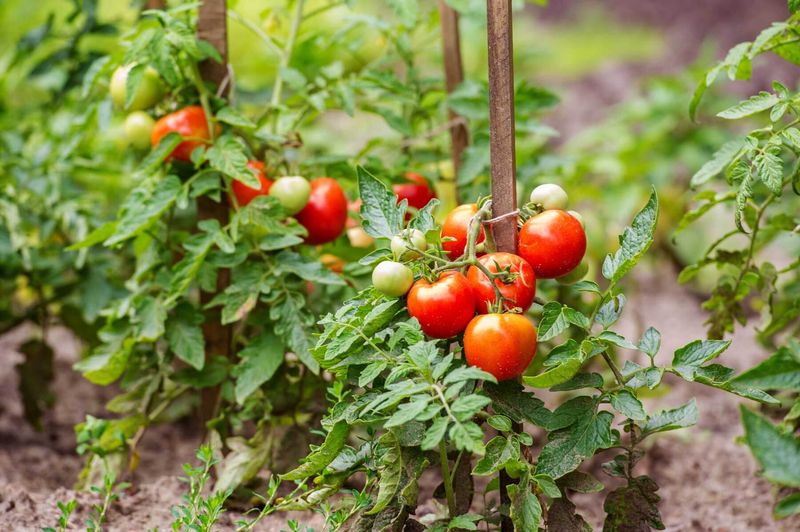
Location determines everything in tomato growing – I choose spots that get 8+ hours of direct sunlight and have excellent drainage. Morning sun is especially important for drying dew quickly.
Avoid low spots where cold air settles and water pools after rain. Good air circulation prevents fungal diseases that can destroy plants overnight. I also rotate my tomato patch to different areas each year to prevent soil-borne disease buildup.
10. Start Seeds Indoors for Earlier Harvests
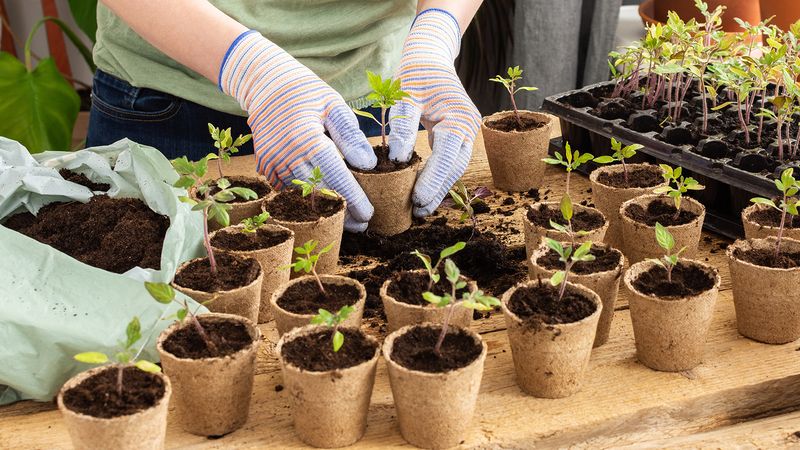
Starting seeds indoors 6-8 weeks before the last frost gives you a huge head start on the growing season. I use a simple seed-starting setup with grow lights and heat mats.
Early plants begin producing fruit in June instead of August, extending your harvest season by months. This extra time allows plants to produce much more fruit before cold weather ends the growing season in fall.
11. Harvest at Peak Ripeness for Best Flavor
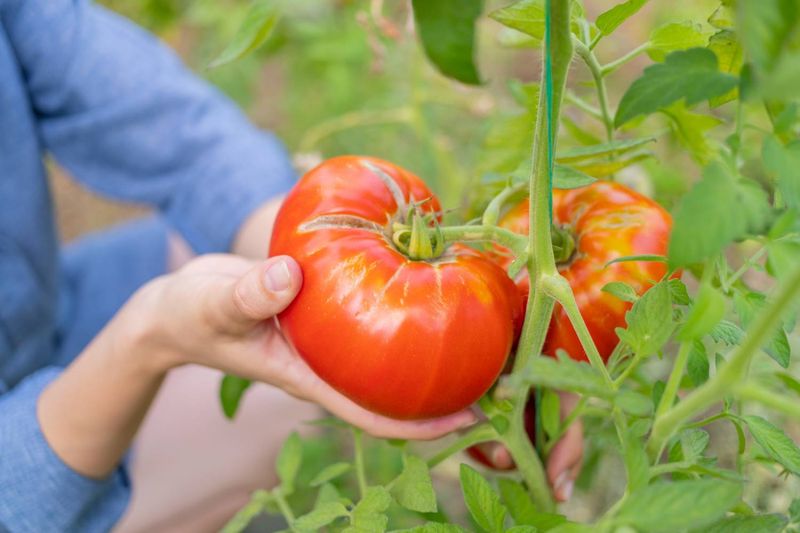
Picking tomatoes when they’re fully colored but still firm gives you the best flavor and allows more fruits to develop. I harvest every other day during peak season.
Green tomatoes will ripen indoors if frost threatens, but vine-ripened fruits always taste better. Regular harvesting encourages plants to keep producing new flowers and fruits instead of putting energy into overripe fruits hanging on the vine.
12. Protect Plants from Late and Early Frosts
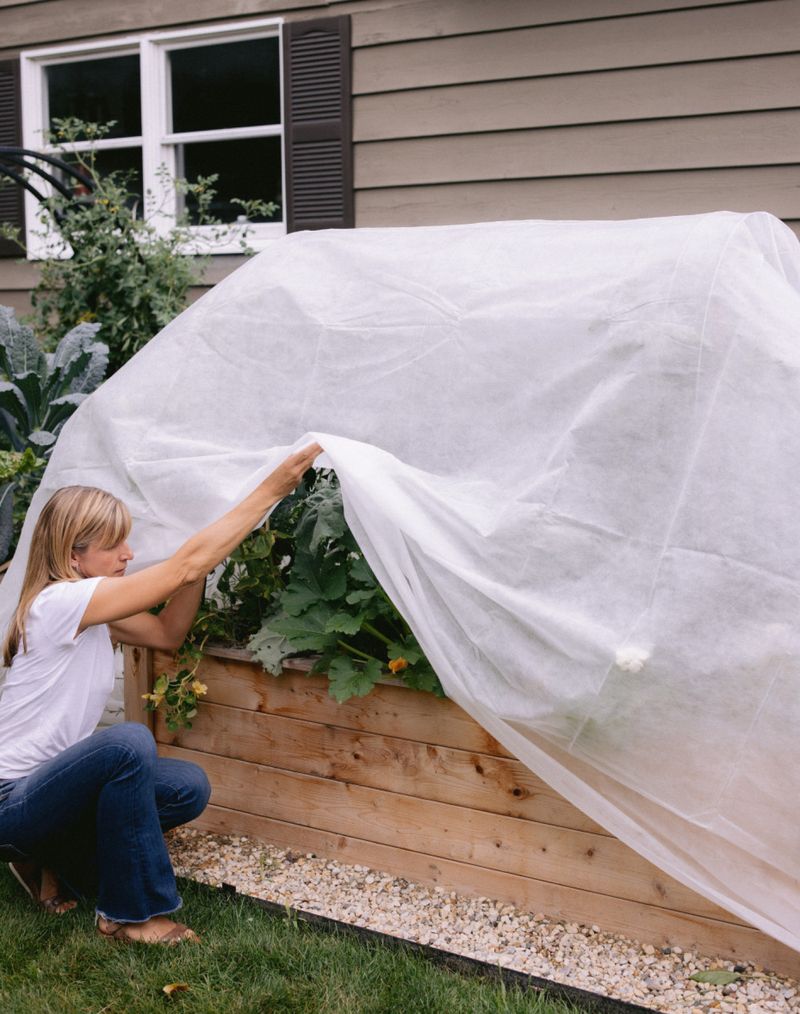
Row covers, water walls, or even old bedsheets can protect plants from unexpected frosts that end the season too early. I keep covers handy throughout the growing season.
Protecting plants from late spring frosts allows earlier planting, while fall frost protection extends harvests well into October. These extra weeks can add 20-30 pounds to your total harvest by allowing more fruits to ripen on the vine.
13. Control Pests Before They Become Problems
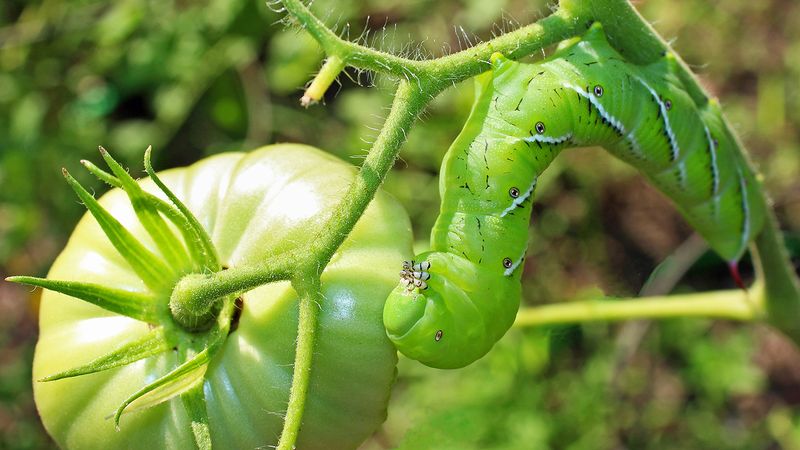
Hornworms can strip a plant bare overnight, so I check plants weekly for these green caterpillars that blend perfectly with tomato foliage. Handpicking works better than sprays.
Companion planting with basil and marigolds helps repel many common pests naturally. Early detection and quick action prevent small pest problems from becoming harvest-destroying disasters that can ruin months of careful growing work.
14. Improve Your Soil Every Single Year
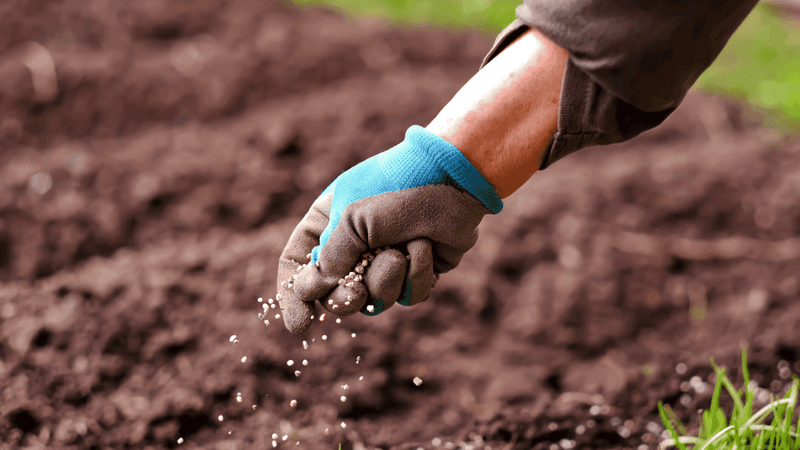
Adding compost, aged manure, and organic matter annually builds the rich, deep soil that tomatoes need for maximum production. I add 2-3 inches of compost each spring.
Healthy soil holds moisture better, provides steady nutrition, and supports beneficial microorganisms that help plants resist diseases. Good soil is the foundation of any successful garden, and tomatoes especially reward gardeners who invest in soil health.
15. Save Seeds from Your Best Performers
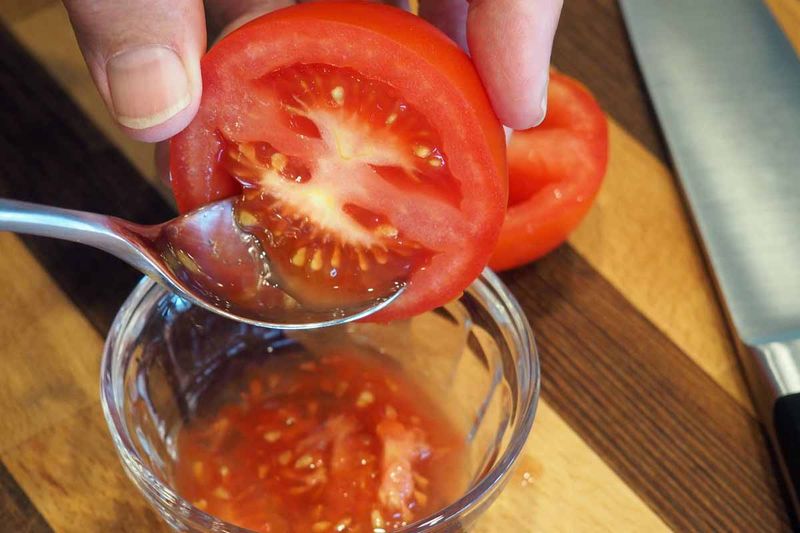
Saving seeds from plants that produced the most fruit in your specific growing conditions creates varieties perfectly adapted to your garden. I save seeds from my top 3 producers each year.
These saved seeds often outperform store-bought varieties because they’re selected for success in your exact climate and soil conditions. This practice also saves money and preserves varieties that work well in your specific location.
16. Monitor Weather and Adjust Care Accordingly
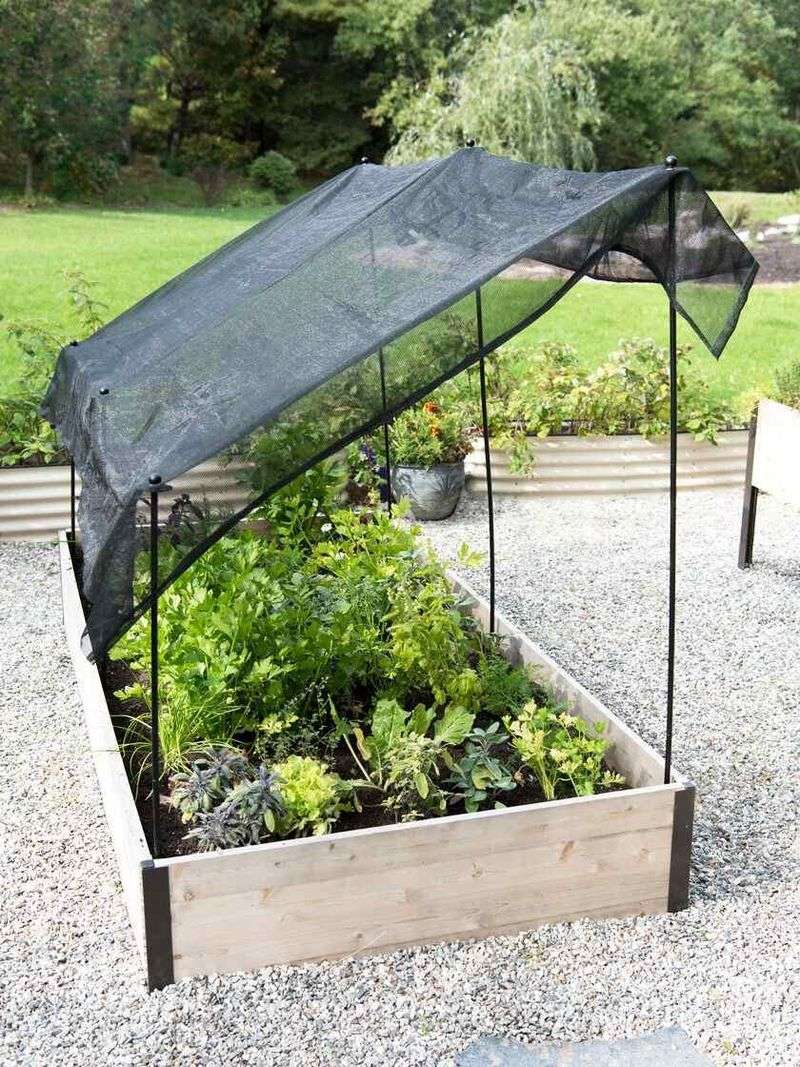
Hot, dry spells require more frequent watering, while humid conditions need better air circulation to prevent diseases. I check weather forecasts weekly and adjust my garden care accordingly.
During heat waves, I provide afternoon shade with row covers to prevent sun scald and flower drop. Weather-aware gardening helps plants stay productive during challenging conditions that normally reduce harvests significantly.
17. Use Companion Plants That Actually Help
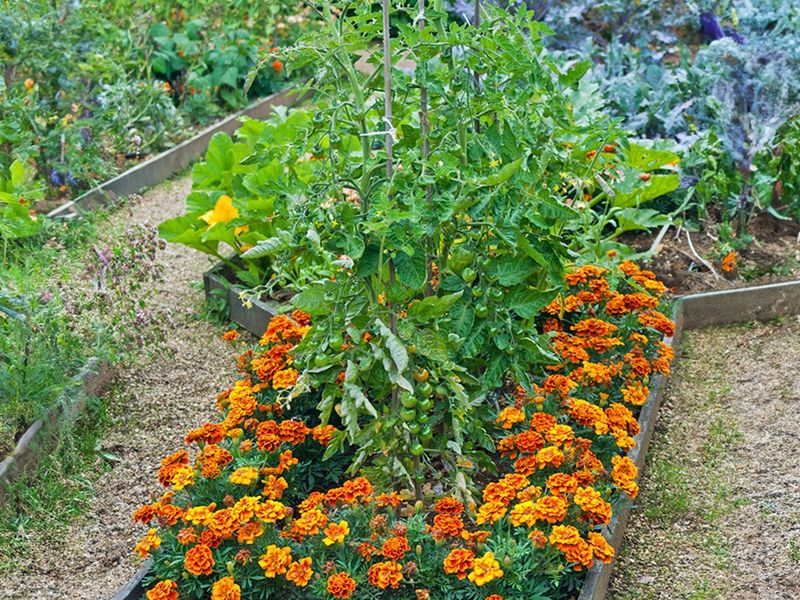
Basil planted near tomatoes improves flavor and repels insects, while marigolds deter nematodes that attack roots. I interplant these companions throughout my tomato patch.
Avoid planting tomatoes near black walnut trees or fennel, which release chemicals that stunt tomato growth. Good companions create a healthier garden ecosystem that supports higher yields and reduces pest problems naturally without chemical interventions.
18. Keep Detailed Records for Future Success
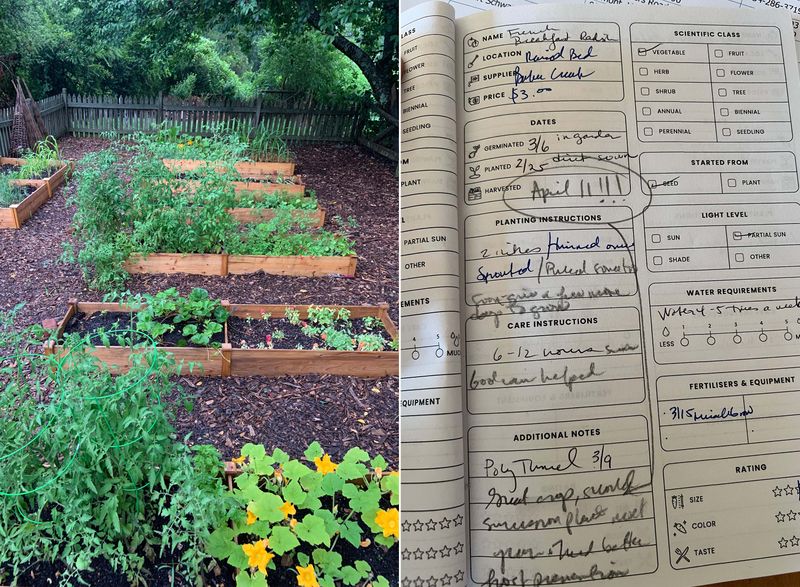
Recording which varieties performed best, when you planted, and what problems occurred helps you improve every year. I keep a simple garden journal with photos and notes.
These records help you repeat successes and avoid repeating mistakes that cost time and reduce harvests. Good record-keeping turns every growing season into valuable learning that improves your future tomato production significantly over time.
19. Plan Your Next Season While This One Grows
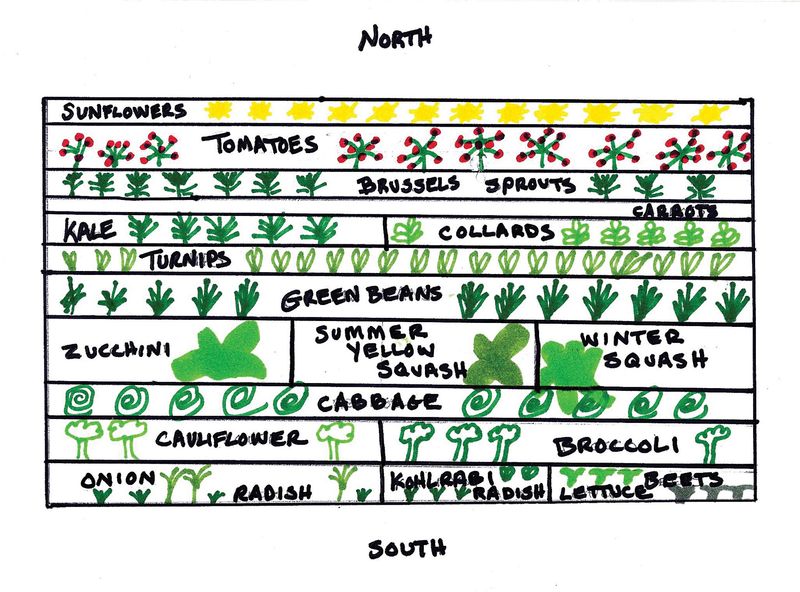
Ordering seeds early ensures you get the varieties you want, and planning garden layout changes during the current season helps you remember what worked and what didn’t.
I make notes about which areas produced best and plan crop rotations while the information is fresh in my mind. Forward planning prevents last-minute decisions that often lead to poor variety choices and suboptimal garden layouts that reduce overall production.