 Complete Gardening
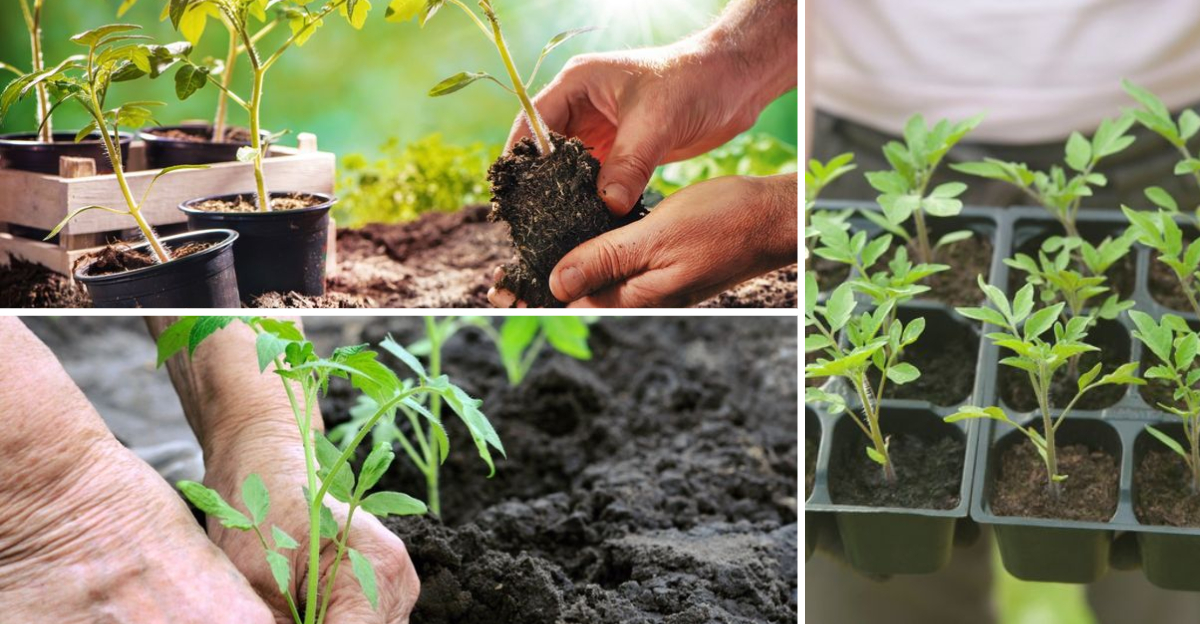
Transplanting tomatoes can be an unforgiving task for beginners and seasoned gardeners alike. With each attempt, you learn a little more about what these finicky plants need to thrive. Patience, observation, and a touch of luck are essential, but so are the right techniques. These transplanting secrets have been uncovered through trial, error, and the ultimate sacrifice of 15 tomato plants. Here are the lessons learned that can help save your future garden from the same fate.
1. Timing is Everything

The secret to successful tomato transplanting often lies in timing. Observing the growth of your seedlings, you might wonder: when is the perfect moment to move them? Waiting until the last frost has passed is crucial.
Your eager seedlings must be well-prepared for their new home. Gradually introduce them to the outdoors, allowing them to acclimate.
This process, known as “hardening off,” can make or break your transplanting success. Without it, tender seedlings may wither under the harsh sun. Remember, patience and timing dance together in gardening harmony.
2. The Art of Hardening Off
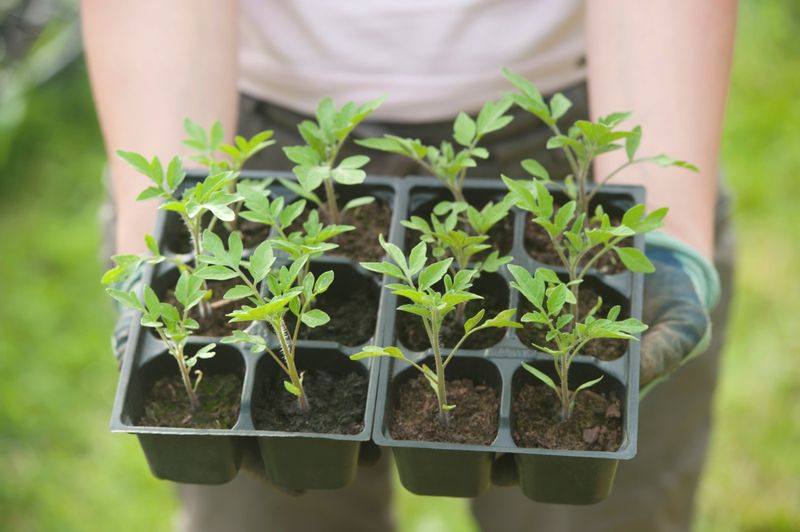
Imagine your seedlings as timid newcomers to a bustling city; they need a period of adjustment. The process of hardening off gently introduces them to outdoor conditions.
Begin with a couple of hours in shaded areas, gradually increasing exposure to sunlight and wind.
This gradual exposure toughens them up, much like a gentle boot camp.
Skipping this step can lead to shock and swift demise. Consider it their rite of passage into the garden world. With patience and care, they will reward you with robust growth.
3. Depth Matters

Did you know that tomatoes can grow roots along their buried stems? This unique trait requires planting them deeper than other garden plants.
Bury the seedlings up to their first set of leaves.
This encourages a strong root system, anchoring the plants firmly in place.
Deep planting helps them withstand wind and absorb nutrients efficiently.
The first time you try this, it might feel counterintuitive, but the results are worth it. A robust root base makes for resilient plants.
4. Choosing the Right Spot
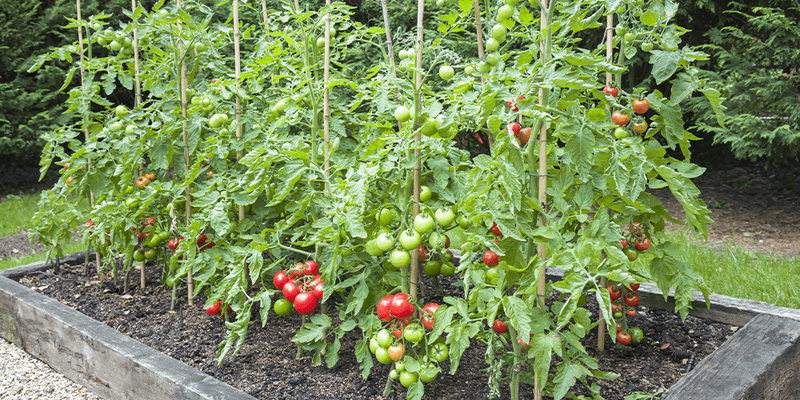
Real estate is location, location, location; the same goes for tomato plants. Selecting the right spot is more than just about sunlight.
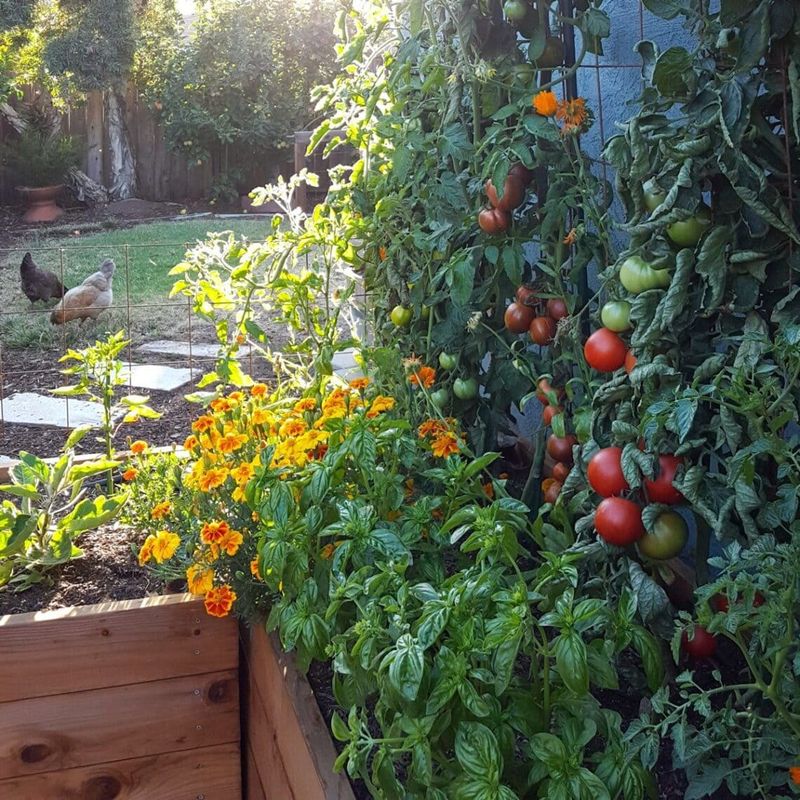
Tomatoes thrive with companions like basil and marigolds that deter pests and boost growth.
Space your plants adequately to allow air circulation, preventing disease.
This thoughtful planning can lead to a bountiful harvest.
Imagine your garden as a thriving neighborhood, each plant playing its part. Your tomatoes will thank you for such thoughtful consideration.
5. Water Wisely
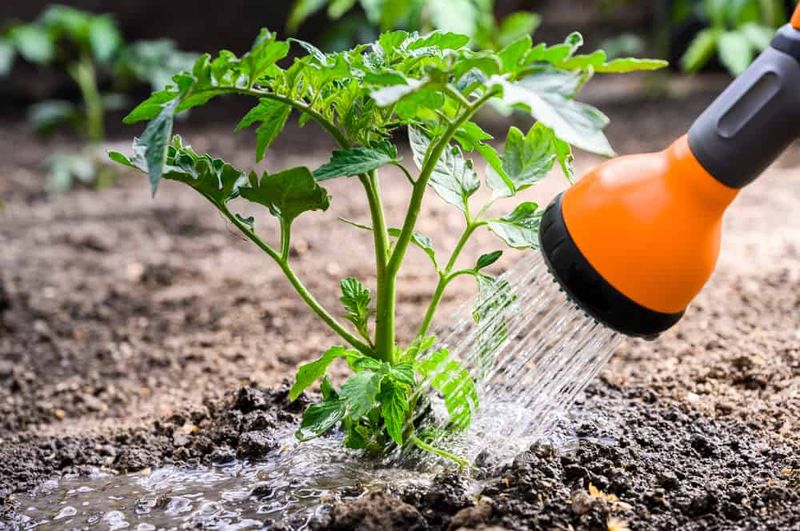
Watering tomatoes isn’t just about quantity but also technique. Imagine quenching a thirsty traveler.
Water at the base to avoid wetting the foliage, reducing the risk of fungal diseases.
Consistency is key; stick to a regular schedule.
Infrequent, deep watering encourages a deep root system.
Conversely, erratic watering can lead to split fruit and stressed plants.
Think of it as a nurturing relationship; your tomatoes depend on your consistency and care.
6. Soil Preparation

Crafting the perfect home for your tomatoes starts with the soil. Picture a gourmet chef preparing an exquisite meal.
Enrich your garden soil with organic matter like compost.
This boosts nutrients and improves drainage.
Add a slow-release fertilizer to provide sustained nourishment.
A fertile foundation leads to healthy, productive plants.
Neglecting soil preparation is like building on shaky ground.
Your tomatoes’ vigor relies heavily on this groundwork.
7. Mulching Magic
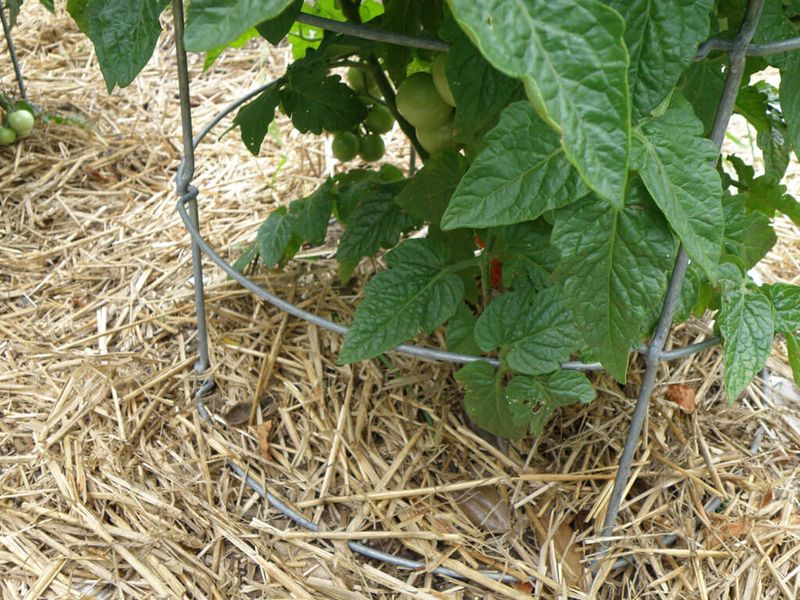
Mulching is the unsung hero of the tomato garden. Imagine a cozy blanket protecting seedlings from the elements.
Apply organic mulch like straw or shredded leaves around your plants.
This conserves moisture, suppresses weeds, and regulates temperature.
Mulch ensures a stable environment for roots, allowing them to thrive.
Without it, your plants face extremes in temperature and water loss.
It’s a simple yet powerful tool in your gardening arsenal.
8. Companion Planting
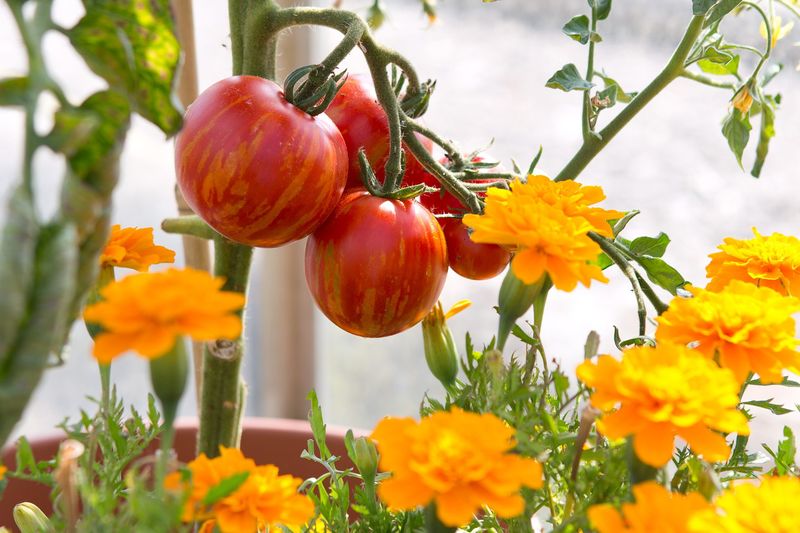
Consider the intricacies of companion planting. Tomatoes thrive when paired with certain plants that deter pests and enhance growth. Basil, for example, not only complements tomatoes in culinary dishes but also drives away insects with its aromatic scent.
Meanwhile, marigolds provide a colorful barrier against nematodes and other harmful pests. This symbiotic relationship creates a balanced ecosystem within your garden.
As you plan your plot, think creatively about plant combinations, and remember that a diverse garden is a resilient garden.
9. Temperature Monitoring
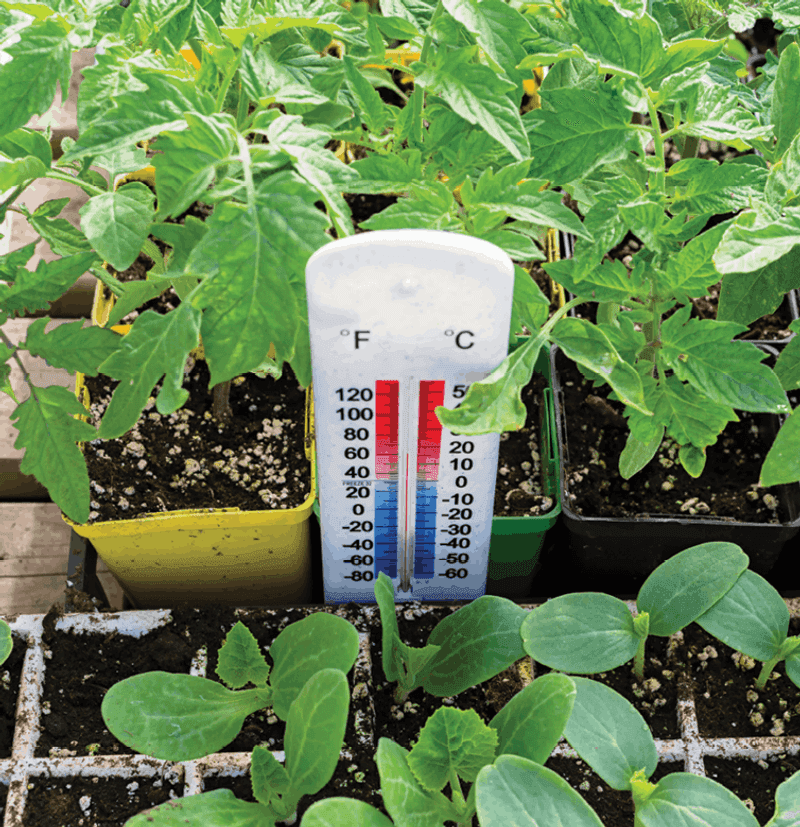
Keeping an eye on temperature is crucial. Tomatoes are sensitive to cold and thrive in warm conditions. Investing in a reliable thermometer helps you ensure that the soil and air temperatures meet their growth needs.
Early mornings and late afternoons are ideal times to check temperature fluctuations.
Maintaining a consistent temperature fosters healthy growth and minimizes stress on the plants.
Consider using row covers or cloches to protect young plants from unexpected cold snaps or overly hot days.
10. Container Choices
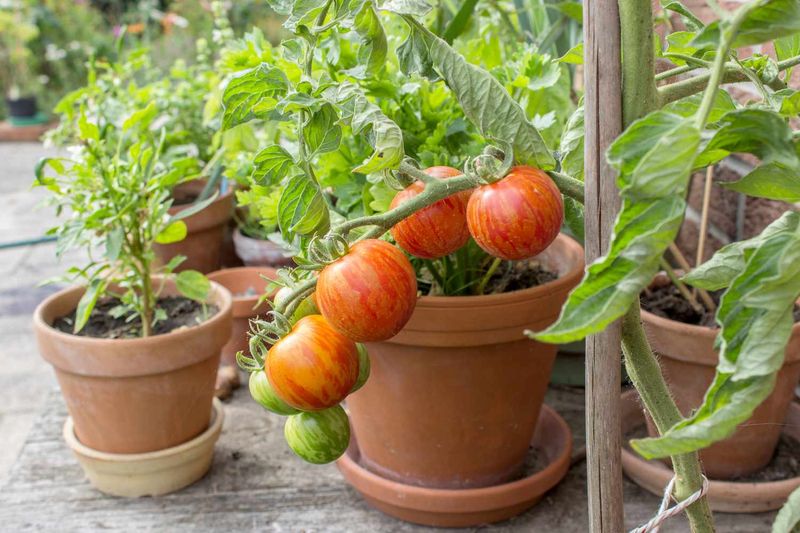
Selecting the right container can make a world of difference. The material, size, and drainage options all play a role in the success of your tomato transplants. Clay pots offer breathability, while biodegradable containers support eco-friendly practices.
Each choice affects root development and moisture retention.
Evaluate the space you have and the specific needs of your tomato variety. The right container not only nurtures your plants but also complements your gardening style and environmental philosophy.
11. Seedling Spacing
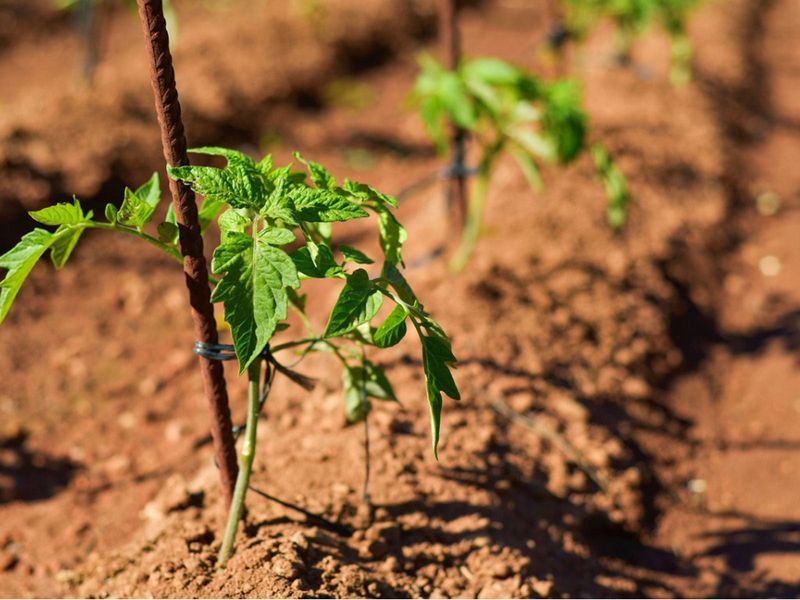
Proper spacing is more than a guideline; it’s a necessity. Overcrowding can suffocate plants, leading to weak growth and disease. By giving each seedling ample space, you encourage robust root systems and ensure that plants aren’t competing for resources.
Spacing also improves air circulation, reducing the risk of fungal infections.
Visualize the mature size of your plants and plan accordingly. Your tomatoes will thank you with bountiful harvests and fewer complications.
12. Nutrient Timing
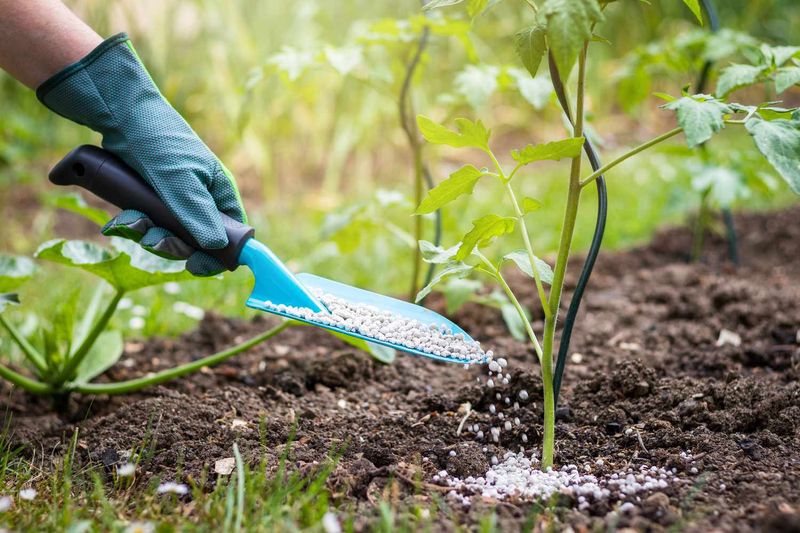
Timing nutrient application can transform your gardening results. Understanding when to feed your tomatoes is as critical as what you feed them. Early growth stages require a different nutrient mix than the fruiting period.
Applying fertilizers at the right time ensures that nutrients are available when plants need them most.
Tracking these periods and adapting your fertilizing schedule can lead to healthier plants and richer fruit yields.
13. Gentle Handling Techniques

The way you handle seedlings can set the stage for their future growth. Gently cradling the roots, supporting the stem, and minimizing disturbance during transplanting are crucial.
Rough handling can cause shock, leading to stunted growth or even plant death.
Practice patience and care during this process, and your tomato plants will reward you with vigorous growth and resilience.
14. Wind Protection Strategies
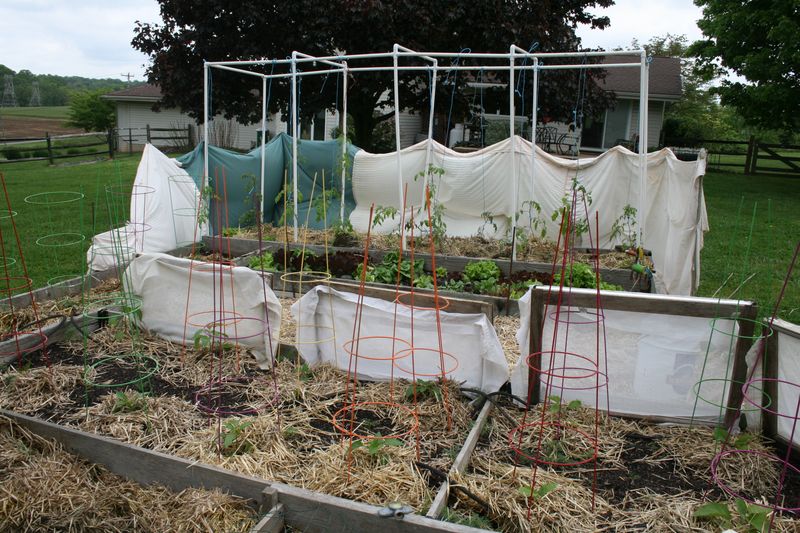
Wind can be an invisible adversary, but you can shield your tomato plants with clever strategies. Planting windbreaks, like taller plants or even temporary fences, can reduce the impact of strong gusts.
Wind protection not only prevents physical damage but also conserves moisture by reducing evaporation.
By creating a protective environment, you help your plants focus on growth instead of battling the elements.
15. Pest Prevention Techniques
Keeping pests at bay is a fundamental aspect of successful gardening. Using natural deterrents like garlic and onion plants can discourage many common tomato pests.
These aromatic companions create a barrier that confuses and repels insects.
Incorporating these techniques into your gardening routine helps maintain plant health without relying on chemical pesticides, promoting a more sustainable and eco-friendly approach.