 Complete Gardening
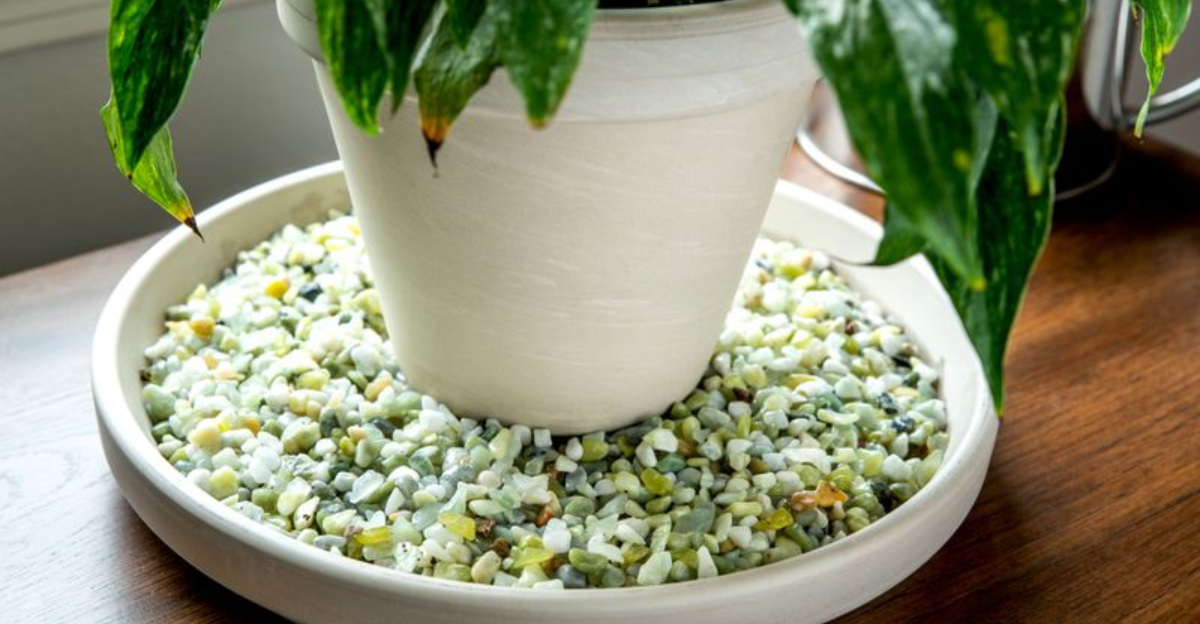
Gardening is a journey of trial and error, and my recent endeavor proved to be a steep learning curve. After unintentionally killing sixteen plants within a month, I gained insights that have reshaped my approach to plant care. Through examining my mistakes, I’ve identified key areas where I went wrong and how others can avoid similar pitfalls.
1. Overwatering Woes
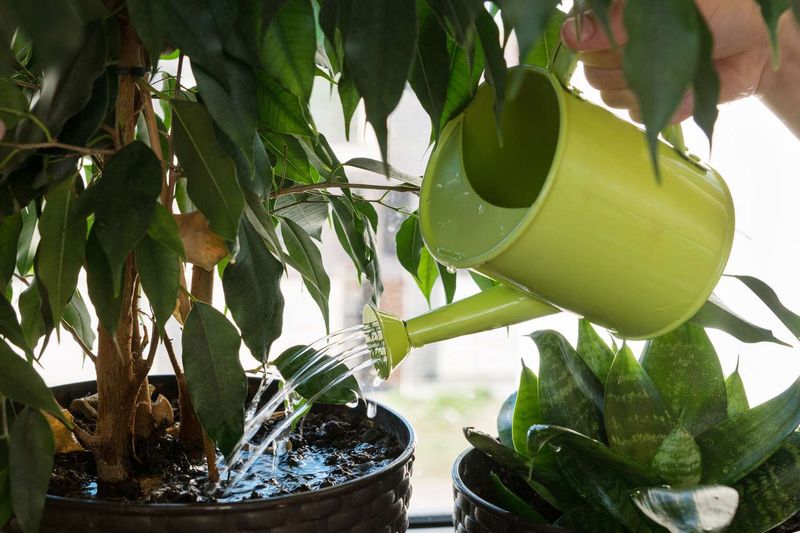
Overwatering might be the silent killer of plants. With enthusiasm, I doused my plants daily, thinking more water meant more life.
Little did I realize, their roots suffocated in soggy soil, leading to decay. I learned plants need proper drainage and a watering schedule tailored to their specific needs.
Too much affection can drown their potential. As a fun fact, many houseplants prefer to dry out between waterings, mimicking their natural habitats. Balancing moisture is crucial for a plant’s survival.
2. Sunlight Misjudgments
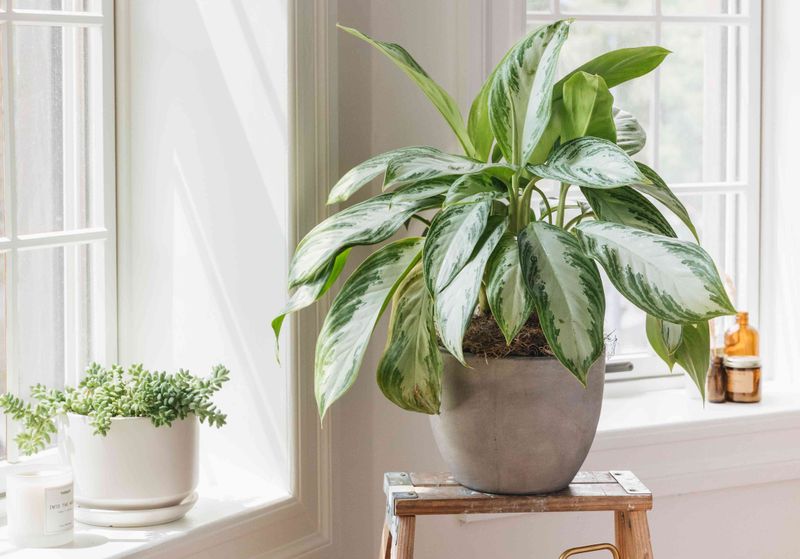
Plants bask in sunlight, but too much can scorch them. I placed my leafy friends in direct rays, thinking it was beneficial.
Unfortunately, I forgot to consider their sunlight tolerance. Some plants thrive in indirect light, while others crave the sun.
Understanding each plant’s preference can prevent the crispy leaf syndrome. Interestingly, succulents, often sun-loving, still need protection during peak sunlight. Each plant has its unique sunbathing demands.
3. Neglecting Humidity
Humidity plays a silent role in a plant’s health. My fascination with tropical plants led to their untimely demise due to a dry indoor climate.
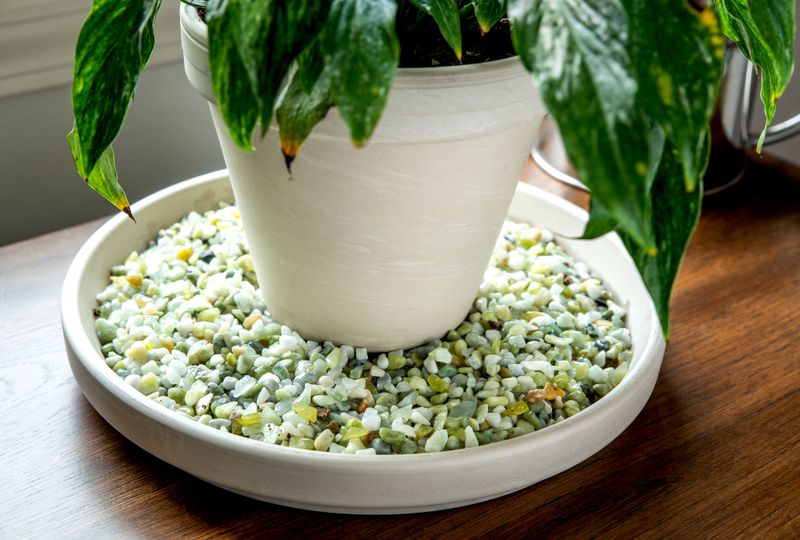
Air conditioning and heaters can sap moisture from the air, leaving tropical plants parched. Realizing the importance of humidity, I started misting and using pebble trays.
Did you know? Tropical plants often thrive in bathrooms, where humidity is naturally higher. Tailoring the environment to suit plant needs is essential.
4. Pest Control Oversight
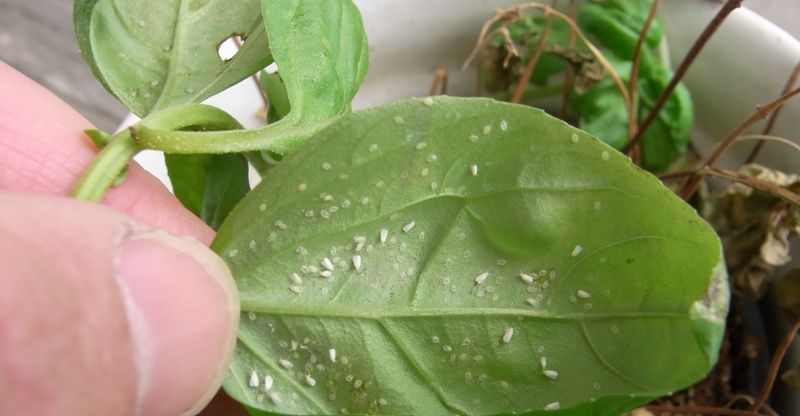
Pests can silently attack and cripple your green companions. I didn’t inspect my plants thoroughly, allowing infestations to go unnoticed until it was too late.
Regularly checking leaves and soil for signs of pests can save a plant’s life. Introducing beneficial insects or natural pest remedies can help maintain plant health.
Fun fact: Ladybugs are natural predators of aphids. Observing and acting promptly against pests is a gardener’s duty.
5. Improper Potting Techniques
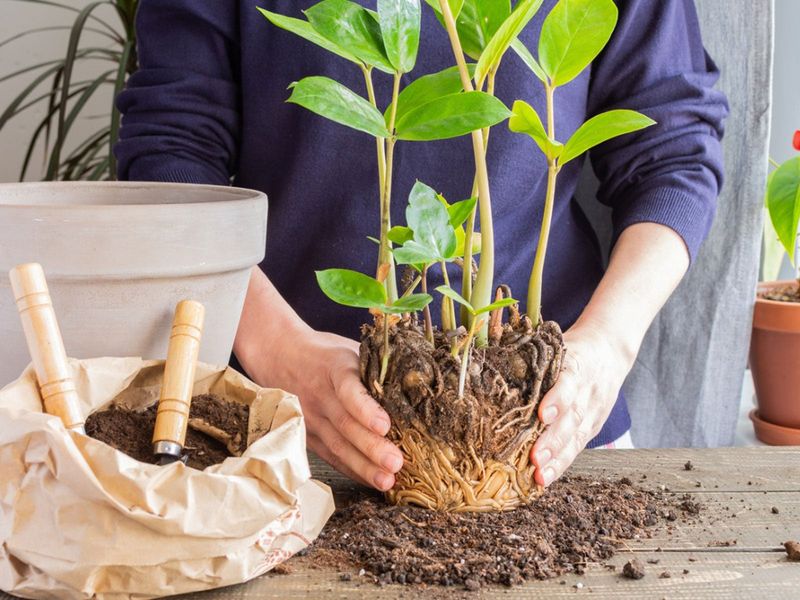
Potting may seem simple, yet mistakes can hinder a plant’s growth. I mistakenly chose pots without considering space for root expansion.
Roots need room to breathe and stretch; compacted soil can suffocate them. Repotting with the right soil mix and container size supports healthy growth.
A quirky tidbit: some plants outgrow their pots quickly, requiring frequent repotting. Understanding potting basics ensures plants thrive in their home.
6. Inconsistent Watering Schedule
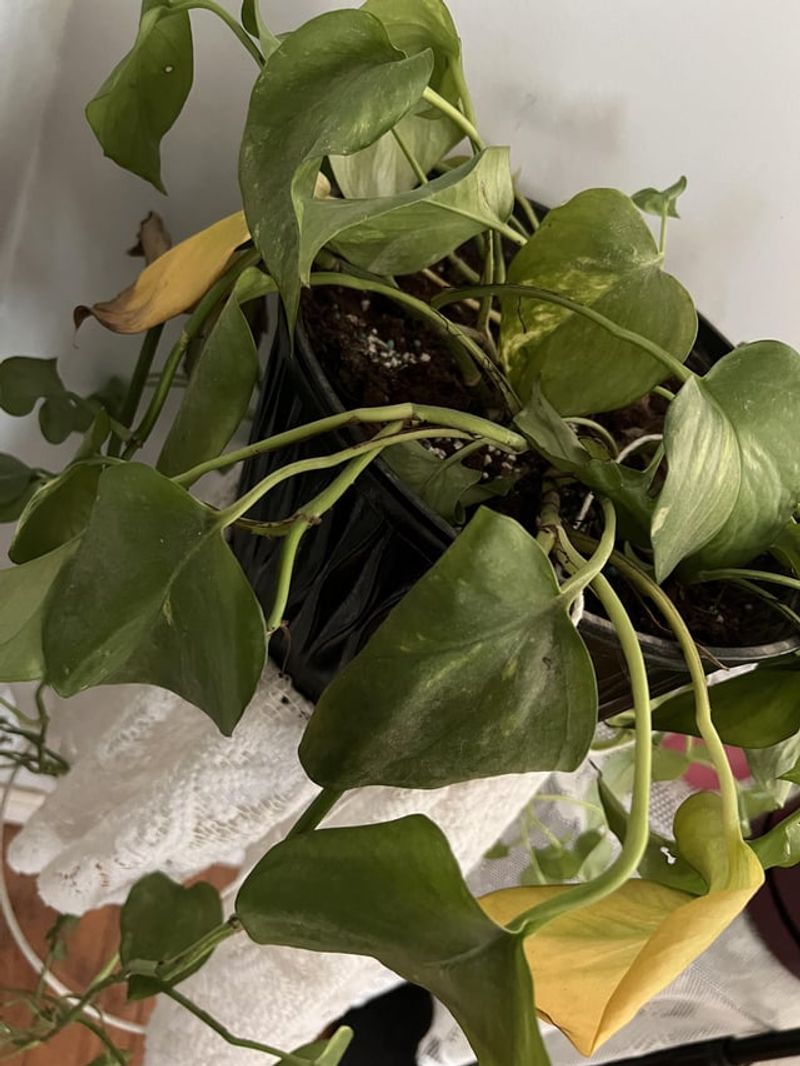
Setting a regular schedule for watering plants is crucial, yet often overlooked by beginners. Imagine the plant as a new friend in your life; consistency nurtures that bond.
Without a regular schedule, plants may suffer from dehydration or waterlogging. Finding a balance is key, and using reminders or apps can help.
Forgetting to water on sunny days or over-watering during a cold spell demonstrates the dance of plant care. Each plant has its rhythm and learning this dance can lead to a harmonious garden.
7. Ignoring Seasonal Changes
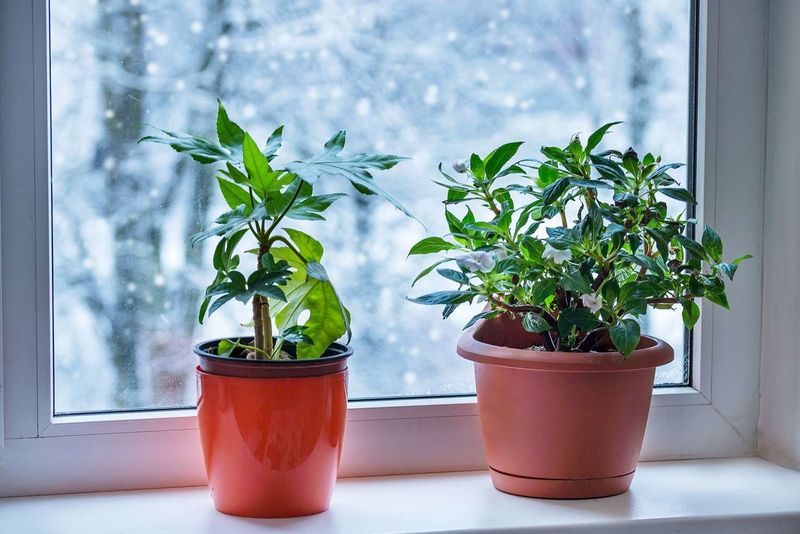
Plants, much like people, respond to the changing seasons. Neglecting this can lead to unexpected plant health issues.
During spring, plants may require more nutrients as they wake from winter’s sleep, while in winter, less water may be needed. Awareness of these shifts ensures thriving plants year-round.
Reflecting on these seasonal needs brings a deeper connection to the garden. Embracing seasonal changes isn’t just about survival; it’s about celebrating nature’s cycles.
8. Wrong Fertilizer Choice
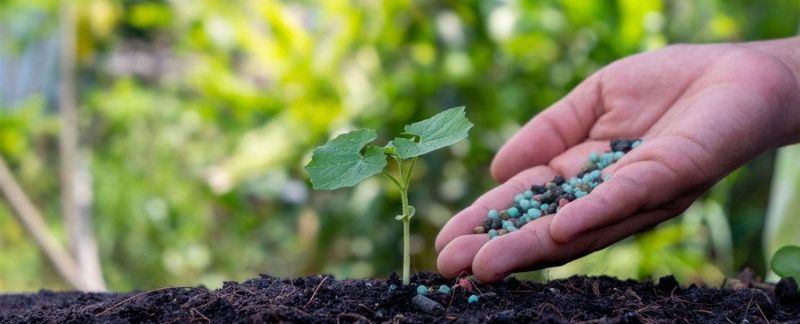
Choosing the right fertilizer can be a daunting task, akin to selecting the ideal diet.
Using the wrong type might lead to nutrient imbalances, causing more harm than good. Understanding the specific needs of each plant, such as nitrogen-hungry or phosphate-loving, helps in making informed choices.
Mistakes in this area taught the importance of research and patience, much like learning a new recipe.
9. Lack of Air Circulation
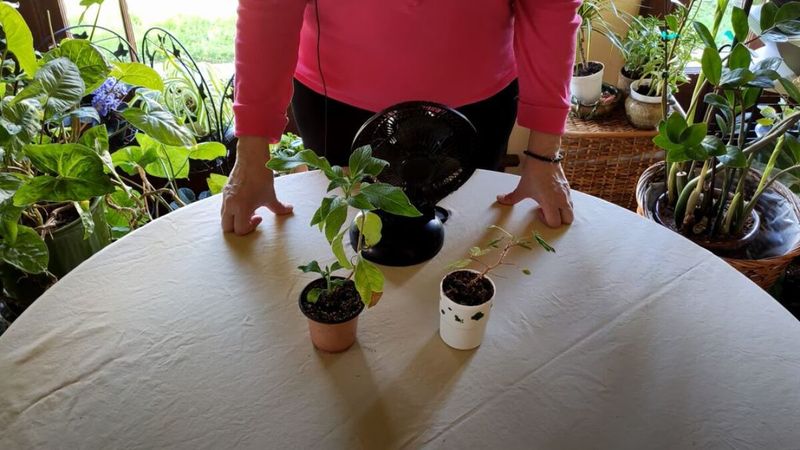
Air circulation plays a vital role in plant health, a factor often underestimated. Stagnant air can lead to mold and pest infestations.
Positioning plants near open windows or using fans can invigorate the environment, fostering robust growth.
The gentle sway of leaves in a breeze isn’t just visually pleasing but essential for vibrant plant life. It’s a dance of air and leaves that breathes life into a garden.
10. Overlooking Soil pH
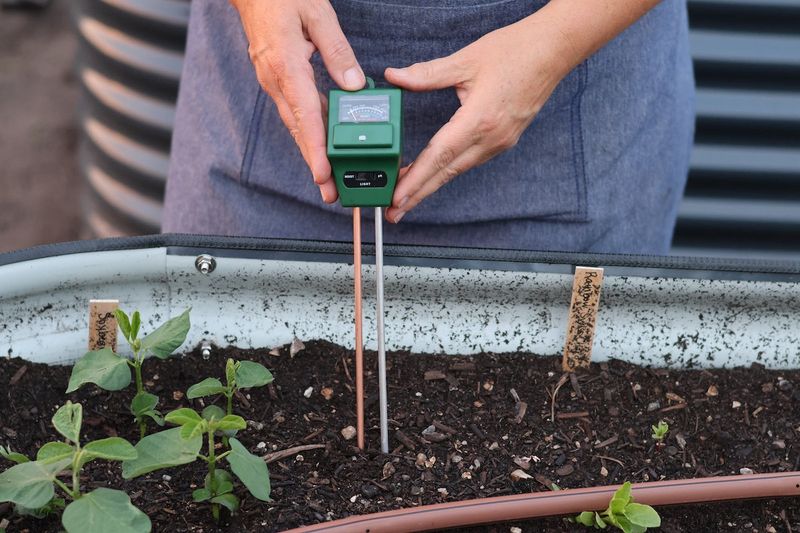
Soil pH might seem trivial, yet it’s the canvas upon which your garden masterpiece is painted.
Ignoring it can lead to nutrient lockout, where plants are unable to absorb essential minerals. A simple pH test can make a world of difference, guiding amendments as needed.
These adjustments, though small, wield great influence, like a tiny brushstroke in a grand painting. Acknowledging soil pH nurtures both the plant and the gardener’s understanding.
11. Ignoring Plant Compatibility
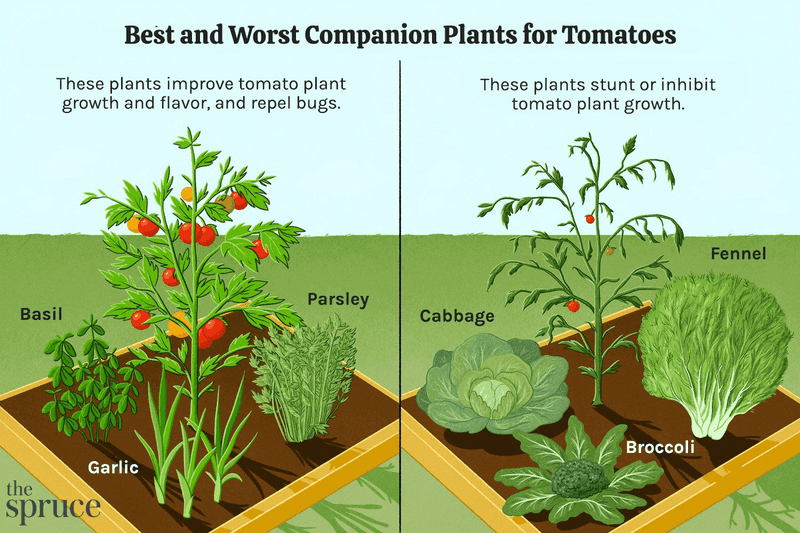
Much like people, plants thrive on companionship, but mismatched pairings can spell disaster. Understanding compatibility involves recognizing needs and growth habits.
Placing a sun-loving plant next to a shade dweller can lead to stress for both. Knowing which plants complement each other fosters a symbiotic relationship.
This lesson extends beyond the garden, teaching patience and empathy in finding the right balance. Harmony in plant companionship echoes life’s interconnectedness.
12. Neglecting Pruning Needs
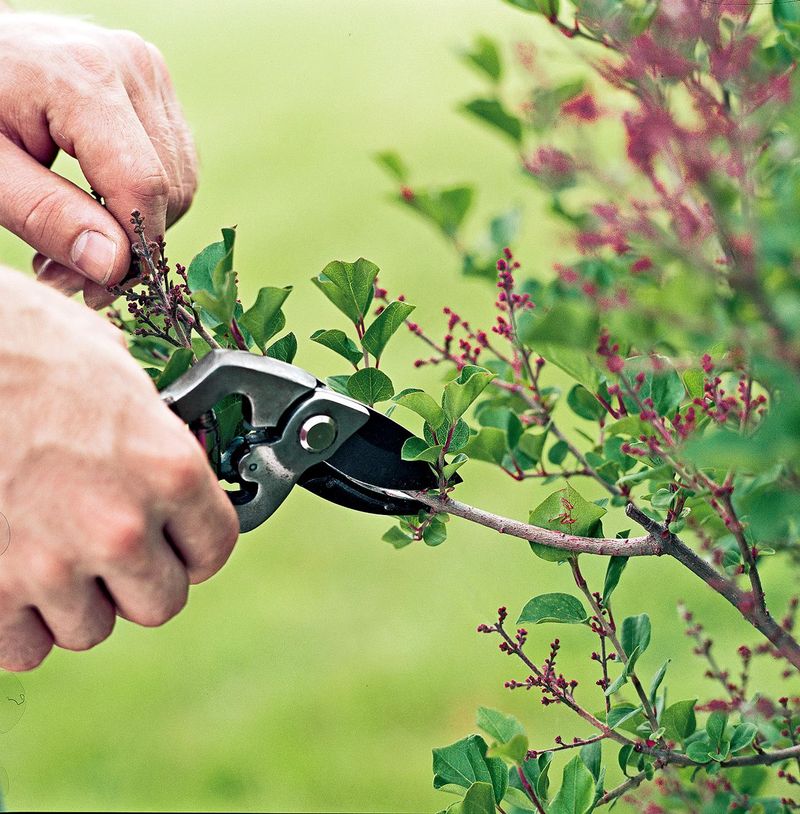
Pruning may seem like a chore, yet it’s vital for shaping healthy plants. Left unchecked, overgrown branches can hinder growth and airflow.
Understanding the specific pruning needs for each plant ensures resilience and vitality. It’s a craft that requires observation and care.
This aspect of gardening parallels life’s need for periodic trimming of excesses, fostering new growth and opportunities.
13. Improper Light Placement
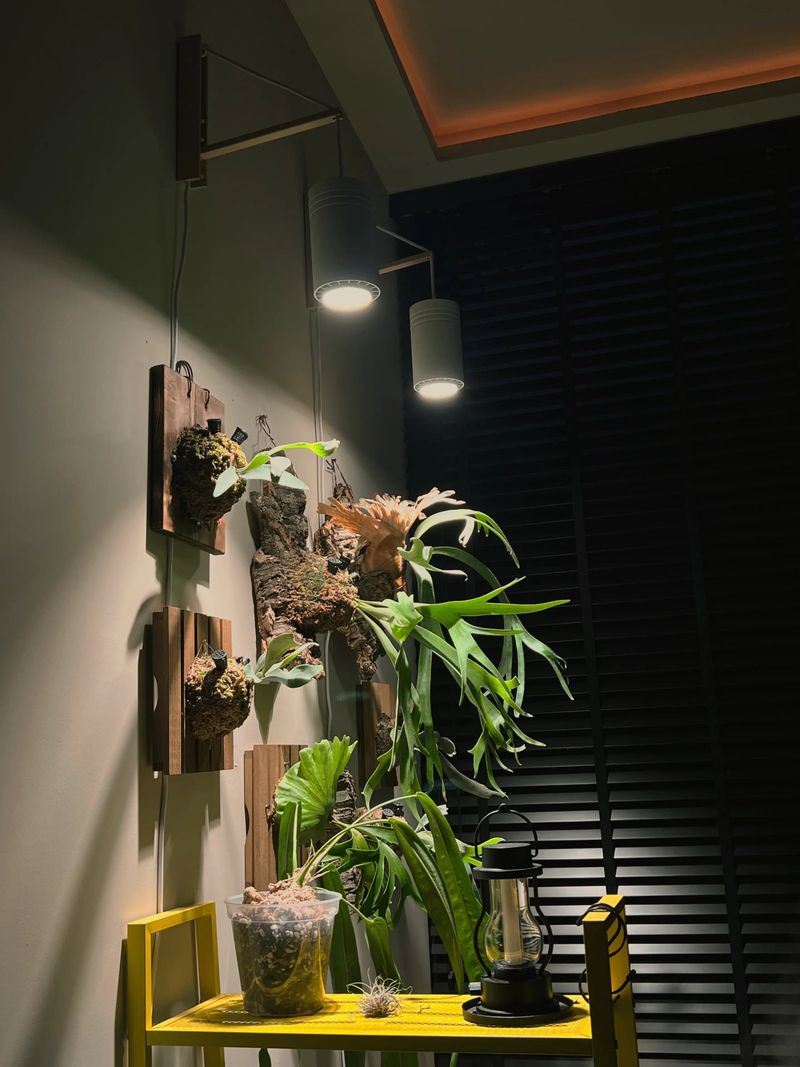
Light placement is as crucial as sunlight itself, especially for indoor plants. Placing a plant in a dim corner might stifle its potential.
Finding the right spot where light levels match a plant’s needs can revolutionize its health.
This realization illuminates the path to flourishing indoor greenery, reminding us that sometimes, a little adjustment can make all the difference.
14. Forgetting to Clean Leaves
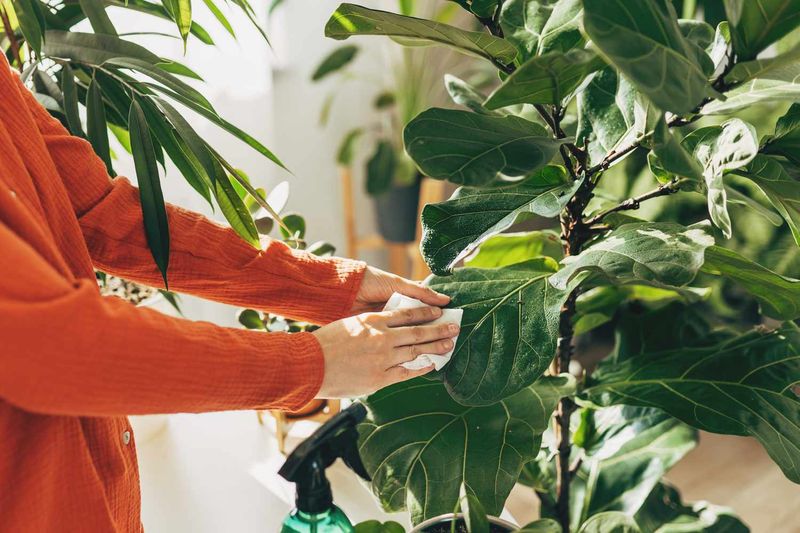
Clean leaves are akin to clean windows, allowing light to fuel photosynthesis efficiently. Dust and grime can obscure light and harbor pests.
Regular cleaning ensures not only aesthetic appeal but also robust plant health.
This simple task fosters a more personal connection with each plant, a gentle reminder of the small acts of care that nurture growth.
15. Ignoring Plant Signals
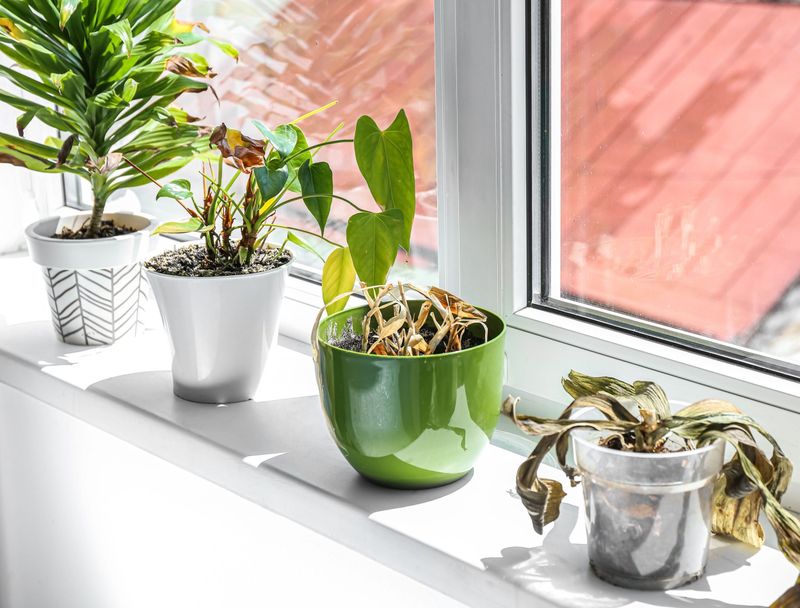
Plants communicate through subtle signals, often missed by the untrained eye. Drooping leaves or faded colors can indicate distress, akin to a whispered plea.
Learning to read these cues fosters a responsive relationship, enhancing plant care.
This awareness builds intuition, a gardener’s secret weapon in nurturing a thriving green space.
16. Neglecting to Rotate Plants
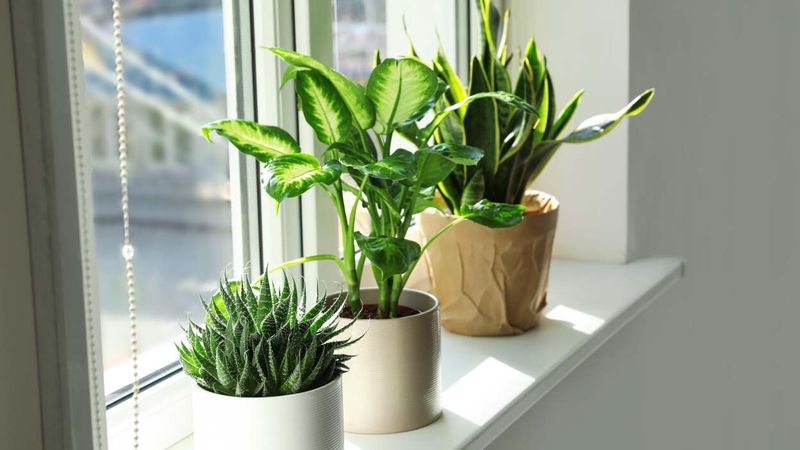
Rotating plants is more than aesthetics; it ensures balanced growth and even light exposure. Without rotation, plants may lean, seeking light.
Regularly turning pots fosters symmetry and vitality, much like giving equal attention to all life’s aspects.
This practice highlights the importance of balance, a lesson both simple and profound in gardening and beyond.