 Complete Gardening
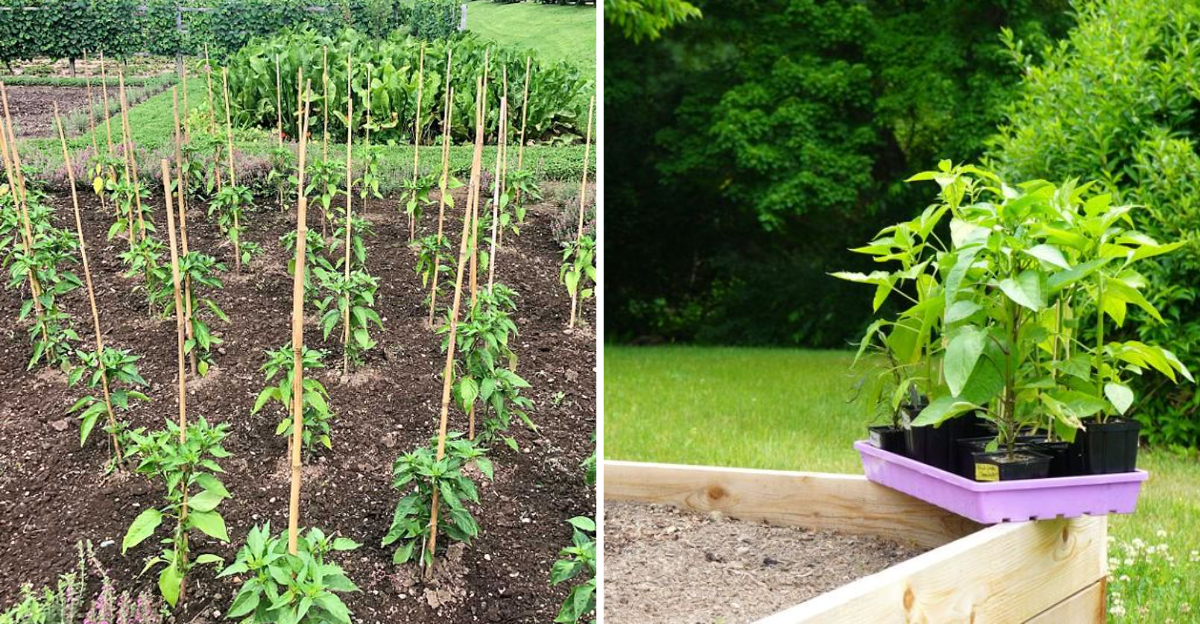
My jalapeño growing journey was a disaster until I discovered what really works. After watching plant after plant wither and die, I was ready to give up entirely. Then I learned these proven methods that transformed my garden from a plant graveyard into a thriving pepper paradise.
1. Stop Drowning Your Plants with Daily Water
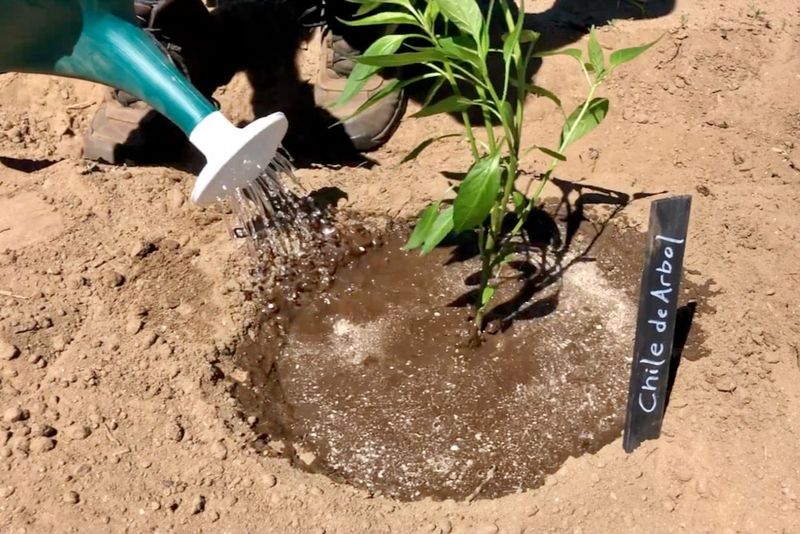
Overwatering kills more jalapeños than drought ever could. Most beginners think daily watering shows love, but it actually suffocates roots and invites fungal diseases.
Check soil moisture by sticking your finger two inches deep. Water only when the top layer feels dry to the touch.
Proper drainage prevents root rot and keeps plants healthy throughout the growing season.
2. Temperature Shock Will Murder Your Seedlings
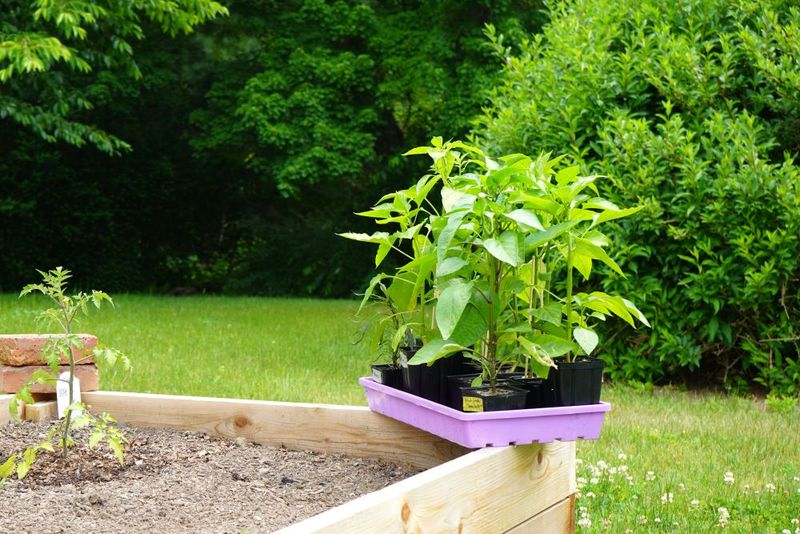
Jalapeños hate sudden temperature changes more than anything else. Moving seedlings from warm indoors to cool outdoors without gradual adjustment causes immediate stress and often death.
Harden off plants slowly over 7-10 days. Start with one hour outside, increasing daily exposure time gradually.
Nighttime temperatures below 50°F will stunt growth permanently, so timing matters tremendously.
3. Wrong Soil pH Creates Nutrient Lockout
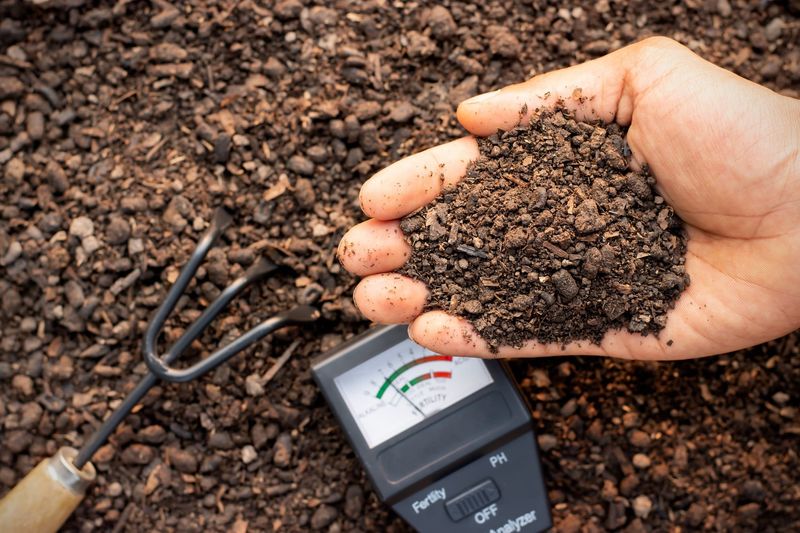
Jalapeños demand slightly acidic soil between 6.0-6.8 pH levels. Outside this range, plants cannot absorb nutrients even when fertilizer is present.
Test your soil using inexpensive pH strips from garden centers. Adjust with lime to raise pH or sulfur to lower it gradually.
Proper pH unlocks nutrients naturally, creating stronger plants that resist diseases and produce abundant peppers consistently.
4. Fertilizer Timing Makes or Breaks Pepper Production
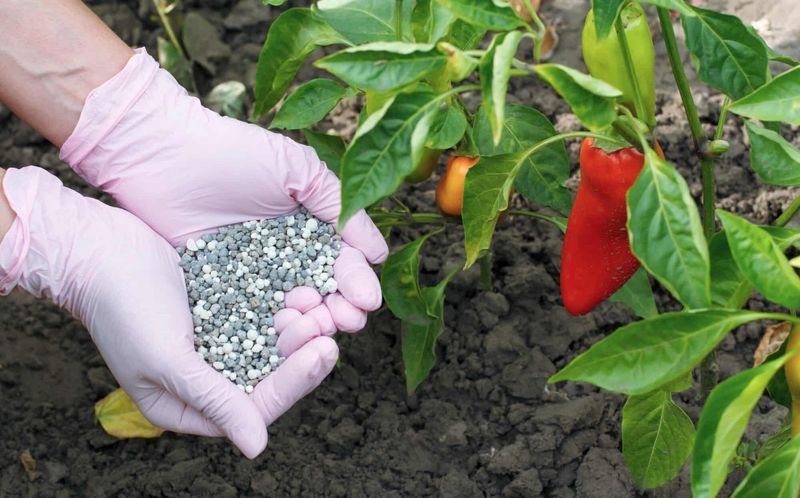
Feeding jalapeños requires strategic timing, not constant fertilization. Too much nitrogen early creates leafy plants with zero peppers.
Use balanced fertilizer during initial growth, then switch to low-nitrogen, high-phosphorus formula when flowering begins. This shift encourages pepper development over leaf production.
Monthly feeding schedules work better than weekly applications for sustained, healthy growth patterns.
5. Spacing Mistakes Create Disease Nightmares
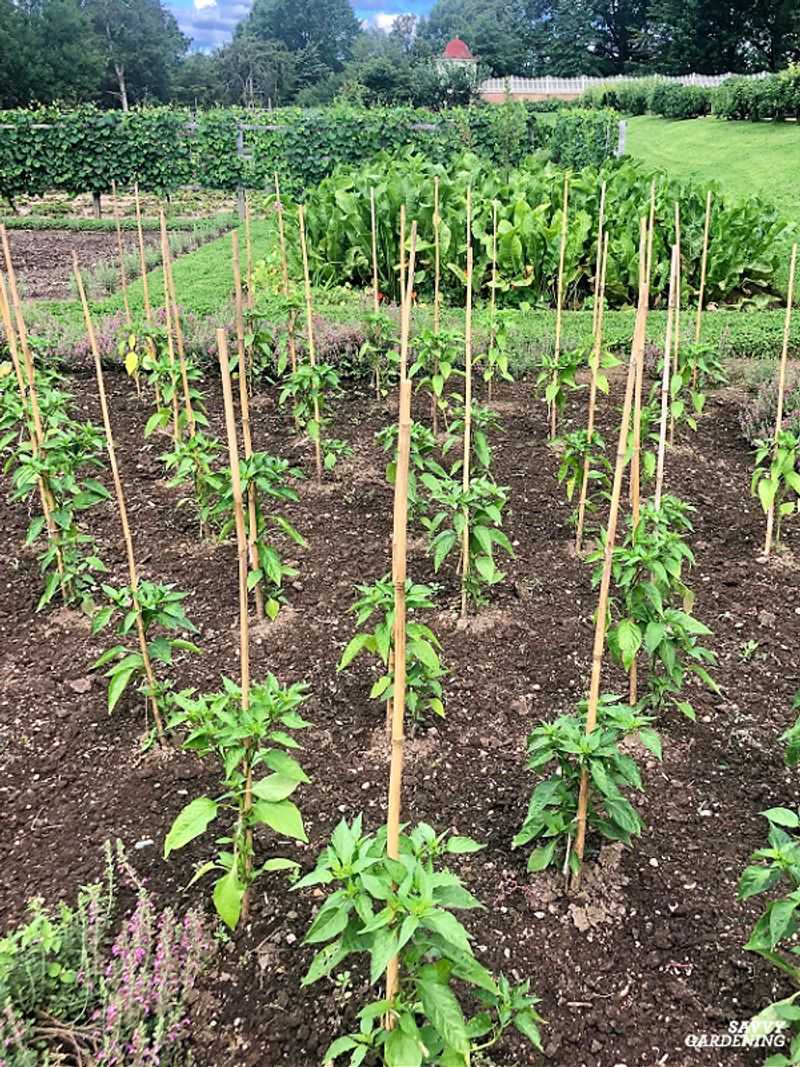
Crowded jalapeño plants become disease magnets because air circulation drops dramatically. Poor airflow creates humid microclimates where fungal problems thrive.
Space plants 18-24 inches apart in all directions. This distance allows proper air movement and reduces competition for nutrients and water.
Adequate spacing also makes harvesting easier and prevents branches from breaking under pepper weight.
6. Mulch Placement Can Rot Your Stems
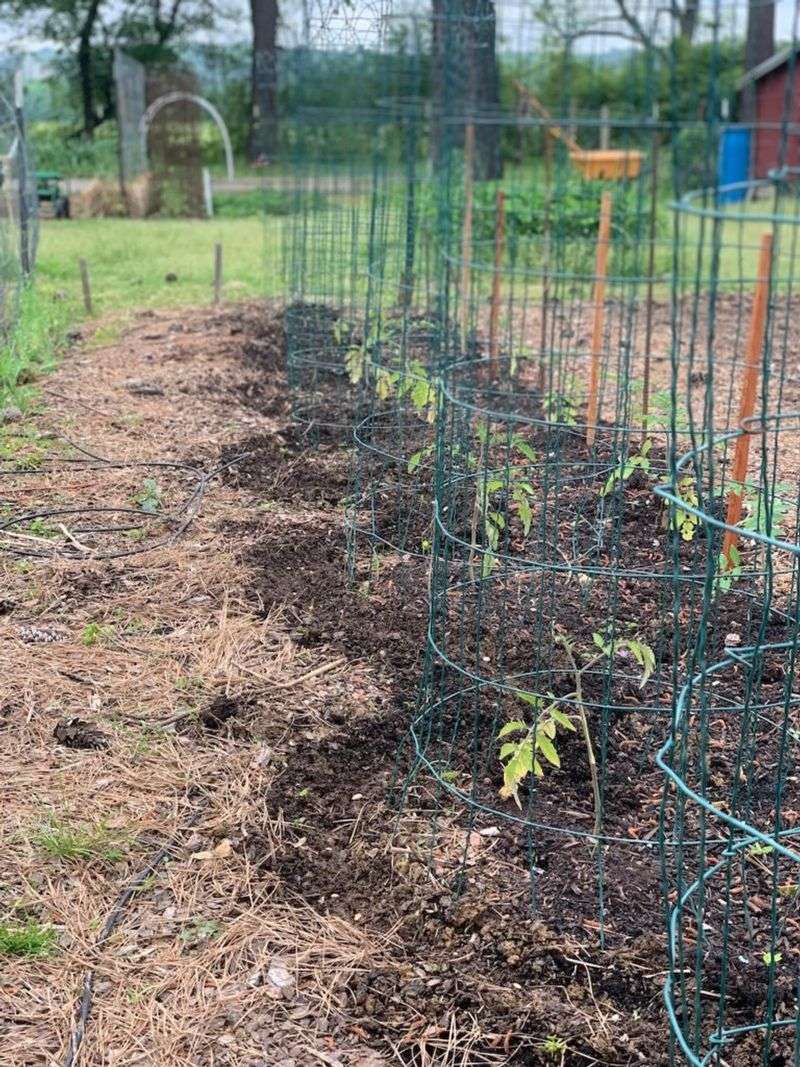
Mulch helps retain moisture and suppress weeds, but touching plant stems creates rot problems. Direct contact traps moisture against stems, encouraging bacterial and fungal infections.
Apply mulch in a donut shape around plants, leaving 3-4 inches clear around the base. This protects roots while keeping stems dry and healthy.
Organic mulches like straw work better than wood chips for pepper plants.
7. Harvest Timing Affects Future Pepper Production
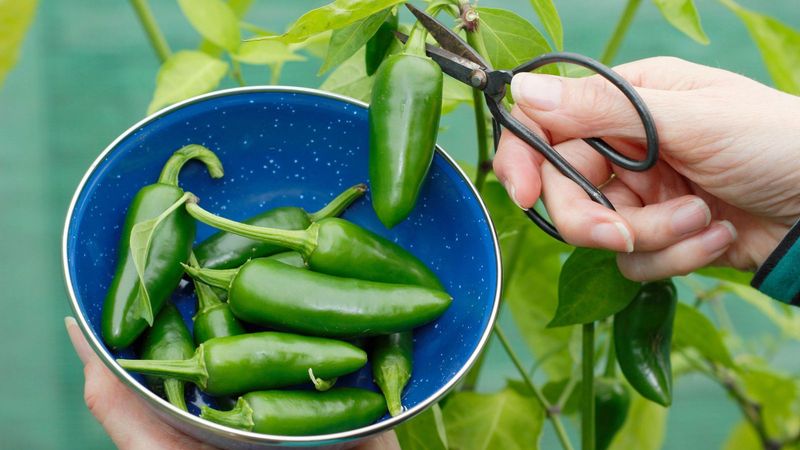
Waiting for peppers to turn red seems logical, but it actually reduces total harvest significantly. Plants focus energy on ripening existing peppers instead of producing new ones.
Pick jalapeños when they reach full size but remain green. This triggers continued flower and fruit production throughout the growing season.
Regular harvesting every few days keeps plants productive until first frost arrives.
8. Container Size Directly Impacts Plant Health
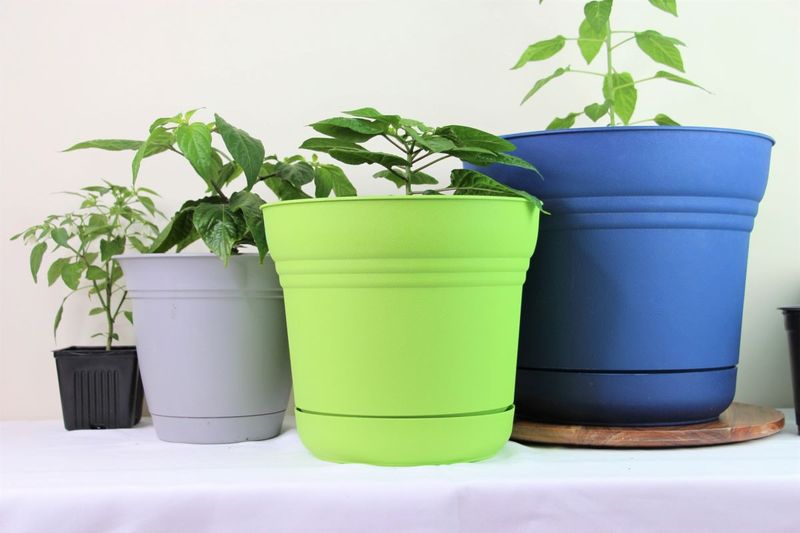
Small containers restrict root development and create water stress problems. Jalapeños need substantial root space to support heavy pepper production.
Use containers at least 5 gallons for single plants. Larger pots hold more soil moisture and provide better root development space for healthier plants.
Drainage holes are absolutely essential to prevent waterlogged soil conditions that kill roots quickly.
9. Companion Planting Boosts Growth and Pest Control
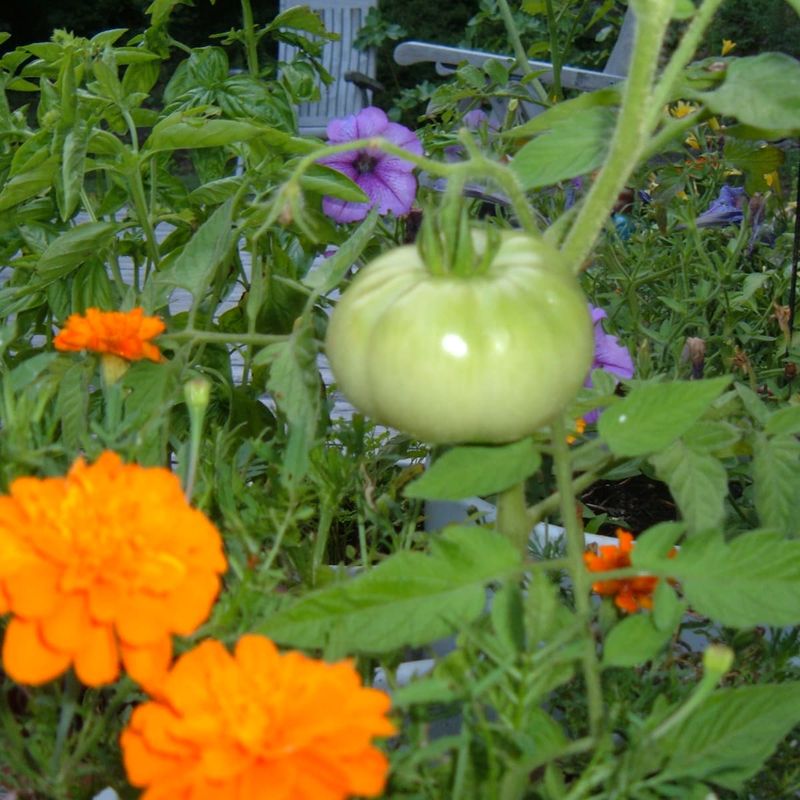
Certain plants naturally support jalapeño growth while repelling harmful insects. Basil planted nearby improves pepper flavor and deters aphids effectively.
Marigolds create natural pest barriers and add beneficial nutrients to soil. Tomatoes share similar growing requirements and maximize garden space efficiently.
Avoid planting near fennel or beans, which can stunt jalapeño growth and attract problematic pests.
10. Understanding Light Needs
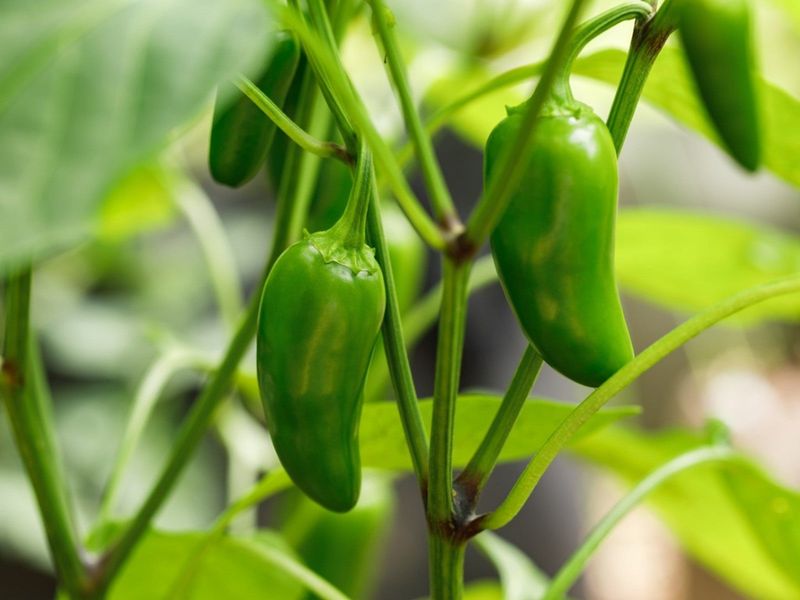
The vibrant glow of sunlight is not just a mere luxury for jalapeños but an absolute necessity. Have you noticed how your plants lean? That’s a sign they crave more light. Ensuring 6-8 hours of direct sunlight daily helps them thrive.
Be cautious of shadows cast by surrounding objects that might obscure their exposure. Inadequate light can stunt growth and deter fruit production. For indoor growers, artificial grow lights are a valuable alternative. Choose wisely, and your efforts will bear spicy fruits.
Remember, consistent light nurtures consistent growth. It’s a dance of shadows and shine.
11. Pest Patrol
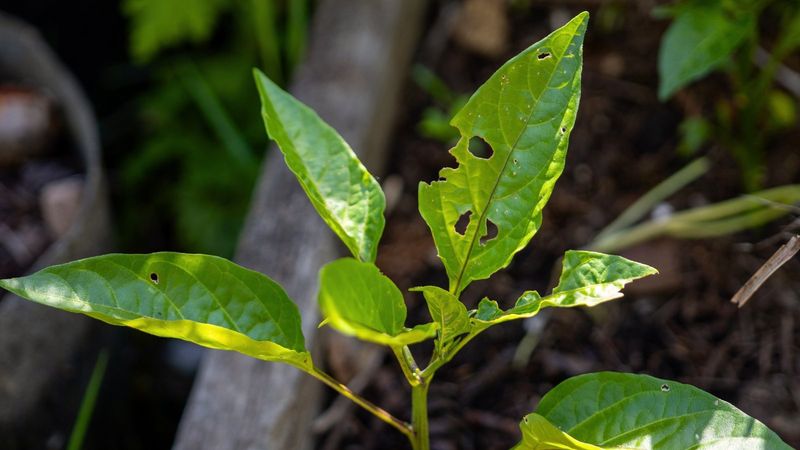
Imagine waking up to find your jalapeño leaves riddled with holes. Pests are the stealthy adversaries of gardeners. Vigilance is key; regularly inspect leaves and stems.
Aphids, spider mites, and whiteflies are common culprits. Natural predators like ladybugs can be your allies in this battle. Utilize neem oil as a gentle deterrent. Crafting a garden ecosystem that balances pests and predators ensures healthy plants.
With every leaf you inspect, you’re not just gardening; you’re creating a haven. Keep your eyes peeled, and let your plants flourish, pest-free.
12. Watering Wisdom
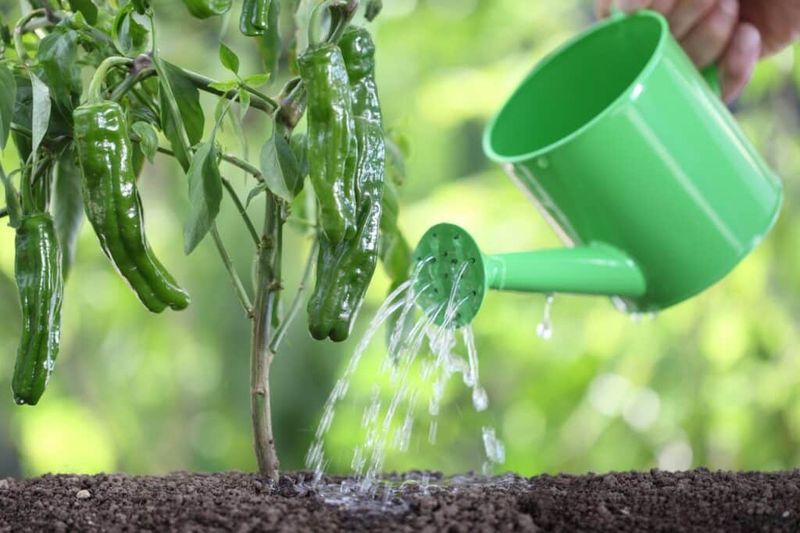
Water, in all its simplicity, can be the trickiest of elements. Overwatering is a common pitfall, drowning jalapeño roots in misplaced care.
Insert a finger into the soil; the top inch should be dry before watering. This simple test can save your plants from root rot. Drip irrigation systems offer precision and can be a wise investment. They ensure even moisture distribution, preventing soggy soil.
Embark on a dance with water and soil. Let patience guide you, and your jalapeños will stand tall and proud, thriving in balanced hydration.
13. Proper Pruning Practices

A snip here, a cut there, and suddenly your jalapeño plant stands renewed. Pruning is both an art and science; it’s about encouraging growth and enhancing plant health.
Remove yellowed or damaged leaves to focus energy on producing vibrant peppers. Pinching off early flowers redirects nutrients to developing stronger branches. Regular pruning ensures airflow, reducing disease risks.
Pruning isn’t mere maintenance; it’s a nurturing ritual. With every precise cut, you’re sculpting vitality. Cultivate with care, and relish in the bounty of your efforts.
14. Soil Secrets
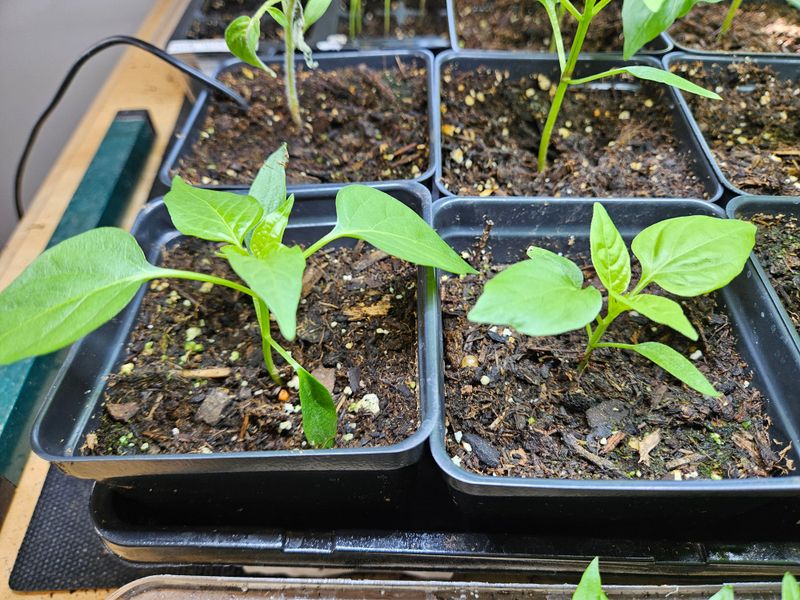
Delving into the earth reveals secrets vital for jalapeños. Rich, well-draining soil is their foundation. Compact or clay-heavy soils can suffocate roots.
Opt for a sandy-loam mix enriched with organic matter. Consider raised beds or containers for optimal drainage. A soil test kit helps tailor the perfect environment, checking nutrient levels and pH.
You’re not just planting jalapeños; you’re crafting their home. With rich soil, your plants will sing with growth and abundance. Let the earth be your guide.
15. Welcoming Weather
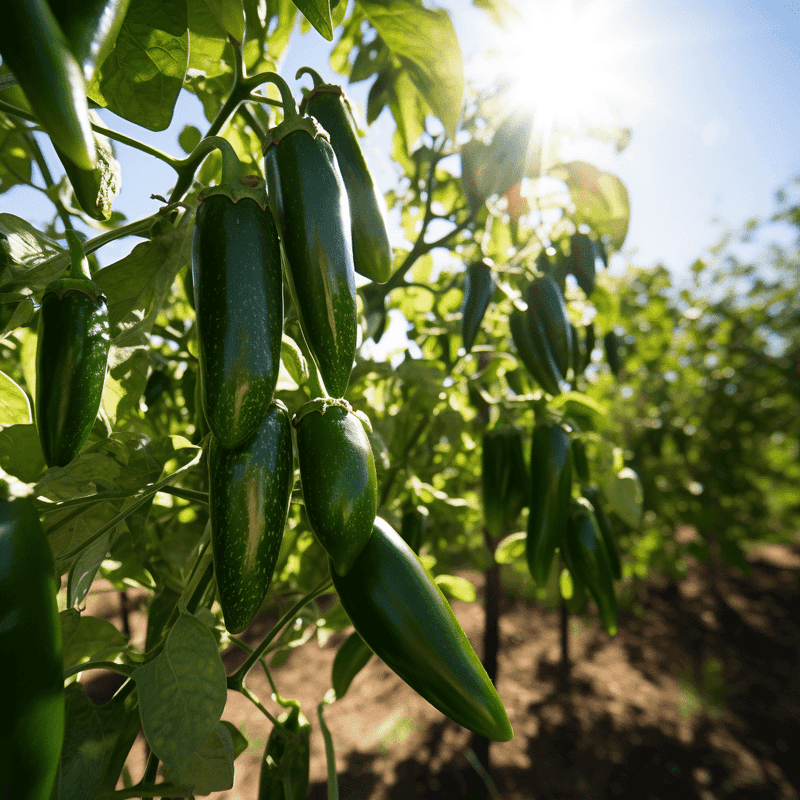
Weather can be an unpredictable partner in gardening. Frost is jalapeños’ fierce foe, while sudden heat waves can scorch tender leaves.
Monitor weather forecasts to shield your plants from extreme conditions. Use row covers to protect young seedlings from unexpected frost.
Adjust watering schedules during heat spells to prevent wilting. Gardening isn’t just about plants—it’s a meteorological adventure. Embrace the skies, and adapt as needed, ensuring your jalapeños thrive in harmony with nature’s whims.