 Complete Gardening
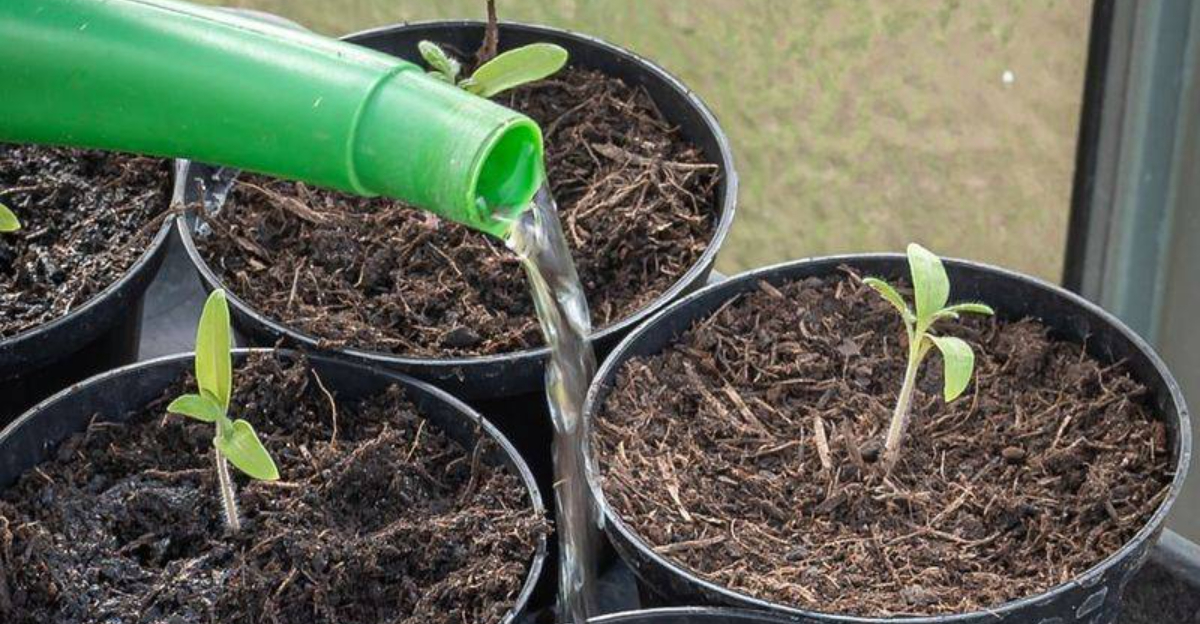
Embarking on your seed-starting journey can be thrilling yet fraught with pitfalls. With 23 common mistakes laid bare, this guide ensures your efforts blossom into thriving plants. Each misstep is paired with a simple fix, allowing beginners and seasoned gardeners alike to cultivate success without the usual hurdles. From timing mishaps to watering woes and light conundrums, we cover a spectrum of errors you won’t have to endure. Whether learning to label seedlings or hardening off transplants, these insights offer a smoother path to a bountiful garden.
1. Starting Too Early
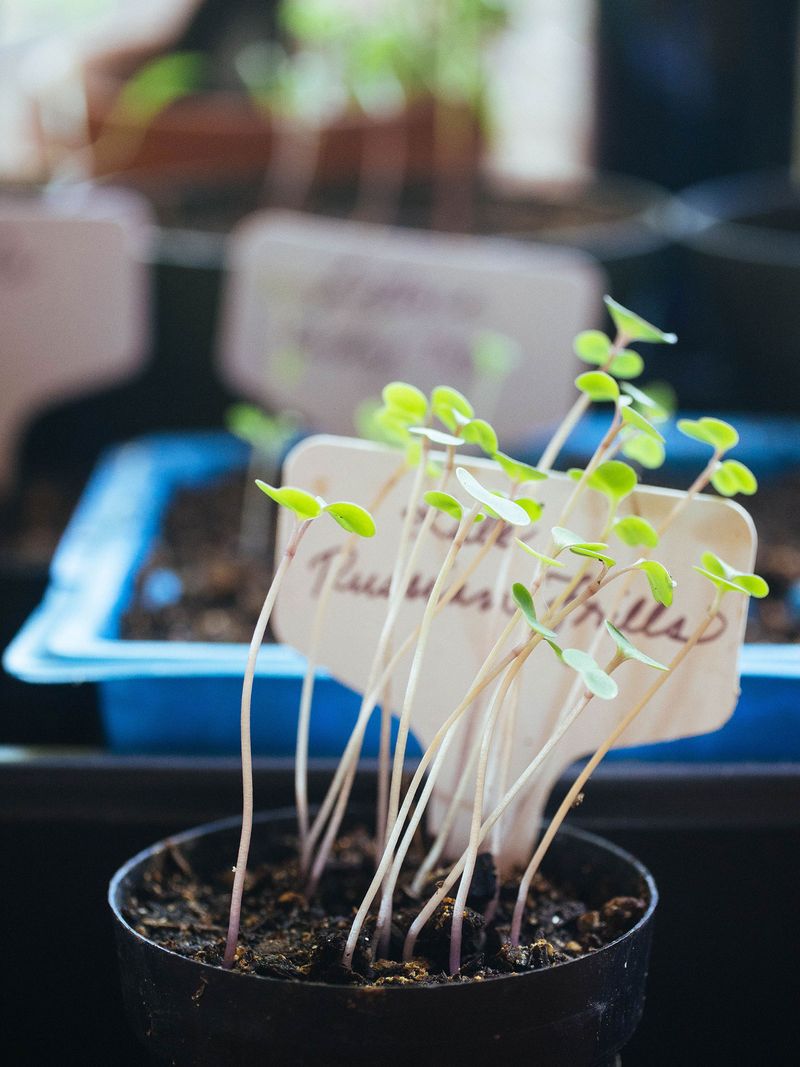
Rushing into seed starting with eagerness can backfire beautifully. Seeds planted too early, long before the last frost date, stretch into weak, leggy stems. Such premature enthusiasm leads to fragile plants that struggle when finally moved outdoors.
The solution is straightforward: synchronize your seed planting with your local frost date, adhering strictly to seed packet instructions. This way, your plants emerge robust and ready for the garden.
Patience is indeed a gardener’s virtue. So mark your calendars and let nature dictate the rhythm, ensuring your seedlings flourish when the season truly beckons.
2. Starting Too Late
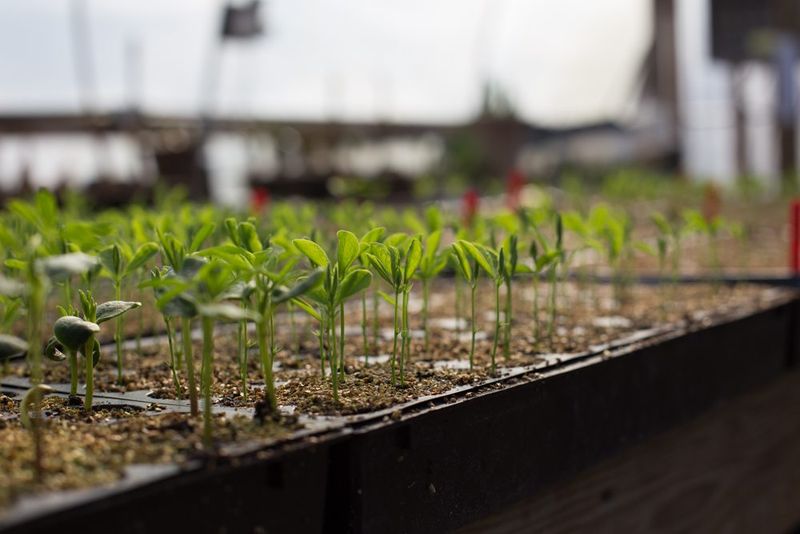
Procrastination can cost you precious growing time. Missing the ideal seed starting window means your plants will lag, never quite catching up to their full potential. It’s like showing up late to a feast—everything suffers.
Avoid this by carefully marking your planting dates on a calendar. This simple act helps ensure you seize the perfect moment to sow your seeds.
Timely action is crucial, as every day is a chance for growth. By planning ahead, you unlock the door to a thriving garden, where each plant can reach its peak vibrancy.
3. Not Labeling Seedlings
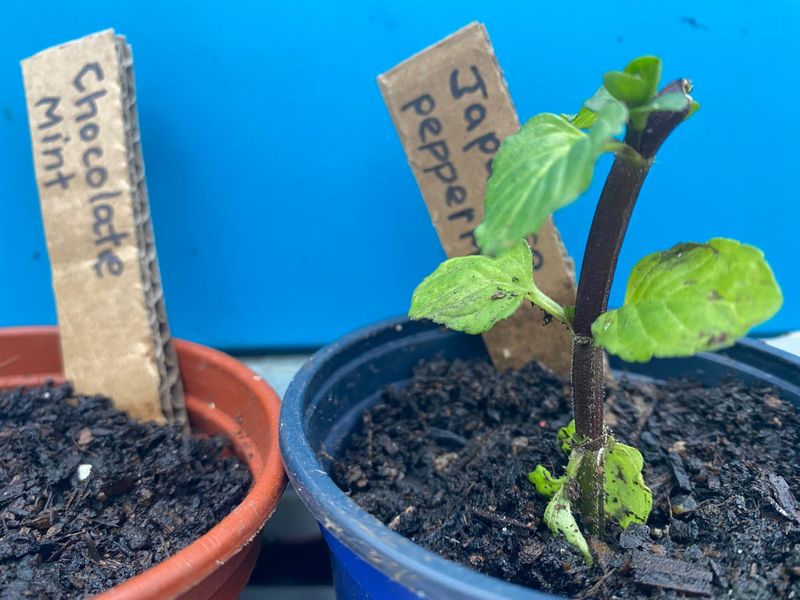
Misplaced mystery can make gardening feel like a guessing game. Without proper labeling, seedlings become unknown entities, leaving you puzzled about their identities. This confusion can lead to misplaced plants and mismatched garden designs.
To avoid this chaos, use popsicle sticks or waterproof markers to label each pot. A simple label can transform your gardening experience from bewildering to organized.
Embrace clarity and control in your garden. Knowing exactly what you’ve planted allows you to tailor care and placement, cultivating a harmonious and intentional gardening space.
4. Overwatering
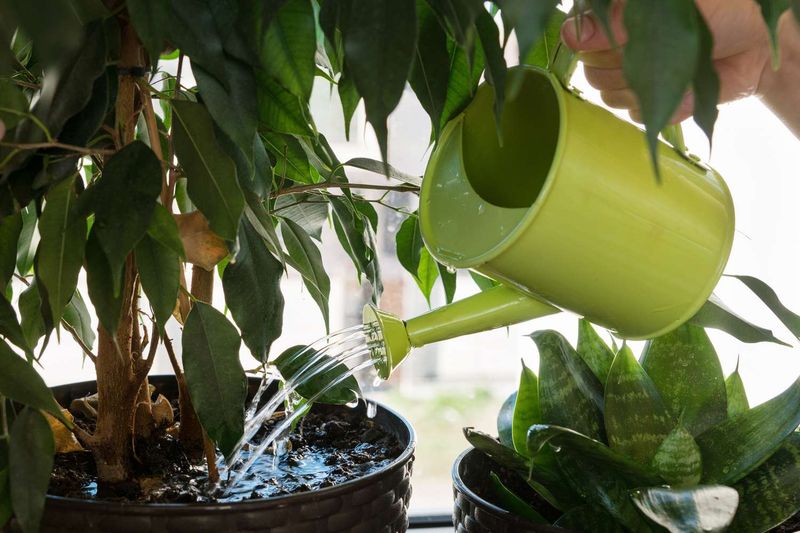
Too much love can be harmful, especially when it comes to watering seeds. Overwatering creates a swamp-like environment, drowning seeds and fostering mold and rot. This misguided affection sabotages their chance to thrive.
The remedy is simple: water only when the top layer of soil feels dry to the touch. This approach ensures seeds receive adequate moisture without being smothered.
Balancing moisture is a delicate art. By cultivating restraint, you allow seeds to breathe, fostering conditions for healthy growth and avoiding the treacherous pitfalls of overzealous watering.
5. Underwatering
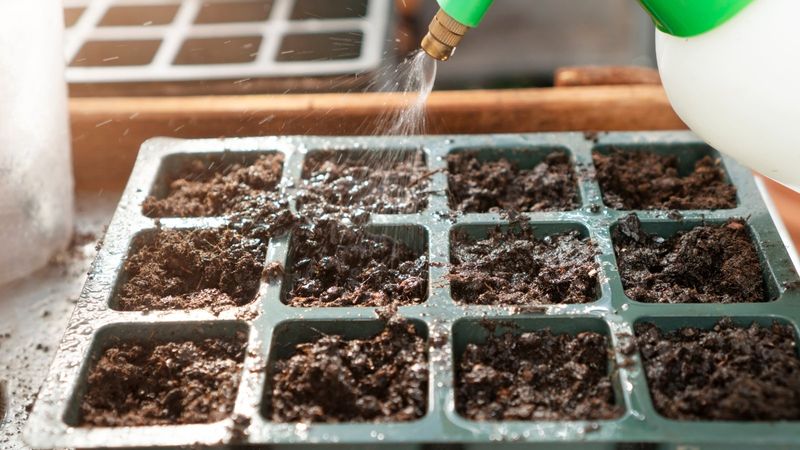
Neglecting the thirst of seeds can lead to their untimely demise. Dry soil is a seed’s silent enemy, depriving it of the vital moisture necessary for germination. This oversight leaves seeds dormant, never sprouting into plants.
To remedy this, use a spray bottle for gentle and even moisture distribution. This careful approach ensures seeds receive the hydration they require without being overwhelmed.
Providing consistent moisture fosters life. With attentive care, your seeds will awaken to fulfill their potential, growing into vibrant plants that form the foundation of a flourishing garden.
6. Using Cold Water
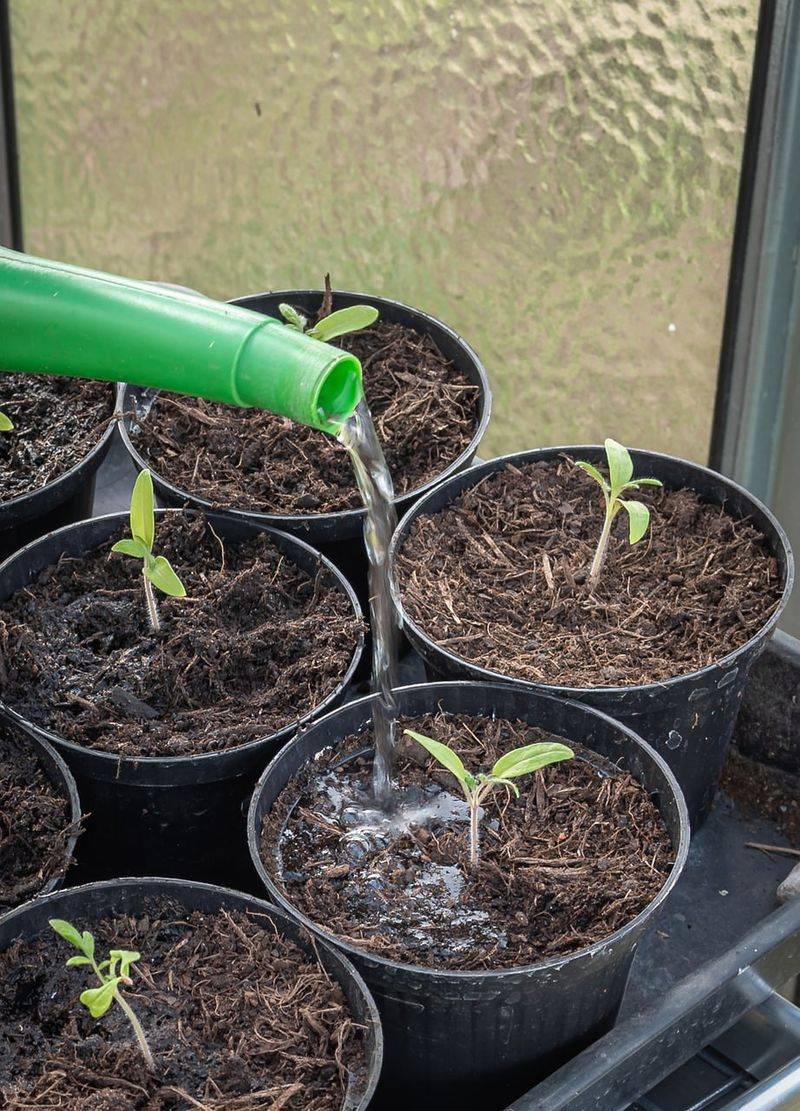
Cold water can be a shock to young seeds, slowing their germination and growth. The chill in the water can stall a seed’s progress, leaving it in a state of dormancy longer than necessary.
Instead, use room-temperature water to create a warm, welcoming environment for your seeds. This gentle warmth encourages them to sprout more readily, setting them on a path to healthy growth.
The temperature of water matters more than one might think. By adjusting this simple aspect of your gardening routine, you remove an unseen barrier to successful seed starting.
7. Not Enough Light
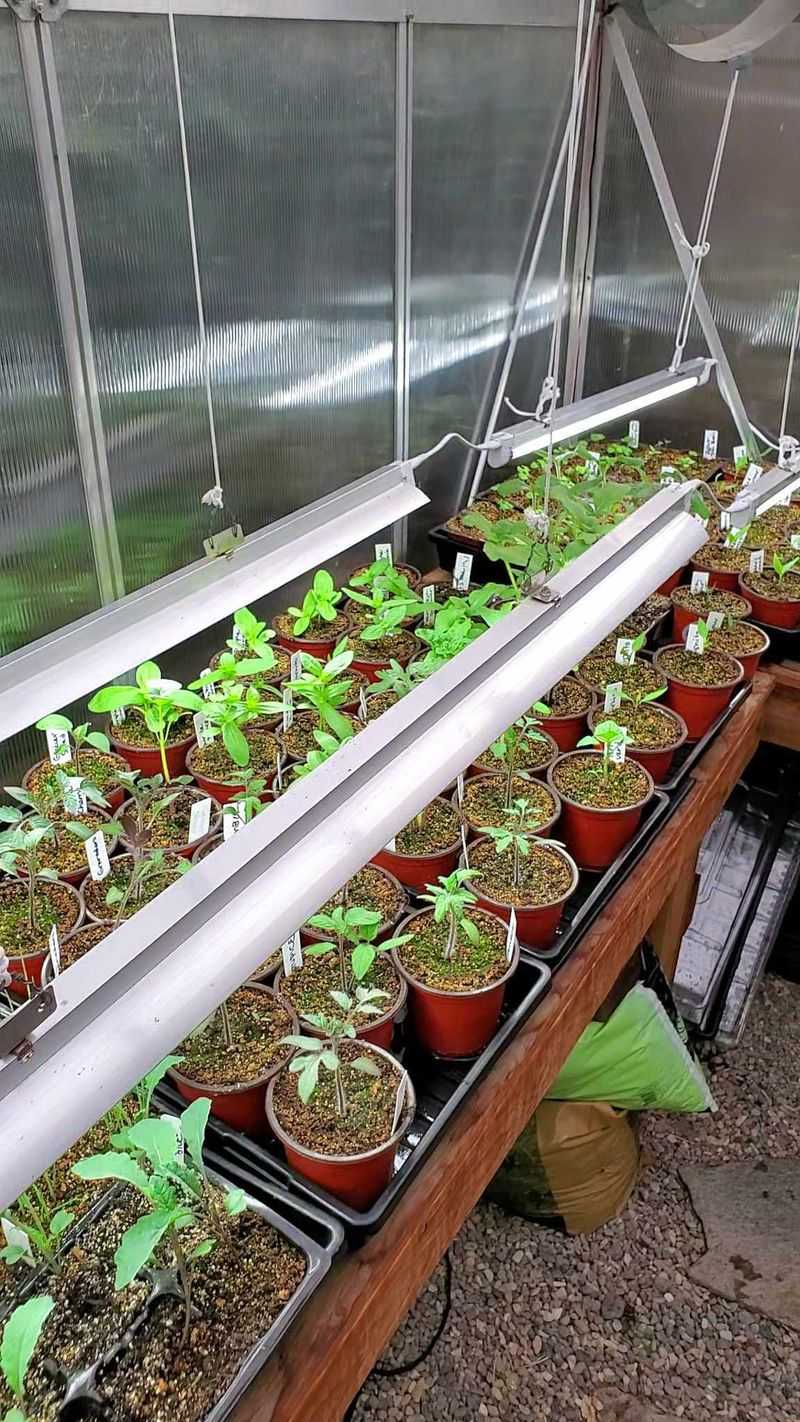
In the quest for light, seedlings may stretch into spindly, weak stems if deprived. Insufficient light forces them to elongate, searching desperately for the sun, leaving them vulnerable and fragile.
To counteract this, employ grow lights positioned 2-3 inches above the plants for 14-16 hours each day. This artificial sunlight nurtures them, building strong, sturdy stems.
Embracing technology can bridge the gap between indoor growing and nature’s requirements. With adequate light, seedlings gain the energy needed to develop robustly, ready to face the world outside.
8. Too Much Heat
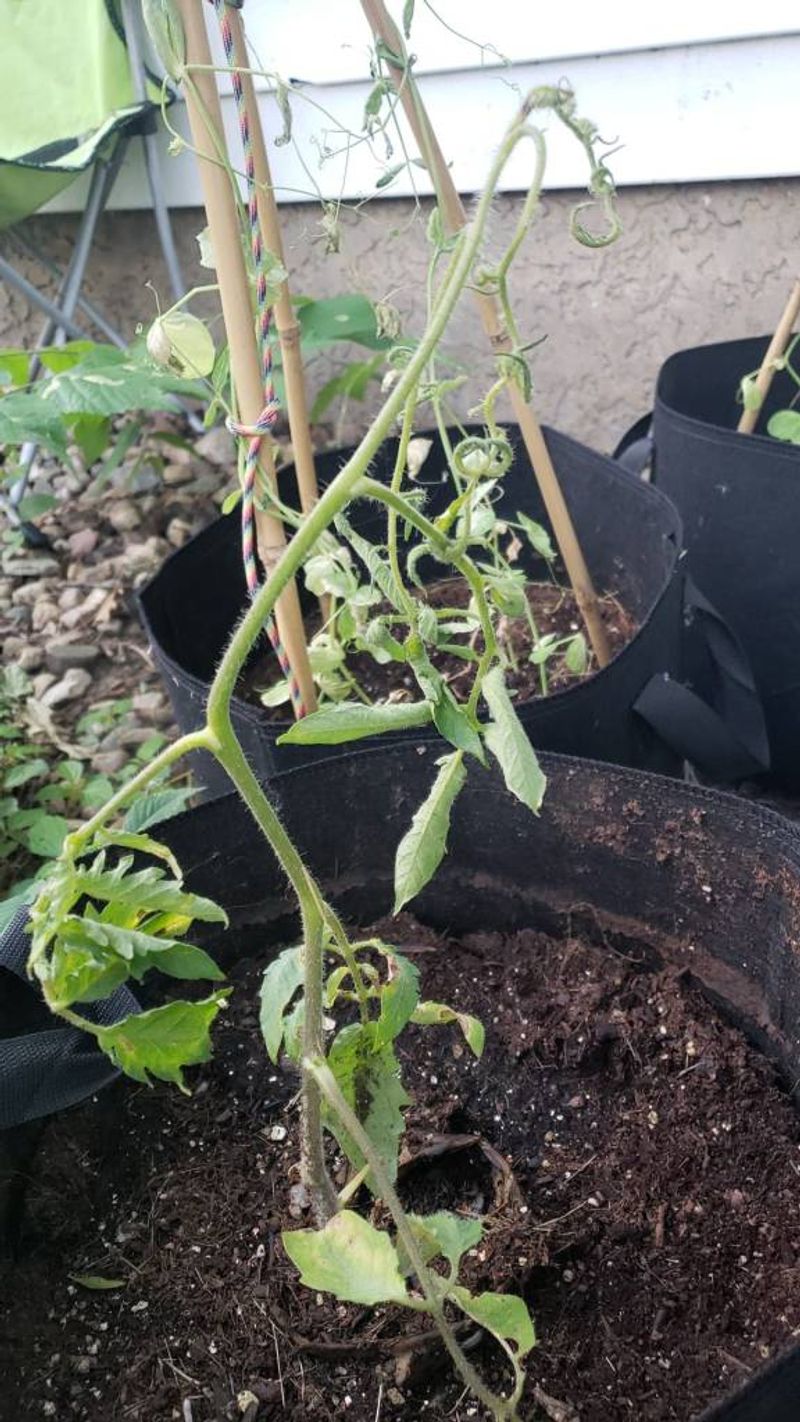
Excessive heat can scorch tender roots, causing more harm than good. Leaving a heat mat on for too long may fry delicate seedlings, stunting their growth and weakening their resilience.
The solution is to remove the heat mat once germination has occurred. By doing so, you prevent overheating and allow seedlings to acclimate to more natural conditions.
Finding the right balance in temperature is crucial. It helps create an ideal environment for seedlings, where they can grow strong and healthy without facing the perils of too much heat.
9. Inconsistent Temperatures
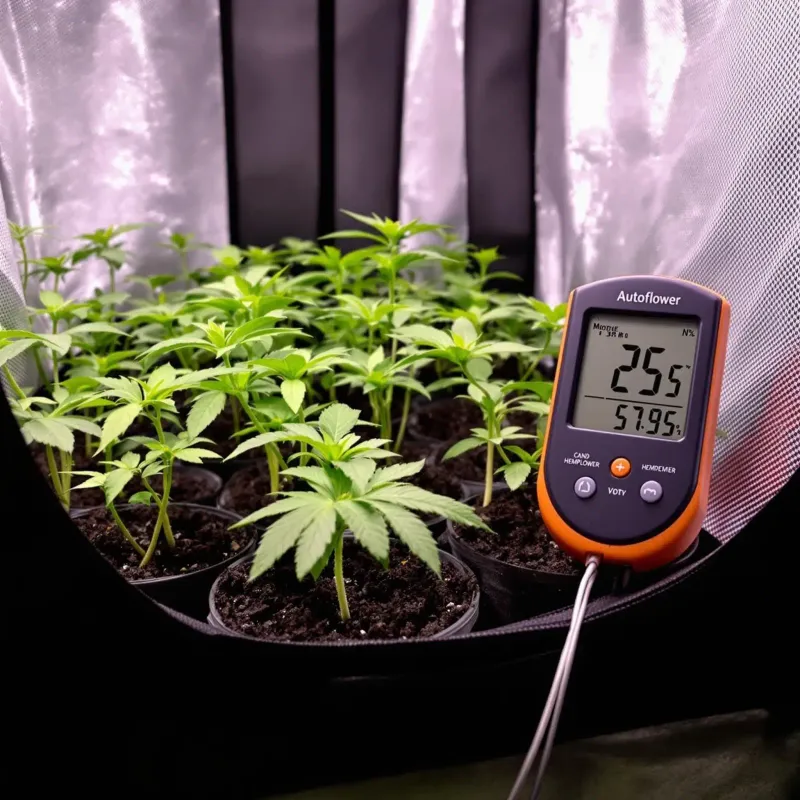
Temperature swings can stress seedlings, impacting their delicate development. Inconsistent temperatures confuse plants, hindering their growth and making them susceptible to various issues.
Maintain a stable environment by keeping your seedlings in a location with a consistent temperature range of 65-75°F (18-24°C). This stability fosters comfort and predictability.
Creating a stable climate is like offering a security blanket to your plants. With consistent warmth, seedlings can focus on growing strong and vibrant, setting the stage for a successful transition to the garden.
10. Using Garden Soil
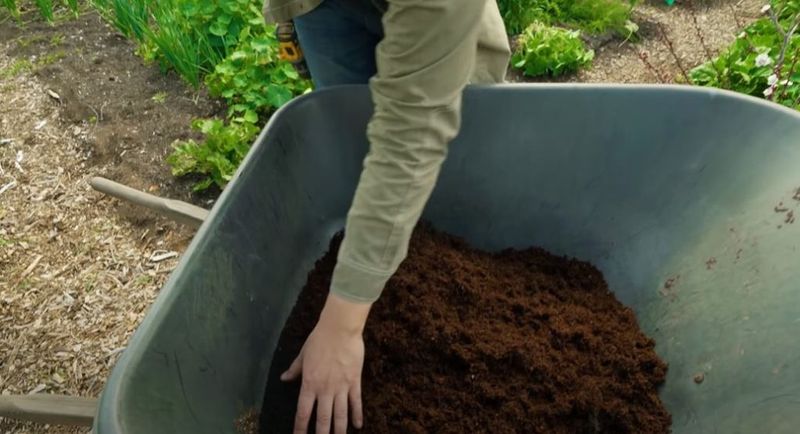
Heavy garden soil is a poor home for seeds, leading to suffocation and potential disease. Its density can stifle young roots, creating an inhospitable environment for germination.
Opt for a sterile seed-starting mix instead, providing a light, airy space for seeds to flourish. This specialized medium encourages root growth and minimizes the risk of disease.
Choosing the right soil is the foundation of successful seed starting. With the proper medium, seeds can germinate without obstruction, growing into robust seedlings ready to thrive and take on the garden world.
11. Planting Too Deep
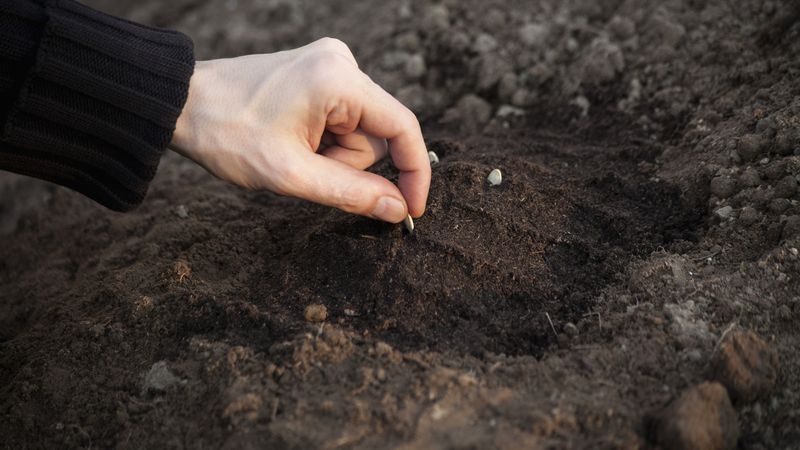
Burying seeds too deeply can smother them, preventing them from reaching the surface. This oversight denies them the light they need to grow, leaving them trapped underground.
Follow the depth guidelines on seed packets, typically planting seeds at a depth of about two times their width. This ensures they have the strength to break through the soil.
Understanding the needs of each seed type allows you to plant with precision and care. Proper planting depth gives seeds a head start, ensuring they emerge into the light, ready to grow.
12. Using Poor Drainage Containers
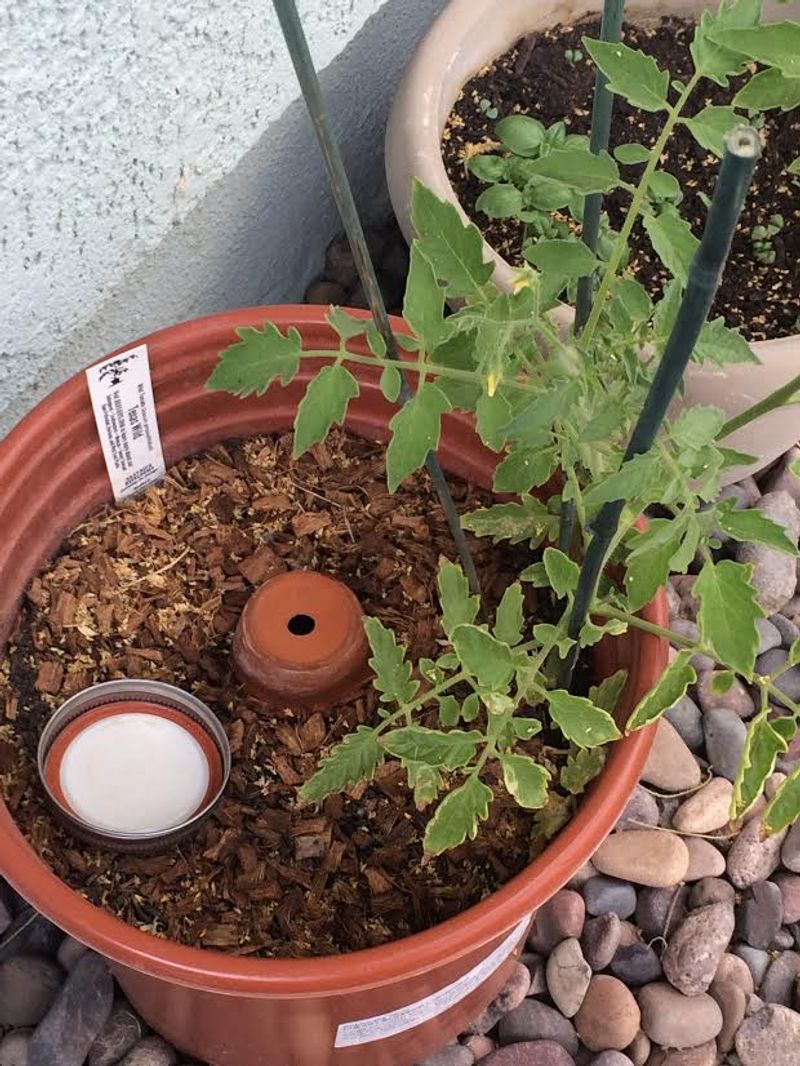
Containers without adequate drainage can lead to soggy roots and the dreaded damping-off disease. Excess water has nowhere to go, turning soil into a swampy mess that suffocates roots.
Ensure your containers have drainage holes, or use cell trays to promote healthy drainage. This allows excess water to escape, creating a balanced environment for roots.
Good drainage is vital to prevent waterlogged conditions. By facilitating proper water flow, you enable seedlings to breathe and thrive, setting the stage for a healthy and robust start in life.
13. Planting Old Seeds
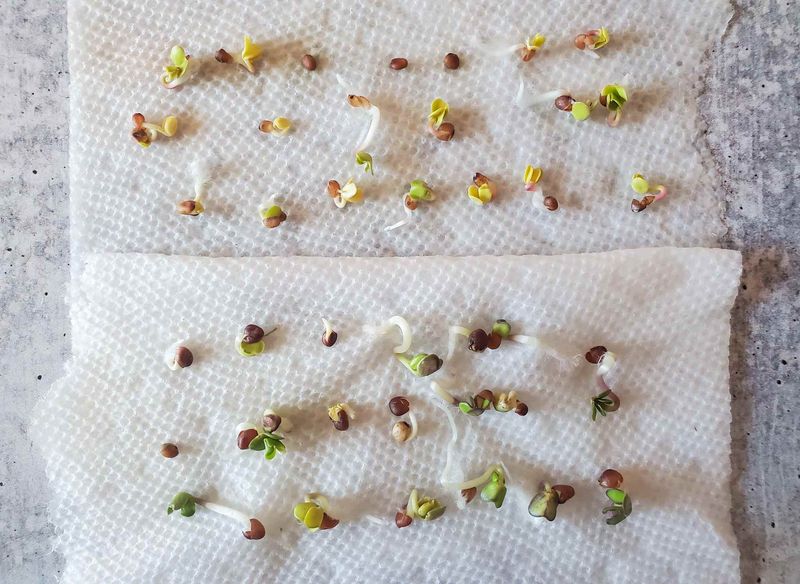
Old seeds may hold cherished memories, but they often result in low germination rates, wasting time and effort. These tired seeds struggle to sprout, leading to disappointment.
Test seed viability by placing them on a damp paper towel for a few days to see if they sprout. This simple test saves you from planting duds.
Embracing fresh seeds ensures vitality and vigor. By verifying seed viability, you can focus your energy on nurturing promising seeds, turning your efforts into a successful and productive gardening season.
14. Not Pre-Soaking Hard Seeds
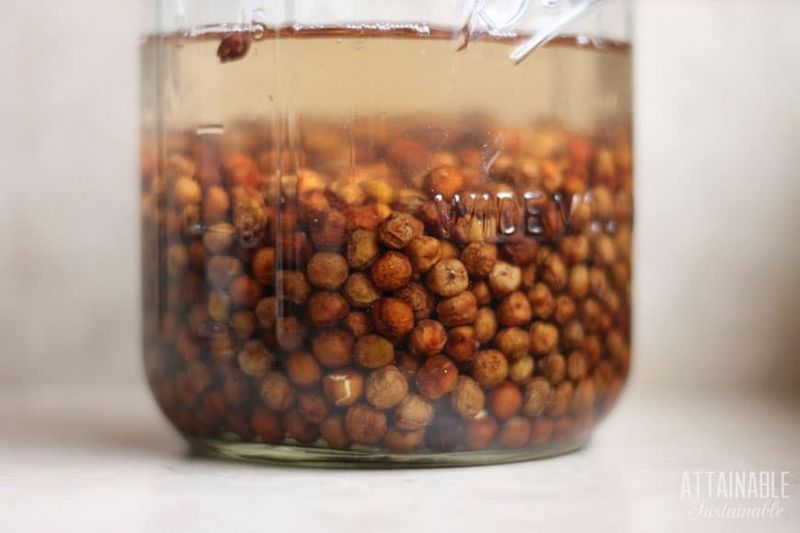
Hard seeds, like beans and nasturtiums, can take their sweet time germinating if not pre-soaked. Their tough outer shells act as barriers, delaying growth.
Soak these stubborn seeds for 12-24 hours before planting to soften their coats. This will accelerate germination, giving them a head start.
Pre-soaking is a trick that unlocks potential. By taking this extra step, you ensure hard seeds germinate swiftly, allowing them to grow alongside their peers and contribute to a vibrant, synchronized garden display.
15. Ignoring Seed Needs
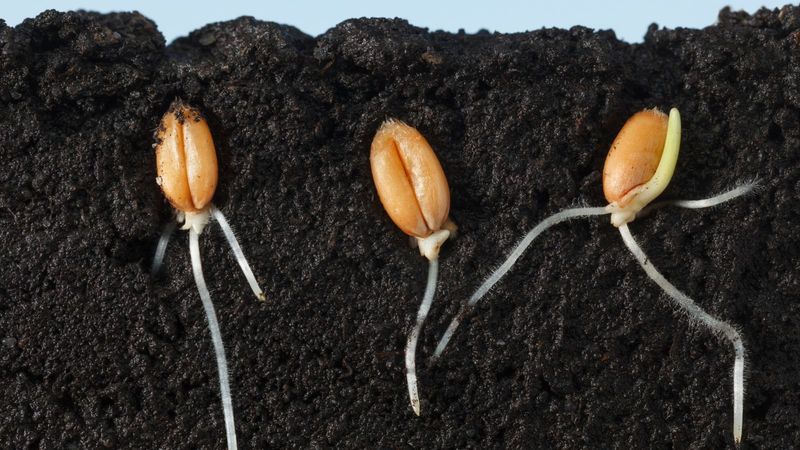
Each seed is unique, with specific needs for light or darkness to germinate effectively. Ignoring these requirements can lead to disappointing results, as some seeds may never sprout.
Read seed packets carefully, noting whether seeds need light (surface-sown) or darkness for germination. This knowledge lets you tailor your planting approach.
Understanding and meeting the individual needs of seeds sets the foundation for successful growth. By respecting these requirements, you create an environment where each seed can thrive, reaching its full potential in your garden.
16. Skipping Hardening Off
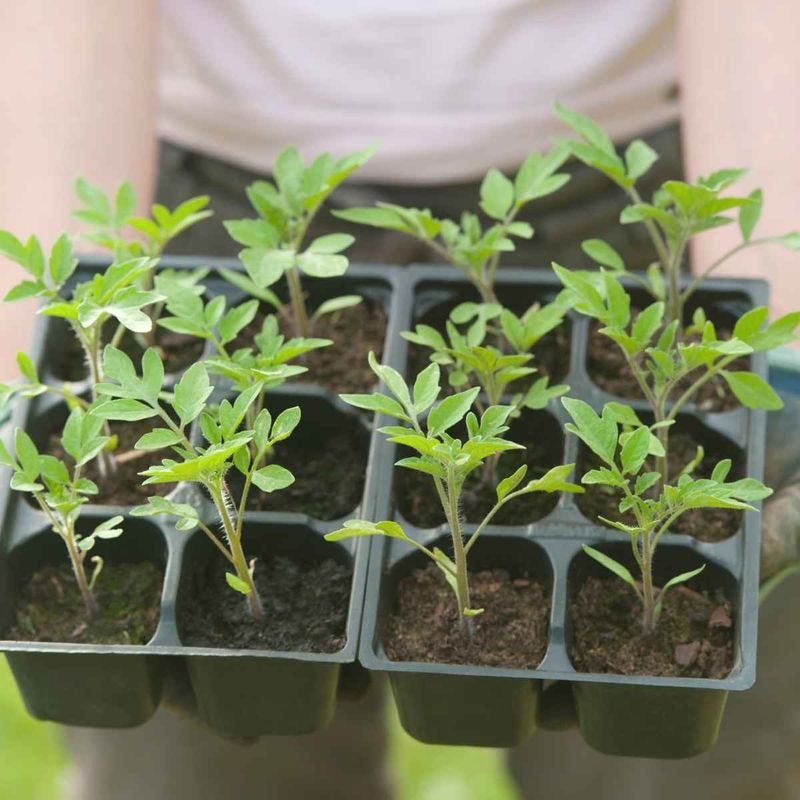
Transitioning seedlings from indoors to the garden without hardening off can shock them severely. This sudden exposure to the elements can be too much for them to handle.
Gradually introduce seedlings to the outdoors over 7-10 days, letting them acclimate to sunlight and wind. This gentle transition prepares them for life outside.
Hardening off is like training for seedlings. By easing them into the garden environment, you build resilience and adaptability, ensuring they thrive once transplanted into the open air and soil.
17. Damaging Roots During Transplant
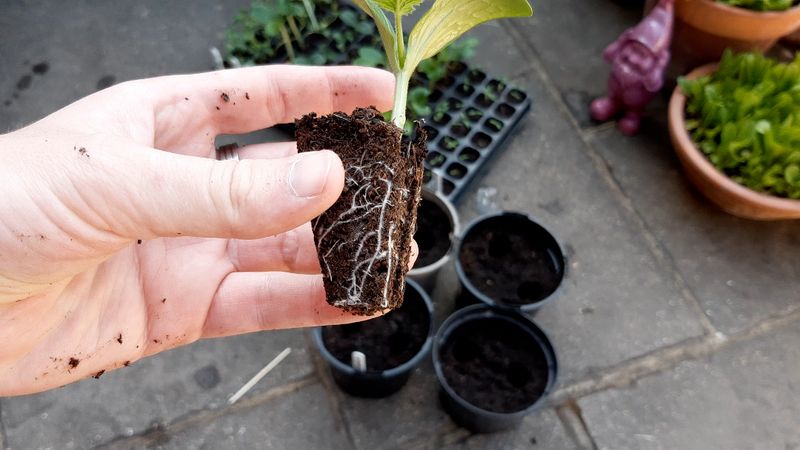
Rough handling during transplantation can be fatal to seedlings, damaging their delicate roots. Such trauma hinders their establishment in the garden, causing unnecessary setbacks.
Squeeze pots gently to loosen roots before transplanting, ensuring a smooth transition. This careful approach minimizes stress and promotes healthy root systems.
Handling with care is key to a successful transplant. By treating seedlings gently, you allow them to settle into new environments with ease, fostering robust growth and a seamless continuation of their development.
18. Crowding Seedlings
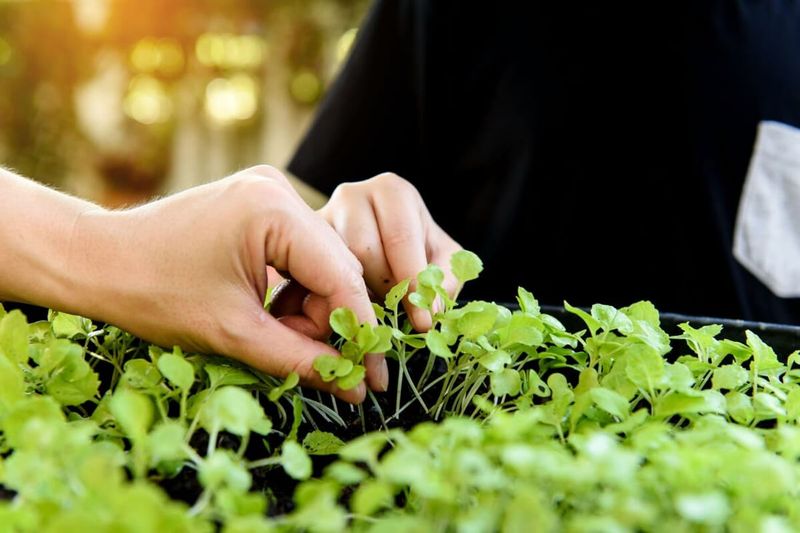
Overcrowded seedlings fight for light, nutrients, and space, which weakens their growth and vigor. This competition stifles their potential, leading to lackluster results.
Thin seedlings early or transplant them to provide ample room for growth. This allows each plant to access the resources they need.
Creating space is crucial for thriving plants. By allowing seedlings to stretch and grow without competition, you cultivate a healthier, more bountiful garden where each plant can truly shine.
19. Ignoring Fungus Gnats
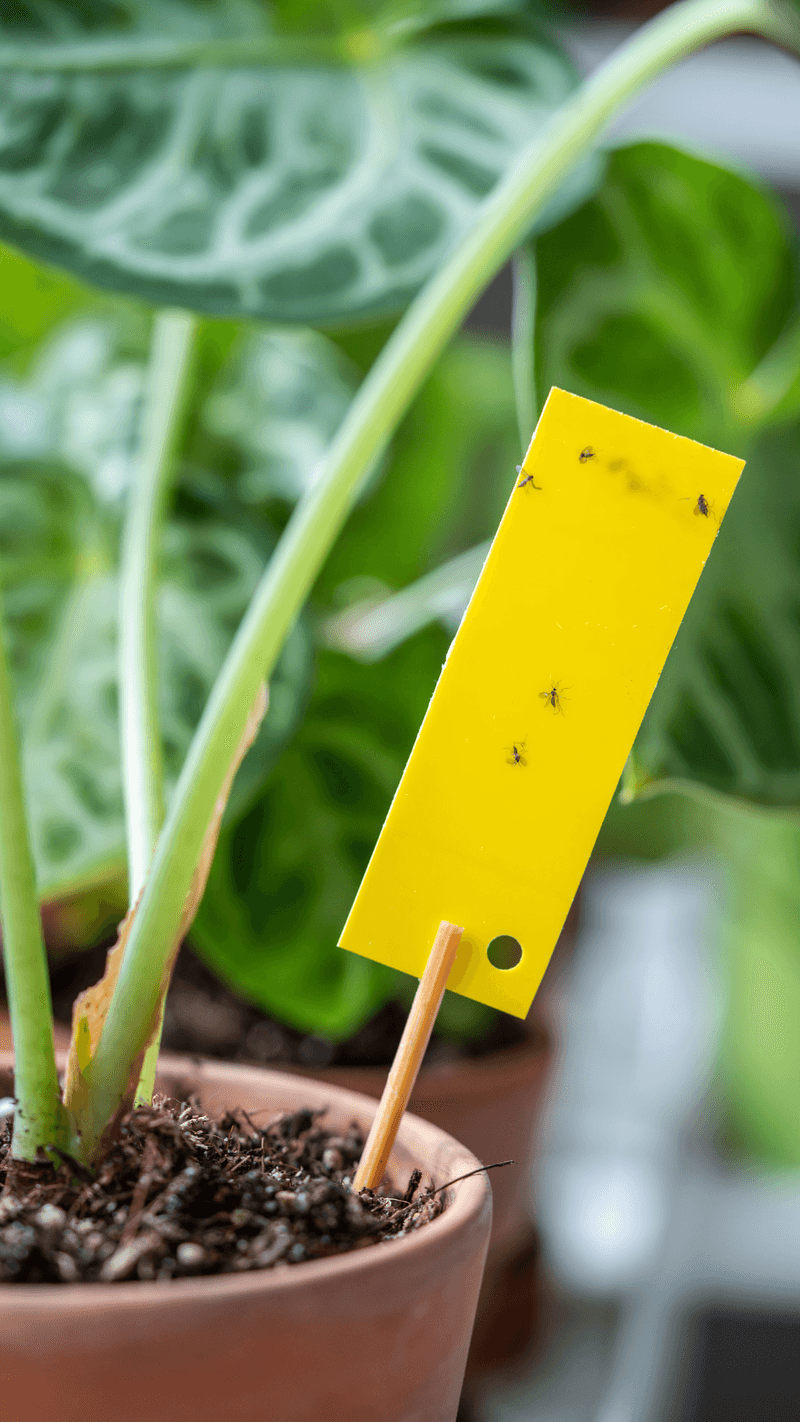
Fungus gnats may seem insignificant, but they can wreak havoc by eating roots and spreading disease. Their presence can spell disaster for tender seedlings if left unchecked.
Allow soil to dry slightly between waterings, and use yellow sticky traps to catch these pesky insects. This dual approach helps control their population.
Addressing pest issues swiftly preserves plant health. By taking proactive measures, you prevent these tiny troublemakers from turning your seed-starting efforts into a battleground, ensuring a peaceful and productive growing experience.
20. Overlooking Damping Off
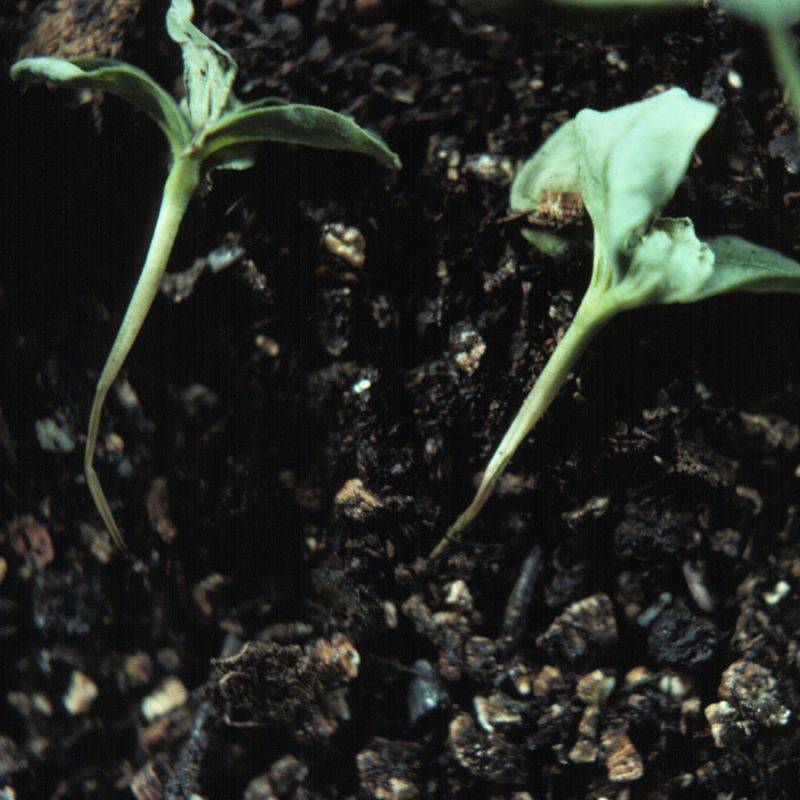
Damping-off is a stealthy fungal disease that can devastate seedlings overnight. Its rapid attack leaves plants lifeless and gardeners heartbroken.
Improve airflow, avoid overwatering, and sprinkle cinnamon on the soil as a natural preventative. These steps help create an inhospitable environment for the disease.
Awareness and prevention are your best allies. By understanding how to guard against damping-off, you protect your seedlings from this unseen threat, allowing them to grow strong and undeterred by fungal foes.
21. Using Weak Fertilizer Too Soon
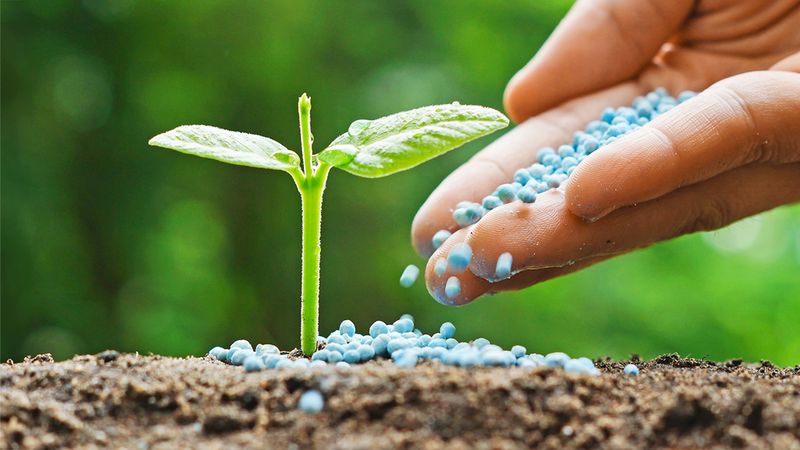
Tender seedlings cannot handle fertilizer too early, as it can burn their fragile roots. Applying it prematurely stunts their growth, doing more harm than good.
Wait until true leaves appear before introducing diluted fertilizer. This timing ensures seedlings can absorb nutrients safely and effectively.
Patience in fertilization pays off. By waiting for the right moment, you nurture seedlings without overwhelming them, promoting strong, healthy growth that sets the stage for a flourishing garden season.
22. Giving Up Too Fast
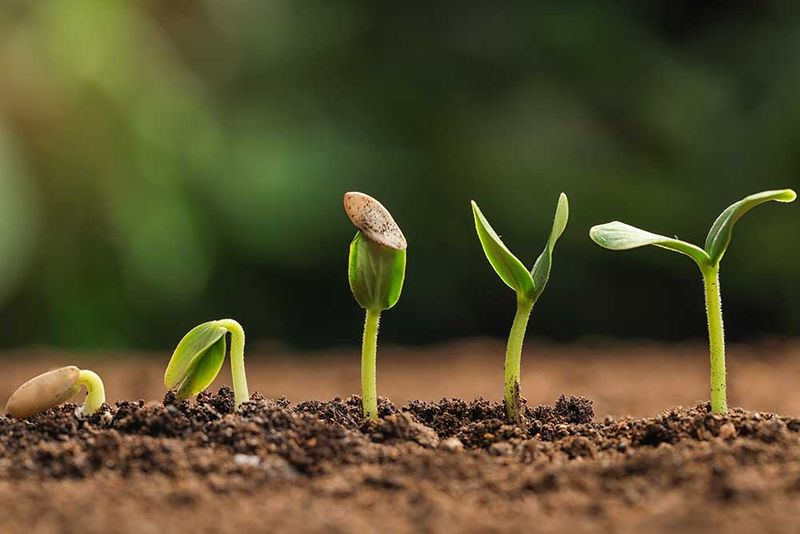
Patience is often the missing ingredient in seed starting. Some seeds, like peppers and parsley, take weeks to germinate, testing even the most patient gardeners.
Check the expected germination times and remain patient, giving seeds the time they need to sprout. This understanding prevents premature abandonment.
Gardening is a lesson in patience and perseverance. By allowing seeds the time they require, you may find unexpected success, where once there was doubt, leading to a garden full of surprises and growth.
23. Not Learning from Mistakes
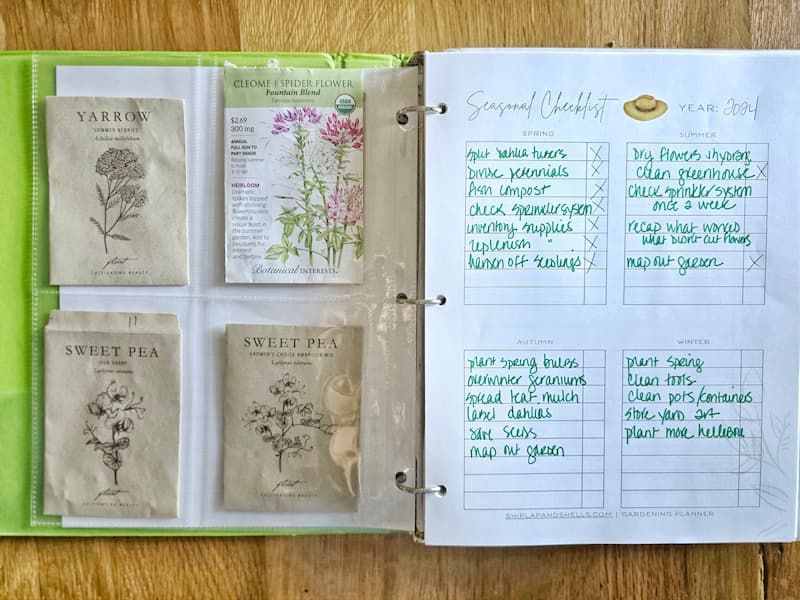
Gardening is trial and error, and each season brings new lessons. Failing to learn from mistakes can lead to repeated frustrations and missed opportunities for growth.
Keep a gardening journal to document successes and failures, reflecting on each season’s experiences. This practice helps you adapt and improve.
Growth lies in learning. By recording and analyzing your gardening journey, you gain insights that guide future endeavors, turning past errors into stepping stones toward a more successful and enjoyable gardening experience.