 Complete Gardening
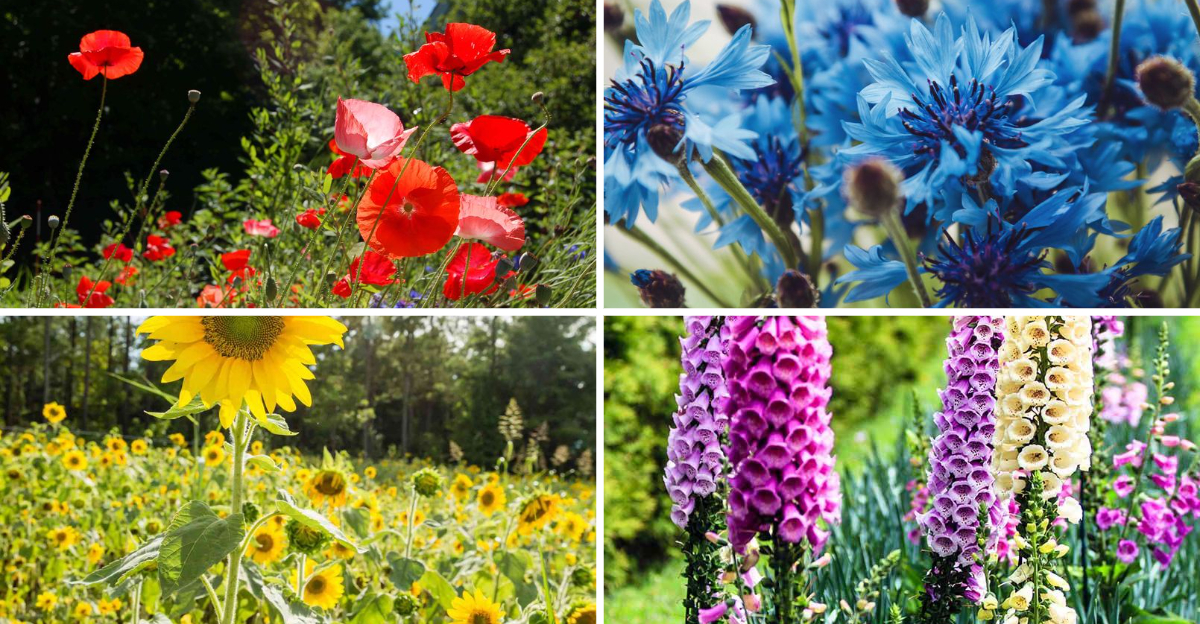
Transforming my garden into a vibrant tapestry of colors, planting a variety of wildflowers not only beautified my outdoor space but also turned it into the neighborhood’s hidden gem. From delicate blossoms swaying gently in the breeze to vibrant hues catching the eye, each wildflower has a story to tell and a unique character to add.
1. Red Poppies
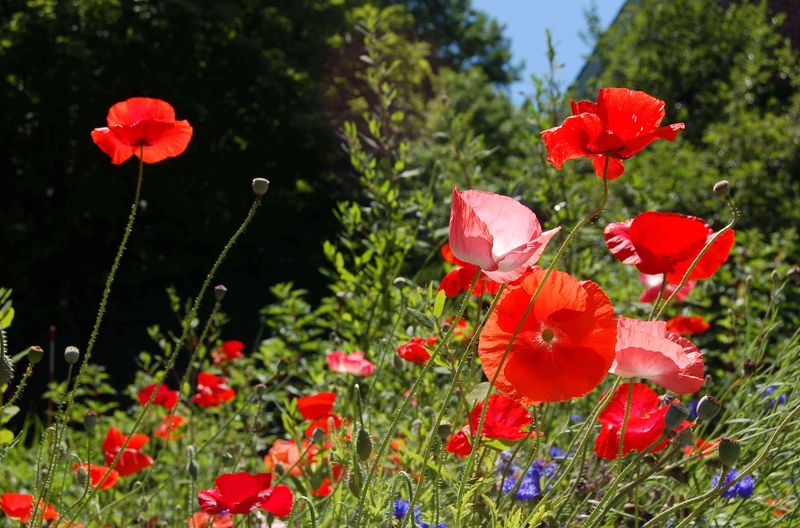
With their bold, fiery blossoms, red poppies became the show-stopper in my garden. The vibrant petals catch the sunlight, creating a spectacle that draws admiration from every passerby.
Their resilience to varying weather conditions makes them a gardener’s delight, thriving in the sun and rain alike. Red poppies are not only beautiful but also symbolize remembrance and hope, adding a deeper meaning to their striking appearance.
Did you know? The red poppy is often associated with Armistice Day, symbolizing the blood of fallen soldiers.
2. Bluebells
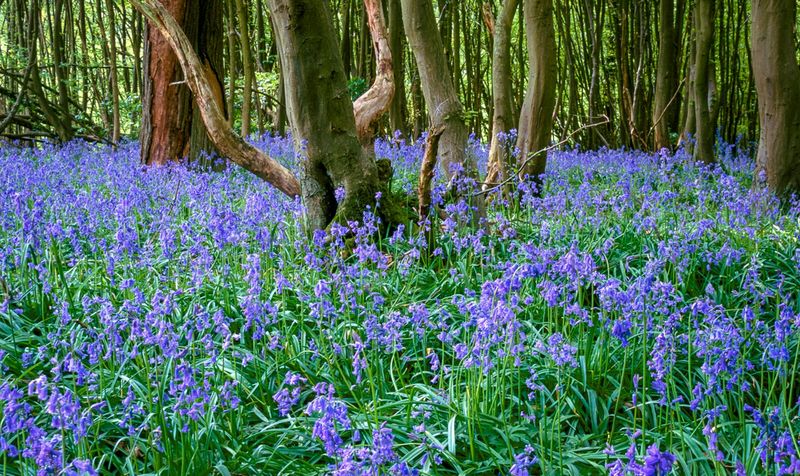
Like a soothing melody, bluebells evoke a sense of tranquility and grace. Their gentle blue hue, coupled with a delicate bell shape, makes them an enchanting sight in any garden.
These lovely flowers prefer shaded areas, thriving under trees and bushes where they can create a carpet of blue. Bluebells hold a fascinating allure — often considered to be fairy flowers in folklore, believed to summon fairies with their gentle chimes.
Fun fact: In the Victorian era, bluebells symbolized humility and constancy.
3. Sunflowers
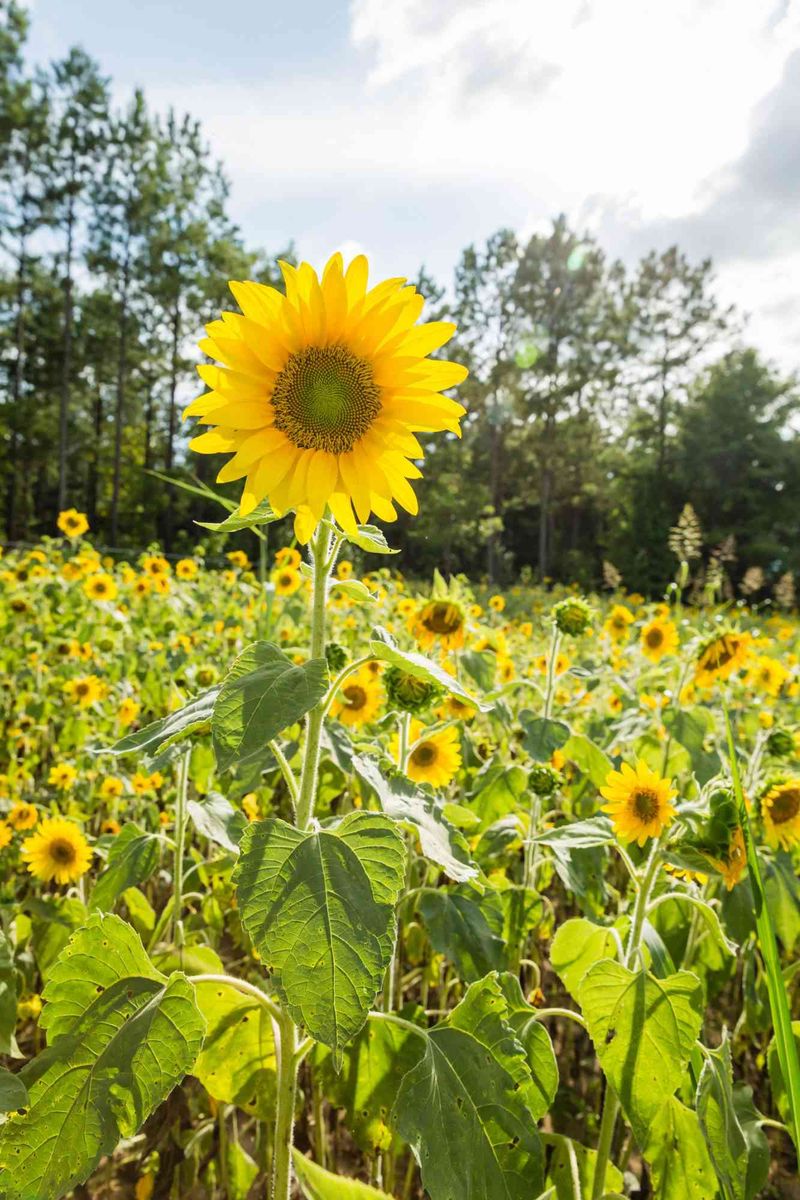
Standing tall and proud, sunflowers are the embodiment of joy and warmth. Their sunny disposition is infectious, spreading cheer to anyone who gazes upon them.
Sunflowers are not just visually stunning; they are also nature’s barometer, turning their faces toward the sun to follow its path across the sky. This heliotropic behavior makes them a fascinating addition to any garden.
Did you know? Sunflowers were cultivated by Native Americans long before European explorers arrived in America, valued for their seeds and oil.
4. Lavender
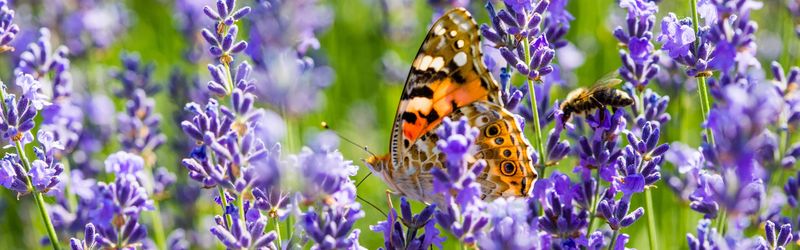
Lavender, with its soothing scent and purple blossoms, transforms any garden into a serene sanctuary. Its calming aroma is known to reduce stress, making it a perfect plant for relaxation areas.
Lavender thrives in well-drained soil and sunshine, an ideal choice for those seeking low-maintenance beauty. Each bloom is a magnet for bees and butterflies, adding life to any garden space.
Fun fact: Lavender was used in ancient Roman baths for its aromatic properties and as a natural disinfectant.
5. Daisies
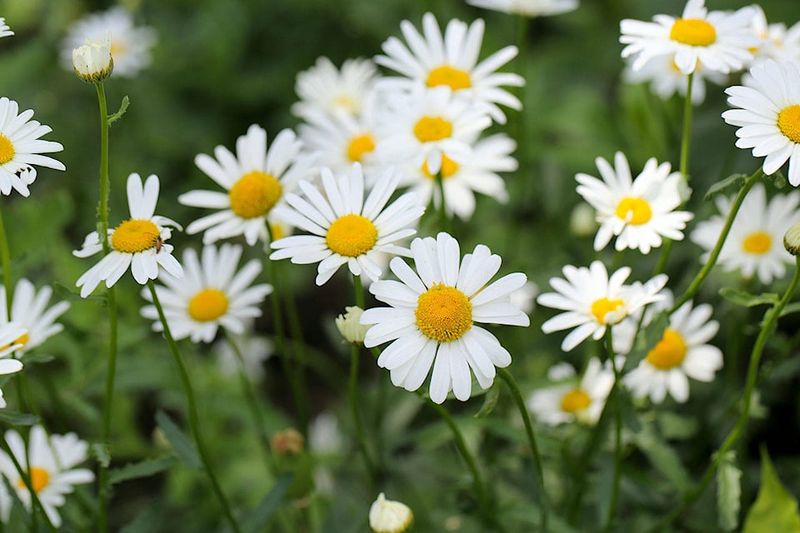
Daisies bring a touch of innocence and purity to the garden, with their simple yet captivating appearance. These hardy flowers bloom abundantly, ensuring a lively garden display throughout the spring and summer months.
Their bright faces follow the sun, creating a dynamic and ever-changing tableau. Daisies symbolize new beginnings and true love — a timeless addition that speaks to the heart of any garden enthusiast.
Curious fact: The name ‘daisy’ is derived from ‘day’s eye’, referencing how the flower opens at dawn.
6. Cornflowers
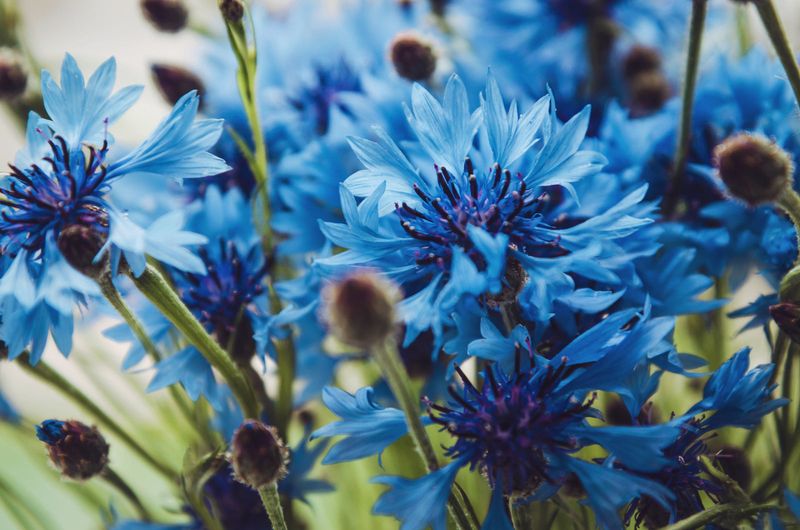
With their vivid blue petals, cornflowers add a pop of color that’s hard to miss. These delightful blooms attract beneficial insects, making them a valuable ally in maintaining a healthy garden ecosystem.
Cornflowers are hardy and adaptable, thriving in a variety of conditions. Their striking color is often associated with hope and love, a symbol of positivity in times of adversity.
Historical tidbit: Cornflowers were once worn by young men in love as a symbol of their affections in the 19th century.
7. Foxgloves
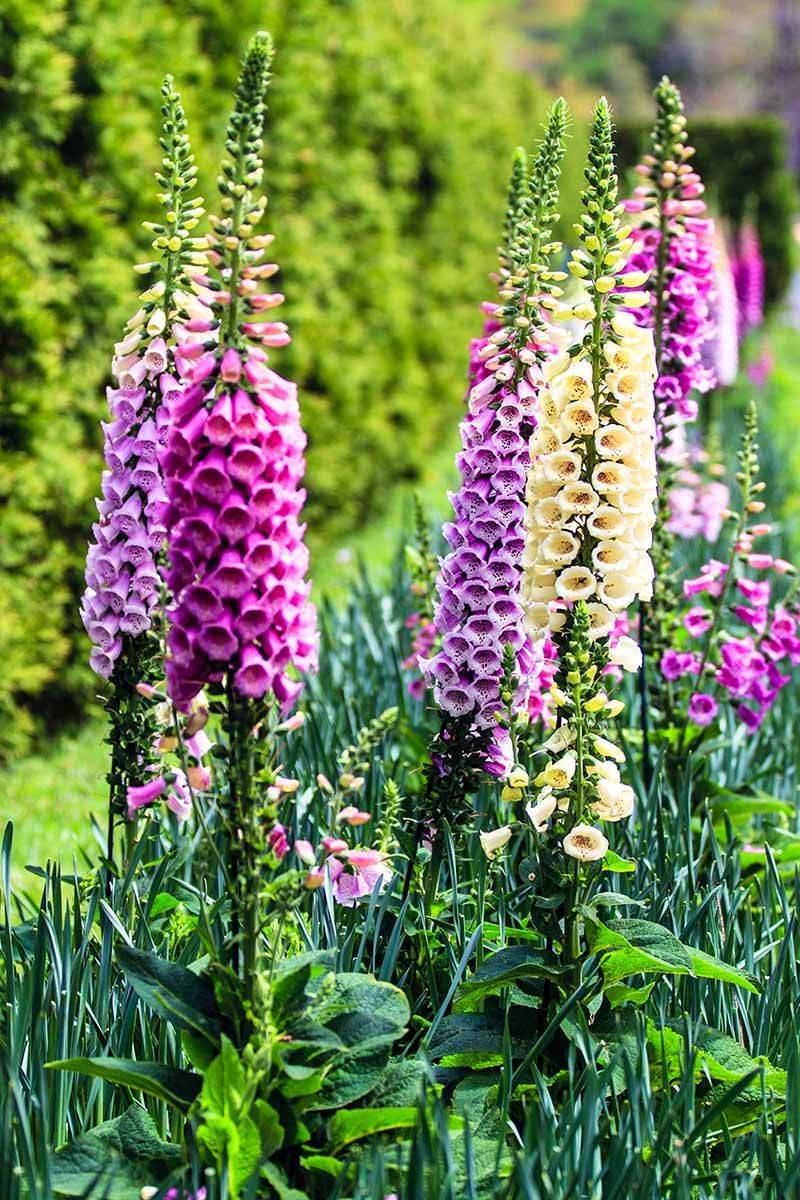
Foxgloves stand out with their stately presence and tubular flowers, creating an architectural marvel in any garden. These intriguing flowers attract bees, essential pollinators that help sustain garden biodiversity.
While beautiful, foxgloves are also known for their medicinal properties, historically used in heart medications. Their presence adds a touch of mystery and elegance to the garden.
Cautionary note: Despite their beauty, foxgloves are toxic if ingested by humans or pets.
8. Columbine
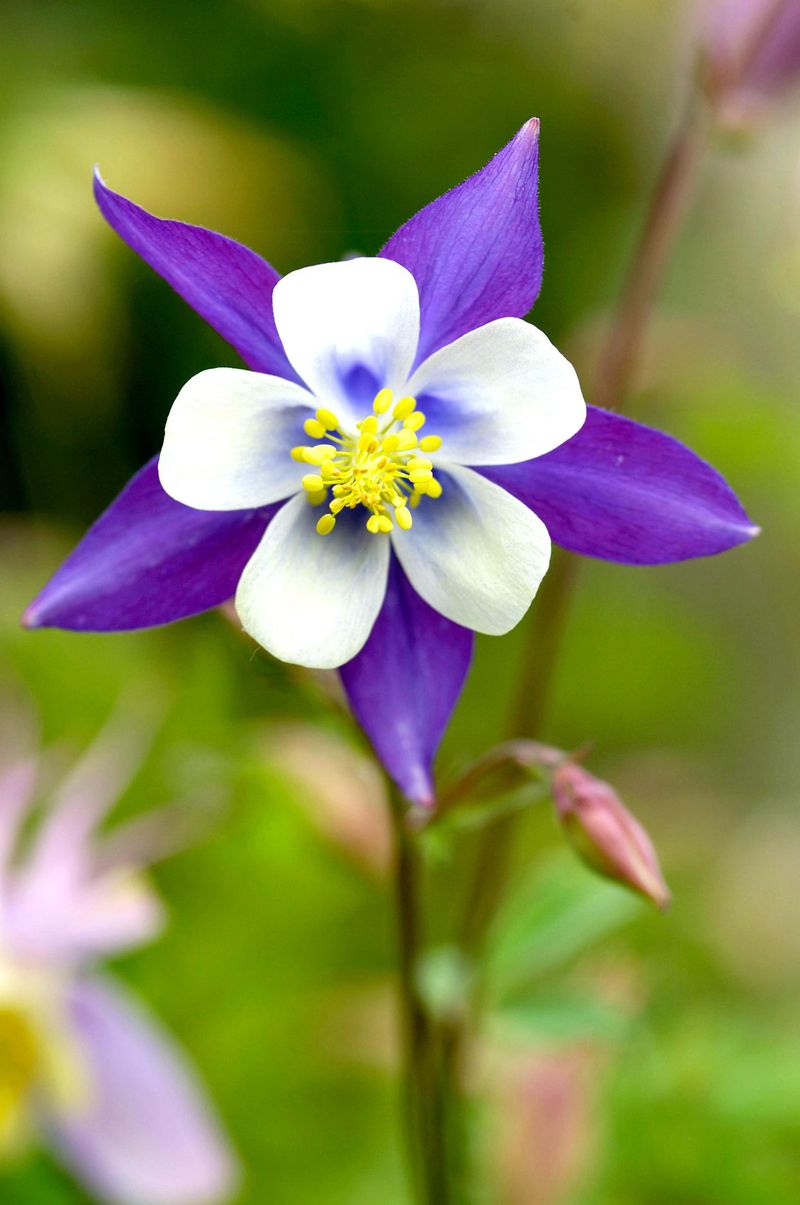
Columbines are known for their distinctive spurred petals, reminiscent of a ballerina’s dress. In the morning light, they catch dew like little cups, sparkling in the sun. Their unique shape makes them a favorite among pollinators, especially hummingbirds.
A native to woodlands, these flowers bloom in a variety of colors, including vibrant purples and delicate whites. They prefer partial shade, making them perfect for those tricky garden spots.
Did you know? The columbine was a symbol of foolishness in Victorian flower language, yet its beauty is nothing short of intelligent design.
9. Black-eyed Susan
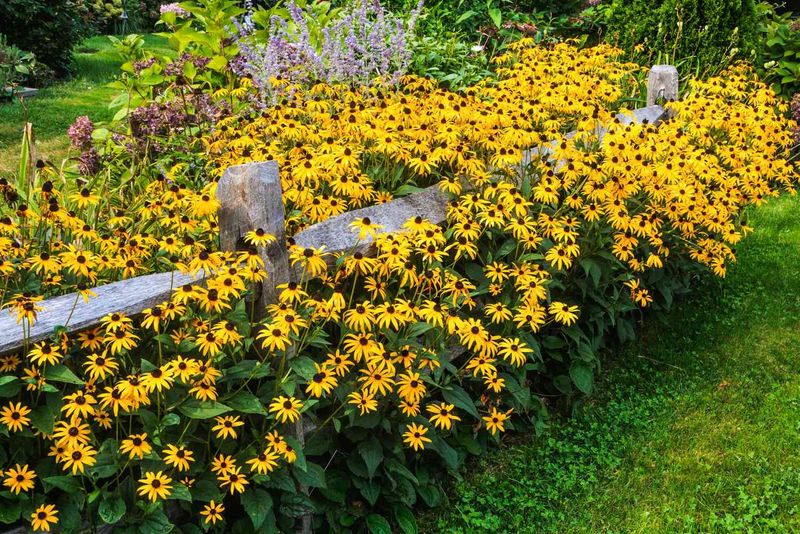
With their cheerful yellow petals and bold brown centers, Black-eyed Susans are the garden’s sunniest residents. They thrive in full sun, basking in the warmth to produce a long-lasting bloom.
Their sturdy stems make them ideal for garden borders, where they can be admired up close or from a distance. These hardy perennials are not just pretty faces; they attract beneficial insects like bees and butterflies.
Fun fact: Black-eyed Susans are the state flower of Maryland, symbolizing justice and fairness in the language of flowers.
10. Coneflower
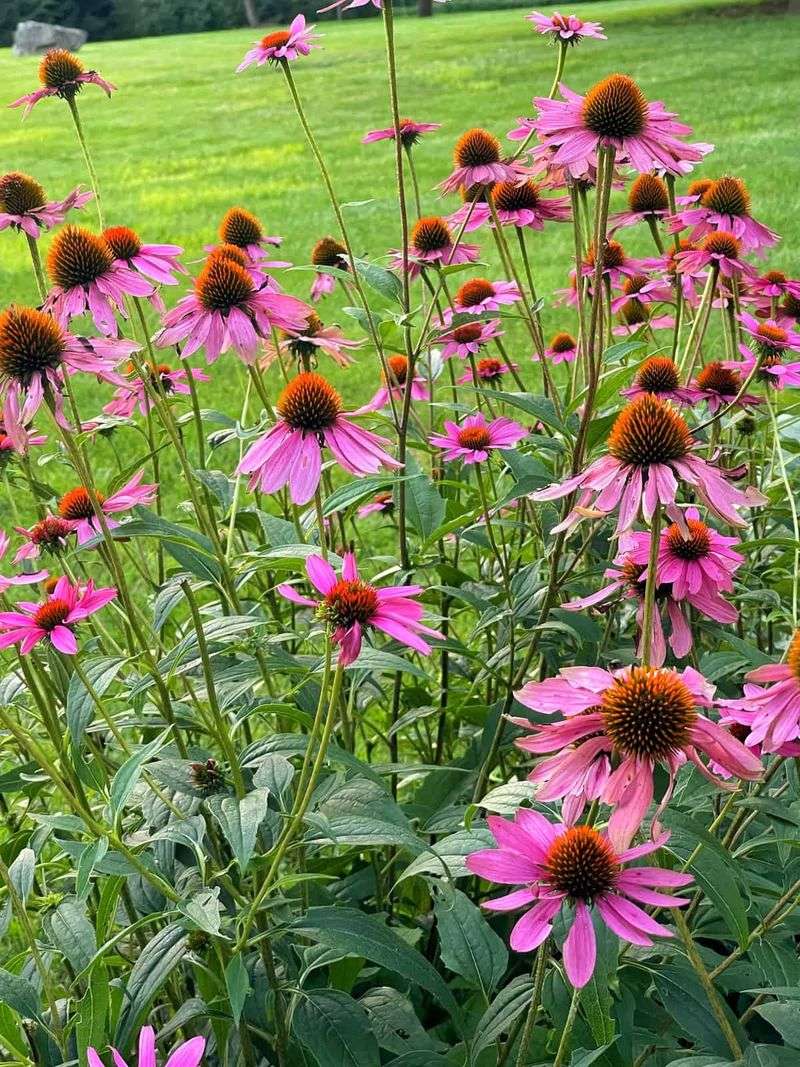
Coneflowers stand tall with their striking purple petals and prominent orange centers. These native North American wildflowers are robust and drought-resistant, making them a gardener’s dream.
They attract a multitude of pollinators, including bees and butterflies, enhancing the ecological balance of any garden. Beyond their visual charm, coneflowers have medicinal properties, historically used by Native Americans to treat various ailments.
Their resilience and beauty ensure they remain a staple in wildflower gardens across the continent.
11. Wild Bergamot
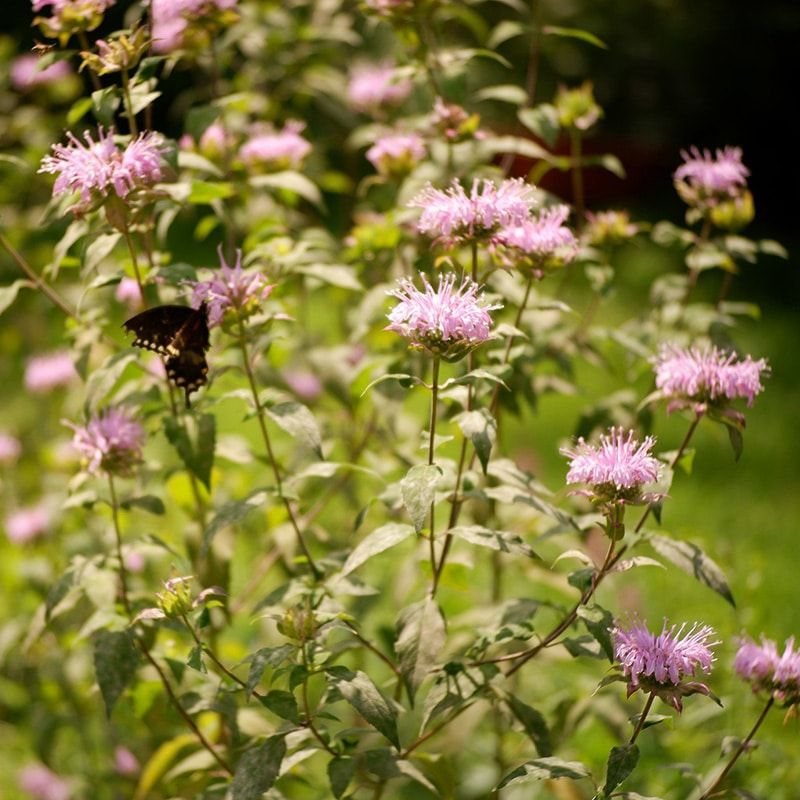
Wild Bergamot, often known as bee balm, boasts lavender petals that dance in the breeze, inviting bees and butterflies to join the garden party. These fragrant flowers are a delightful addition to any floral ensemble.
Their aromatic leaves can be used to brew a delightful herbal tea, offering a taste as refreshing as the flowers are beautiful. Known for their medicinal properties, Native Americans used bergamot to treat colds and headaches.
This perennial is perfect for creating an aromatic, lively space in any garden setting.
12. Coreopsis
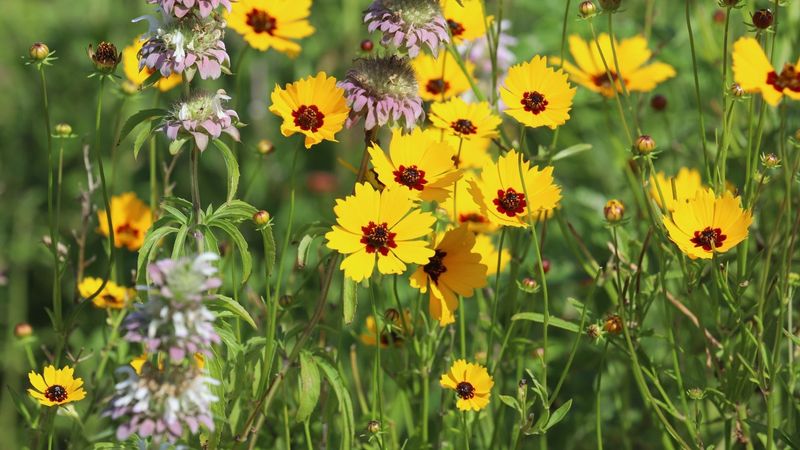
Coreopsis brings a burst of sunshine to the garden with its bright yellow flowers and feathery petals. These cheerful blooms are not only delightful to humans but also attract bees and butterflies.
Their drought-tolerant nature makes them ideal for low-maintenance gardens, thriving in sunny spots with well-drained soil. Known as “tickseed,” coreopsis was used by Native Americans to brew a coffee-like drink.
Their long-lasting blooms make them a favorite for summer gardens, promising a vibrant display throughout the season.
13. Gaillardia
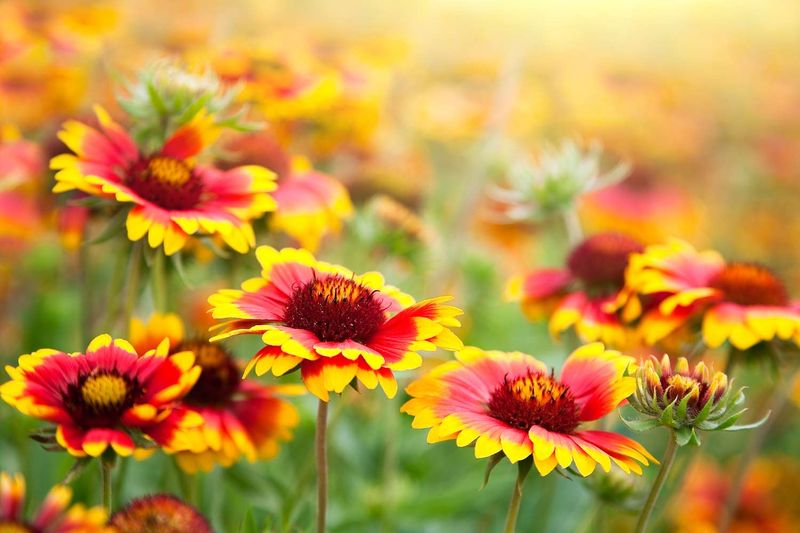
Gaillardia, affectionately called blanket flowers, are known for their vibrant red and orange petals. These cheerful flowers resemble a sunset in bloom, providing a warm, inviting presence in any garden.
Their long-lasting flowers thrive in full sun, making them perfect for summer gardens. Gaillardia’s resilient nature ensures they withstand heat and drought conditions, requiring minimal care.
Fun fact: Named after an 18th-century French magistrate and botanist, Gaillardia has a history as colorful as its petals.
14. Yarrow
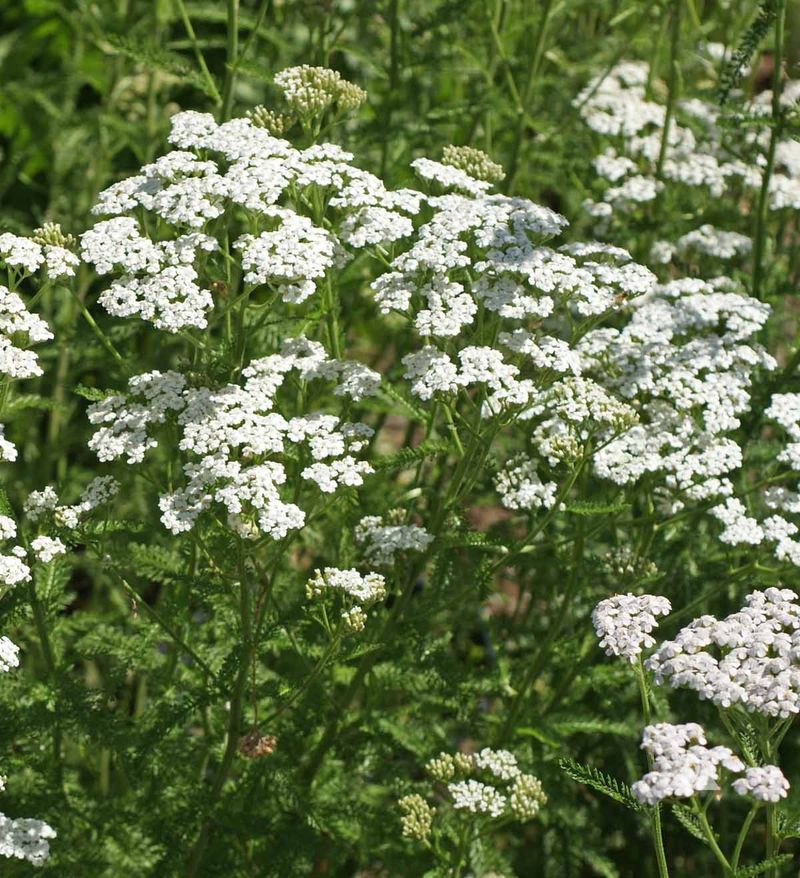
Yarrow is celebrated for its flat-topped clusters of tiny, white flowers. They stand tall and firm, providing a structural element to garden designs. Often found in wild meadows, yarrow is known for its medicinal uses, including wound healing.
These flowers attract butterflies and beneficial insects, adding ecological value to any garden. Yarrow’s drought-resistant nature makes it a reliable choice for sustainable gardening.
The plant’s feathery foliage also adds a unique texture, enhancing the visual appeal of garden spaces.
15. Lupine
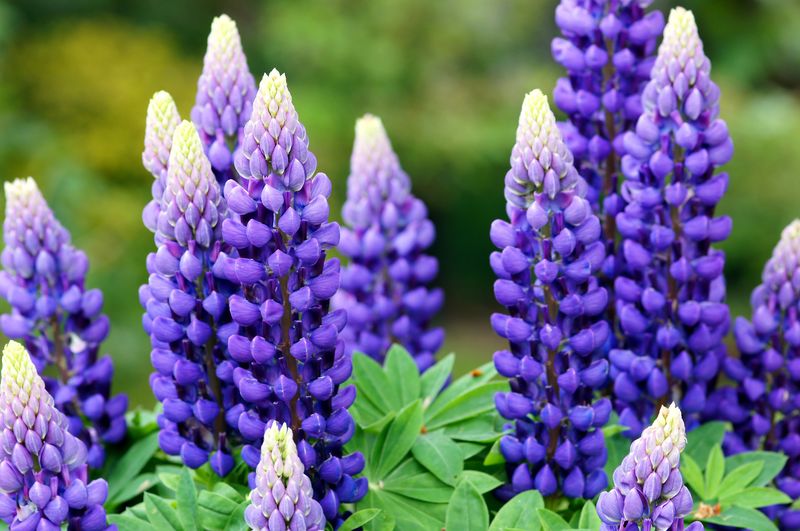
Lupines tower over the garden with their tall, spiky blooms in shades of purple and blue. These striking flowers create a stunning vertical element, adding depth and drama to garden layouts.
Their seeds are a rich source of protein, historically used as a food crop in ancient civilizations. Lupines fix nitrogen in the soil, improving fertility and supporting sustainable gardening.
With a charming resilience, lupines thrive in various climates, offering a bold splash of color throughout spring and early summer.
16. Butterfly Weed
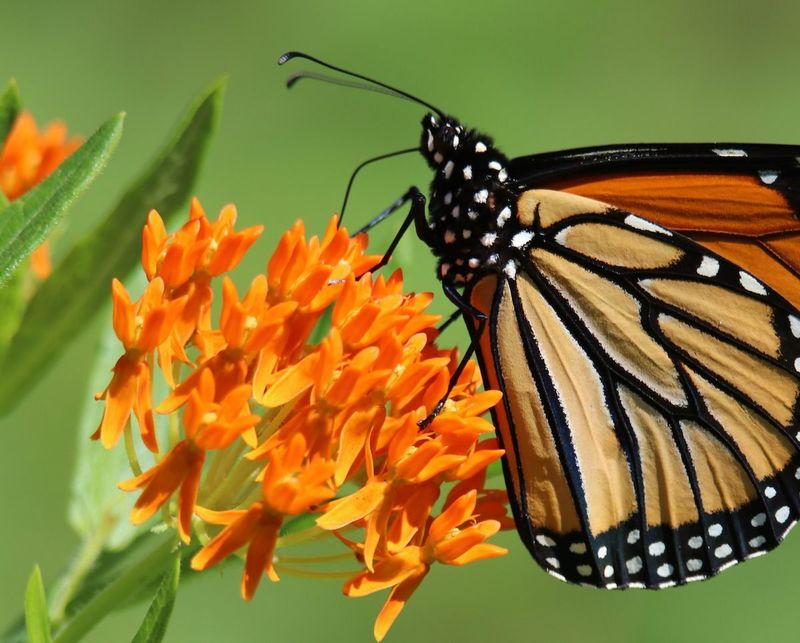
Butterfly weed lives up to its name, enticing butterflies with its vibrant orange flowers. This native plant is a cornerstone for butterfly conservation, providing essential nectar for these delicate creatures.
Their long-lasting blooms make butterfly weed a standout performer during the hot summer months. Beyond their beauty, these plants are vital for supporting monarch butterfly populations, as they serve as host plants for their larvae.
Creating a haven for butterflies, this plant enriches gardens with both life and color.
17. Penstemon
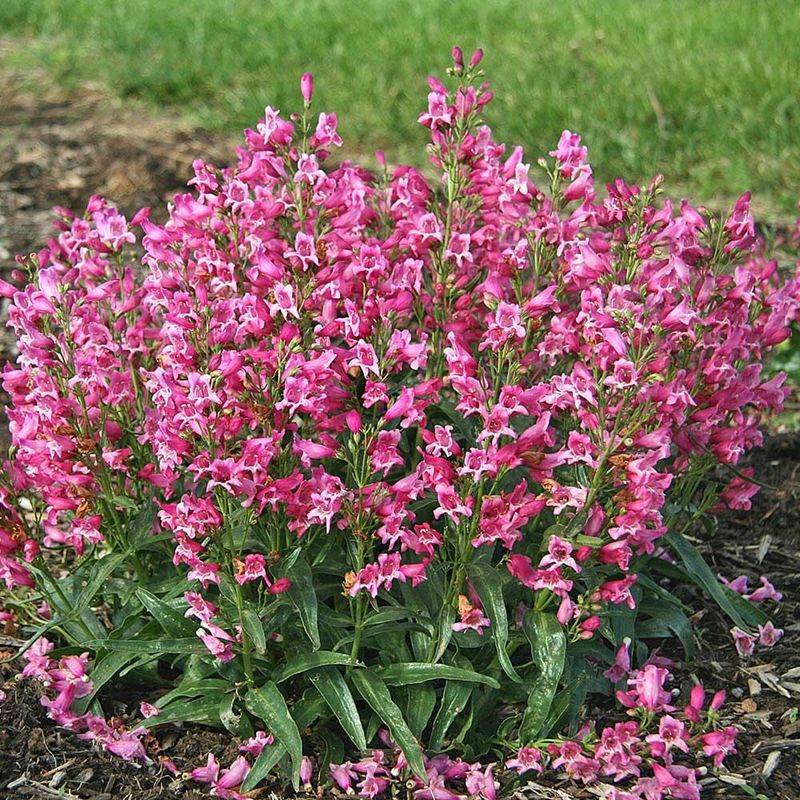
Penstemon, with its tubular pink blooms, adds a touch of elegance to rocky garden settings. Often found in arid environments, these drought-resistant plants are perfect for xeriscaping.
Their nectar-rich flowers attract hummingbirds, creating lively scenes of nature in action. Known for their hardiness, penstemons add color and texture where other plants may struggle.
These resilient plants are not only beautiful but also play a crucial role in supporting pollinator populations, making them a valuable addition to eco-friendly gardens.
18. Sweet Alyssum
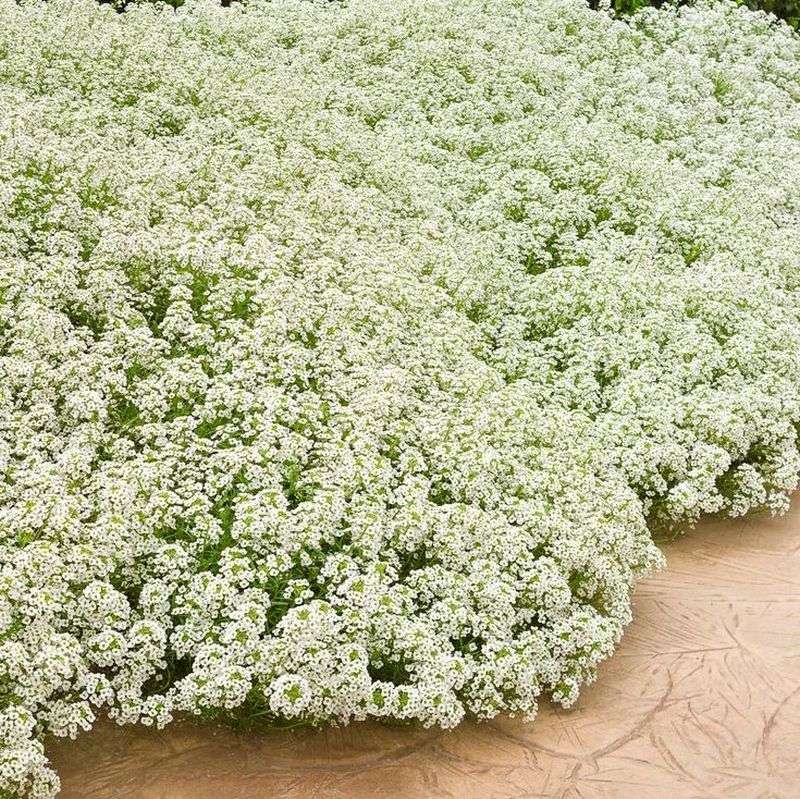
Sweet Alyssum forms a delicate, fragrant carpet of white blooms that blanket garden beds with elegance. These small, honey-scented flowers are perfect for filling gaps between larger plants, adding a soft touch to garden borders.
Their fragrance attracts bees and other pollinators, contributing to a healthy garden ecosystem. Known for their quick growth and ability to reseed, sweet alyssum ensures continuity in garden designs.
This versatile plant thrives in various conditions, offering gardeners an easy-to-grow option for enhancing floral displays.
19. Snapdragon
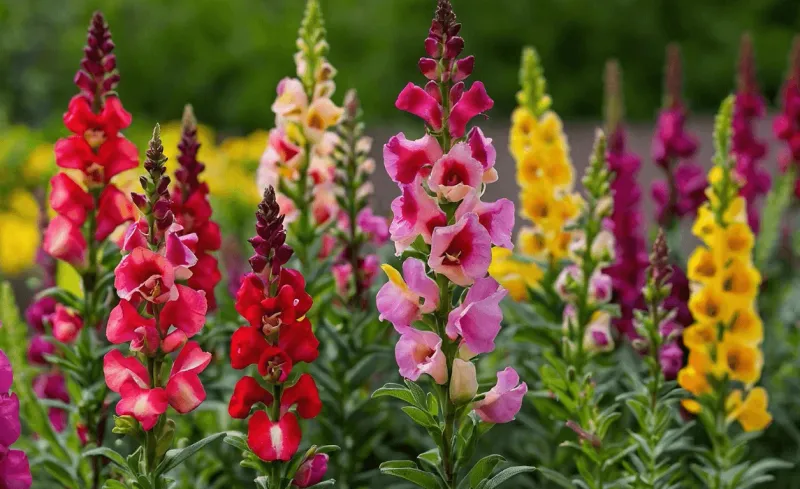
Snapdragons bring a playful touch to gardens with their whimsical blooms in pastel shades. Their name comes from the flower’s resemblance to a dragon’s face, “snapping” open when pinched.
Popular in cottage gardens, snapdragons offer a vertical flair with their tall stems. These flowers are not just eye-catching; they also attract beneficial insects and pollinators.
Snapdragons are a staple in floral arrangements, appreciated for their vibrant colors and unique shape, making them a delightful addition to any garden space.