 Complete Gardening
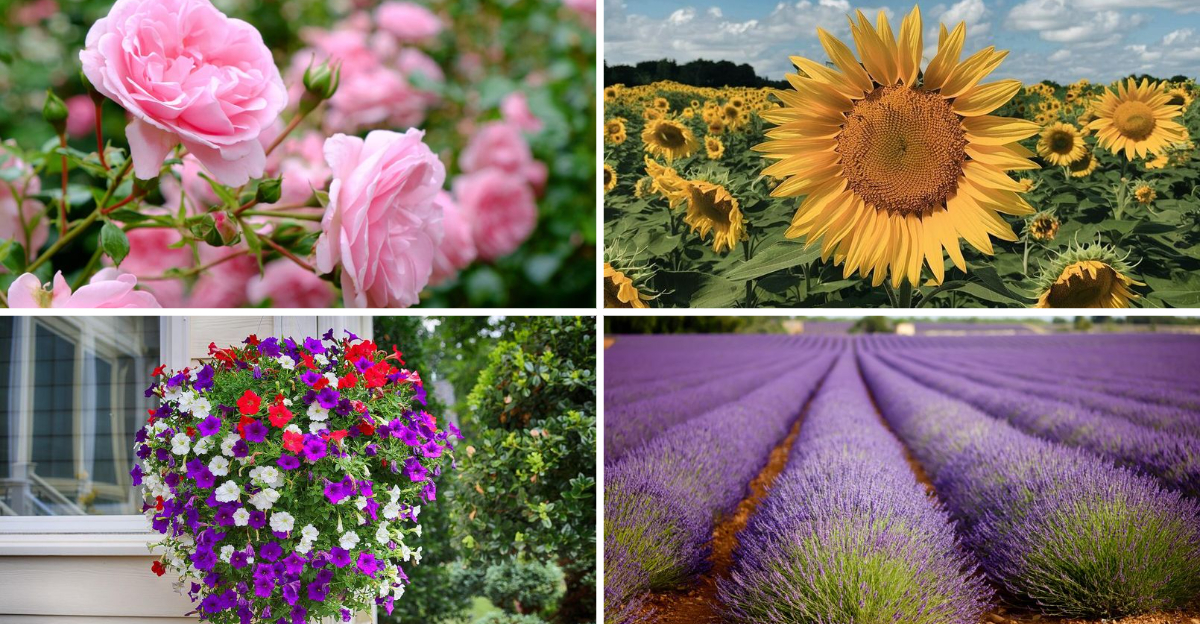
Last spring, I embarked on a floral adventure, planting 23 different types of flowers in my garden. To my delight, 11 of them thrived and continued to bloom beautifully throughout the seasons. Here’s a look at these resilient blossoms that brought constant joy and color to my garden.
1. Roses
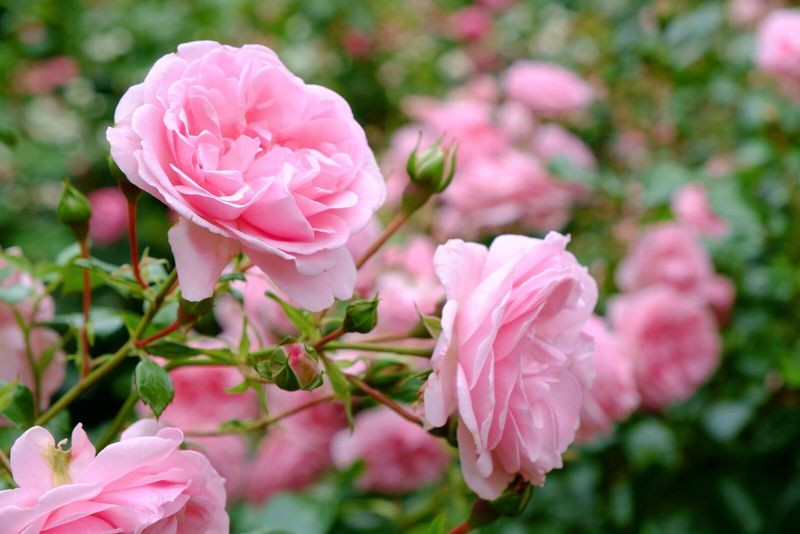
Roses, the symbols of love, never failed to enchant my garden. Their fragrance filled the air, creating an inviting atmosphere. Each bloom seemed to tell a story, whispering secrets of romance and elegance.
These timeless beauties not only added visual appeal but also attracted pollinators, enhancing the garden’s ecosystem. Different varieties offered a spectrum of colors, from classic red to serene white.
Did you know? Roses can live for decades, making them a lasting presence in any garden. With proper care, they continued to bloom, offering joy month after month.
2. Geraniums
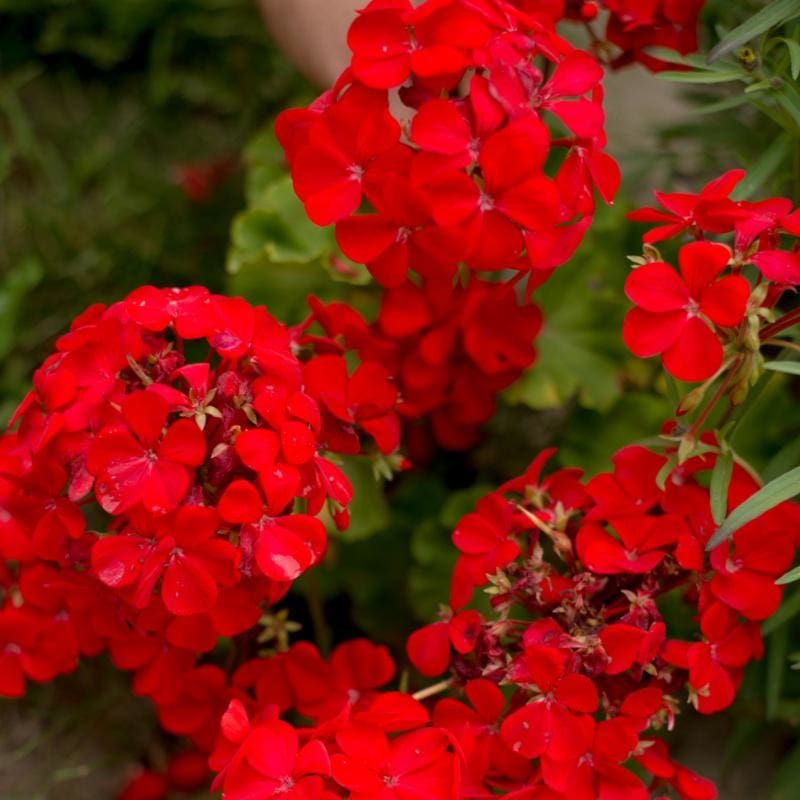
Geraniums, with their vibrant hues, became the stars of my patio. Their cheerful blossoms brought life and color, thriving even in the hottest days.
These resilient plants require minimal maintenance, making them ideal for busy gardeners. Their versatility allows them to flourish in pots or garden beds, adapting easily to different environments.
Fun fact: Geraniums are known for their mosquito-repelling properties. Their continuous bloom ensured a pest-free, fragrant patio, perfect for outdoor gatherings and peaceful afternoon naps.
3. Lavender
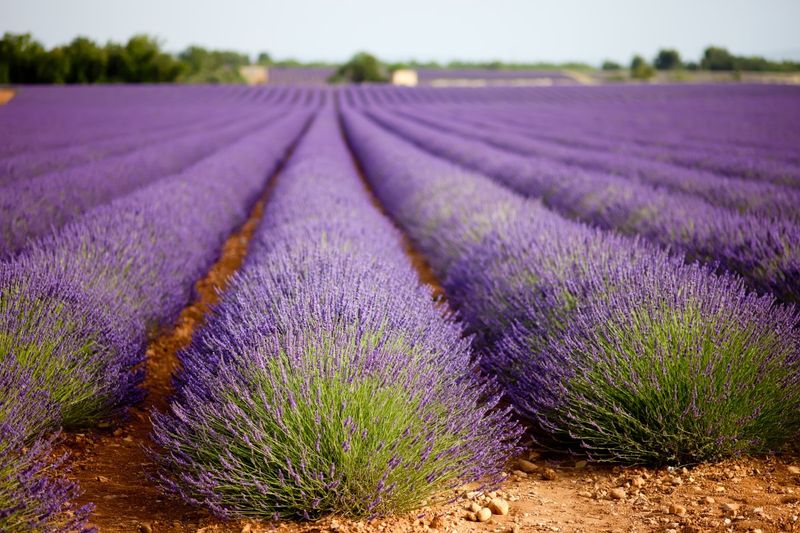
The calming scent of lavender permeated my garden, offering tranquility and peace. Its purple spikes stood proudly, waving gently in the summer breeze.
Lavender proved to be a low-maintenance wonder, thriving in sunny spots with well-drained soil. Not only did it attract pollinators, but it also deterred pests, making it a practical choice.
Historically, lavender has been used for its therapeutic properties, believed to aid relaxation and sleep. Its continuous bloom provided both beauty and utility, enriching garden days with serenity.
4. Petunias
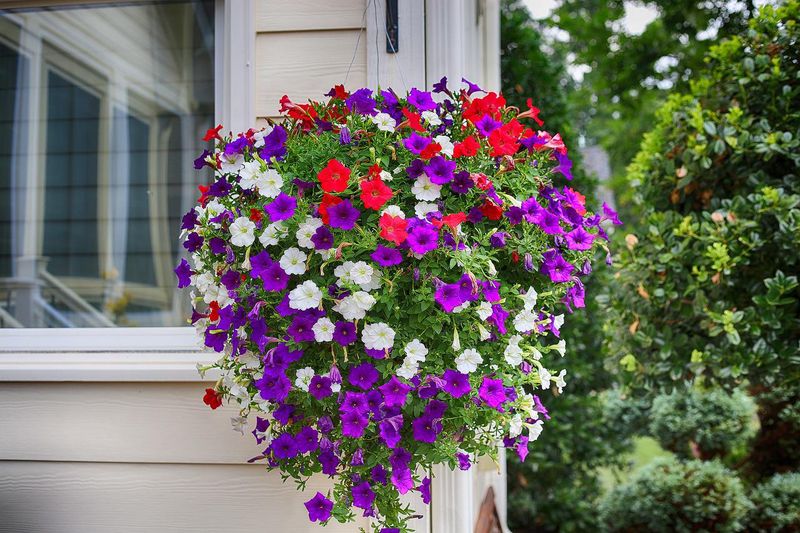
Petunias, with their cascading blooms, turned ordinary spaces into vibrant displays. Their lush blossoms decorated my garden, hanging from baskets and spilling over pots.
These cheerful flowers thrived in sunny locations, requiring regular watering but rewarding with endless blooms. Their delightful colors brought joy, reminiscent of a painter’s palette.
A fun tidbit: Petunias are related to tomatoes and potatoes, belonging to the nightshade family. Their impressive endurance throughout the seasons made them a staple, ensuring constant color and charm.
5. Daisies
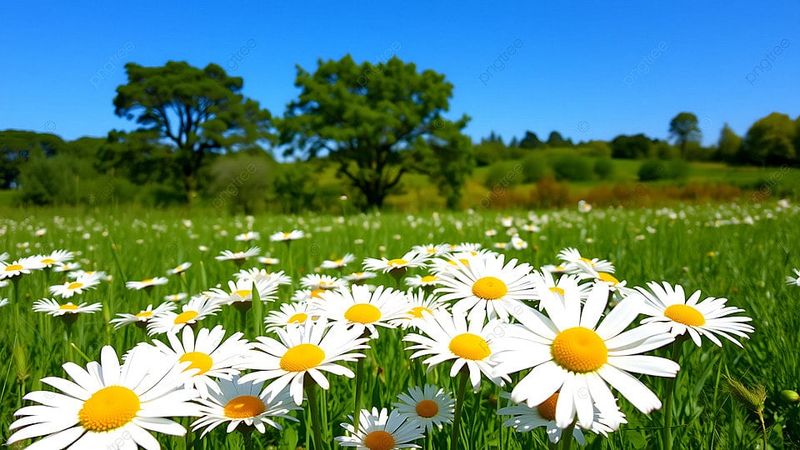
Daisies, the epitome of simplicity and charm, dotted my garden with their sunny faces. Their presence was like a gentle smile, brightening every corner.
These hardy flowers required minimal care, flourishing in various conditions. Their ability to bloom consistently made them a reliable choice for continuous garden delight.
Fascinatingly, daisies open at dawn and close at dusk, symbolizing purity and new beginnings. Their optimistic nature added a touch of whimsy, transforming the garden into a playful paradise.
6. Sunflowers
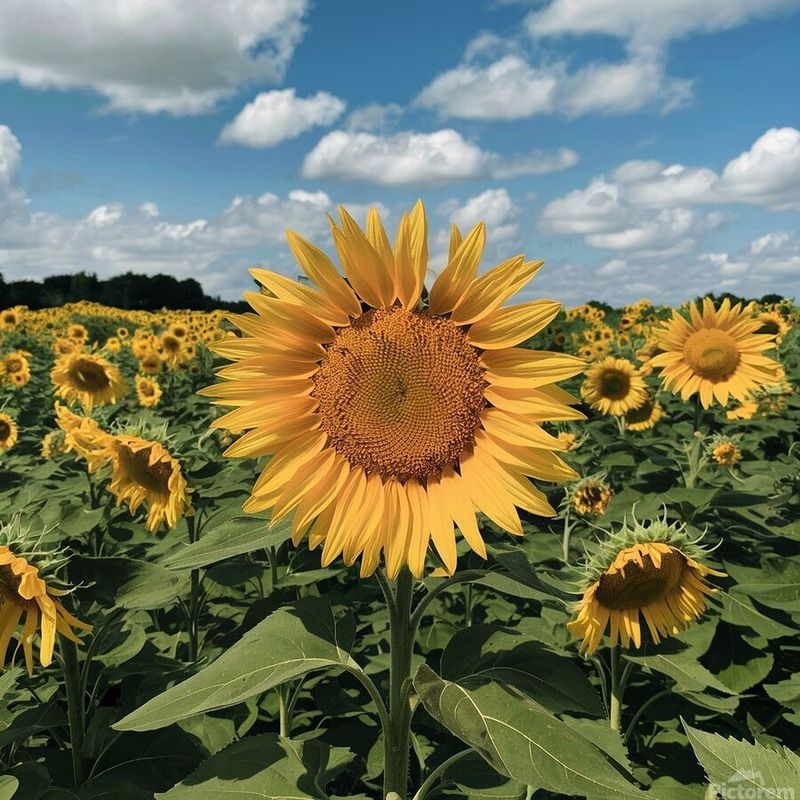
Sunflowers stole the show with their towering presence and vibrant yellow blooms. Their sunny disposition seemed to chase away the clouds, bringing endless joy.
These giants of the garden thrived with minimal care, their seeds providing sustenance to birds and wildlife. Watching them turn towards the sun each day was a simple pleasure.
Did you know? Sunflowers can grow several feet tall and are known for their heliotropic nature, following the sun’s path. Their ever-present blooms offered a cheerful spectacle, reminiscent of summer days.
7. Marigolds
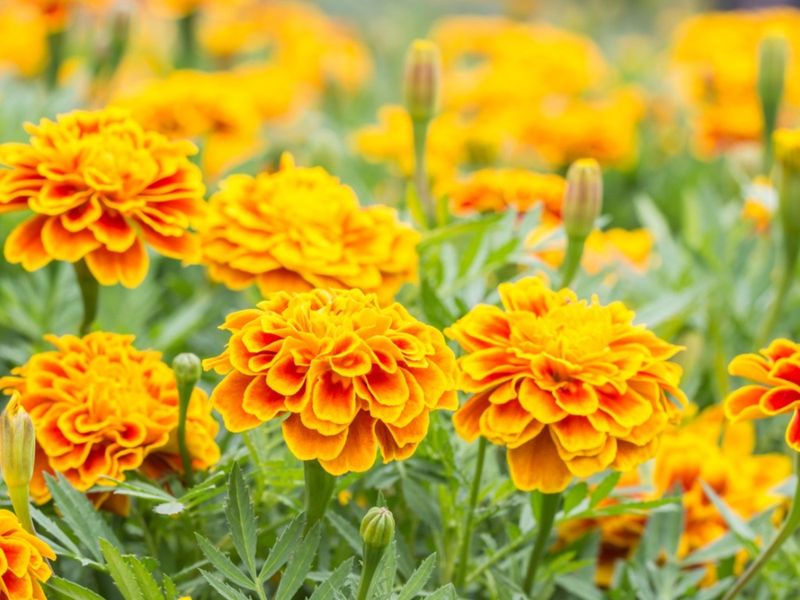
Marigolds, with their fiery hues, lined my garden paths, acting as natural pest deterrents. Their bold colors added warmth and vibrancy, creating a welcoming entrance.
These hardy flowers blossomed continuously, requiring little maintenance. Their ability to thrive in various soil conditions made them a gardener’s favorite.
In folklore, marigolds are associated with the sun and symbolize passion and creativity. Their persistent blooms ensured that the garden remained lively and inviting throughout the year, a true testament to their resilience.
8. Zinnias
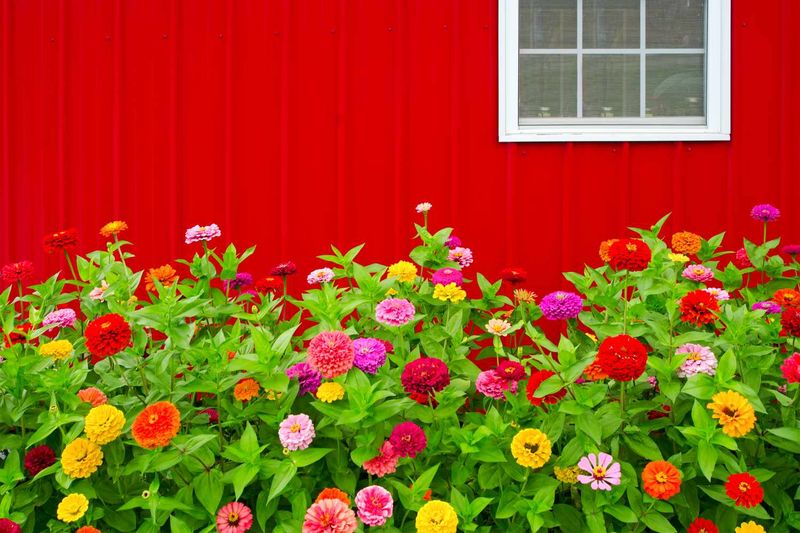
Zinnias, with their rainbow of colors, transformed my garden into a painter’s dream. Their vibrant blooms brought an artistic flair, each petal a brushstroke of nature.
These sun-loving flowers thrived in warm weather, blooming profusely with minimal care. Their long-lasting nature made them perfect for cut flowers, bringing the garden indoors.
Zinnias have a fascinating history, tracing back to Mexico where they were once called “mal de ojos” or “ugly” due to their wild appearance. Yet, their cultivated beauty today is nothing short of spectacular.
9. Pansies
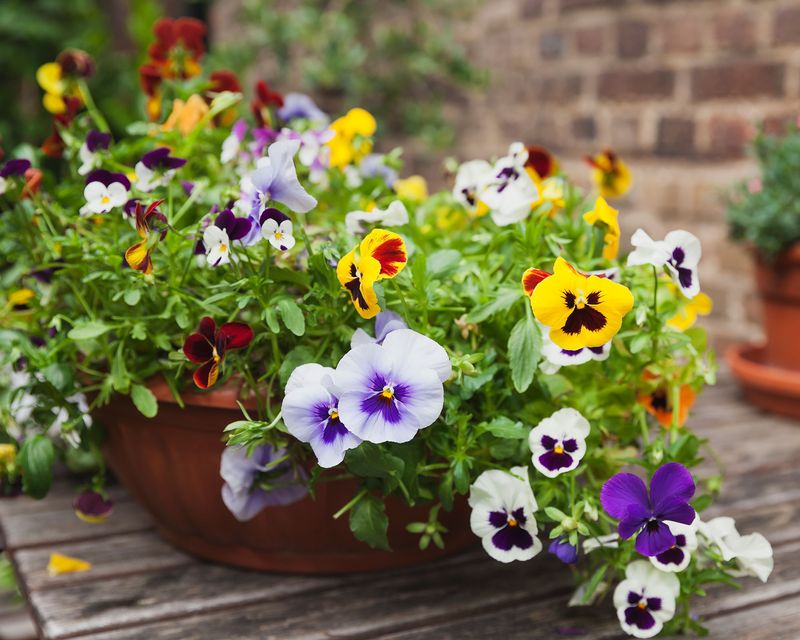
Pansies, with their charming faces, greeted me daily with delightful expressions. Their vibrant mix of colors added a playful touch to the garden.
These cool-weather flowers flourished in the early spring and fall, showcasing their resilience. Their versatility allowed them to thrive in both pots and garden beds, making them a versatile choice.
Interestingly, pansies are edible and often used in salads and desserts. Their continuous bloom brought cheer, proving that even the smallest flowers can make a big impact.
10. Begonias
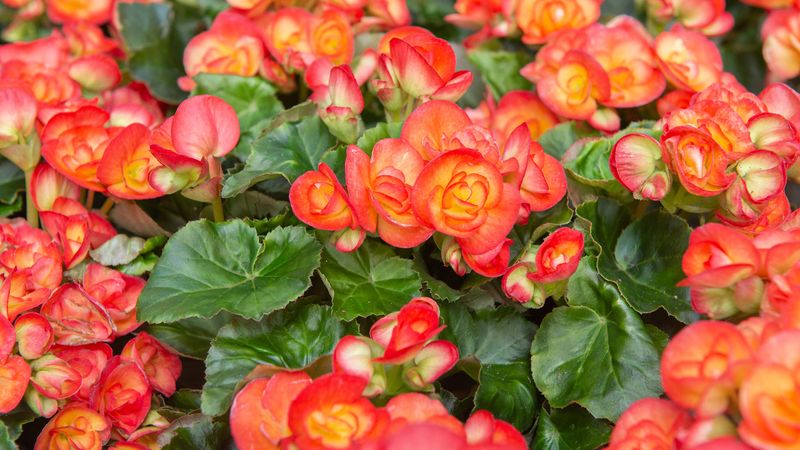
Begonias, with their lush foliage and bright blooms, added a touch of elegance to shaded areas. Their unique textures and colors created a captivating display.
These adaptable plants thrived in partial shade, requiring moderate watering to maintain their lushness. Their decorative appeal extended beyond flowers, with leaves that added dimension and interest.
Did you know? Begonias are named after Michel Bégon, a French politician and plant collector. Their persistent blooms ensured that even shaded corners of the garden remained vibrant and lively.
11. Impatiens
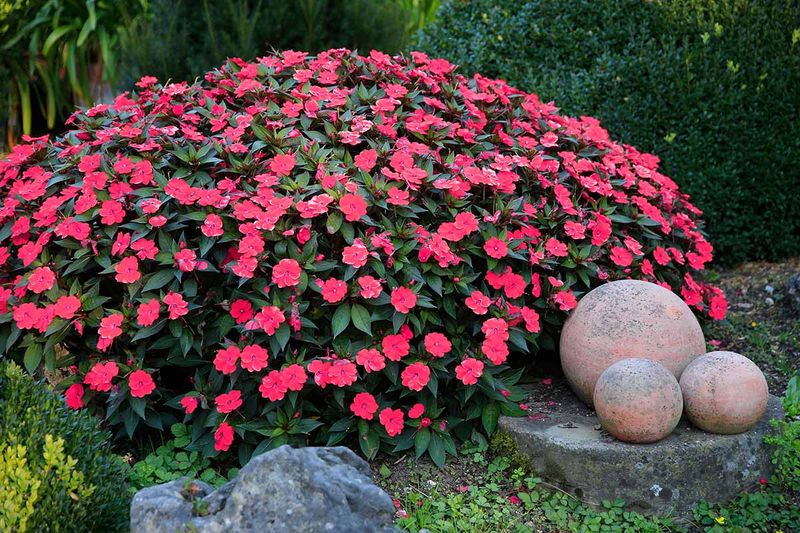
Impatiens, with their vibrant colors, lit up the shaded corners of my garden. Their cheerful blossoms seemed to dance in the breeze, creating a lively atmosphere.
These shade-loving flowers thrived with regular watering, rewarding with consistent blooms. Their ability to adapt to less sunny spots made them a gardener’s ally.
Interestingly, impatiens are often called “busy Lizzies” for their prolific blooming. Their persistence throughout the seasons ensured that even the darkest corners were filled with color and life.
12. Coral Bells
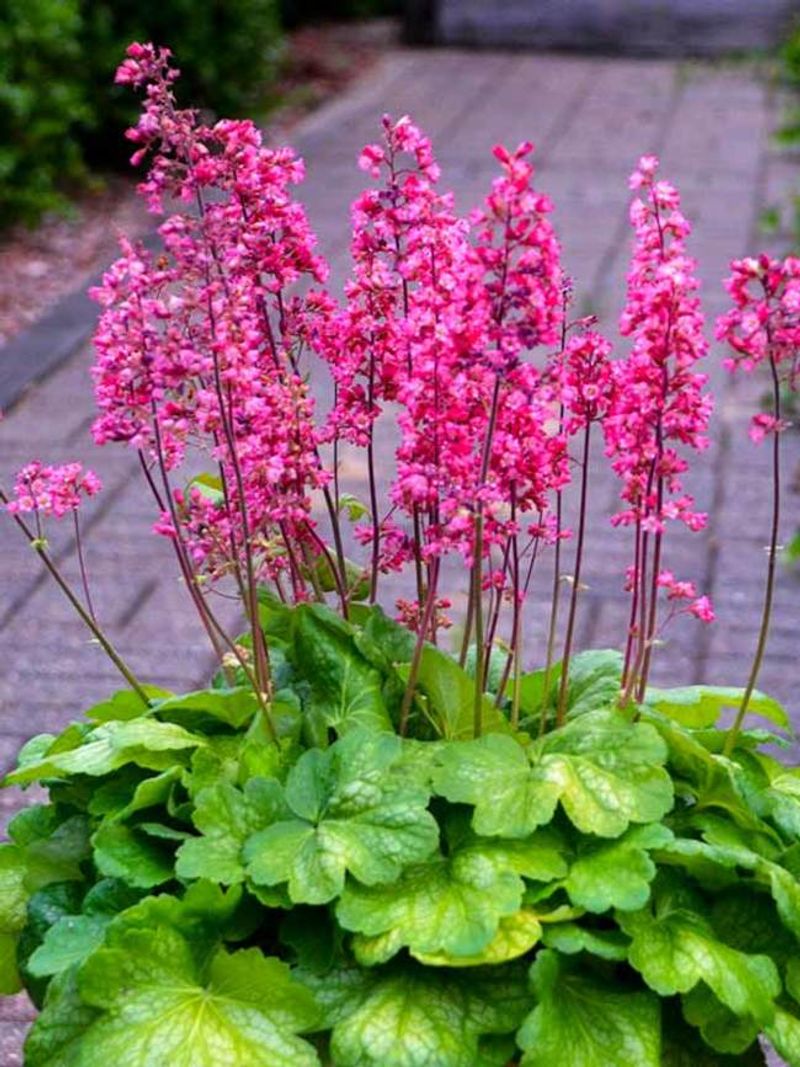
Coral Bells have an undeniable charm. Their delicate bell-shaped flowers sway on slender stems, dancing in the breeze. What truly sets them apart is their foliage, which remains vivid throughout the year. Available in hues of purple, bronze, and green, these leaves add texture and depth.
Gardeners adore them for their versatility. They thrive in partial shade, making them perfect for spots where sunlight is scarce. Despite their dainty appearance, they’re robust and low-maintenance.
A fun tidbit: Coral Bells were initially popularized in the 19th century, celebrated for their adaptability.
13. Foxglove
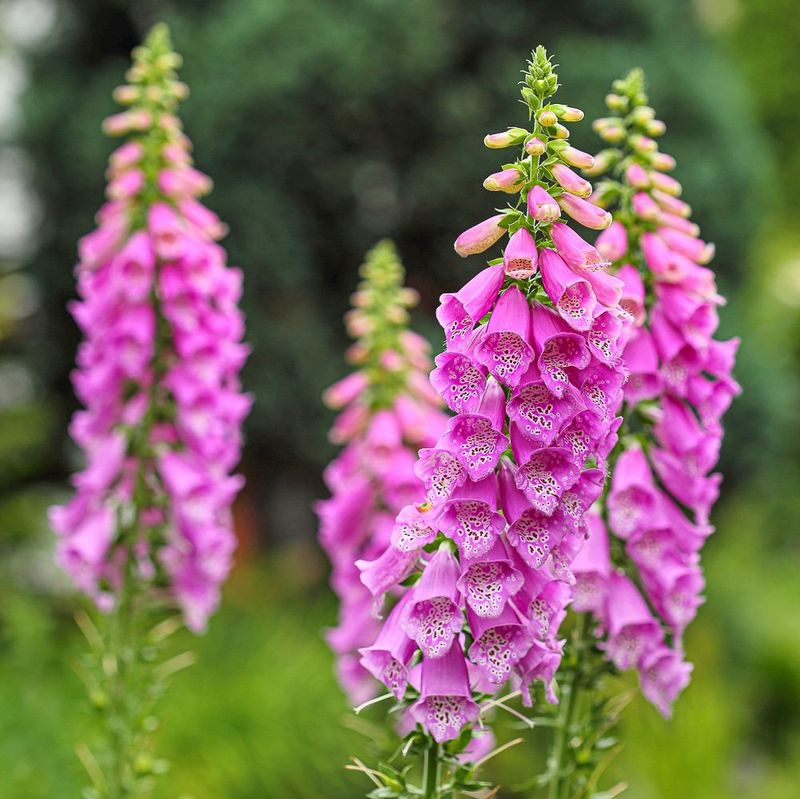
Towering with grace, Foxgloves capture attention with their striking tubular flowers. Each spire stands tall, adorned with blossoms in pink and purple shades. They bring vertical interest to gardens, luring bees and hummingbirds.
Foxgloves prefer partial shade, thriving in well-drained soil. They may seem delicate but are surprisingly hardy. Gardeners appreciate their ability to self-seed, ensuring they return annually.
Did you know? In folklore, foxgloves were believed to be the gloves of fairies, endowing the plant with a mystical allure.
14. Hellebore
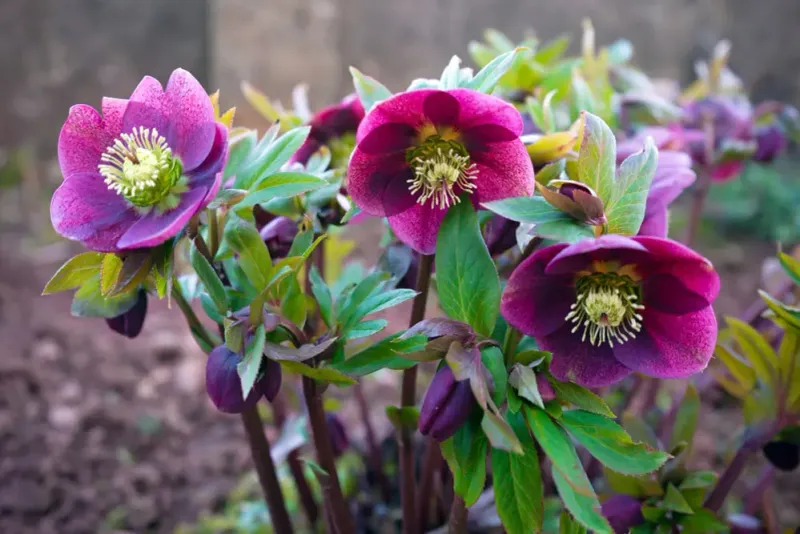
Blooming when most others rest, Hellebores defy the seasons. Their nodding flowers emerge in late winter, offering a palette of cream, green, and pink hues. These blossoms last for weeks, bringing joy to frost-kissed gardens.
Hellebores are shade lovers, flourishing in rich, well-drained soil. Their leathery leaves persist year-round, adding structure to landscapes.
An intriguing fact: The plant is sometimes called the “Christmas Rose,” though it’s not related to roses at all. This name highlights its winter blooming period.
15. Coneflower
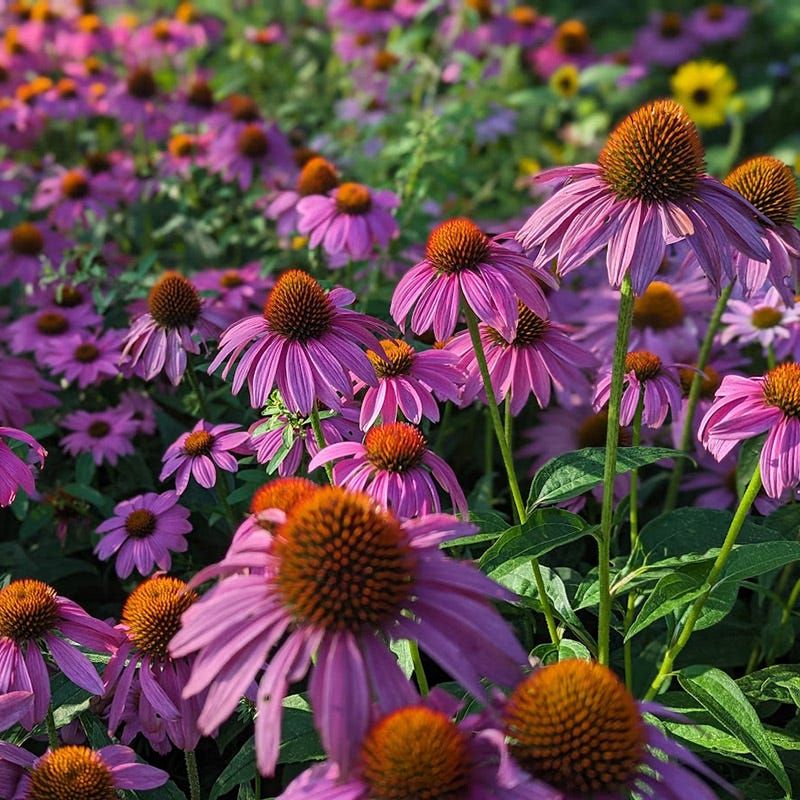
Coneflowers, or Echinacea, are beloved for their resilience and beauty. Their daisy-like flowers boast vibrant pink or purple petals, encircling a spiky brown center. These blooms attract butterflies, adding life to any garden.
Known for their drought tolerance, coneflowers thrive in sunny spots. They’re low-maintenance, requiring minimal care once established.
Fun fact: Coneflowers have been used in traditional medicine, believed to boost the immune system. This dual appeal of beauty and utility makes them a gardener’s favorite.
16. Bleeding Heart
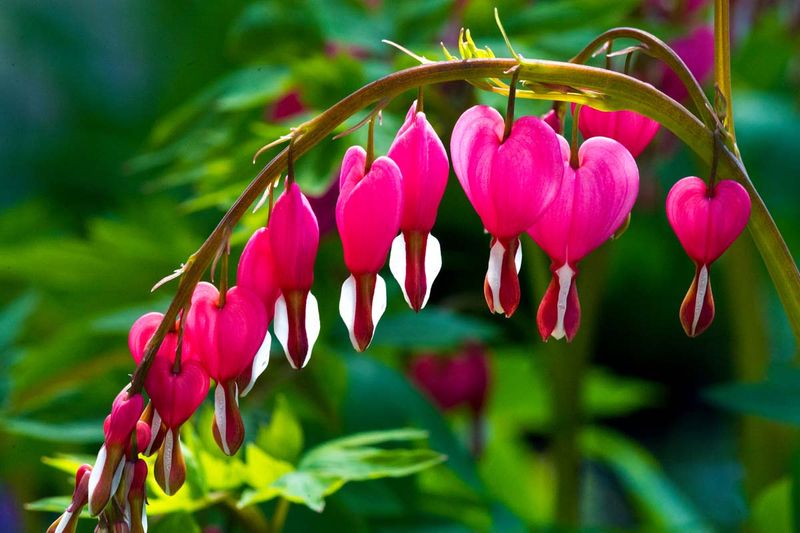
The whimsical beauty of Bleeding Hearts enchants gardeners and visitors alike. Their heart-shaped blossoms dangle from arching stems, creating a mesmerizing spectacle. Available in pink and white, these flowers bring a romantic touch to shady gardens.
Despite their fragile appearance, Bleeding Hearts are hardy perennials. They thrive in cool, shaded areas and are remarkably resilient to pests and diseases.
Did you know? The plant’s name and shape have inspired countless legends, symbolizing love and compassion across cultures.
17. Lungwort
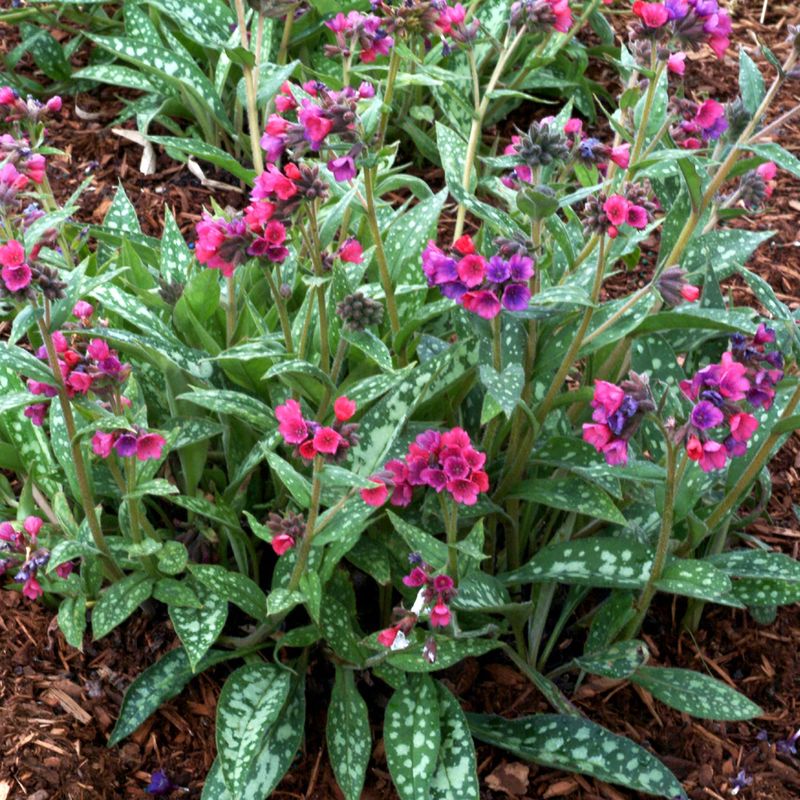
Lungwort stands out due to its unusual name and appearance. Its leaves, sprinkled with white spots, resemble drops of paint on a green canvas. In spring, clusters of blue and pink flowers emerge, adding vibrant colors.
Ideal for shaded, moist areas, lungwort is renowned for its hardiness. It fills gardens with color early in the year when few others bloom.
Historically, lungwort was used medicinally, thought to treat respiratory ailments—hence its name. This plant’s charm lies in its unique foliage and early flowering.
18. Black-eyed Susan
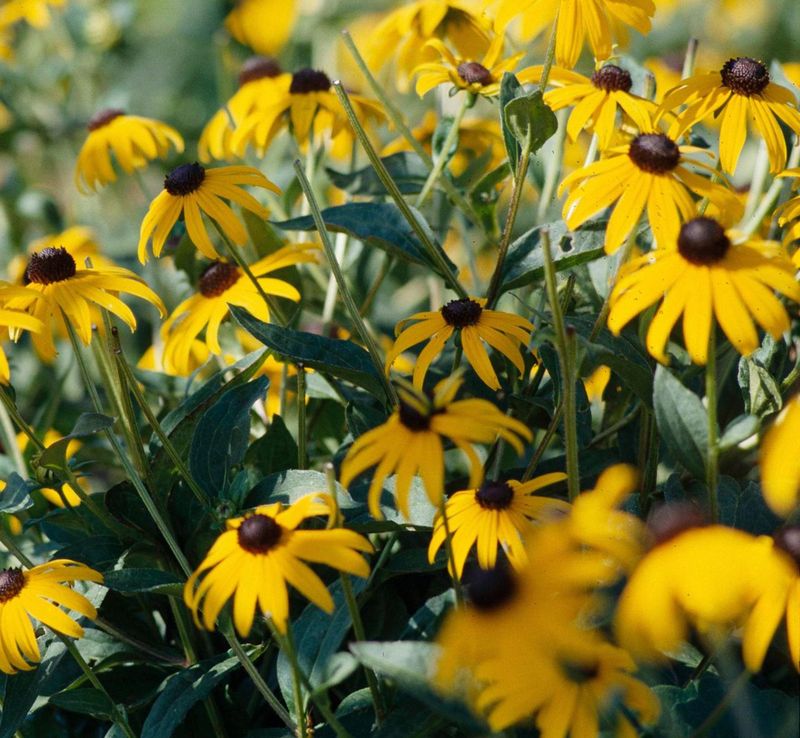
Black-eyed Susans are a beacon of sunshine. Their bright yellow petals and dark centers light up gardens, inviting pollinators. These cheerful blooms thrive in full sun, where they can stretch towards the sky.
Resilient and easy to grow, they adapt well to various soil types. Once planted, they require little attention, making them perfect for busy gardeners.
Did you know? Black-eyed Susans are the state flower of Maryland, celebrated for their vibrant, enduring beauty. Their sunny presence is a welcome addition to any landscape.
19. Bee Balm
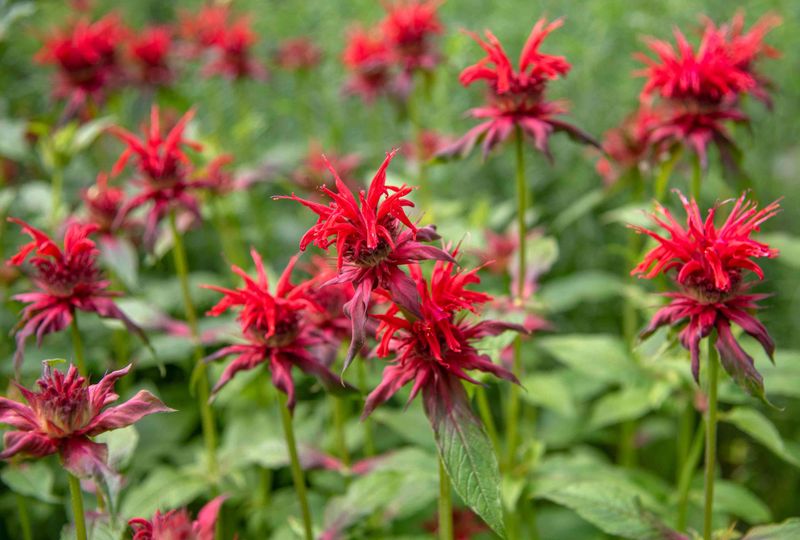
Bee Balm is a magnet for pollinators. Its vibrant red and purple blooms are both a visual treat and a feast for bees, butterflies, and hummingbirds. These tubular flowers stand out, adding a splash of color.
Positioned in sunny spots, bee balm thrives with minimal care. Regular deadheading encourages prolonged blooming, ensuring a lively garden scene.
Fun fact: Bee balm, also known as “Oswego tea,” was used by Native Americans for its medicinal properties. Its unique charm lies in its vibrant hues and pollinator appeal.
20. Astilbe
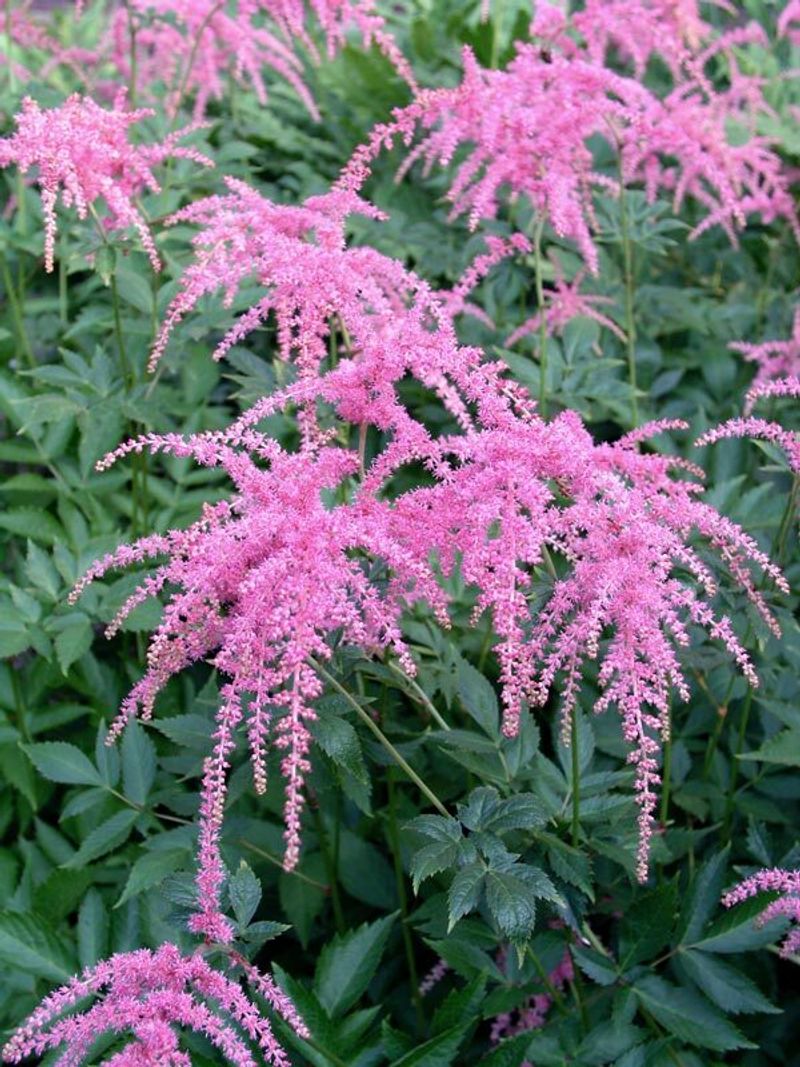
Astilbes bring elegance with their feathery, plume-like flowers. Available in pinks and whites, they add softness to garden beds. Their foliage, a deep green, complements the delicate blooms, creating a harmonious look.
These plants thrive in moist, shaded areas, perfect for woodland gardens. Despite their gentle appearance, astilbes are robust and long-lasting.
Astilbes have been adored by gardeners for their ability to brighten shady spots and pair beautifully with other perennials. Their feathery plumes are a timeless favorite.
21. Coreopsis
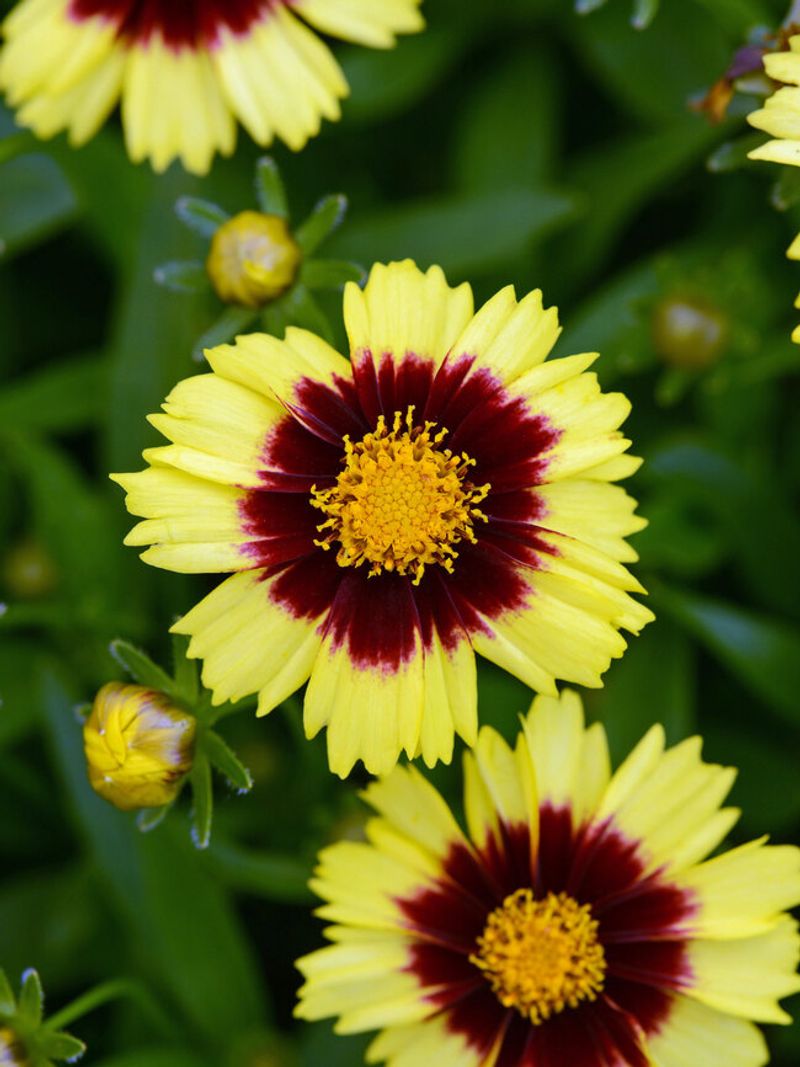
Coreopsis, often called “tickseed,” dazzles with its golden blooms. These cheerful flowers are a staple in summer gardens, bringing warmth and light. Often found in shades of yellow, they nod gently in the breeze.
Coreopsis thrives in full sun, where it blooms profusely. It’s a low-maintenance choice, perfect for those seeking easy-care landscapes.
A quirky tidbit: The name “tickseed” refers to the shape of its seeds, resembling ticks. This plant’s sunny disposition and adaptability make it a delightful choice for gardeners.
22. Salvia
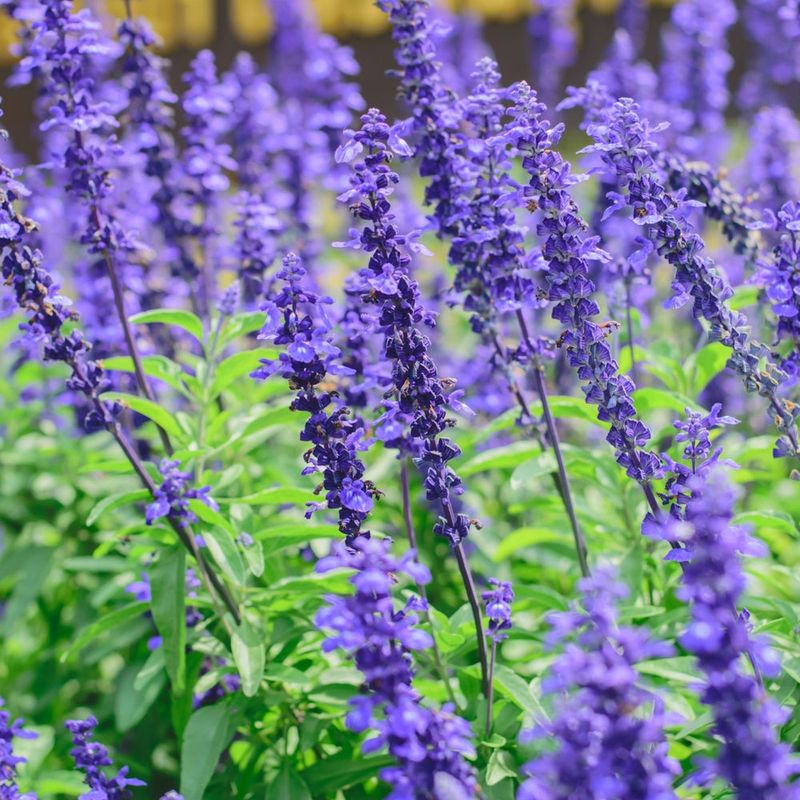
Salvia is a garden staple, known for its vivid spikes of blue and purple flowers. These blossoms add vertical interest and attract pollinators, enlivening any space with their presence.
Salvias are sun-lovers, thriving in well-drained soil. Once established, they’re drought-tolerant and require minimal upkeep.
Did you know? Salvia has a rich history, used in traditional medicines across cultures. Its botanical name “Salvia” comes from the Latin term “salvare,” meaning to heal. Its stunning blooms and easy care have made it a perennial favorite.
23. Snapdragons
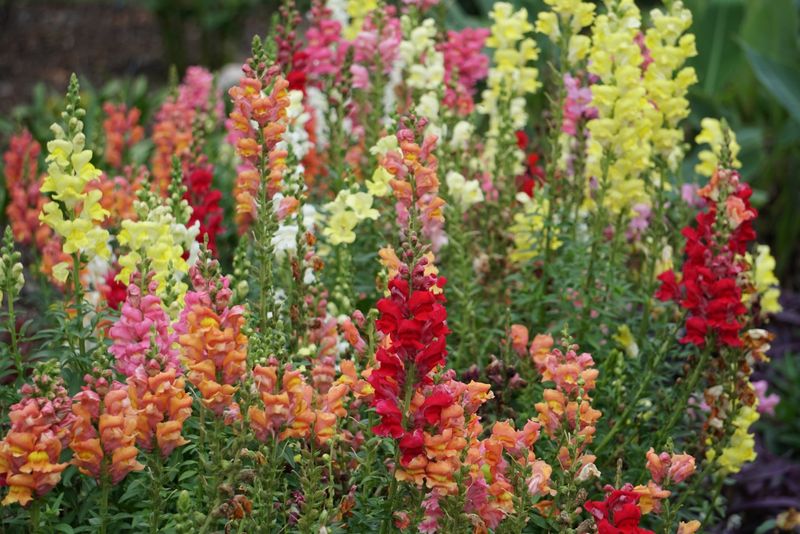
Snapdragons, with their playful dragon-shaped blossoms, bring a whimsical charm to any garden. Their vibrant colors, ranging from soft pastels to bold reds and yellows, create a stunning display. These hardy perennials have a remarkable ability to thrive in varying conditions, even when other blooms fade.
A favorite among pollinators, snapdragons attract bees and butterflies, adding a lively buzz to your garden. Their resilience is matched by their beauty, ensuring a long-lasting show of color.
Originating from the Mediterranean, they carry a rich history of symbolism, representing strength and graciousness. This history adds an intriguing layer to their dazzling appearance.