 Complete Gardening
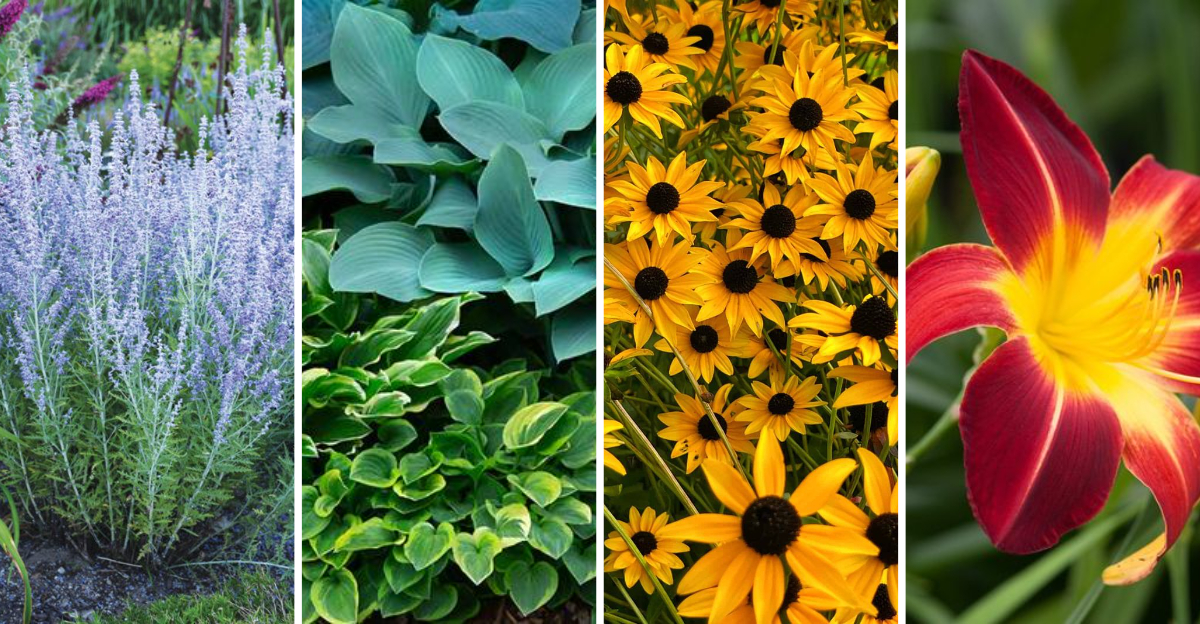
Gardening in clay soil can be challenging, but it also opens the door to a diverse array of robust and beautiful plants. After experimenting with 23 different plants, I found 11 that thrived and became true gems in the garden. These superstars not only survived but flourished, turning my tough clay soil into a vibrant oasis. Let’s explore these standout performers that proved their worth through resilience, beauty, and adaptability.
1. Daylily
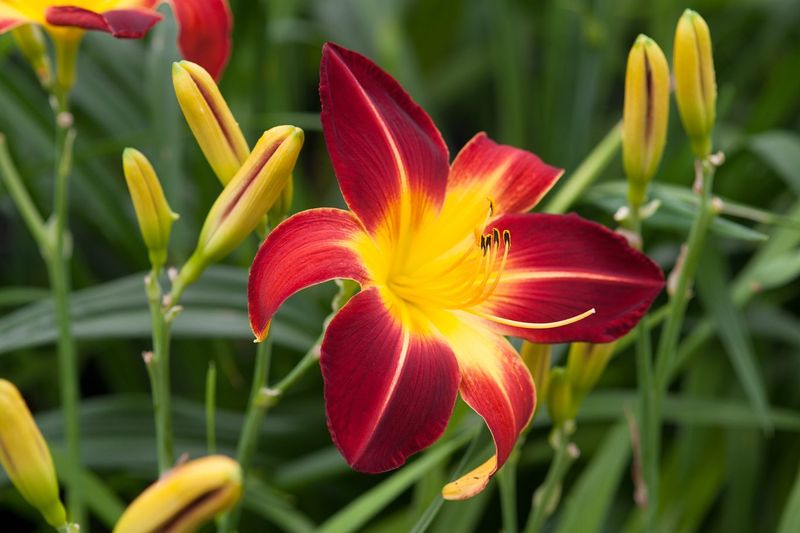
Daylilies are the epitome of resilience, thriving where others might wither. These beauties burst into life with a riot of colors, painting the garden with their vivacious shades. Often seen as the “easy-going” member of the garden, they require minimal care yet reward with endless blooms.
Their ability to adapt to clay soil is nothing short of remarkable, making them a must-have for any gardener facing challenging grounds. With their roots holding firm, daylilies stand tall through various weather conditions, promising a splash of brightness even on the dullest days.
2. Black-eyed Susan

Black-eyed Susans are the sun-kissed stars of any garden, radiating warmth and cheer with their golden petals. These perennials are not just about beauty; they embody toughness, flourishing in heavy clay soils where others falter.
Their daisy-like appearance brings a rustic charm, making them favorites for both bees and butterflies. Their resilience against pests and diseases adds to their appeal, allowing them to thrive with little fuss. As summer reaches its peak, these flowers hold court, ensuring the garden remains a lively, vibrant tapestry.
3. Sedum
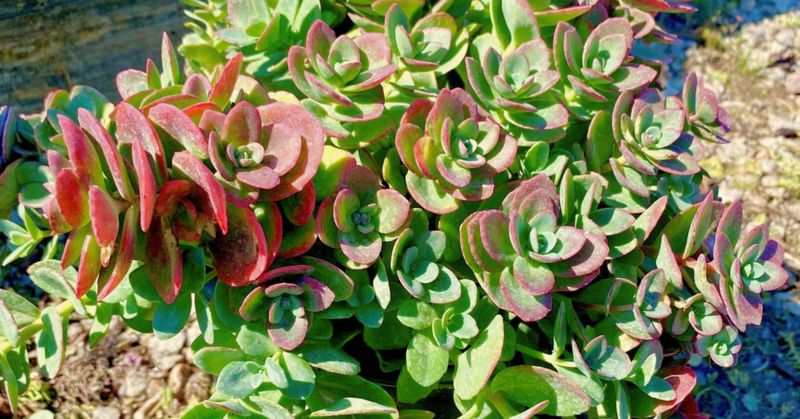
Sedums are the garden’s silent supporters, thriving in conditions that challenge many others. Their succulent nature means they’re built to withstand tough environments, including clay soils.
These plants are a delight, offering a range of textures and colors that add interest throughout the seasons. As autumn approaches, their star-shaped flowers become a focal point, attracting pollinators and human admirers alike. Sedums embody the spirit of perseverance, proving that beauty and strength can coexist in the harshest of settings.
4. Bee Balm
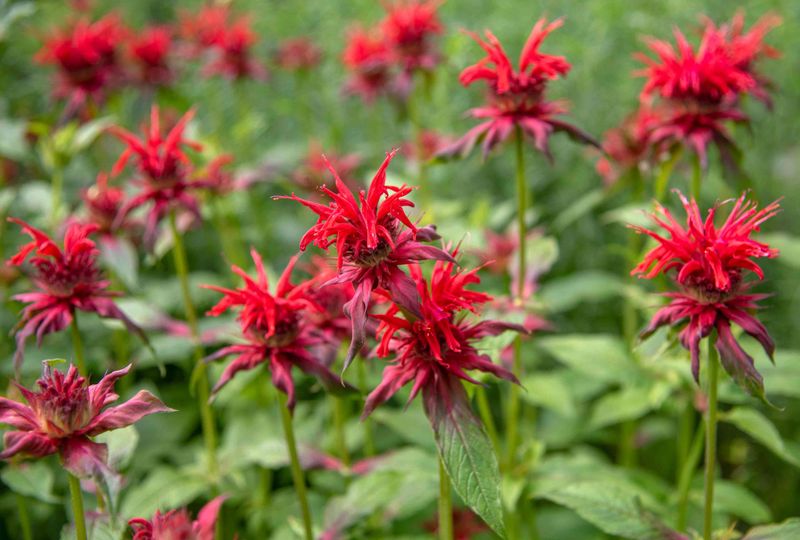
Bee Balm, with its fiery blooms, is a showstopper that never fails to draw attention. This fragrant plant not only beautifies the garden but also invites a swarm of pollinators, turning the garden into a buzzing paradise.
Thriving in clay soil, bee balm is a testament to nature’s adaptability. Its medicinal properties add a unique touch, historically used by Native Americans for its healing benefits. Whether you love it for its beauty or its bee-friendly nature, it’s a plant that truly gives back.
5. Russian Sage

Russian Sage brings a touch of elegance and mystery with its silvery foliage and purple blooms. Known for its drought tolerance, it thrives in clay soil, where water drainage can be poor.
Its aromatic leaves and tall, swaying stems create a calming presence, reminiscent of a gentle breeze on a summer’s day. Russian Sage is more than just a pretty face; it’s a stalwart protector against soil erosion. This plant’s blend of beauty and utility makes it a garden essential.
6. Coneflower
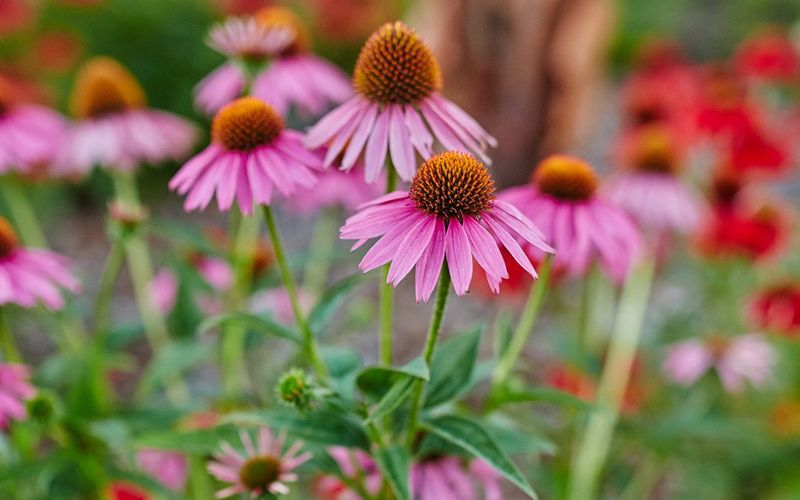
Coneflowers add a splash of color and charm with their striking petals and prominent cones. They’re a dream for gardeners, with their ability to thrive in challenging clay soils.
Known for their medicinal properties, coneflowers have long been celebrated in herbal medicine to boost immunity. Their vibrant blooms are a haven for bees and butterflies, offering nectar throughout the summer. Coneflowers’ adaptability and beauty ensure they remain garden favorites, year after year.
7. Hosta
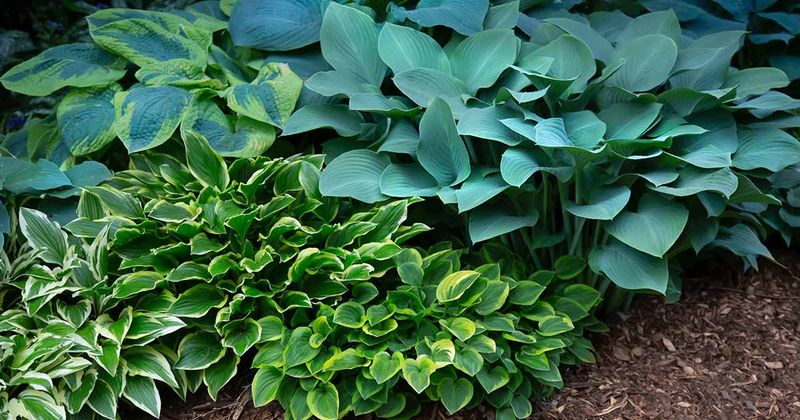
Hostas are the leafy royalty of the garden, known for their lush foliage and ability to thrive in the shade. In clay soil, they form a dense, green carpet, providing a serene backdrop to more vibrant flowers.
Their broad leaves come in various shades, adding texture and depth to garden designs. Hostas are a testament to resilience, withstanding pests and adapting to less-than-ideal conditions with grace. Whether used as a border plant or a focal point, hostas bring a touch of elegance to any garden.
8. Japanese Iris

The Japanese Iris is elegance personified, with its delicate petals and striking colors. Flourishing in clay soil, this iris is a symbol of grace and resilience.
These flowers captivate with their intricate beauty, often likened to the delicate brushstrokes of a watercolor painting. As a favorite among gardeners, the Japanese Iris adds a touch of the exotic, transforming ordinary spaces into tranquil retreats. Their presence in a garden is akin to a serene melody, resonating with peace and beauty.
9. Switchgrass
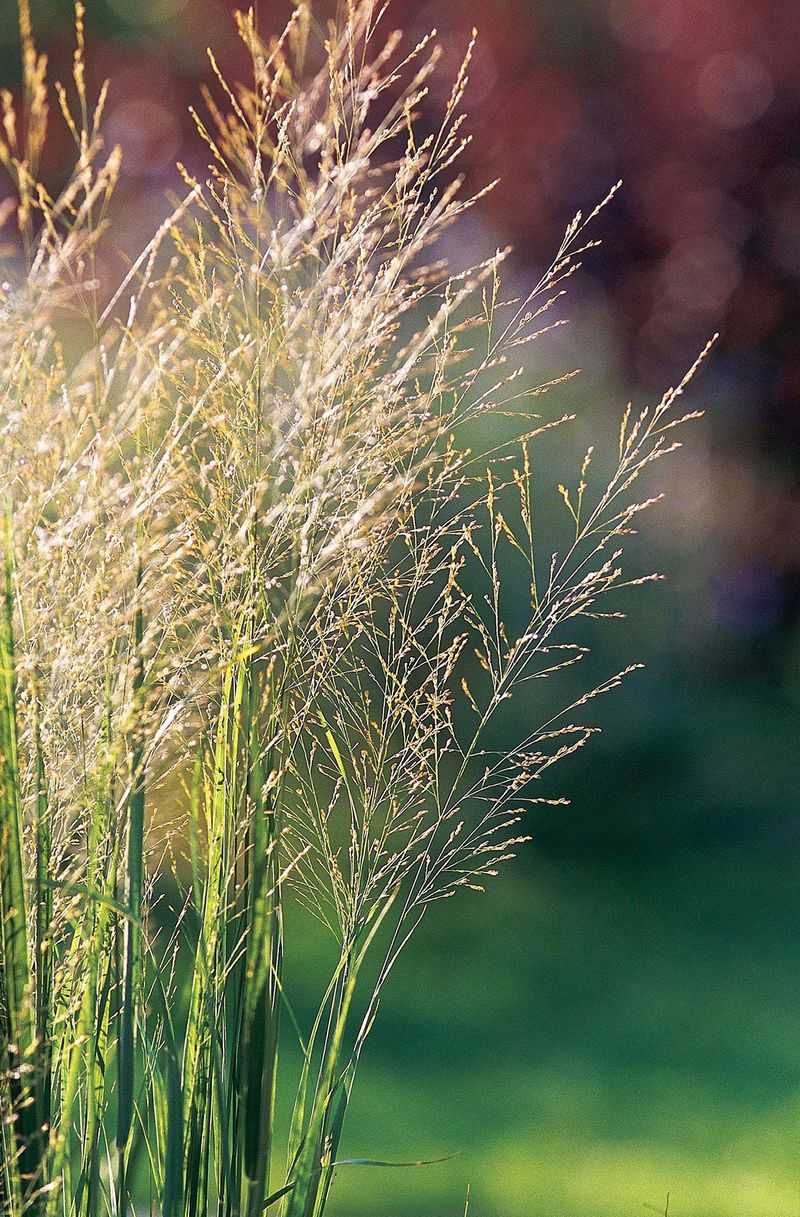
Switchgrass is the unsung hero of the garden, a hardy native grass that brings both structure and movement. Perfectly at home in clay soil, it’s known for its drought tolerance and ability to thrive in challenging conditions.
Its delicate plumes sway gracefully in the breeze, creating a dynamic, ever-changing landscape. Switchgrass also supports local wildlife, providing habitat and food for birds. This grass’s understated beauty and ecological value make it a worthy addition to any garden.
10. Joe Pye Weed
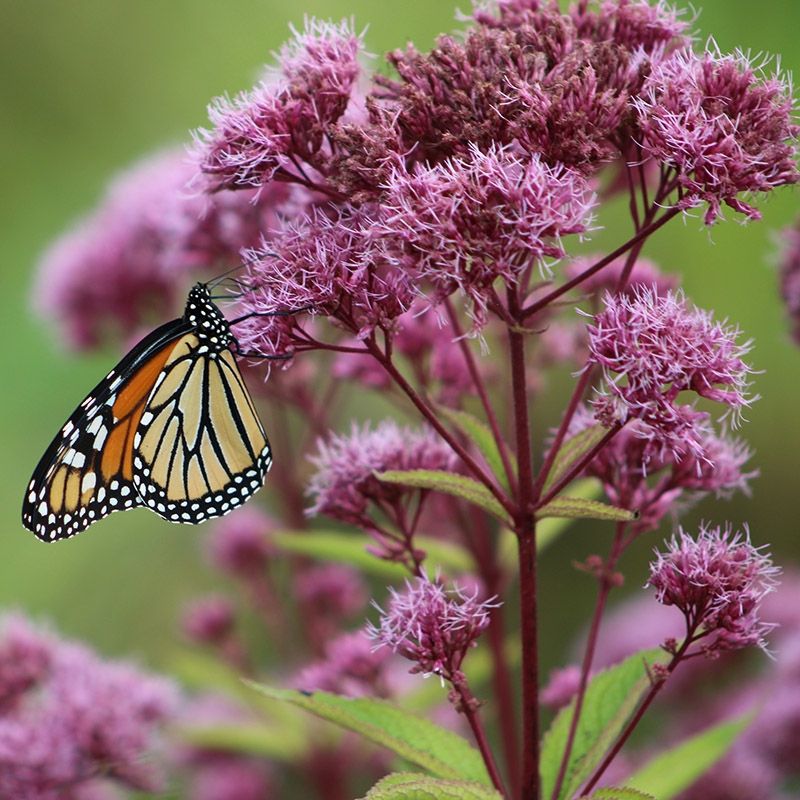
Joe Pye Weed towers elegantly, with its clusters of purple flowers drawing the attention of both butterflies and garden enthusiasts. This majestic plant thrives in clay soil, where its roots can spread and stabilize.
Historically used in traditional medicine, Joe Pye Weed is more than just a pretty face. It adds vertical interest and a wild touch to gardens, creating a naturalistic feel. With its blend of beauty and utility, it’s a plant that enriches both the landscape and the ecosystem.
11. Astilbe
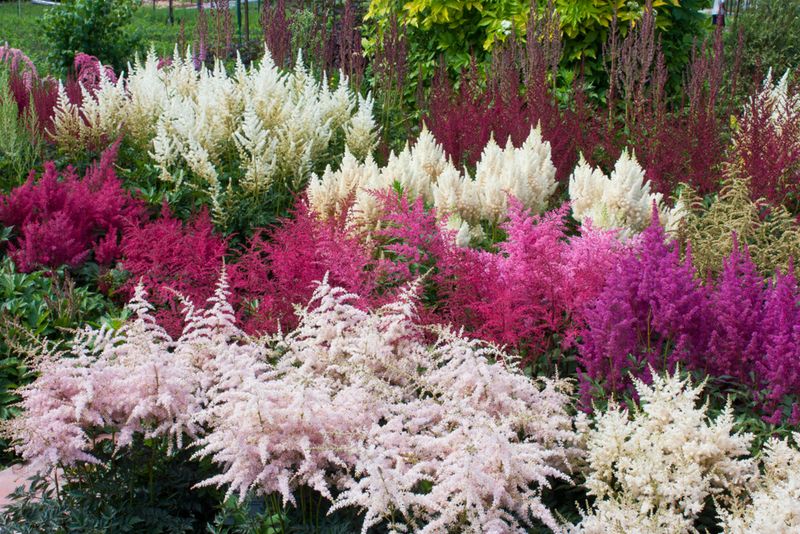
Astilbes are the epitome of grace, with their feathery plumes and lush foliage. Thriving in clay soil and partial shade, they bring a touch of softness to the garden’s tapestry.
Their delicate blooms add a romantic flair, reminiscent of a whimsical fairy tale. Astilbes are not just about looks; they’re hardy, enduring tough conditions with aplomb. With their blend of elegance and resilience, they stand out as true garden superstars, creating a serene oasis in any landscape.
12. Purple Coneflower

With brilliant petals that sway in the breeze, the Purple Coneflower is a garden delight. Its bold color attracts pollinators, making it a lively addition to any clay soil garden.
Despite the challenging soil, this flower thrives, showcasing its resilience. It’s perfect for those seeking a touch of elegance with minimal fuss. Surprisingly hardy, it requires little more than admiration.
Did you know? The Purple Coneflower is also known for its medicinal properties, often used to boost the immune system. Its beauty is matched only by its utility.
13. Liatris Spicata
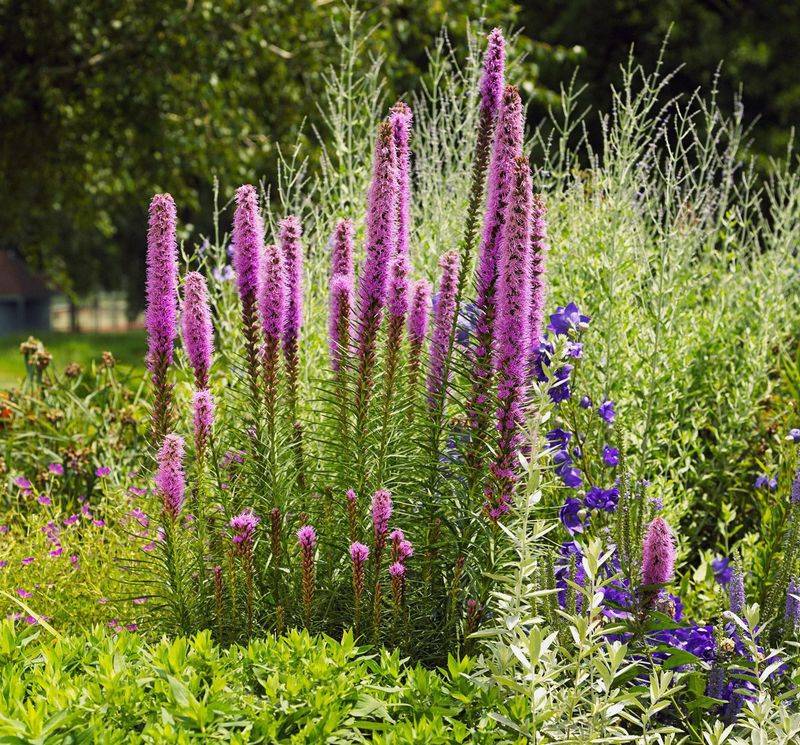
Ever wondered what a fireworks display would look like in flower form? Enter the Liatris Spicata. Its tall, spiky blooms are a spectacle in clay soil gardens.
Known for its drought tolerance, it stands proud even in harsh conditions. This plant is a favorite among butterflies, adding an extra layer of life to your garden. Its longevity is a testament to its strength.
Interestingly, Liatris is often used in floral arrangements for its unique texture. These flowers are as useful in bouquets as they are stunning in the wild.
14. Wild Bergamot
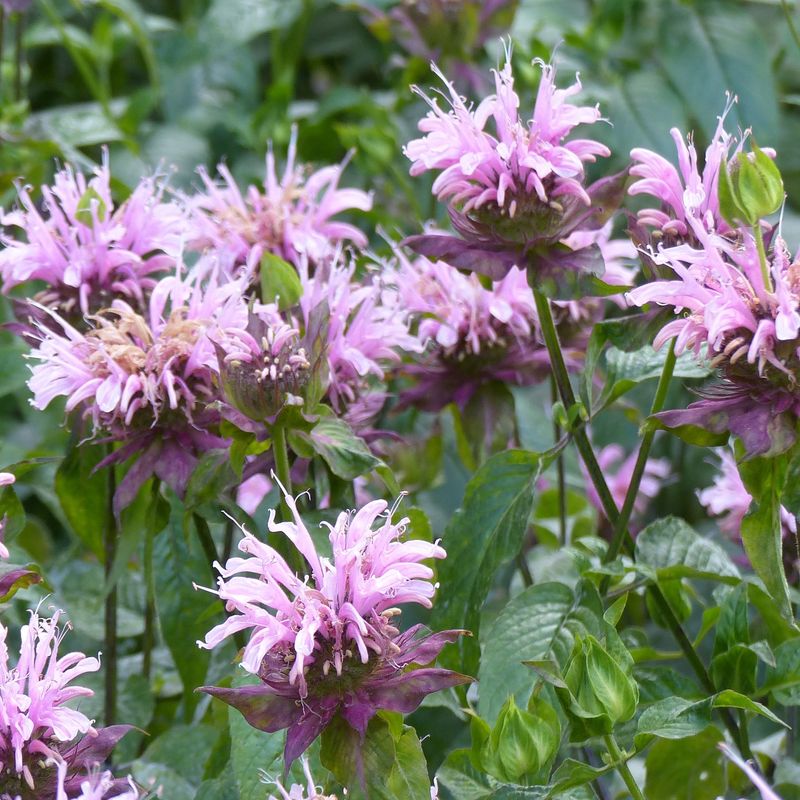
The Wild Bergamot’s aromatic leaves are reminiscent of summer days gone by. Its lavender blooms attract bees and butterflies, creating a bustling corner in any clay soil garden.
A true survivor, it manages to flourish where others fail. Its fragrance adds a sensory delight to the garden experience.
Did you know? Wild Bergamot has been used traditionally in herbal teas. Its versatility is as impressive as its striking appearance. A must-have for those who wish to blend beauty with function.
15. Blue False Indigo
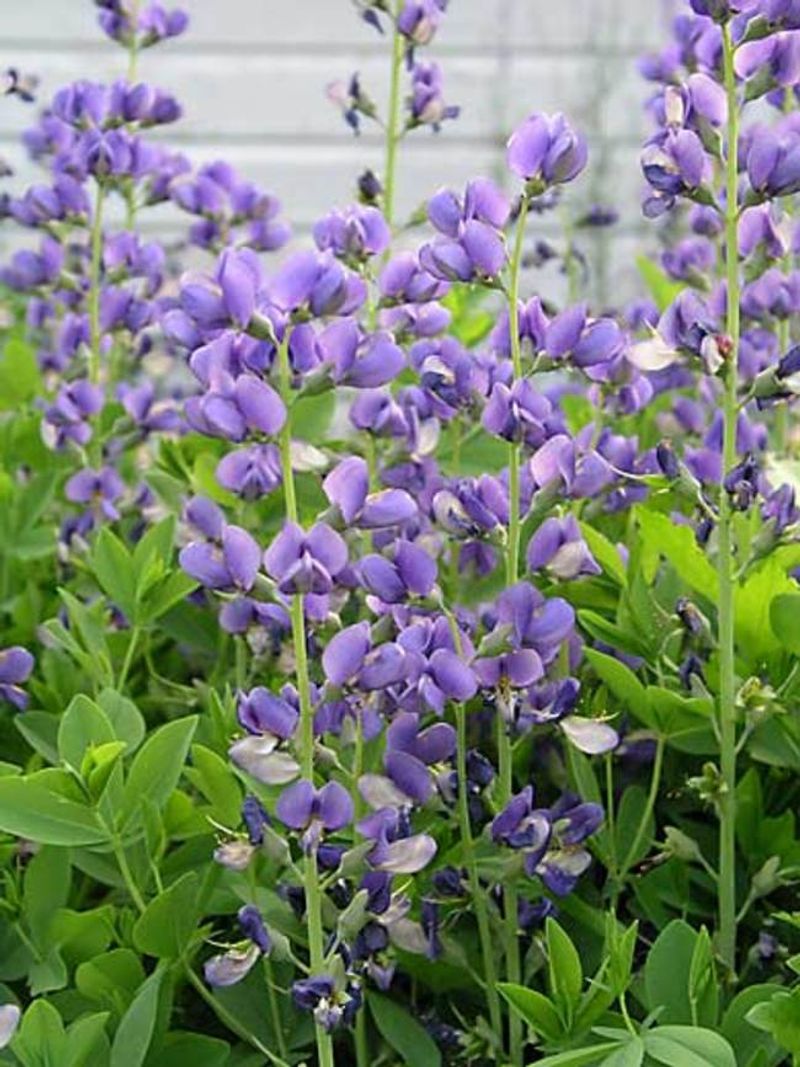
Blue False Indigo stands as a testament to nature’s artistry. Its rich indigo blooms contrast beautifully against the clay soil, creating a visual feast.
This plant is not just about looks; it improves soil health by fixing nitrogen, offering a hidden benefit to the garden ecosystem.
Fun fact: Historically used as a dye, its vibrant color was once a substitute for true indigo. This versatile plant continues to amaze with both its beauty and utility.
16. Goldenrod
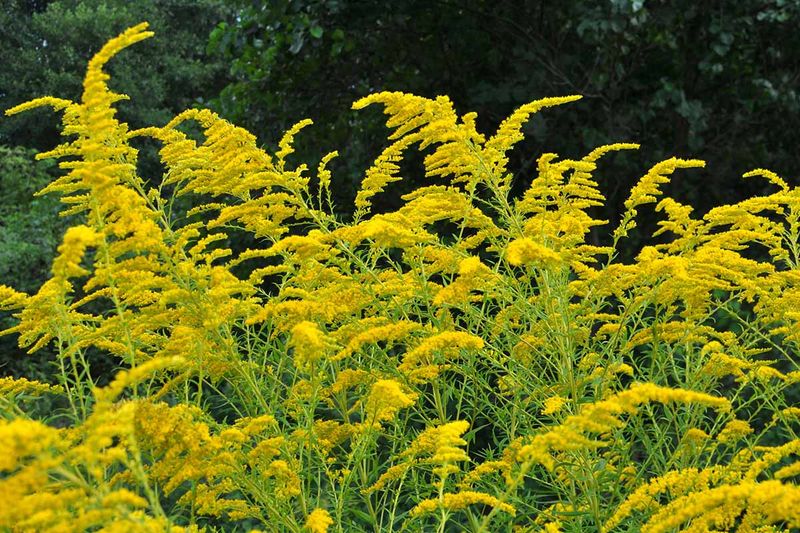
Goldenrod’s sunny demeanor brightens even the gloomiest garden day. Its golden flowers bring warmth and cheerfulness to clay soil landscapes.
Pollinators flock to its blooms, turning each visit into a lively event. Beyond aesthetics, it’s a robust plant that stands firm through windy days.
Interestingly, Goldenrod is often blamed for allergies, but it’s actually not the culprit; ragweed is. Clear your doubts and make it a part of your vibrant garden.
17. Swamp Milkweed
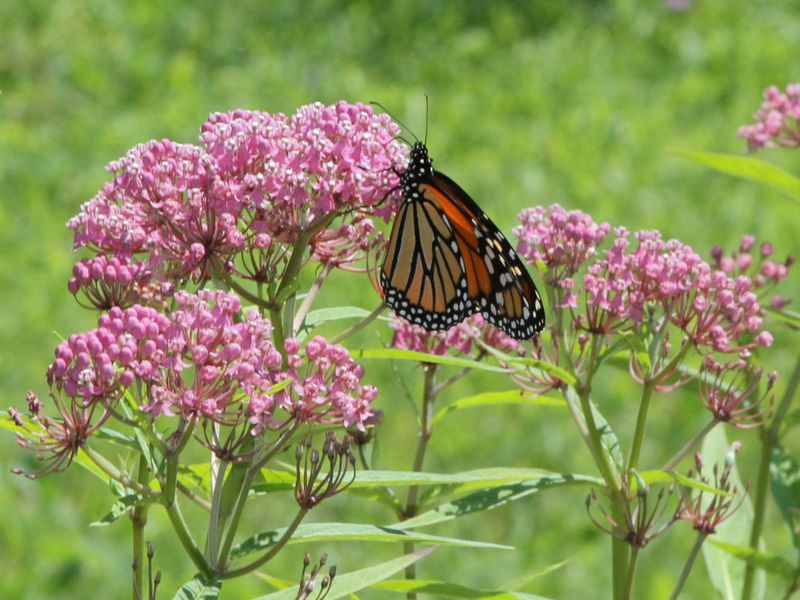
Swamp Milkweed with its delicate pink blooms adds grace to clay soil gardens. It’s a hub for monarch butterflies, offering both beauty and habitat.
Resilient and easy to care for, it adds height and interest to garden design. Its presence ensures a lively atmosphere, full of fluttering wings.
Did you know? Swamp Milkweed plays a critical role in the lifecycle of monarch butterflies. This plant is as crucial for wildlife as it is decorative for your garden.