 Complete Gardening
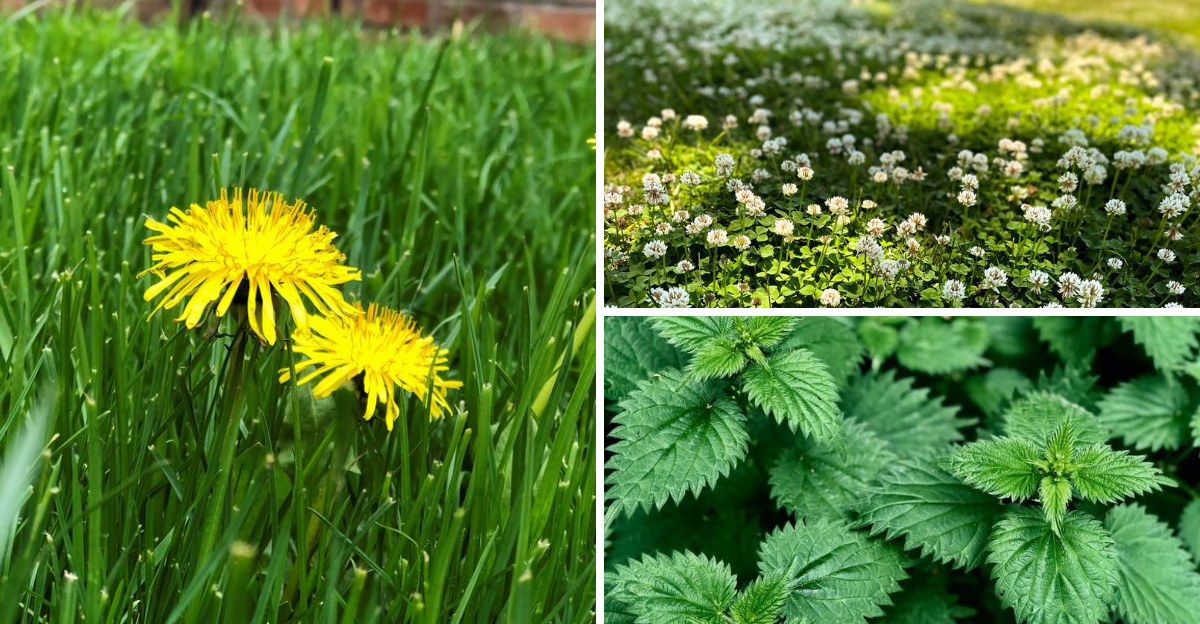
Discover how leaving some commonly considered ‘weeds’ in your garden can actually benefit your ecosystem, attract beneficial insects, and enhance the beauty of your yard. Embrace nature’s resilience and diversity by understanding the untapped potential of these underrated plants.
1. Dandelion
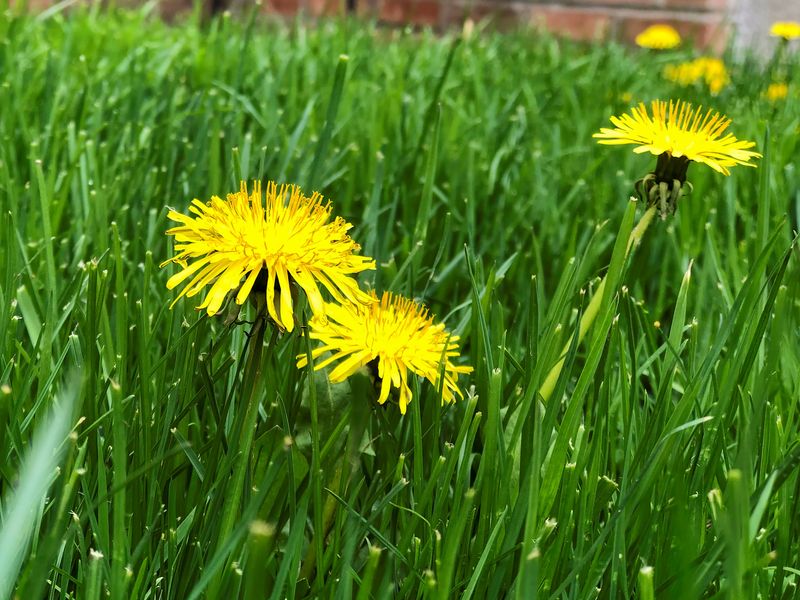
Often dismissed as a mere weed, dandelions are actually a gardener’s ally. Their bright yellow blooms provide a pop of color, and they attract pollinators like bees.
Moreover, their deep taproots help break up compacted soil, enhancing aeration. This little-known benefit can transform the health of your garden soil.
With their roots reaching deep into the earth, dandelions pull up nutrients, making these available to other plants. Consider embracing these sunny wonders for a natural boost to your garden’s vitality.
2. Clover
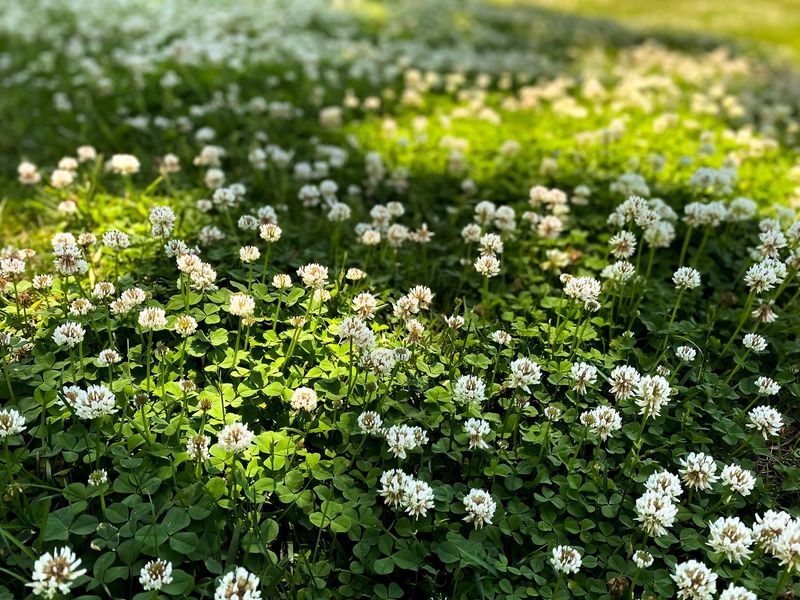
Clover is more than just a lucky charm. Its trifoliate leaves and delicate flowers enrich soil health by fixing nitrogen, a vital nutrient for plant growth.
This ground cover suppresses other weeds, making it a natural choice for eco-friendly gardening. Imagine your garden with patches of green punctuated by tiny blossoms.
Clover’s ability to attract beneficial insects, such as bees and butterflies, adds to its charm. Embrace clover for a touch of magic, and watch as it enriches your garden ecosystem.
3. Nettle
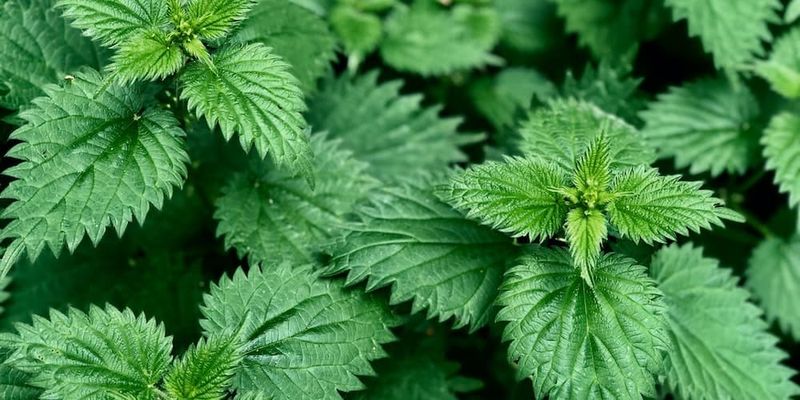
Nettle might sting, but it has a gentle side too. This resilient plant is a powerhouse of nutrients, beneficial to both humans and soil.
In the garden, nettles support biodiversity by providing habitat for insects like butterflies. When steeped in water, they become a nutritious plant feed.
Their presence can deter certain pests, offering a natural form of pest control. Nettle’s multifaceted nature makes it a surprising ally in sustainable gardening. Consider giving this prickly plant a chance to prove its worth.
4. Plantain
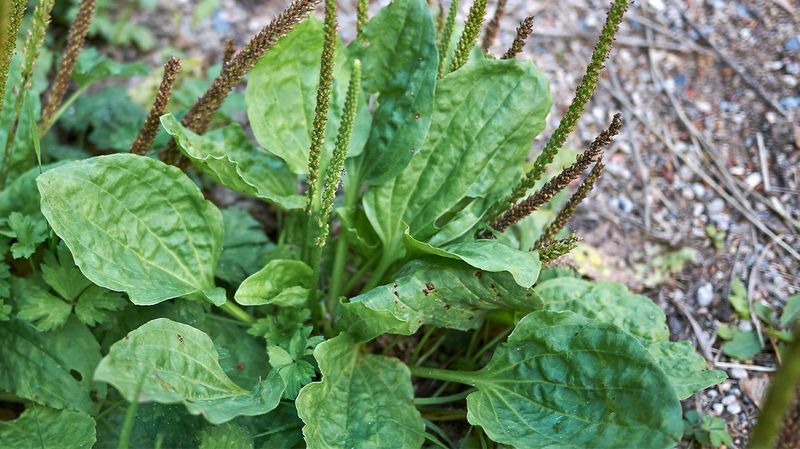
With its broad leaves, plantain is often overlooked. Yet, this tough plant is a garden hero, known for its healing properties.
It thrives in poor soil, helping to improve soil structure and fertility. Plantain attracts beneficial insects, adding to the garden’s ecological balance.
Its presence can be a boon, especially in neglected areas needing a touch of green. Embrace plantain’s quiet strength and enjoy its contribution to a thriving garden environment.
5. Chickweed
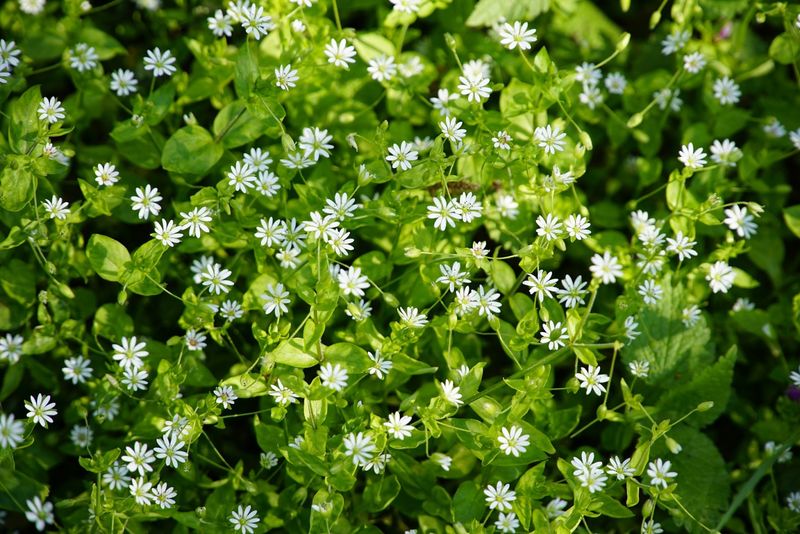
Chickweed, with its tiny white flowers, is more than a soft ground cover. This hardy plant thrives in cool conditions, bringing life to otherwise barren spaces.
Rich in vitamins and minerals, chickweed can be used to make a healthy herbal tea. It serves as a living mulch, suppressing other weeds and retaining moisture.
By welcoming chickweed, you create an inviting habitat for wildlife, enhancing the vibrancy of your garden. This humble plant’s subtle beauty and utility are undeniable.
6. Lamb’s Quarters
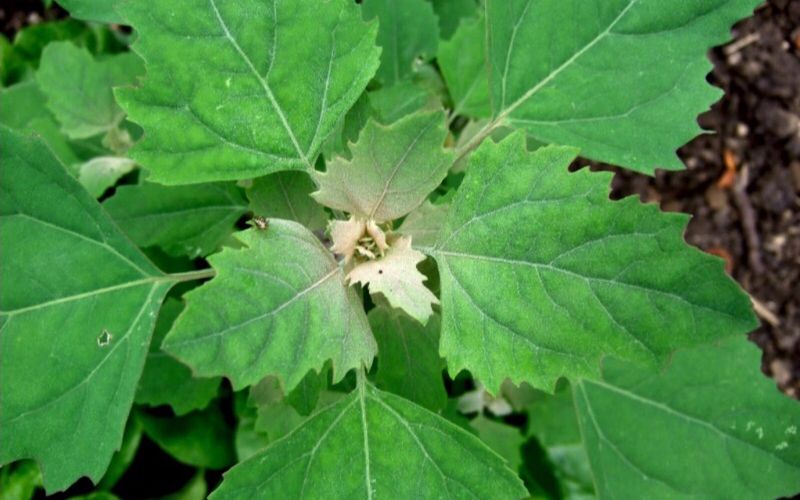
Lamb’s quarters might look unassuming, but it is a nutritional powerhouse, often compared to spinach. It grows rapidly, providing a quick cover for bare soil.
This plant improves soil by drawing up minerals from deep within the earth. Its leaves can be harvested and eaten, adding a nutritious twist to your meals.
Lamb’s quarters also attract beneficial insects, creating a balanced ecosystem. Give this humble plant a place in your garden, and reap its hidden benefits.
7. Wild Violets
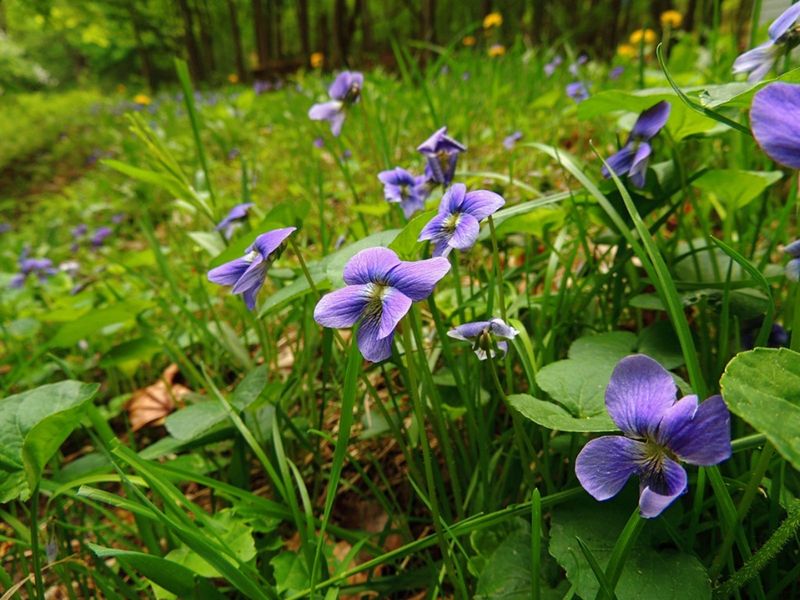
Wild violets bring a splash of color with their purple blooms, often brightening shady areas of the garden. These plants are more than just pretty faces.
They form a dense mat, which suppresses weeds and retains soil moisture. Wild violets also attract pollinators, supporting the garden’s ecological health.
Embrace wild violets for their beauty and practicality, and watch them transform dull spots into vibrant displays. Their delicate charm holds the power to enrich your garden’s tapestry.