 Complete Gardening
Tomatoes, cherished by gardeners and culinary enthusiasts alike, are surprisingly finicky when it comes to neighbors. While companion planting can yield amazing results, some combinations spell doom for your beloved tomatoes. After rigorous testing, I’ve unraveled 21 plant partnerships that are sure to sabotage your tomato yield. Whether it’s due to competing for nutrients, detrimental chemical interactions, or attracting the wrong kind of pests, these plants prove to be the worst companions for tomatoes.
1. Fennel
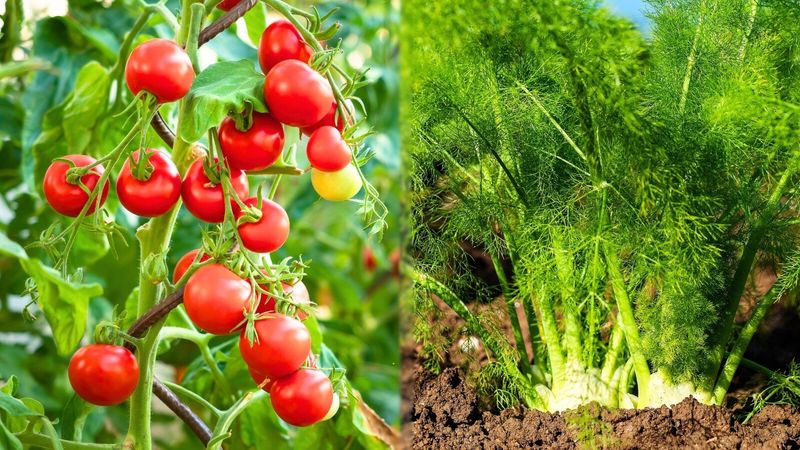
Fennel, with its delicate fronds and aromatic seeds, is a notorious garden thug when it comes to tomatoes. This plant secretes a chemical that stunts the growth of surrounding plants. With tomatoes, the effect is particularly harsh, leading to a struggle for resources and inhibited fruit development. Unfortunately, fennel’s commanding presence does not allow tomatoes the space or nutrition they need to thrive.
2. Walnut Trees
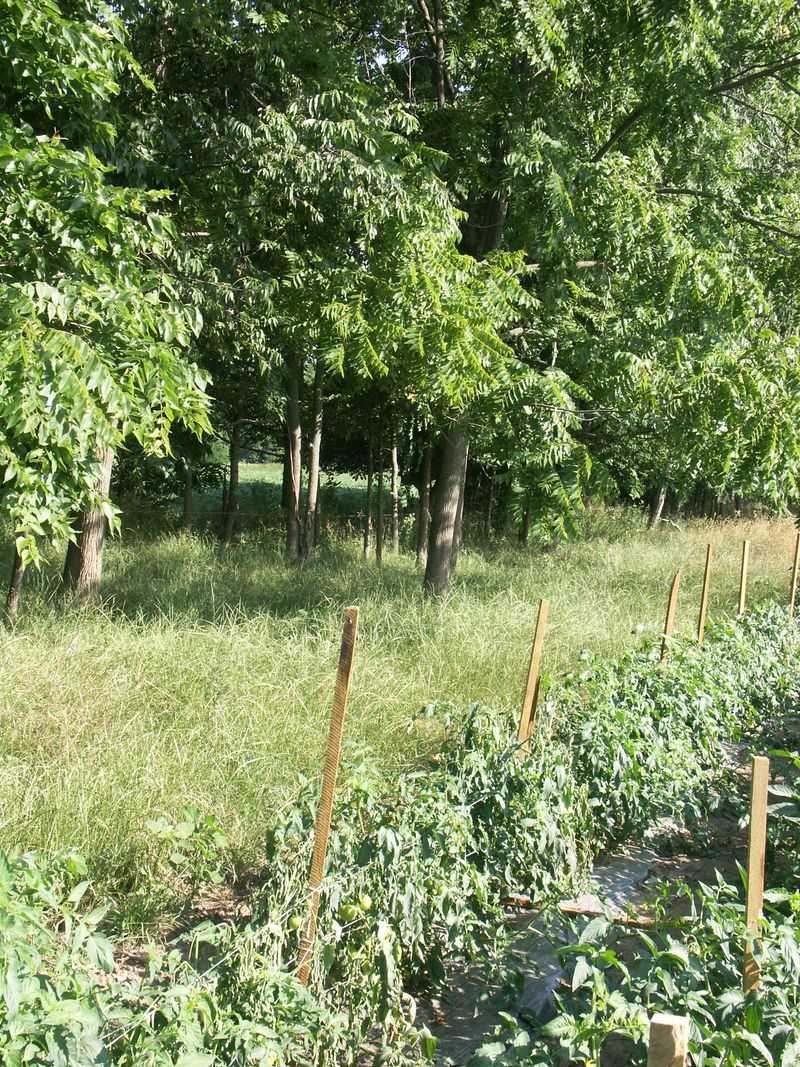
The imposing walnut tree shadowing your garden may offer no mercy to tomatoes. Juglone, a toxic compound released by the roots, leaves, and branches of walnut trees, spells disaster for tomato plants. This chemical disrupts their growth, often leading to wilted leaves and stunted fruits. It’s a one-sided relationship where tomatoes lose, unable to withstand walnut’s chemical assault.
3. Cabbage
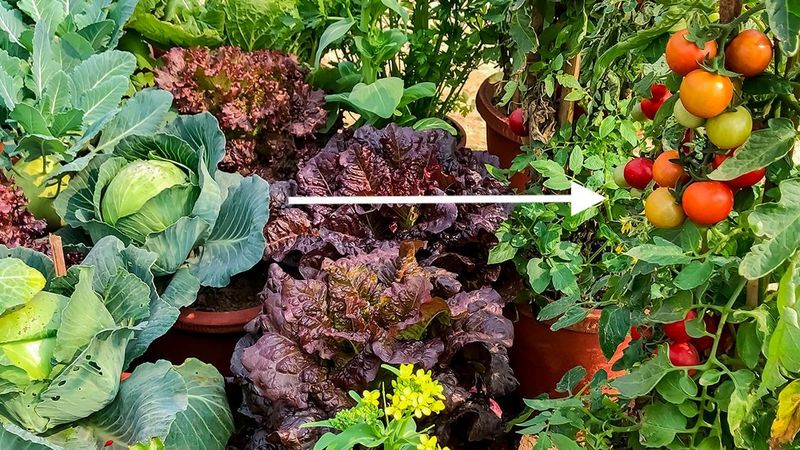
Although a staple in many vegetable gardens, cabbage competes fiercely with tomatoes for nutrients, particularly nitrogen. The competition draws essential growth components away from tomatoes, leaving them malnourished and less fruitful. This rivalry often results in a severe nutrient deficit, making cabbage a poor choice near tomato plants.
4. Corn
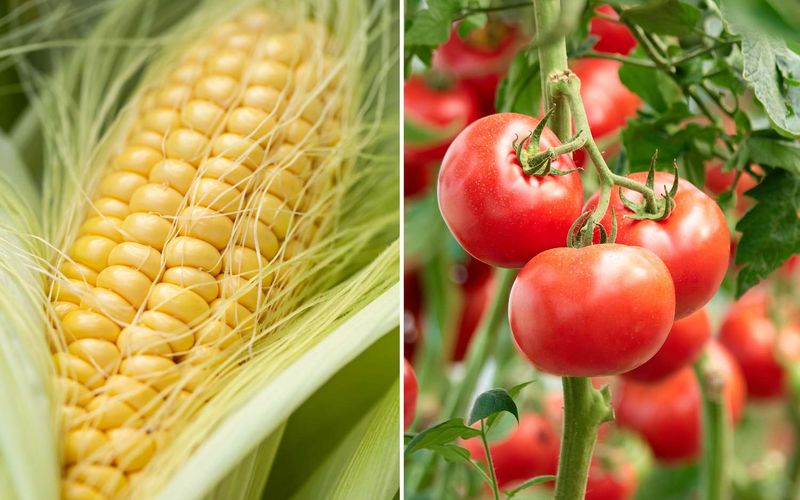
Corn, known for its towering stalks, can overshadow and overtake tomatoes. The real threat, however, comes from the corn earworm, a pest that often finds refuge in corn and subsequently attacks tomatoes. This pest-sharing dynamic makes planting corn near tomatoes a risky endeavor, leading to damaged crops.
5. Dill
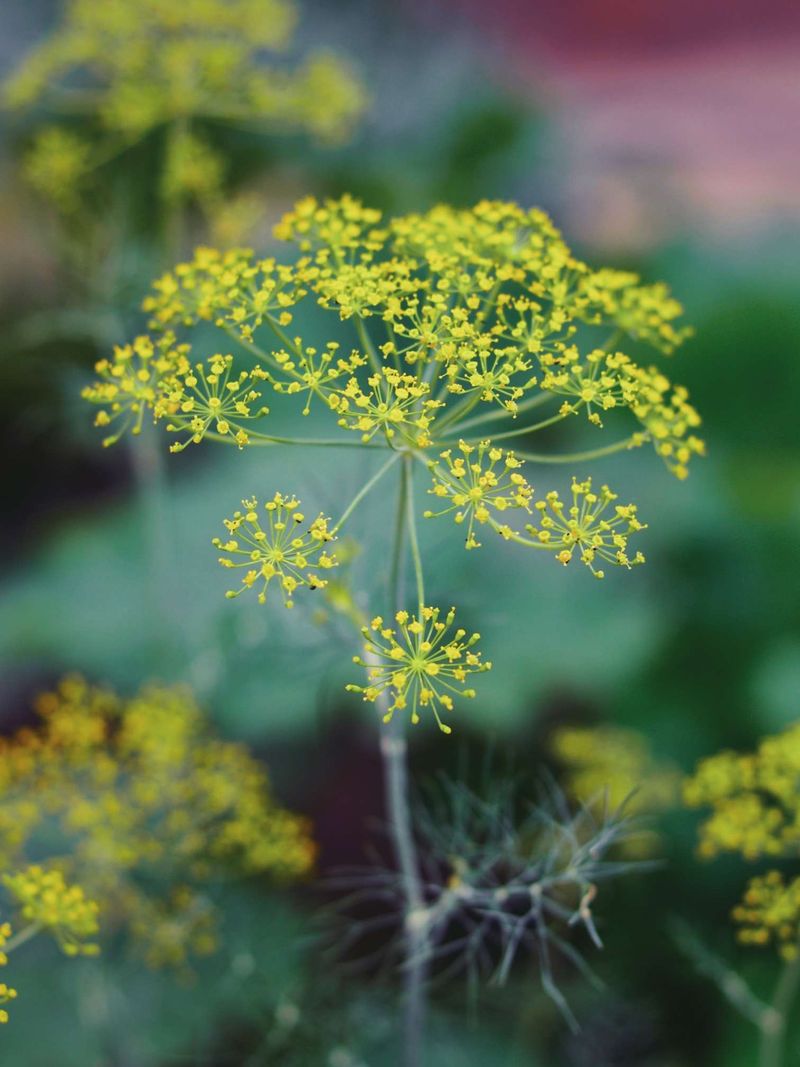
Dill may start as a friend to tomatoes but soon turns into a foe as it matures. Initially, it can repel pests, but as it grows, dill attracts tomato hornworms, a destructive garden pest. This change from ally to adversary can catch gardeners off guard, leading to unexpected infestations.
6. Kohlrabi
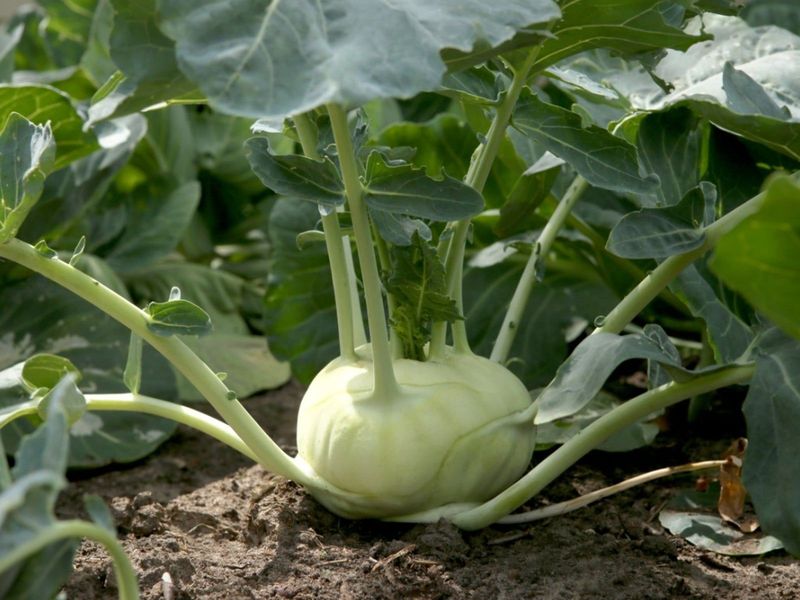
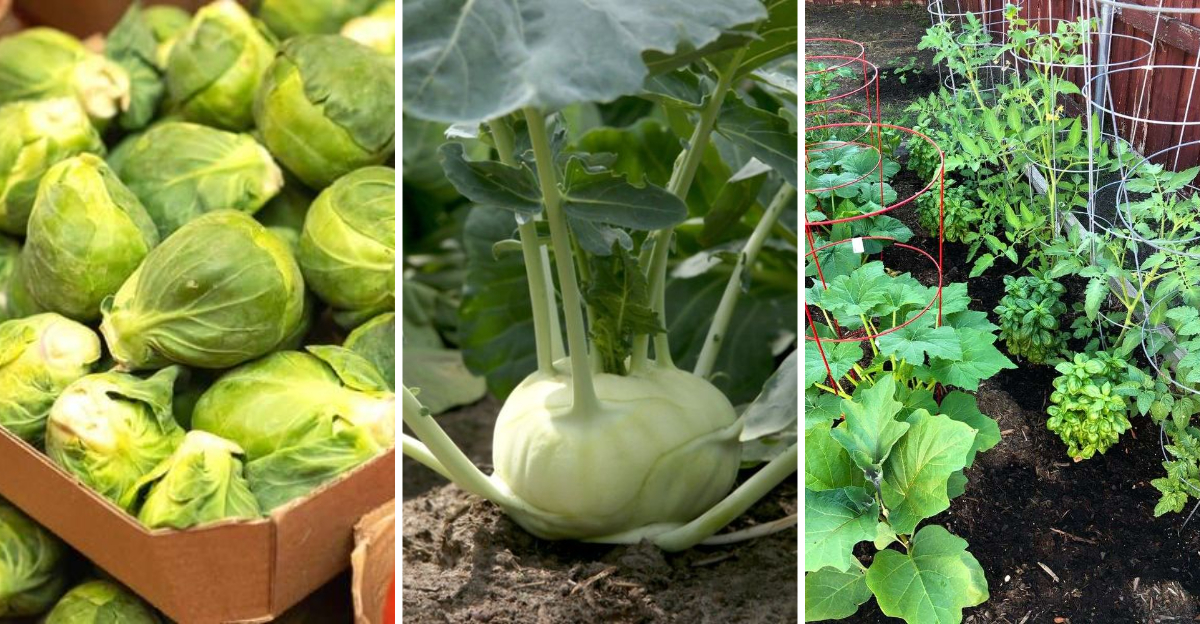
Kohlrabi, with its distinctive swollen stems, presents a challenge to tomatoes by competing for essential nutrients and light. The lush foliage of kohlrabi shades tomato plants, reducing their photosynthesis capability. This competition hinders tomato growth, leading to less vigorous plants and diminished yields.
7. Brussels Sprouts
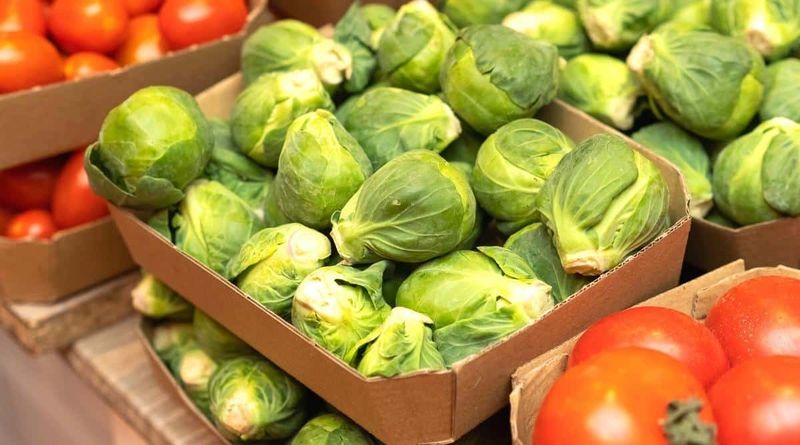
Brussels sprouts, though a favorite among vegetable aficionados, are demanding neighbors. Competing for the same nutrients, these plants leave little for tomatoes to thrive on. The competition is fierce, often leading to tomatoes that struggle to grow robustly and produce less fruit.
8. Potatoes
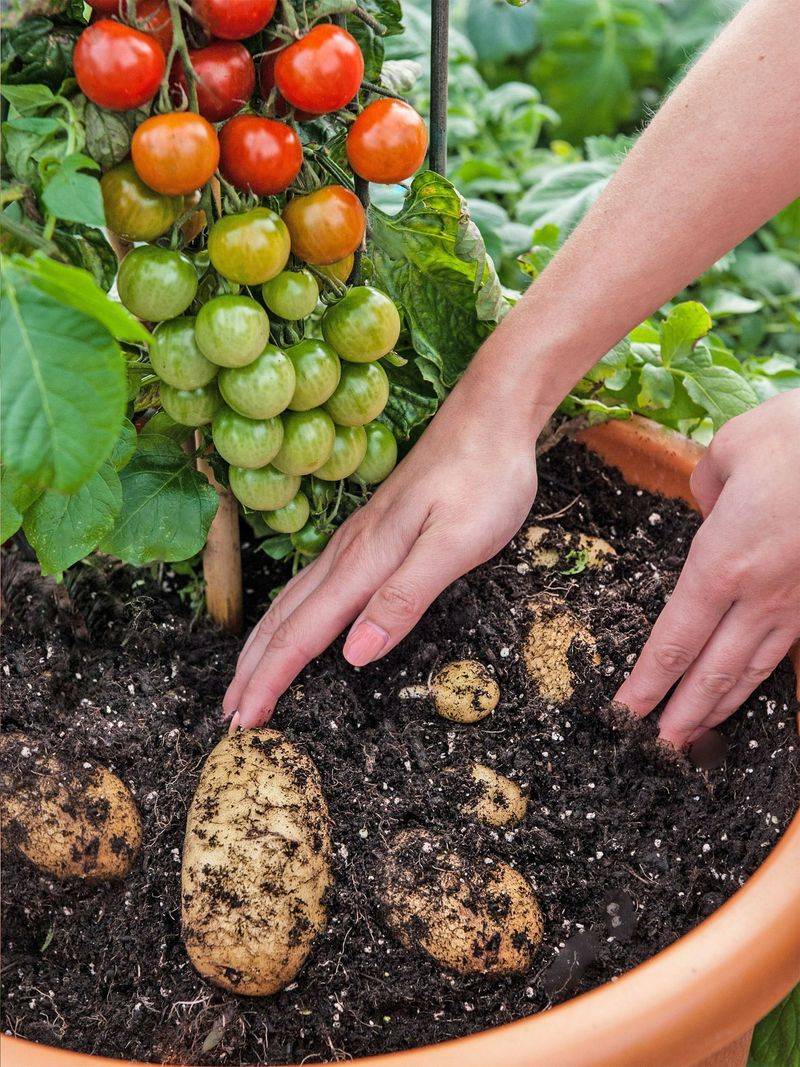
Potatoes and tomatoes, both belonging to the nightshade family, share more than just lineage. They also share diseases like blight, which can easily transfer from one to the other. Planting these relatives together increases the risk of devastating disease outbreaks, making them unsuitable companions.
9. Eggplant
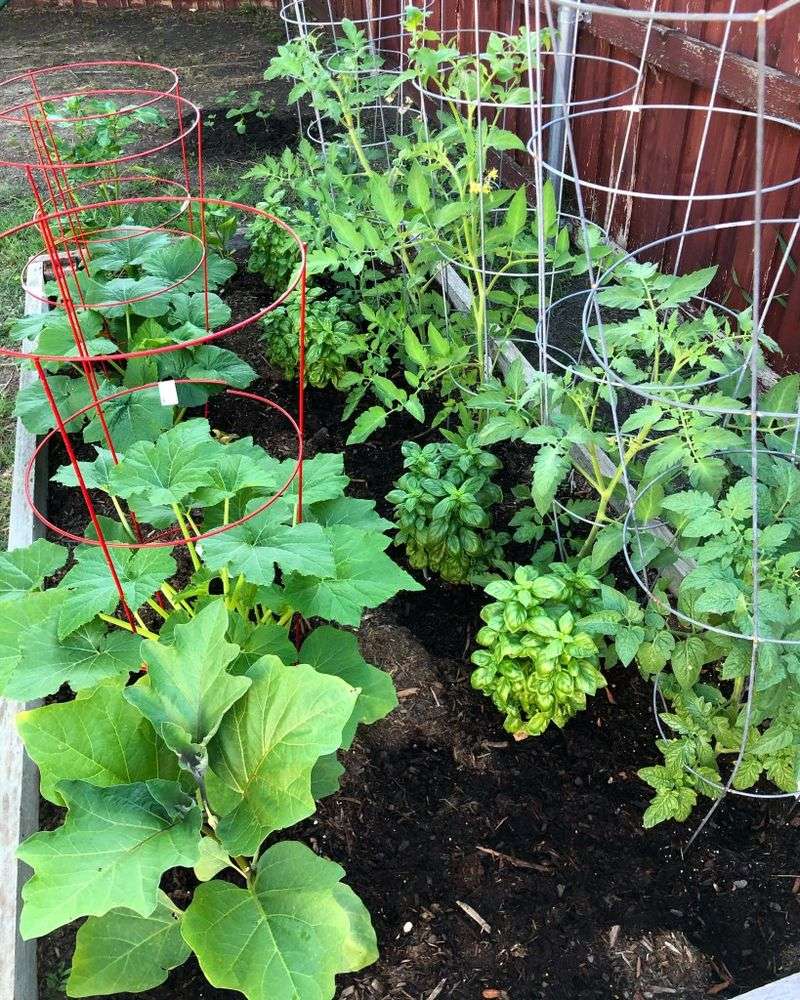
Eggplant and tomatoes, though visually harmonious, are both vulnerable to similar pests and diseases. This shared susceptibility doubles the risk of infestations and infections, leading to compromised plant health. The potential for disease transfer makes eggplant an ill-advised partner for tomatoes.
10. Sunflowers
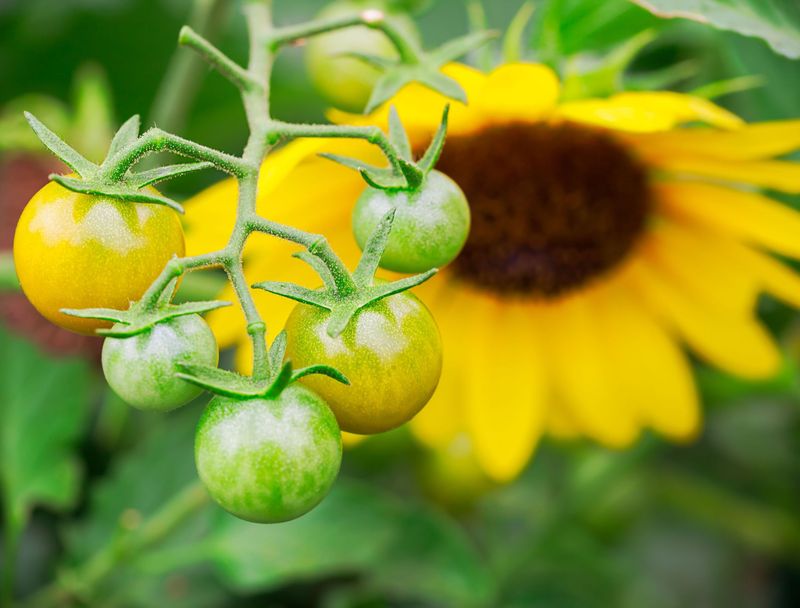
Sunflowers, with their cheerful blooms, can be deceptively harmful to tomatoes. The tall stems and broad leaves of sunflowers cast significant shade, depriving tomatoes of sunlight. This lack of light can stunt tomato growth and reduce fruit production significantly.
11. Anise
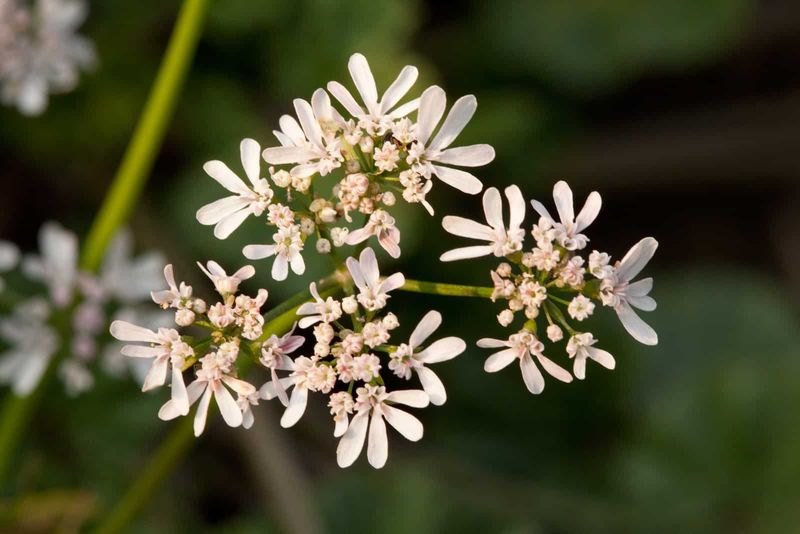
Anise, while revered for its licorice-flavored seeds, is a poor companion for tomatoes. It competes aggressively for nutrients and space, leaving tomatoes with insufficient resources. The battle for essential growth factors can leave tomatoes weakened and less productive.
12. Black Walnuts
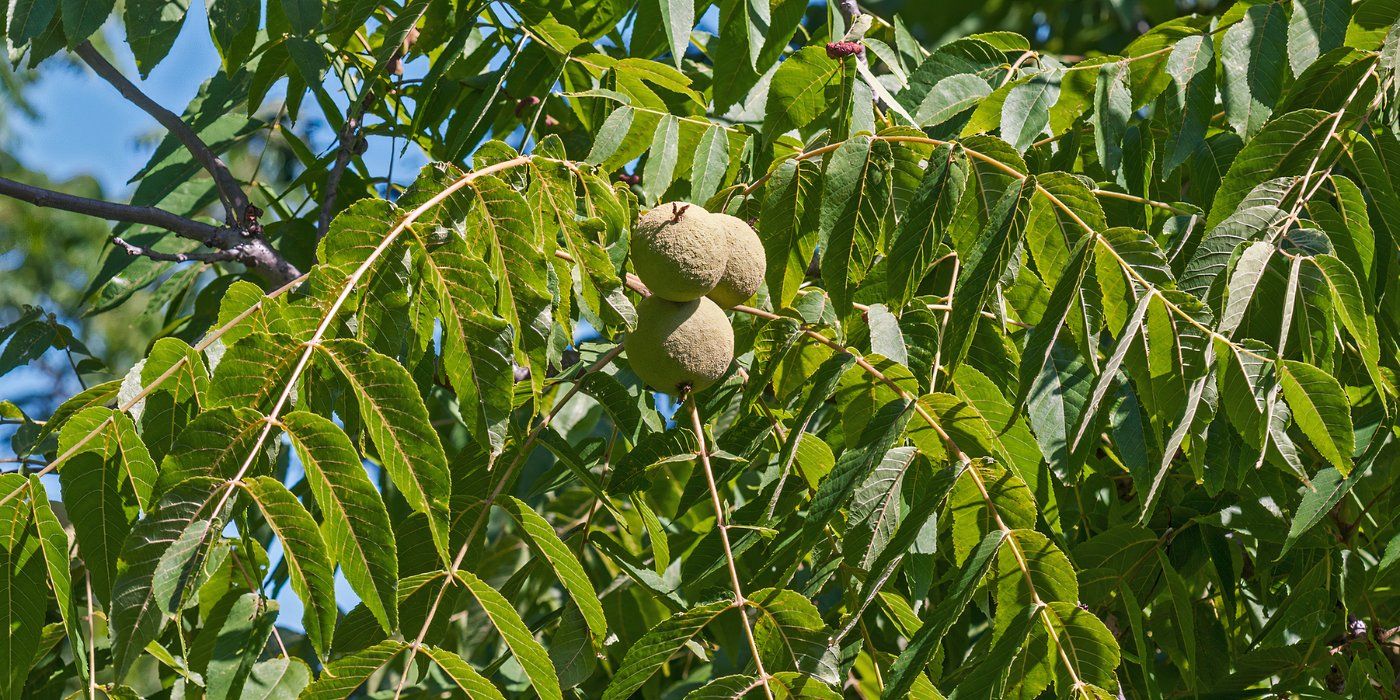
Black walnut trees, similar to their traditional walnut counterparts, secrete juglone. This chemical is detrimental to tomatoes, inhibiting their growth and leading to poor health. The presence of a black walnut tree can render the soil almost toxic to tomato plants, resulting in a barren yield.
13. Horseradish
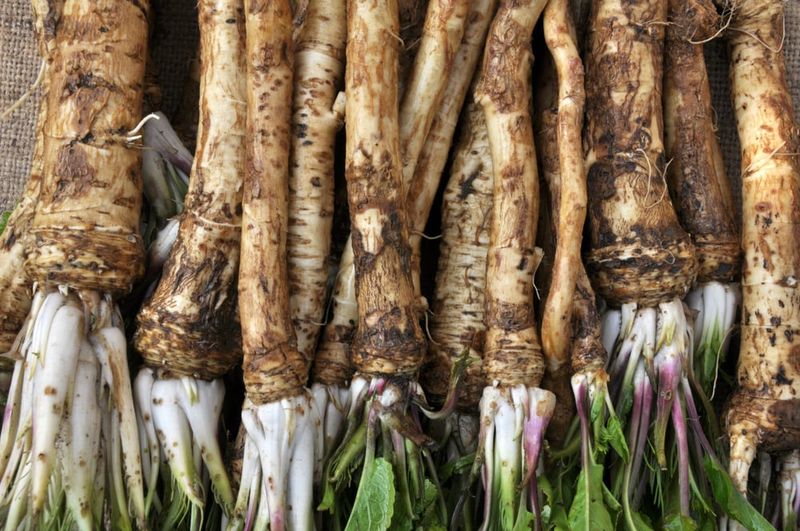
Horseradish, with its pungent roots, may repel some pests but not without a cost. The plant’s growth can overwhelm tomatoes, stealing vital nutrients and space. The competition for resources can lead to weakened tomato plants, incapable of producing a healthy crop.
14. Carrot
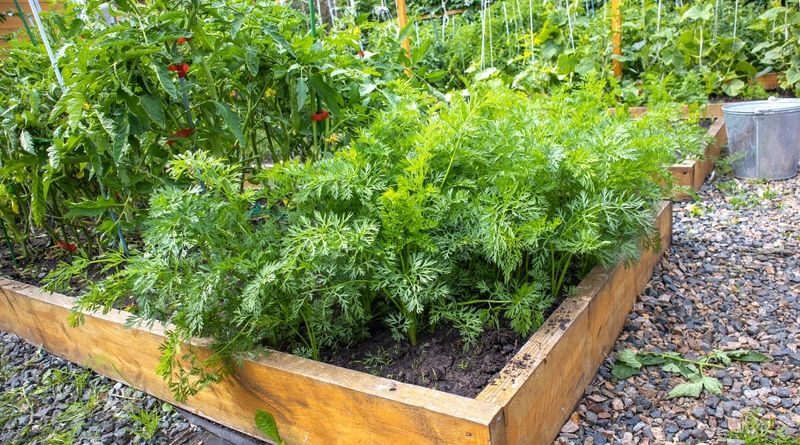
Carrots might seem like harmless companions, but they compete with tomatoes for soil nutrients. Their roots spread extensively, soaking up essential minerals that tomatoes need. This underground battle can leave tomatoes struggling to find the nutrients required for fruit production.
15. Broccoli
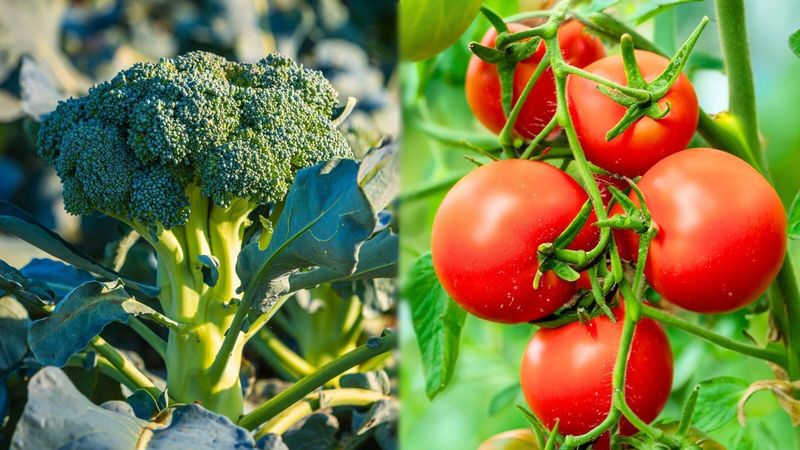
Broccoli, although robust and nutritious, demands a lot from the soil. When planted near tomatoes, it deprives tomatoes of critical nutrients. This competition is fierce, often resulting in tomatoes that are weak and less productive.
16. Cauliflower
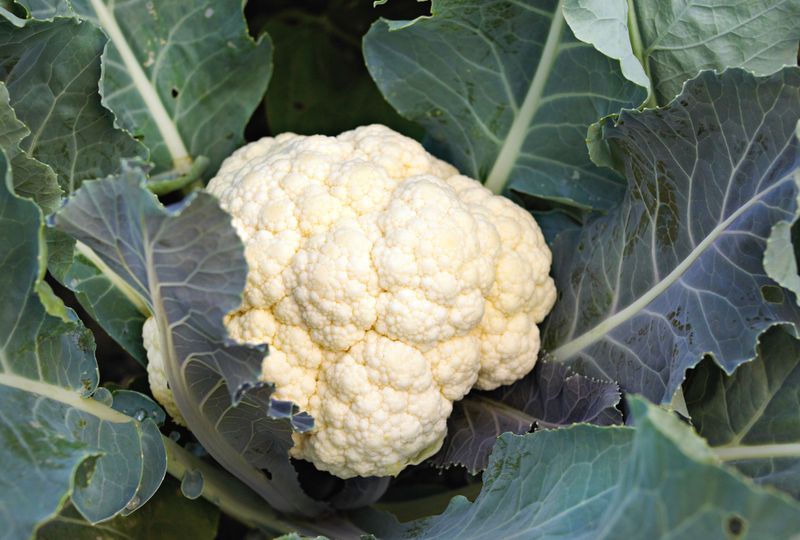
Cauliflower shares similar soil and nutrient needs with tomatoes, making them poor companions. The competition for resources can leave tomatoes undernourished. This rivalry often results in reduced growth rates and smaller tomato yields.
17. Peppers
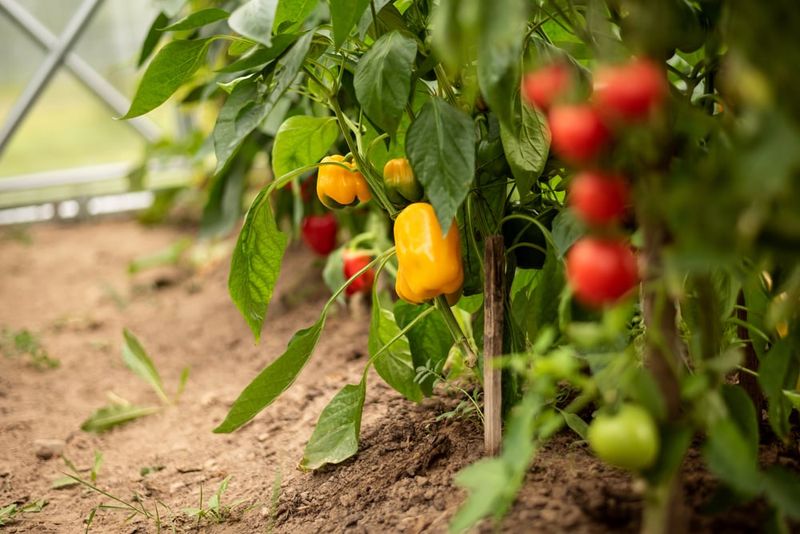
Peppers, despite being nightshade family relatives, often compete with tomatoes for nutrients and space. This competition can lead to stunted growth and reduced yields for tomatoes. The shared susceptibility to pests and diseases further complicates this relationship.
18. Pumpkin
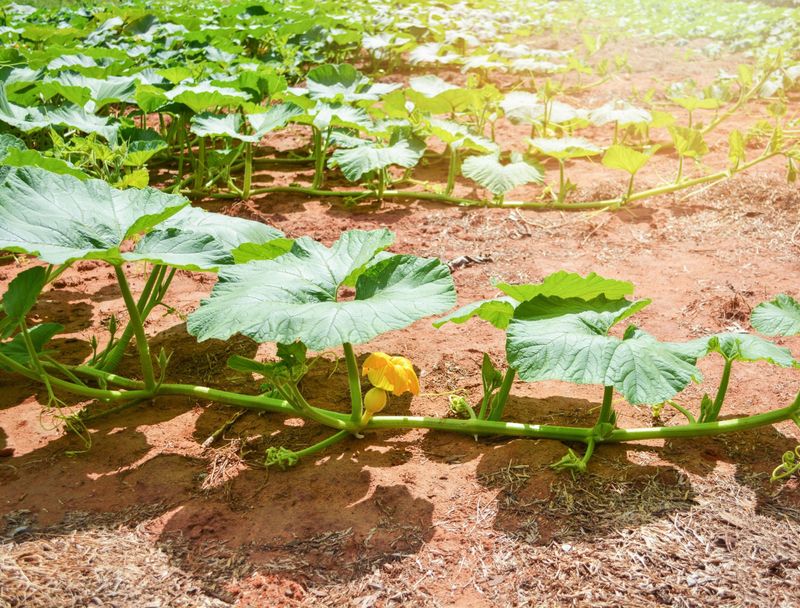
Pumpkin vines, with their sprawling nature, can suffocate tomato plants. The extensive growth of pumpkins overshadows tomatoes, reducing their access to sunlight and nutrients. This overshadowing effect can drastically impede tomato growth and fruiting.
19. Zucchini
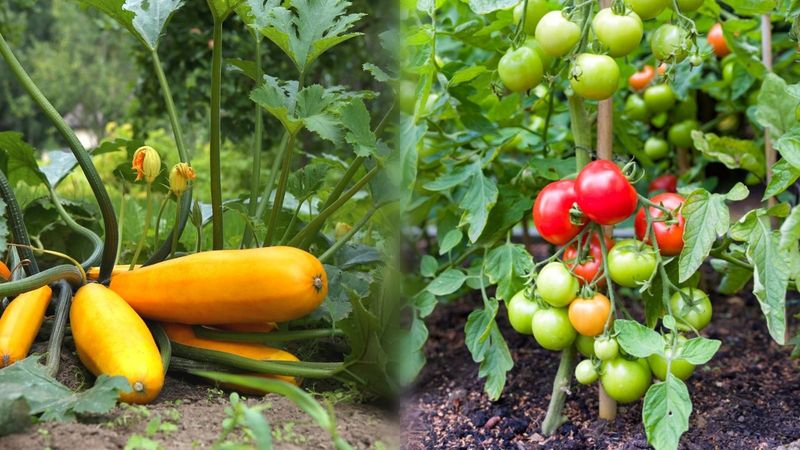
Zucchini, with its broad, overlapping leaves, casts shade over tomato plants, restricting their sunlight exposure. This shading effect can severely limit tomato growth and fruit production, making zucchini a challenging companion for tomatoes.
20. Peas
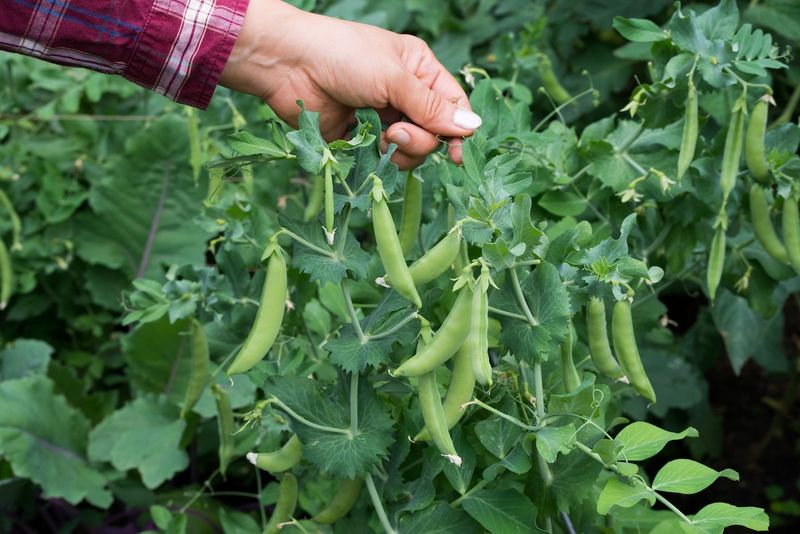
Peas, while beneficial in many crop rotations, can fix nitrogen in the soil, which isn’t always needed by tomatoes. This excess nitrogen can lead to lush foliage but fewer tomatoes, impacting the overall harvest negatively.
21. Mint
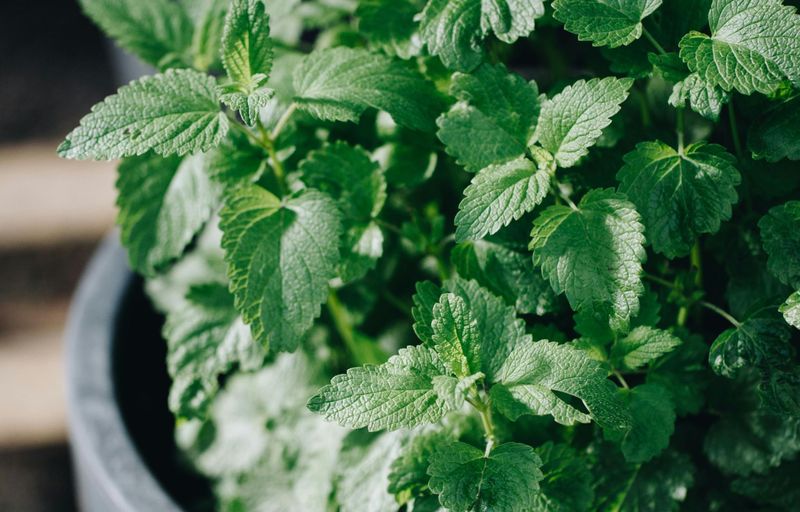
Mint, notorious for its invasive growth, can take over garden spaces rapidly. When grown near tomatoes, it competes aggressively for nutrients and space, often leading to crowded and undernourished tomato plants. This can severely reduce the tomato harvest.