 Complete Gardening
After hearing countless claims about dish soap being a miracle lawn care solution, I decided to put these hacks to the test. Armed with nothing but regular Dawn dish soap and a spray bottle, I spent an entire month experimenting with different techniques on my struggling yard. What happened next completely changed how I think about lawn care. Some results were amazing, others were disasters, and a few were downright surprising.
1. The Grub Killer Soap Spray
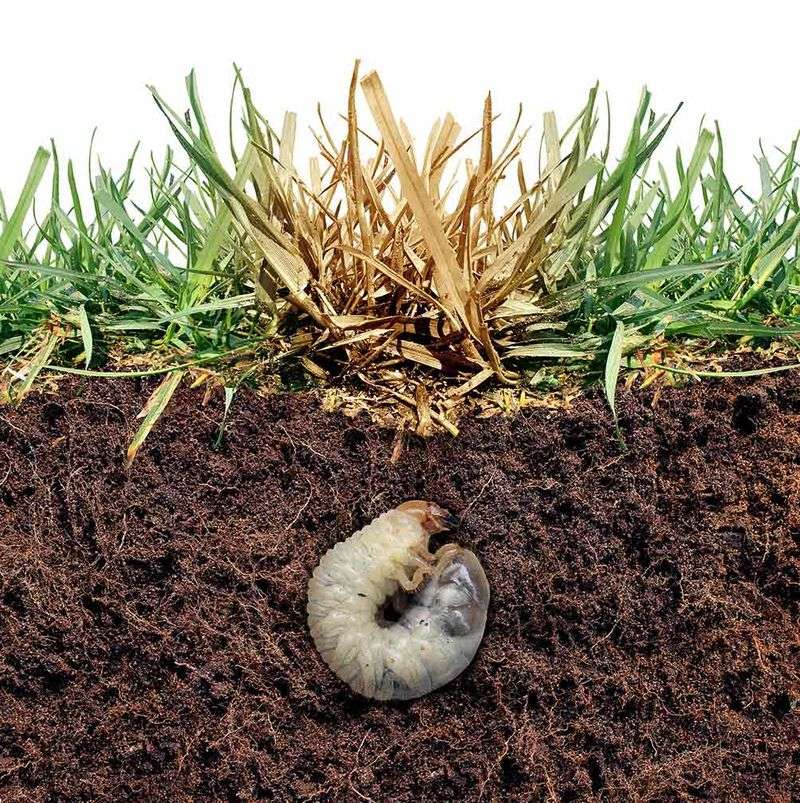
My biggest lawn enemy was grubs eating the roots underground. I mixed two tablespoons of dish soap with a gallon of water and soaked the affected areas twice weekly.
Within ten days, I noticed dead grubs floating to the surface after watering. The soap suffocates them by breaking down their protective coating.
By week three, the brown patches started showing new green growth. This hack actually works because soap disrupts the grubs’ ability to breathe through their skin.
2. Ant Colony Elimination Method
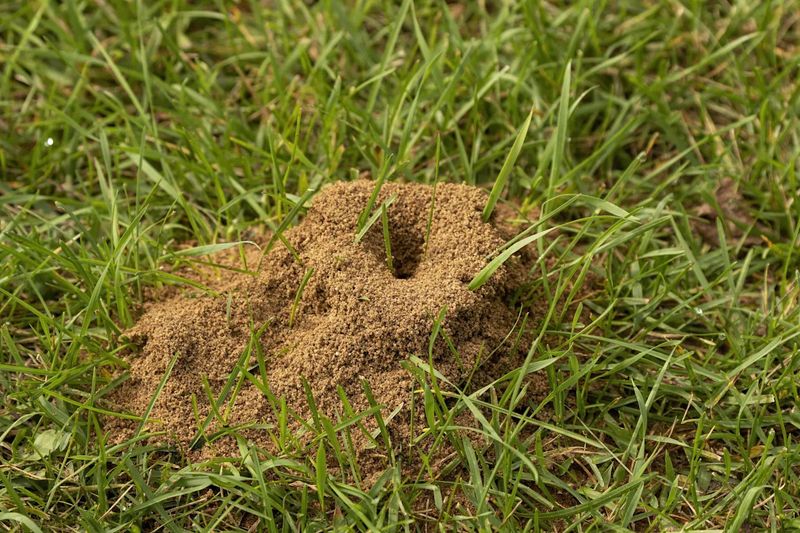
Fire ants had built several mounds across my yard, making barefoot walks impossible. I poured straight dish soap mixed with hot water directly onto each hill.
The results were immediate and dramatic. Ants came streaming out within seconds, and most colonies were completely gone within 48 hours.
What surprised me most was how long-lasting this solution proved to be. After 30 days, only one small mound reappeared, compared to the dozen I started with.
3. Fungal Disease Prevention Spray
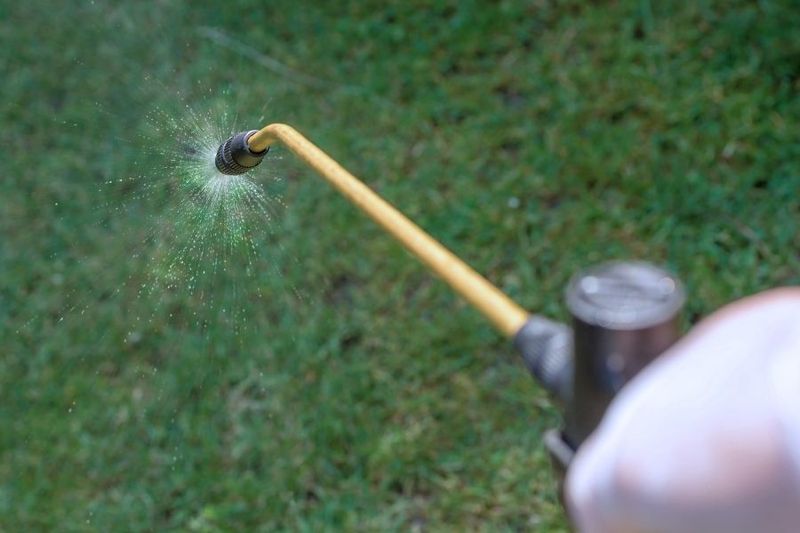
Brown patch fungus had created ugly circular dead spots throughout my lawn. I applied a weak soap solution every morning before the dew dried.
The antifungal properties of dish soap help prevent spore formation. After two weeks, the spreading completely stopped, and healthy grass began filling in the bare areas.
This preventive approach worked better than expensive fungicides I’d tried before. The key is consistent early morning application when moisture levels are highest for maximum effectiveness.
4. Aphid Removal from Grass Blades
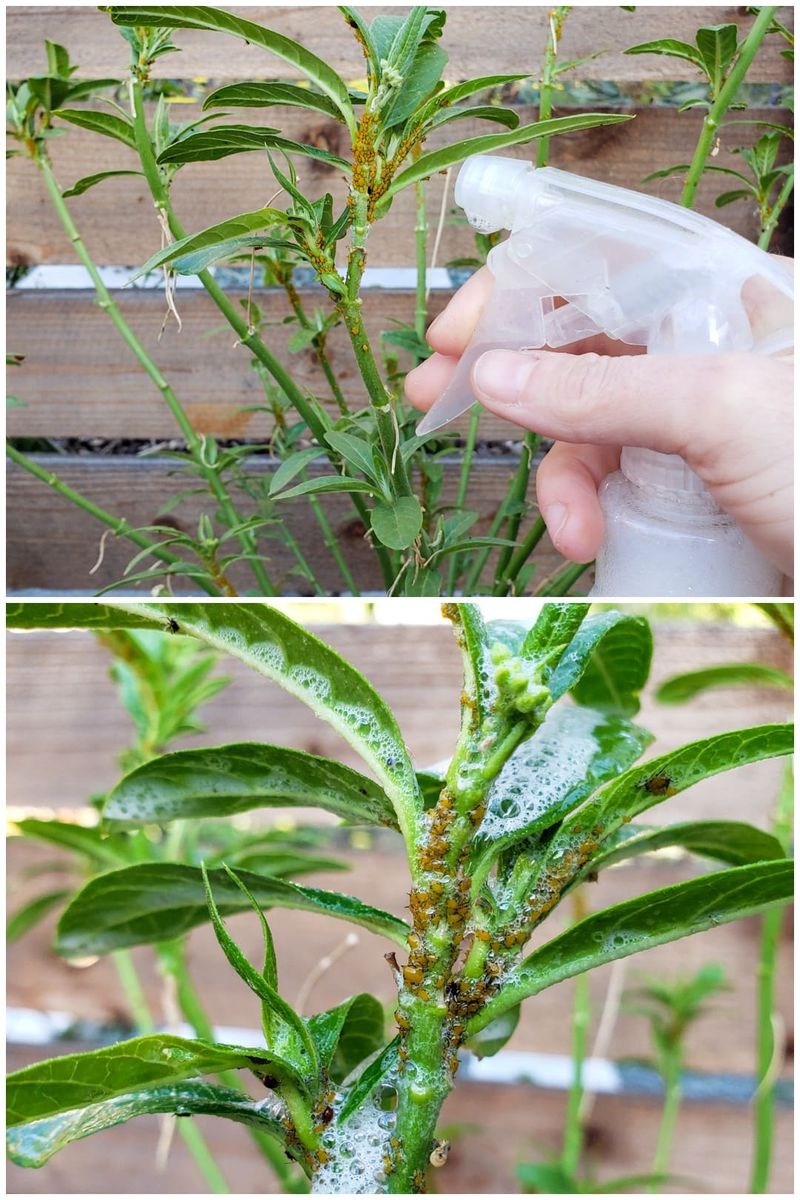
Tiny green aphids were literally sucking the life out of my grass blades. I created a gentle soap spray and applied it during cooler evening hours.
The soap dissolves the waxy coating that protects aphids, causing them to dehydrate quickly. Within three days, I could see the grass color improving dramatically.
Unlike harsh pesticides, this method didn’t harm beneficial insects like ladybugs and bees. The soap breaks down naturally, leaving no toxic residue behind for pets or children.
5. Weed Killer Soap Concentration
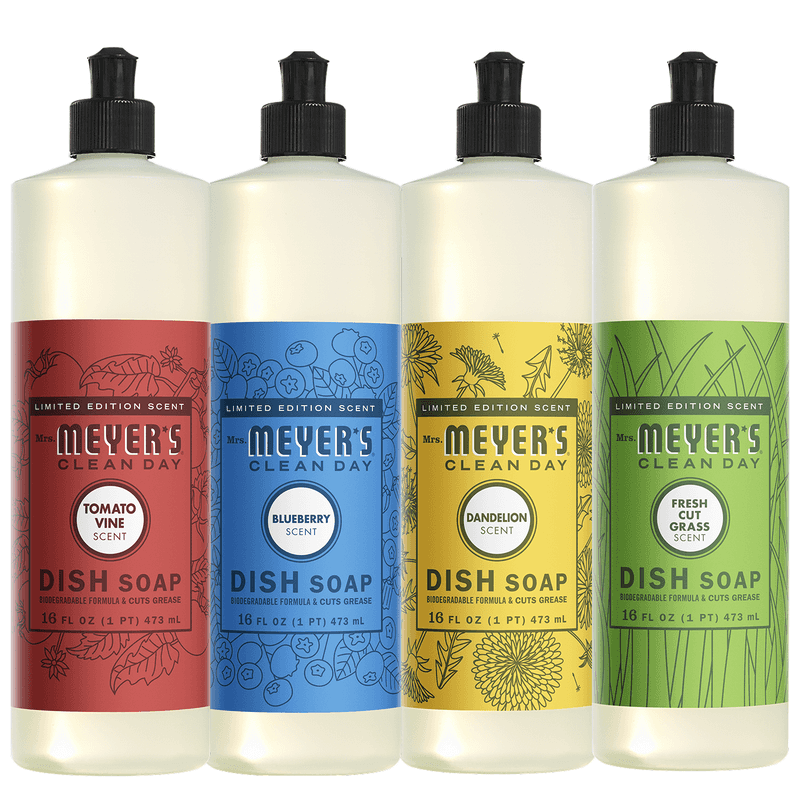
Dandelions and clover had taken over large sections of my yard. I mixed one cup of dish soap with a gallon of water for a stronger concentration.
The high soap content strips away the protective waxy layer on weed leaves, causing rapid dehydration. Most weeds showed wilting within 24 hours of application.
However, this method requires precision. I accidentally killed some grass patches by over-applying the solution. The trick is targeting only the weed leaves while avoiding healthy grass.
6. Moss Removal Technique
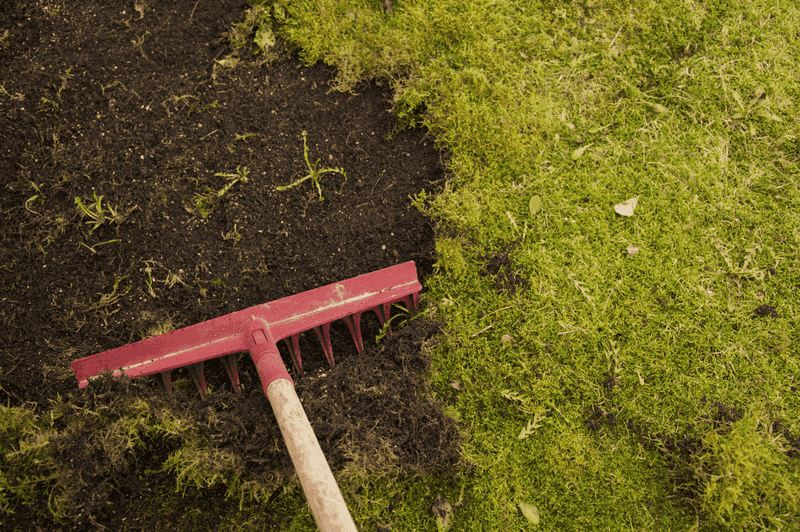
Shady areas of my yard were completely covered in thick, spongy moss instead of grass. I scrubbed dish soap directly into the moss using an old brush.
The soap changes the pH level and removes the moisture that moss needs to survive. After one week, the moss turned brown and easily peeled away.
Seeding these areas immediately after moss removal gave grass a fighting chance to establish. Without this prep work, the moss would have simply grown back stronger than before.
7. Soil Penetration Enhancer
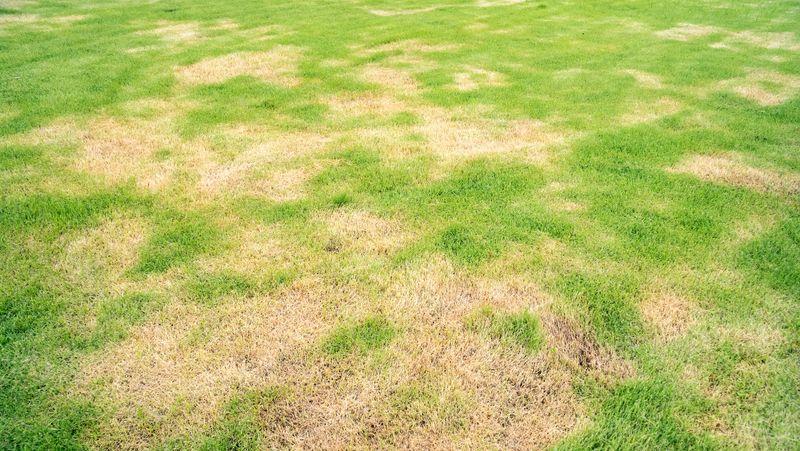
My clay soil was so compacted that water just rolled off the surface instead of soaking in. I added a few drops of dish soap to my sprinkler system.
Soap acts as a natural surfactant, reducing water tension and helping it penetrate deeper into hard-packed earth. The difference was visible within one watering cycle.
Areas that stayed dry for years finally started absorbing moisture properly. This simple addition made my existing irrigation system work three times more effectively without any expensive equipment upgrades.
8. Chinch Bug Elimination Strategy
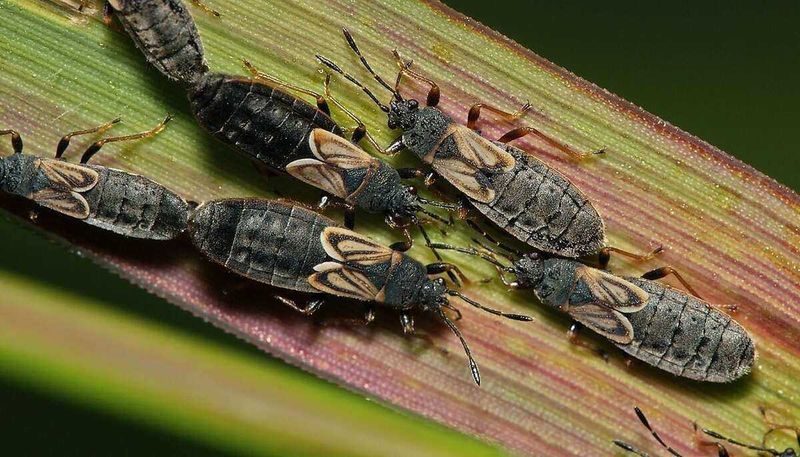
Chinch bugs were creating expanding dead zones in my sunny lawn areas. These tiny pests inject toxins while feeding, causing grass to turn yellow then brown.
I applied soap solution during early morning hours when bugs are most active. The soap suffocates them while they’re feeding on grass stems.
Within five days, the bug population dropped dramatically. New grass growth appeared in previously dead areas after just two weeks of consistent treatment. The key was persistence and timing.
9. Thatch Breakdown Accelerator
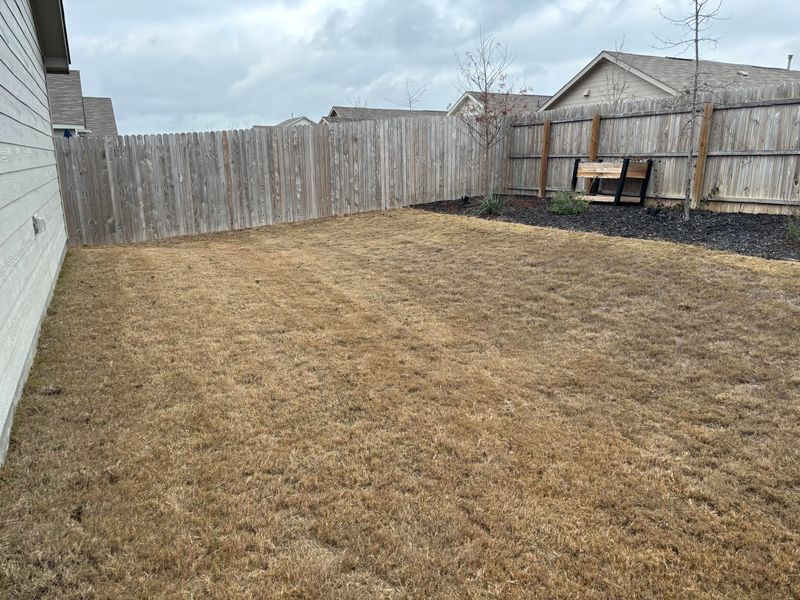
A thick layer of dead grass and organic matter was preventing water and nutrients from reaching the soil. I mixed soap with water and soaked the thatch layer weekly.
The soap helps break down organic compounds faster than natural decomposition. After three weeks, I could push my finger through the thatch to reach actual soil.
This process improved my lawn’s overall health dramatically. Grass roots could finally access nutrients and water that had been blocked by the impermeable thatch barrier for months.
10. Pet Urine Spot Treatment
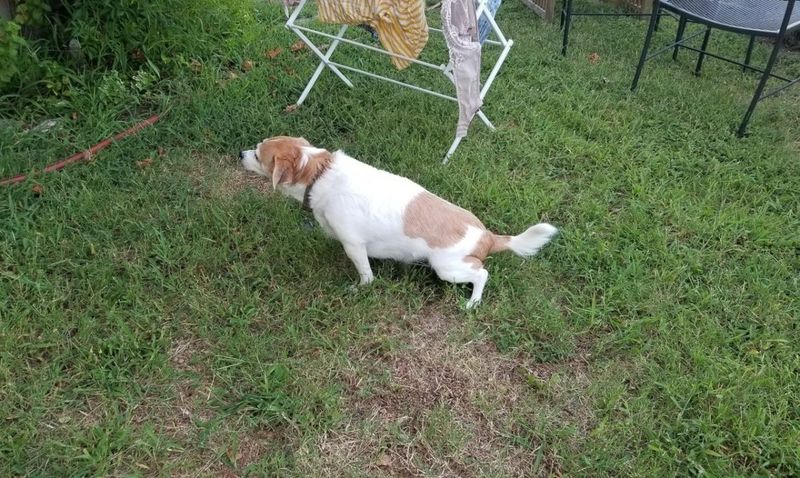
My dog’s favorite bathroom spots had created unsightly brown circles throughout the yard. The high nitrogen content in urine literally burns grass roots.
I immediately flushed these areas with soap and water after each incident. The soap helps neutralize the concentrated salts while diluting the nitrogen overload.
Spots that normally took months to recover showed green growth within two weeks. The soap treatment prevents permanent root damage while giving grass a chance to bounce back naturally.
11. Fertilizer Distribution Booster
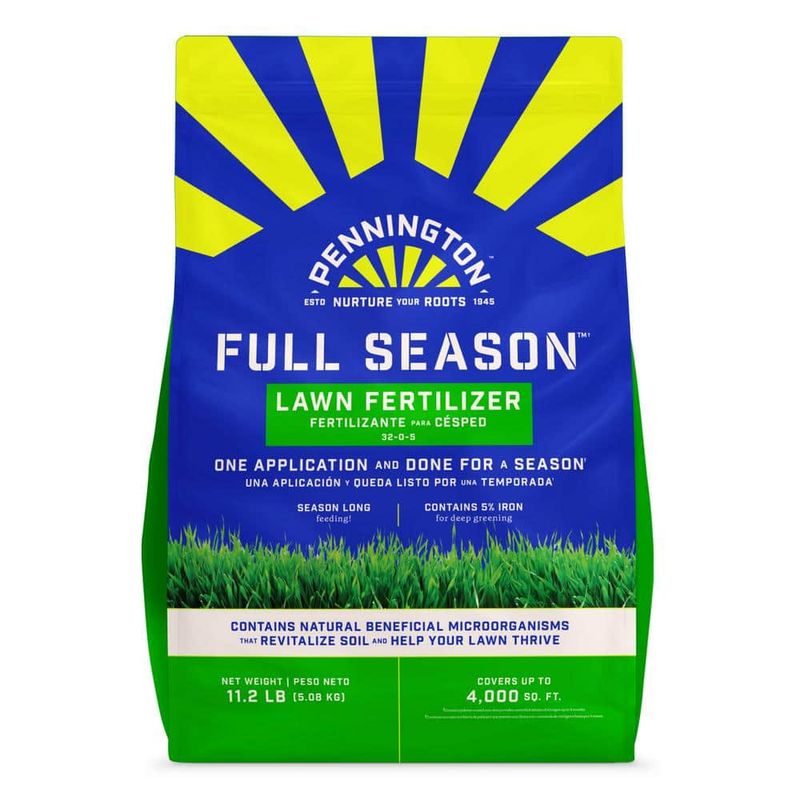
My granular fertilizer was creating streaky patterns instead of even coverage across the lawn. Some areas got too much while others received nothing.
Adding soap to my post-fertilizer watering helped distribute nutrients more evenly. The soap reduces surface tension, allowing fertilizer to dissolve and spread uniformly.
The result was the most consistent green lawn I’d ever achieved. No more dark green stripes alternating with pale yellow areas. This simple trick maximized my fertilizer investment while preventing burn spots.