 Complete Gardening
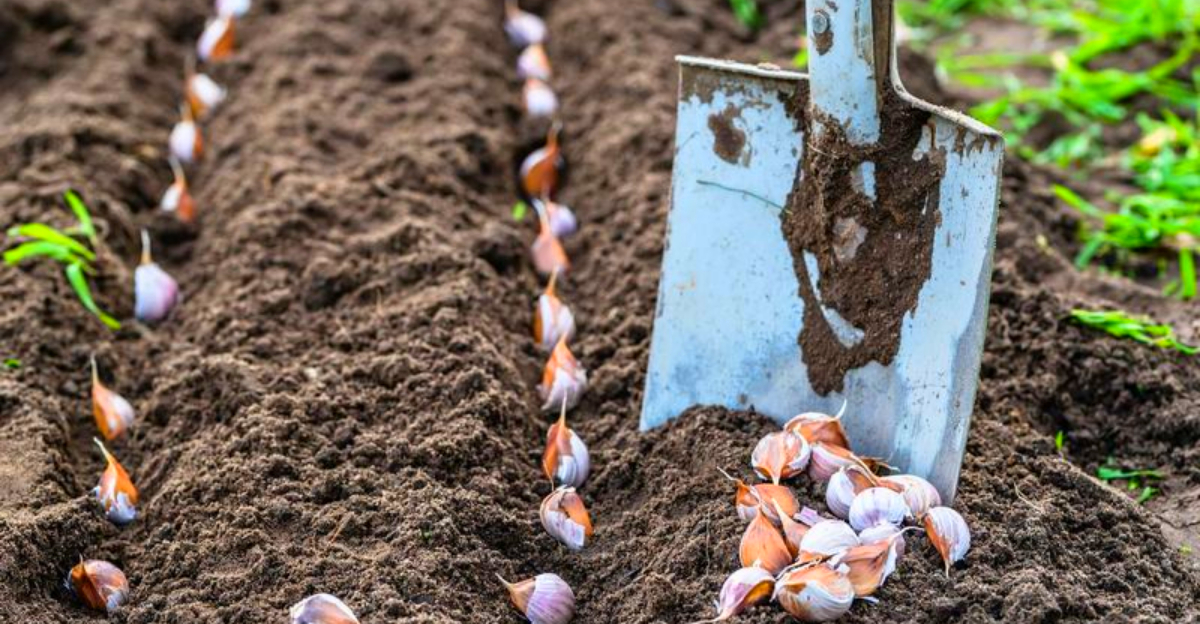
Planting garlic in Idaho requires careful consideration of timing, climate, and soil conditions. With its distinct four-season climate, Idaho offers unique opportunities and challenges for garlic growers. Understanding the right time to plant garlic is crucial to ensure a bountiful harvest in this diverse state.
1. Fall Planting Basics
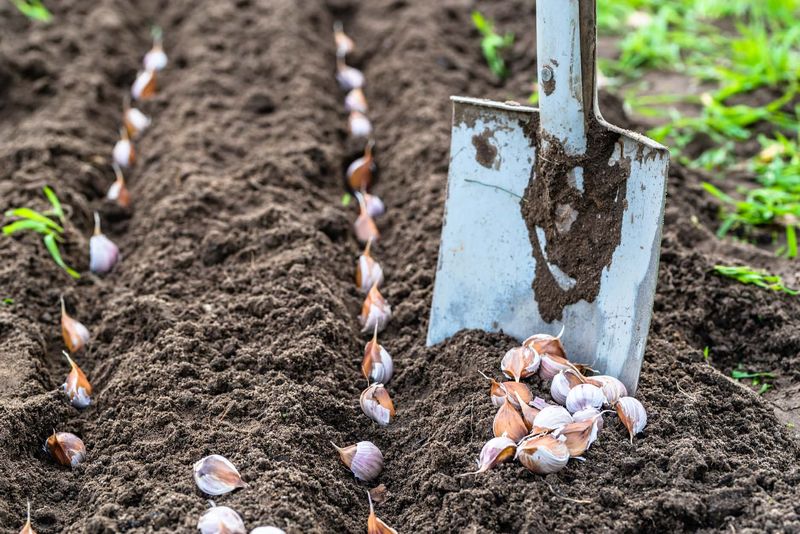
Fall is the ideal time to plant garlic in Idaho, particularly between late September and early November. During this period, the soil is warm enough to encourage root development before the frost sets in.
The autumn months offer a balance of moisture and temperature, creating optimal growth conditions for garlic. By planting in the fall, you allow the garlic to establish roots, which is crucial for the plant’s energy storage and spring growth.
Ensure that the soil is well-drained and enriched with organic matter to support healthy garlic growth. Adding mulch can help retain moisture and regulate soil temperature.
2. Spring Planting Considerations
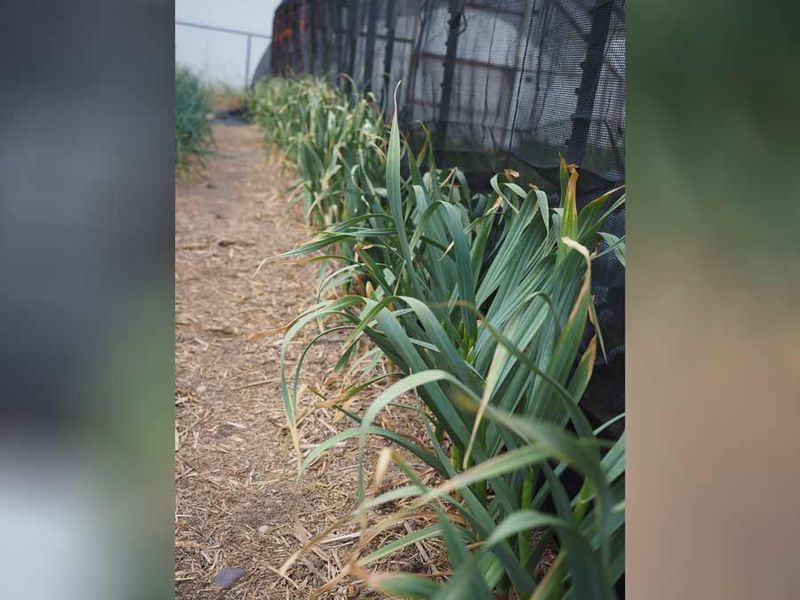
While fall is preferred, spring planting is an option for those who miss the autumn window. Plant garlic as soon as the ground can be worked, ideally in March or April.
Spring-planted garlic may have a shorter growing season, which can affect the bulb size. However, with proper care and fertilization, it can still yield a decent harvest.
Pay attention to soil temperature and ensure it’s consistently above 40°F. A rich, well-drained soil mix will enhance garlic’s growth potential.
3. Climate Impact on Garlic Growth
Idaho’s diverse climate zones, from the mountains to the plains, influence garlic planting times and methods. In higher altitudes, the growing season is shorter, necessitating earlier planting in fall.
In contrast, southern regions with milder winters can accommodate later fall planting. Understanding local climate specifics allows gardeners to time their planting for maximum growth.
Consider consulting local agricultural extensions or seasoned gardeners to determine the best planting time for your specific area in Idaho.
4. Soil Preparation Techniques
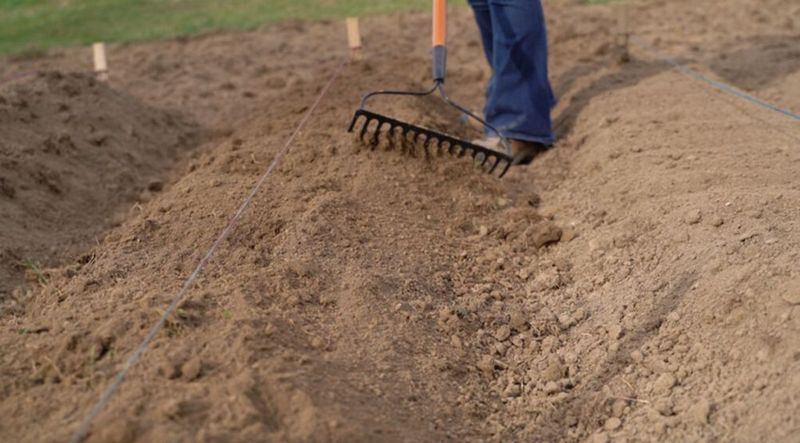
A well-prepared soil is the foundation of successful garlic cultivation. In Idaho, sandy loam with a pH of 6.0 to 7.0 is ideal.
Begin soil preparation several weeks before planting by incorporating organic matter like compost or well-rotted manure. This enhances soil fertility and drainage.
Regularly testing soil quality can guide amendments needed to optimize garlic growth. Utilize cover crops in the off-season to improve soil structure and nutrient content.
5. Garlic Varieties for Idaho
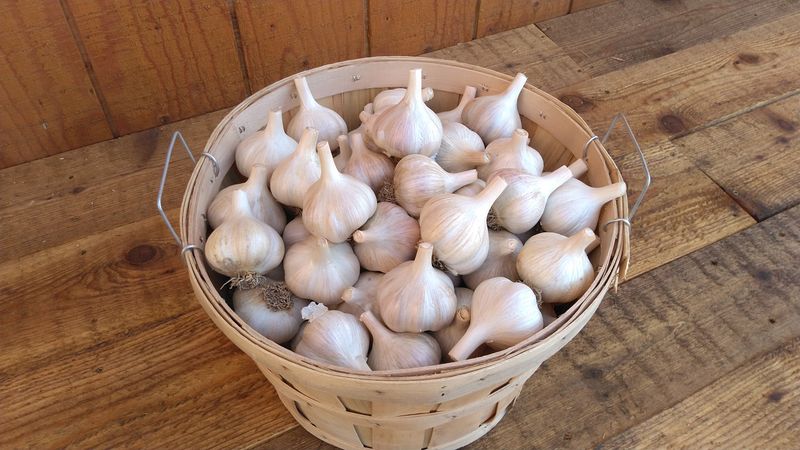
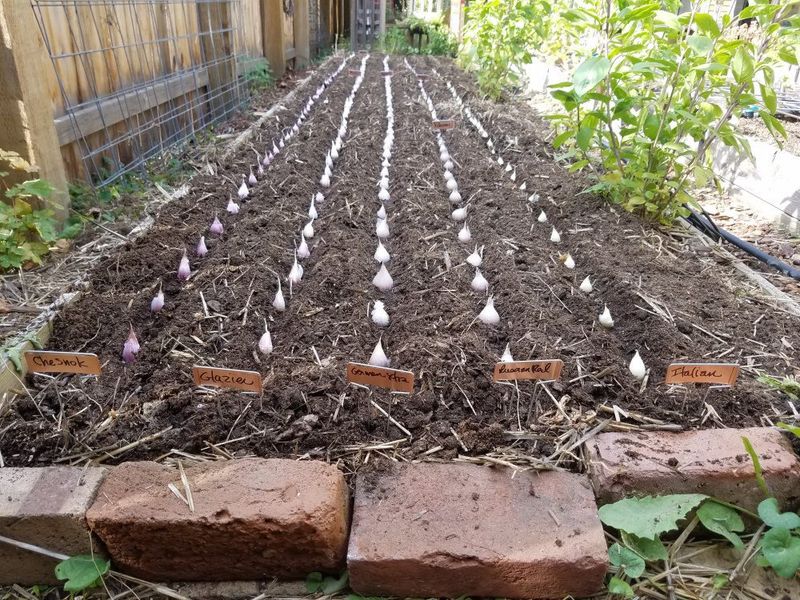
Choosing the right garlic variety is pivotal for Idaho’s diverse climates. Hardneck garlics are well-suited for colder areas due to their robust nature and complex flavors.
Softneck varieties thrive in warmer spots, offering a milder taste and longer shelf life. Experimenting with various kinds can lead to discovering unique flavors and best-suited types for your garden.
Research local nurseries and seed suppliers to find the best garlic varieties for your specific Idaho region.