Complete Gardening
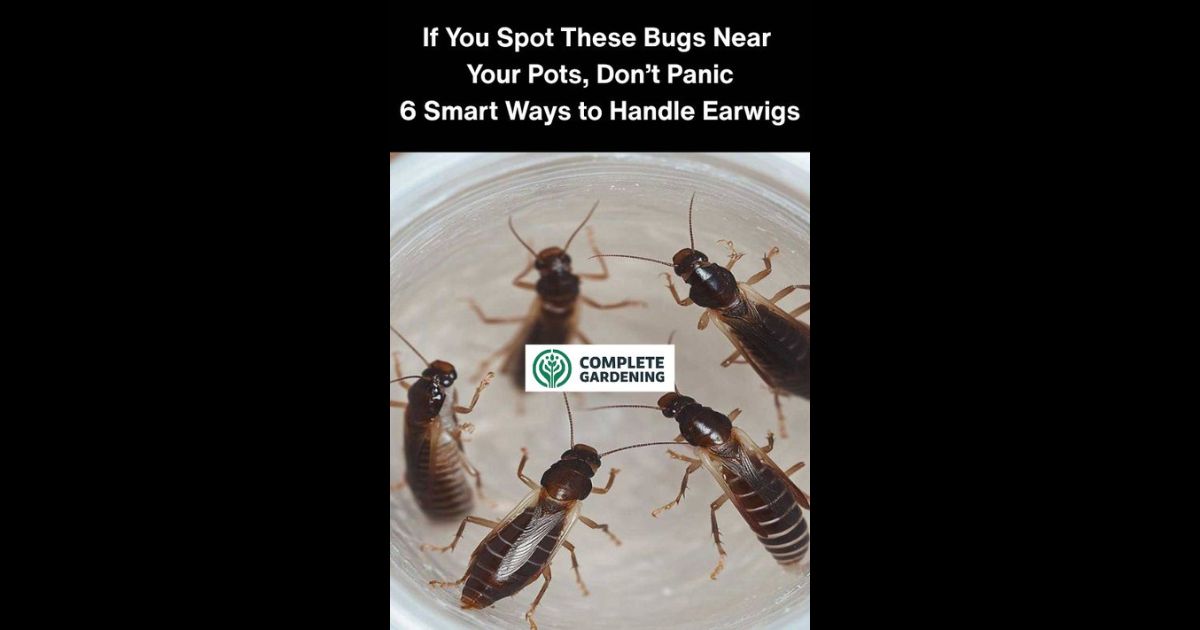
Earwigs are small, elongated insects with pincers at their rear end that often appear around garden pots. While they look intimidating, they’re generally harmless to humans. However, they can cause trouble for your plants when they start feeding on leaves, seedlings, or flowers. These nocturnal insects hide in damp, dark spots during the day and come out at night to feed. Understanding their behavior is the key to controlling them naturally and effectively.
Identifying Earwigs
Earwigs are easy to recognize by their long, flat bodies that are typically brown or black, and by the pincers on their tail end. Adults reach up to 25 mm in length. They rarely fly, even though they have wings. During the day, you’ll find them hiding under pots, mulch, or stones, then emerging at night to feed. If you see small holes in your plant leaves or the insects themselves, you’re likely dealing with earwigs.
Why You Should Act Quickly
Although earwigs can help by eating pests like aphids, they can also cause serious harm to young plants when their population grows. They chew on leaves, flowers, and stems, leaving plants weak and stunted. Managing them early keeps your plants healthy and prevents them from sneaking into your home.
1. Oil and Soy Sauce Trap
Mix equal parts vegetable oil and soy sauce in a shallow container. The soy sauce attracts earwigs with its scent, while the oil traps them. Place the container near your pots or where you see earwig activity. Check it daily and discard the trapped insects. It’s a simple, inexpensive, and chemical-free solution.
2. Rolled-Up Newspaper Trick
Earwigs love dark, moist hiding spots. Roll up a slightly damp newspaper and leave it near your pots overnight. In the morning, shake it out over a bucket of soapy water to get rid of the earwigs. It’s an easy, eco-friendly way to reduce their numbers without using chemicals.
3. Diatomaceous Earth Barrier
Diatomaceous earth is a natural powder made from fossilized algae. Sprinkle a thin layer around the base of your pots and plants. When earwigs crawl over it, the powder damages their exoskeleton and causes dehydration. Reapply after watering or rain, since moisture reduces its effectiveness.
4. Alcohol and Water Spray
Mix equal parts rubbing alcohol and water in a spray bottle. Spray it directly on earwigs or on areas where they hide. The alcohol dehydrates and kills them quickly. Be cautious when spraying near plants, as alcohol can burn leaves if used too heavily.
5. Light and Water Trap
Since earwigs are attracted to light, place a shallow pan of water with a few drops of dish soap under a light source at night. The bugs will be drawn to the light, fall into the water, and drown. This trick works best in outdoor areas with access to electricity.
6. Boric Acid Solution
Boric acid is a natural insecticide that can help control earwig populations. Mix it with water and apply it around the base of pots or other problem areas. It works as a stomach poison for the insects. However, use it sparingly, as boric acid can harm pets and beneficial insects.
Conclusion: Keep Earwigs Away for Good
Once you’ve controlled the earwig problem, focus on prevention. Keep your garden tidy, remove debris and excess mulch, and ensure good drainage to avoid damp hiding spots. Check plants regularly and refresh your traps as needed. With consistent care, you can keep your pots healthy, your plants thriving, and your garden earwig-free.