 Complete Gardening
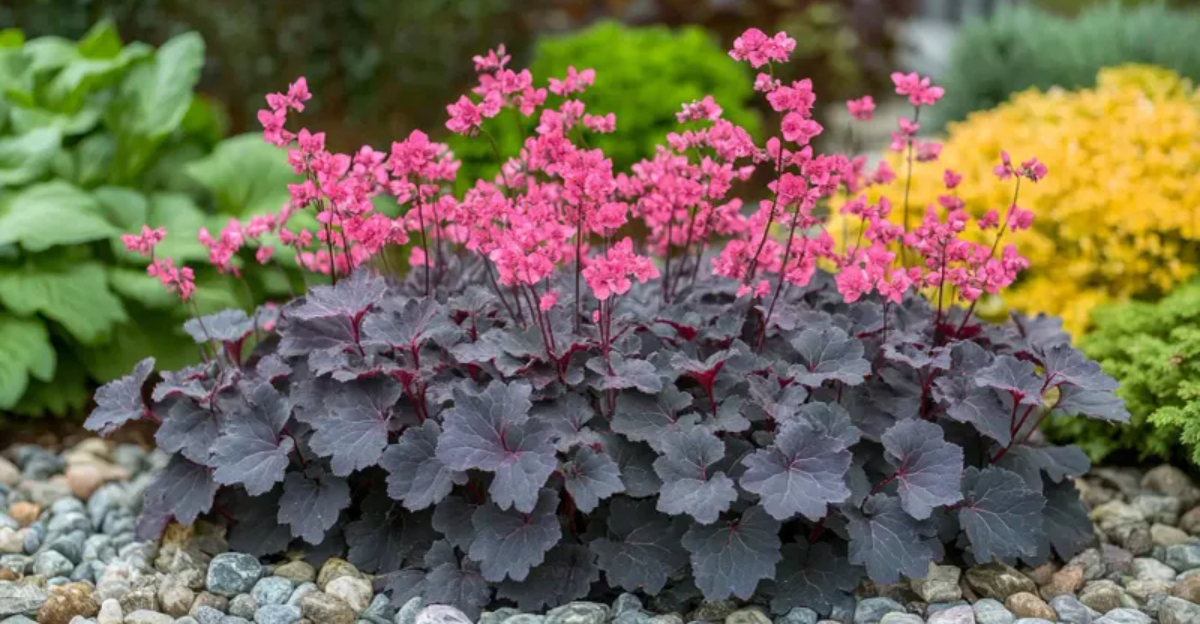
Gardening enthusiasts in Illinois often face the challenge of growing plants in heavy clay soil. However, with the right choice of perennials, you can enjoy a vibrant garden year after year without the hassle of replanting. Here’s a list of 17 resilient perennials that thrive in Illinois clay, promising beauty and ease for your garden.
Purple Coneflower
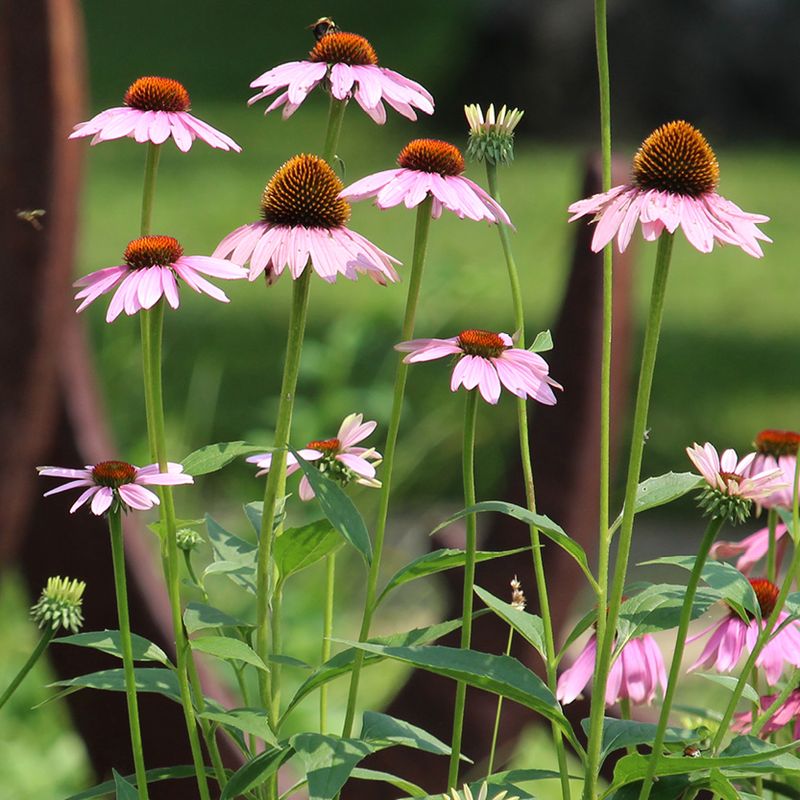
Purple coneflowers are the stalwarts of Illinois gardens, cherished for their resilience. With their striking purple petals and golden centers, they bring a pop of color that lasts throughout the summer. In addition to their beauty, these flowers are low maintenance and drought tolerant, making them a perfect fit for clay-rich soils.
These perennials are not just pretty faces; they attract pollinators like bees and butterflies, adding life to your garden. Their ability to withstand harsh weather conditions makes them a favorite among gardeners.
Did you know? Native Americans used purple coneflowers for medicinal purposes, believing in their healing properties for ailments.
Daylily
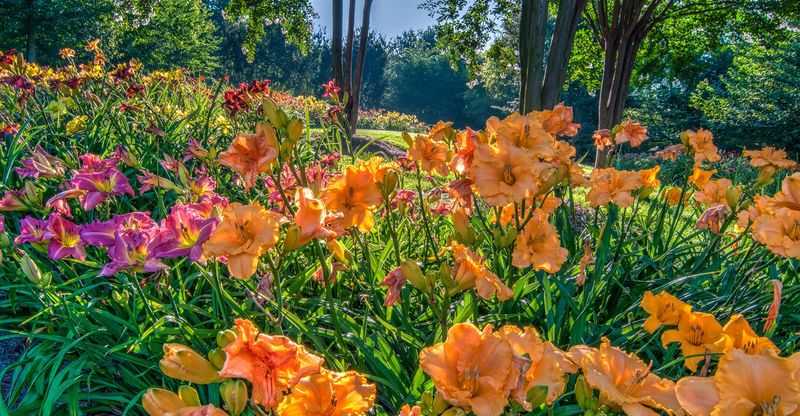
Daylilies are a gardener’s dream, offering a spectrum of colors and a hardy nature that thrives in clay soil. Their vibrant blooms appear tirelessly from early summer to fall, making them a long-lasting addition to any garden.
Despite their delicate appearance, daylilies are incredibly tough. They require little care and can adapt to various soil conditions, including the dense clay common in Illinois.
Fun fact: Each daylily flower lasts only one day, but the plant produces multiple buds to ensure continuous flowering.
Black-eyed Susan
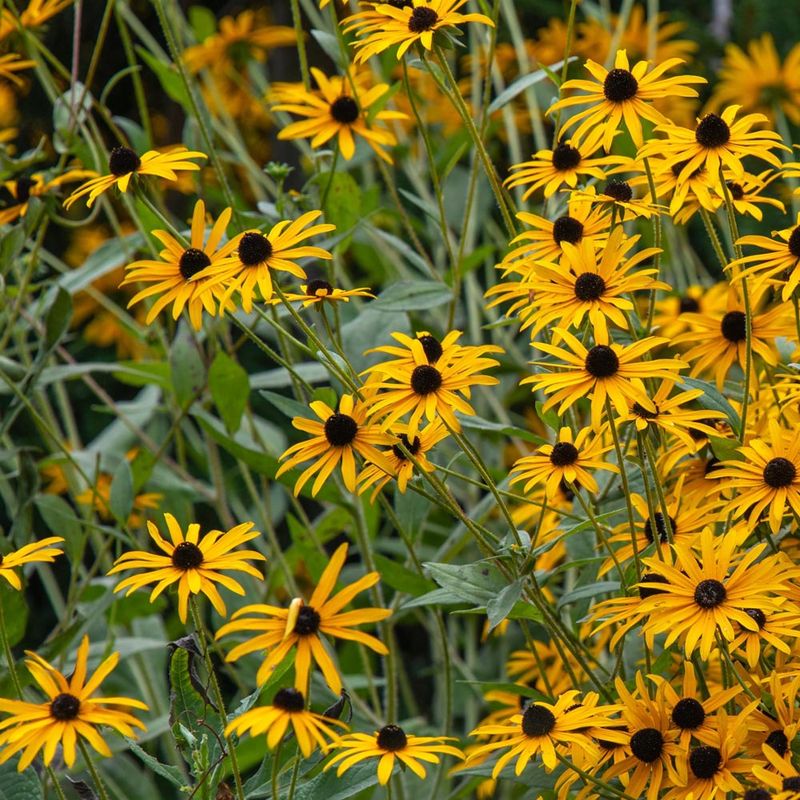
Black-eyed Susans are known for their cheerful yellow blooms and dark, contrasting centers. These perennials are not only visually appealing but also exceptionally durable, thriving in the heavy clay soils of Illinois.
Their bloom period extends from summer into fall, providing a lively splash of color when many other flowers have faded. Moreover, they are deer-resistant and attract a variety of pollinators.
Hook: Black-eyed Susans are often seen as the golden stars of the garden, standing tall and proud against the toughest conditions.
Sedum
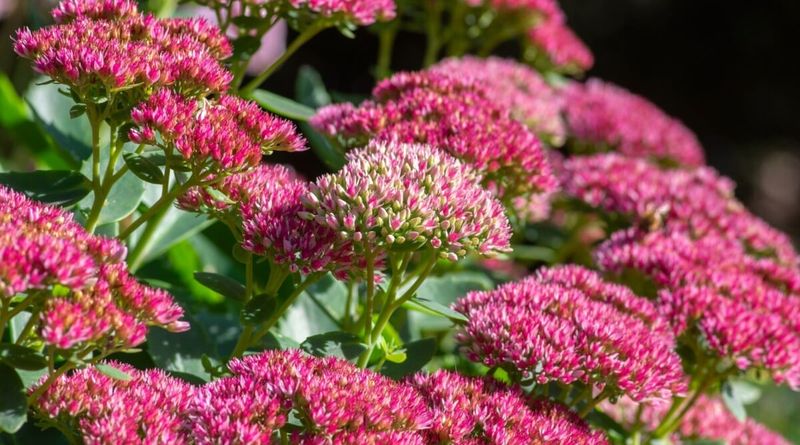
Sedum, with its succulent-like leaves and clusters of star-shaped flowers, is a versatile perennial that thrives in less-than-ideal soils, including clay. Its ability to store water in its leaves makes it particularly drought resistant and low maintenance.
These plants are perfect for adding texture and interest to garden borders or rock gardens. They bloom in late summer to fall, providing color when many other flowers are dormant.
Anecdote: Sedums are often called “stonecrops” because they can grow in rocky, inhospitable areas, making them perfect for challenging Illinois gardens.
Russian Sage
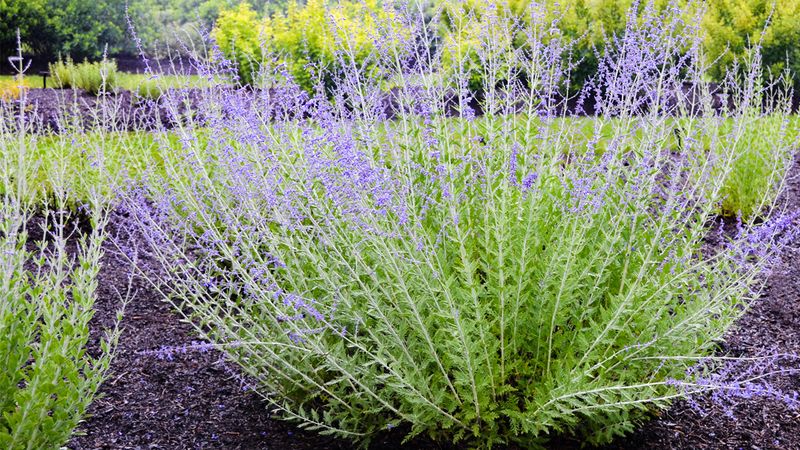
Russian Sage is a standout perennial with its silvery foliage and spires of lavender-blue flowers. It thrives in full sun and well-drained soils, making it a perfect addition to gardens with clay soil.
This plant is known for its aromatic leaves and long blooming period, which lasts from mid-summer to fall. It attracts pollinators and requires minimal maintenance, making it an ideal choice for busy gardeners.
Quirky fact: Despite its name, Russian Sage is not a true sage but belongs to the mint family.
Bee Balm
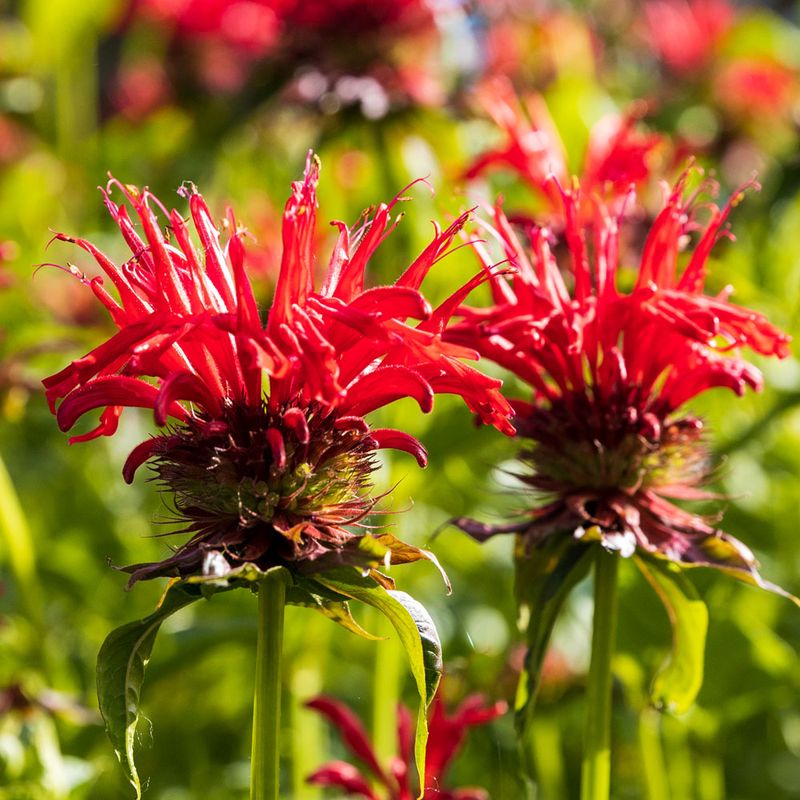
Bee Balm, also known as Monarda, is a vibrant addition to any garden with its fiery red, pink, or purple blooms. This perennial thrives in clay soils and attracts a host of pollinators, bringing movement and life to your garden.
Its fragrant foliage is an added bonus, and it can be used to make herbal teas. Bee Balm’s long blooming season ensures your garden stays lively from summer through early fall.
Did you know? Bee Balm was used by Native Americans for its medicinal properties and is sometimes called “Oswego tea.”
Hosta
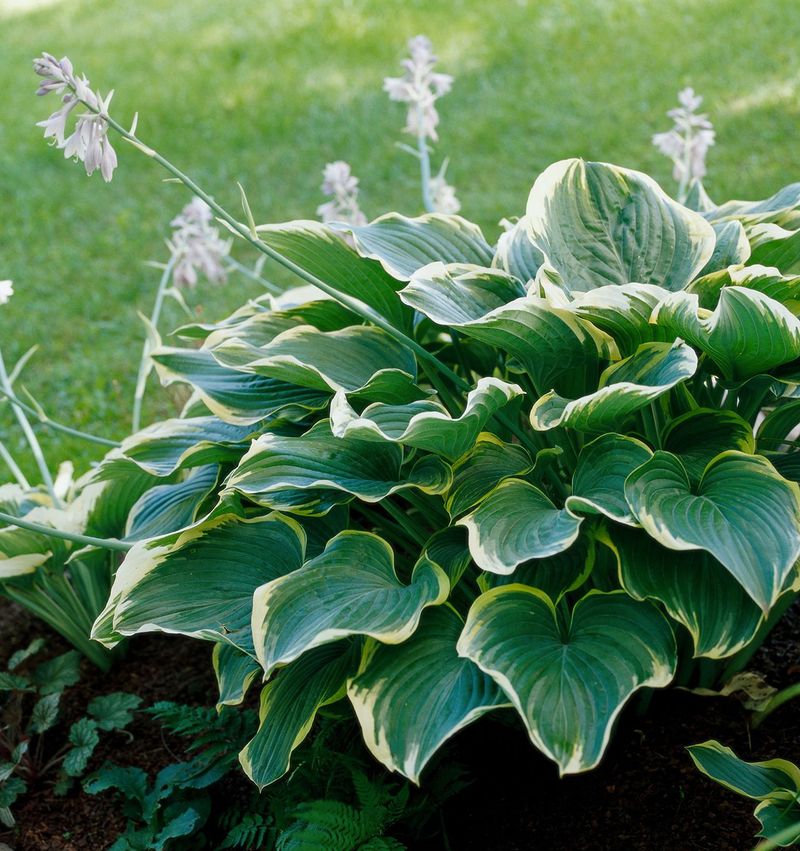
Hostas are the go-to choice for shady spots in the garden, known for their lush, broad leaves and ease of care. These perennials thrive in clay soil and offer a variety of leaf colors and textures.
While they are primarily grown for their foliage, hostas also produce delicate flowers in the summer. They are perfect for creating a lush, green backdrop in any garden setting.
Hook: Hostas are like the gentle giants of the garden, quietly filling shady spaces with their bold leaves and subtle blooms.
Yarrow
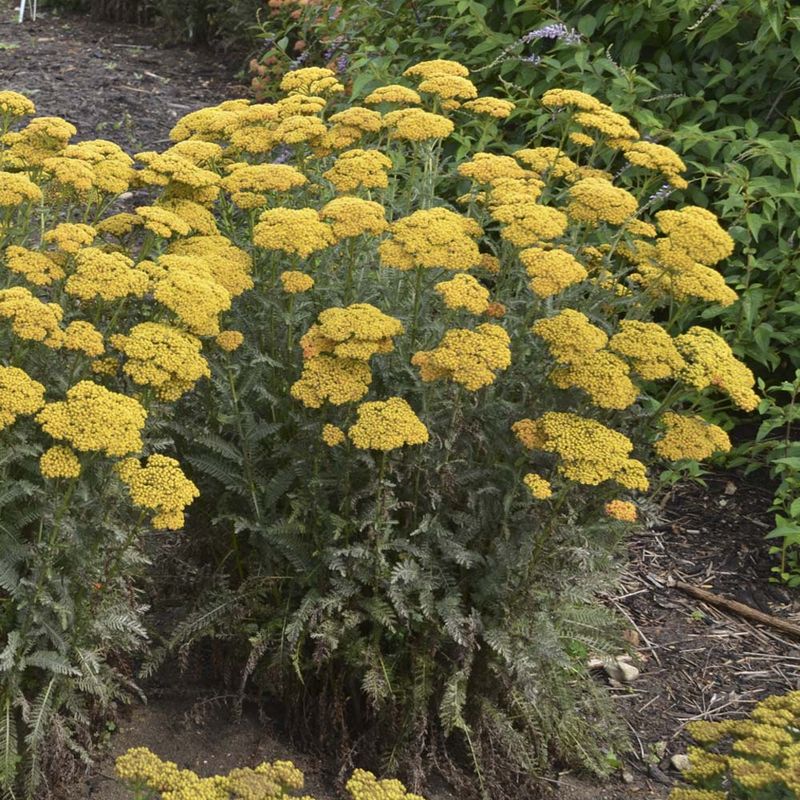
Yarrow is a hardy perennial known for its feathery foliage and flat clusters of tiny flowers. It thrives in clay soil and is drought-resistant, making it an excellent choice for gardens in Illinois.
These cheerful blooms attract butterflies and are often used in dried flower arrangements. Yarrow’s long blooming season extends from late spring to fall, ensuring continuous color.
Anecdote: Yarrow has been used in traditional medicine for centuries, believed to have properties that help heal wounds quickly.
Coral Bells
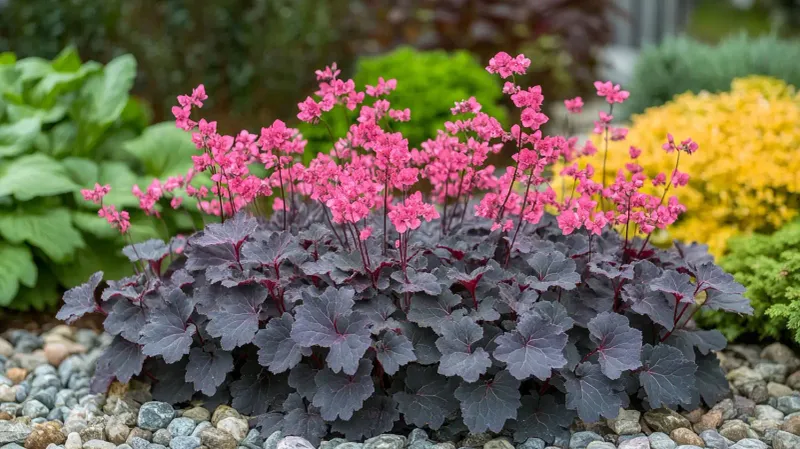
Coral Bells are beloved for their stunning foliage, which comes in a range of colors from deep purple to bright green. These perennials thrive in clay soil and are ideal for adding color to shaded areas of the garden.
In addition to their beautiful leaves, coral bells produce delicate, bell-shaped flowers in late spring to early summer. They are easy to care for and require minimal maintenance.
Fun fact: The scientific name for Coral Bells is “Heuchera,” named after an 18th-century German botanist.
Astilbe
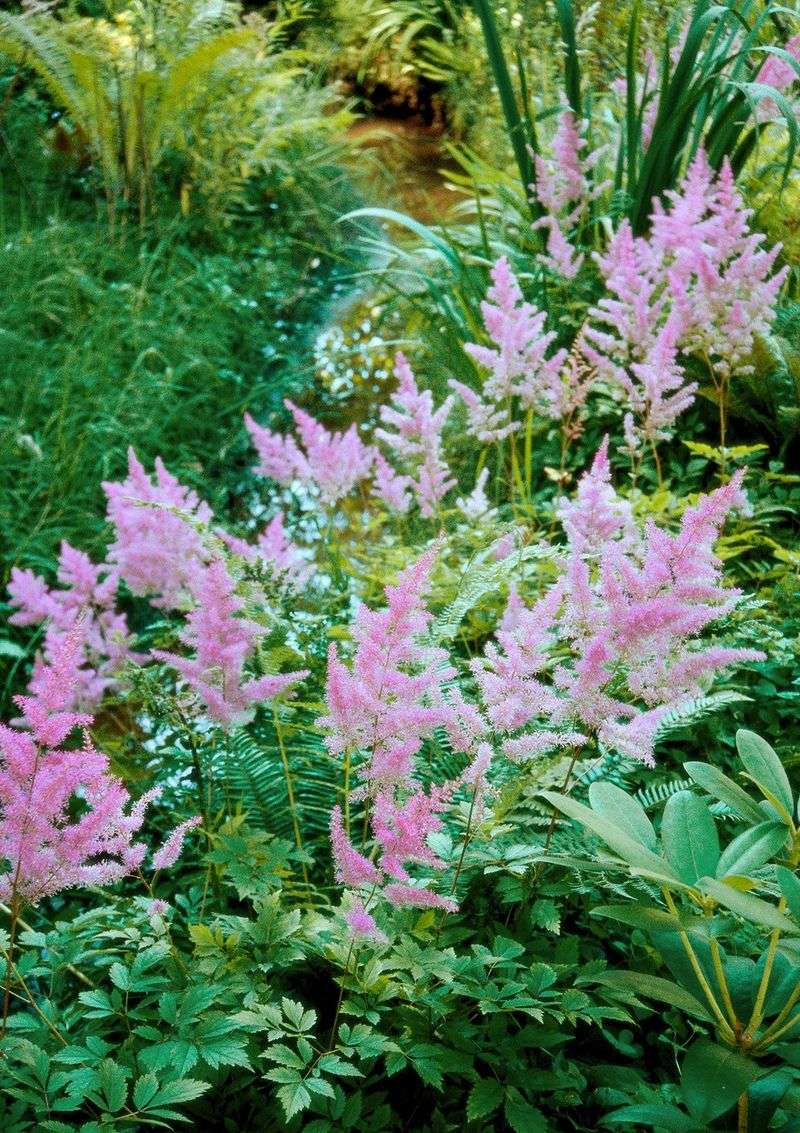
Astilbe is a favorite for shady gardens, known for its feathery plumes of flowers and fern-like leaves. This perennial thrives in moist, clay-rich soil and adds elegance with its delicate blooms.
These plants flower from late spring to early summer and come in a variety of colors, including pink, white, and red. Astilbe is perfect for creating layers of texture and color in shaded garden areas.
Hook: Astilbe’s blooms are like wispy fireworks, lighting up the shadiest corners of the garden with their soft colors.
Japanese Anemone
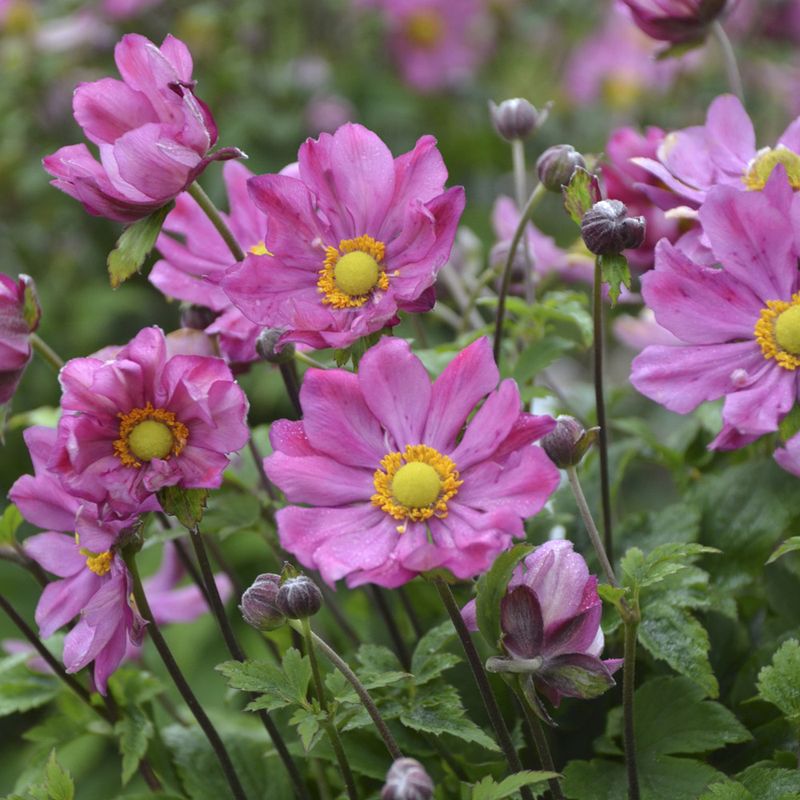
Japanese Anemones are elegant perennials that bloom in late summer to fall, adding beauty to gardens when many other plants have faded. They thrive in clay soil and prefer partial shade.
These flowers are known for their large, showy blooms and ability to spread, creating a naturalized look in the garden. They are perfect for adding a touch of grace and movement.
Quirky fact: Despite their name, Japanese Anemones are native to China and were popularized by European gardeners in the 19th century.
Lungwort
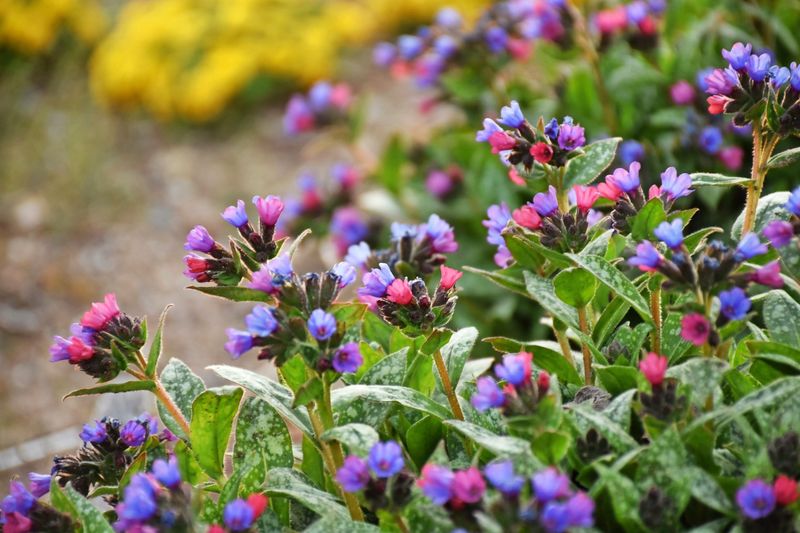
Lungwort, with its speckled leaves and clusters of pink and blue flowers, is a unique perennial perfect for shady spots in the garden. It thrives in clay soil and provides early spring blooms.
These plants are valued for their attractive foliage, which remains decorative throughout the growing season. Lungwort is a low-maintenance choice for creating interest in shaded areas.
Anecdote: The name “Lungwort” comes from the plant’s historical use in treating lung ailments, as its spotted leaves were thought to resemble diseased lungs.
Catmint
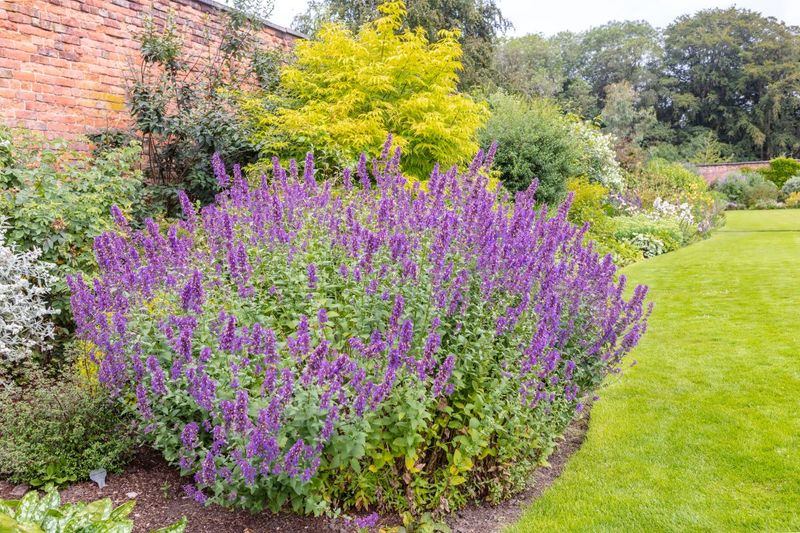
Catmint is a delight for both gardeners and cats alike, with its aromatic foliage and spikes of lavender-blue flowers. This perennial thrives in clay soil and provides color from late spring to early fall.
Catmint is drought-resistant and attracts pollinators, making it a valuable addition to any garden. It can be used to create soft, flowing edges along pathways and borders.
Fun fact: Catmint is closely related to catnip, and while it may not cause the same reaction in cats, they often enjoy rolling in its fragrant leaves.
Japanese Silver Grass
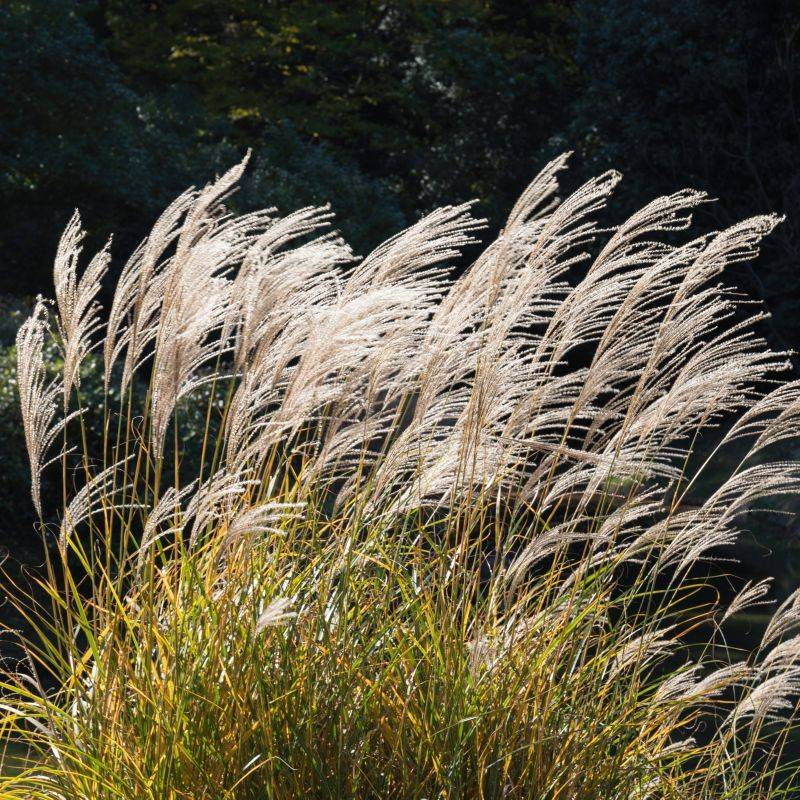
Japanese Silver Grass is an ornamental grass known for its tall, feathery plumes and graceful movement. It thrives in clay soil and adds height and interest to garden landscapes.
This grass is particularly striking in the fall when its plumes turn a silvery hue, catching the light beautifully. It is low maintenance and can withstand harsh weather conditions.
Hook: Japanese Silver Grass dances in the autumn breeze, creating a mesmerizing display of movement and light in the garden.
Coreopsis
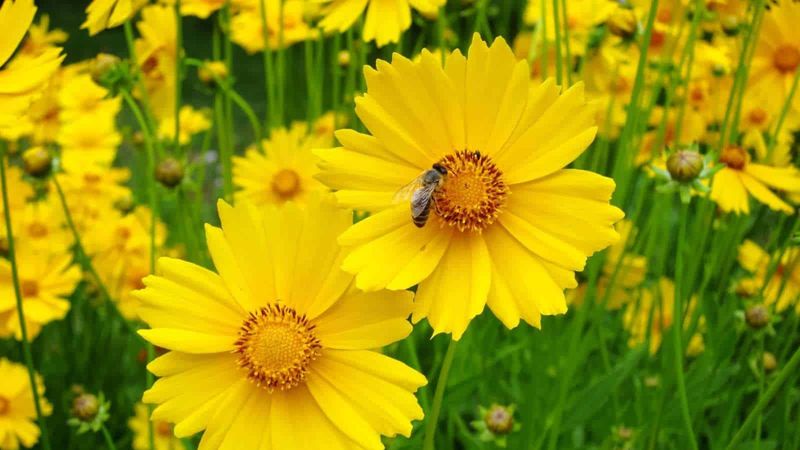
Coreopsis, often called “tickseed,” is a cheerful perennial known for its bright yellow flowers and long blooming period. It thrives in clay soil and brings sunshine to any garden space.
These flowers are easy to grow and attract butterflies, making them a favorite among gardeners. Coreopsis blooms from early summer to fall, providing continuous color.
Quirky fact: The name “tickseed” comes from the shape of its seeds, which resemble ticks. Don’t worry; the plant is perfectly safe for your garden!
False Indigo
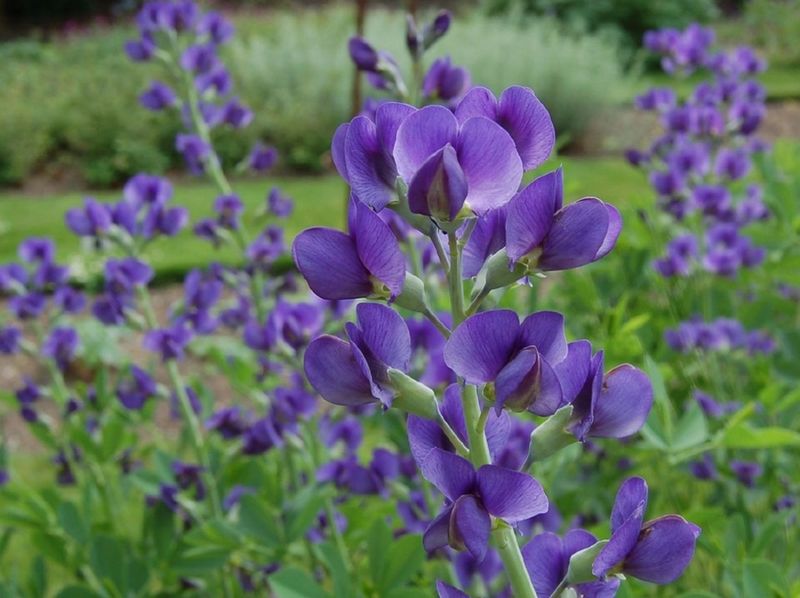
False Indigo is a striking perennial that stands out with its tall spires of blue-purple flowers. It thrives in clay soil and is known for its hardiness and long lifespan.
This plant blooms in late spring to early summer and is perfect for adding vertical interest to garden beds. Its seed pods, which appear in the fall, are also quite decorative.
Anecdote: False Indigo was once used as a substitute for true indigo dye, giving it its common name.
Hellebore
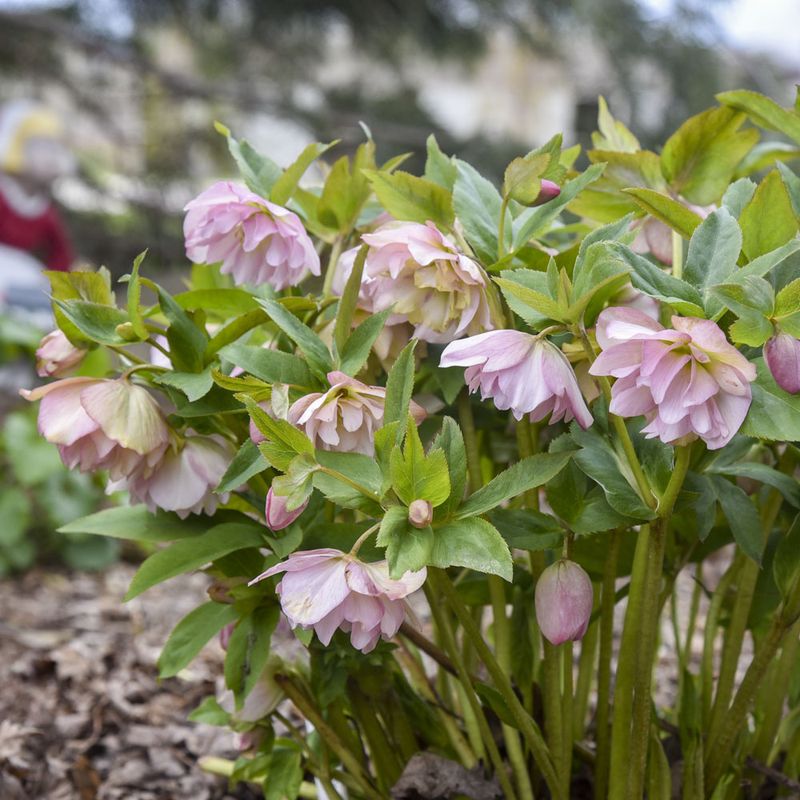
Hellebores, also known as “Lenten Roses,” are winter-blooming perennials that bring color to the garden when little else does. They thrive in clay soil and prefer shaded areas.
These plants are valued for their nodding flowers, which come in a variety of colors. Hellebores are also deer-resistant and long-lived, making them a valuable addition to any garden.
Hook: Hellebores are the quiet heralds of spring, blooming bravely even in the chill of winter, adding life when it’s least expected.