 Complete Gardening
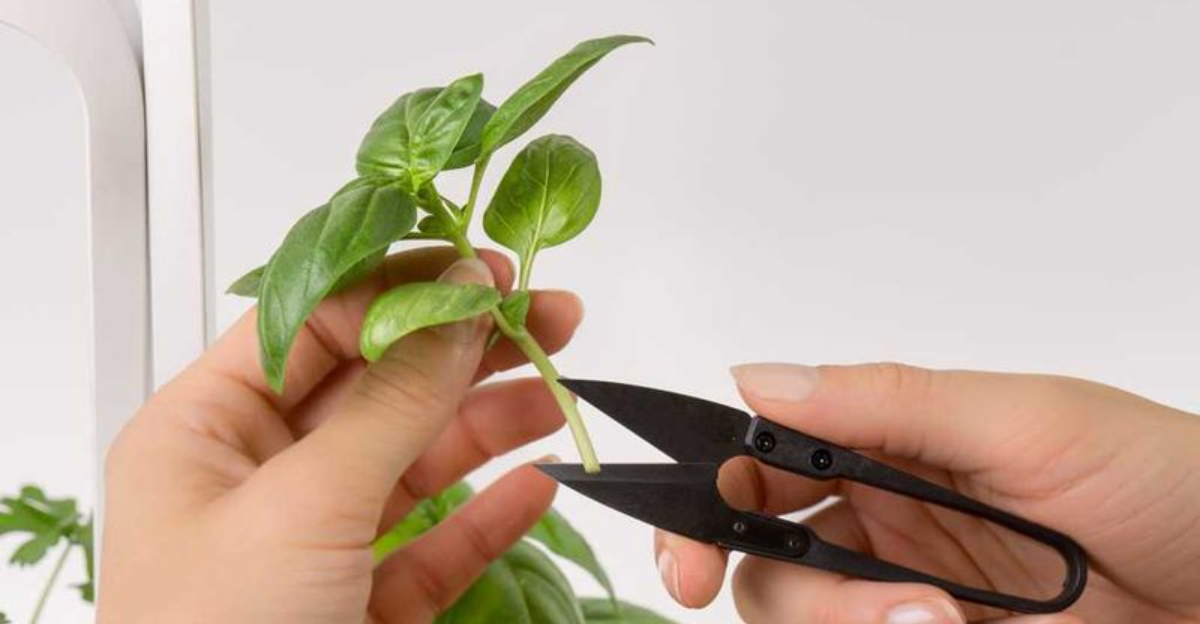
Growing herbs in the suburbs of Illinois can be a rewarding experience, but there are common mistakes that many gardeners make. By avoiding these pitfalls, you can ensure a flourishing and aromatic herb garden. Here are seven mistakes to watch out for when cultivating herbs in this region.
Overwatering
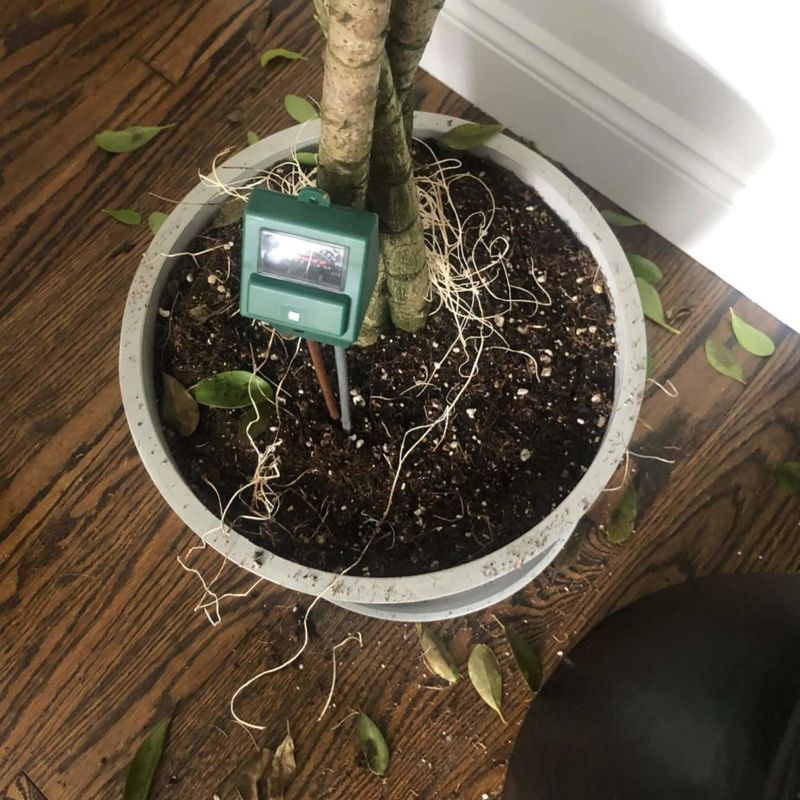
Watering your herbs might seem straightforward, but too much can lead to root rot. Herbs like rosemary and thyme prefer dry conditions. Overwatering can drown the roots, depriving them of necessary oxygen. Consider the Illinois climate, which varies greatly, and adjust your watering schedule accordingly.
Use well-draining soil and pots with drainage holes to prevent water from accumulating. An inch of water per week is usually sufficient, but always check the soil moisture before adding more.
Remember, it’s easier to revive a thirsty plant than one that’s been drowned.
Insufficient Sunlight
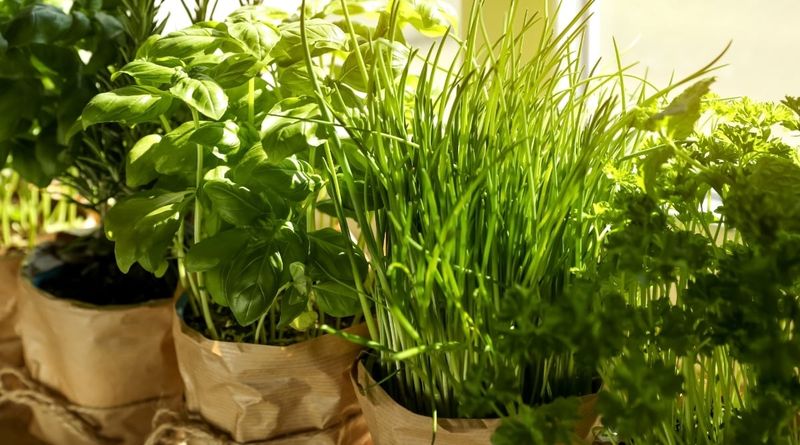
Herbs thrive in sunlight, requiring six to eight hours daily. In the Illinois suburbs, placing your garden in a sunlit spot is crucial. Lack of light results in leggy growth and weak plants, unable to produce flavorful leaves.
Consider the surrounding structures and trees, which might cast shadows on your garden. If natural light is scarce, supplement with grow lights to ensure your herbs receive their necessary dose.
Placement makes a significant difference, so choose wisely to enjoy abundant, aromatic harvests.
Ignoring Soil Quality
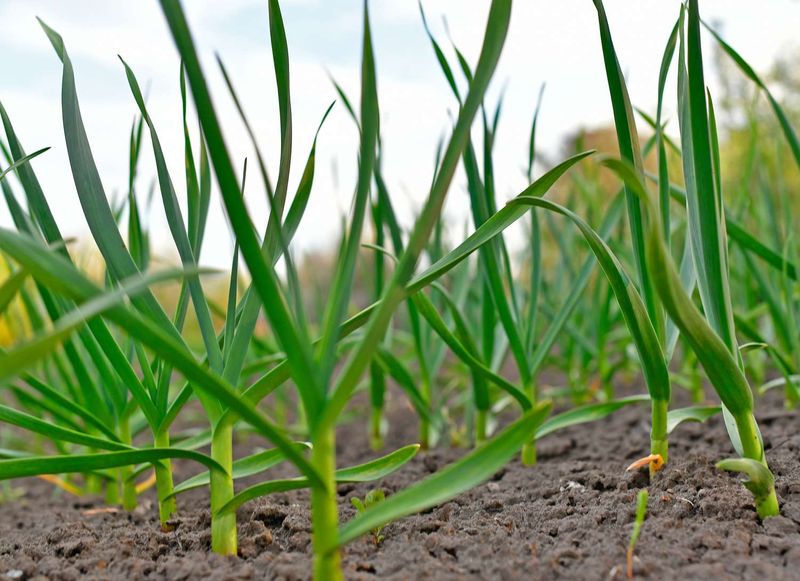
Soil quality directly impacts herb growth. Using poor or unamended soil can hinder your plants’ ability to absorb nutrients. In Illinois, where soil can be clay-heavy, improving it with compost and organic matter is essential.
Neglecting this step leads to nutrient deficiencies and stunted growth. Regularly test your soil for pH balance and nutrient content.
Healthy soil should crumble easily in your hands, indicating good structure and aeration. By investing in quality soil, you lay the foundation for a thriving herb garden.
Planting Herbs Too Close
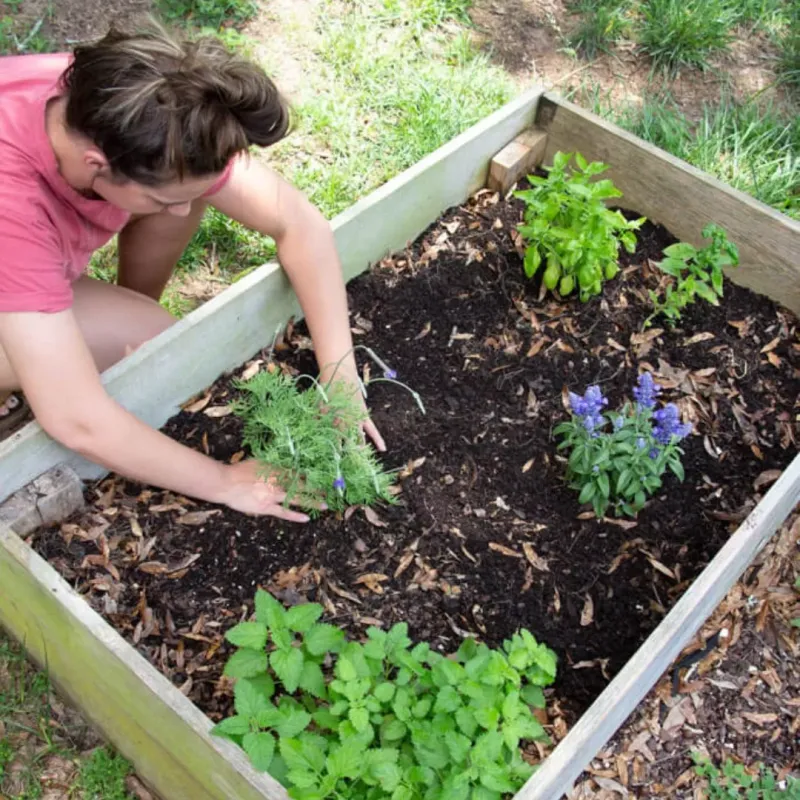
Herbs need space to grow and flourish. Planting them too close together can lead to competition for nutrients and light, resulting in stunted growth. In Illinois suburbs, where space might be limited, plan your garden layout carefully.
Allowing adequate space between each plant ensures they have room to spread their roots and receive sunlight. Crowded plants also have higher susceptibility to pests and diseases, as airflow is restricted.
Remember, a well-spaced garden is a healthy garden.
Neglecting Pest Control
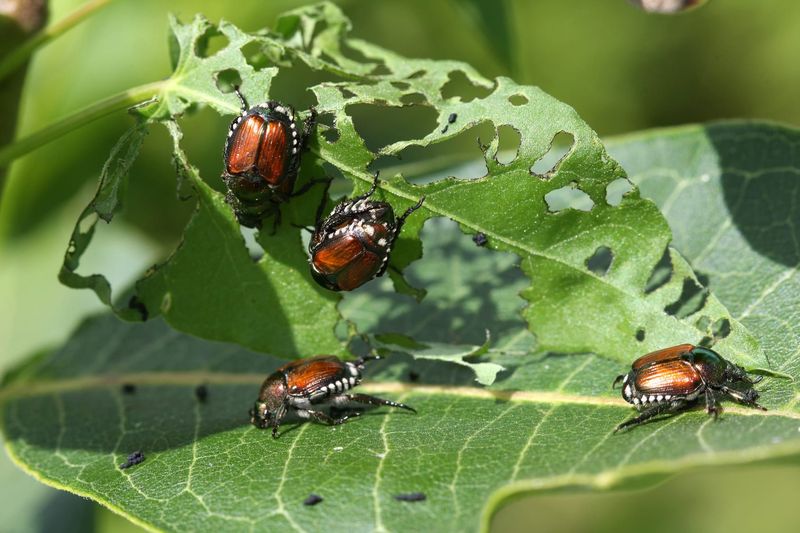
Pests can wreak havoc on your herb garden if left unchecked. Common pests in Illinois include aphids and caterpillars, which can quickly damage your plants. Regularly inspect your herbs for any signs of infestation, such as chewed leaves or discolored foliage.
Implementing natural pest control methods like introducing beneficial insects or using neem oil can protect your garden without harming the environment.
A proactive approach to pest control ensures your herbs remain healthy and vibrant.
Not Pruning Regularly
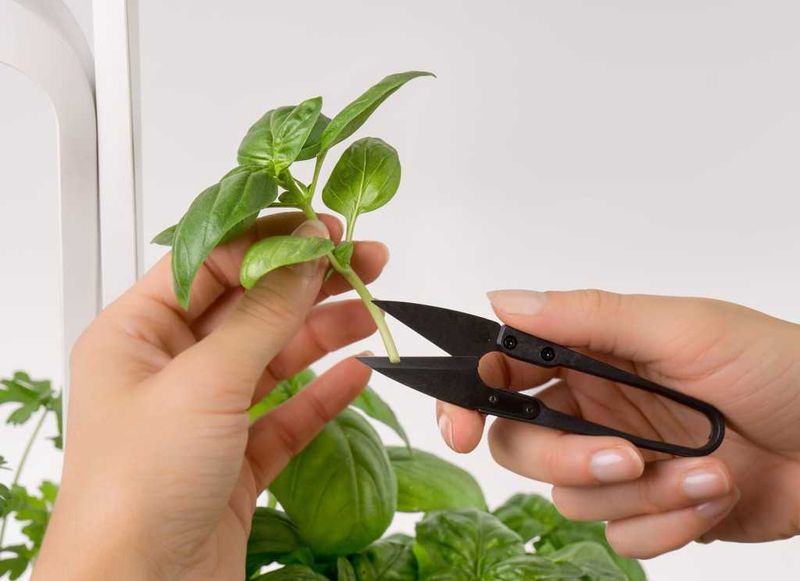
Pruning is essential for maintaining healthy herb plants. Without regular trimming, herbs can become overgrown and lose their potency. In Illinois, where growing seasons vary, staying on top of pruning is crucial for continuous growth.
Regular pruning encourages bushier growth and prevents your herbs from flowering, which can diminish their flavor. Use clean, sharp scissors to trim your plants, and remove any dead or yellowing leaves.
Keep your herbs tidy for a lush, productive garden.
Ignoring Seasonal Changes
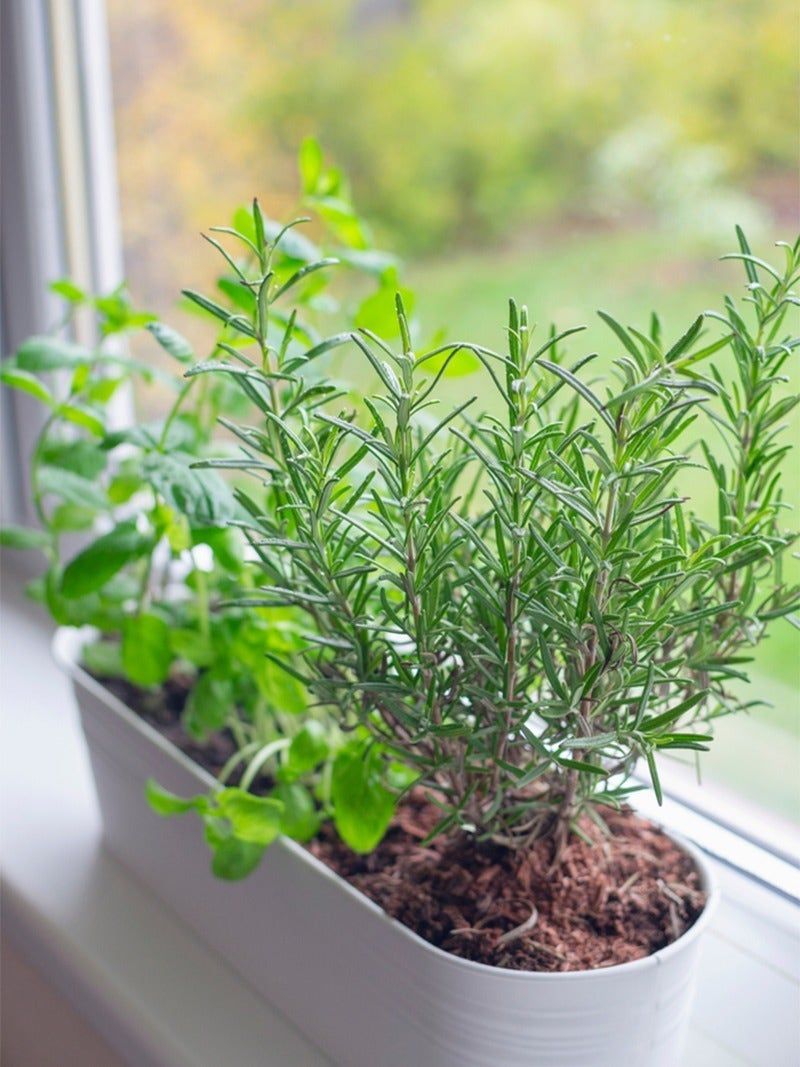
Herbs are sensitive to seasonal changes, and in Illinois, this can mean drastic shifts in weather. Ignoring these changes can lead to underprepared plants. Adjust your gardening practices to accommodate the seasons, such as moving pots indoors during frost warnings.
Consider planting hardy herbs that can withstand some of the harsher conditions in the region.
Seasonal awareness ensures your herbs survive and thrive throughout the year.