 Complete Gardening
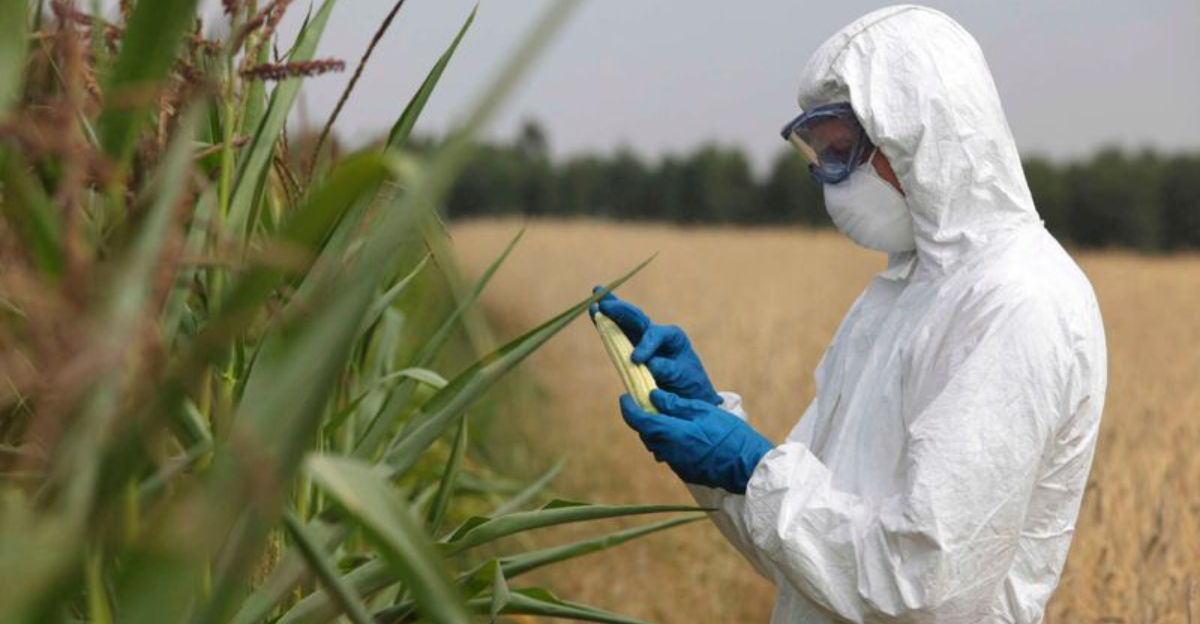
Genetically Modified Organisms (GMOs) have become a highly debated topic in recent years. While some see them as a solution to global food challenges, others raise concerns about their safety and impact on the environment. This blog post delves into various aspects of GMOs, exploring both the potential benefits and risks. It aims to provide a balanced view, allowing readers to make informed decisions about the role of GMOs in our world today.
1. What Are GMOs?
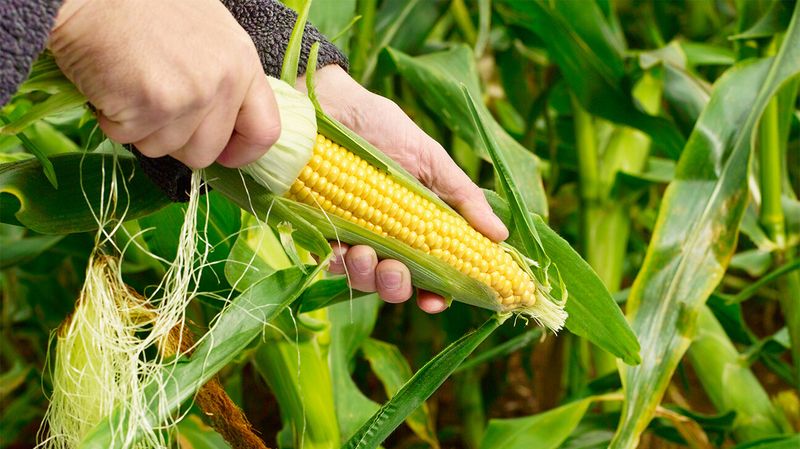
GMOs, or Genetically Modified Organisms, are living entities whose genetic material has been artificially manipulated in a laboratory setting. This often involves the introduction of DNA from a different species, endowing the organism with desirable traits. For example, Bt corn is engineered to resist pests, while Golden Rice is modified to contain vitamin A, addressing nutritional deficiencies. Soybeans have been altered to tolerate herbicides, ensuring robust crop yield. The goal of genetic modification is to improve food security and agricultural efficiency. These innovations are pivotal in addressing global hunger and enhancing nutritional profiles.
2. The Case FOR GMOs: Benefits & Safety
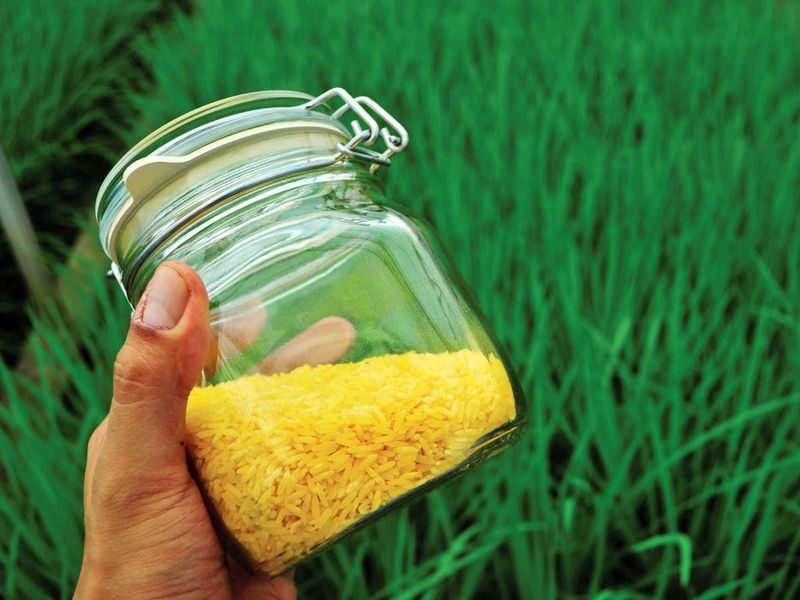
The benefits of GMOs are numerous and well-documented. Scientific organizations, including the World Health Organization and the FDA, affirm their safety for consumption. A comprehensive review in 2016 analyzed over 900 studies and found no evidence linking GMOs to human health risks. Furthermore, GMOs like Bt cotton reduce pesticide usage, offering environmental benefits. Golden Rice, rich in vitamin A, has the potential to combat malnutrition and prevent blindness. In drought-prone areas, genetically engineered crops can enhance resilience and food security, making them vital tools in combating climate change-related challenges.
3. The Case AGAINST GMOs: Risks & Concerns
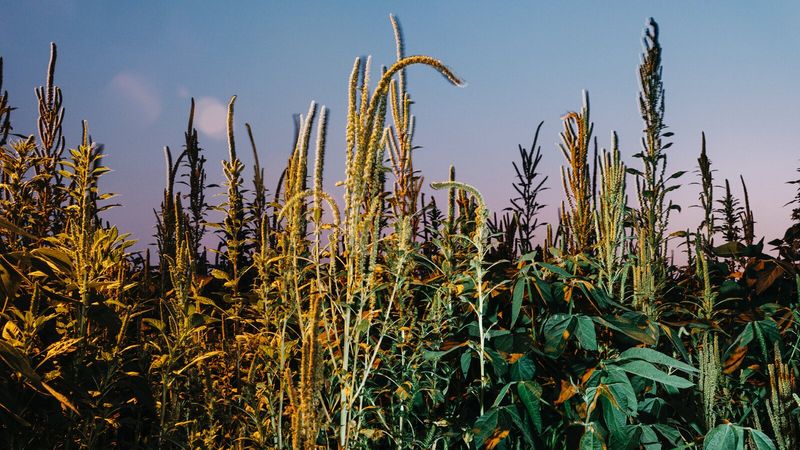
Despite their advantages, GMOs are not without controversy. Critics point to the rise of herbicide-resistant superweeds, a consequence of repeated glyphosate use on GMO fields. This compels farmers to turn to stronger chemicals, potentially harming ecosystems. Corporate control is another concern, with companies like Monsanto holding patents on seeds, threatening agricultural diversity and farmer autonomy. There’s also the risk of introducing allergens, as seen in past attempts to integrate Brazil nut genes into soybeans. Environmentalists worry about cross-pollination with wild species, potentially altering natural ecosystems irreversibly.
4. Common Myths About GMOs
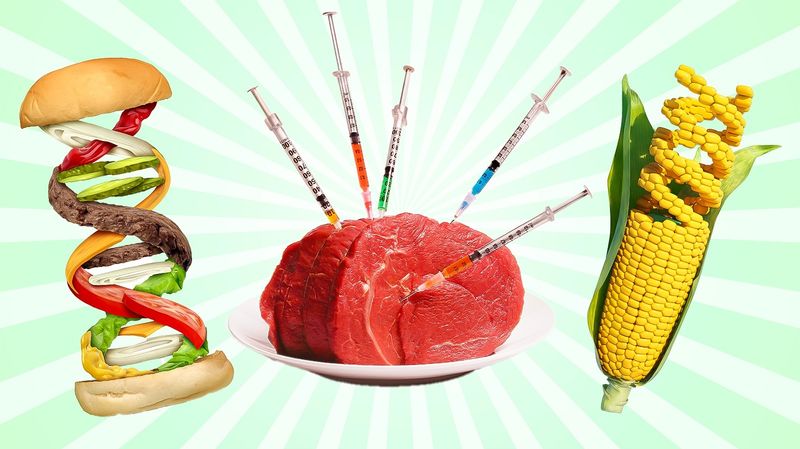
Many myths surround GMOs, fueling public skepticism. One prevalent belief is that GMOs cause cancer, though no credible scientific evidence supports this claim. The notion that GMOs are unnatural overlooks centuries of human intervention in agriculture. Genetic modification is merely a more precise continuation of this tradition. Another myth suggests that organic food is inherently superior, yet organic farming may require more resources and isn’t always more nutritious. It’s crucial to dispel these misconceptions to foster a nuanced understanding of what GMOs truly represent in modern agriculture and society.
5. The Verdict: Are GMOs Dangerous?
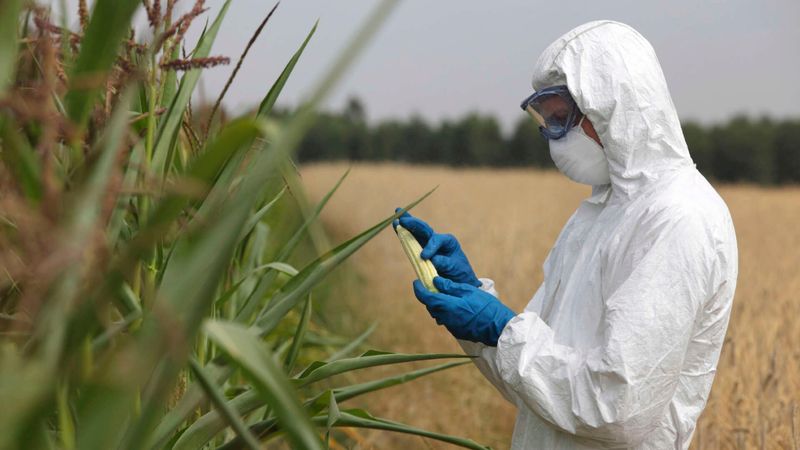
The debate on GMOs’ safety continues, with strong arguments on both sides. For human health, extensive studies have not shown adverse effects, affirming GMO food safety. Environmentally, challenges like superweeds and corporate monopolies persist, yet the benefits, including reduced pesticide use, cannot be ignored. Ethically, the discussion often centers on patents and the implications for global food equity. While the controversy remains, informed discussions based on scientific evidence and ethical considerations are essential in navigating the complex landscape of GMOs.
6. The Impact of GMOs on Biodiversity
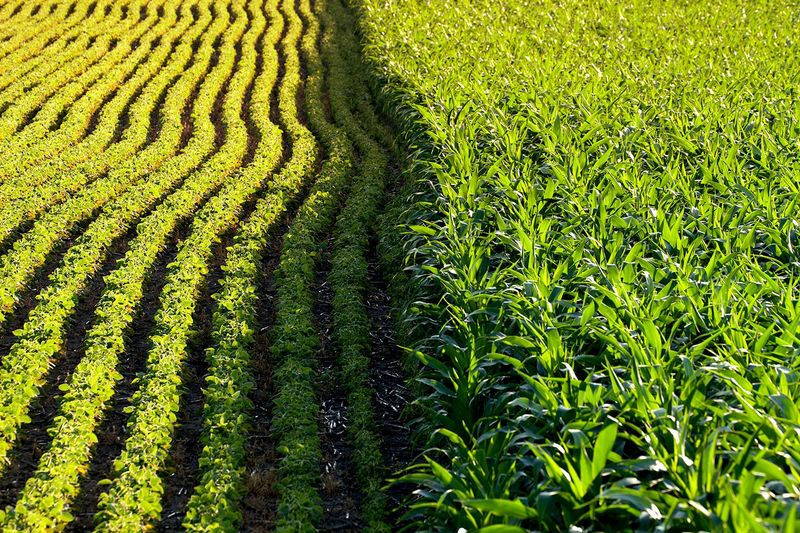
The introduction of GMOs into ecosystems has sparked concerns over biodiversity. Cross-pollination with non-GMO plants threatens to alter genetic pools, potentially leading to a reduction in genetic diversity. This shift might destabilize ecosystems, affecting species reliant on specific plants. Furthermore, the proliferation of GMO crops can impact insects, birds, and other wildlife, disrupting established food chains. While GMOs offer agricultural advantages, maintaining biodiversity is crucial for ecological balance. Ongoing research seeks to mitigate these impacts, striving for a harmonious coexistence between genetic innovation and natural ecosystems.
7. Ethical Considerations Surrounding GMOs

The ethical landscape of GMOs is complex, involving considerations of corporate influence and global food equity. The dominance of biotech companies raises questions about seed patents and farmer independence. Many argue that GMOs could widen the gap between affluent and developing nations, as access to technology may be uneven. Conversely, proponents highlight the potential for GMOs to alleviate hunger and malnutrition, offering humanitarian benefits. Navigating these ethical dilemmas requires a careful balance between technological advancement and social responsibility, ensuring that the benefits of GMOs are equitably distributed across societies.