 Complete Gardening
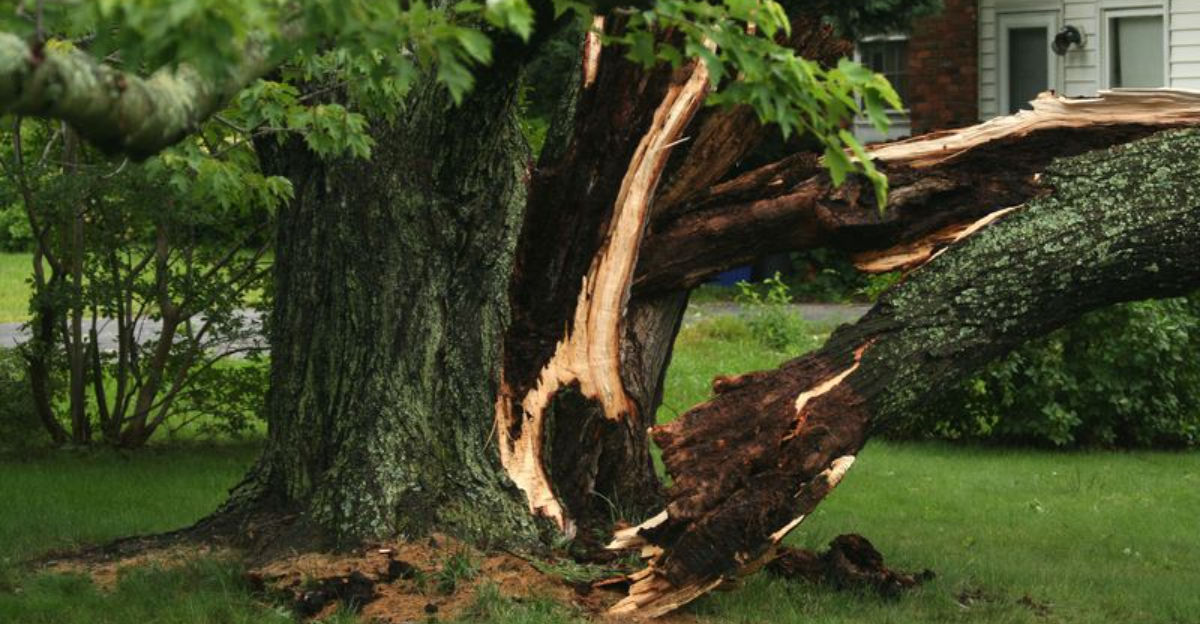
Those majestic trees in your yard add beauty and shade, but they can become dangerous threats when weakened or damaged.
Many homeowners miss the warning signs until it’s too late, resulting in costly property damage or even personal injury.
Knowing what to look for could save you thousands of dollars and keep your family safe from a sudden timber catastrophe.
1. The Tree Leans – A Lot
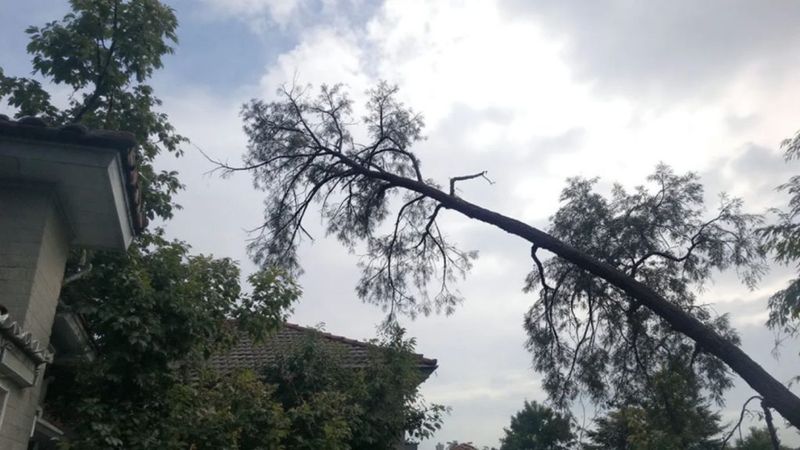
Trees naturally grow toward sunlight, but sudden or extreme leaning spells trouble. When a tree tilts more than 15 degrees from vertical, its root system might be failing underground.
The danger increases dramatically after storms or heavy rains when soil becomes loose. A newly developed lean indicates the tree is actively moving and potentially ready to topple.
Monitor any leaning tree by taking photos from the same spot every few months. If the angle increases, don’t wait – that’s nature’s most obvious warning that gravity is winning the battle.
2. Cracks in the Trunk or Major Branches
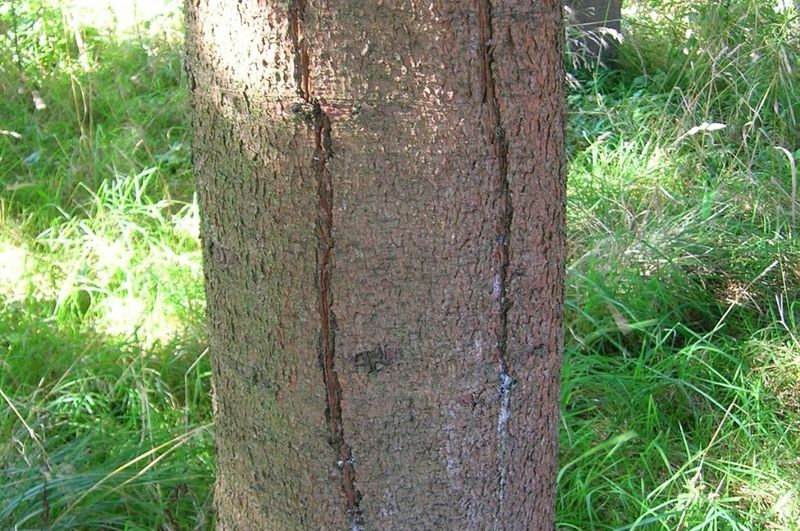
Deep fissures running vertically along the trunk aren’t just cosmetic issues—they reveal structural weakness that could lead to catastrophic failure. Unlike normal bark patterns, these cracks often extend deep into the wood itself.
Fresh splits appearing after storms are particularly concerning. They indicate the tree experienced stress beyond what its structure could handle.
Pay special attention to V-shaped branch connections with visible cracks. These weak unions commonly split apart during wind events, sending massive limbs crashing down with little warning.
3. Fungi Growing at the Base
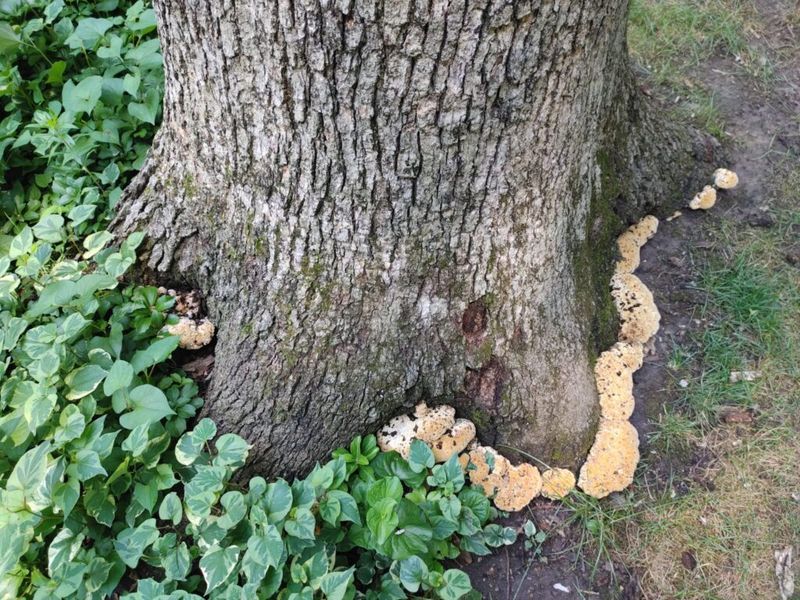
Those mushrooms sprouting around your tree’s base aren’t just a quirky natural decoration—they’re announcing serious internal decay. Fungi feed on dead or dying wood, so their presence means your tree is rotting from within.
Bracket fungi (those shelf-like growths) are particularly ominous signs. They indicate advanced decomposition that has likely hollowed out significant portions of the trunk.
Even if the tree still produces leaves and appears healthy above ground, fungal growth means its structural integrity is compromised. The tree might look solid but could snap unexpectedly during the next storm.
4. Dead or Dropping Branches
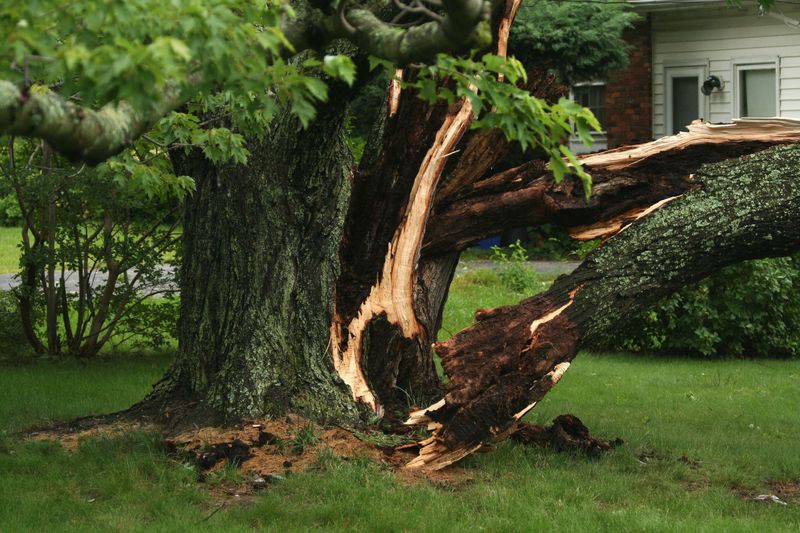
Finding large branches scattered across your yard after mild weather isn’t normal—it’s a tree’s distress signal. Healthy trees don’t randomly shed substantial limbs without cause.
This self-pruning often happens because internal decay has weakened branch attachments. The tree is essentially jettisoning parts it can no longer support. Look up and you’ll likely spot more dead branches still hanging precariously.
The technical term is “widow-makers” for good reason. These hanging branches can fall without warning, even on calm days, making them particularly dangerous to people and property below.
5. Heaving Soil Around the Base
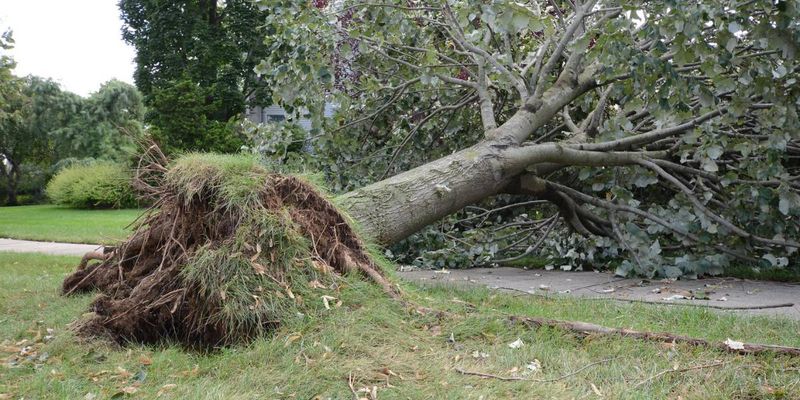
When soil begins to bulge or crack around your tree’s base, the underground root system is likely failing. This happens when roots lose their anchoring ability due to decay or damage.
Fresh mounds or raised soil on one side often indicate the tree is literally being pushed up as it begins to tip. You might also notice newly exposed roots that weren’t visible before.
This symptom becomes especially dangerous after heavy rain or irrigation when wet soil provides less stability. A tree showing root heaving can topple with shocking suddenness, giving you very little time to react once the process begins.
6. Trunk Cavities and Hollow Sounds
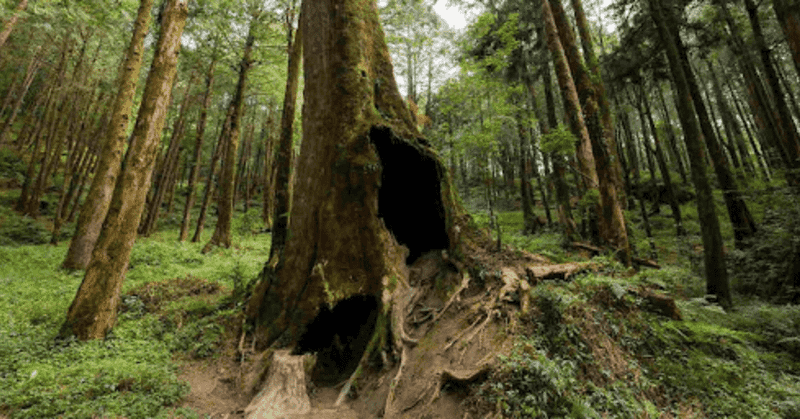
A simple knock test can reveal hidden dangers lurking within your tree. Solid trees produce a dull thud when tapped, while hollow ones create a distinctive echo-like sound that spells trouble.
Visible cavities in the trunk are even more concerning. These openings expose the tree’s interior to further decay and weaken its structural core.
Many homeowners mistakenly believe a tree can survive indefinitely with a hollow trunk. The reality? When a tree loses more than 30% of its interior wood mass, its ability to support itself dramatically decreases, making collapse a matter of when, not if.
7. Sparse Leaves or Sudden Dieback
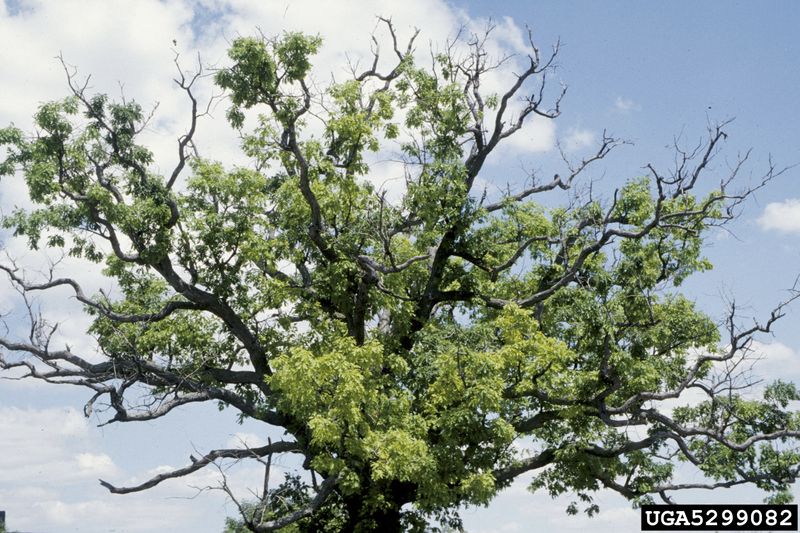
Healthy trees display full, vibrant foliage during growing seasons. When you notice thinning leaves, bare branches, or entire sections dying from the top down (crown dieback), your tree is sending distress signals.
This pattern often indicates root damage or disease that’s preventing proper nutrient flow. The tree essentially starves from the extremities inward.
Don’t be fooled by new sprouts at the base—these “survival shoots” are last-ditch efforts by a failing tree. They actually confirm the main structure is compromised and the tree is redirecting its remaining energy to sustain any growth possible.
8. Roots Are Exposed, Damaged, or Rotten
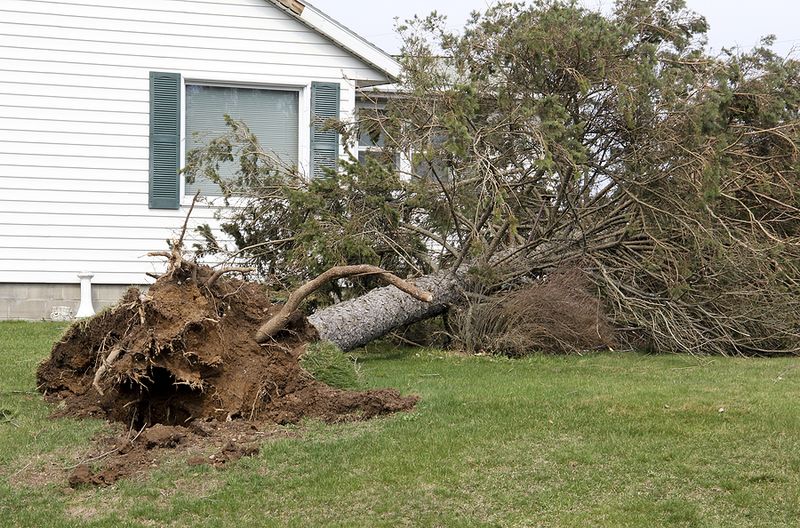
A tree’s root system typically extends underground at least as wide as its canopy. When these roots become exposed, severed, or decayed, the tree loses both its nutrient highway and its structural foundation.
Construction damage is a common culprit. Cutting even 20% of a mature tree’s roots can destabilize it and trigger a slow death spiral that culminates in collapse.
Soft, crumbly, or discolored roots indicate advanced decay. Unlike trunk issues which might be visible, root problems often remain hidden until the tree suddenly topples during adverse weather—making this perhaps the most insidious threat of all.
9. It’s Already Been Hit by Lightning
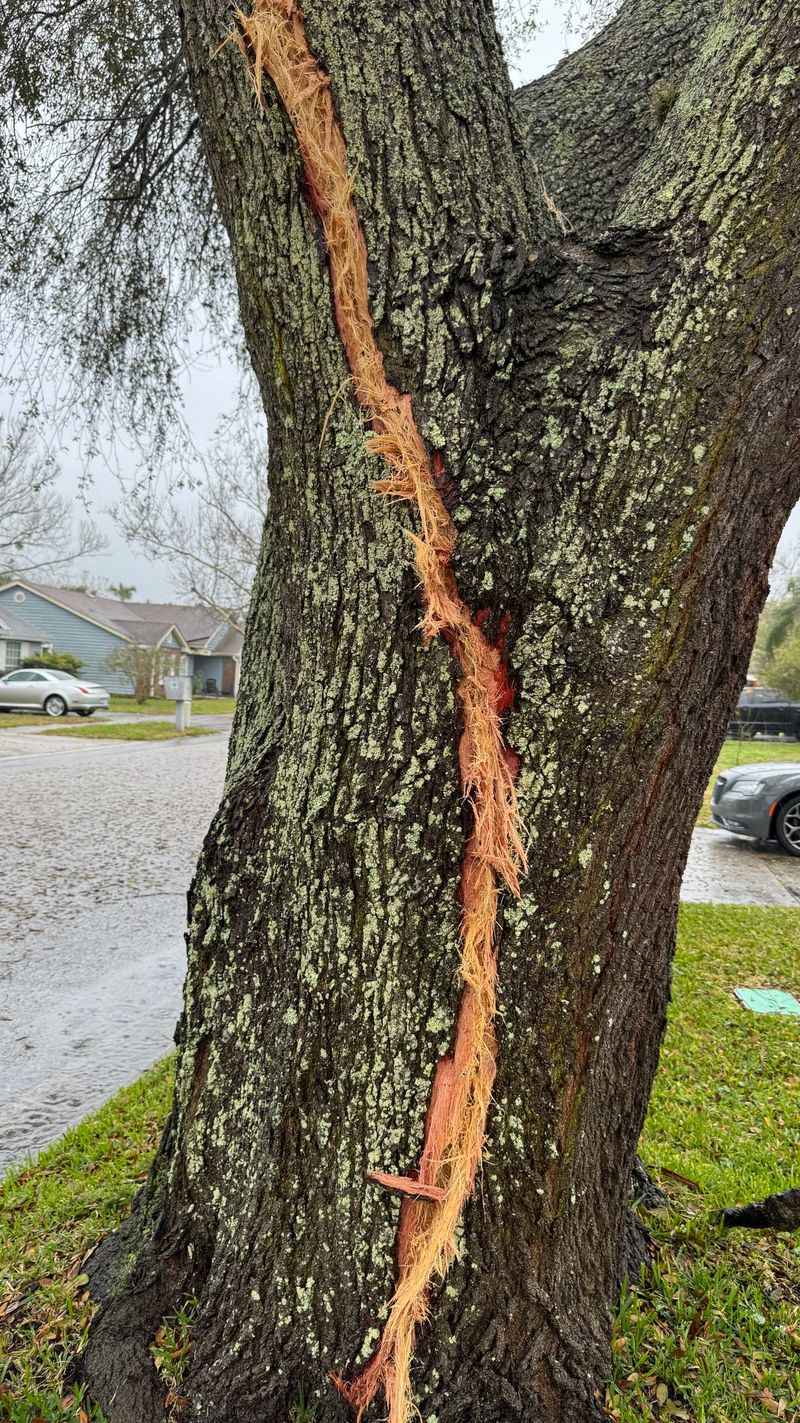
Lightning strikes trees more frequently than most people realize, and the damage extends far beyond visible scars. The electrical current instantly vaporizes sap inside the tree, creating explosive pressure that can split trunks or shatter branches.
Even trees that appear minimally damaged externally often suffer fatal internal injuries. The lightning’s heat effectively cooks the tree from inside, destroying vital tissues that transport water and nutrients.
Look for vertical strips of missing bark, burn marks, or sudden branch death after storms. A lightning-struck tree typically deteriorates over 3-12 months following the strike, becoming increasingly unstable as internal wood dries and cracks.