 Complete Gardening
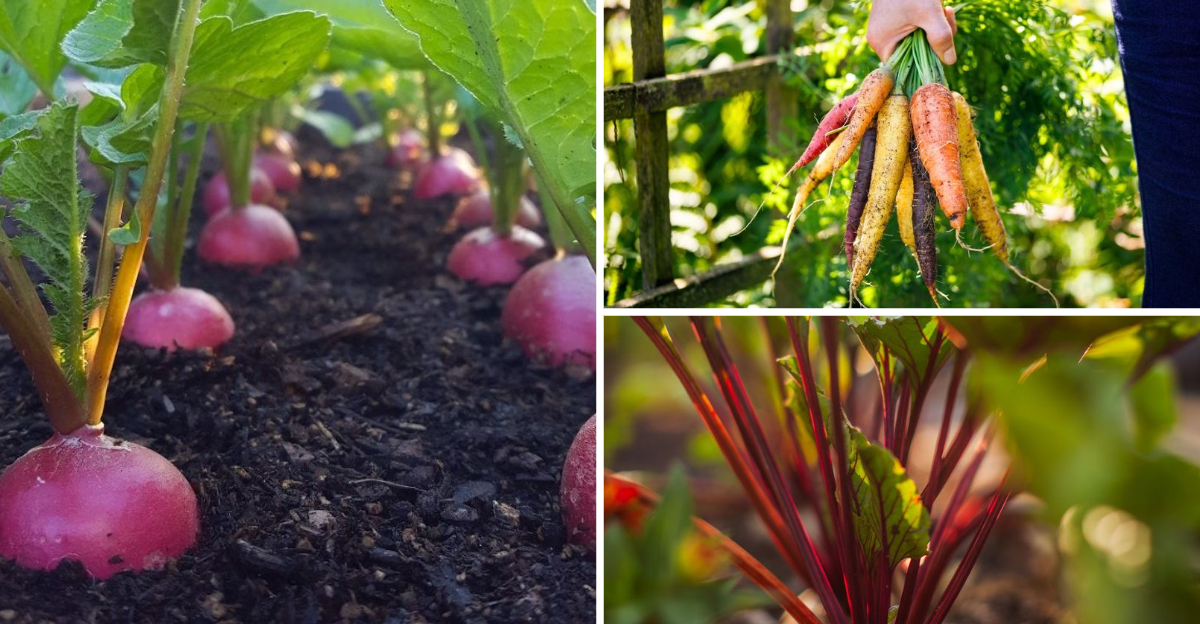
Planting vegetables in July might seem late, but there are several varieties that thrive when sown mid-summer. Whether you have a sprawling garden or a cozy balcony, these vegetables can fill your space with greenery and bounty. Embrace the warmth of July and cultivate these 15 resilient vegetables, ensuring a harvest that extends well into the cooler months.
1. Radishes
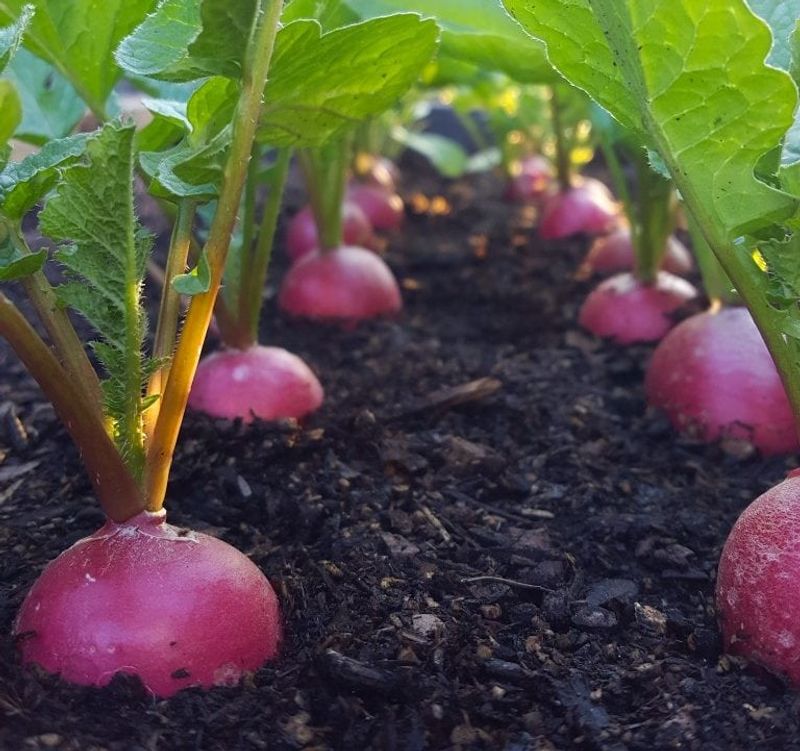
Radishes are quick to mature, making them ideal for a July planting. Their spicy crunch adds zest to salads and dishes. The fast-growing nature ensures you see results in as little as 30 days. Plant them in well-drained soil, and watch as they swiftly transform from seed to root.
These little bulbs thrive in cooler weather but can tolerate the heat of July if kept well-watered. Their versatility is unmatched, as every part, from root to leaf, is edible. Radishes don’t just add color to your garden; they bring joy with every crunchy bite.
Fun fact: Radishes were one of the first European crops brought to America!
2. Carrots

Carrots, with their sweet roots, are a gardener’s delight. When planted in July, they benefit from the warm soil, speeding germination. Choose a sunny spot with loose, sandy soil to encourage straight, long roots.
These vibrant vegetables are not only nutritious but also bring a splash of color to your meals. Although typically associated with cooler months, summer planting ensures you’ll enjoy a fall bounty. Remember to thin seedlings for optimal growth.
Fun fact: Carrots were originally purple! Their bright orange hue became popular in the 17th century.
3. Beets

Beets are a robust choice for July planting. They thrive in warm soil, making them perfect for mid-summer starts. Harvest both the roots and leaves; each adds a different flavor and texture to dishes.
Plant in a sunny location with well-drained soil, and you’ll have a versatile vegetable ready for harvest in about 50-60 days. Beets are celebrated for their earthy sweetness and nutrient-rich profile.
Did you know? Ancient Romans used beet greens as an aphrodisiac, long before the root became a culinary favorite!
4. Bush Beans

Bush beans offer easy cultivation and rapid growth, perfect for July planting. With their compact size, they’re suitable for small spaces or containers. These beans require warm soil and plenty of sunlight to flourish.
Their tender pods can be harvested continuously throughout the summer, providing a steady supply for your kitchen. Whether steamed, sautéed, or fresh, bush beans add a delightful crunch.
Interesting tidbit: Bush beans are descendants of wild vines that grew in Central and South America thousands of years ago.
5. Spinach

Spinach is a cool-season crop but works well as a late summer planting for an autumn harvest. Its rapid growth cycle means you can enjoy tender leaves in just a few weeks. Opt for partial shade to protect it from the intense July sun.
Rich in iron and vitamins, spinach is a nutritious addition to any meal. Keep the soil moist to ensure lush growth and sweet, tender leaves.
Fun fact: Spinach originated in ancient Persia and became popular in Europe during the Middle Ages.
6. Kale
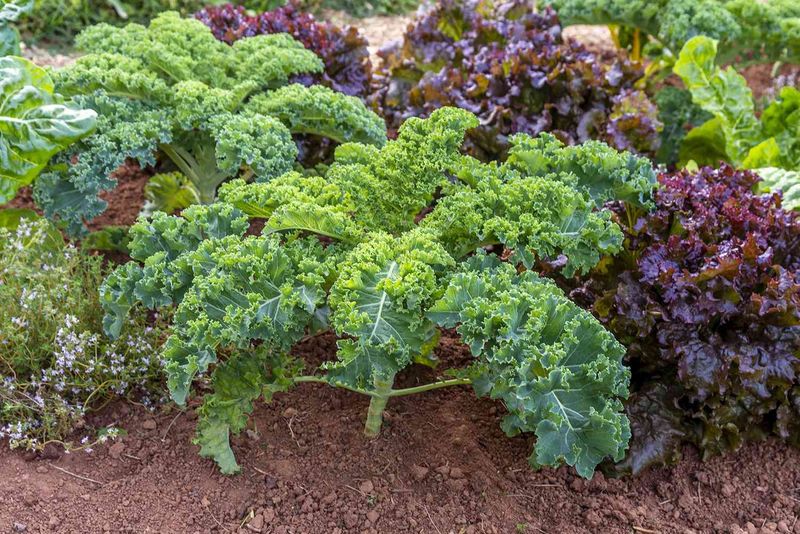
Kale, the garden superstar, thrives when planted in July. Known for its hearty leaves, it offers a robust flavor that only intensifies with cooler weather. Choose a sunny spot and ensure soil is enriched with compost for the best growth.
This leafy green is packed with nutrients, making it a superfood favorite. It’s not only resilient in heat but also frost-tolerant, allowing for extended harvesting. Kale is versatile in dishes, from smoothies to soups.
Did you know? Kale has been cultivated for over 2,000 years and was a staple in ancient Roman diets.
7. Cucumbers

Cucumbers love the heat, making July the perfect time to plant them. Their vines spread quickly, so ensure they have ample space or a sturdy trellis for support. Fresh cucumbers add a refreshing crunch to salads and sandwiches.
Opt for well-drained soil and consistent watering for the juiciest results. Whether you choose slicing or pickling varieties, cucumbers will reward with abundant yields.
Fun fact: Cucumbers are 95% water, making them an excellent hydrating snack in the summer heat.
8. Swiss Chard
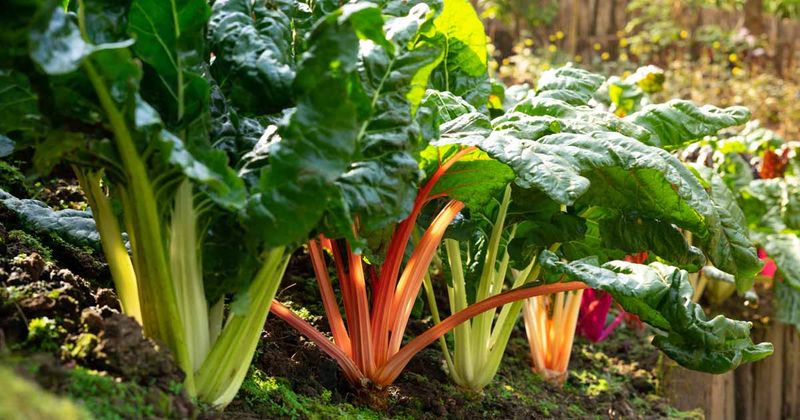
Swiss chard stands out with its colorful stems and resilient nature. It’s an excellent choice for July planting, thriving even in warm temperatures. The leaves are tender and can be harvested gradually throughout the season.
Rich in nutrients, Swiss chard is a versatile addition to meals, from sautés to salads. For best results, plant in well-drained soil with plenty of sun.
Interesting fact: Swiss chard is not actually from Switzerland; it was named by a Swiss botanist who classified it in the 19th century.
9. Zucchini

Zucchini is a prolific producer, ideal for summer planting. With its sprawling vines, it requires space to flourish, but the rewards are plenty. Plant in rich, well-drained soil and water consistently for the best yield.
This vegetable is not only delicious but also versatile, fitting into a variety of dishes from breads to stir-fries. Harvest them young for the sweetest flavor.
Fun fact: The world’s largest zucchini was over 8 feet long and weighed nearly 65 pounds!
10. Lettuce

Lettuce is perfect for successive plantings throughout the summer. Its quick maturity allows for continuous harvests, adding fresh greens to your table. Be sure to plant in a cooler part of the garden or provide shade cloth to protect from the scorching July sun.
With so many varieties, you can enjoy diverse textures and flavors. Whether in salads or as garnishes, lettuce is a staple. Keep soil moist to prevent bitterness.
Fun fact: Lettuce was first cultivated by the ancient Egyptians, who considered it a sacred plant.
11. Turnips

Turnips are a delightful addition to a July garden. Both the roots and greens are edible, offering versatility in the kitchen. They mature quickly and are best planted in well-drained, fertile soil.
These root vegetables thrive in cooler weather but can handle the summer heat with adequate water. Their mild flavor complements a variety of dishes.
Fun fact: Turnips were a staple food in ancient Greece and Rome, often used as a barter item due to their nutritional value.
12. Peas
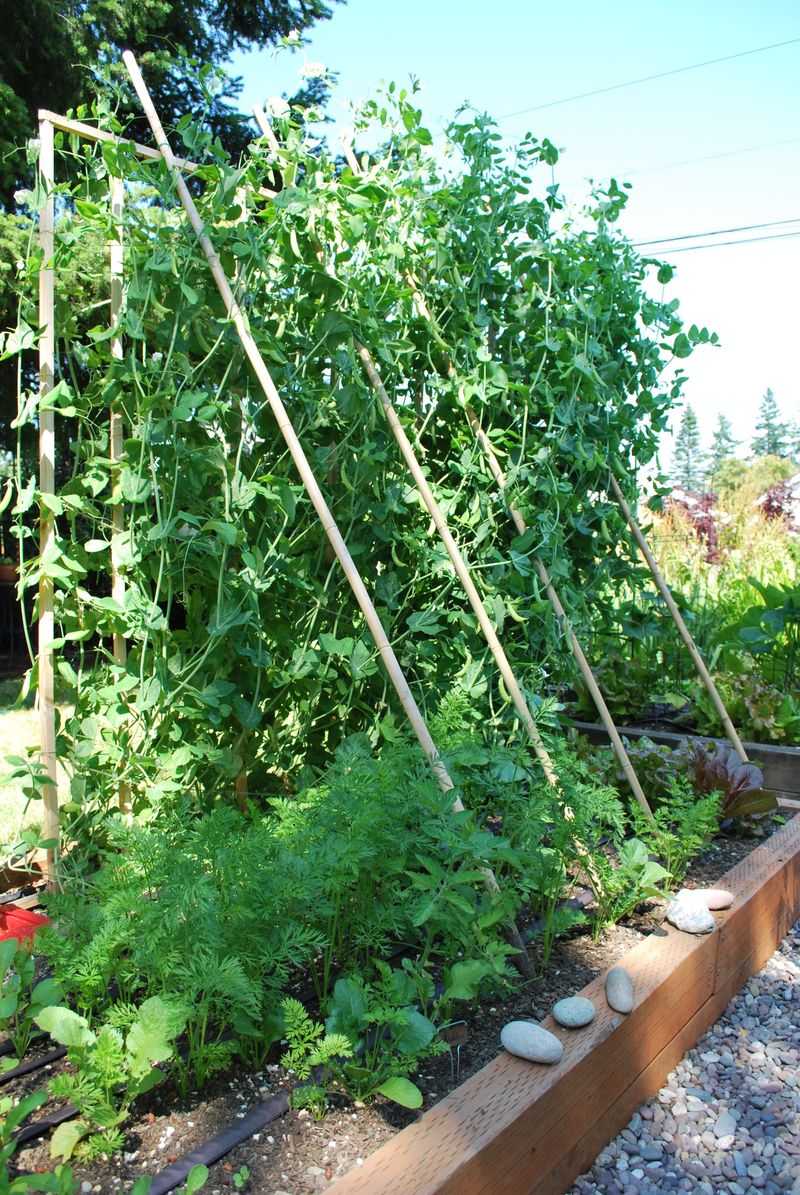
Peas, often associated with spring, can be planted in July for a late summer harvest. They prefer cooler temperatures but are resilient enough to manage a summer start. Support them with a trellis to encourage healthy growth.
The sweetness of freshly picked peas is unparalleled, whether eaten raw or cooked. Plant in fertile, well-drained soil for the best results.
Interesting fact: Peas have been cultivated for thousands of years, with evidence of their presence in ancient Egyptian tombs!
13. Collard Greens

Collard greens are a southern favorite that thrive in the heat of July. Their large, deep green leaves are packed with nutrients, making them a health powerhouse. Plant in full sun and keep the soil consistently moist to ensure tender leaves.
These greens are versatile, perfect for traditional dishes or modern salads. They handle summer heat well and can grow into the cooler months.
Fun fact: Collard greens have been cultivated for over 2,000 years, with origins tracing back to ancient Greece.
14. Pak Choi

Pak choi, or bok choy, is a wonderful addition to a mid-summer garden. Its tender leaves and crunchy stems are delicious in stir-fries and soups. Plant in a sunny location with fertile soil for the best growth.
It matures quickly, allowing you to enjoy fresh greens in just a few weeks. Keep well-watered during hot spells to prevent bolting.
Fun fact: Pak choi has been grown in China for over 5,000 years, making it one of the oldest cultivated vegetables.
15. Broccoli
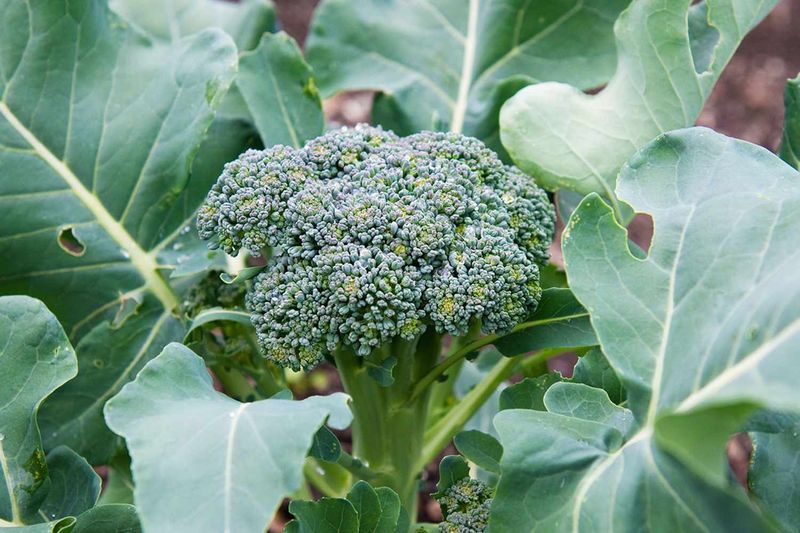
Broccoli is a versatile vegetable that can still be planted in July for a late harvest. These plants will flourish in the summer heat and provide nutrient-rich florets.
Start by sowing seeds directly into the garden or using transplants for a quicker yield. Ensure they receive adequate water to combat the summer dryness.
Did you know? Broccoli was first cultivated in Italy over 2,000 years ago. Its resilient nature makes it a great choice for mid-summer planting, ensuring a tasty addition to your fall meals.