 Complete Gardening
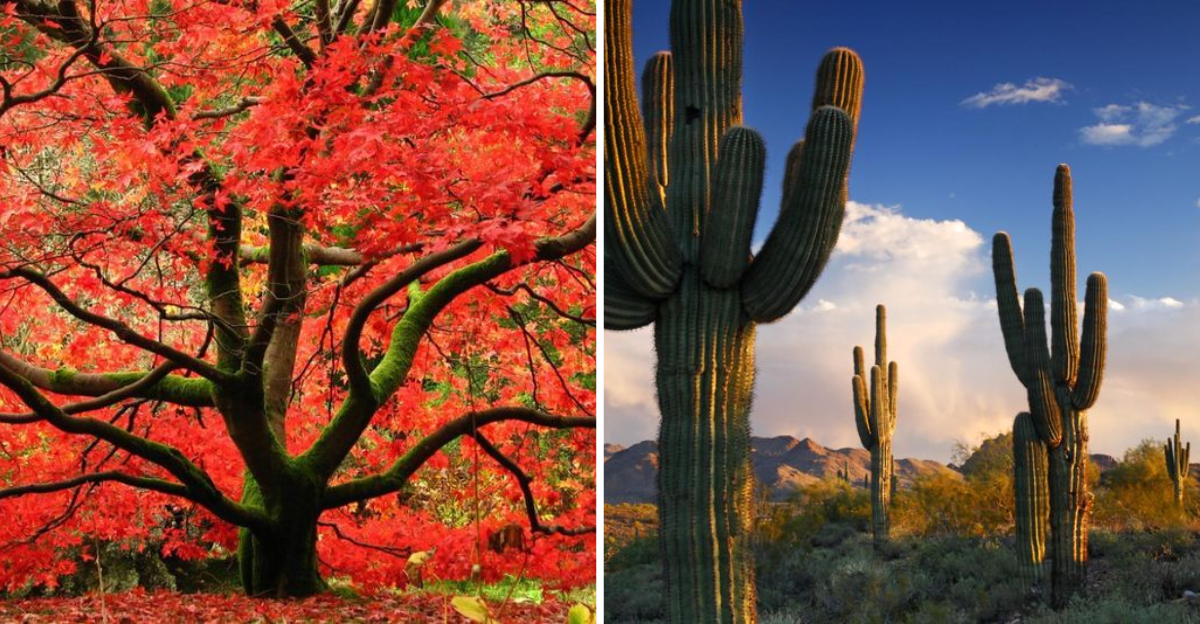
Discover the resilient wonders of nature with these long-lasting plants. Each one offers beauty and endurance, promising to stand the test of time in your garden. Whether you’re an experienced gardener or just starting, these plants will ensure your green space thrives for generations.
1. Bristlecone Pine
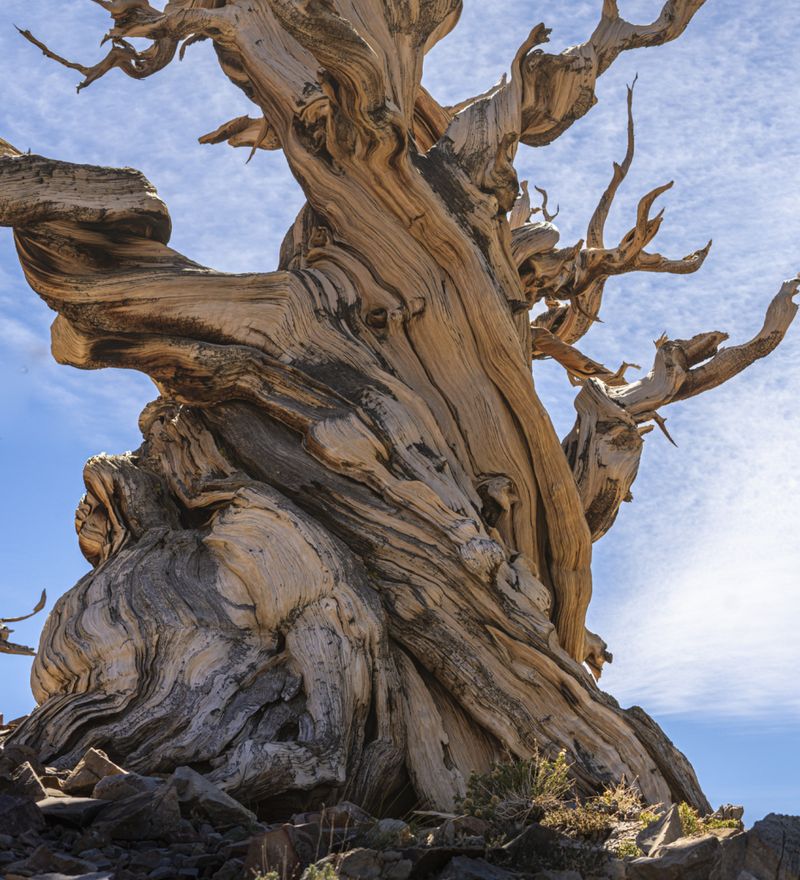
The Bristlecone Pine, a symbol of endurance, has been thriving in harsh conditions for thousands of years. Known for its twisted appearance, it can live for over 5,000 years, making it one of the oldest living organisms on earth. Imagine the stories it could tell!
Planted in well-draining soil, this resilient species requires little water, thriving in rocky terrains. Its needles are dense and spiky, offering an intriguing silhouette against the sky.
Fun fact: The oldest known Bristlecone Pine, named Methuselah, is over 4,800 years old and resides in California’s White Mountains.
2. Olive Tree
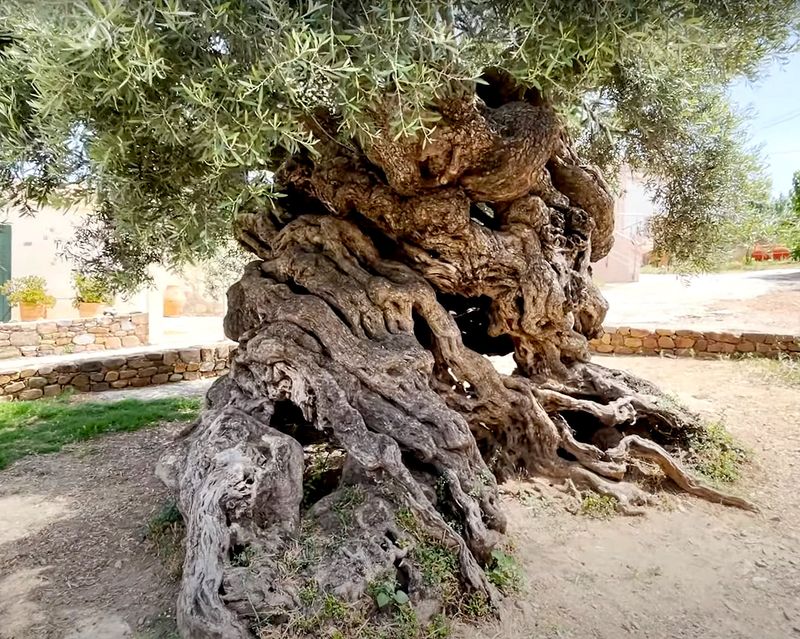
The Olive Tree, with its gnarled trunk and silvery leaves, carries the essence of the Mediterranean. Revered through history, it’s not only a symbol of peace but also a practical choice for a long-lasting garden.
These trees can live for centuries, some even reaching a thousand years! Their adaptability to various soil types makes them a gardener’s delight.
The olives they bear are a delicious bonus, adding to their charm. Historical records tell us these trees have been cultivated since 3000 BC, making them a true legacy plant.
3. Ginkgo Biloba
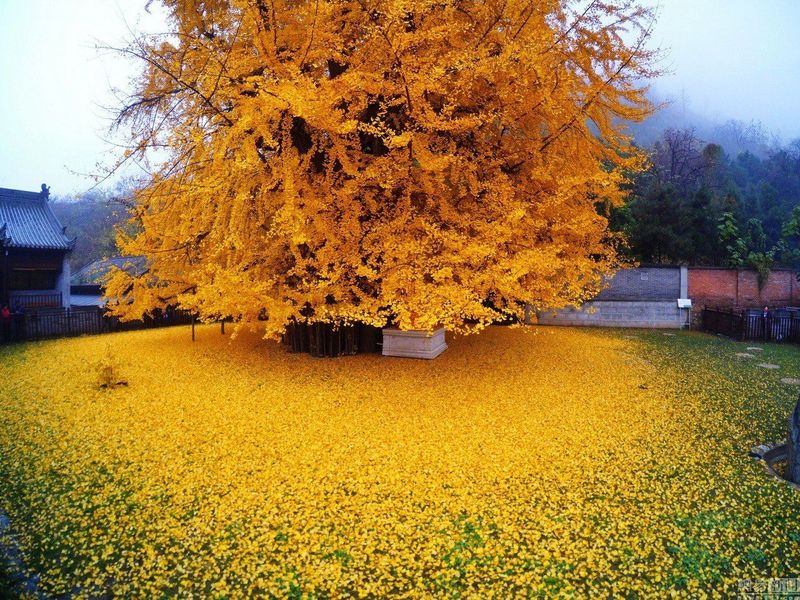
Ginkgo Biloba, often dubbed a living fossil, has been around for over 200 million years. Its fan-shaped leaves, which turn a brilliant yellow in autumn, create a stunning visual display.
This tree is not only resilient but also offers health benefits, with extracts used in traditional medicine. It’s a perfect blend of beauty and utility.
Ginkgos are incredibly hardy, thriving in urban environments and resistant to pollution. Did you know? Some Ginkgo trees survived the Hiroshima bombing, standing as a testament to their remarkable resilience.
4. Japanese Maple
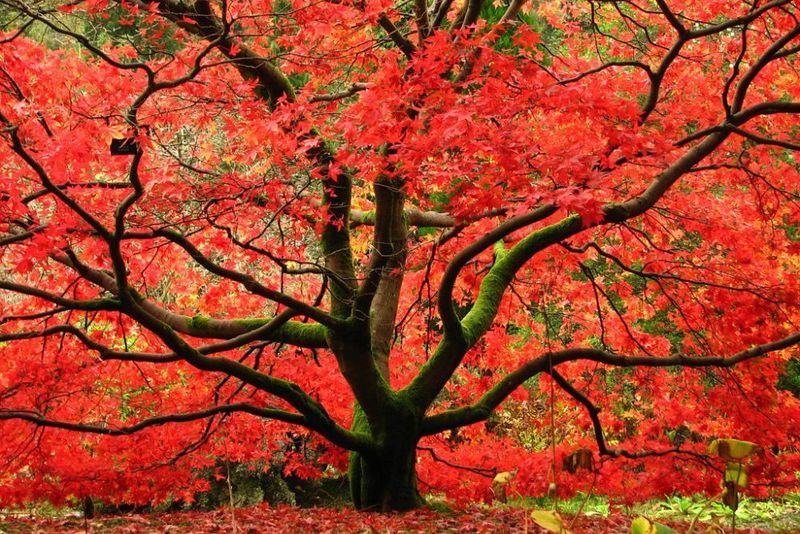
Japanese Maple, known for its delicate, lacy leaves, transforms gardens with its vibrant colors. In autumn, its foliage turns a fiery red, creating a breathtaking spectacle.
These trees, though slow-growing, can live for over a hundred years, becoming cherished heirlooms in gardens. Their graceful branches provide a serene ambiance, making them a favorite among landscape designers.
Japanese Maples are versatile, thriving in both sun and partial shade, making them ideal for various garden settings. Their beauty and longevity ensure they leave a lasting impression.
5. Saguaro Cactus
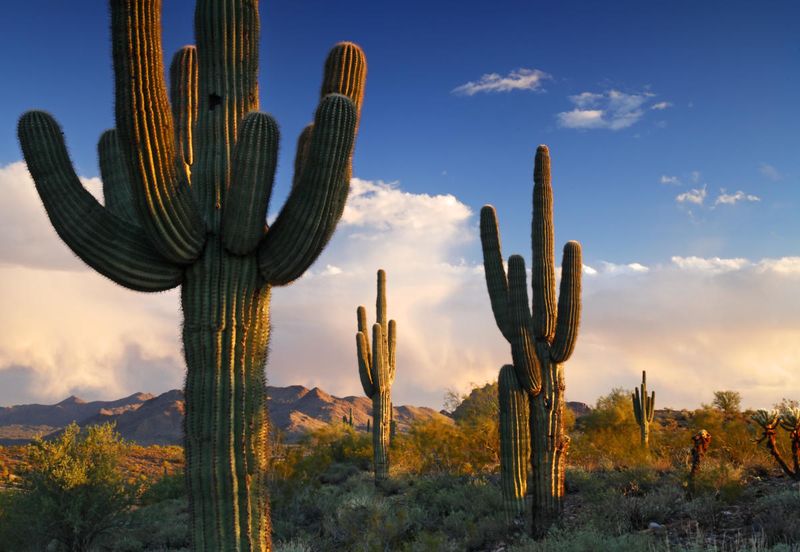
The iconic Saguaro Cactus, towering over the Arizona desert, stands as a symbol of the American Southwest. These majestic giants can live for over 150 years, reaching heights of up to 40 feet.
Their unique silhouette is recognizable worldwide, with arms that seem to wave at the sky. Saguaro Cacti are adapted to survive the harsh desert climate, requiring minimal water.
Interestingly, they begin to grow arms only after 75 years! This slow growth pattern contributes to their incredible lifespan, making them a true legacy plant for desert landscapes.
6. Coast Redwoods
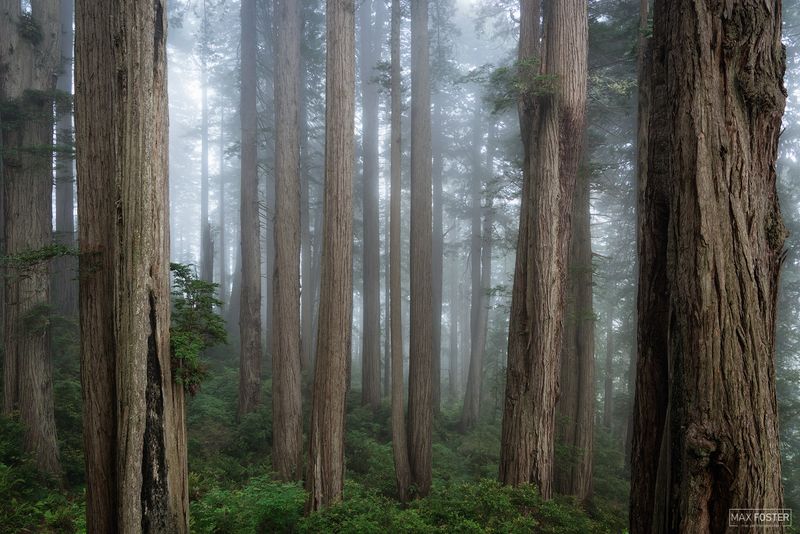
Coast Redwoods, the tallest trees on earth, create awe-inspiring forest landscapes. Standing proudly along the Pacific coast, they can grow over 350 feet tall and live for more than 2,000 years.
These giants thrive in foggy, coastal environments, where they receive ample moisture. Their thick bark provides protection against fire and pests, contributing to their longevity.
Fun fact: Some redwoods are so large that tunnels have been carved through them for cars to pass! Their majestic presence ensures they are a legacy worth preserving in any forest setting.
7. Wollemi Pine
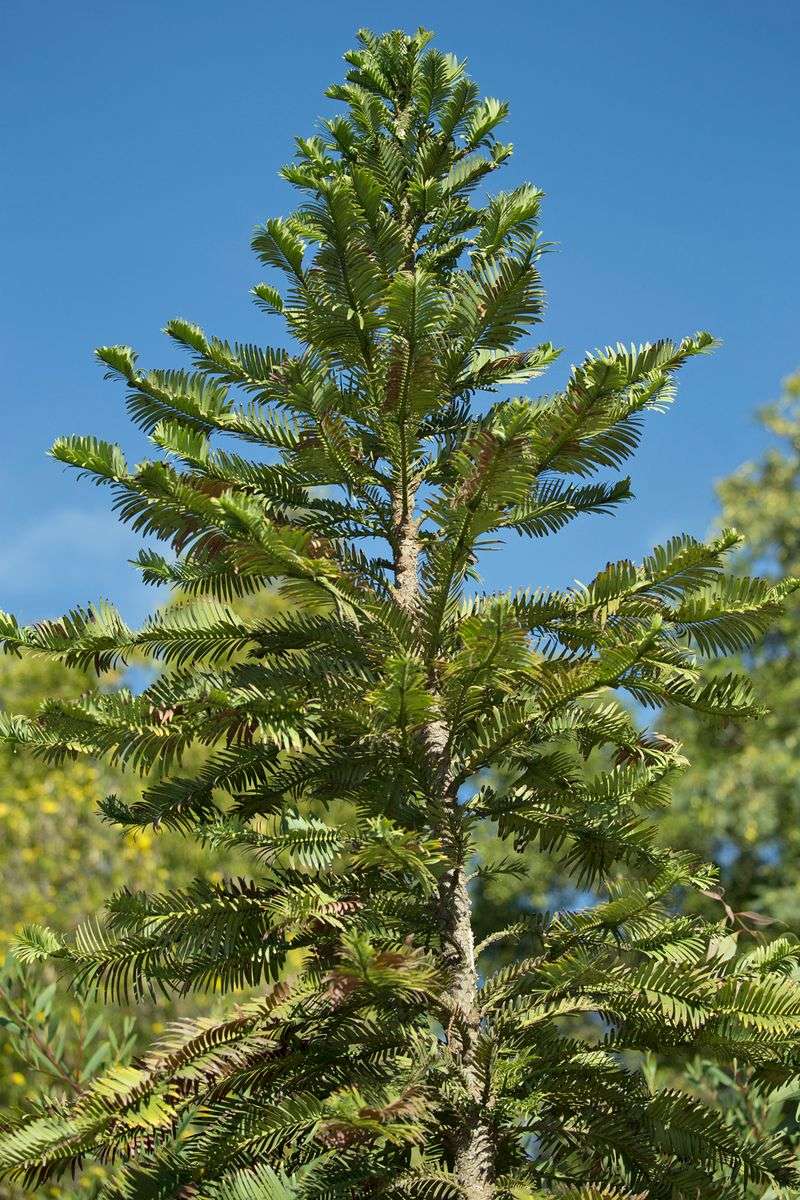
The Wollemi Pine, once thought extinct, is a botanical marvel. Discovered in Australia in 1994, it’s now a cherished species for conservationists. This ‘dinosaur tree’ dates back 200 million years, holding secrets of ancient landscapes.
Its textured bark and unique foliage make it a visual delight. Despite its prehistoric roots, it’s surprisingly adaptable to modern gardens.
Planting a Wollemi Pine is like owning a piece of history, ensuring that this rare species continues to thrive for future generations. Who wouldn’t want this living fossil in their garden?
8. Baobab Tree
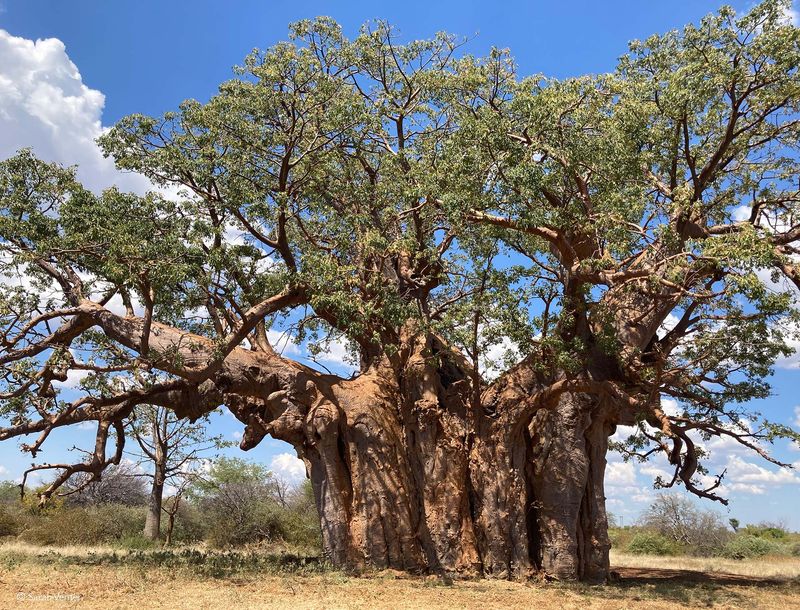
The Baobab Tree, often called the ‘Tree of Life,’ is a remarkable sight in the African savannah. With its massive trunk and sparse branches, it stores water to survive droughts, living for thousands of years.
Its presence is both awe-inspiring and essential, providing food, water, and shelter to many species. Baobabs are a testament to nature’s resilience and adaptability.
The tree’s fruit is packed with nutrients, adding to its legendary status. Fun fact: Some Baobabs are so wide that people have carved bars and chapels into their trunks!
9. Joshua Tree
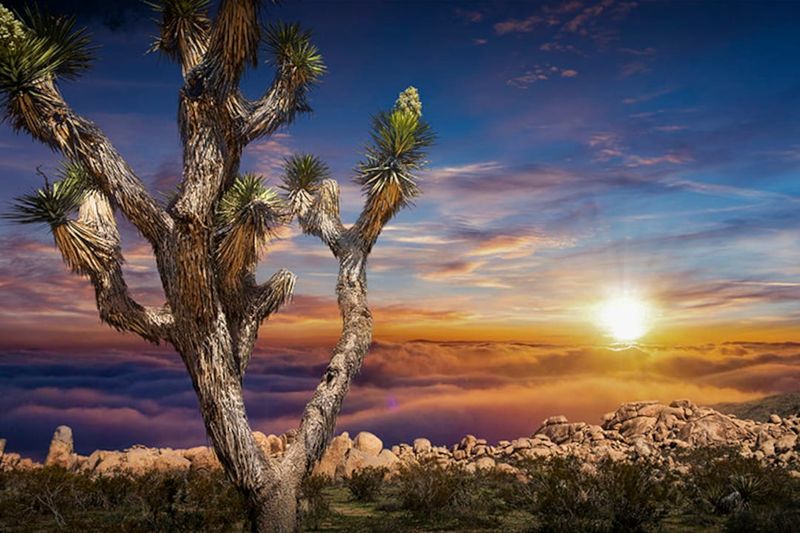
The Joshua Tree, with its unique, spiky form, is an iconic figure of the Mojave Desert. Known for its ability to withstand extreme conditions, it thrives where few others can.
These trees, which can live for hundreds of years, offer a striking silhouette against the desert sky. Their twisted branches and spiky leaves resemble something from a Dr. Seuss book.
Aside from their distinct appearance, Joshua Trees play a crucial role in their ecosystem, providing habitat for various desert species. Their enduring presence makes them a true symbol of resilience.
10. Banyan Tree
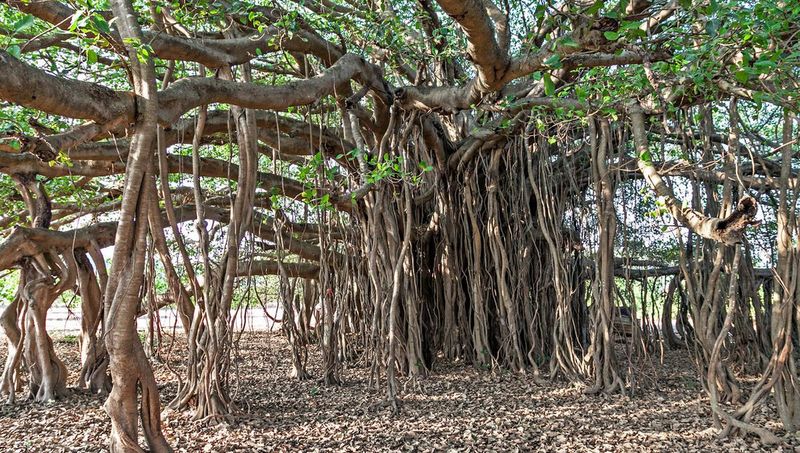
The Banyan Tree, with its sprawling canopy and aerial roots, creates natural wonders in tropical regions. These trees can live for centuries, with roots that spread wide and deep, forming new trunks.
Underneath its vast shade, communities gather for shelter and worship, making it a cultural icon. The tree’s ability to regenerate and expand ensures its longevity.
Did you know? The Great Banyan in India covers over 3.5 acres, with more than 3,000 aerial roots! Such grandeur ensures the Banyan Tree leaves a lasting legacy, both in nature and culture.
11. Dawn Redwood
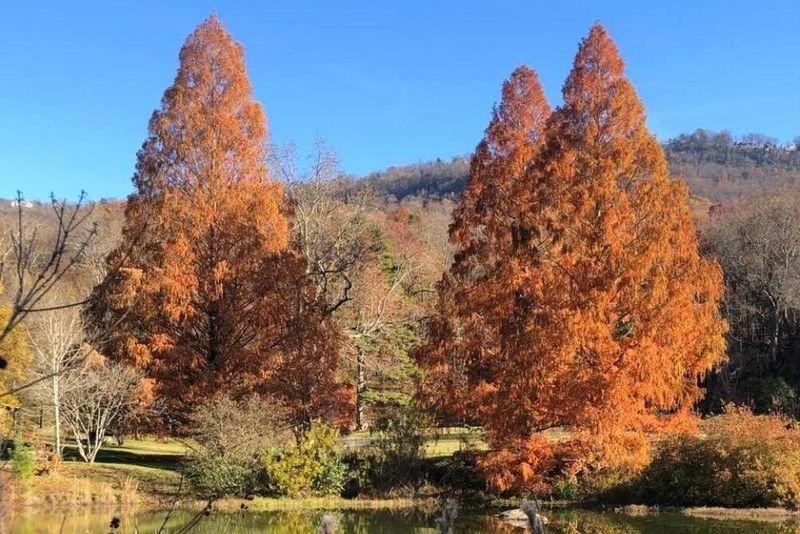
The Dawn Redwood once thought extinct, thrives with majesty. Its towering presence, reaching heights of over 200 feet, creates a spectacle in any garden. The golden-orange foliage in autumn transforms landscapes into a vibrant painting.
Despite its ancient origins, this deciduous conifer has a surprisingly rapid growth rate. It adapts well to various soil types, making it a versatile choice for gardeners.
Did you know? The Dawn Redwood’s rediscovery in China during the 1940s sparked excitement worldwide, reviving interest in this living fossil. Plant one for a touch of history in your garden.
12. Eastern Hemlock
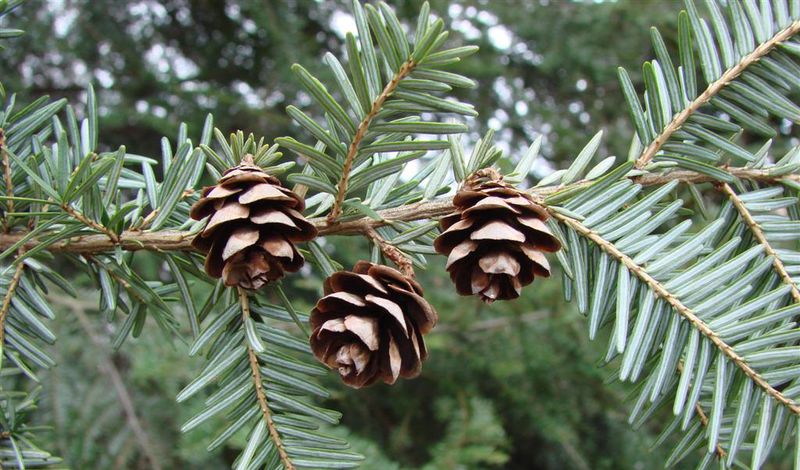
Enveloped in mystery, the Eastern Hemlock stands as a symbol of resilience. This shade-tolerant evergreen, with its soft, dark green foliage, creates a peaceful oasis in shaded areas of the garden.
Its graceful, arching branches provide shelter for wildlife, fostering an ecosystem within your backyard. Known for its longevity, the Eastern Hemlock can live for over 800 years, offering a historical touchstone.
However, beware of the woolly adelgid, a pest threatening its survival. Incorporating Eastern Hemlock invites tranquility and life, offering a serene retreat amidst nature’s embrace.
13. American Sycamore
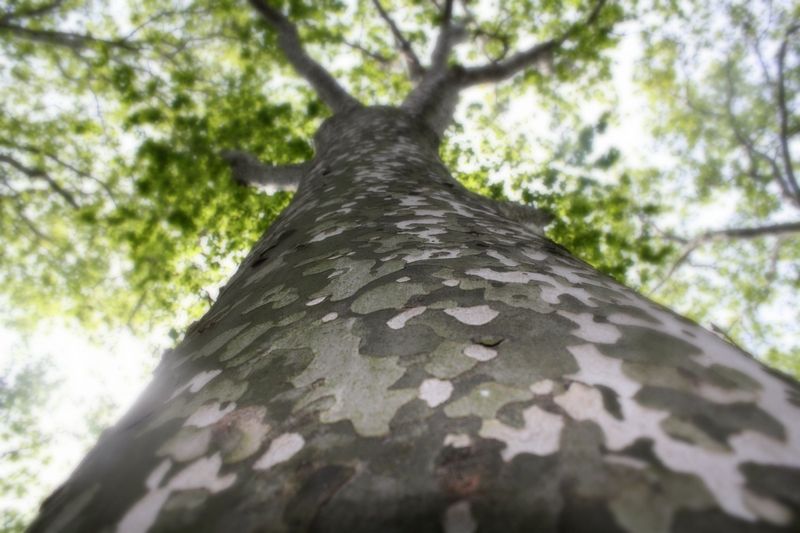
With its mottled bark and expansive canopy, the American Sycamore stands as a testament to enduring beauty. This majestic tree thrives near water sources, making it perfect for riverine landscapes.
Its broad leaves provide ample shade, creating a cool refuge on hot summer days. The peeling bark reveals a striking patchwork of colors, adding visual intrigue to its massive trunk.
Historically, American Sycamores served as landmarks and gathering spots for Native Americans. Planting one offers a blend of utility and history, ensuring a legacy of natural beauty and cultural significance.
14. Pecan Tree
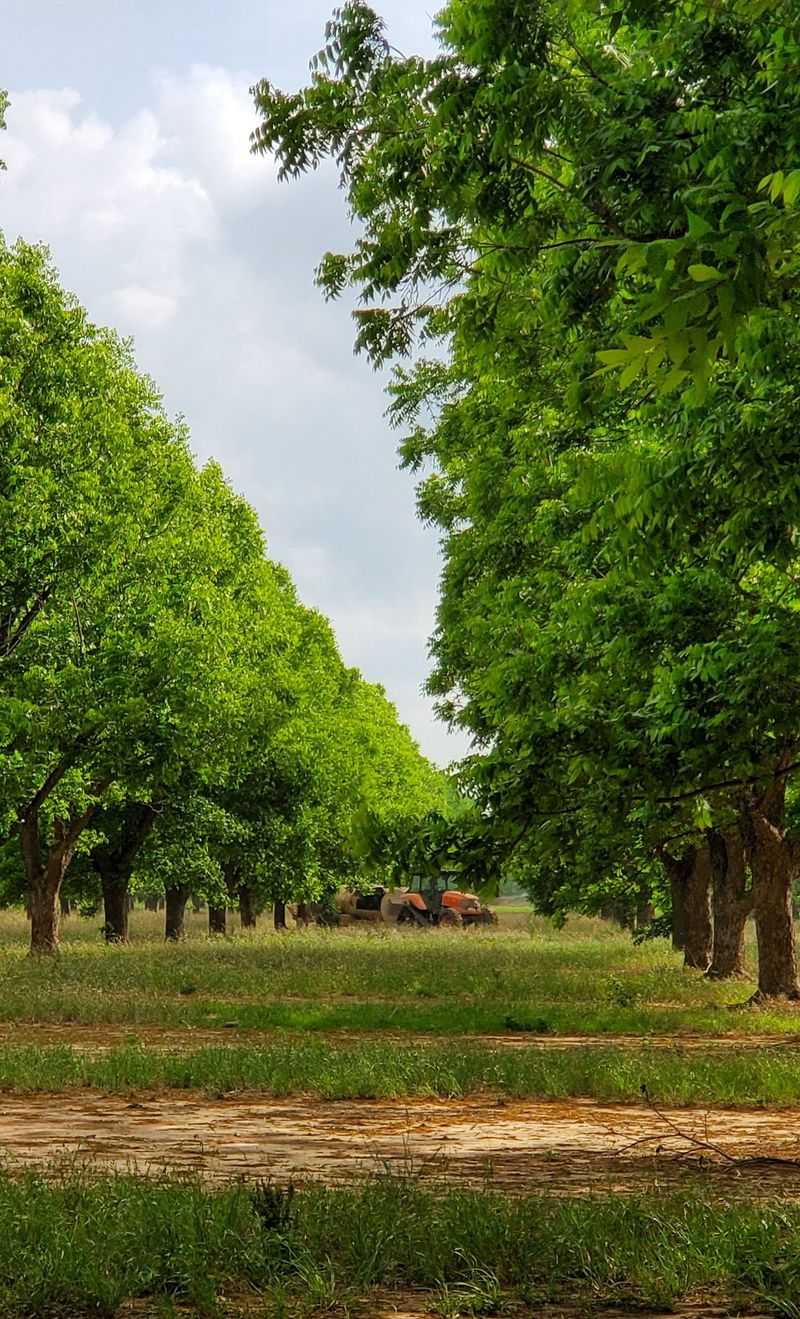
The Pecan Tree stands as a symbol of abundance and nourishment. Its robust stature, reaching up to 100 feet, provides both shade and edible treasures. Each autumn, it yields a bountiful harvest of pecans, a favorite among wildlife and humans alike.
This deciduous tree adapts well to warm climates, thriving in orchards and backyards alike. Its deep-rooting system stabilizes soil, offering ecological benefits.
Interestingly, George Washington and Thomas Jefferson both cultivated pecan trees, cherishing their value. Plant a Pecan Tree for a legacy of sustenance and historical connection.
15. Tulip Poplar
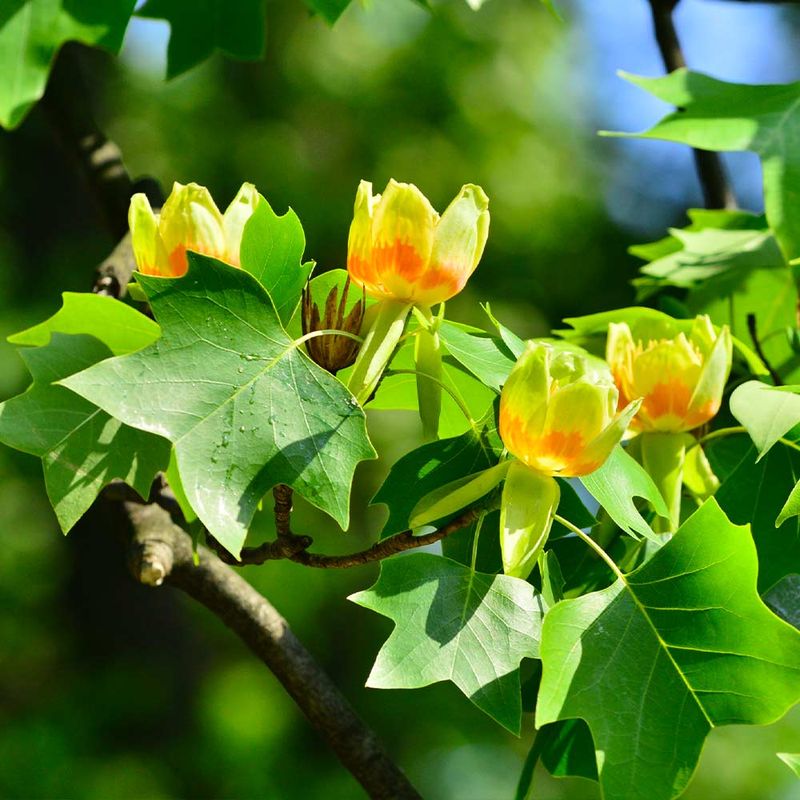
The Tulip Poplar, often called the “tree of heroes,” stands out with its tulip-shaped flowers and towering height. Reaching up to 120 feet, it offers a striking vertical element to gardens.
Its vibrant green leaves and yellow blooms create a lively display, attracting pollinators and providing ecological support. This fast-growing tree is a favorite among wildlife, offering shelter and sustenance.
Known for its use in crafting canoes by Native Americans, the Tulip Poplar carries a legacy of utility and beauty. Plant it to celebrate nature’s artistry and historical significance.