 Complete Gardening
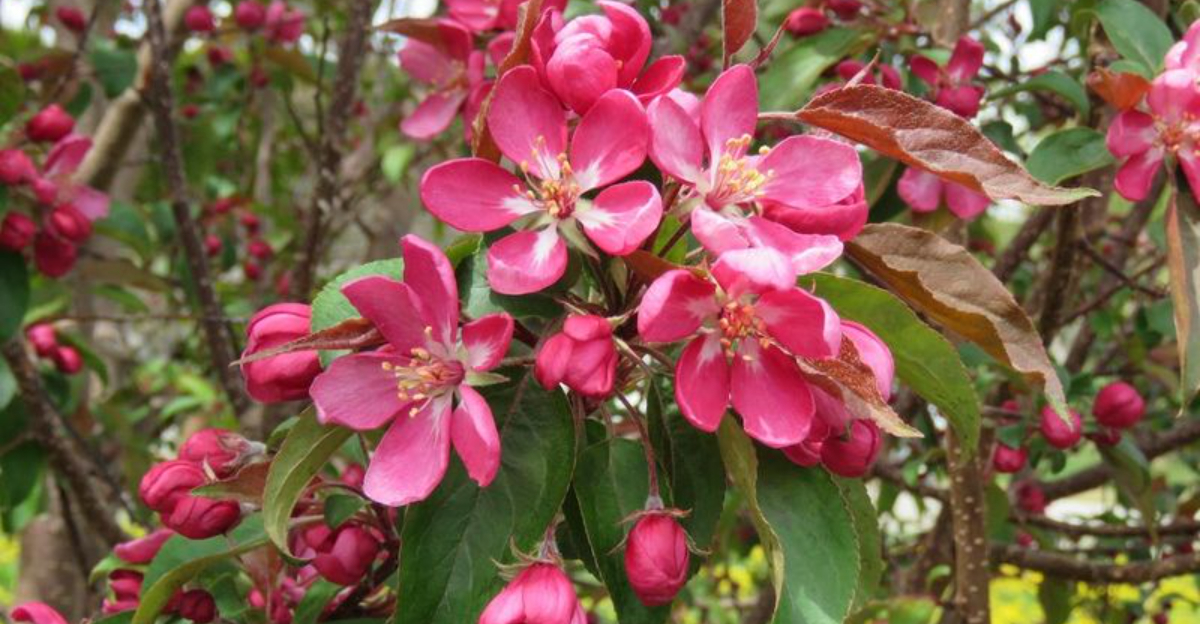
Magnolias may be the apple of many gardeners’ eyes, but what if they just won’t take root in your soil? Fear not!
We’ve curated a list of ten stunning alternatives that will not only fill the magnolia-sized hole in your heart but also add their own unique charm to your garden.
These flora wonders are ready to bring vibrant blooms, delightful scents, and lush foliage to your outdoor space, ensuring a captivating and diverse garden year-round.
1. Dogwood (Cornus florida or Cornus kousa)
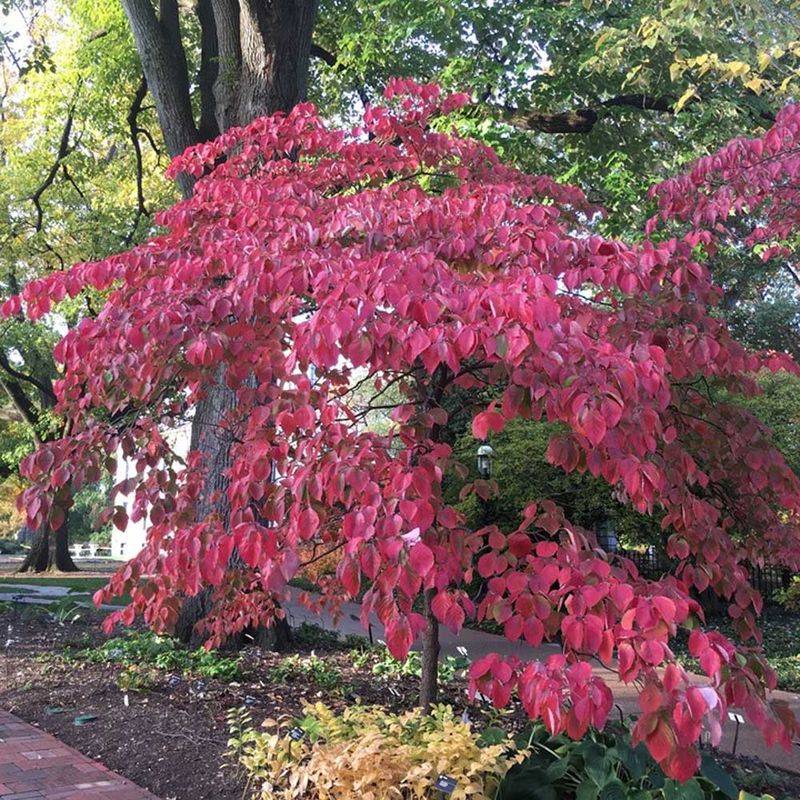
The Dogwood tree is a visual delight in any garden, offering layered blooms that grace the spring with elegance. Its blossoms, resembling delicate white clouds, are followed by vibrant red berries that attract birds.
As the seasons change, its foliage turns into a fiery display of reds and oranges, making autumn equally captivating. This tree thrives in partial shade, proving it a versatile choice for various garden settings.
Additionally, it provides year-round interest with its appealing bark and structured growth. Whether you’re a seasoned gardener or a newbie, the Dogwood is a reliable stand-in for magnolias.
2. Eastern Redbud (Cercis canadensis)
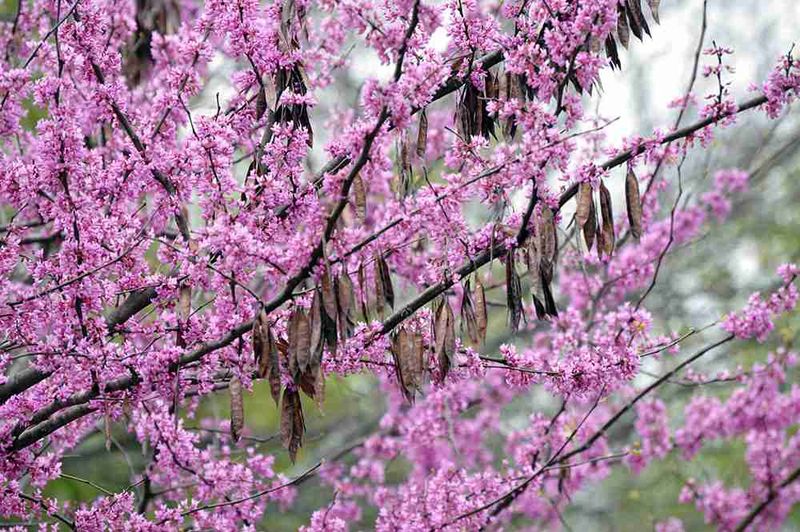
Eastern Redbud trees are nature’s early spring jewels, cloaked in tiny pink-purple blossoms that burst forth even before their leaves do. They enchant with their vibrant color and delicate form, making them the perfect choice for smaller gardens or woodland edges.
As spring progresses, heart-shaped leaves emerge, adding a fresh green hue to the landscape. These trees are hardy and adaptive, thriving in a variety of soil types. Their early blooms attract pollinators, supporting local ecosystems.
Want to boost your garden with a pop of early-season color? Eastern Redbuds have you covered!
3. Serviceberry (Amelanchier spp.)
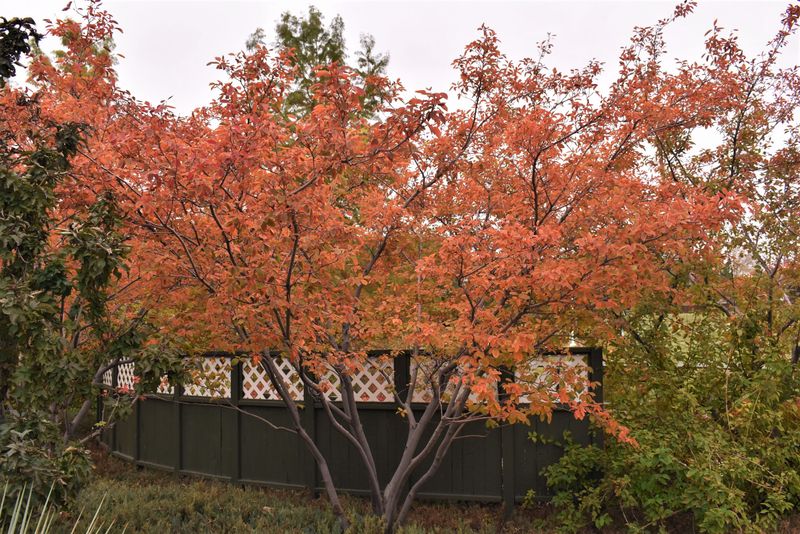
Serviceberry trees offer a multi-season spectacle, starting with a profusion of delicate white blossoms in spring. As these fade, they give way to edible berries that delight both human and avian palates.
Come autumn, the tree’s leaves transform into a tapestry of glowing orange and red hues, offering a striking contrast to its surroundings. This native plant is ideal for those seeking a naturalistic garden vibe, providing beauty and biodiversity in equal measure.
Whether you’re after shade, fruit, or simply spectacular seasonal views, Serviceberry is a standout choice for any garden.
4. Flowering Cherry (Prunus serrulata or ‘Yoshino’ Cherry)
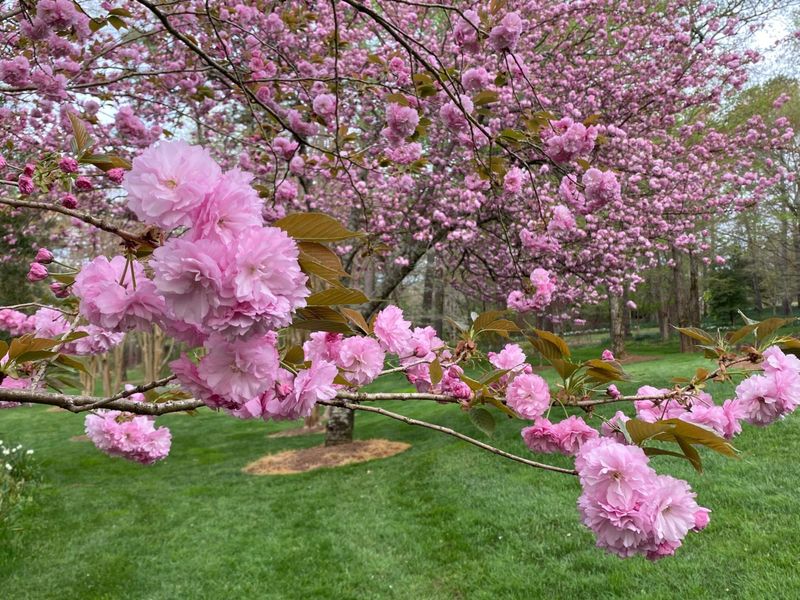
Flowering Cherries are synonymous with springtime splendor, their branches draped in billowing clouds of soft pink or white blossoms. These trees create a breathtaking focal point in any garden.
As the flowers fall, they sprinkle the ground with petals, creating a romantic, fairy tale-like scene. Flowering Cherries thrive in sunny locations and are often chosen for their ornamental beauty and formal appeal.
Their elegance is unmatched, making them a popular choice for garden avenues or as standalone features. For a touch of classic beauty, Flowering Cherry trees are second to none.
5. Camellia (Camellia japonica or sasanqua)
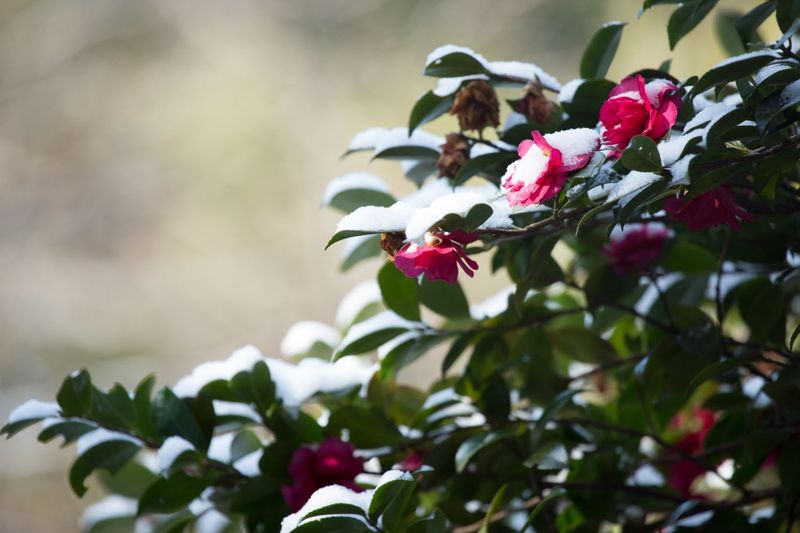
Camellias are a gardener’s delight, boasting glossy, evergreen leaves and exquisite rose-like flowers that bloom in shades of pink, red, or white. They bring color to gardens during the cooler months when most plants are dormant.
These shrubs thrive in mild winter regions, preferring partial shade to full sun. Their blooms offer a burst of beauty when little else does, making them invaluable for year-round gardening interest.
Camellias also attract pollinators, supporting the garden ecosystem. Looking to inject some color into the dreary winter months? Camellias are your go-to garden allies.
6. Lilac (Syringa vulgaris)
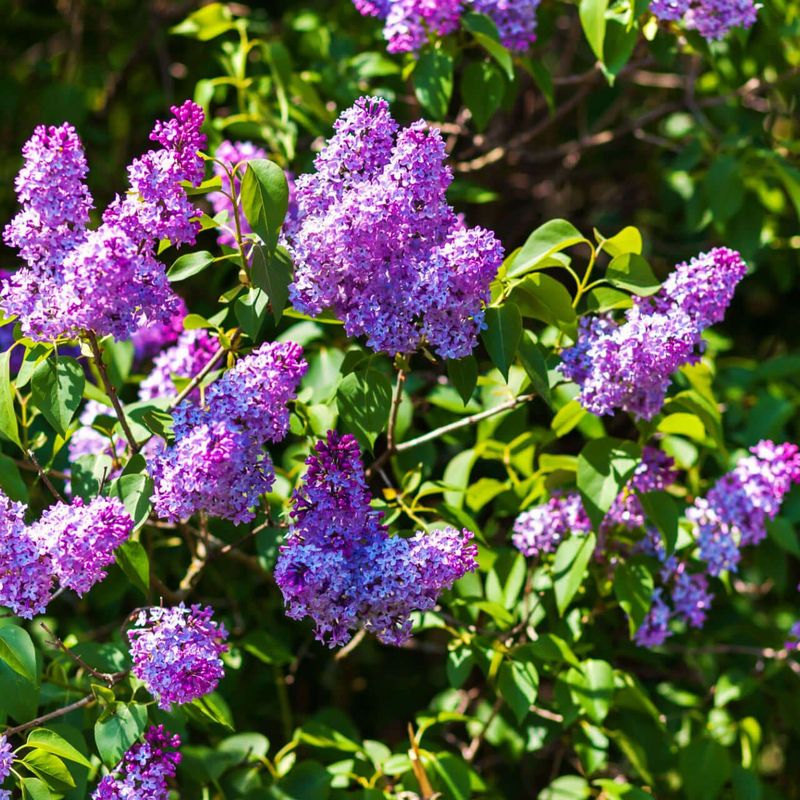
Lilacs are cherished for their intoxicating fragrance and nostalgic appeal, evoking memories of traditional cottage gardens. These shrubs display lush clusters of purple or white blooms, attracting pollinators and filling the air with their sweet scent.
They thrive in cooler climates and prefer sunny spots where they can flourish and display their vibrant blossoms. For gardeners seeking a touch of nostalgia and a boost to sensory appeal, lilacs are a perfect addition.
Beyond their beauty, they offer ease of care, making them a beloved choice for gardens across many regions.
7. Crabapple (Malus spp.)
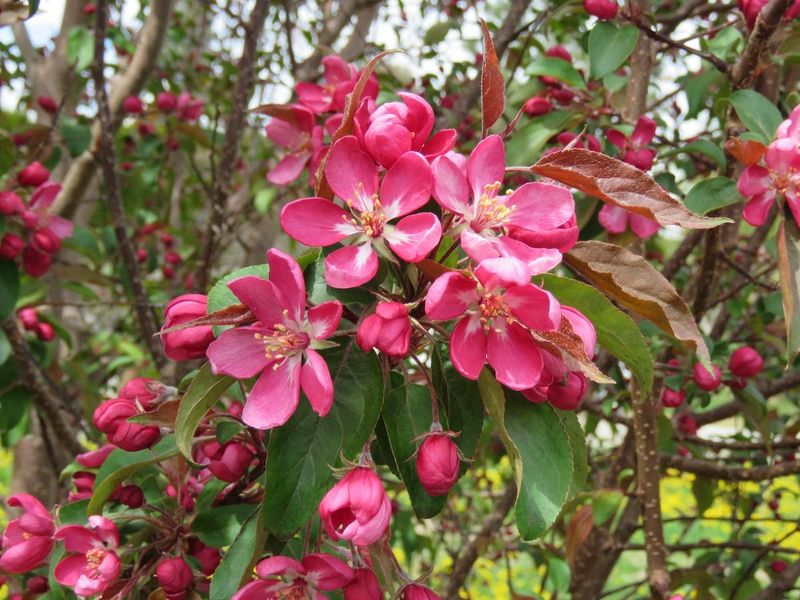
Crabapple trees are a feast for the senses, offering an explosion of white, pink, or red blooms in spring, followed by small, ornamental fruits that add color and interest throughout the year.
These trees are not only visually appealing but also attract a variety of pollinators, supporting biodiversity in the garden. With their striking appearance and seasonal versatility, Crabapples are ideal for gardeners looking to create a dynamic landscape.
They thrive in sunny locations and adapt well to various soil types. Want a tree that works hard for your garden? Look no further than Crabapples.
8. Witch Hazel (Hamamelis spp.)
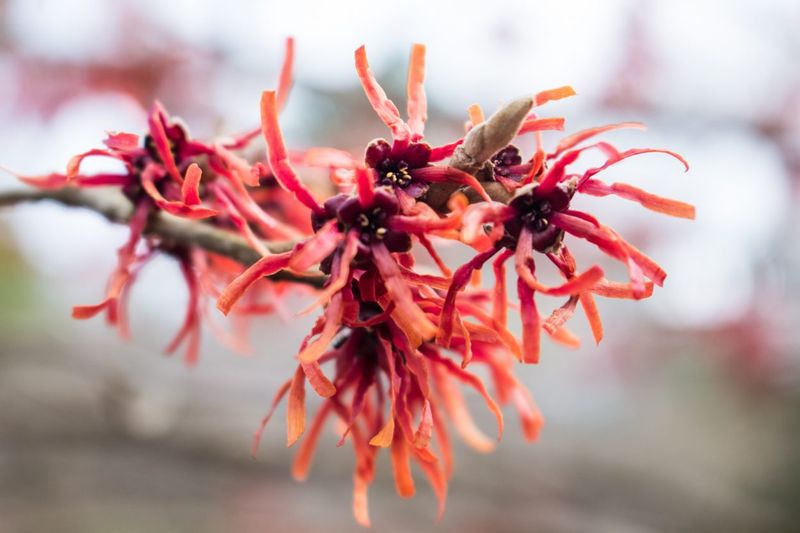
Witch Hazel defies the winter doldrums with its fragrant, ribbon-like blooms that appear when most of the garden is asleep. These shrubs are a marvel, providing unexpected bursts of yellow or orange flowers in late winter, lifting spirits and adding intrigue to the garden landscape.
Witch Hazels are hardy and can thrive in a range of conditions, making them versatile additions to any garden. Their unique appearance and seasonal timing make them a conversation starter.
Looking to add surprise elements to your winter garden? Witch Hazel is the ideal choice.
9. Japanese Snowbell (Styrax japonicus)
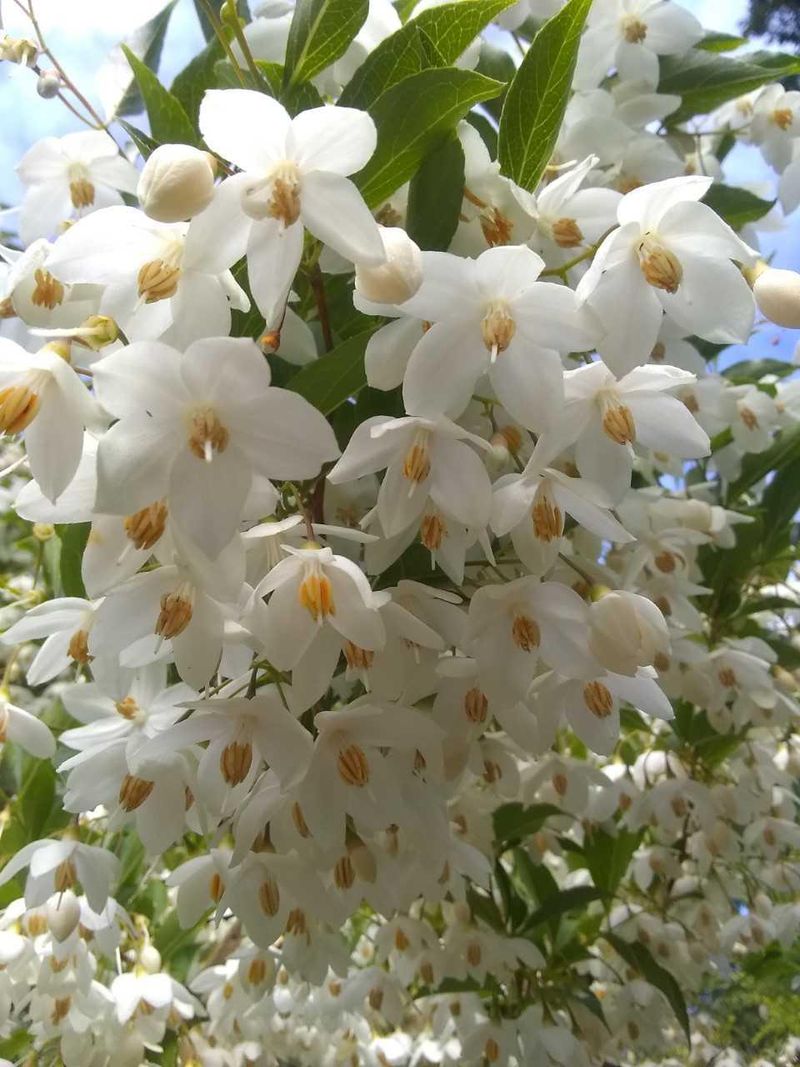
The Japanese Snowbell tree enchants with its delicate, bell-shaped white flowers that dangle beneath its branches in early summer. This graceful tree adds a touch of elegance to gardens, with its understated yet captivating beauty.
It thrives as an understory tree, complementing other garden features without overpowering them. The Snowbell’s subtle charm enhances garden tranquility, making it perfect for those seeking a refined, peaceful space.
Its gentle presence and unique flowering pattern make it a treasured addition to any garden. Need a touch of serenity? Let the Japanese Snowbell weave its magic.
10. Fringe Tree (Chionanthus virginicus)
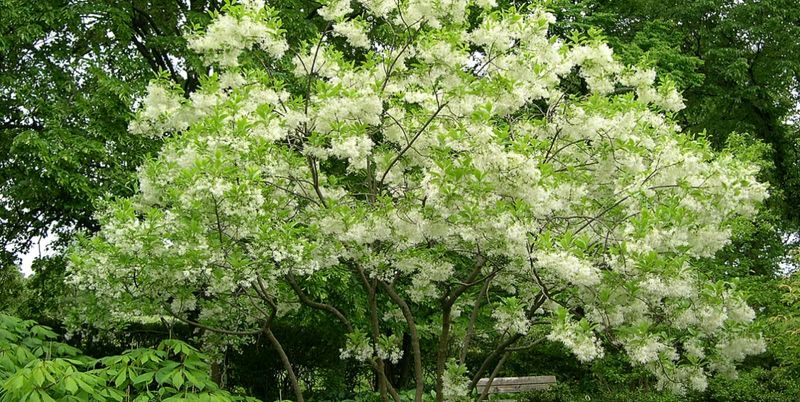
The Fringe Tree captivates with its soft, ethereal flowers that resemble delicate fringes, offering a dreamy, airy quality to any garden. Blooming in late spring, it adds a whimsical touch to native plant gardens or mixed borders.
This tree is not only stunning but also supports local wildlife, providing habitat and food. Fringe Trees are adaptable and can thrive in various soil types, making them easy to incorporate into existing landscapes.
Their unique appearance and native origin make them a cherished choice for those wanting to enhance their garden’s natural beauty.