 Complete Gardening
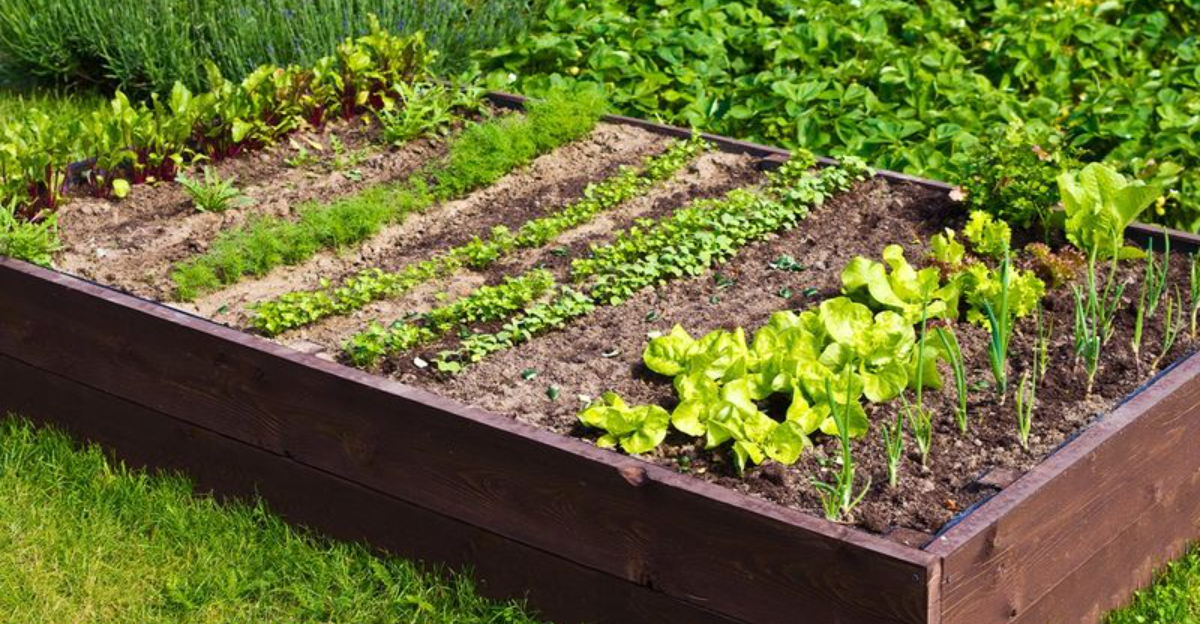
Growing fresh vegetables in Maine can feel like racing against time. With frost arriving early and the growing season often lasting just four to five months, many gardeners wonder if they can successfully grow their own food. The good news is that experienced Maine gardeners have developed smart strategies to make the most of every growing day and enjoy bountiful harvests despite the challenges.
1. Choose Fast-Growing, Cold-Hardy Vegetables
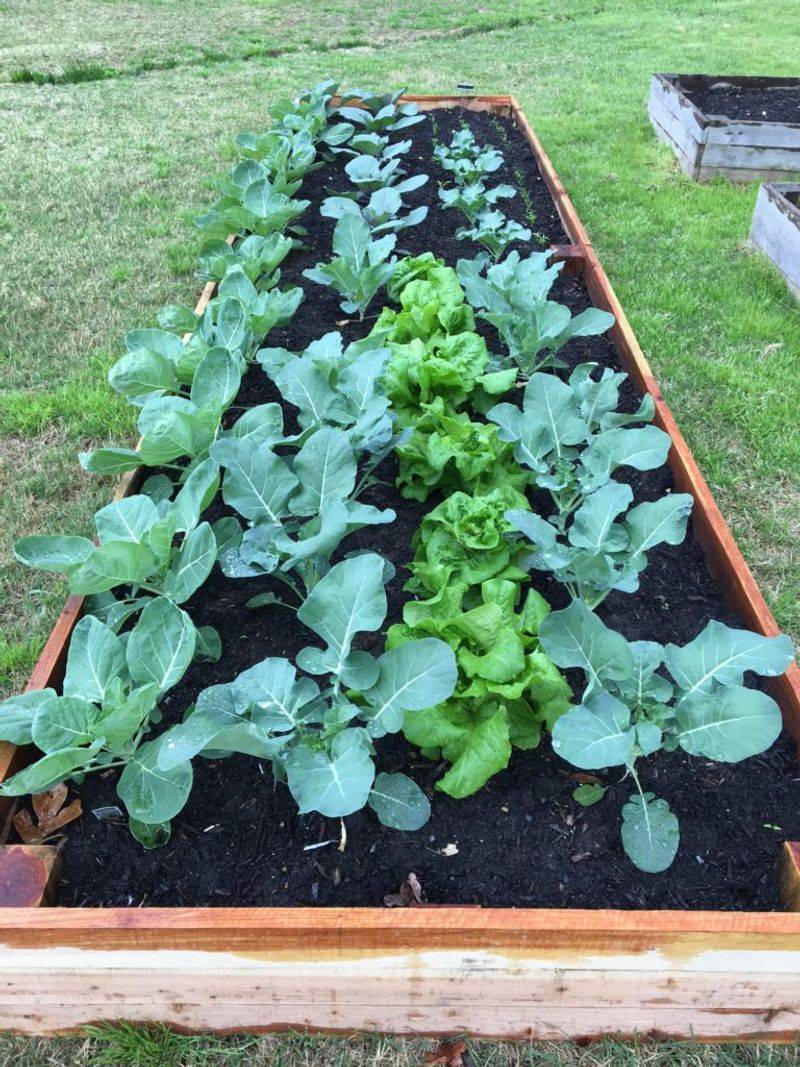
Smart plant selection makes all the difference when working with a compressed growing timeline. Cool-season champions like spinach, lettuce, and radishes actually prefer cooler temperatures and can handle light frosts.
Root vegetables such as carrots, beets, and turnips mature quickly and become sweeter after experiencing cool weather. Leafy greens like kale and arugula can be harvested multiple times throughout the season.
Focus on varieties specifically bred for northern climates, as these plants have been developed to thrive in shorter seasons and cooler conditions that define Maine’s unique growing environment.
2. Start Seeds Indoors for a Head Start
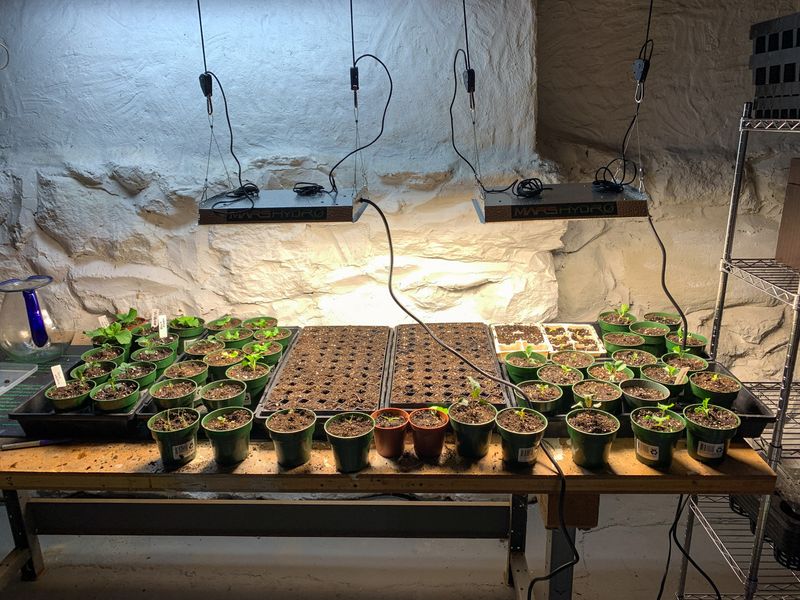
February and March become your secret weapons for extending the growing season indoors. Set up a simple seed-starting station near a sunny window or invest in basic grow lights to nurture seedlings.
Begin tomatoes, peppers, and herbs six to eight weeks before the last expected frost date. This indoor head start gives plants crucial development time they wouldn’t have outdoors.
Gradually introduce seedlings to outdoor conditions over seven to ten days through a process called hardening off. This prevents transplant shock and ensures strong, resilient plants ready to thrive in Maine’s unpredictable spring weather.
3. Build Simple Cold Frames for Season Extension
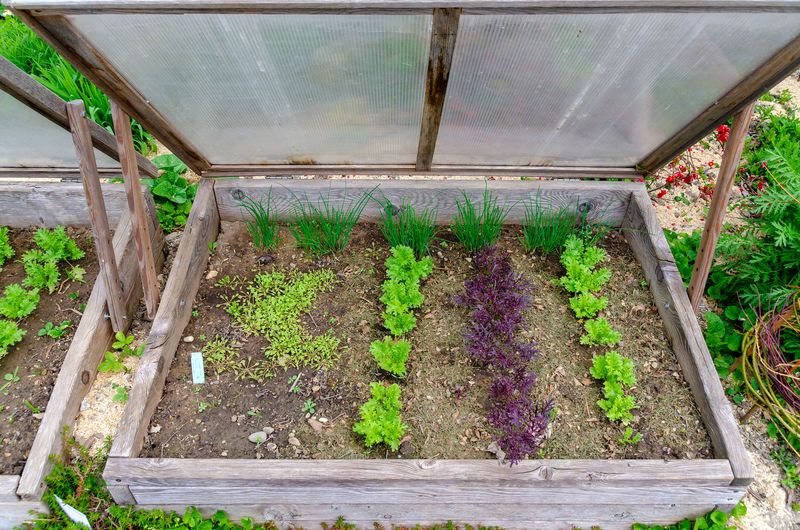
Cold frames act like miniature greenhouses, capturing solar energy to create warm microclimates for your plants. Construct one using old windows, clear plastic sheeting, or repurposed materials from around your property.
Position cold frames facing south to maximize sun exposure throughout the day. These structures can extend your growing season by several weeks on both ends, allowing earlier spring planting and later fall harvests.
Hardy greens like spinach and lettuce can survive Maine winters inside well-built cold frames, providing fresh salads even during the coldest months when most gardens lie dormant.
4. Use Row Covers for Frost Protection
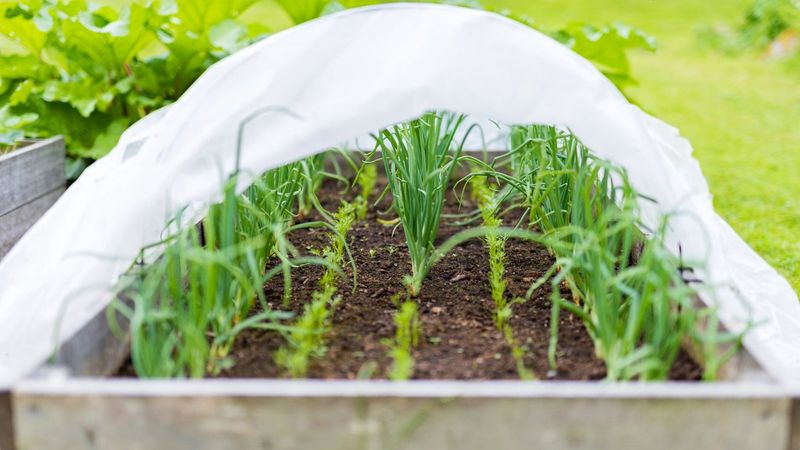
Lightweight fabric row covers serve as invisible shields against Maine’s unpredictable late spring and early fall frosts. These breathable materials allow sunlight, air, and water to reach plants while providing several degrees of temperature protection.
Install row covers using simple hoops made from PVC pipe or wire, creating tunnels over your vegetable rows. Remove covers during warm days to prevent overheating and replace them when temperatures drop.
Row covers also protect against common garden pests like cabbage moths and flea beetles, serving double duty as both climate and pest management tools throughout the growing season.
5. Create Raised Beds for Faster Soil Warming
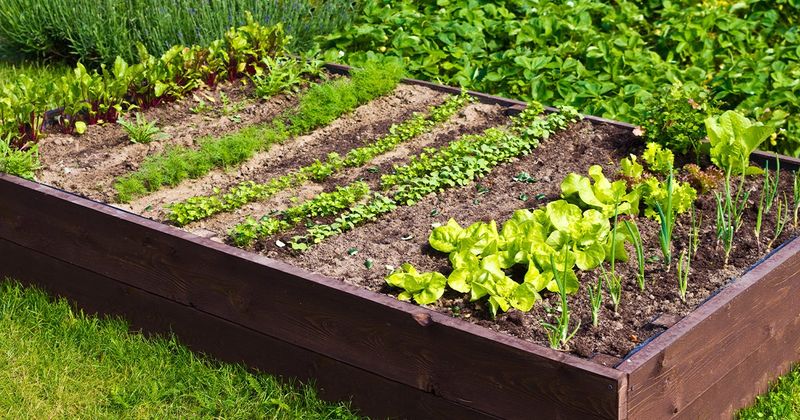
Raised beds transform Maine’s challenging growing conditions by elevating soil above ground level where it warms more quickly in spring. This simple modification can add two to three weeks to your effective growing season.
Build beds eight to twelve inches high using untreated lumber, stone, or other materials. Fill with quality soil mix that drains well, preventing the waterlogged conditions that plague many Maine gardens.
Raised beds also provide better pest control, easier maintenance, and precise soil management. The contained environment allows you to create perfect growing conditions for specific crops while improving your garden’s overall productivity and success rate.
6. Practice Succession Planting for Continuous Harvests
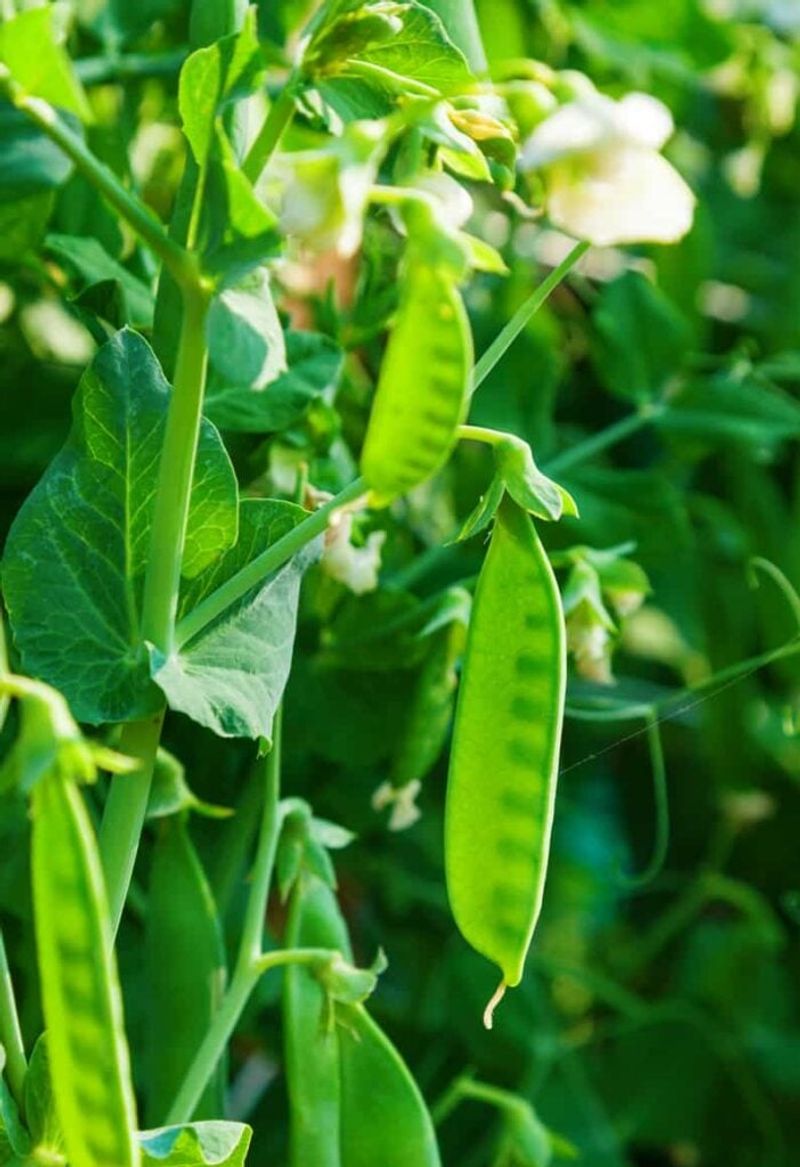
Rather than planting everything at once, stagger plantings every two to three weeks throughout the growing season. This approach ensures fresh vegetables continuously mature instead of everything ripening simultaneously.
Plant small amounts of quick-growing crops like lettuce, radishes, and beans regularly from late spring through mid-summer. Each planting will be ready at different times, preventing waste and providing steady harvests.
Succession planting works especially well for salad greens, which can bolt in hot weather. By timing plantings carefully, you’ll have fresh lettuce available from early spring through late fall in Maine’s variable climate.
7. Apply Mulch for Temperature and Moisture Control
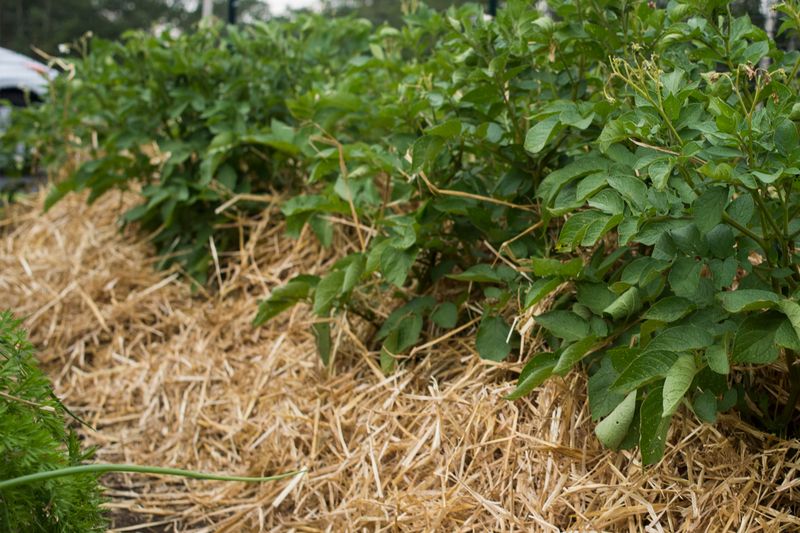
Thick mulch layers create stable soil conditions that help plants weather Maine’s temperature swings and unpredictable rainfall patterns. Organic materials like straw, shredded leaves, or grass clippings work best.
Apply mulch around plants after soil has warmed in late spring, maintaining consistent soil moisture and preventing weeds that compete for nutrients. Mulch also moderates soil temperature extremes that can stress vegetables.
In fall, extra mulch layers protect root crops like carrots and parsnips from freezing, allowing extended harvests well into winter. Some hardy vegetables can remain in mulched beds throughout Maine’s cold season.
8. Plan for Pest Management in Short Seasons
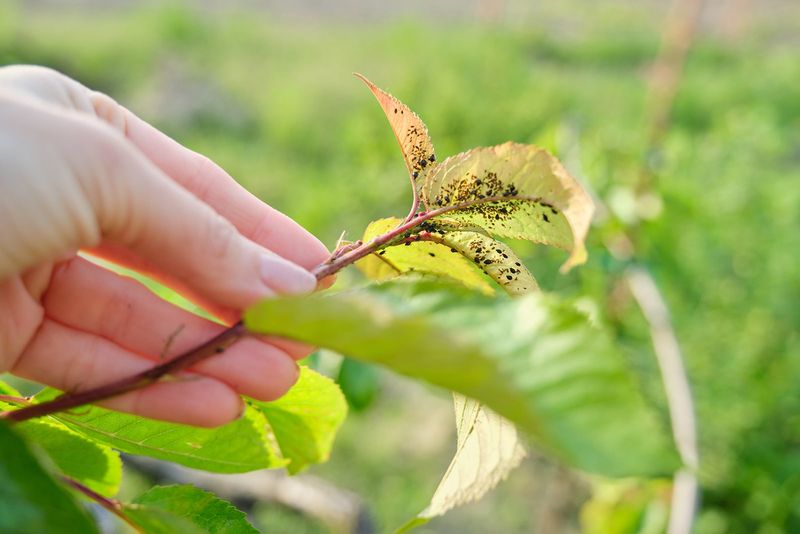
Concentrated growing seasons mean pest problems can quickly devastate crops before you have time to recover. Regular garden inspections become crucial for catching issues early when solutions are most effective.
Rotate crop families annually to break pest and disease cycles that build up in soil over time. Companion planting with herbs and flowers can naturally repel harmful insects while attracting beneficial predators.
Keep simple organic treatments like insecticidal soap and neem oil readily available for quick intervention. In Maine’s short season, preventing problems works better than trying to solve them after significant damage has already occurred.