 Complete Gardening
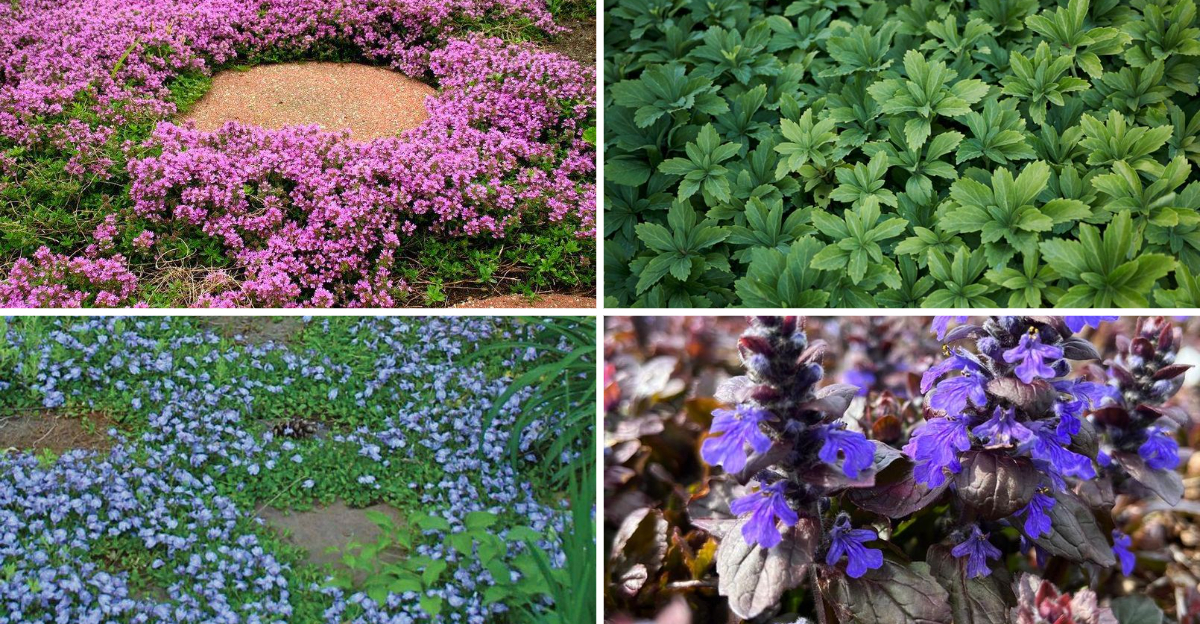
In the world of gardening, perennials are celebrated for their ability to bloom year after year. Their resilience, ability to cover ground, and stunning appearances make them invaluable in any landscape. This article explores five exceptional perennials that not only beautify your garden but also suppress weeds effectively.
Creeping Thyme
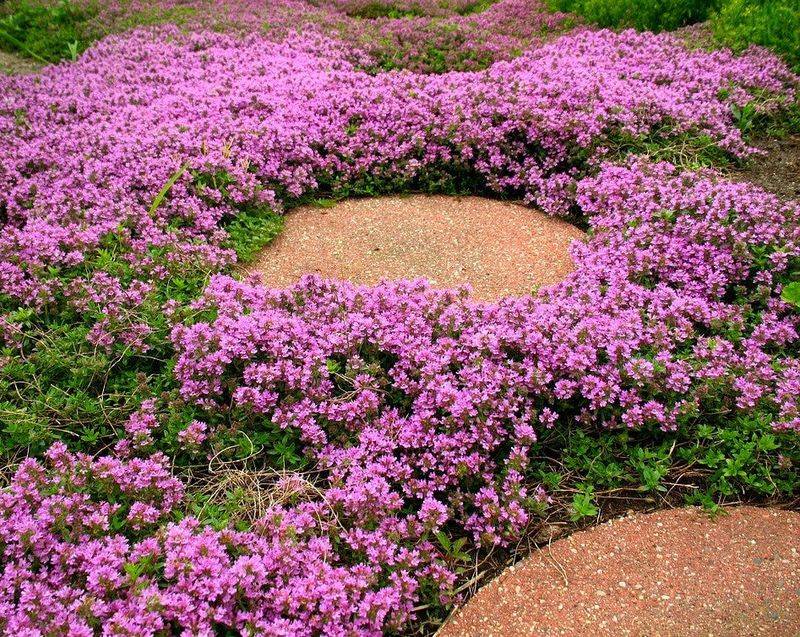
Creeping Thyme, with its aromatic fragrance, is a delight to the senses. Known for its low-growing habit, this perennial spreads quickly, covering ground with dense foliage. Its small, vibrant purple flowers attract bees and butterflies, adding life to your garden.
This hardy plant thrives in full sun and well-drained soil, requiring minimal maintenance. Its drought-resistant nature makes it perfect for rock gardens and pathways, where it can weave between stones and bricks effortlessly.
An interesting fact: Creeping Thyme has been used historically as a medicinal herb, believed to ward off nightmares. Its versatility and aromatic appeal make it a favorite among gardeners.
Liriope
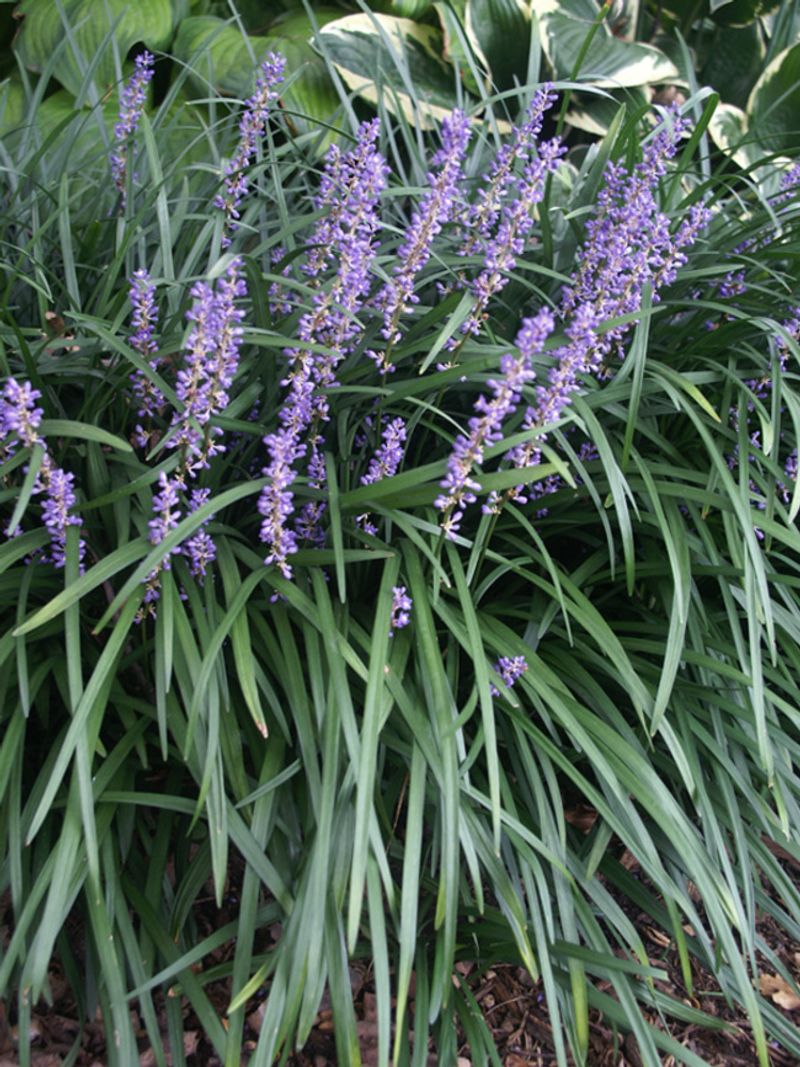
Liriope, often referred to as ‘monkey grass,’ stands out with its clumping growth habit. Its narrow, dark green leaves provide a striking contrast to the spikes of lavender or white flowers it produces in late summer.
This perennial is remarkably adaptable, thriving in various soil types and tolerating both shade and sun. It acts as a natural border, defining garden beds and pathways while keeping weeds at bay.
Did you know? In some cultures, Liriope is used in traditional medicine for its purported healing properties, showcasing its multifaceted value beyond mere aesthetics.
Sedum
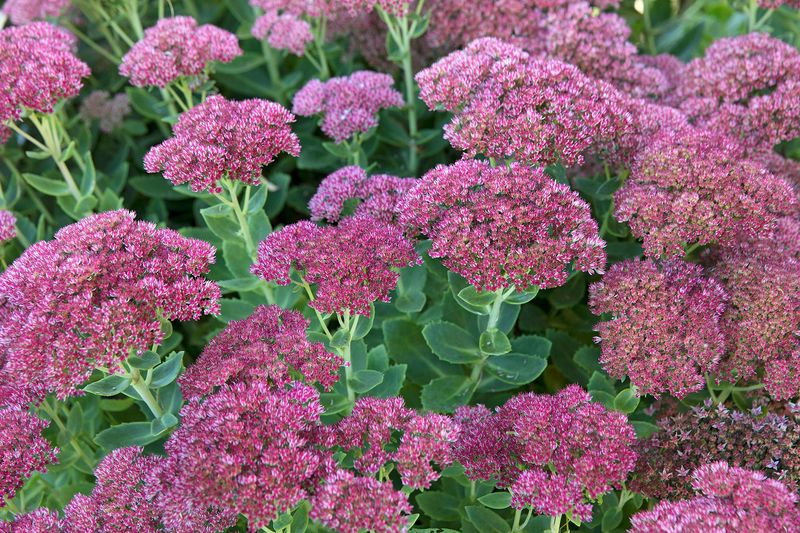
Sedum, or stonecrop, is a sun-loving perennial with a charm all its own. Its fleshy, succulent leaves retain moisture, making it exceptionally drought-tolerant. The star-shaped flowers, often pink or yellow, appear in late summer, drawing pollinators from far and wide.
Sedum is incredibly versatile, thriving in poor, rocky soil where other plants struggle. It’s a perfect addition to xeriscapes or green roofs, offering vibrant color and texture with minimal water requirements.
Fun fact: The name ‘stonecrop’ reflects its ability to grow in rocky, barren areas, highlighting its resilience and adaptability.
Pachysandra
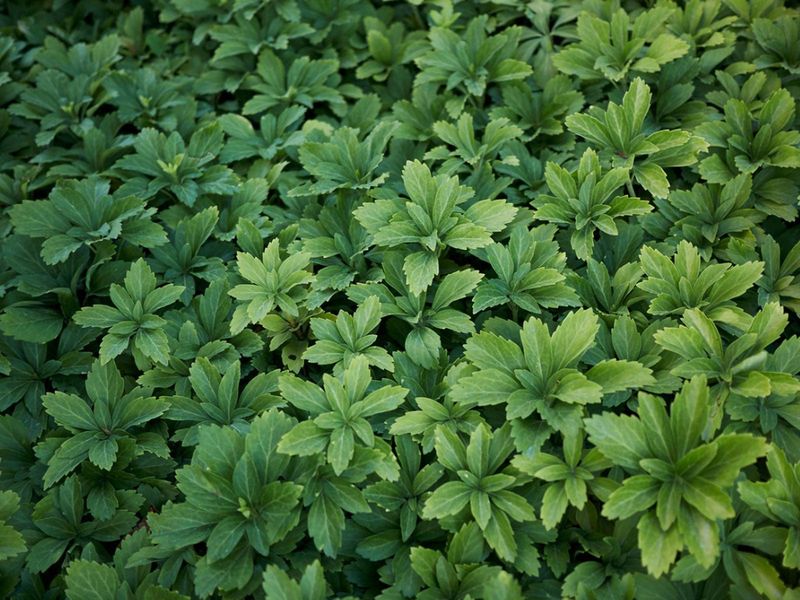
Pachysandra, with its lush, glossy foliage, offers a serene ground cover solution for shaded areas. Its evergreen leaves provide year-round interest, while the small white flowers in spring add a touch of delicacy.
Ideal for woodland gardens, Pachysandra spreads slowly but surely, creating a uniform green carpet that outcompetes weeds. It thrives in acidic, well-drained soils and requires minimal care once established.
Interestingly, this plant is native to Japan and has been used in traditional Japanese gardens for centuries, admired for its ability to create tranquil spaces.
Ajuga
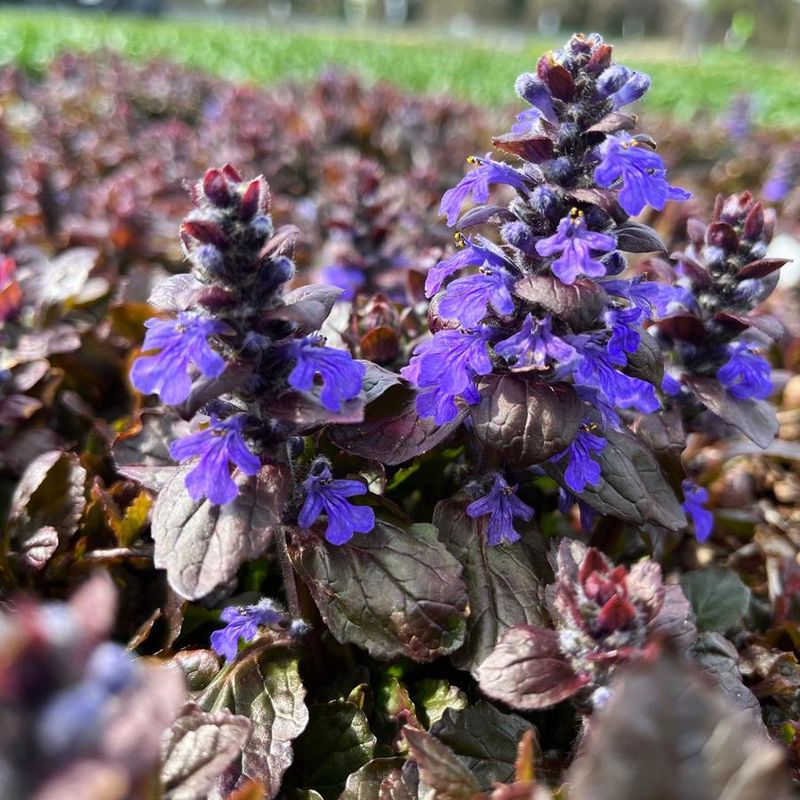
Ajuga, also known as bugleweed, is a perennial with a bold presence. Its deep purple leaves and bright blue flower spikes create a striking display in any garden setting. This hardy plant spreads rapidly, forming a dense mat that effectively suppresses weeds.
Ajuga thrives in both sunny and partially shaded areas, making it a versatile choice for various garden spots. It prefers moist, well-drained soil but can adapt to different conditions, showcasing its resilience.
A fun tidbit: Ajuga is sometimes used in herbal remedies, though it is primarily celebrated for its ornamental beauty and ground-covering ability.
Creeping Jenny
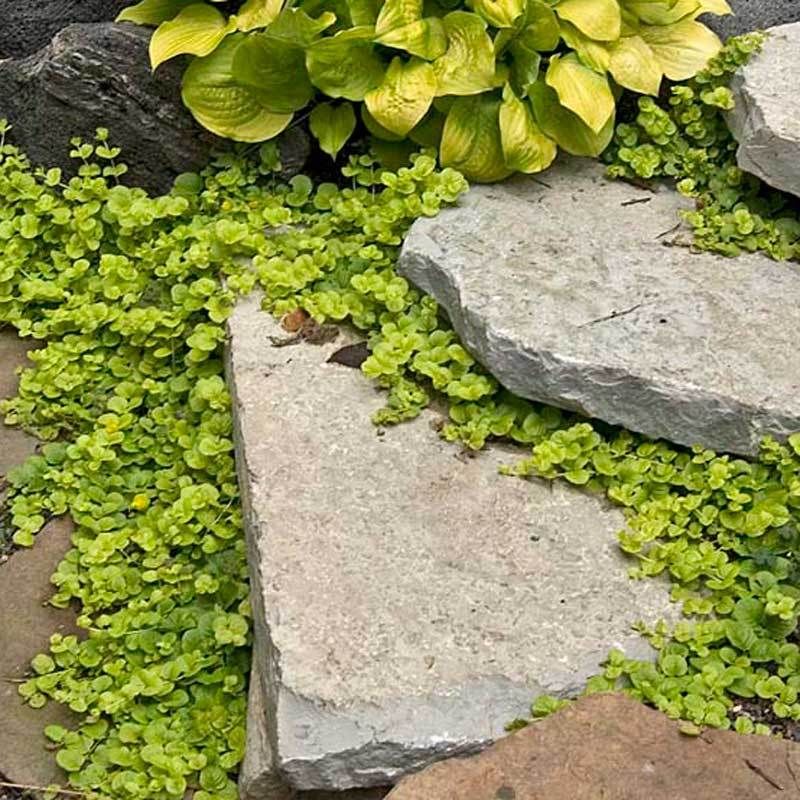
Creeping Jenny, also known as Lysimachia nummularia, is a delightful perennial ground cover. Its vibrant yellow-green leaves create a lush carpet that brightens any garden. This plant does more than just please the eye. It’s an excellent weed suppressor, spreading quickly to fill in gaps. Imagine the joy of seeing your garden come alive with its bright, round leaves glistening in the sunlight.
Hardy in zones 3-9, Creeping Jenny thrives in moist, well-drained soil. Its ability to adapt to both sun and partial shade makes it versatile. Perfect for borders or as a trailing plant in containers, it adds charm and vibrancy to any setting.
Bugleweed Carpet
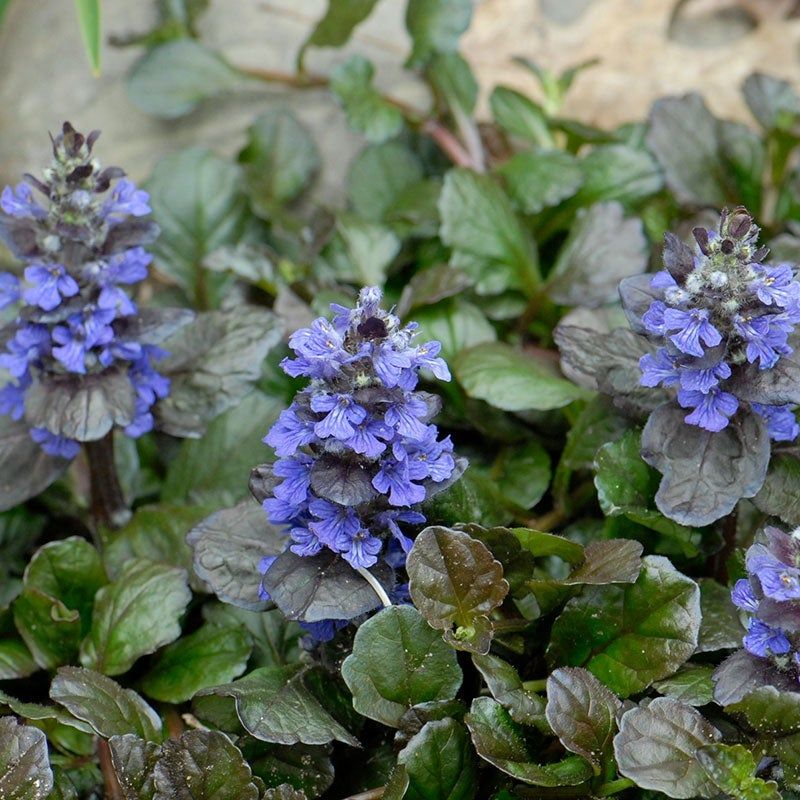
Bugleweed, known scientifically as Ajuga reptans, forms an impressive ground cover with its dense mat of dark green leaves. Each spring, it bursts into a sea of blue blooms, creating a stunning contrast against its foliage.
Its fast-spreading nature ensures that weeds find it hard to compete, making it a gardener’s ally in maintaining a tidy landscape.
Bugleweed is adaptable to various soil conditions and blends well with other perennials. Its ability to thrive in shaded areas makes it a favored choice for under trees or shaded borders, adding a splash of color where it’s least expected.
Lamb’s Ear
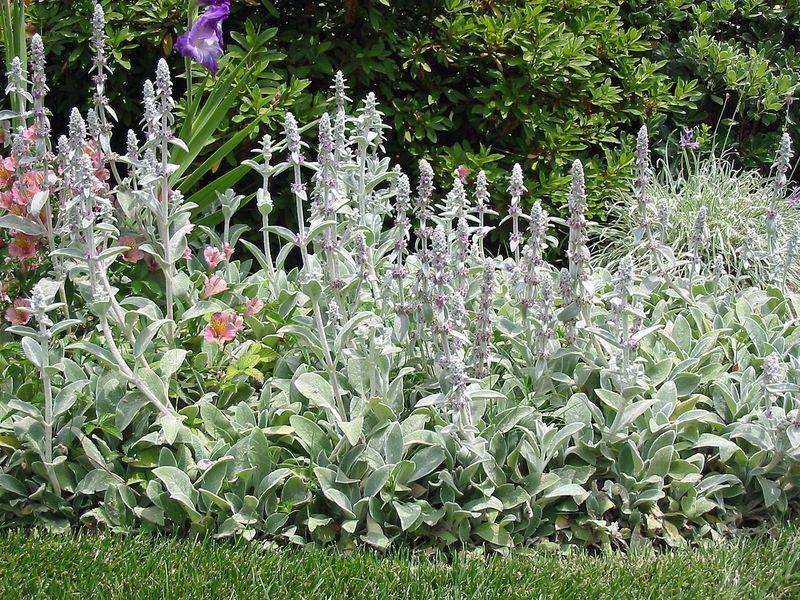
Lamb’s Ear, named for its velvety, silver leaves, offers both tactile and visual appeal. Its soft texture invites touch, while its subtle hues complement any garden palette. This perennial is more than just a pretty face; its dense growth habit effectively suppresses weeds.
Ideal for sunny locations, Lamb’s Ear thrives in well-drained soil. Its ability to endure drought conditions makes it a reliable option for low-maintenance gardens. Lamb’s Ear adds a unique texture and color to borders and edges, welcoming both visitors and pollinators alike with its charming presence.
Mazus Reptans
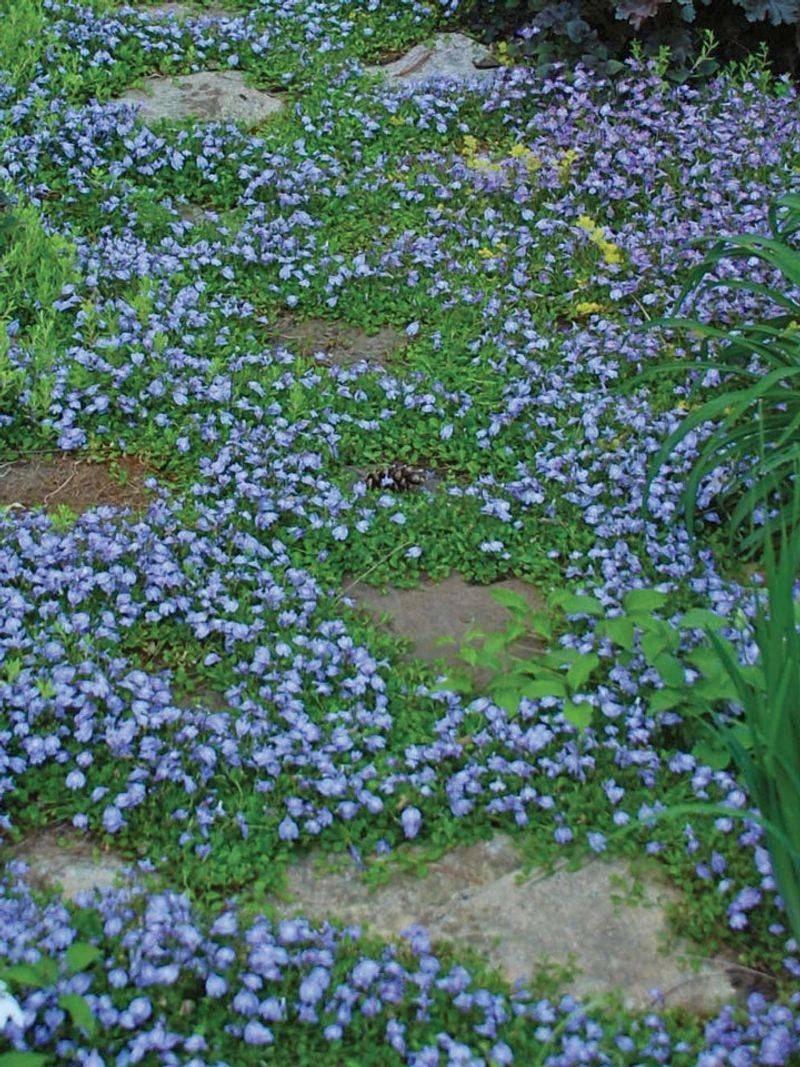
Mazus Reptans, often referred to as Creeping Mazus, is renowned for its rapid growth and resilience. This low-growing perennial features tiny purple flowers each spring, adding a delightful pop of color to your garden.
Its dense foliage forms an effective barrier against weeds, maintaining a neat appearance without much effort.
Mazus Reptans flourishes in moist, well-drained soil and is perfect for rock gardens or between stepping stones. Its ability to withstand light foot traffic makes it a practical choice for pathways, offering beauty and functionality in one charming plant.
Sweet Woodruff
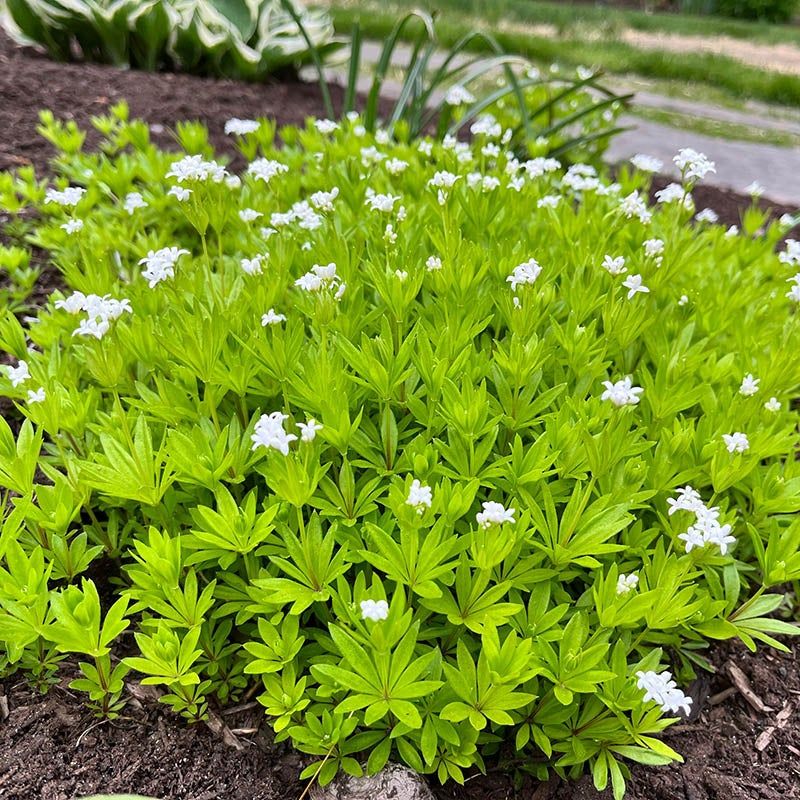
Sweet Woodruff, with its delicate star-shaped leaves and fragrant white flowers, lends an air of elegance to any garden setting. This perennial ground cover excels in shaded areas, where many other plants struggle.
Its rapid growth forms a lush carpet that effectively suppresses weeds, making it an excellent choice for woodland gardens.
Thriving in moist, well-drained soils, Sweet Woodruff releases a sweet scent when its foliage is crushed. This fragrance, coupled with its aesthetic appeal, makes it a favorite among gardeners seeking both beauty and practicality.
Houttuynia Cordata
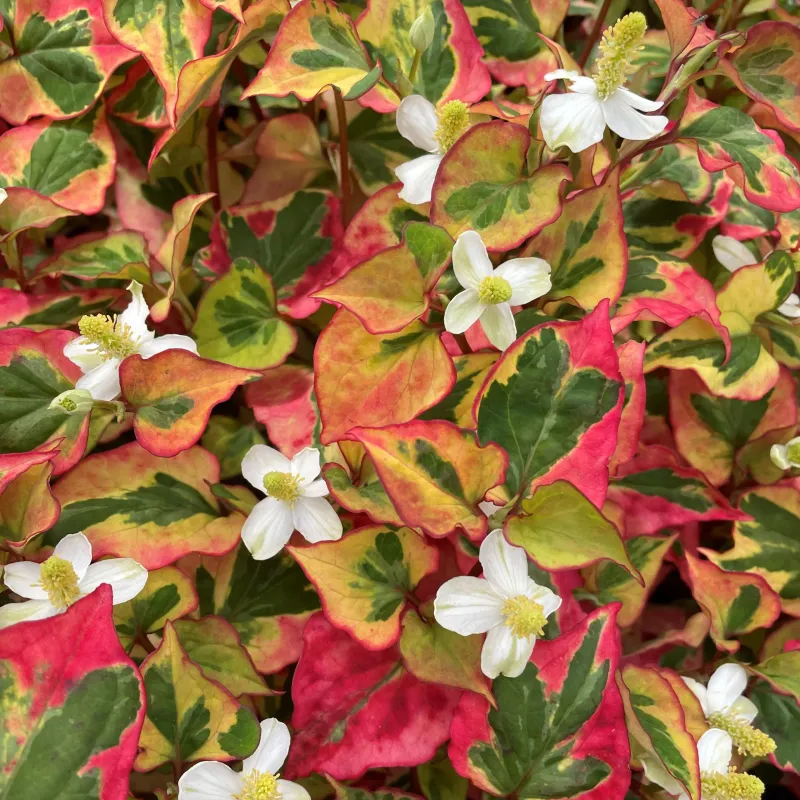
Houttuynia Cordata, known for its striking heart-shaped leaves, brings a splash of color with its variegated foliage. Often used in damp areas, it thrives in moist conditions where others might falter.
This perennial’s vigorous growth effectively covers ground, reducing weed competition. Its aromatic leaves add a unique element to the garden.
Ideal for water gardens or pond edges, Houttuynia Cordata can handle both sun and partial shade. Its ability to adapt to various environments makes it a versatile choice for gardeners seeking to add both texture and color to their landscapes.
Snow-in-Summer
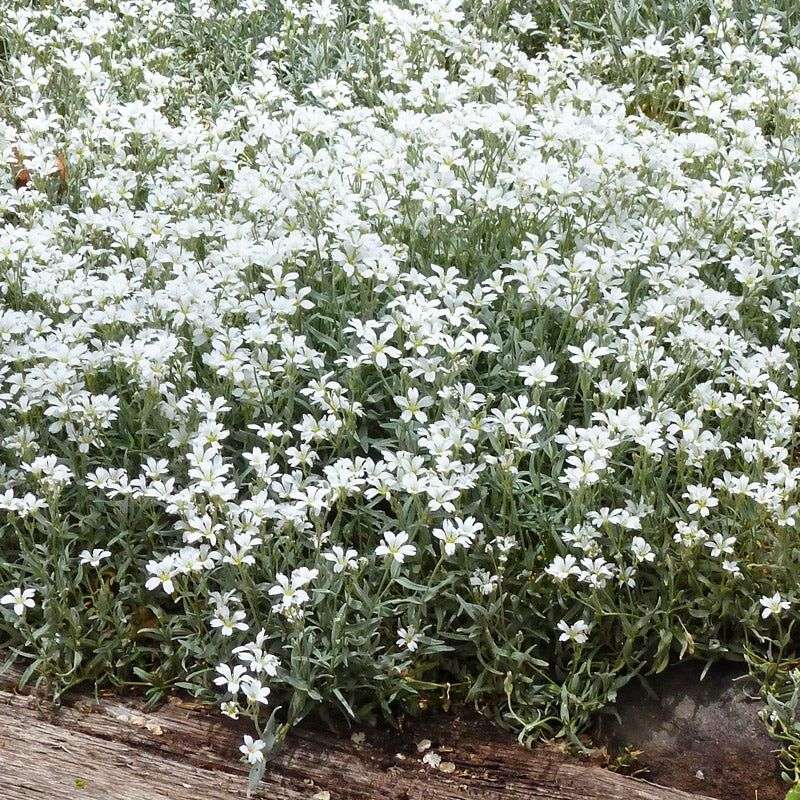
Snow-in-Summer, or Cerastium tomentosum, is adored for its silvery foliage and profusion of white blooms in late spring. This perennial creates a mesmerizing carpet that resembles a fresh snowfall, captivating onlookers.
Its low-growing nature helps suppress weeds, making it ideal for rock gardens or dry, sunny areas.
Snow-in-Summer thrives in well-drained soil and is highly drought-tolerant. Its cascading habit over edges and walls adds an element of grace, while its reflective leaves offer a cooling visual effect during warmer months, making it a garden favorite.
Horned Violet
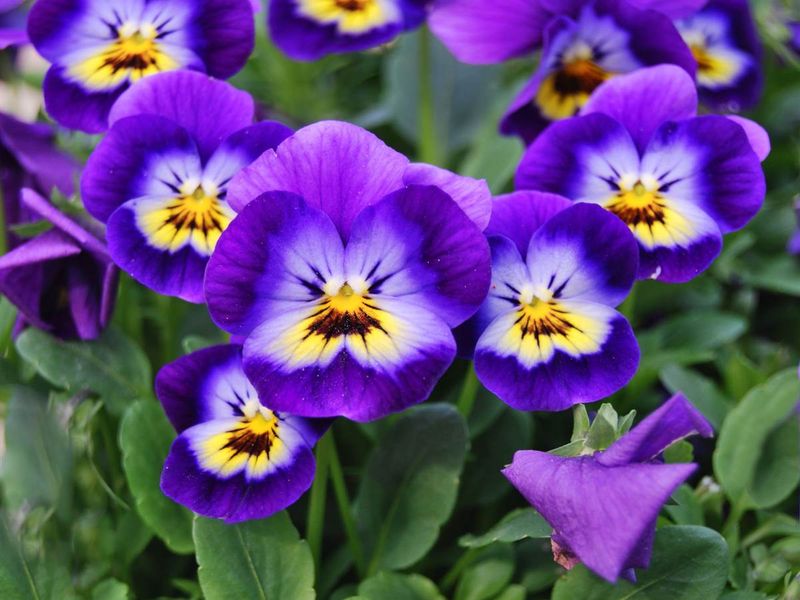
Horned Violet, or Viola cornuta, is cherished for its exquisite blooms that range from deep purple to yellow and white. This perennial forms a dense mat, creating a vibrant tapestry of color across the garden floor. Its rapid spread makes it an effective ground cover, keeping weeds at bay.
Preferring partial shade and moist soil, Horned Violet adds charm wherever it’s planted. Its long blooming period ensures a lively display throughout the seasons. The ability to attract pollinators makes it not only beautiful but beneficial to the garden ecosystem.
Golden Star
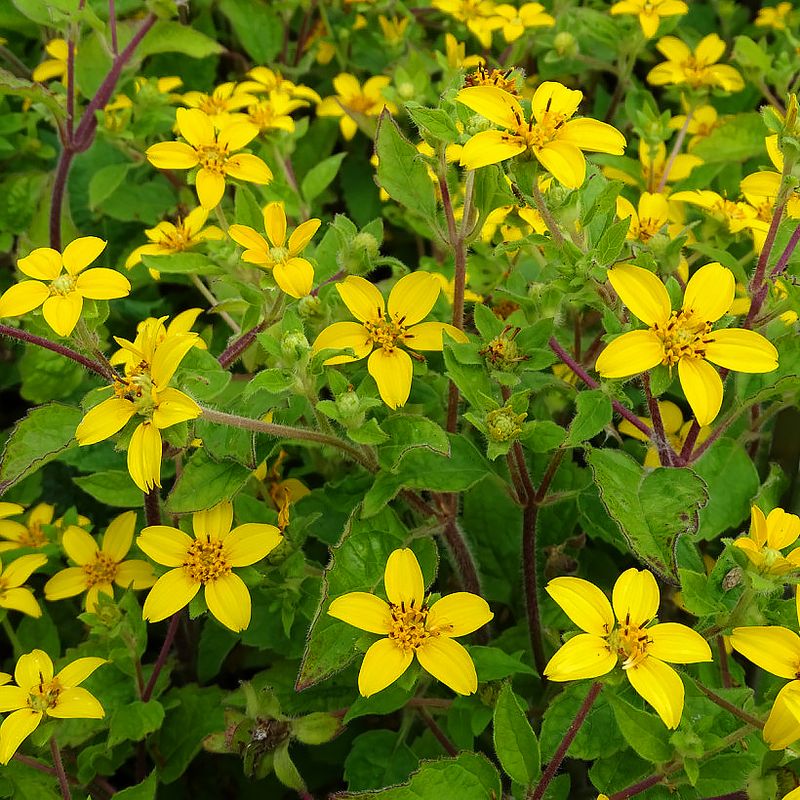
Golden Star, scientifically known as Chrysogonum virginianum, dazzles with its bright yellow flowers against a backdrop of lush green leaves. This perennial creates an eye-catching ground cover that brightens shaded woodland areas.
Golden Star’s spreading habit efficiently suppresses weeds, enhancing its appeal as a low-maintenance solution.
Thriving in well-drained, sandy soils, Golden Star is perfect for borders and naturalized areas. Its cheerful blooms and foliage add a touch of sunshine to garden landscapes. The plant’s adaptability and vibrant presence make it a go-to choice for gardeners seeking impact with minimal effort.
Blue Star Creeper
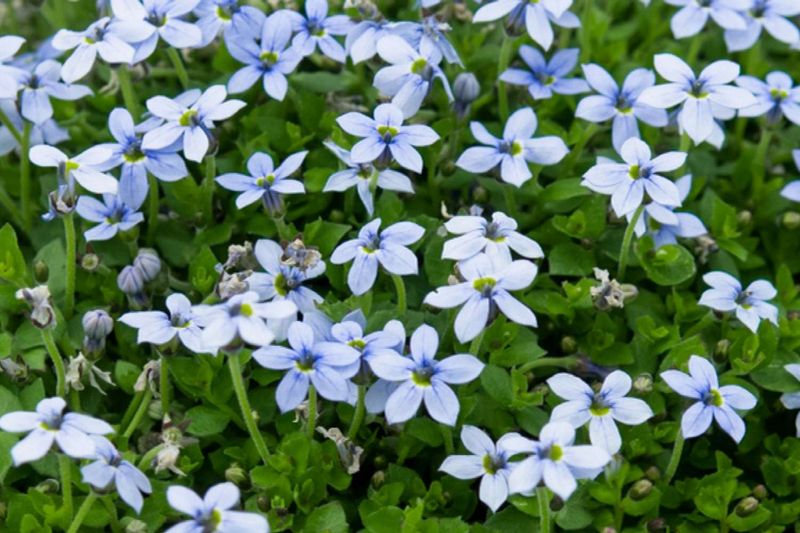
Blue Star Creeper, or Isotoma fluviatilis, enchants with its delicate star-shaped blue flowers scattered over a lush green mat. Ideal for sunny paths or garden borders, this perennial ground cover captivates with its subtle beauty.
Its low-growing nature helps suppress unwanted weeds, while its resilience makes it easy to care for.
Flourishing in well-drained soil, Blue Star Creeper can withstand light foot traffic, making it perfect for walkways. Its long blooming season ensures continuous charm, drawing attention with its gentle, starry blooms that seem to twinkle in the sunlight.