 Complete Gardening
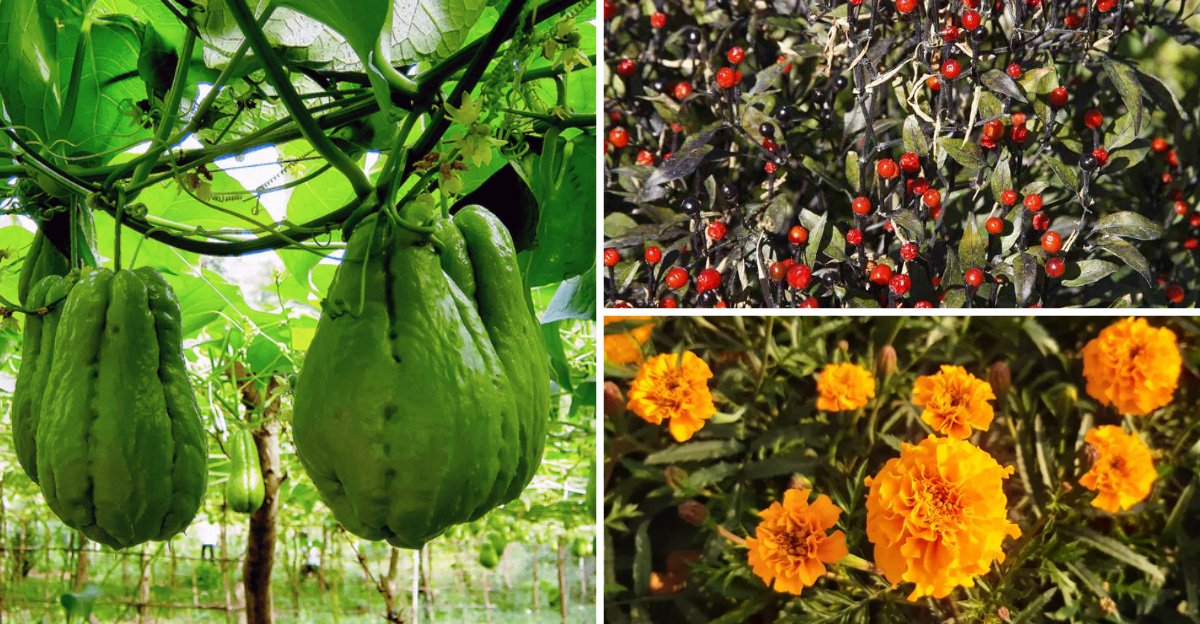
Explore the vibrant world of Mexican kitchen gardens, where the spice of life meets sustainability. These gardens are rich with flavorful herbs, vegetables, and fruits, each contributing to the cultural tapestry of Mexican cuisine. Not only do they provide fresh ingredients, but they also support ecological balance and biodiversity. Join us as we uncover seven essential elements of these gardens, each with its unique charm and utility.
Chiltepin Peppers
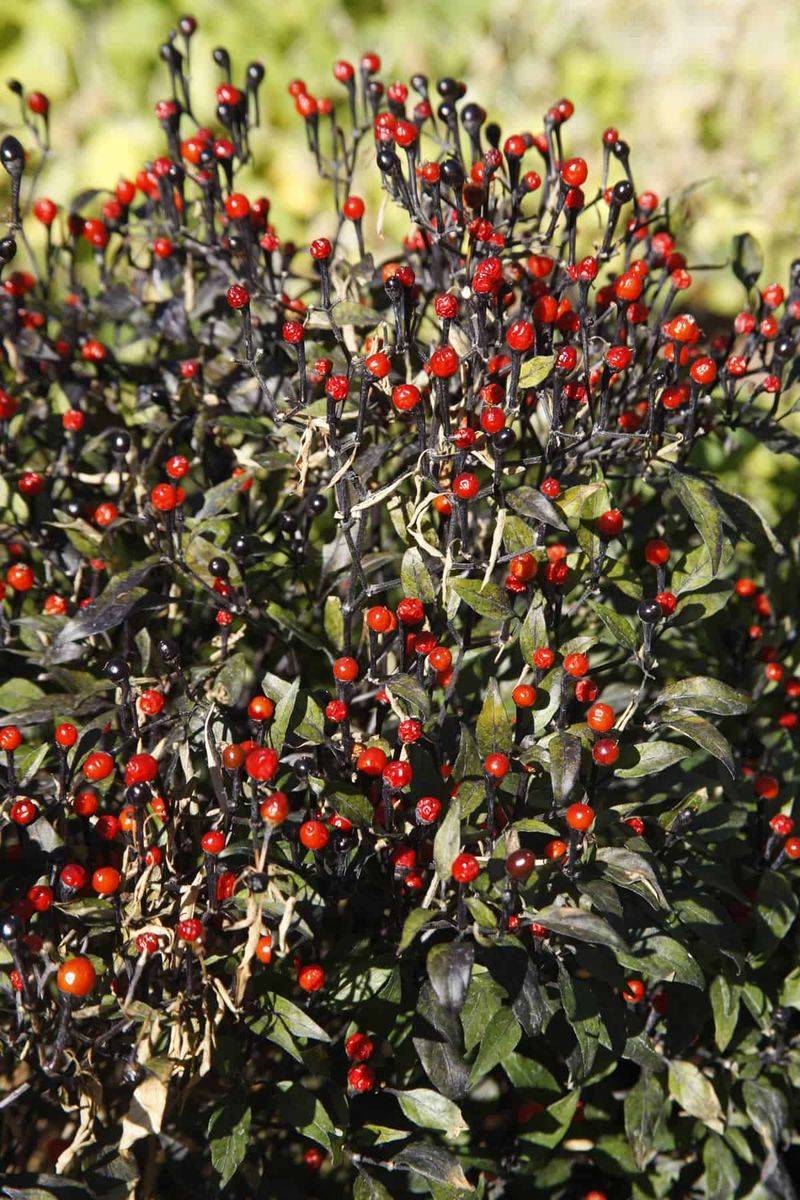
Chiltepin peppers, often referred to as the ‘mother of all peppers,’ boast a fiery punch in a tiny package. Revered for their intense heat and flavor, these wild peppers are a staple in Mexican cuisine.
Growers prize them not just for their culinary applications but also for their resilience and adaptability. Whether warming up a salsa or adding zing to a stew, the chiltepin is an indispensable part of the garden.
Known for growing in clusters, they thrive in sunny climates, making them perfect for a sustainable spice production.
Epazote Herb
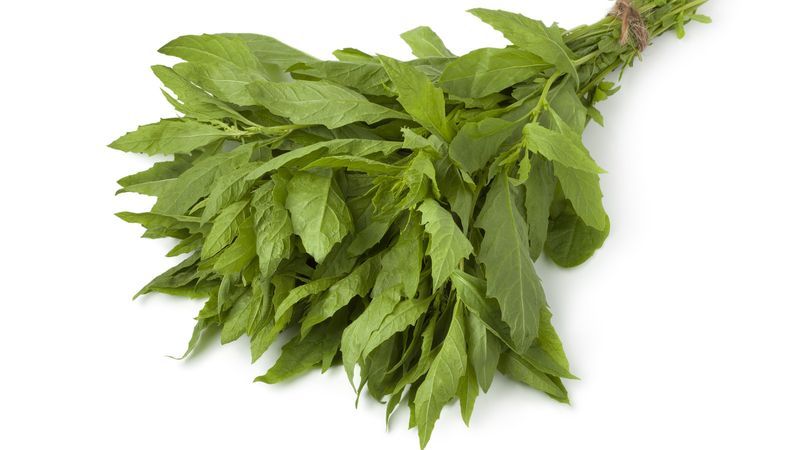
Epazote, with its pungent aroma, is a herb that intrigues both cooks and gardeners alike. Traditionally used in Mexican cooking to flavor beans and stews, it also aids digestion, reducing the gassy effects of legumes.
Recognized by its jagged leaves and strong scent, epazote is easy to cultivate and requires minimal care, thriving in well-drained soil.
Its natural pest-repellent properties make it a valuable companion plant, protecting more delicate crops from unwanted insects while enhancing the garden’s diversity.
Tomatillos
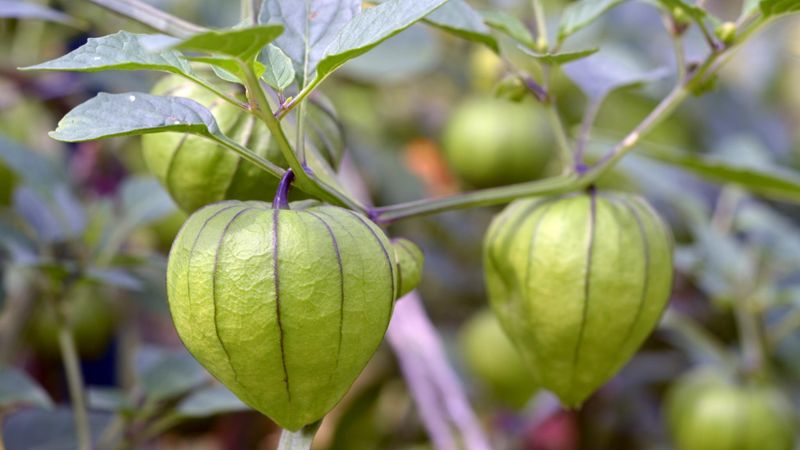
Tomatillos, encased in their signature papery husks, are a cornerstone of Mexican salsa verde. Their tangy, citrus-like flavor provides a refreshing twist to many dishes.
Originating from Mexico, these fruits are not only delicious but also rich in vitamins. They grow easily, demanding sunny spots and regular watering.
As they mature, their husks dry and split, revealing the vibrant green fruit inside. Tomatillos’ self-reliant growth and nutritional benefits make them a smart choice for any kitchen garden.
Nopal Cactus
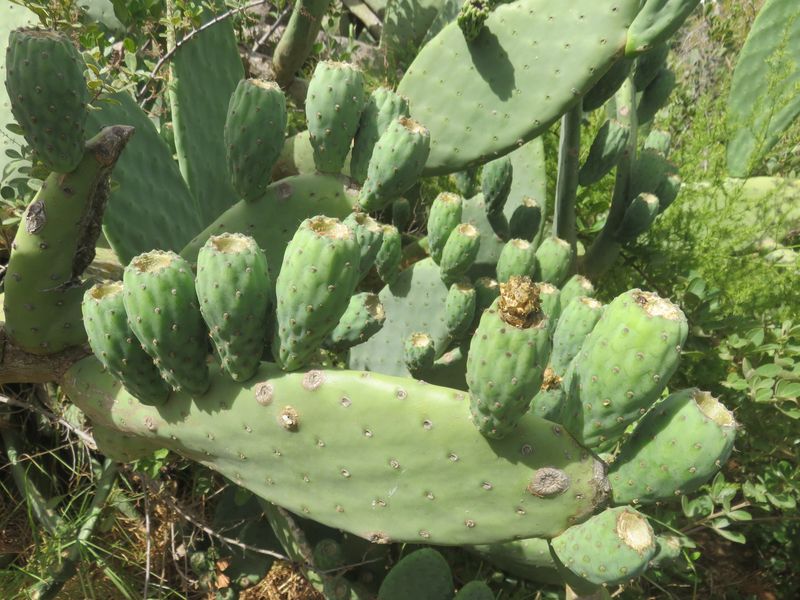
The nopal cactus, renowned for its edible pads, is a symbol of Mexican resilience and cuisine. With a mild, slightly tangy flavor, it’s commonly used in salads, tacos, and traditional dishes.
This hardy plant thrives in arid conditions, requiring little water and care once established. Its ability to survive harsh climates makes it a sustainable choice for gardeners seeking drought-resistant options.
Beyond its culinary uses, nopal is celebrated for its health benefits, including anti-inflammatory properties and aiding in blood sugar regulation.
Mexican Oregano
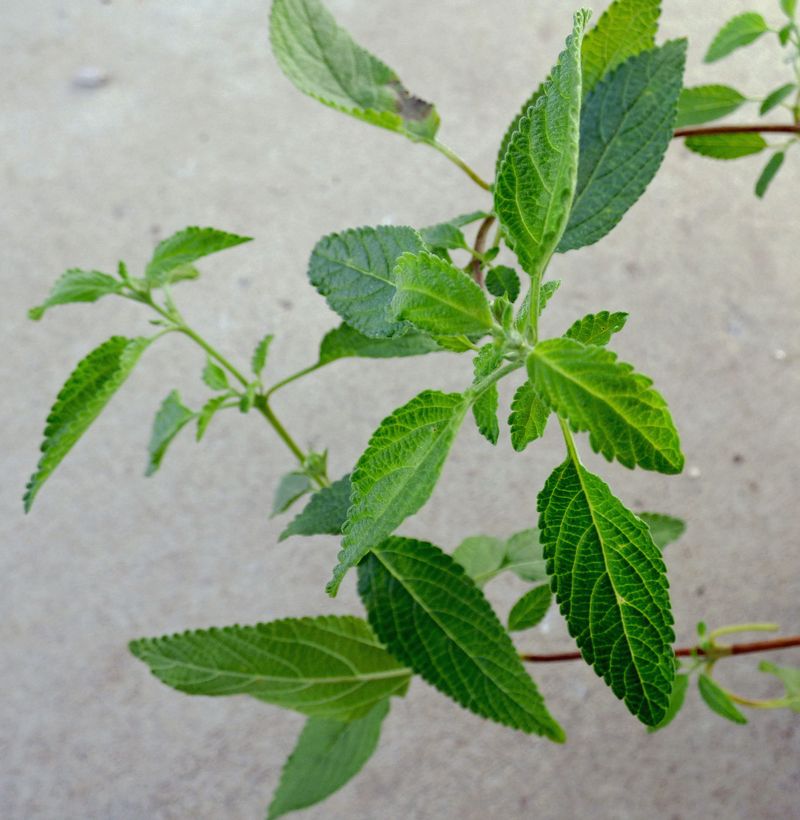
Mexican oregano, distinct from its Mediterranean cousin, has a robust flavor with hints of citrus and licorice. Popular in Mexican and Tex-Mex cooking, it complements meats and hearty stews beautifully.
This perennial herb flourishes in warm climates and enjoys full sun. Its resilience and low maintenance needs make it a garden favorite.
Beyond flavor, Mexican oregano is known for its antibacterial properties, adding both taste and health benefits to dishes. It’s a must-have for those who appreciate bold, aromatic flavors.
Avocado Trees
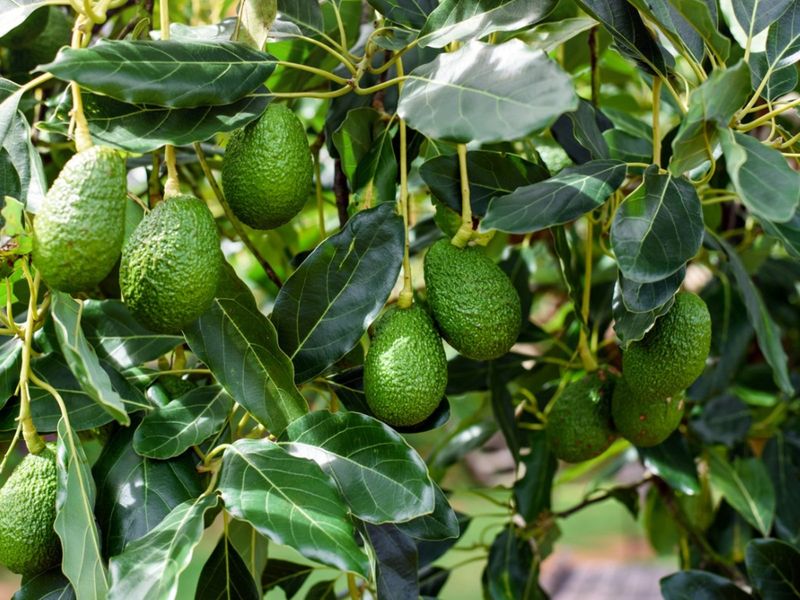
Avocado trees, with their lush, green foliage, are a beloved fixture in Mexican gardens. Known for producing creamy, nutrient-rich fruits, they are a culinary treasure.
These trees require a bit of patience, often taking several years to bear fruit, but the wait is richly rewarded. They thrive in warm, sunny environments with well-drained soil.
Besides their delicious fruits, avocados offer health benefits, including heart-healthy fats and essential vitamins. They symbolize abundance and are cherished for their versatility in Mexican cuisine.
Marigolds
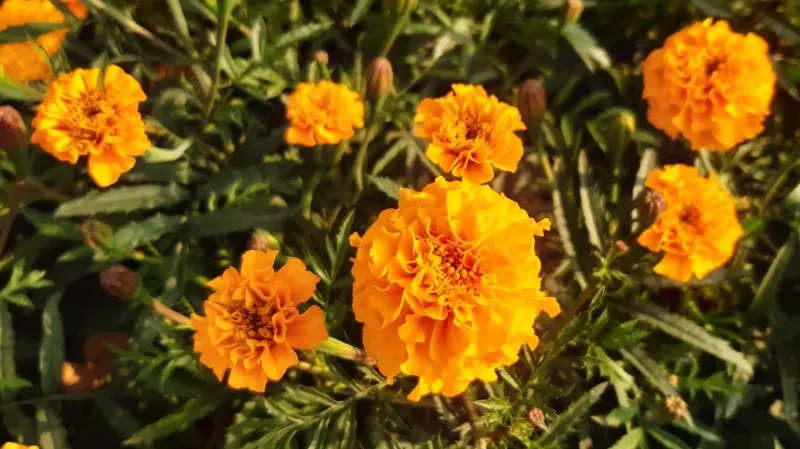
Marigolds, with their vibrant hues, adorn many a Mexican kitchen garden. Their cheerful appearance belies a practical nature; they are known for repelling pests and enhancing soil health.
These flowers thrive in sunny spots and are incredibly easy to grow, making them a gardener’s delight. They also play a ceremonial role in Mexican culture, particularly during Dia de los Muertos.
Marigolds’ dual role as both protector and beautifier makes them indispensable in sustainable garden planning, offering a splash of color and ecological benefits.
Ancho Peppers
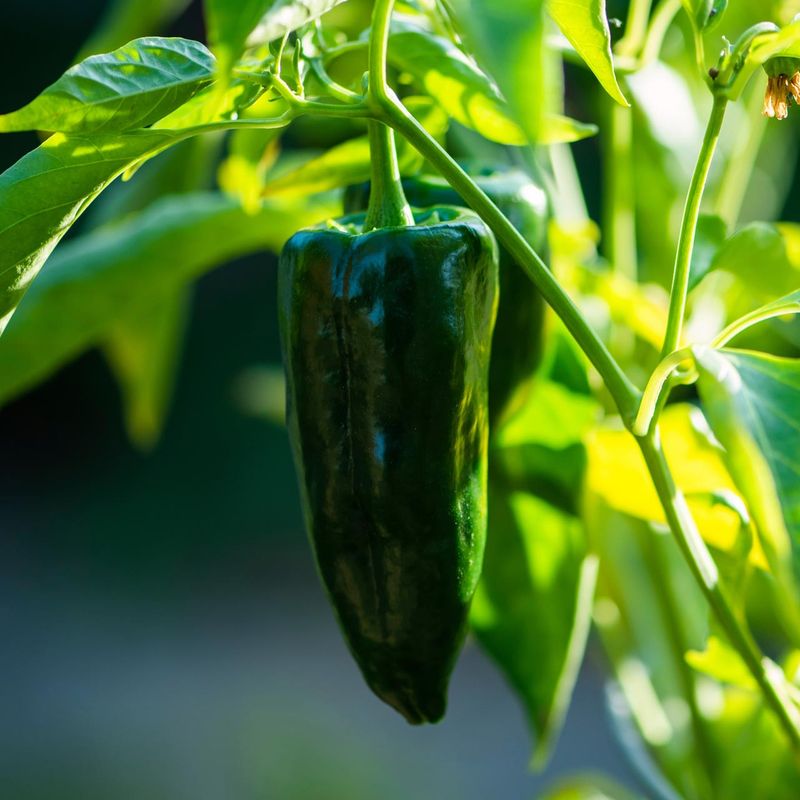
Ancho peppers are a staple in Mexican gardens. Known for their mild heat and rich, smoky flavor, these peppers are perfect for sauces and stews. They grow well in warm climates, making them ideal for a sun-drenched garden. Whether dried or fresh, their versatility in cooking is unmatched.
Ancho peppers are not just culinary stars but also attract pollinators, enhancing garden biodiversity. Their deep green hue adds a vibrant touch to any garden landscape. A fun fact: when dried, Anchos are known as Poblano peppers, a key ingredient in mole sauce.
Purslane
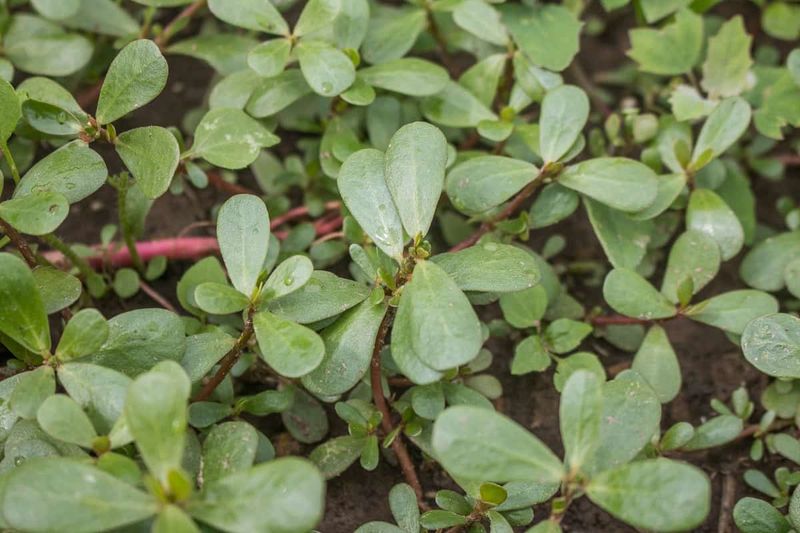
Purslane, often considered a weed elsewhere, is a cherished plant in Mexican gardens. This succulent offers a tart, lemony flavor and a crunchy texture, ideal for salads and garnishes. Rich in omega-3s, it’s a nutritional powerhouse.
Thriving in sunny, dry conditions, purslane acts as a natural ground cover, preventing soil erosion. Its robust nature means little maintenance is required. Historically, purslane has been used in traditional medicine to soothe inflammation and aid digestion. Its adaptability and health benefits make it a valuable addition to sustainable gardens.
Mexican Tarragon
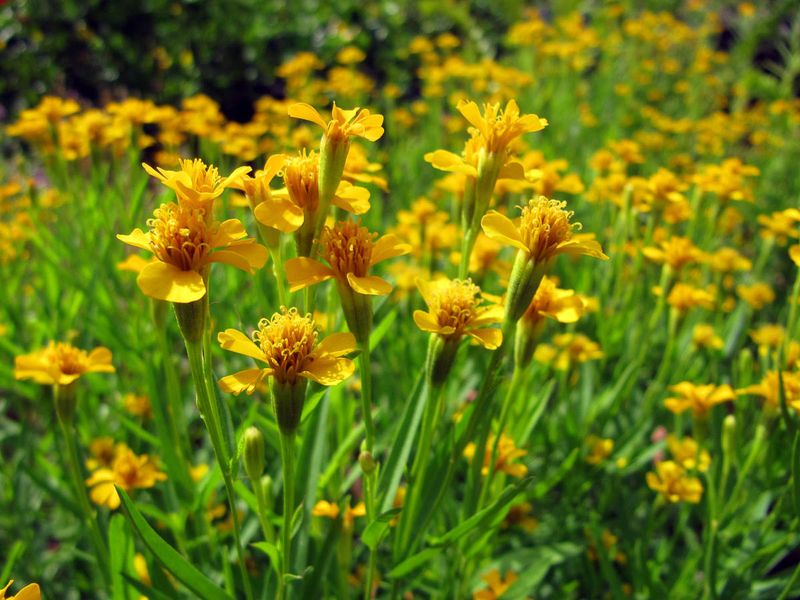
Mexican Tarragon, with its sweet anise-like flavor, is a delightful herb in Mexican cuisine. Unlike true tarragon, it thrives in hot, sunny environments, producing cheerful yellow flowers that attract beneficial insects.
This herb is not only flavorful but also drought-tolerant, making it an excellent choice for sustainable gardening. Traditionally, Mexican Tarragon has been used to relieve stomach aches and as a ritualistic incense. Its dual role as a culinary and medicinal plant highlights its versatility in the garden, bridging the gap between sustenance and tradition.
Amaranth
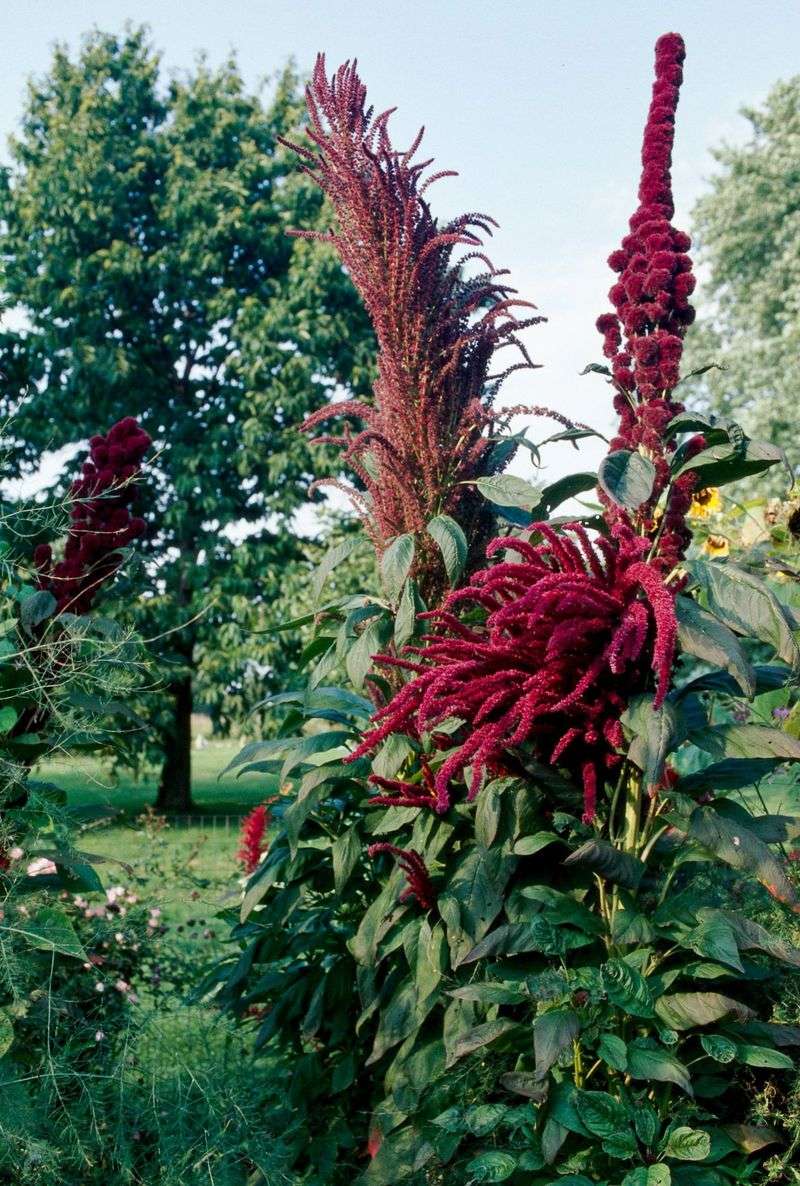
Amaranth, with its vibrant red flowers, is a show-stopper in Mexican gardens. This ancient grain is highly valued for its nutritional content, including proteins and essential amino acids. Its leaves are edible too, offering a spinach-like taste.
Cultivating amaranth is simple as it requires minimal water and care. Historically, it played a significant role in Aztec rituals and diets. Today, it stands as a symbol of agricultural resilience and a source of sustenance. Its beauty and utility make it a prized addition to any kitchen garden.
Banana Peppers
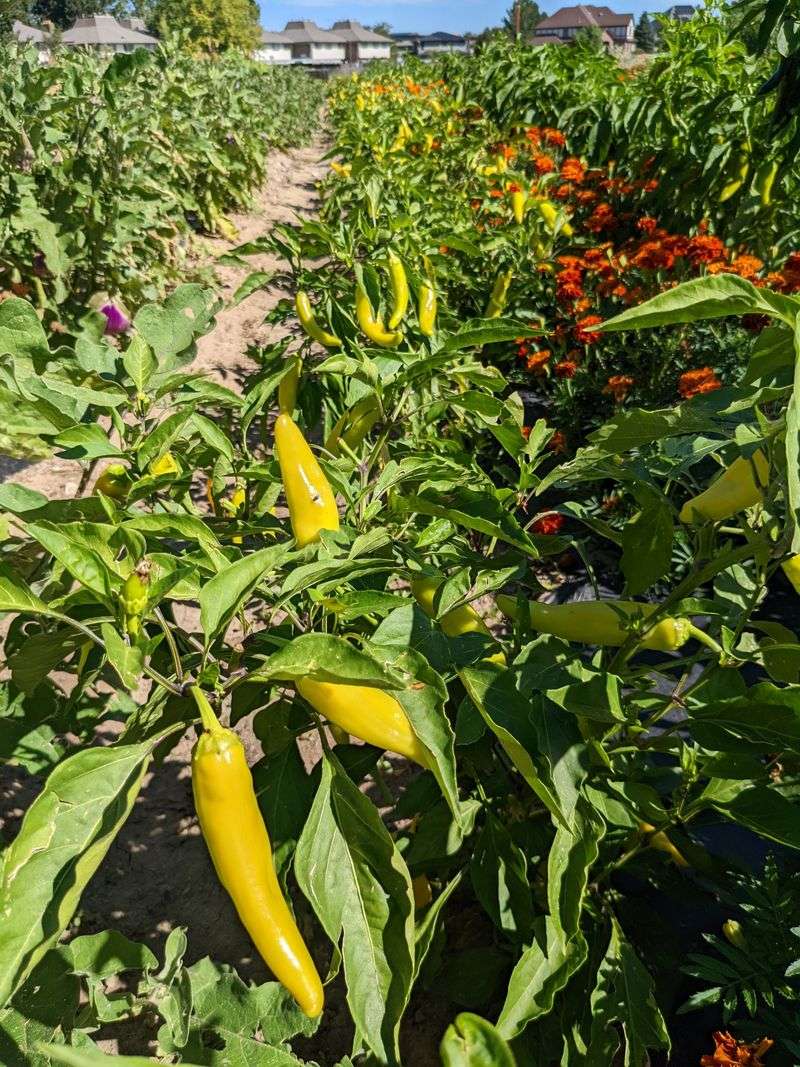
Banana peppers bring a mild, tangy flavor to Mexican dishes. Their bright yellow color adds visual appeal to gardens and plates alike. These peppers thrive in warm weather, requiring full sunlight to produce abundantly.
Besides their culinary use, banana peppers can deter pests, acting as natural garden protectors. They are easy to grow, making them perfect for gardeners of all skill levels. A quirky tidbit: despite their name, they are not related to bananas, but their shape and color resemble the fruit.
Chayote
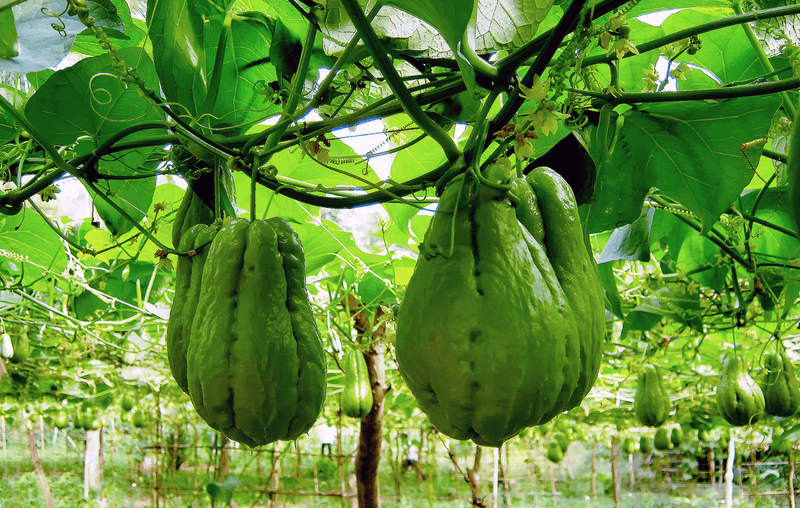
Chayote, resembling a wrinkled green pear, is a versatile squash in Mexican gardens. Its mild flavor and crisp texture make it perfect for stews, salads, and even desserts. The vine is highly productive, thriving in warm climates.
Chayote vines not only provide ample shade but also improve soil quality with their extensive root systems. Historically, Chayote has been cultivated since pre-Columbian times, appreciated for its nutritional benefits. Its unique appearance and culinary versatility make it a standout item in any Mexican garden.
Hibiscus (Jamaica)
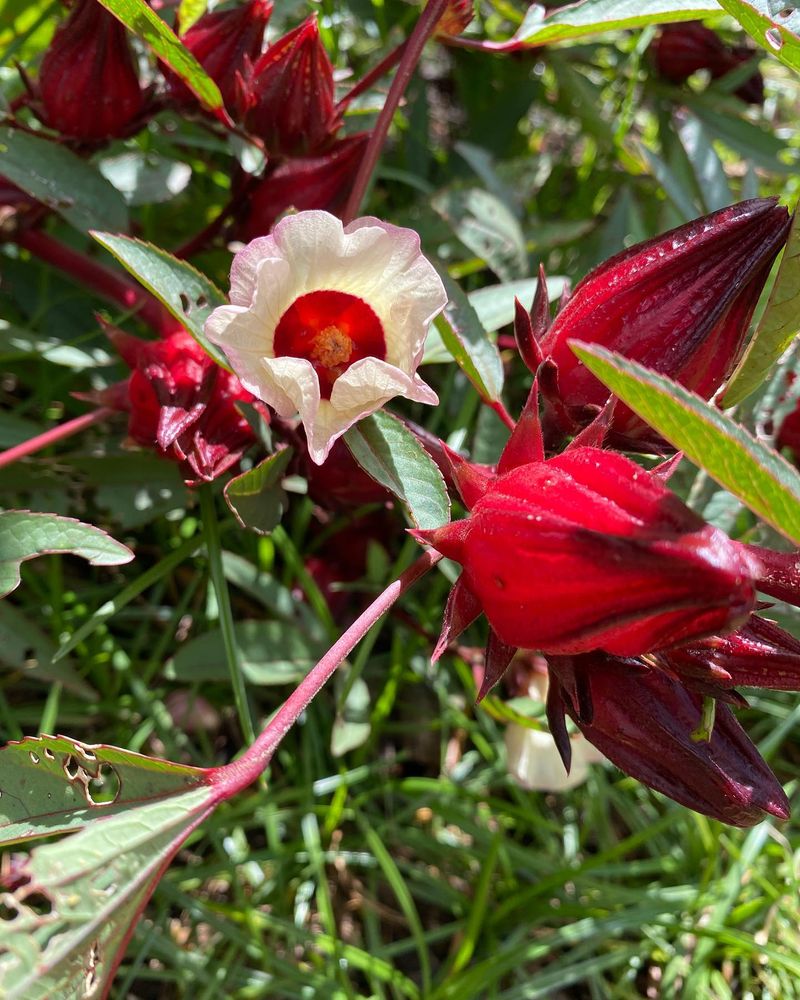
Hibiscus, known as Jamaica in Mexico, is famed for its tart, cranberry-like flavor. Its deep red flowers are used to make refreshing beverages that are both delicious and rich in vitamin C. The plant thrives in sunny, warm conditions.
In addition to its culinary uses, hibiscus enhances garden aesthetics with its striking blossoms. Historically, it has been used in traditional remedies, believed to lower blood pressure. Its blend of beauty and utility makes it a cherished plant in sustainable gardens, connecting culture and cuisine.
Jicama
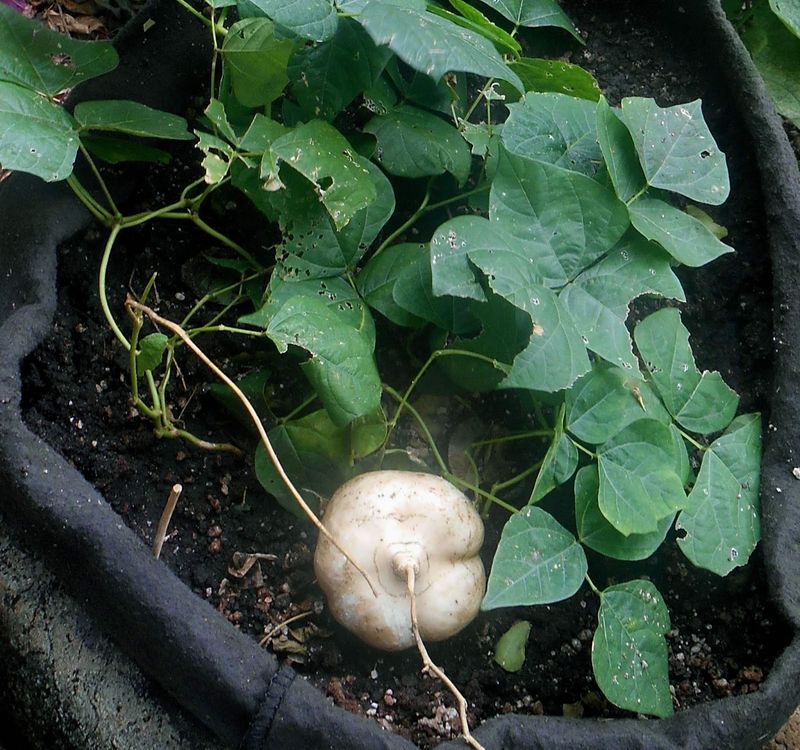
Jicama, a root vegetable, offers a sweet, nutty flavor and crisp texture, perfect for salads and snacks. Its tubers grow underground, while the plant’s lush foliage adds greenery to gardens.
Native to Mexico, jicama requires little maintenance and thrives in warm climates. Its versatility extends beyond the kitchen, as it is often used in traditional medicine for its anti-inflammatory properties. A fun fact: Jicama flowers are toxic, highlighting the importance of harvesting only the tubers. Its combination of taste and practicality makes it a valuable garden addition.
Mexican Mint Marigold
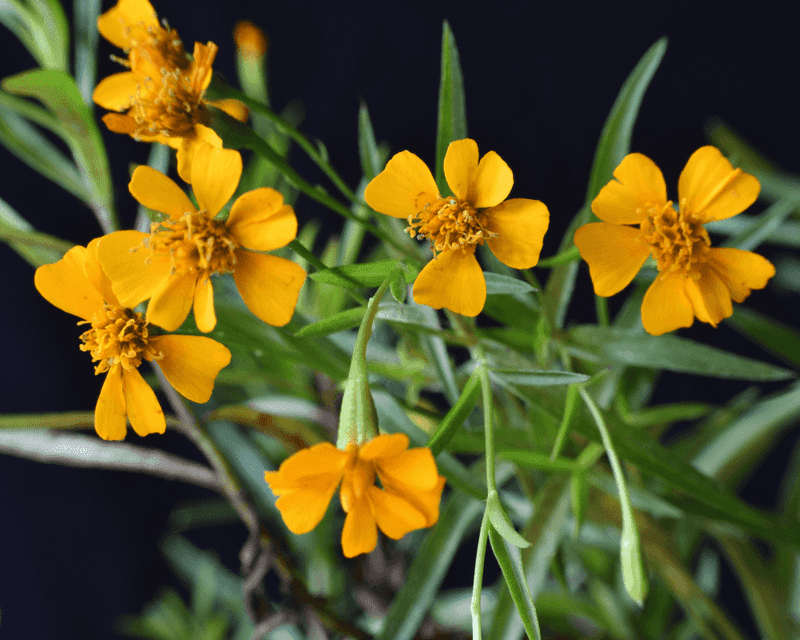
Mexican Mint Marigold, with its licorice-like flavor, is a delightful herb for teas and desserts. Unlike traditional marigolds, this plant is perennial, thriving in sunny conditions with minimal water needs.
Its bright yellow blooms attract pollinators, enhancing garden biodiversity. Historically, it has been used to treat digestive issues and as a ceremonial incense. Its striking appearance and multifaceted uses make it a treasured addition to Mexican gardens, intertwining culinary and medicinal traditions.
Serrano Peppers
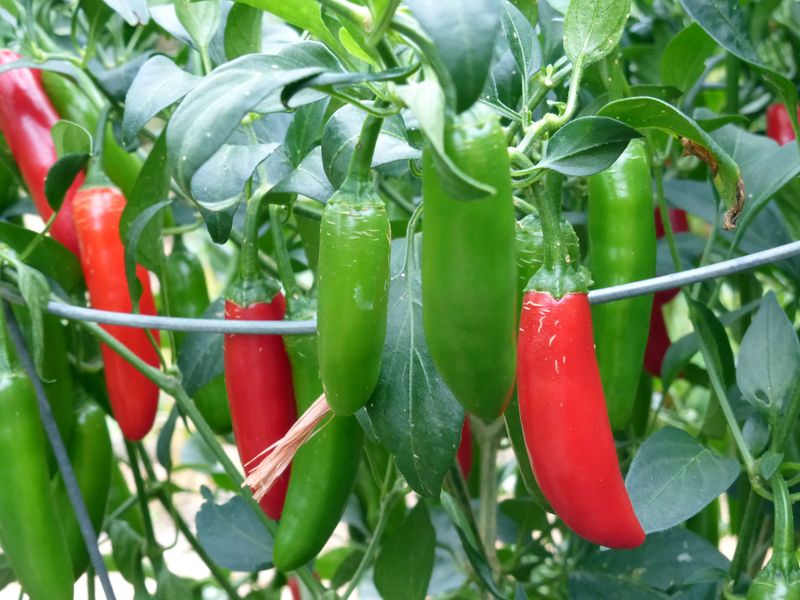
Serrano peppers are small but pack a punch, perfect for adding heat to Mexican dishes. Their vibrant red and green hues make them visually striking in any garden setting. These peppers thrive in warm, sunny environments.
Beyond their culinary appeal, Serrano peppers help deter pests, acting as natural protectors in gardens. A fascinating detail: they are heat-tolerant and continue producing even under intense sun. Their fiery nature and vibrant colors make them an essential part of any spicy and sustainable garden.