 Complete Gardening
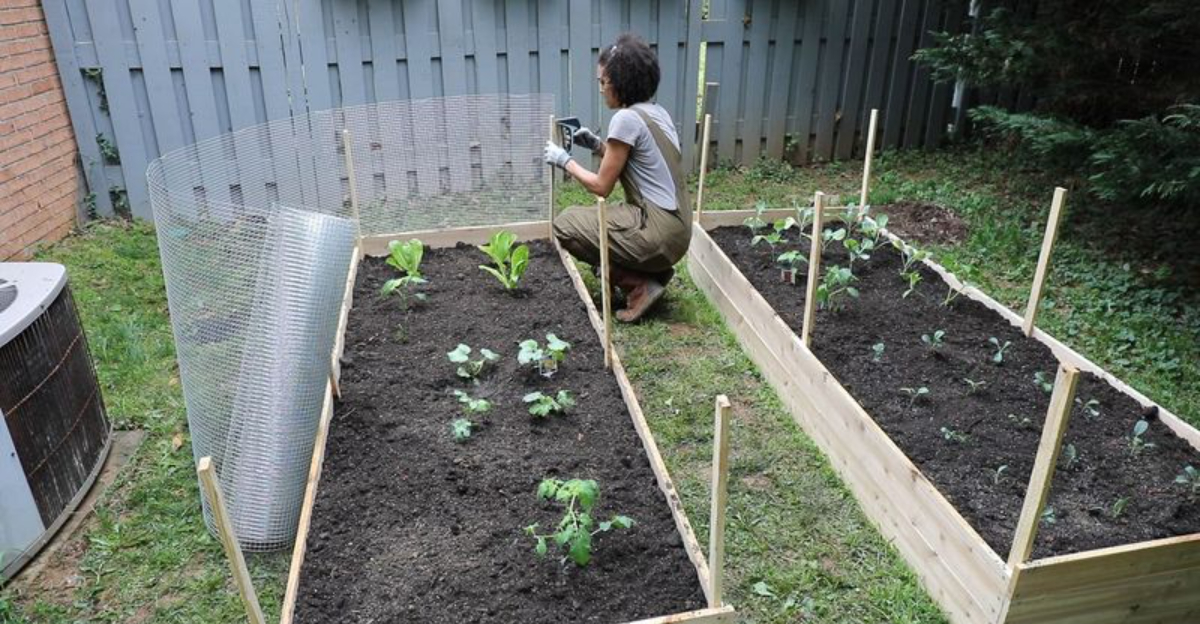
Better soil, fewer weeds, and faster growth—here’s why it’s a growing trend in the Great Lakes State
The Big Shift: From Traditional Rows to Raised Beds
This season, more Michigan gardeners—urban, suburban, and rural—are rethinking their garden layout. Raised beds are quickly becoming the go-to option, and it’s not just a passing trend. With unpredictable spring rains, soil compaction, and limited space in many backyards, raised bed gardening offers practical solutions to some of Michigan’s most common growing challenges.
Here’s why raised beds are taking over gardens across the state.
Improved Drainage in Wet Conditions
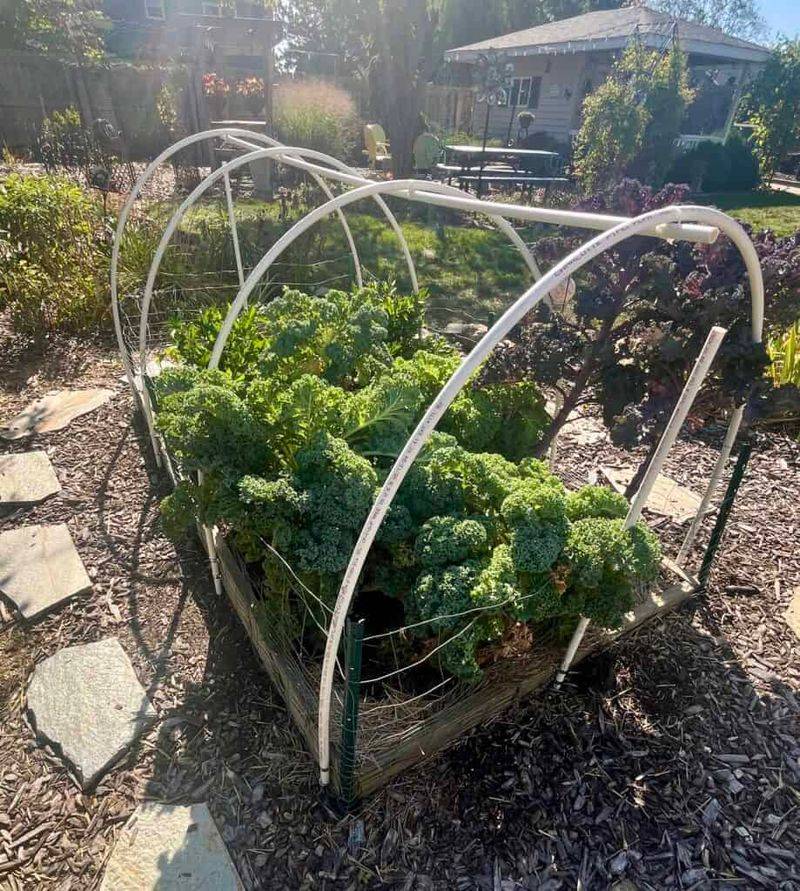
Michigan springs are known for heavy rains and lingering moisture. Raised beds help keep plant roots from drowning by allowing excess water to drain more easily.
Bonus: You can start planting earlier in the season because the soil in raised beds warms up faster and dries out sooner.
Less Soil Compaction = Healthier Roots
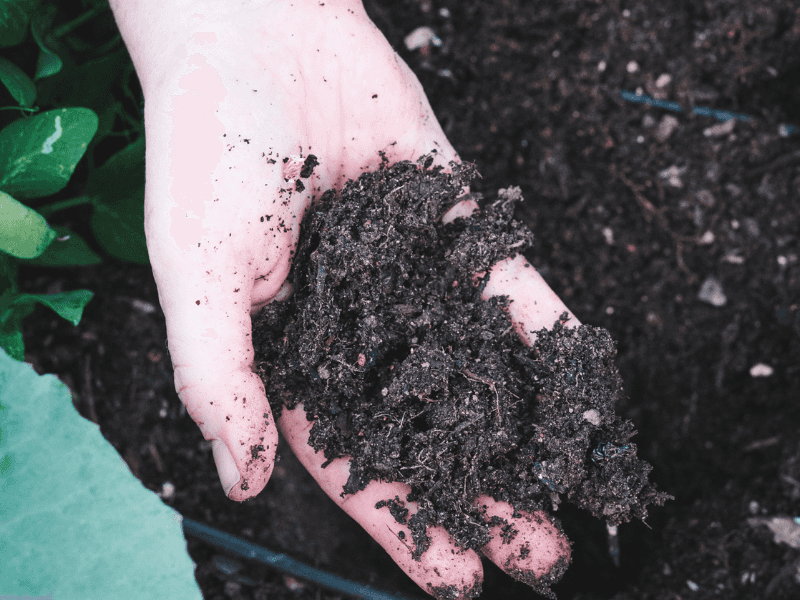
When you walk in a traditional garden row, you compact the soil, making it harder for roots to grow deep. Raised beds let you garden without stepping into the soil, keeping it loose and aerated.
This leads to:
Bigger harvests
Better root development
Stronger plants
Control Over Soil Quality
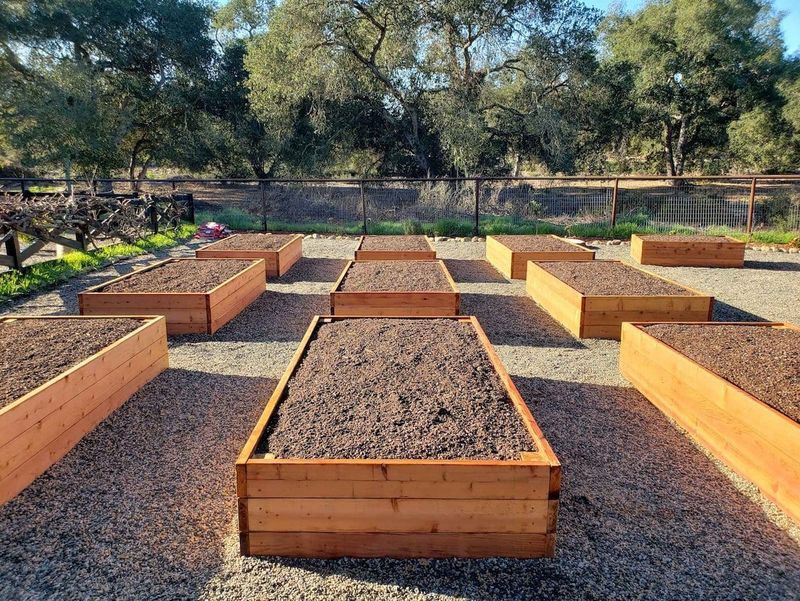
Many parts of Michigan have clay-heavy or sandy soil that’s hard to work with. Raised beds allow gardeners to build perfect soil from scratch, mixing compost, topsoil, and amendments to suit specific crops.
That means:
More consistent yields
Fewer nutrient problems
Better water retention
Fewer Weeds and Pests
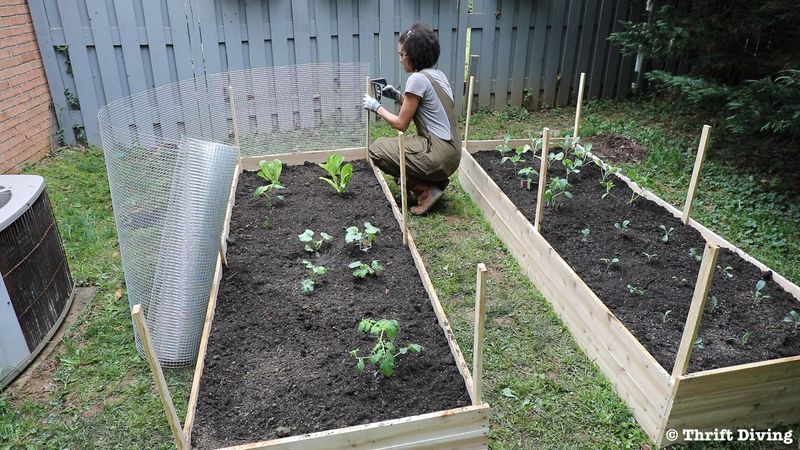
Because raised beds are elevated, they’re easier to keep weed-free. Lining the bottom with cardboard or landscape fabric can block invasive weeds from below.
Some gardeners also report fewer issues with pests like groundhogs and rabbits, especially if beds are surrounded by fencing or elevated higher off the ground.
Back-Friendly and Accessible
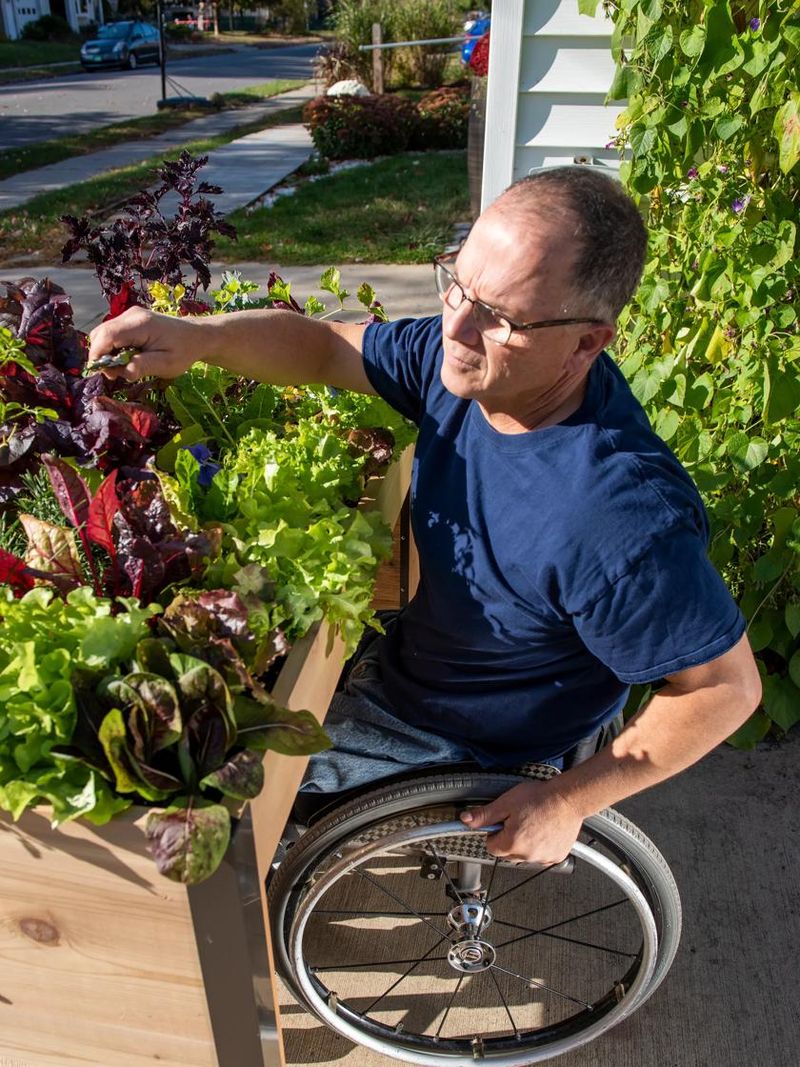
For older gardeners or those with mobility issues, raised beds are a game changer. You can build them waist-high or use kits designed for seated gardening.
This makes daily maintenance—like harvesting, weeding, or watering—much easier and more enjoyable.
Great for Small Spaces
Whether you live in a Detroit suburb or have a cabin up north, raised beds let you maximize space. They can be placed on patios, rooftops, or even gravel driveways.
Want to garden in an apartment? Try tabletop raised beds or self-watering planter boxes—same benefits, smaller scale.
Michigan Gardeners Say It’s Worth It
From Grand Rapids to Traverse City, more gardeners are praising raised beds as “easier to manage, more productive, and cleaner.” With a little effort upfront, they’re seeing fewer weeds, better drainage, and more food per square foot.
Thinking of Making the Switch?
Here’s what you’ll need to get started:
- Wood, metal, or composite raised bed kits
- Soil mix: 50% topsoil, 30% compost, 20% peat or coconut coir
- Mulch or straw for moisture control
- Optional: deer fencing or row covers
Whether you’re battling soggy spring soil or tired of bending over to weed, raised beds could be your best move this gardening season. They’re practical, productive, and perfect for Michigan’s unique growing conditions.
So if you’re ready for cleaner, smarter, and more satisfying gardening—it might be time to raise your expectations.