 Complete Gardening
Mississippi’s hot, humid climate creates unique gardening opportunities that many other states can only dream of. The Magnolia State’s long growing seasons and rich soil conditions allow gardeners to cultivate stunning landscapes filled with vibrant blooms and lush greenery. Smart plant selection and understanding your local environment are the keys to creating a thriving Southern garden that flourishes year-round.
1. Native Daylilies for Heat Tolerance
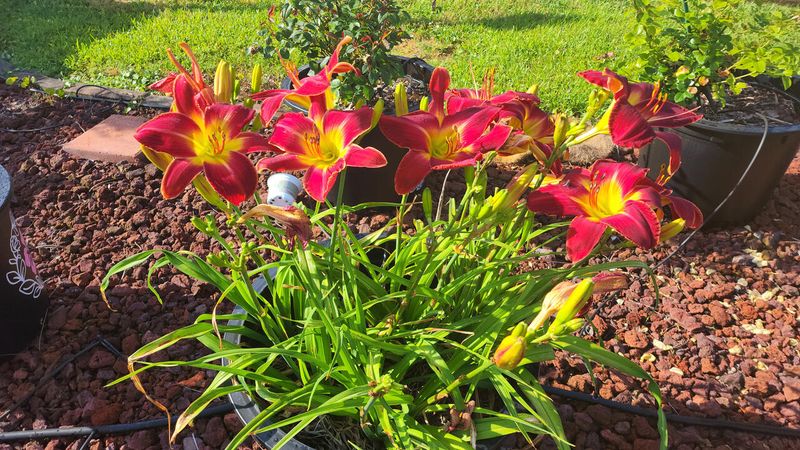
Blazing summer temperatures don’t faze these hardy perennials one bit. Daylilies thrive in Mississippi’s sweltering heat while producing gorgeous trumpet-shaped flowers in orange, yellow, and red hues.
Each bloom lasts just one day, but new buds keep opening throughout the season. Plant them in full sun to partial shade for best results.
Their grasslike foliage adds texture to borders even when not flowering.
2. Purple Coneflowers for Wildlife Support
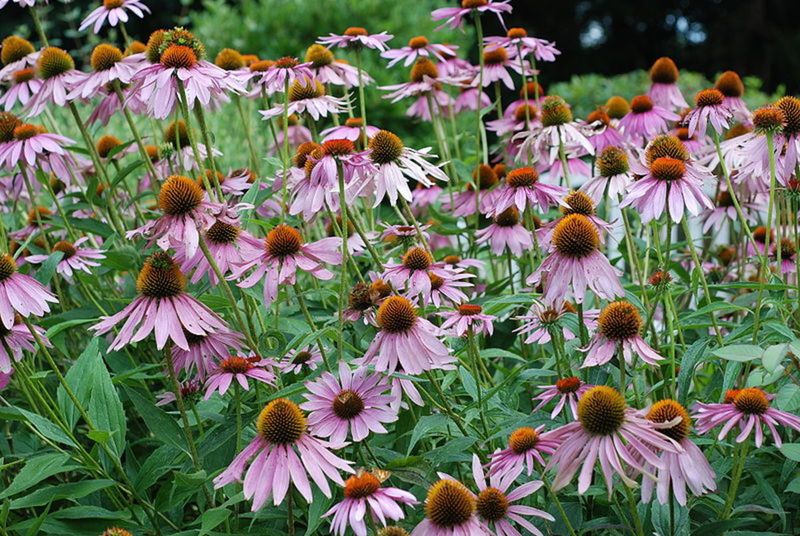
Butterflies and bees flock to these cheerful purple blooms like kids to ice cream trucks. Coneflowers are Mississippi natives that handle drought conditions with remarkable grace while providing nectar for pollinators.
Their sturdy stems rarely need staking, making maintenance a breeze. Seeds left on plants feed birds through winter months.
Deadheading spent blooms encourages more flowers to develop throughout the growing season.
3. Salvias for Continuous Color
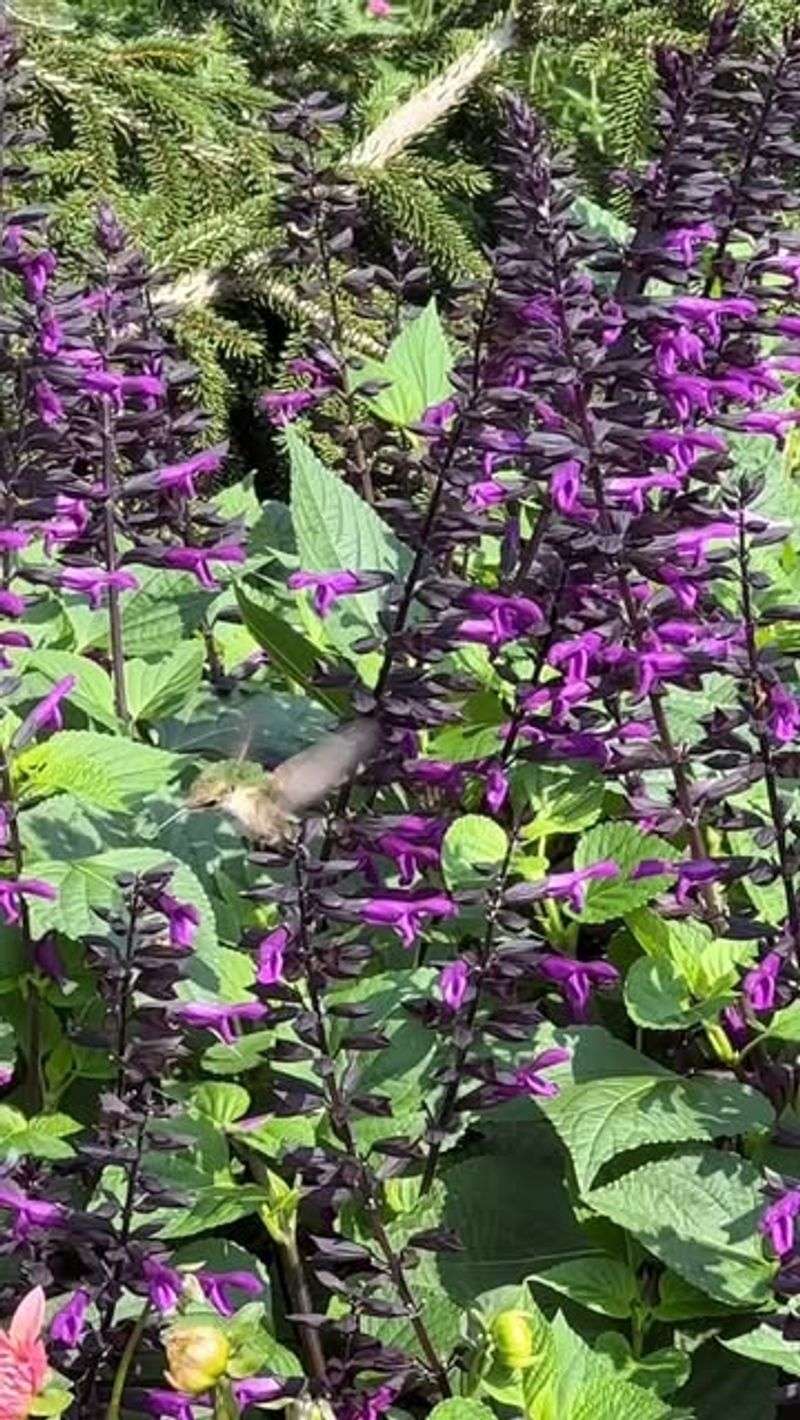
From spring until the first frost, salvias keep pumping out colorful flower spikes without missing a beat. These Mediterranean natives adapted beautifully to Mississippi’s climate, offering red, purple, pink, and white varieties.
Hummingbirds absolutely adore their tubular blooms. Most varieties are deer resistant, solving a common garden problem.
Regular pinching encourages bushier growth and more flower production.
4. Lantana’s Tropical Charm
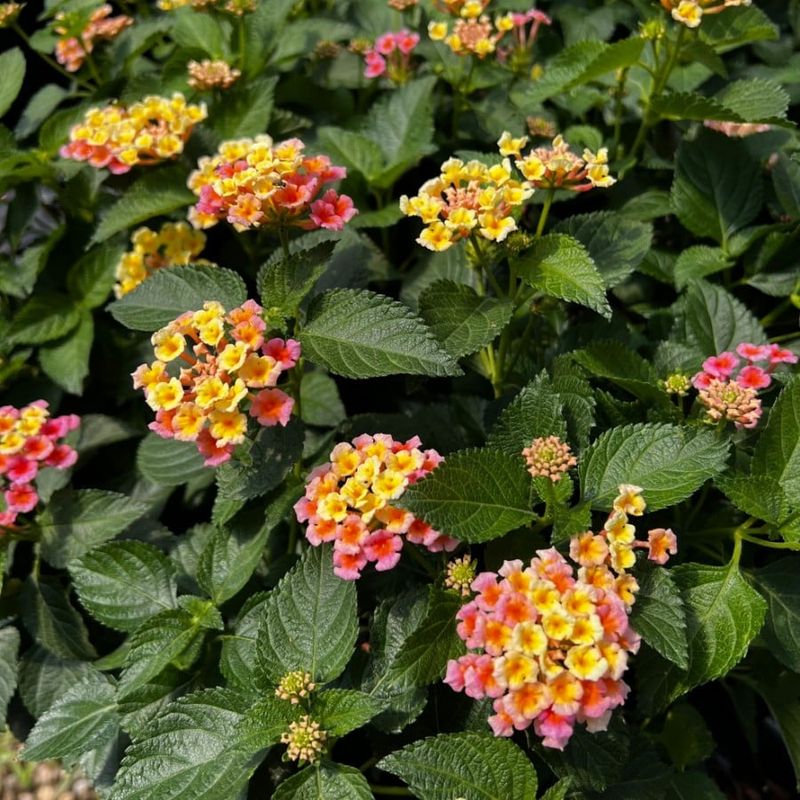
Picture tiny flowers clustered together like colorful bouquets on every branch. Lantana brings tropical flair to Mississippi gardens with its vibrant yellow, orange, red, and pink flower clusters.
This tough plant laughs at heat waves and drought conditions. Butterflies treat lantana like their favorite restaurant, visiting constantly throughout the day.
Trailing varieties work beautifully in hanging baskets and containers.
5. Spicebush for Shady Spots
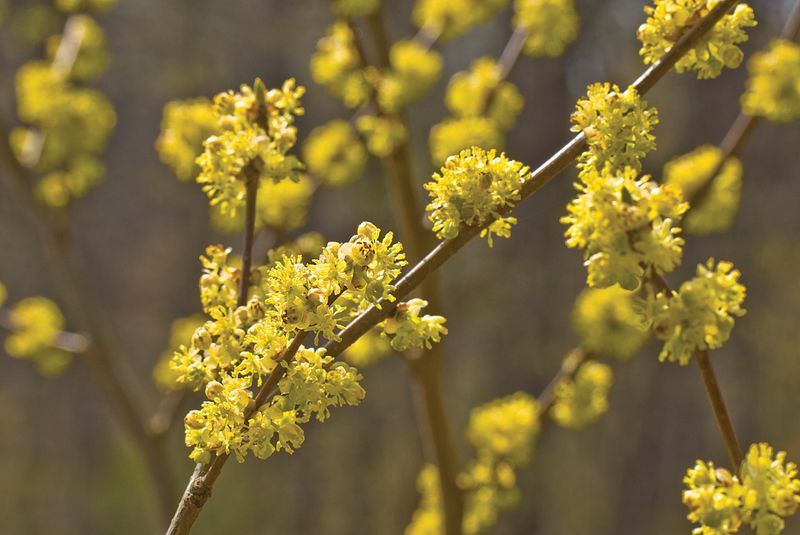
When most plants wilt in deep shade, spicebush stands tall and proud. This Mississippi native shrub produces small yellow flowers in early spring before its leaves emerge.
Crushing the leaves releases a delightful spicy fragrance that gives the plant its name. Female plants develop bright red berries that birds eagerly devour.
Fall brings stunning golden-yellow foliage that lights up dark garden corners.
6. American Beautyberry’s Purple Magic
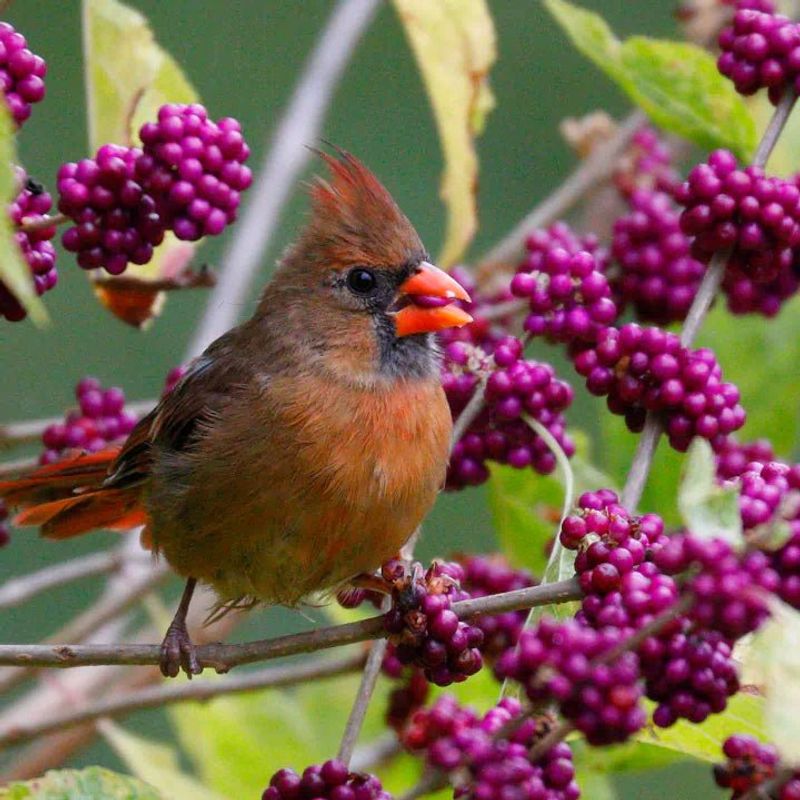
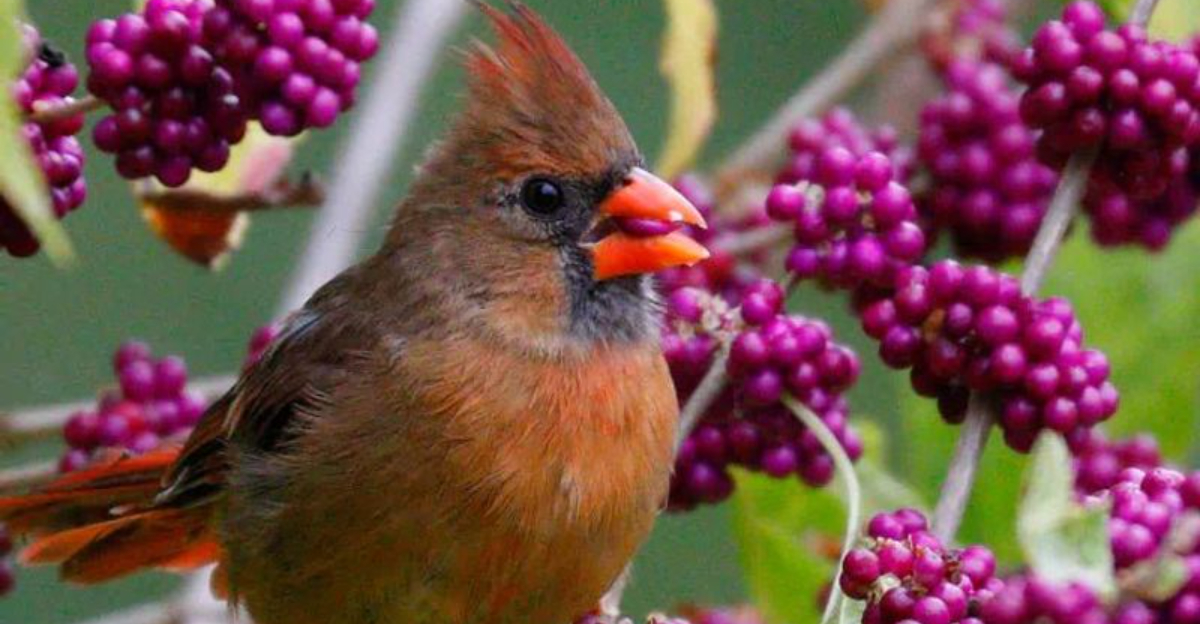
Nothing quite prepares you for the sight of bright purple berries clustered around green stems like nature’s jewelry. American beautyberry is a Mississippi native that produces these stunning fruits in fall.
Birds love the berries, making this shrub a wildlife magnet. The plant tolerates various soil conditions and partial shade beautifully.
Pruning in late winter encourages better berry production the following season.
7. Oakleaf Hydrangea’s Four-Season Beauty
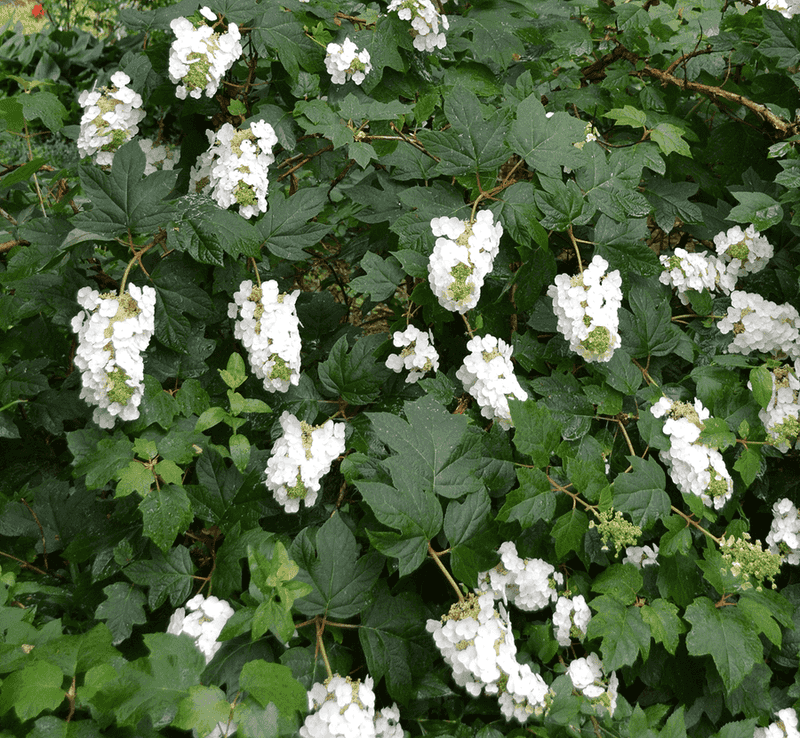
Few shrubs offer as much year-round interest as this Mississippi native superstar. Oakleaf hydrangeas produce large white flower clusters in summer that age to beautiful pink and bronze tones.
Their distinctive oak-shaped leaves turn brilliant red and orange in fall. Exfoliating bark adds winter interest to the garden landscape.
These shade-tolerant plants prefer consistent moisture but adapt to various conditions.
8. Tag Alder for Wet Areas
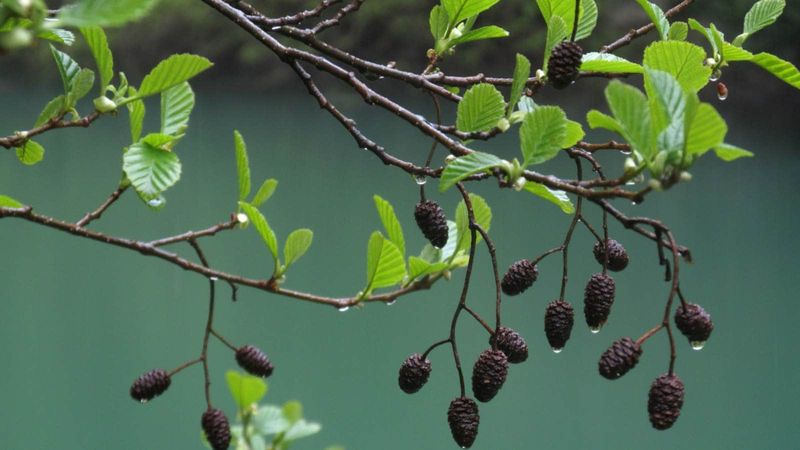
Soggy soil conditions that kill other plants are exactly what tag alder craves. This Mississippi native thrives in wet areas where few other shrubs can survive.
Male plants produce drooping catkins in early spring before leaves appear. The shrub provides excellent erosion control along streams and pond edges.
Wildlife value is exceptional, with seeds feeding birds and foliage supporting various butterfly larvae.
9. Red Buckeye’s Early Spring Show
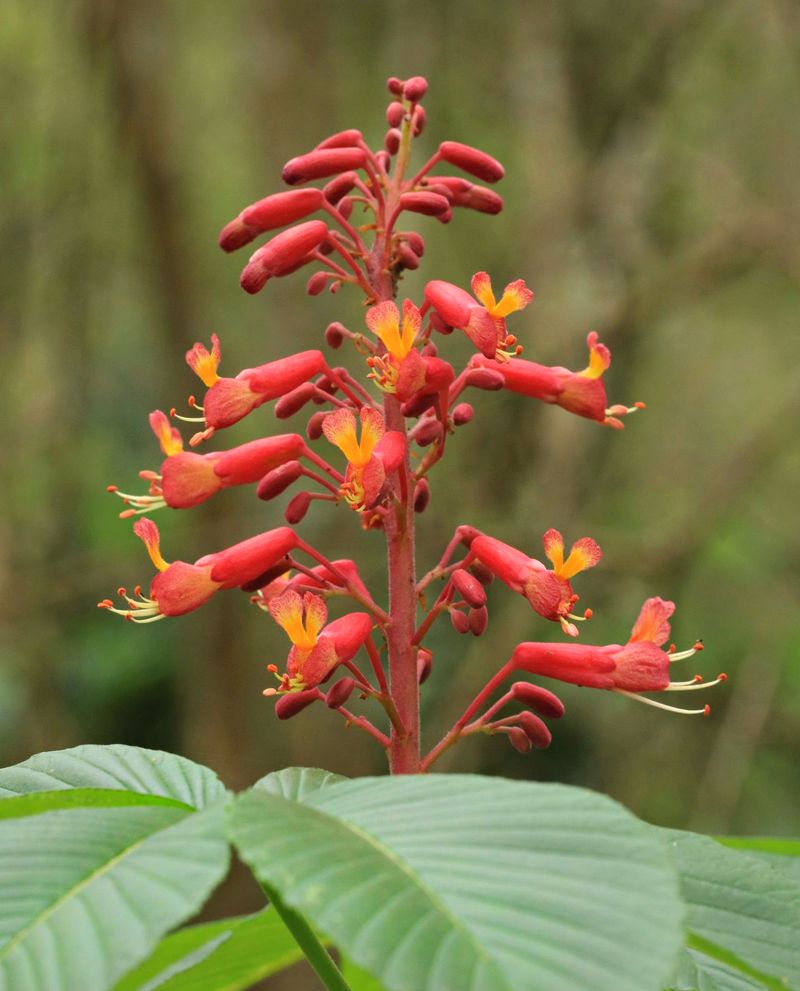
When winter still has its grip on the garden, red buckeye bursts into bloom with clusters of bright red tubular flowers. This small Mississippi native tree signals spring’s arrival like nature’s alarm clock.
Hummingbirds time their migration to coincide with red buckeye’s blooming period. The tree prefers partial shade and moist, well-draining soil.
Large brown seeds develop in fall, though they’re toxic to humans.
10. American Sweet Olive’s Fragrant Surprise
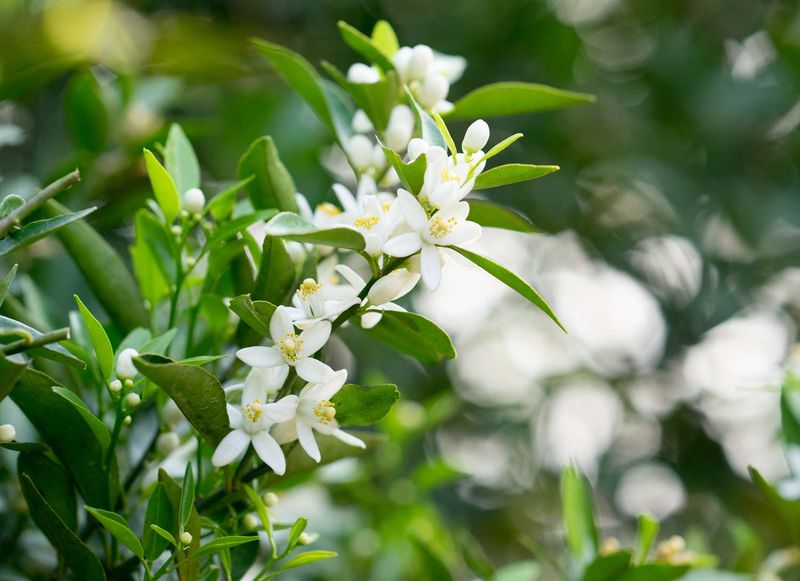
The most incredible fragrance often comes from the tiniest flowers, and American sweet olive proves this perfectly. Small white blooms release an intoxicating perfume that can be detected from several feet away.
This evergreen shrub blooms sporadically throughout fall and winter months. It tolerates various soil conditions and grows well in partial shade.
The glossy green foliage provides year-round structure to Mississippi landscapes.
11. Soil Preparation for Success

Mississippi’s clay-heavy soils can challenge even experienced gardeners, but proper preparation transforms stubborn dirt into plant paradise. Adding organic matter like compost improves drainage while retaining necessary moisture.
Testing soil pH helps determine which plants will thrive naturally. Most Mississippi soils tend toward acidic, which many native plants prefer.
Working soil when it’s too wet creates brick-hard clumps that roots can’t penetrate.
12. Watering Strategies for Humid Climates
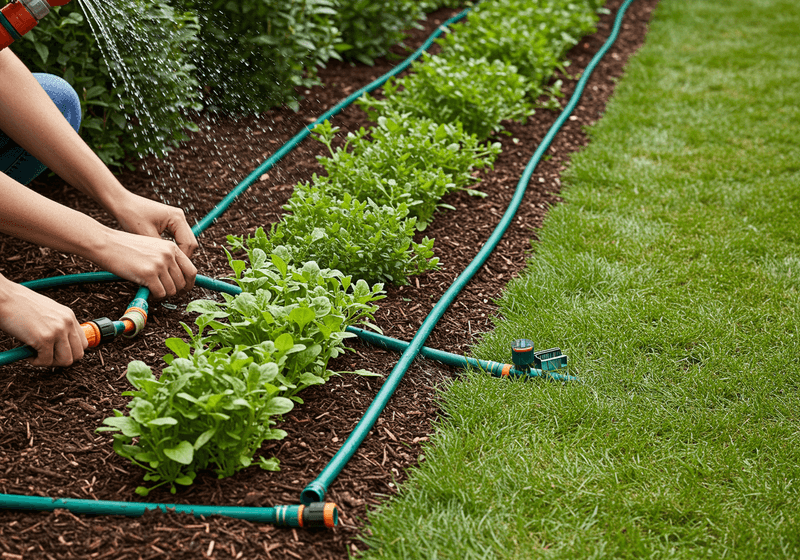
High humidity doesn’t eliminate the need for supplemental watering, especially during Mississippi’s scorching summers. Deep, infrequent watering encourages roots to grow down rather than staying shallow.
Morning watering allows plants to dry before evening, reducing disease problems. Soaker hoses and drip irrigation deliver water directly to root zones efficiently.
Mulching around plants helps retain soil moisture and reduces watering frequency.
13. Mulching for Moisture Retention
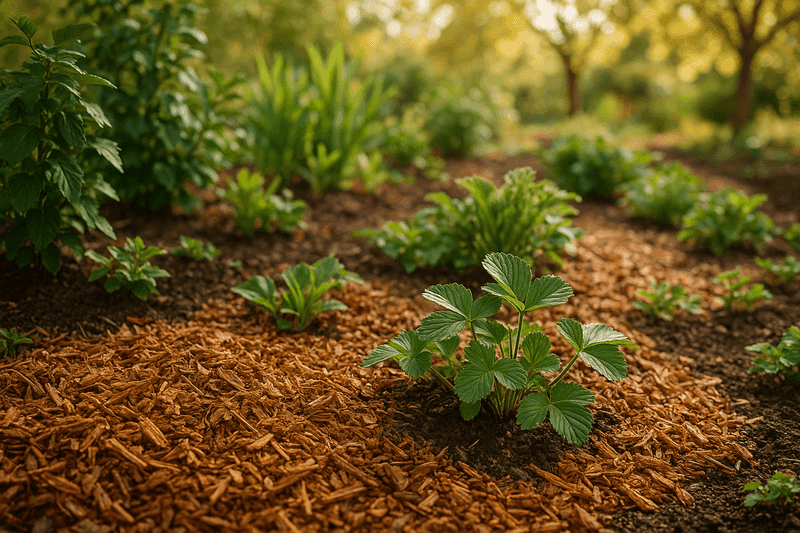
Think of mulch as your garden’s protective blanket against Mississippi’s extreme weather. Organic mulches like pine straw, leaves, and wood chips conserve soil moisture while suppressing weeds.
A three-inch layer provides optimal benefits without suffocating plant roots. Keep mulch pulled back from plant stems to prevent rot and pest problems.
As organic mulches decompose, they add valuable nutrients to the soil naturally.
14. Companion Planting Combinations
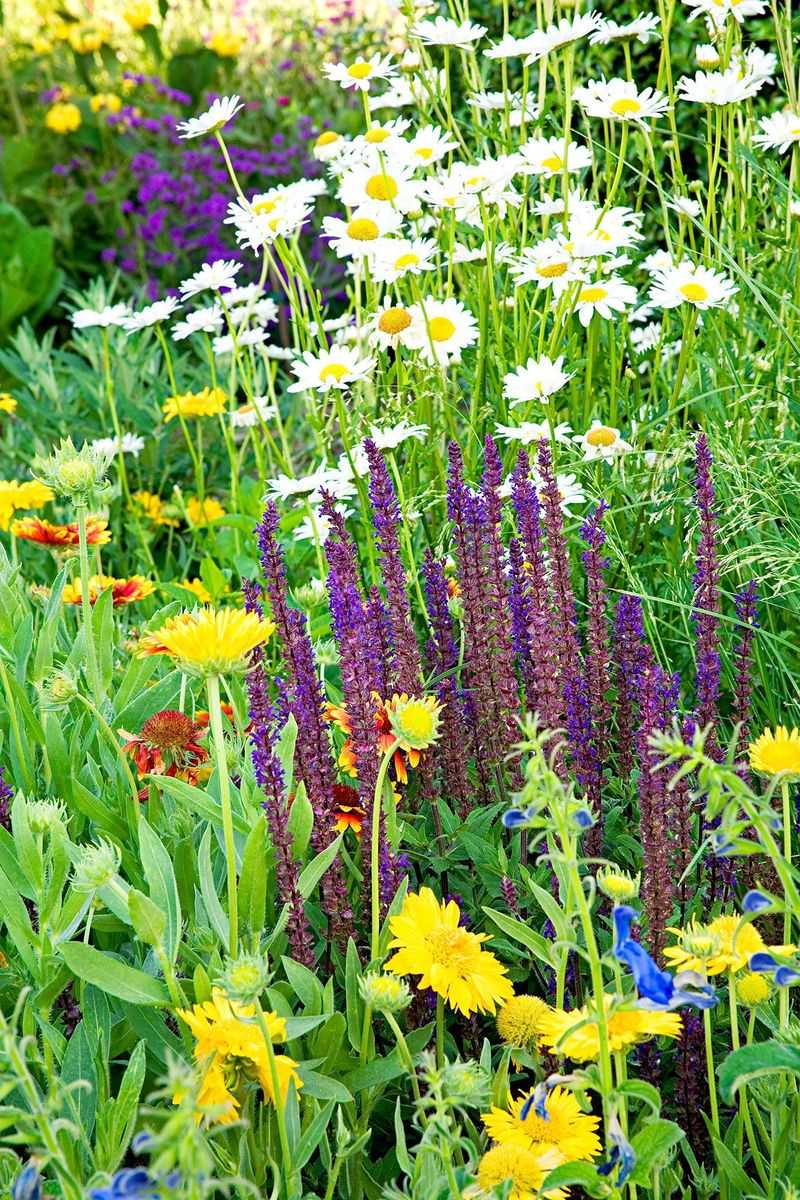
Smart plant partnerships create stunning displays while solving practical garden problems. Pairing tall salvias with low-growing lantana provides layered color and attracts different pollinators.
Combining shallow-rooted annuals with deep-rooted perennials maximizes soil usage efficiently. Plants with different bloom times extend the garden’s colorful season.
Some combinations naturally repel pests, reducing the need for chemical interventions in the landscape.
15. Seasonal Planting Schedule
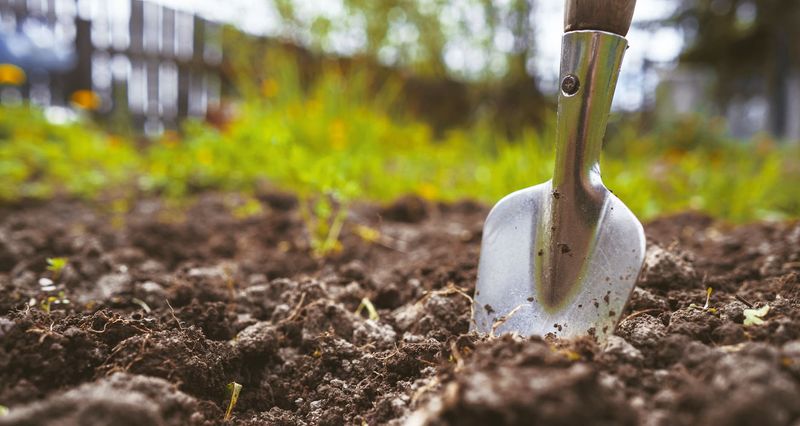
Timing is everything when it comes to Mississippi gardening success. Fall planting allows roots to establish before summer stress arrives, giving plants a significant advantage.
Spring planting works well for heat-loving annuals and vegetables. Summer planting requires extra attention to watering and protection from intense sun.
Winter is perfect for planning, ordering seeds, and preparing garden beds for the upcoming growing season.
16. Pest Management the Natural Way
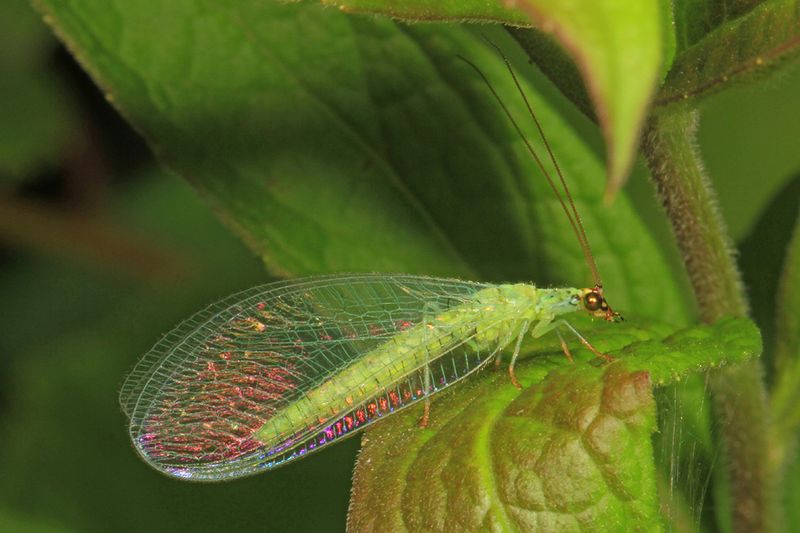
Beneficial insects are your garden’s best defense against destructive pests when you create the right environment. Native plants naturally attract predatory insects that control harmful species.
Avoiding broad-spectrum pesticides protects helpful creatures like ladybugs and lacewings. Hand-picking larger pests and using targeted treatments minimizes environmental impact.
Healthy, well-fed plants resist pest damage better than stressed, struggling specimens.
17. Disease Prevention Strategies
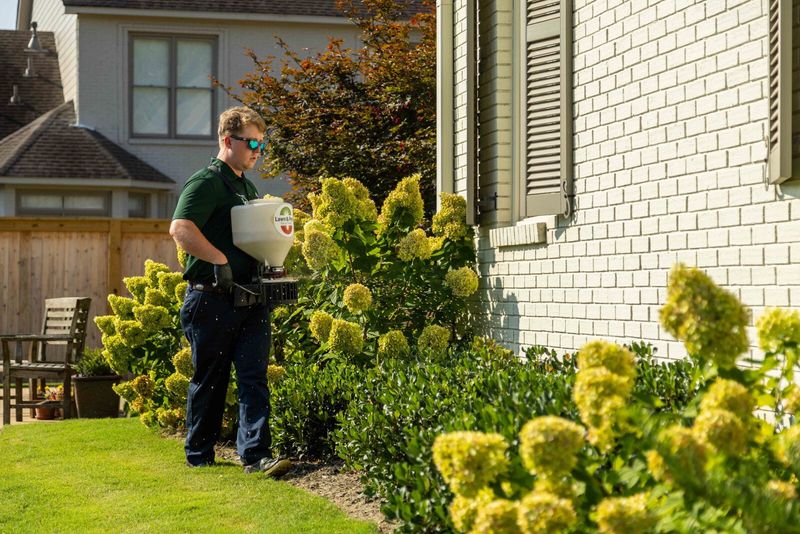
Mississippi’s humidity creates perfect conditions for plant diseases, but proper air circulation helps prevent many problems. Spacing plants adequately allows air to flow freely between them.
Watering at soil level rather than on leaves reduces fungal disease development. Choosing disease-resistant varieties eliminates many potential problems from the start.
Removing infected plant material quickly prevents diseases from spreading to healthy plants nearby.
18. Creating Wildlife Habitats
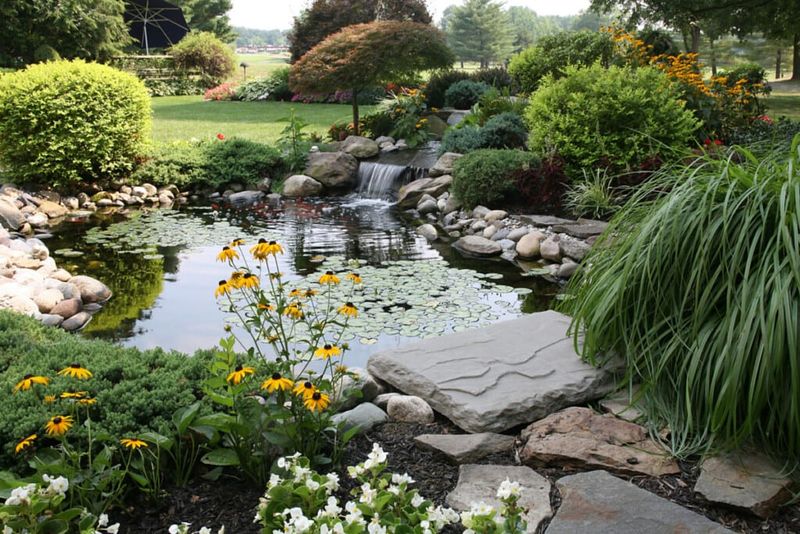
Transform your Mississippi garden into a wildlife sanctuary by providing food, water, shelter, and nesting sites. Native plants offer the insects that birds need to feed their young.
A simple birdbath or shallow water feature attracts birds and beneficial insects. Dense shrubs provide nesting sites and protection from predators.
Leaving some areas slightly wild gives creatures places to hide and overwinter safely.
19. Container Gardening Solutions
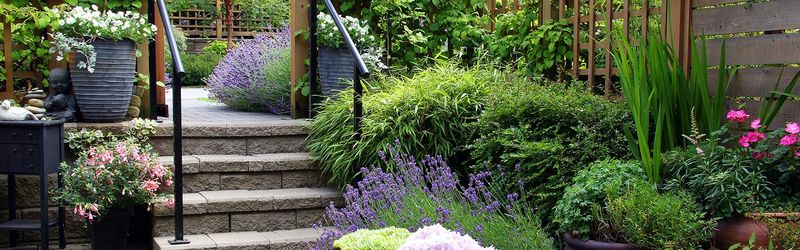
Limited space doesn’t limit your Mississippi gardening dreams when containers unlock new possibilities. Large pots allow better control over soil conditions and drainage than challenging ground soil.
Moving containers to catch optimal light throughout seasons maximizes plant performance. Heat-tolerant plants like lantana and salvias thrive in containers with adequate water.
Grouping containers of different heights creates attractive displays on patios and decks.
20. Pruning for Plant Health
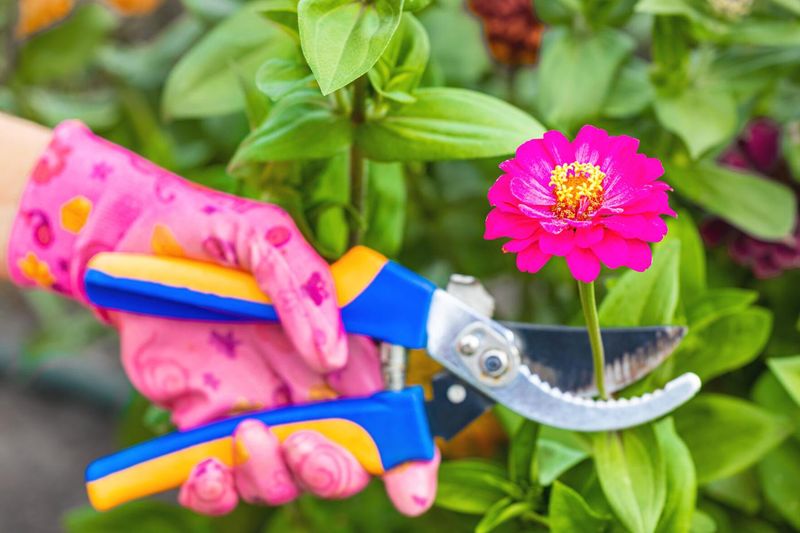
Proper pruning timing makes the difference between thriving plants and struggling specimens in Mississippi gardens. Most flowering shrubs benefit from pruning immediately after they finish blooming.
Removing dead, diseased, or damaged wood anytime improves plant health significantly. Clean, sharp tools prevent spreading diseases between plants during pruning sessions.
Light pruning throughout the growing season encourages bushier growth and more flower production.
21. Fertilizing Native Plants

Native Mississippi plants evolved in local soils and typically need less fertilizer than exotic species. Over-fertilizing can actually harm native plants by promoting excessive soft growth.
Compost and organic matter provide slow-release nutrients that won’t burn plant roots. A light application of balanced organic fertilizer in spring usually meets most plants’ needs.
Observing plant performance helps determine if additional feeding is necessary for optimal growth.
22. Extending the Growing Season
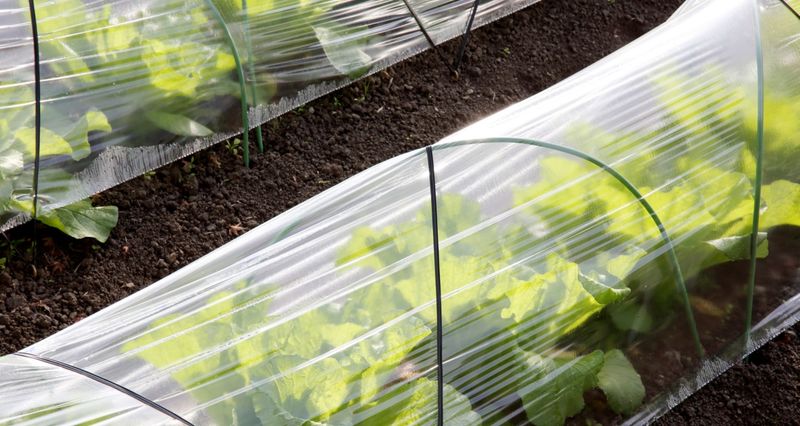
Mississippi’s mild winters allow gardening activities that northern gardeners can only dream about. Cool-season vegetables like lettuce and spinach grow beautifully through winter months.
Row covers protect tender plants from occasional frost damage. Many perennials continue blooming well into December with proper care and protection.
Planning succession plantings keeps the garden productive and colorful throughout most of the year.
23. Rain Garden Implementation
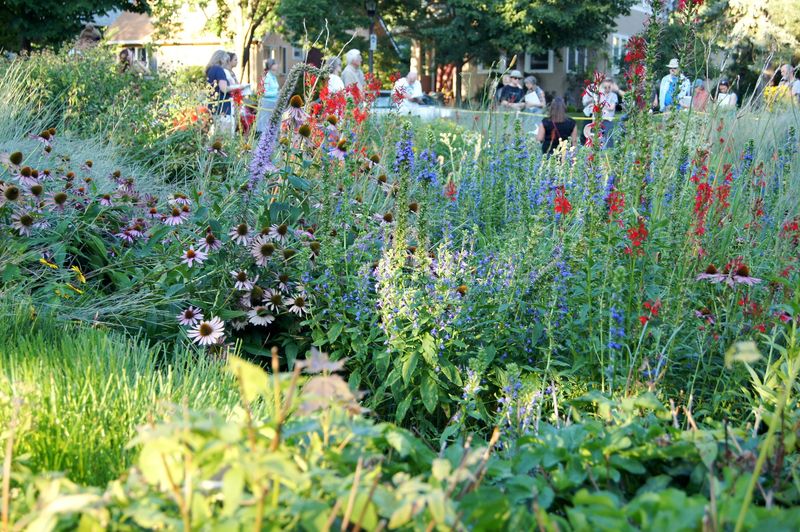
Mississippi’s intense summer thunderstorms create runoff problems that rain gardens solve beautifully. These specially designed depressions capture and filter stormwater naturally.
Native plants with deep root systems work perfectly in rain garden applications. Proper grading ensures water flows into the garden during storms but drains within 48 hours.
Rain gardens reduce flooding while creating attractive landscape features that benefit local watersheds significantly.
24. Xeriscaping for Drought Resilience
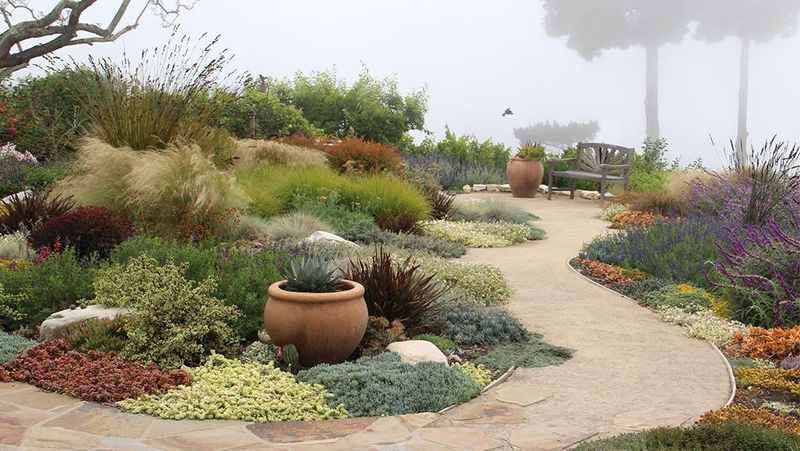
Water-wise gardening principles help Mississippi landscapes survive drought periods with minimal irrigation. Grouping plants with similar water needs maximizes irrigation efficiency.
Native plants naturally adapted to local rainfall patterns require less supplemental watering. Gravel mulches reflect heat while conserving soil moisture in drought-tolerant garden areas.
Xeriscaping doesn’t mean boring – many drought-tolerant plants produce spectacular flowers and interesting textures.
25. Year-Round Garden Planning
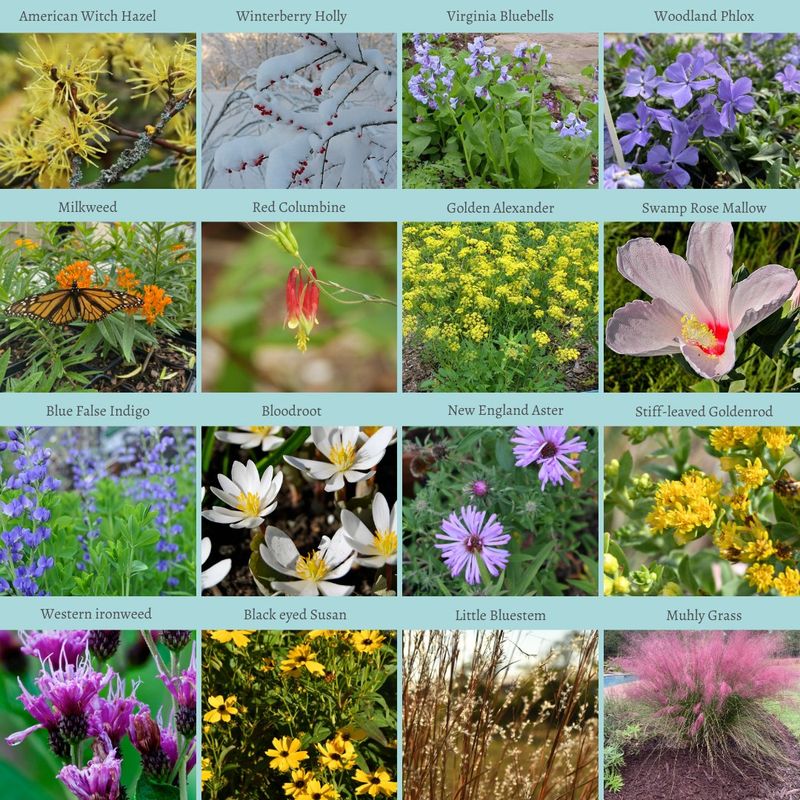
Successful Mississippi gardens result from careful planning that considers each season’s unique opportunities and challenges. Creating a garden calendar helps track planting, pruning, and maintenance tasks.
Planning bloom succession ensures something interesting happens in the garden throughout the growing season. Winter planning time allows for research, seed ordering, and design modifications.
Keeping garden journals helps track what works and what needs improvement for future seasons.