 Complete Gardening
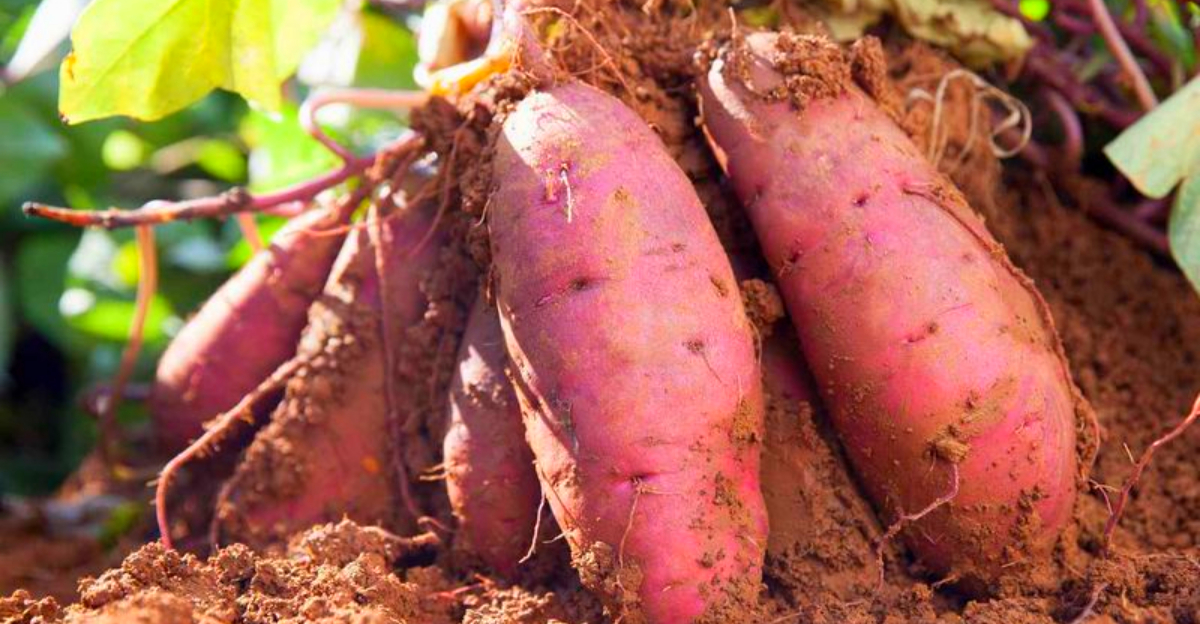
Growing sweet potatoes in Mississippi can be a rewarding endeavor, thanks to the state’s warm climate and long growing season. These tubers thrive under the right conditions, and with a bit of know-how, you can enjoy a bountiful harvest. Whether you’re a seasoned gardener or a beginner, these tips will help you make the most of your sweet potato crop.
1. Selecting the Right Variety
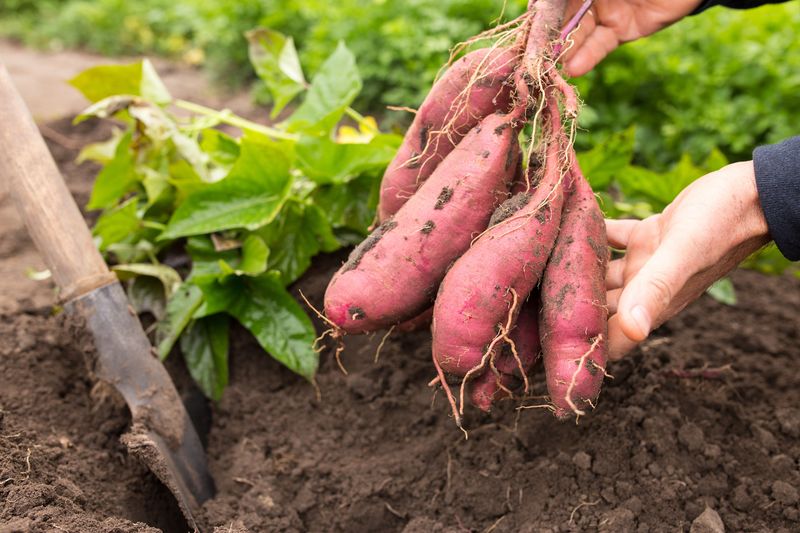
Choosing the right variety of sweet potatoes is crucial for success in Mississippi. Look for varieties that are resistant to pests and diseases common in the region. Beauregard and Centennial are popular choices due to their adaptability and high yields.
Consider the flavor profile and texture you prefer. Some varieties are sweeter, while others have a more earthy taste. Experiment with a few types to find what suits your palate and garden soil best.
Remember, selecting the right variety can make all the difference in your garden’s productivity.
2. Preparing the Soil
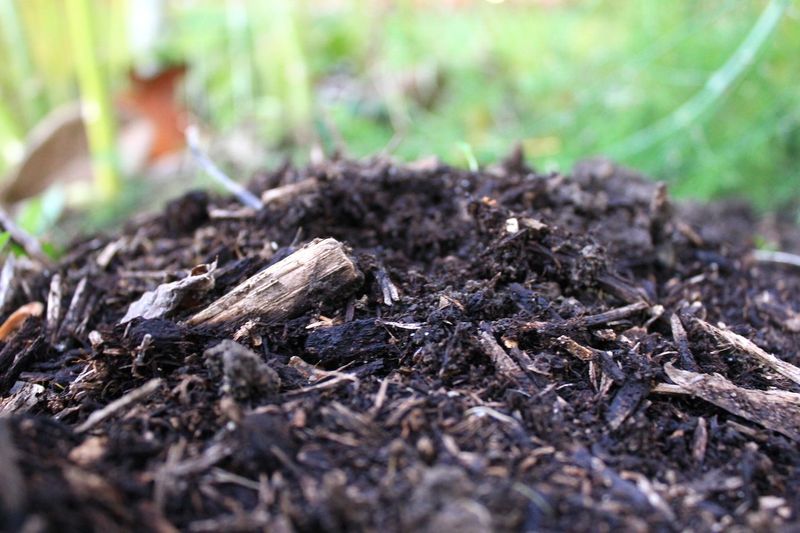
A lush harvest begins with the soil preparation. In Mississippi, sweet potatoes thrive in well-drained, sandy loam soils. Enrich the soil with organic matter like compost to enhance its fertility.
Test the soil pH to ensure it’s between 5.8 and 6.2, which is ideal for sweet potatoes. Amend the soil as necessary to reach this pH level, promoting healthy root development.
Proper soil preparation lays the foundation for a successful growing season.
3. Planting at the Right Time
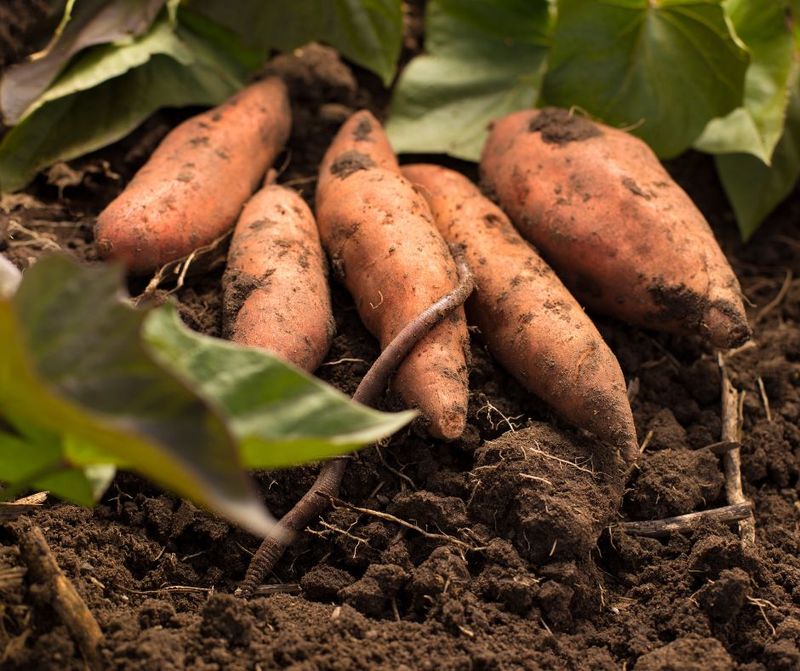
Timing is everything when planting sweet potatoes. In Mississippi, the best time to plant is in the spring once the soil has warmed to at least 65°F. This ensures optimal growth and development of the tubers.
Plant the slips 12 to 18 inches apart in raised beds to improve drainage and root expansion. Keep an eye on the weather forecasts to avoid late frosts, which can damage young plants.
By planting at the right time, you set the stage for a healthy and productive crop.
4. Watering Wisely
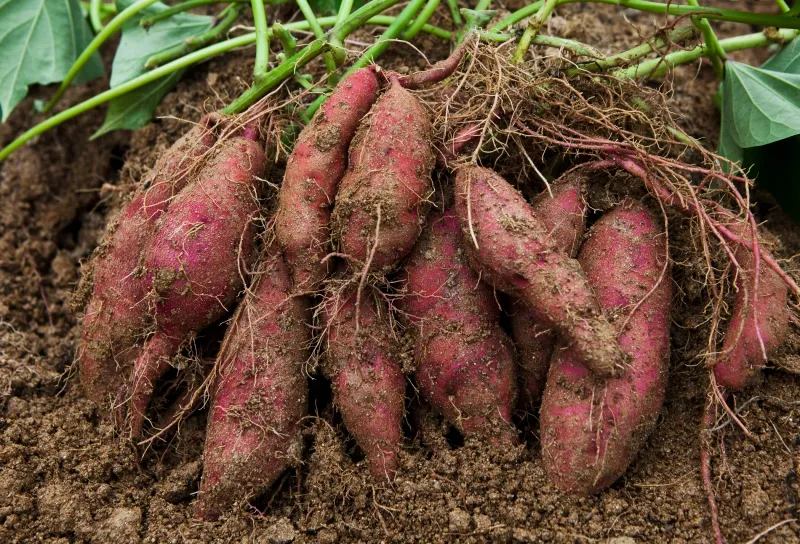
Sweet potatoes require consistent moisture, particularly during the initial growth stage. In Mississippi’s warm climate, it’s essential to water deeply and regularly, ensuring the soil remains evenly moist.
However, avoid over-watering, as this can lead to rot. The trick is to allow the top inch of soil to dry out between waterings.
Wise watering practices help prevent diseases and encourage robust tuber formation.
5. Managing Pests and Diseases
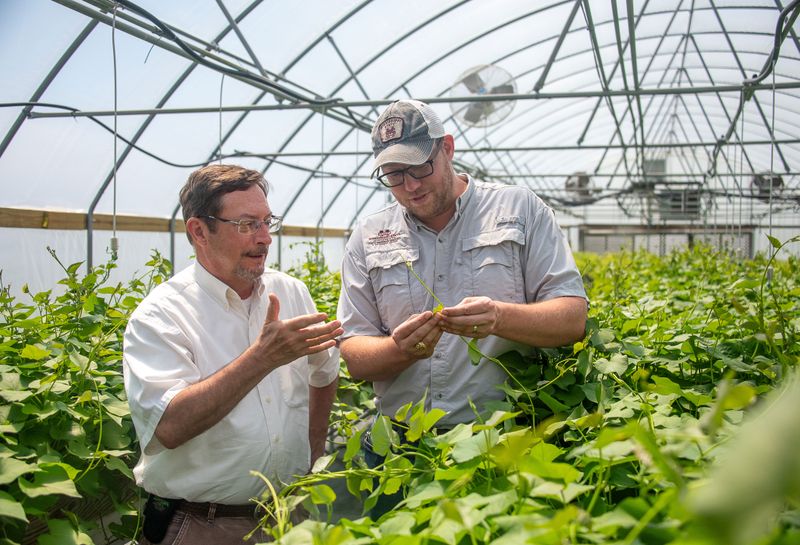
Pests like sweet potato weevils can be a nuisance in Mississippi. Regularly inspect plants for signs of infestation. Use natural remedies or insecticides as needed to protect your crop.
Fungal diseases may also pose a threat. Crop rotation and proper spacing help minimize these issues. Keep an eye on plant health and act quickly if problems arise.
Proactive management keeps your garden thriving and your sweet potatoes healthy.
6. Harvesting at the Right Time
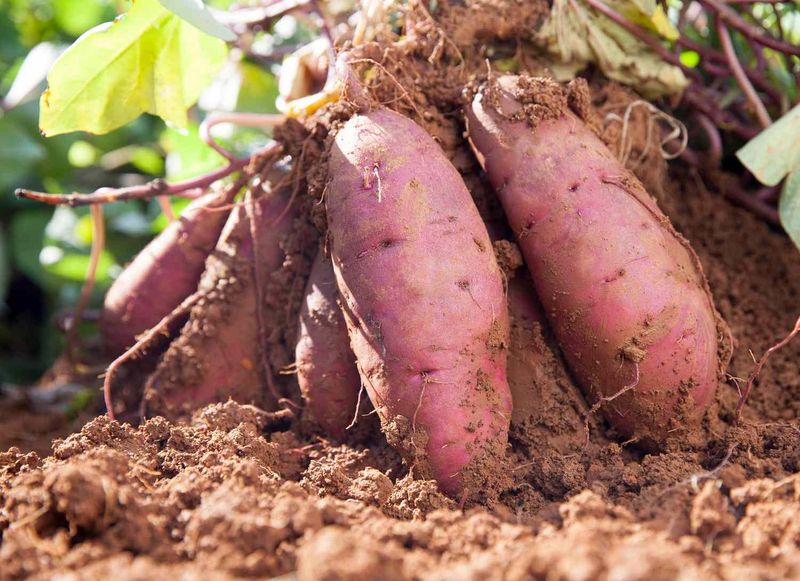
Patience is key when harvesting sweet potatoes. In Mississippi, wait until the leaves start to yellow, typically 90 to 120 days after planting. This timing ensures maximum sweetness and size.
Use a garden fork to gently lift the tubers, taking care not to bruise them. Once harvested, cure them in a warm, humid environment for two weeks to enhance flavor.
Timely harvesting guarantees a delicious and abundant yield.
7. Storing Your Harvest
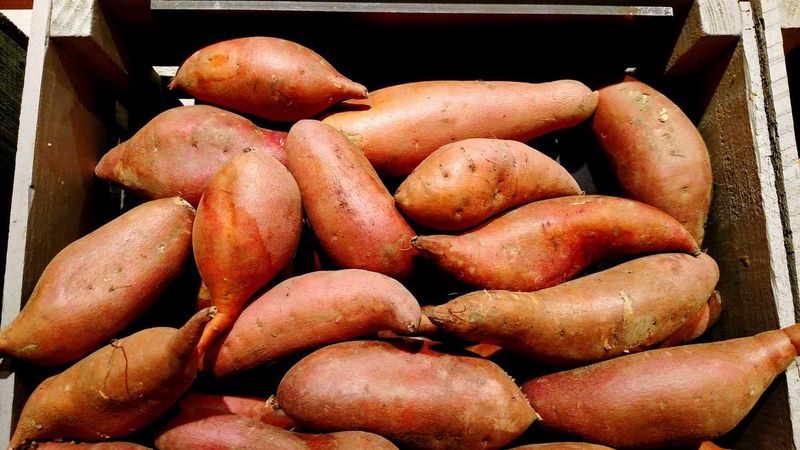
Proper storage is essential to enjoy your sweet potatoes long after the harvest. Store them in a cool, dark place with good ventilation, maintaining a temperature between 55°F and 60°F.
Avoid refrigeration, as this can negatively affect the taste and texture. Check stored potatoes regularly for signs of spoilage, removing any that show decay.
Good storage practices ensure a steady supply of sweet potatoes throughout the year.