 Complete Gardening
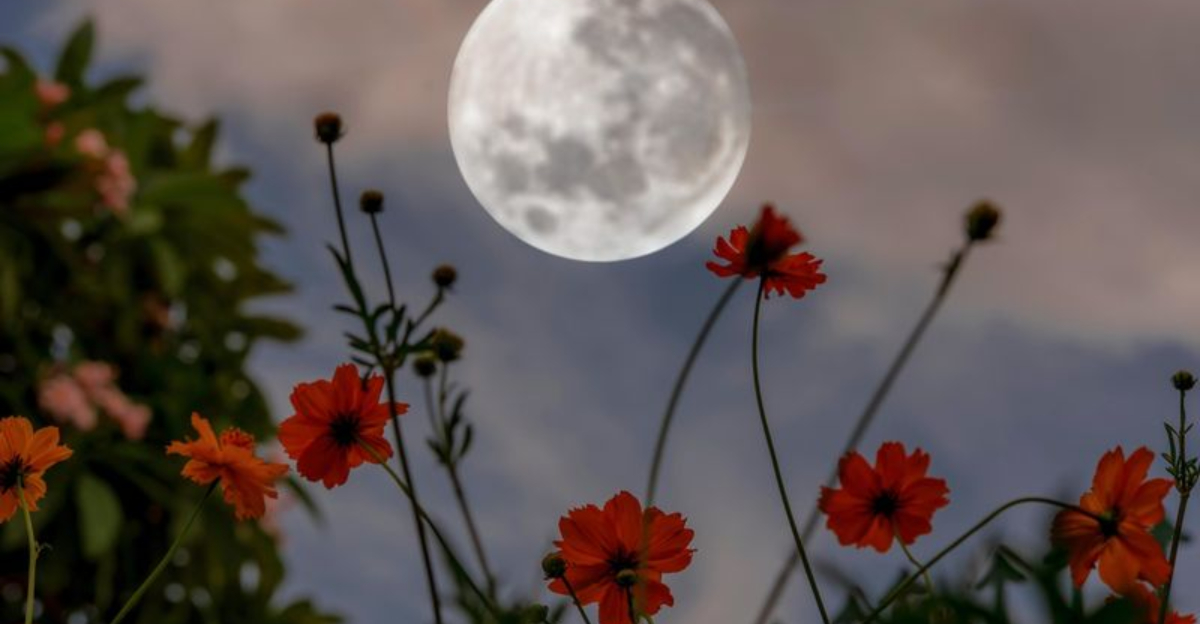
Lunar gardening, a practice rooted in ancient traditions, connects the rhythms of plant growth to the phases of the moon. By aligning gardening tasks with the lunar cycle, gardeners believe they can enhance plant vitality and yield. This spiritual approach fosters deeper connections with nature, harmonizing gardening activities with celestial movements. The following sections explore how different moon phases influence planting, offering insights into a practice that combines spirituality with horticultural wisdom.
1. New Moon Beginnings
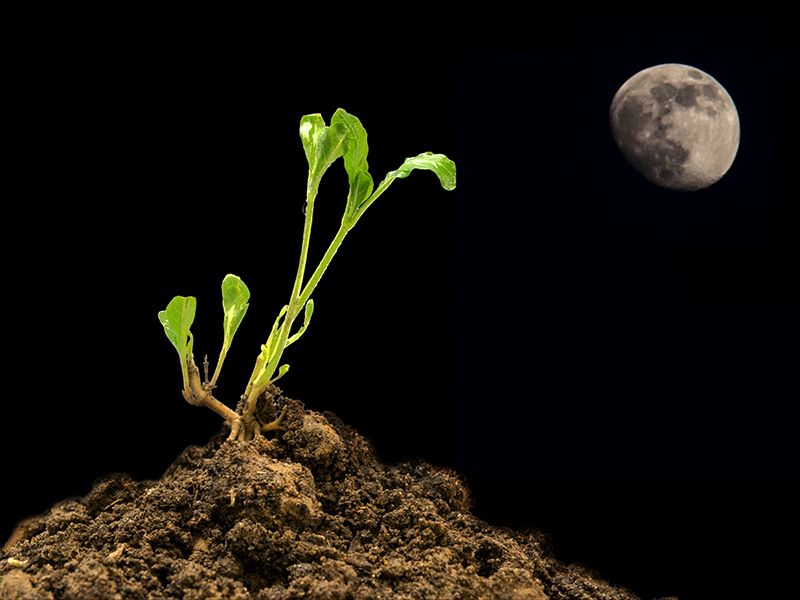
The new moon, a time of initiation, encourages gardeners to plant seeds for crops with leafy growth. With the moon’s absence in the sky, energy concentrates underground, fostering root development. Some gardeners find this period ideal for sowing lettuce, spinach, and other greens. A new beginning not only for plants but also for those who plant them, this phase invites a reflective pause. Embrace the darkness as a canvas for future growth. As seeds take root, intentions also flourish, setting the stage for a fruitful cycle ahead.
2. Waxing Crescent Growth
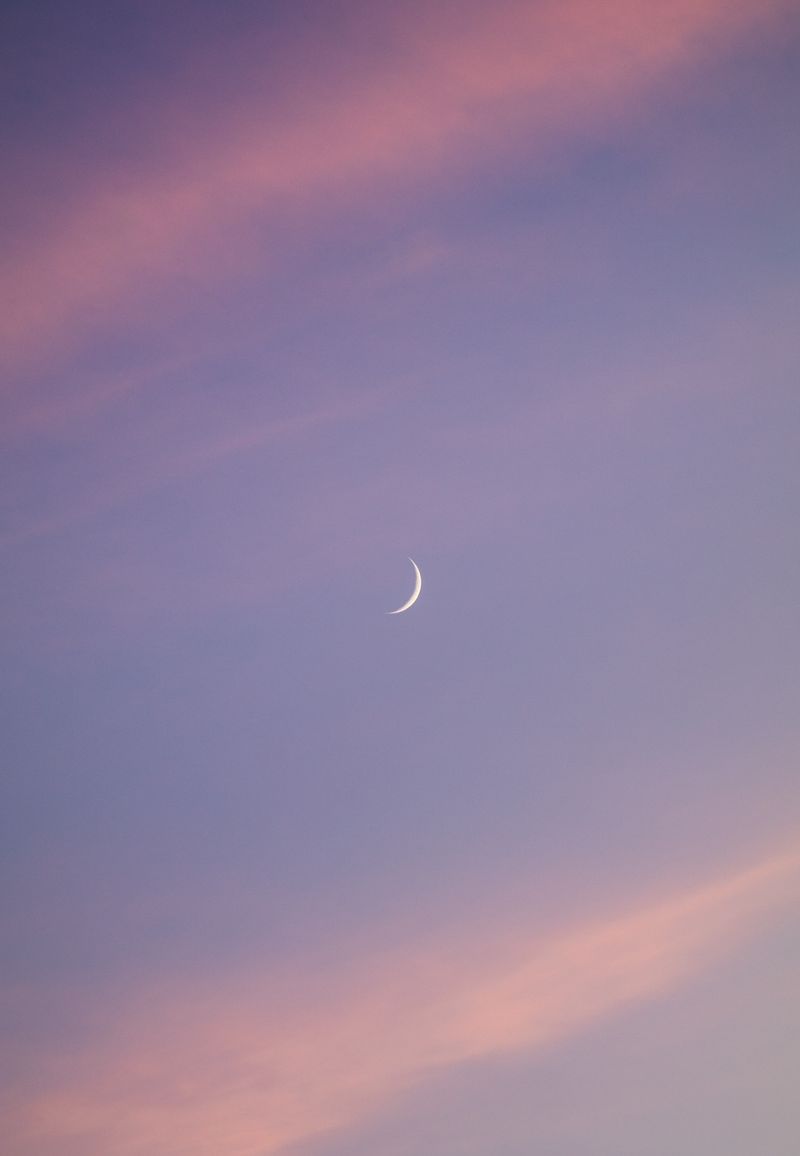
During the waxing crescent phase, plants experience upward growth, making it an excellent time for planting vegetables that produce above-ground. Tomatoes, beans, and melons thrive when sown under this moon. The gentle light of the crescent inspires optimism, a reminder of potential yet to unfold. As the moon grows, so do aspirations, mirrored in the verdant shoots reaching skyward. The crescent moon’s sliver symbolizes hope and momentum, nurturing both plants and dreams. It’s a time to nurture the garden, fostering bounty and abundance.
3. First Quarter Action
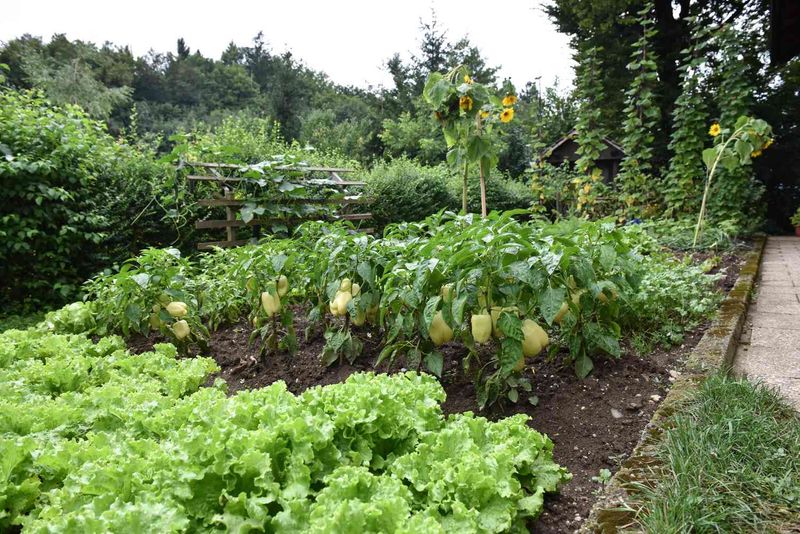
The first quarter moon marks a period of action and decision-making. It is perfect for transplanting and pruning, as plants are in a robust growth phase. This period’s energy supports firm choices, urging gardeners to make necessary adjustments. Just as the moon’s visage halves, so too does the need for balance in gardening efforts. Decisions made now can lead to thriving plants. The first quarter calls for active involvement, a hands-on approach that supports both plant and personal development. Both the gardener and the garden experience growth.
4. Waxing Gibbous Preparation
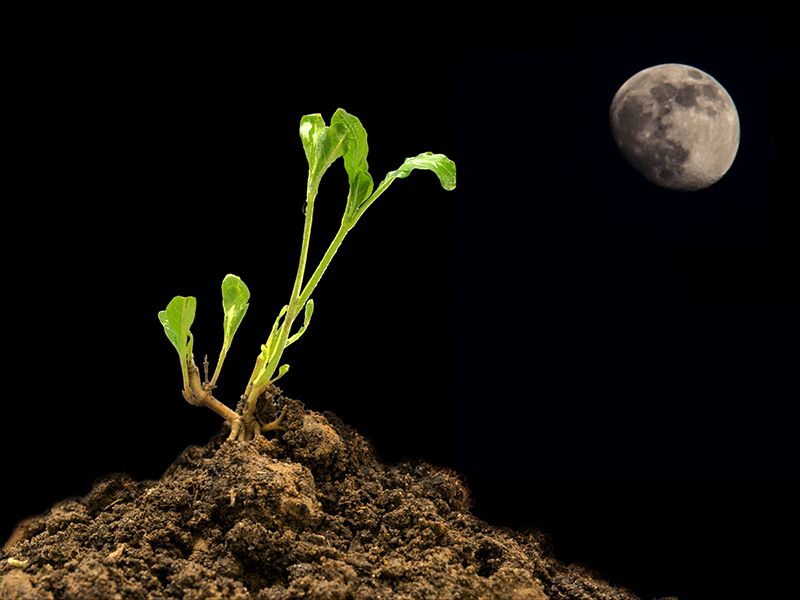
The waxing gibbous moon signals a time for preparation and anticipation, as the full moon draws near. This phase is optimal for fertilizing and preparing soil, setting the stage for robust blooms. Gardeners find this time ideal for nurturing fruit-bearing plants, as energy surges towards fruition. The nearly full moon’s glow casts an inspiring light, enhancing focus and motivation. With each day, the anticipation builds, both in the garden and within the gardener’s spirit. It’s a period of groundwork, laying foundations for imminent abundance.
5. Full Moon Abundance
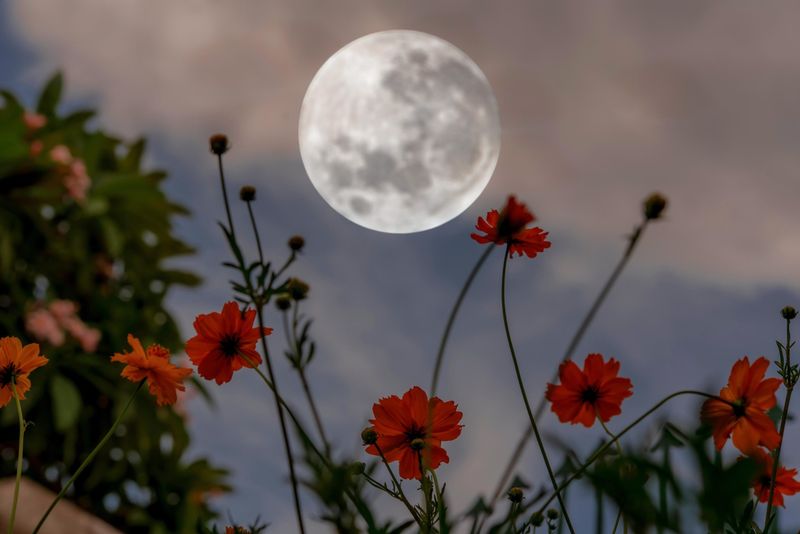
The full moon, a time of culmination, heralds peak fertility and abundance. This is when gardeners harvest crops, embracing the fullness of their efforts. The moon’s luminescence is a symbol of completion, enhancing both visibility and spirit. Harvesting under the full moon connects one to ancient cycles of nature’s bounty. As plants reach their zenith, so does the gardener’s fulfillment. It’s a celebration of the hard work invested, marking a joyful time of reaping rewards. The garden and its caretaker bask in the glow of success.
6. Waning Gibbous Reflection
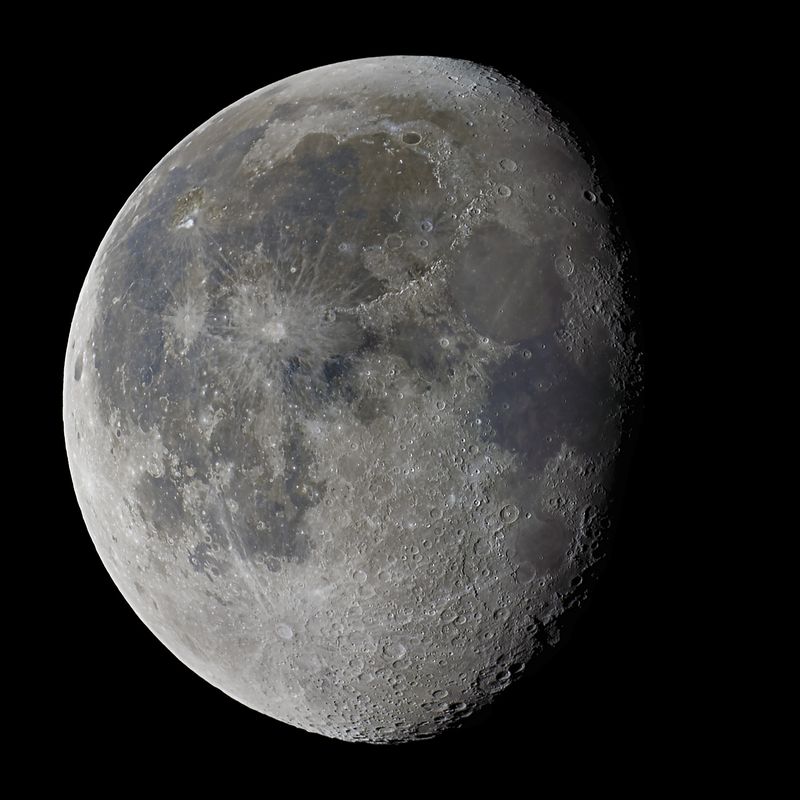
Following the full moon, the waning gibbous phase invites reflection and gratitude. It’s a period to focus on maintenance and care, nurturing the garden’s ongoing health. Gardeners turn their attention to composting and soil enrichment, activities that prepare for future cycles while honoring past achievements. The softened moonlight mirrors a gentler pace, encouraging introspection. This phase is as much about the gardener’s journey as it is about the plants’. It’s a time to acknowledge what has been accomplished, fostering gratitude and mindfulness.
7. Last Quarter Rest
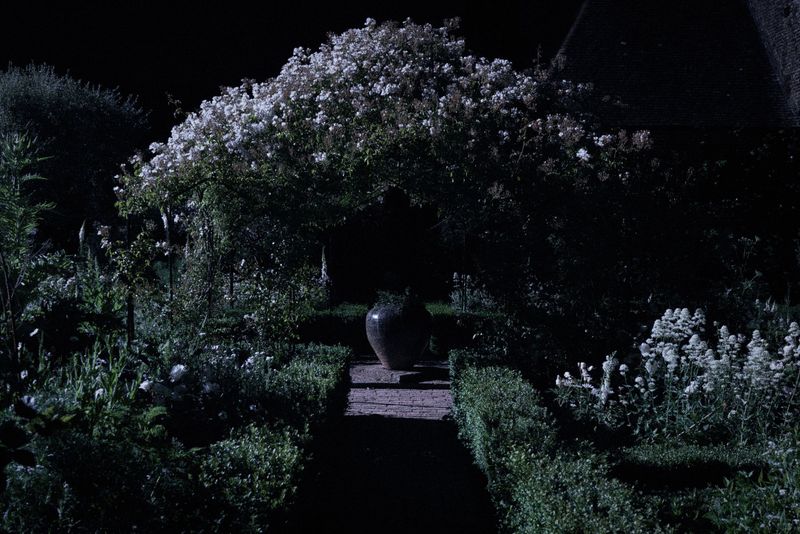
The last quarter moon brings a time of rest and renewal. Gardeners focus on clearing and tidying up, preparing the garden for the next cycle. This phase is perfect for weeding and composting, ensuring the garden’s readiness for future planting. The diminishing light encourages a slower pace, a reminder of nature’s natural rhythms. As the garden rests, so does the gardener, embracing a time of inner reflection. It’s a moment to recharge, allowing both the gardener and the garden to rejuvenate before the cycle begins anew.
8. Balsamic Moon Wisdom
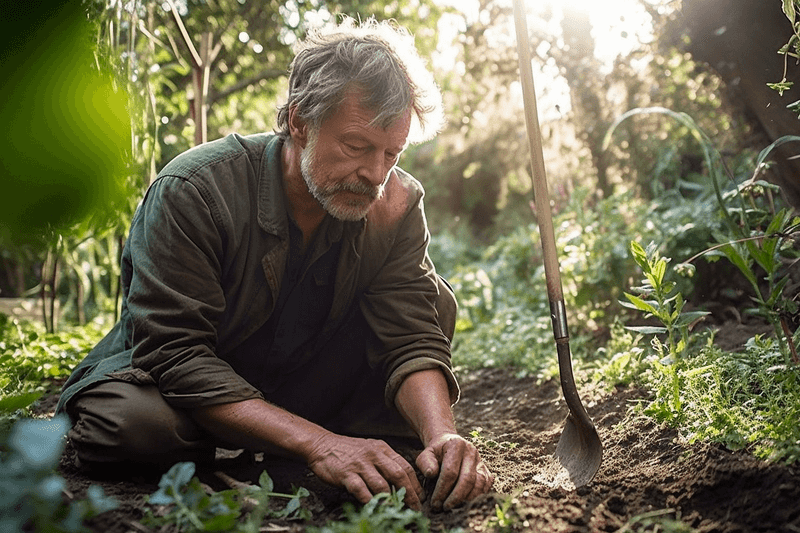
As the moon wanes into its final sliver, a quiet wisdom fills the garden. This phase is perfect for introspection and learning.
Gardeners find this time ideal for planning and reflecting on the past cycle’s successes and failures. Herbs and medicinal plants thrive under this gentle influence, absorbing the moon’s calming energy.
The balsamic moon offers a moment to gather insights and prepare for future growth, making it a revered time for spiritualists and farmers alike. Planting is paused as focus shifts to healing and renewal, aligning with nature’s rhythms.
9. Dark Moon Contemplation

The dark moon, shrouded in mystery, invites deep contemplation and rest. This is a time to pause, allowing the soil to breathe and recharge.
Gardeners honor this phase by setting intentions for the upcoming cycle. Seeds are blessed, and thoughts are turned inward, contemplating the garden’s journey.
Though planting ceases, this phase offers a fertile ground for ideas and dreams. The dark moon’s embrace supports inner growth and renewal, aligning the spirit with the earth’s quiet heartbeat.
10. Pisces Moon Planting
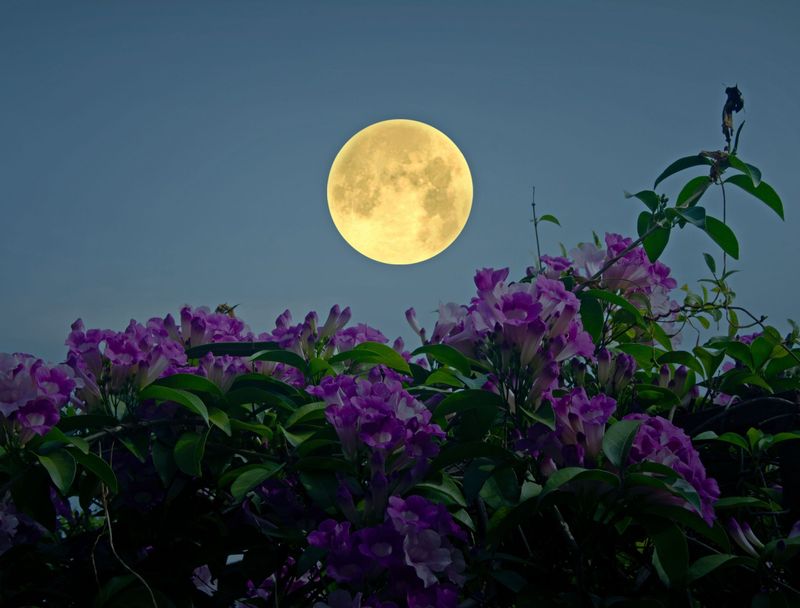
When the moon enters Pisces, creativity flows in the garden. This is a playful and imaginative time, ideal for planting flowers that inspire joy and beauty.
Gardens become canvases, with whimsical touches reflecting the Pisces spirit. Intuitive planting guides the hands, fostering a connection between gardener and earth.
This phase encourages experimentation and artistic expression, where dreams manifest into blossoms. The Pisces moon nurtures an emotional bond with nature, turning gardens into living art.
11. Aries Moon Action
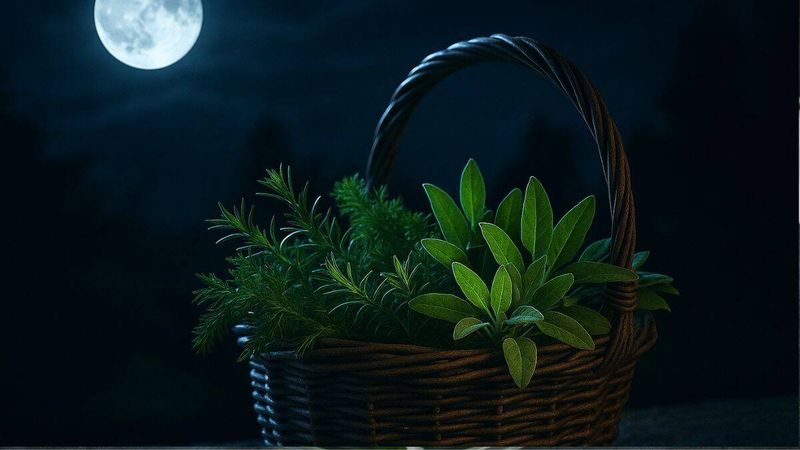
The Aries moon ignites energy and action in the garden. It’s a time of boldness and initiation, perfect for starting new projects and planting vigorous plants.
Gardeners feel invigorated, ready to tackle challenges with enthusiasm. The soil welcomes seeds planted with purpose and drive.
Under Aries, the garden becomes a place of dynamic activity, mirroring the fiery spirit of this moon phase. It’s a call to embrace adventure and cultivate courage, fostering a landscape that thrives on action.
12. Taurus Moon Stability
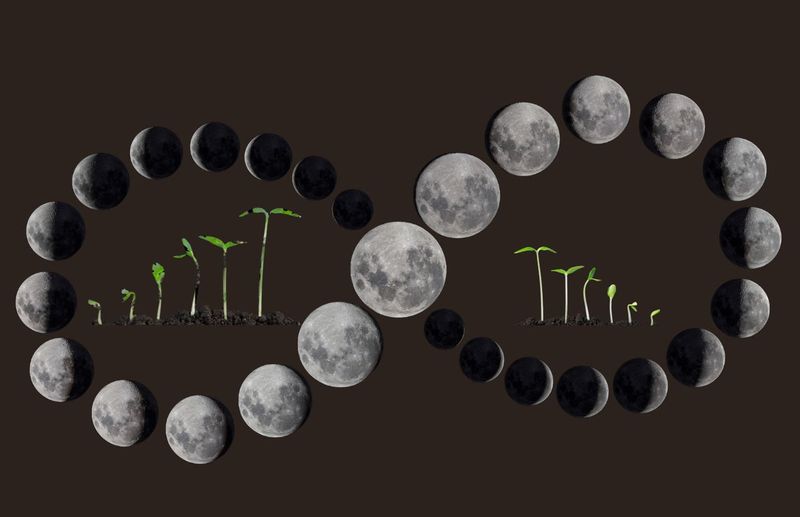
In the steady embrace of the Taurus moon, gardens find stability and strength. This phase encourages planting rooted crops, reflecting Taurus’s grounding energy.
Gardeners focus on building a foundation, enhancing soil fertility, and nurturing slow-growing plants. The Taurus moon promotes patience and perseverance, vital for long-term growth.
This period is ideal for establishing gardens that endure, with an emphasis on practicality and reliability. The connection between earth and moon is tangible, fostering a sense of security and well-being.
13. Gemini Moon Communication

The Gemini moon brings a burst of social energy to the garden. It’s a time for learning, sharing, and connecting with fellow gardeners.
Workshops and group activities thrive under this influence, fostering communication and collaboration. Gardeners exchange ideas and techniques, enriching their practices.
Gemini’s dynamic energy encourages adaptability and versatility in planting, promoting a garden of diverse and vibrant growth. The moon’s dual nature reflects the balance of interaction and independence, enhancing the gardening experience.
14. Cancer Moon Nurture
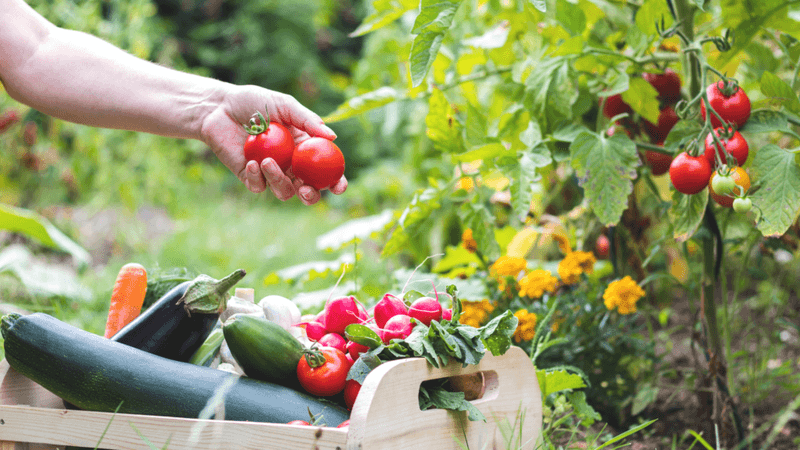
Under the Cancer moon, nurturing becomes the heart of the garden. This phase is about caring for plants and fostering a loving environment.
Families often garden together, bonding over planting and harvesting. The Cancer moon’s water influence supports lush, fruitful growth, ideal for vegetables and leafy greens.
This time encourages emotional connections with nature, where gardens become sanctuaries of comfort and sustenance. The nurturing energy of Cancer fosters a sense of belonging and harmony, echoing familial ties.
15. Leo Moon Leadership

The Leo moon shines with leadership and charisma, inspiring gardeners to take charge and showcase their work.
Community events and garden tours flourish, with gardeners proudly sharing their achievements. The Leo influence encourages creativity and self-expression, turning gardens into stages.
Under Leo, the garden becomes a place of celebration and confidence, where individual talents shine. This phase promotes a sense of pride and accomplishment, inspiring others to embrace their gardening journey with passion.