 Complete Gardening
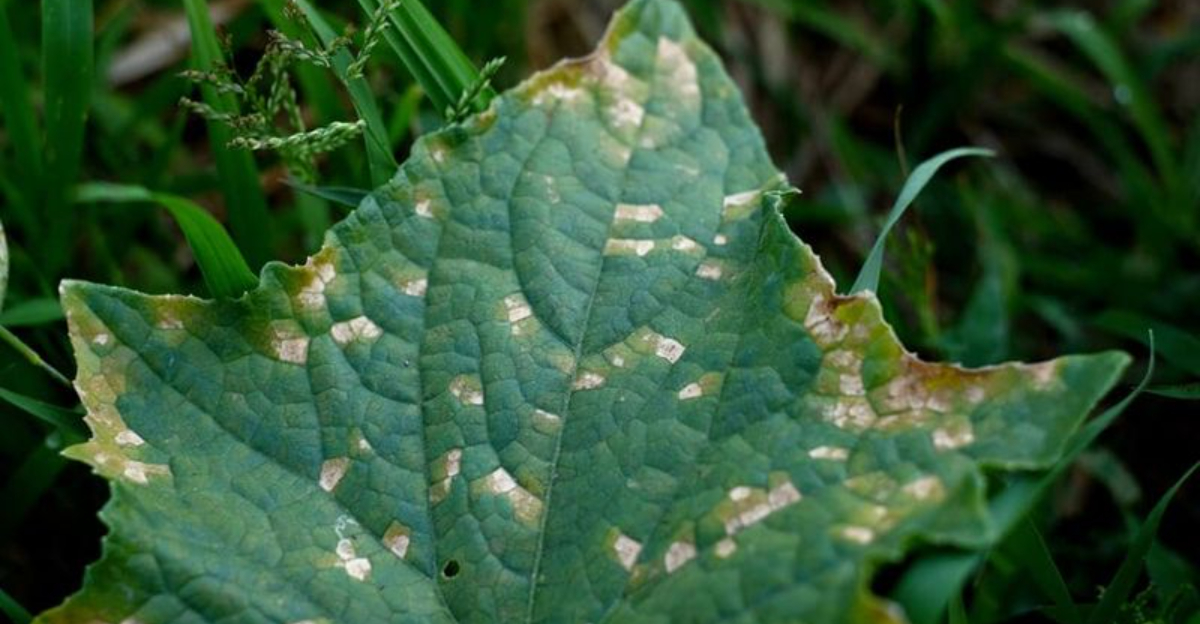
Discover how mosaic viruses, a family of deadly plant viruses, threaten your garden and learn essential tips to prevent their spread.
From understanding the virus’s resilience to implementing effective preventive measures, this guide provides the knowledge you need to protect your plants.
Act now to stop this silent killer before it devastates your garden.
1. It’s a Shape-Shifting Virus
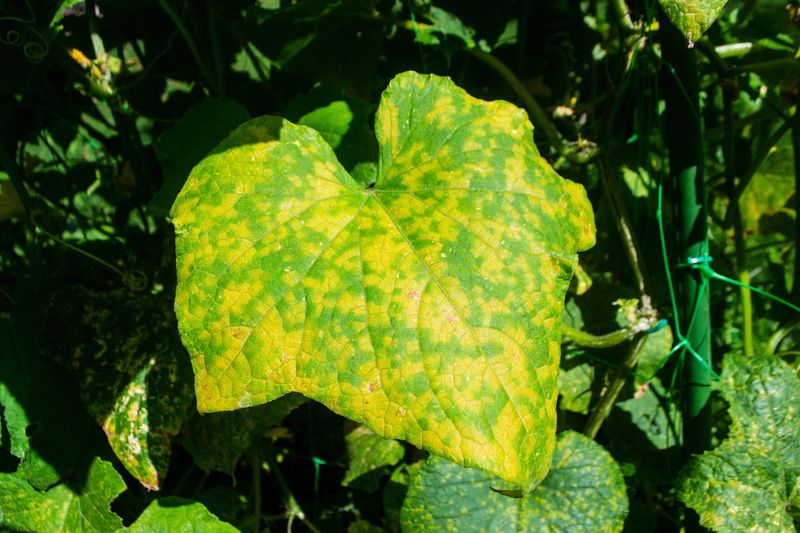
Mosaic virus isn’t just one virus—it’s a whole family of plant viruses, including Tobacco Mosaic Virus (TMV) and Cucumber Mosaic Virus (CMV). Each targets different plants, from tomatoes to cucumbers! This diverse family of viruses displays unique characteristics, making it challenging for gardeners to identify and manage. Understanding the specific type of mosaic virus affecting your plants is crucial for effective prevention and control strategies.
2. It Spreads Like Wildfire
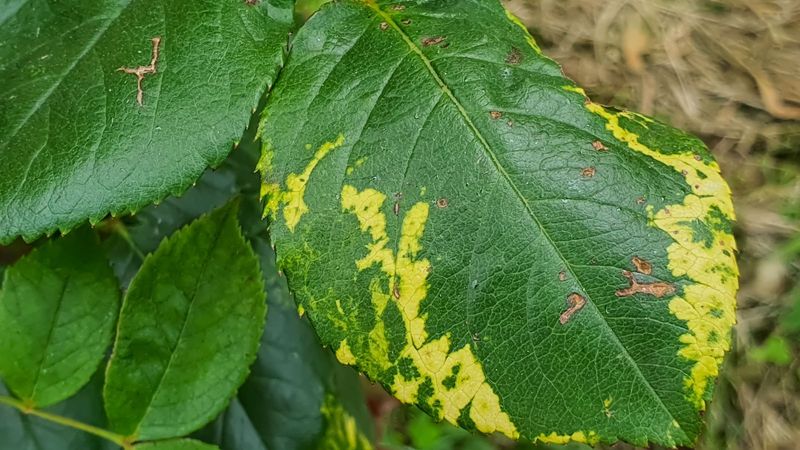
Mosaic virus spreads rapidly through mere touch, making it highly contagious. A simple brush against an infected plant or using contaminated tools can transfer the virus in seconds. Gardeners must be vigilant and practice hygiene to prevent unintentional transmission. Establishing clean gardening habits, such as regularly disinfecting tools and washing hands, can significantly reduce the spread of this fast-moving virus.
3. It Can Live for DECADES
Some mosaic viruses, like TMV, can survive for over 50 years in dried plant debris. This means that infected soil or old plant matter remains a threat for many years, potentially infecting new crops long after the original plants have perished. Gardeners should be cautious of using old plant material as compost and should ensure thorough cleaning of planting areas to minimize risk.
4. It Creates “Mosaic” Art on Leaves
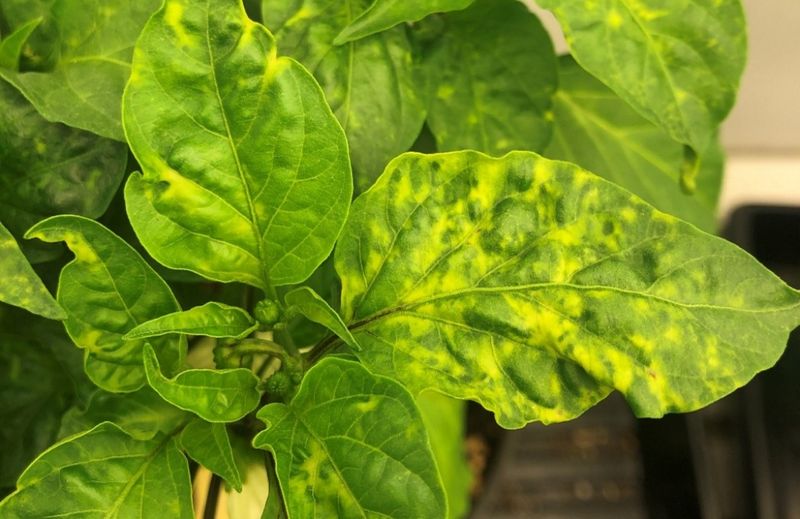
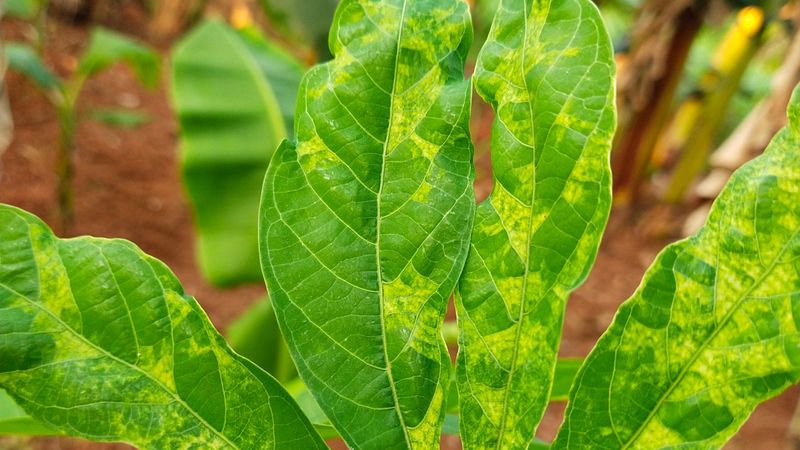
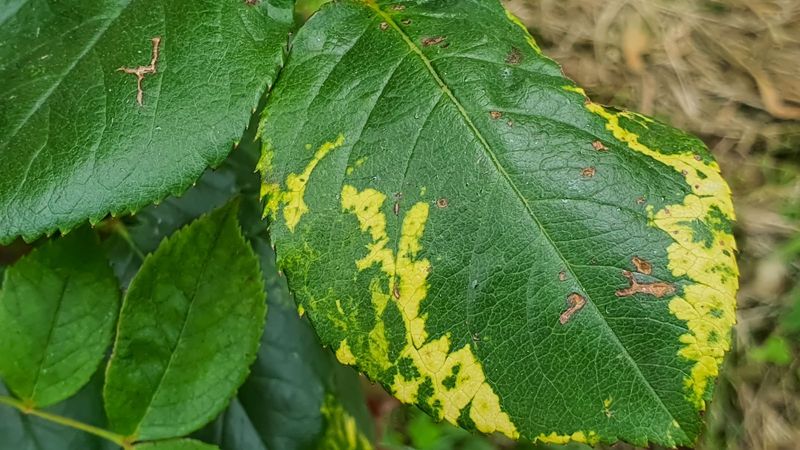
The mosaic virus gets its name from the distinctive patterns it creates on plant leaves. These yellow, green, and white splotches, while visually striking, are detrimental to the plant’s health. The disruption of the leaf’s surface impairs photosynthesis, weakening the plant over time. While the patterns may appear artistic, they are a clear indication of the virus’s harmful presence in the garden.
5. There’s NO Cure

Once a plant is infected with mosaic virus, it marks an endgame situation. No available chemical treatments can cure the plant, leaving prevention as the only viable option. Gardeners must focus on maintaining clean tools and promptly removing infected plants to stop the spread. This proactive approach is essential, as the virus’s persistence means that containment is the best defense against its damage.
6. It Can Infect Hundreds of Plants
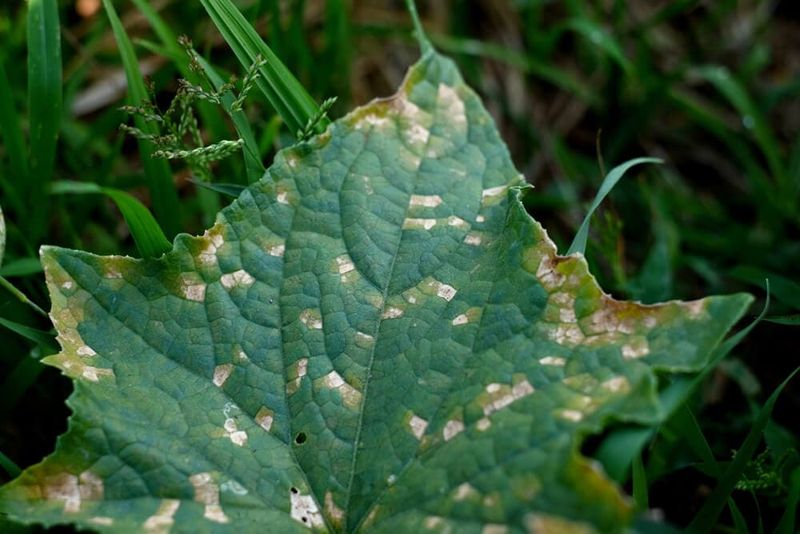
Mosaic viruses pose a threat to over 150 plant species, including popular choices like tomatoes, peppers, and bananas. This wide range means that most gardens are at risk of infection, requiring gardeners to be particularly cautious. Understanding the diversity of plants susceptible to the virus helps in planning strategic plantings and implementing protective measures to safeguard favorite crops.
7. Smoking Can Spread It
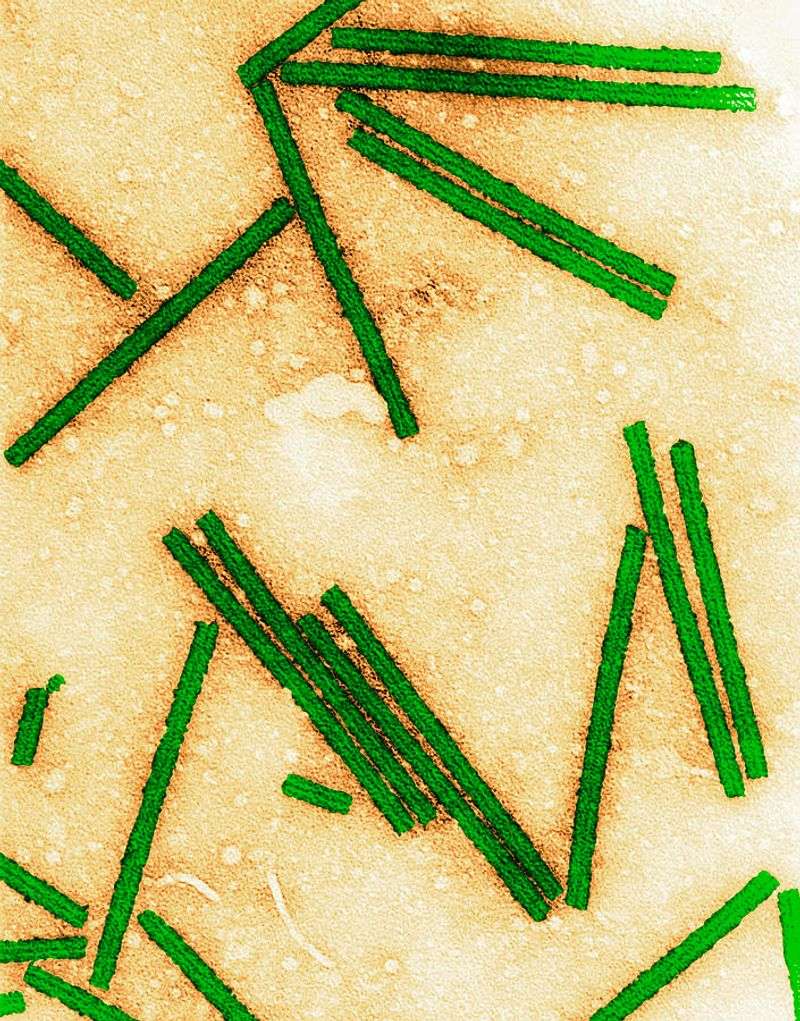
Tobacco mosaic virus (TMV) can easily hitch a ride on cigarettes or chewing tobacco, making smokers potential carriers of the virus. Gardeners who smoke must wash their hands thoroughly before handling plants to prevent accidental transmission. This lesser-known risk factor highlights the importance of awareness and hygiene in preventing the spread of mosaic viruses in gardens.
8. It Weakens Plants (But Rarely Kills Them)
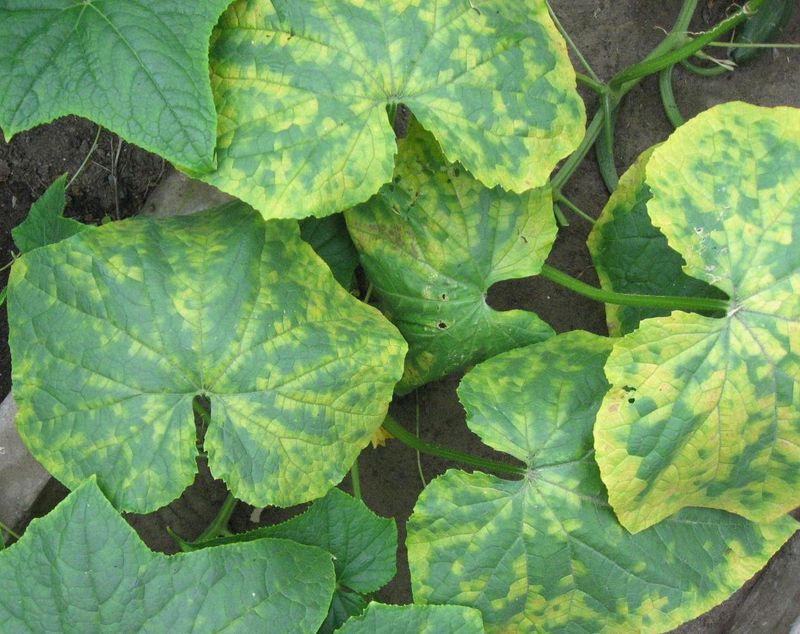
Mosaic viruses often weaken plants without outright killing them. Infected plants may produce smaller, deformed fruits and become more susceptible to other diseases. This gradual weakening makes the plants less productive and more vulnerable, affecting overall garden health. Understanding this aspect of the virus can lead to better management practices, focusing on strengthening plant resilience.
9. Some Plants Are Resistant
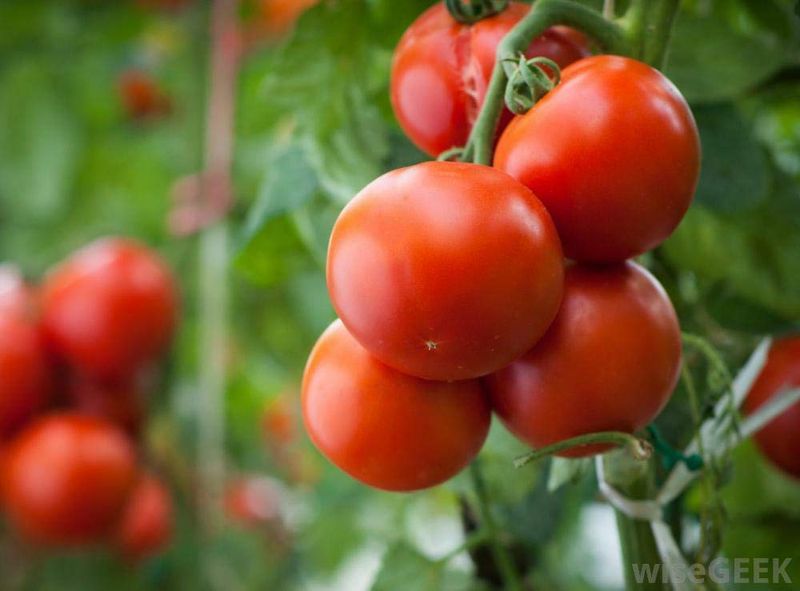
While no plant is completely immune, some tomato varieties, such as ‘Defiant’ and ‘Mountain Merit,’ have been bred for resistance against mosaic viruses. Checking seed labels for resistant varieties can help gardeners make informed choices, reducing the risk of infection. This strategic selection supports a more resilient garden, capable of withstanding potential virus threats more effectively.
10. It Was the First Virus Ever Discovered
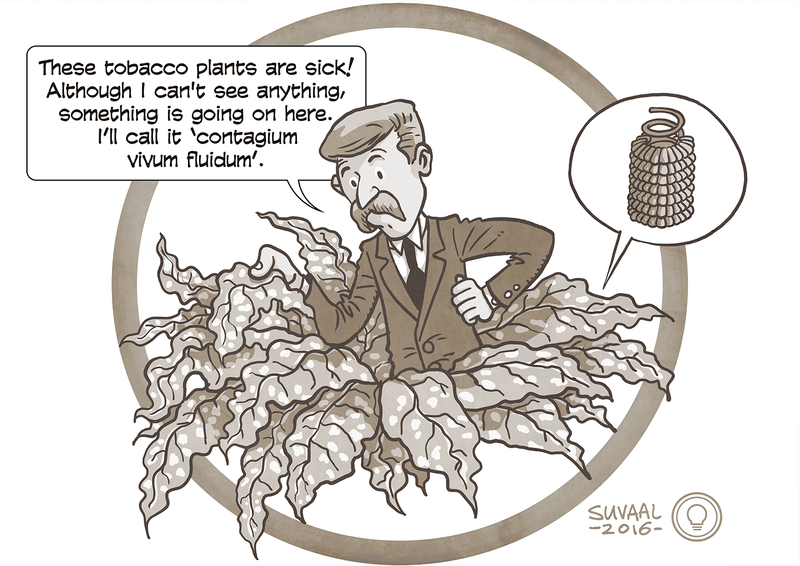
In 1898, scientists identified Tobacco Mosaic Virus (TMV) as the first virus ever discovered, marking a significant milestone in virology. This discovery laid the groundwork for modern scientific understanding of viruses and their impact on living organisms. The history of TMV highlights the role of ongoing research in developing strategies to combat virus threats in both plants and humans.
1. Sanitize Tools with Bleach or Alcohol
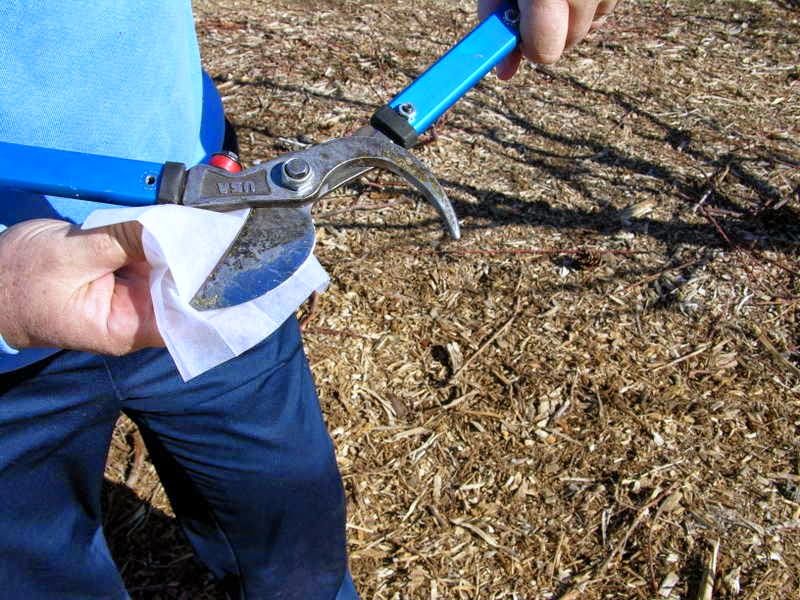
Effective prevention of mosaic virus begins with sanitation. Regularly disinfecting gardening tools with bleach or alcohol can drastically reduce the risk of spreading the virus. This simple practice is a vital component of a comprehensive garden hygiene strategy. By maintaining clean tools, gardeners can protect both their current and future plants from the threat of infection.
2. Remove Infected Plants Immediately

Upon discovering an infected plant, immediate removal is crucial. Infected plants should not be composted, as this could allow the virus to persist and spread. Swift removal minimizes the risk of transmission to healthy plants, playing a key role in containing the virus. This proactive measure is essential in maintaining a healthy garden environment, free from the mosaic virus’s destructive potential.
3. Control Aphids
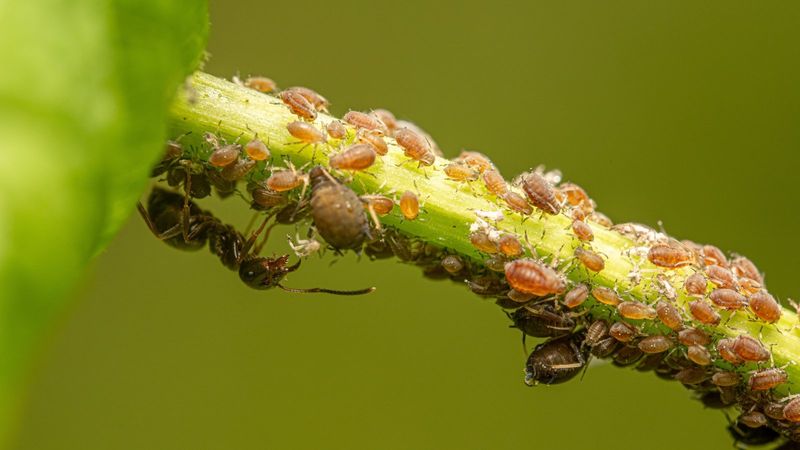
Aphids, known carriers of some mosaic viruses, can exacerbate the spread of infection in gardens. Managing aphid populations through natural predators or insecticidal soap can help reduce the risk of virus transmission. Implementing these controls as part of an integrated pest management strategy is essential for maintaining garden health and preventing the mosaic virus from spreading further.
4. Buy Certified Disease-Free Seeds & Plants
Purchasing certified disease-free seeds and plants is a crucial step in preventing mosaic virus outbreaks. This proactive approach ensures that new additions to the garden are free from infection, minimizing the risk of introducing the virus. By selecting quality, verified plants and seeds, gardeners can establish a strong foundation for a thriving, virus-resistant garden.