 Complete Gardening
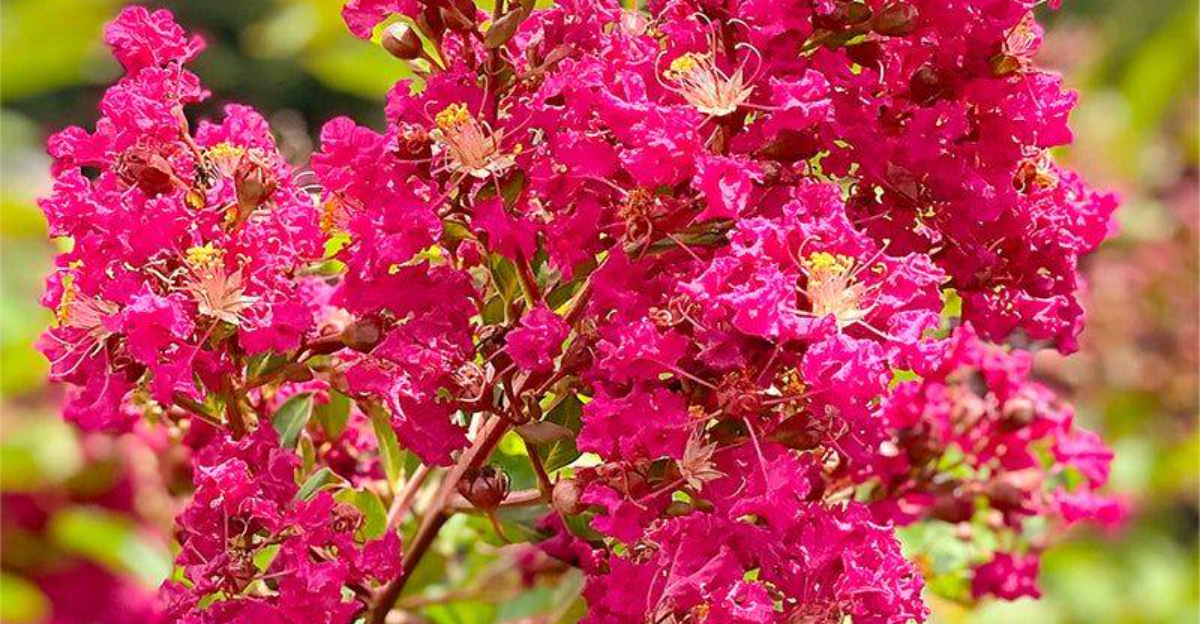
While roses have long captured the spotlight as symbols of love, many other flowers have historically held similar meanings. This blog explores ten such flowers that were revered in various cultures for their associations with love and devotion.
From the rich hues of red tulips to the delicate beauty of violets, these blossoms have stories that span continents and centuries, offering us a glimpse into how love has been expressed through flora.
Let’s explore these enchanting flowers that have played pivotal roles in the language of love.
1. Tulips
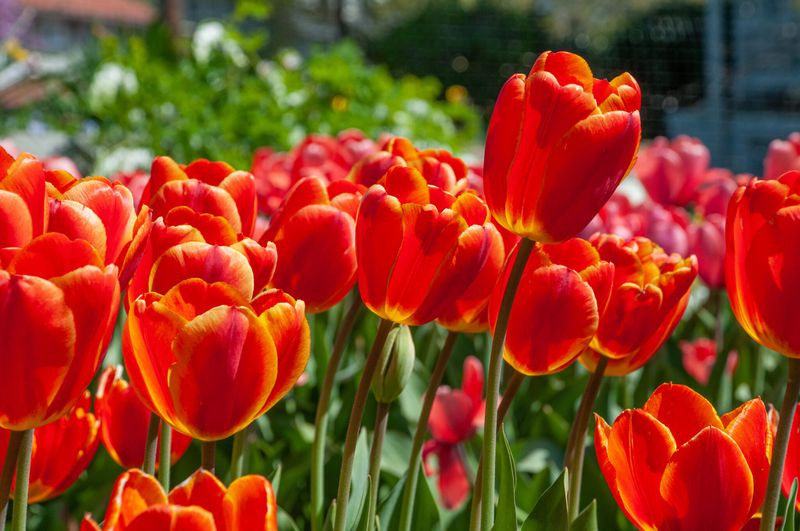
In the vibrant tapestry of Persian and Ottoman cultures, red tulips were seen as symbols of deep love and passion. These flowers, with their rich crimson petals, were more than just garden beauties; they were emblematic of the profound emotions between lovers.
Red tulips were often exchanged as tokens of love, a tradition that highlighted the intensity and sincerity of one’s feelings. Their striking color and elegant form made them a favorite among poets and artists who sought to capture the essence of passionate affection.
In these cultures, gifting a red tulip was akin to saying “I love you” in the most heartfelt manner. It was a gesture that transcended words, making the tulip a timeless emblem of love.
2. Forget-Me-Nots
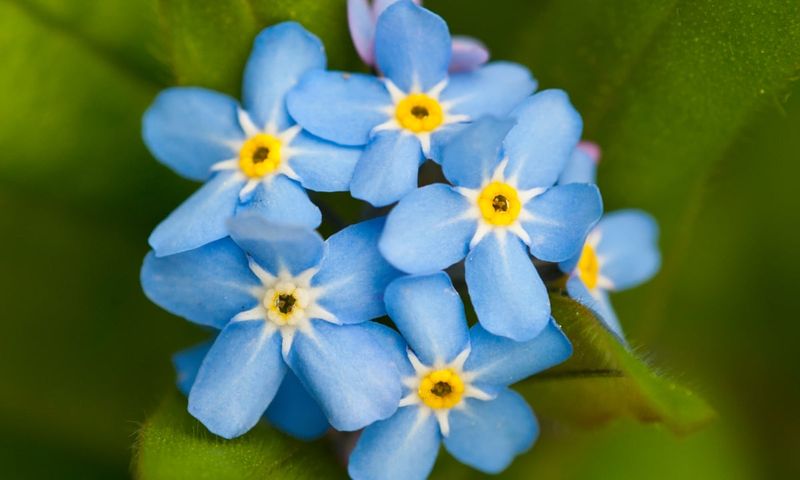
Forget-me-nots might be small, but their significance is monumental. These petite blue flowers carry a powerful message of true love and remembrance. Often, they would be given between lovers as a promise to never forget one another, embodying a sense of devotion that withstands the test of time.
The name itself is a poignant reminder, urging the giver and receiver to hold onto cherished memories. Their delicate appearance belies a profound depth of meaning, making them an enduring symbol of loyalty and fidelity.
For anyone looking to maintain a connection that goes beyond fleeting moments, forget-me-nots offer a beautiful, lasting testament to enduring love.
3. Violets
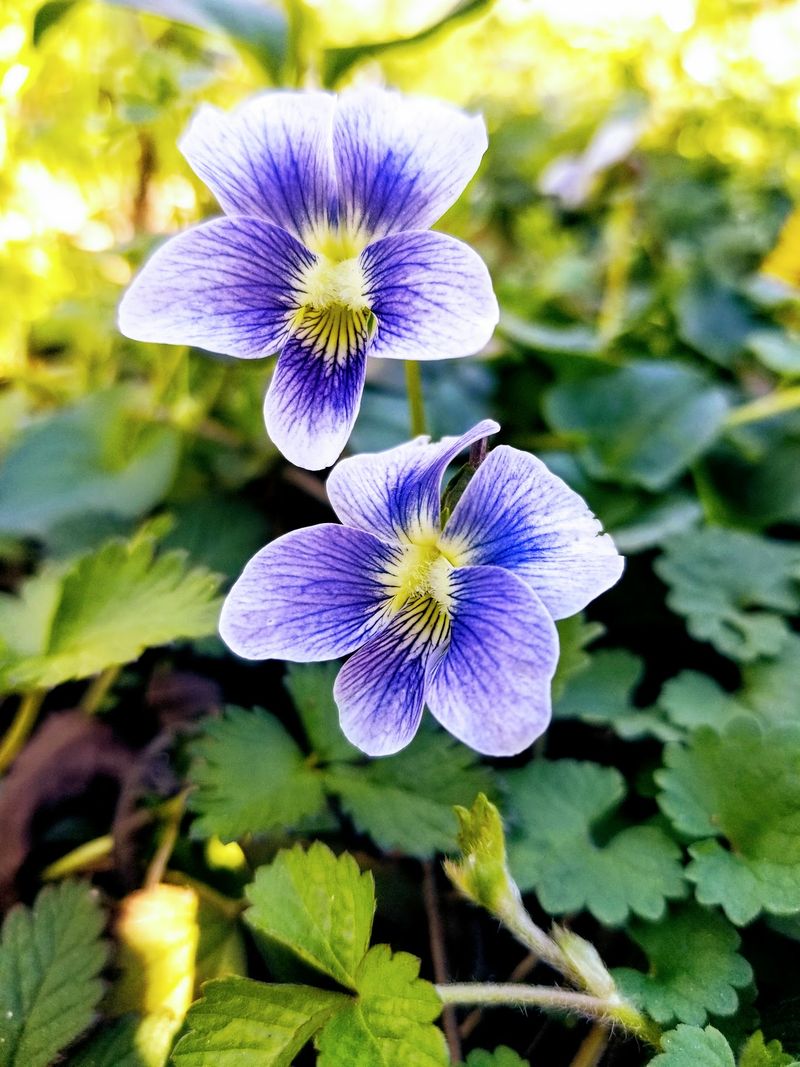
Violets have long been associated with faithfulness and everlasting love, tracing back to Roman and Greek traditions. Their delicate petals and rich purple hues made them favorites for expressing deep affection.
In ancient lore, violets were often linked to myths involving love gods and goddesses, adding an element of divine romance to their symbolism. The Romans and Greeks saw these flowers as tokens of loyalty, often using them in ceremonies and as gifts to express unwavering devotion.
Violets stood as a testament to a love that was not only passionate but also enduring and steadfast, a beautiful reminder of commitment across time.
4. Orchids
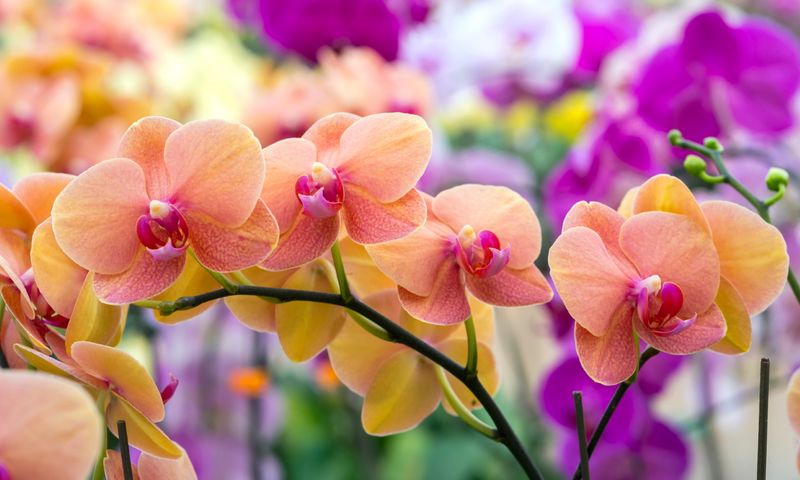
Orchids are exotic blooms that have captivated hearts since ancient times, particularly in China and Greece. Their unique forms and vibrant colors symbolize love, beauty, and fertility, making them popular in romantic expressions.
Ancient Chinese cultures revered orchids for their elegance and purity, often associating them with refinement and luxury. Meanwhile, in Greece, they were linked to virility and family prosperity.
Orchids were seen as a reflection of delicate beauty and tender emotion, inspiring poets and lovers alike. Their intricate patterns and alluring fragrance continue to enchant, ensuring their place as one of history’s most cherished floral symbols of love and allure.
5. Carnations
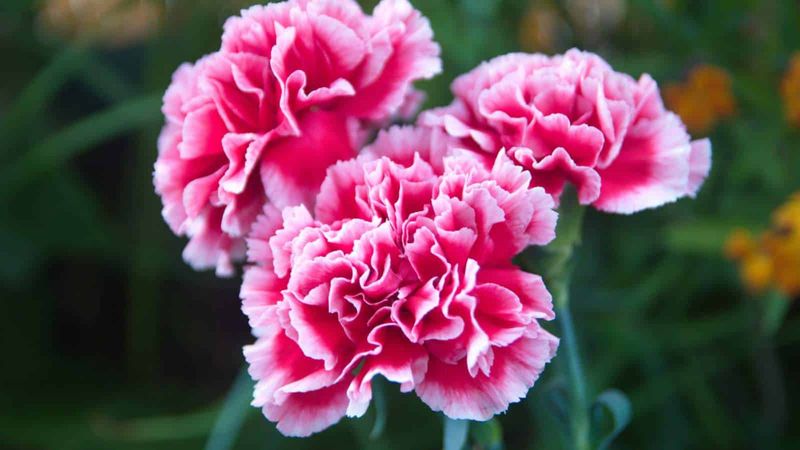
Carnations, with their ruffled petals and myriad of colors, have long been symbols of love and admiration. Red carnations are revered for their association with deep, passionate love, often woven into wedding bouquets and romantic arrangements.
Pink carnations, on the other hand, speak of gratitude and admiration, making them perfect tokens of appreciation. Their history traces back to the Greeks and Romans, who used carnations in ceremonial garlands.
Today, they continue to be a beloved choice for expressing heartfelt emotions, their lasting blooms serving as a reminder of enduring affection and sincere appreciation. Whether in bouquets or as single flowers, carnations convey love in its many forms.
6. Lilies
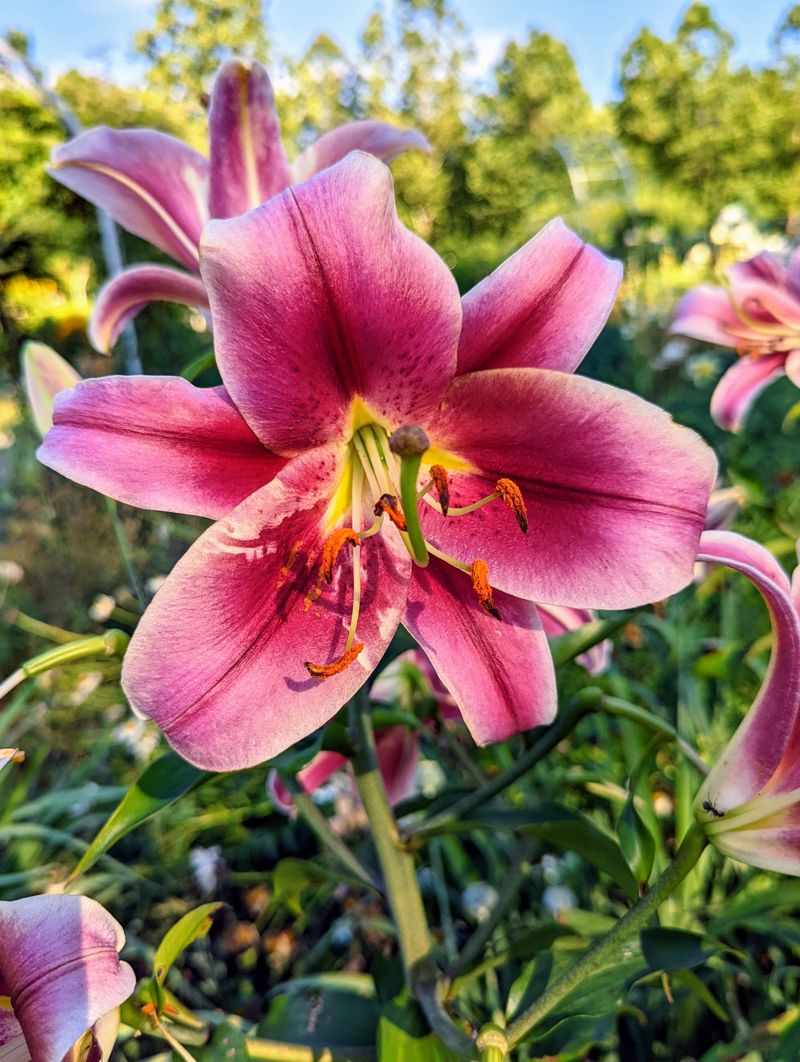
Lilies, with their graceful blooms and intoxicating fragrance, have been symbols of purity and love for centuries. In various cultures, they are associated with romance and devotion, particularly the Calla lily, which is often used in weddings.
These flowers, with their pristine white petals, convey a sense of innocence and pure affection. Lilies were revered by the Greeks and Romans, who linked them to their love deities and used them in rituals and celebrations.
Their elegance and beauty make them timeless symbols of heartfelt commitment and the purity of true love, offering a serene reflection on the depth of human emotions.
7. Daisies
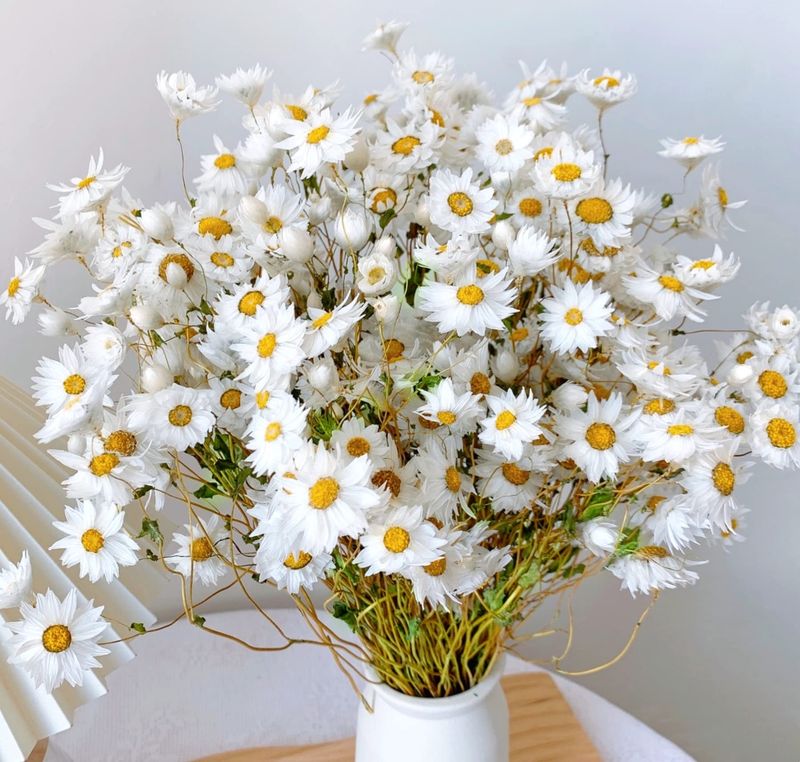
Daisies, simple yet profound, represent innocence and loyal love, carrying a charm that spans cultures and centuries. In Celtic and Norse traditions, these cheerful blooms were linked to purity and gentle affection.
Known for their distinctive white petals and sunny centers, daisies were often woven into garlands and given as symbols of steadfast devotion. They are nature’s reminder of the unpretentious, enduring bonds that form the foundation of loving relationships.
Daisies invite us to appreciate the beauty in simplicity and the joy in loyal companionship, making them timeless tokens of love’s purest forms. Their cheerful presence brightens any setting, embodying the essence of sincere emotions.
8. Myrtle
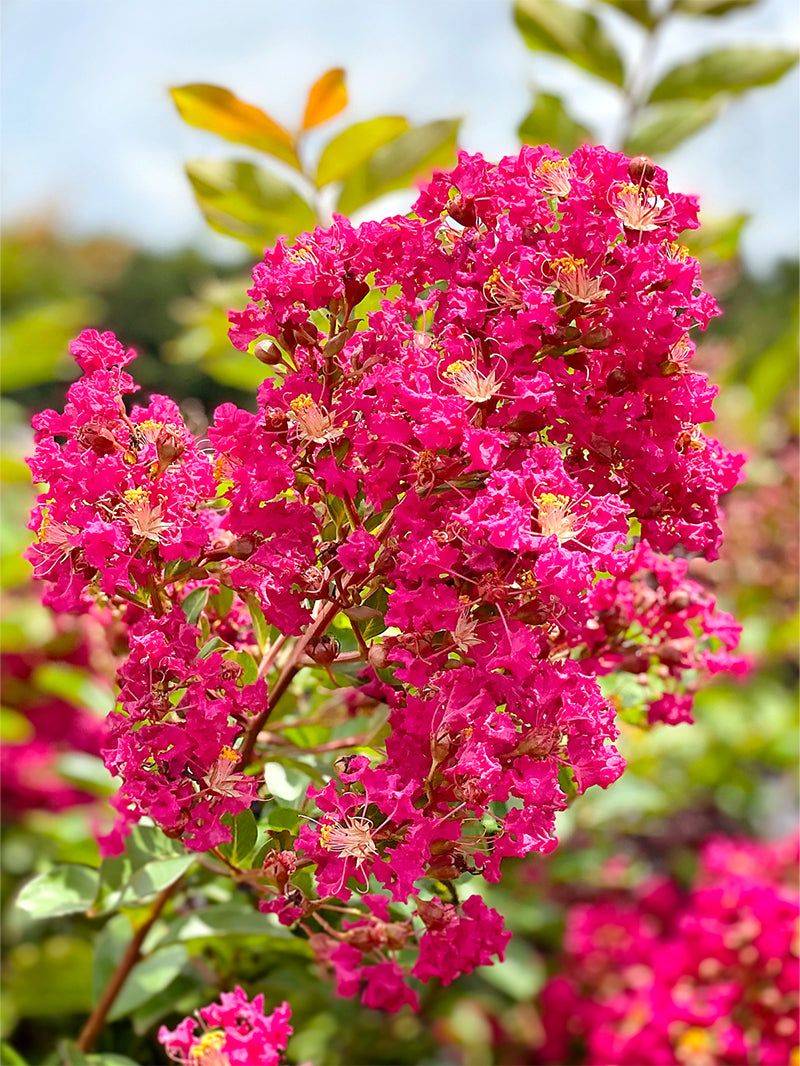
Myrtle, a plant with glossy leaves and delicate white flowers, holds a prestigious place in the annals of love symbolism. Associated with Aphrodite, the Greek goddess of love, myrtle has been used as a symbol of marriage and enduring affection.
In ancient Greek weddings, brides wore myrtle garlands as a token of love and prosperity. This tradition underscored the plant’s association with fertility and harmonious unions.
Myrtle’s fragrant blooms and evergreen nature make it a fitting representation of eternal love and fidelity. As a living testament to romance, myrtle continues to be a cherished emblem of matrimonial bliss and enduring companionship.
9. Jasmine
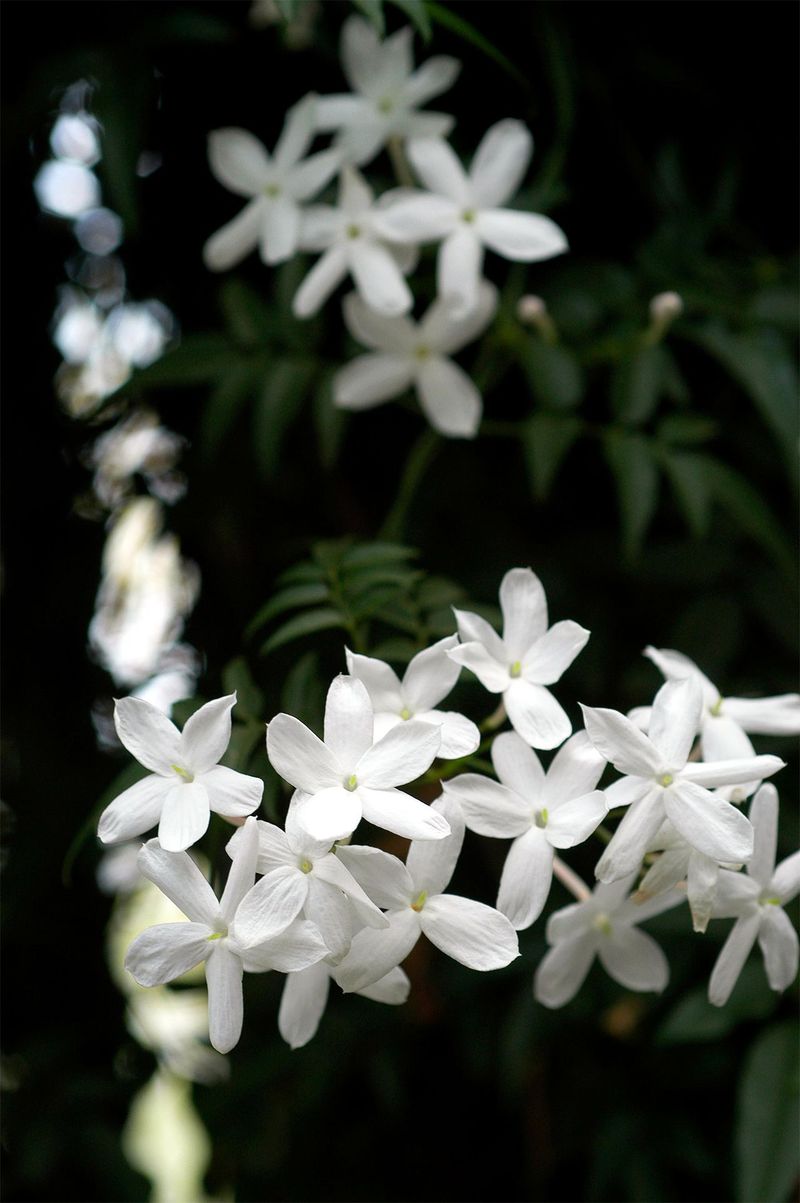
Jasmine, with its intoxicating scent and delicate white flowers, has been a symbol of sensuality and romantic attraction, especially in South Asian and Middle Eastern cultures. Its fragrance, potent yet subtle, has enchanted lovers for centuries, often used in perfumes and romantic settings.
Jasmine’s allure lies not just in its scent, but also in its ability to evoke feelings of love and desire. In many cultures, it is considered an aphrodisiac, enhancing its romantic associations.
Whether draped in garlands or scattered in a lover’s path, jasmine remains a beloved symbol of love’s enchanting and magnetic pull, a floral invitation to romance.
10. Pansies
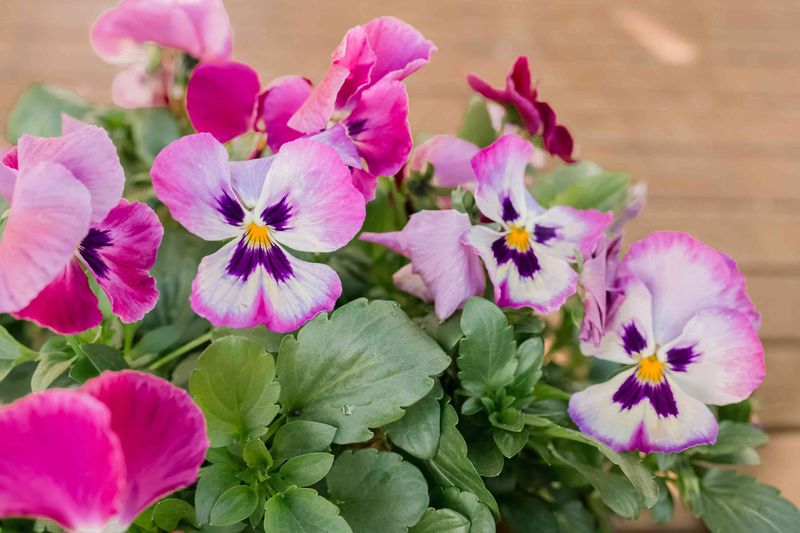
Pansies, with their colorful, heart-shaped petals, embody thoughts of love and remembrance. Their name, derived from the French word pensée, meaning “thought,” reflects their association with loving thoughts and memories.
In Victorian times, pansies were often exchanged between lovers to convey tender feelings and romantic musings. The vibrant hues of their petals, ranging from deep purples to bright yellows, make them a favorite in gardens and bouquets alike.
Pansies invite reflection on cherished moments and the thoughts that bind lovers across distances and time. They continue to be a symbol of the thoughtful, introspective side of love, celebrating the connections that transcend the physical.