 Complete Gardening
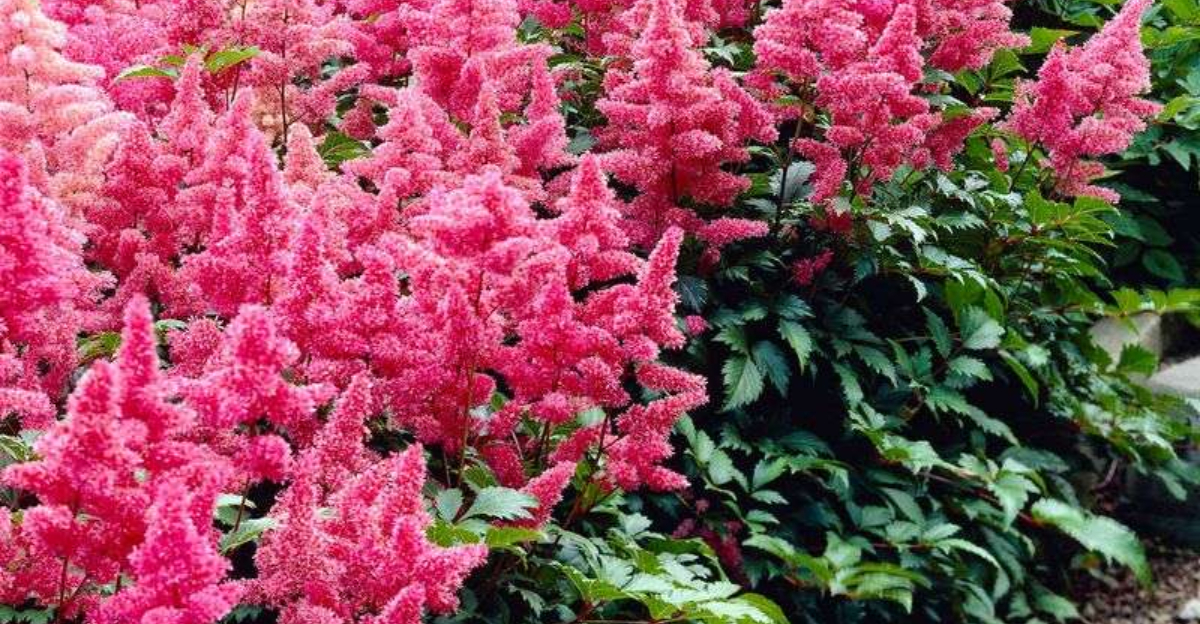
Embarking on a five-year journey to cultivate the perfect shade garden has been an adventure filled with trials, errors, and immense satisfaction. This extensive search for the ideal perennials has not only enhanced my gardening skills but also taught me patience and perseverance. Each plant chosen for this list has been meticulously tested and observed to ensure that it thrives in shaded conditions, offering beauty and resilience. Below, I share the 15 perennials that have proven to be the most successful in my garden quest, each with its own unique charm and character.
1. Hellebore
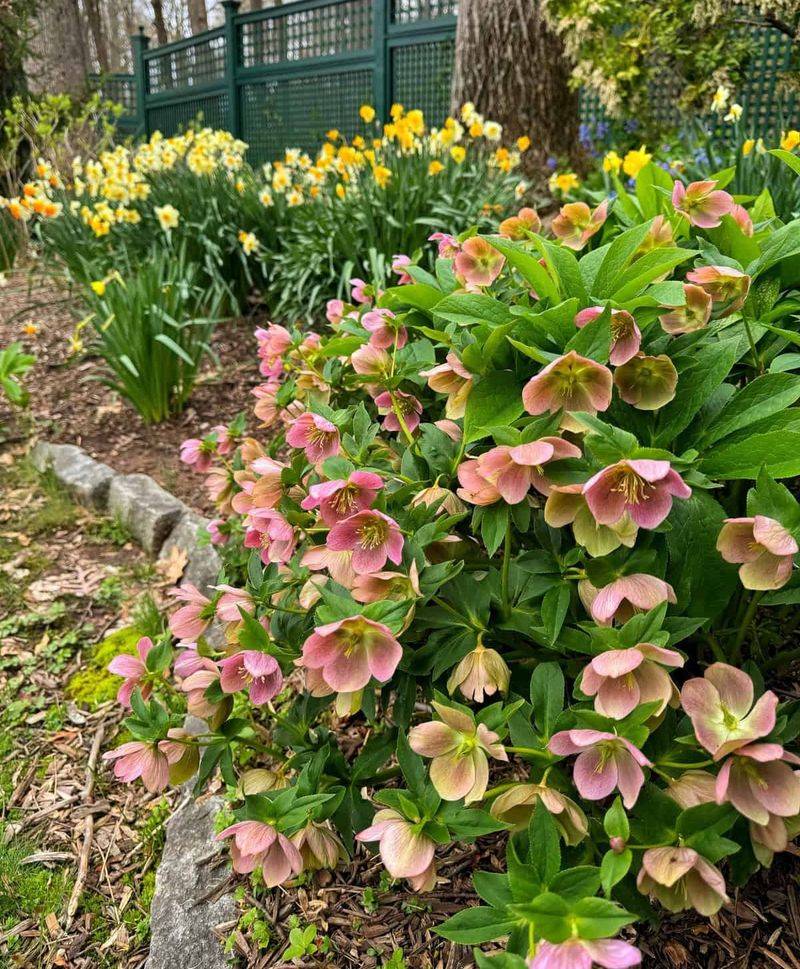
With a serene presence, Hellebores bloom even when winter refuses to leave. Often called the “Christmas Rose,” this perennial thrives in shaded areas, offering elegance and endurance. Its flowers, appearing in late winter to early spring, bring warmth to the coldest corners of the garden.
A fascinating characteristic of Hellebores is their evergreen foliage, which maintains interest year-round. Did you know? The plant is often associated with ancient legends, believed to have powers to ward off evil spirits. Perfect for gardeners who cherish a touch of mystery in their plots.
2. Hosta
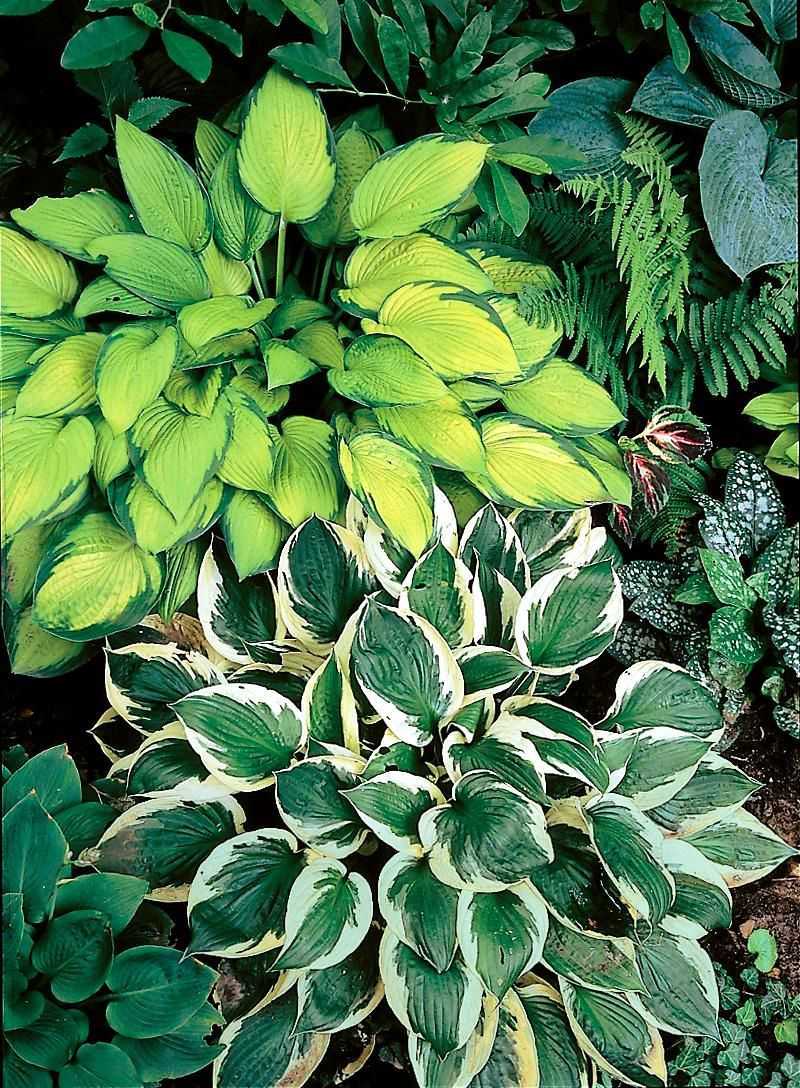
Known for their lush foliage, Hostas bring life to any shaded garden area. The diverse leaf shapes and colors make these perennials a beloved choice for gardeners seeking variety.
Not only do Hostas thrive in shade, but they also tolerate varying soil conditions, making them highly adaptable. Did you know? Hostas are edible and often used in Japanese cuisine. Their resilience and beauty make them a staple in my garden, adding texture and depth with little effort.
3. Astilbe
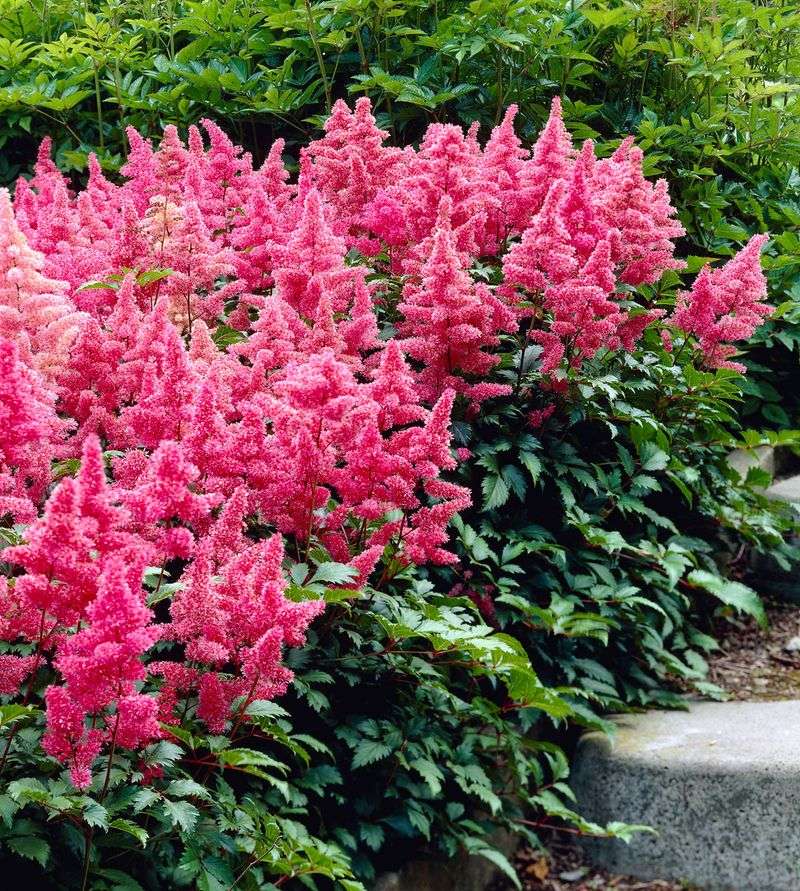
Astilbe, with its feathery plumes, lights up shaded areas with a burst of color. These perennials are not only visually appealing but also easy to care for, requiring minimal attention once established.
Their natural inclination to thrive in moist and shaded environments makes them ideal companions for ferns and other shade-loving plants. Astilbe’s ability to attract pollinators adds ecological value, making them a perfect choice for environmentally-conscious gardeners.
4. Brunnera
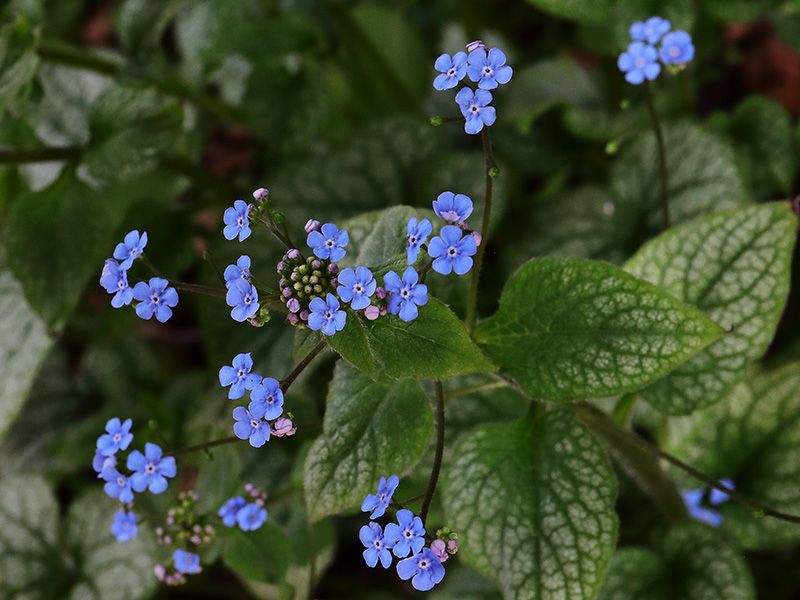
Brunnera, often likened to forget-me-nots, enchants with its dainty blue flowers and heart-shaped leaves. These perennials excel in shaded gardens, offering a delightful combination of beauty and durability.
The intricate leaf patterns of Brunnera add visual interest throughout the seasons. A lesser-known fact: Brunnera is related to the borage family, known for its hardy nature. Perfect for those who appreciate subtle elegance in their garden design.
5. Bleeding Heart
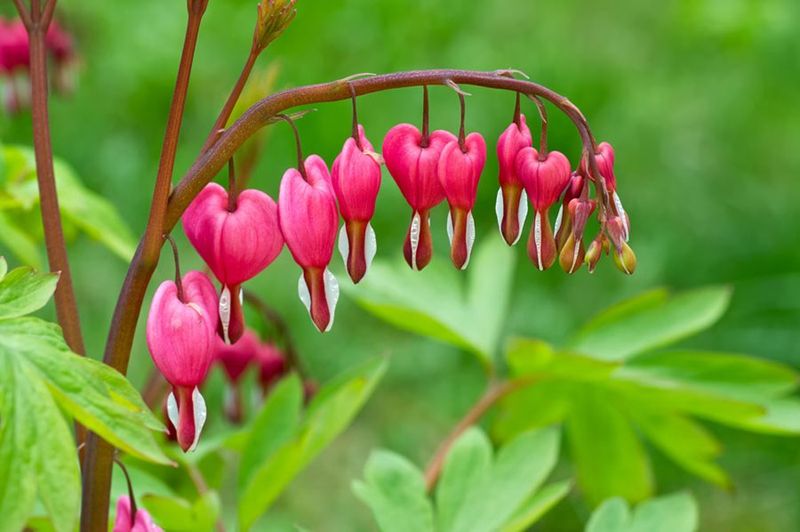
Bleeding Heart plants captivate with their uniquely shaped flowers, reminiscent of romantic heartstrings. Blooming in early spring, they bring a touch of romance to shaded areas.
Despite their delicate appearance, Bleeding Hearts are surprisingly robust, flourishing in damp, well-drained soil. This plant has roots in folklore, symbolizing love and compassion across cultures. Their ephemeral nature, dying back after blooming, ensures they never overstay their welcome, maintaining garden balance.
6. Ferns
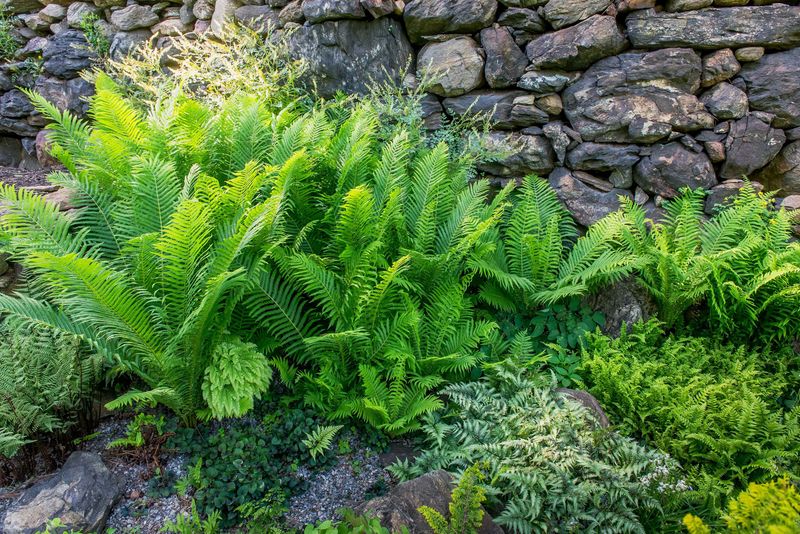
Ferns, with their prehistoric charm, add an exotic touch to any shade garden. These ancient plants thrive without direct sunlight, offering a tapestry of textures.
Their ability to adapt to various soil types and humidity levels makes them indispensable in shaded landscapes. Fun fact: Ferns reproduce via spores, a unique method compared to flowering plants. Their presence invites a sense of tranquility and timelessness to the garden environment.
7. Lungwort
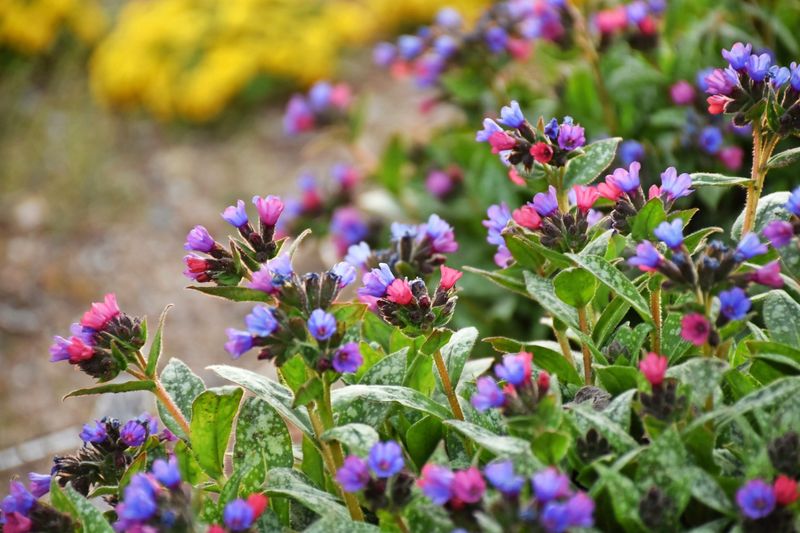
Despite its less-than-attractive name, Lungwort is a shade garden star. Known for its speckled leaves and changing flower colors, it offers both charm and versatility.
Lungwort’s blooms start as pink and transform to blue, providing a dynamic visual throughout the blooming season. Additionally, its leaves remain attractive even after the flowers fade, ensuring continuous interest. Historically, Lungwort was used in herbal remedies, believed to support lung health, hence its name.
8. Solomon’s Seal
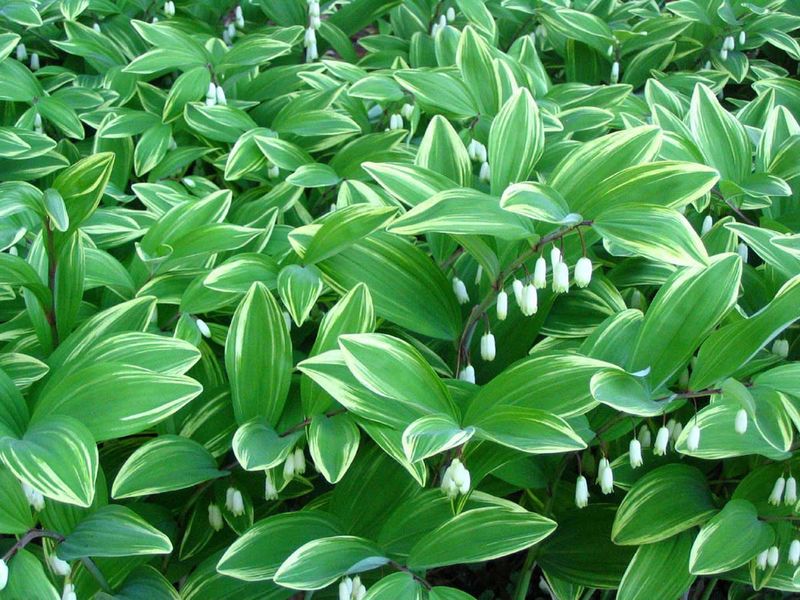
Solomon’s Seal exudes elegance with its arching stems and dangling white flowers. These perennials are well-suited for shady spots, where they form graceful drifts.
Their ability to thrive in a variety of soil conditions makes them a versatile choice for difficult garden areas. Did you know? Solomon’s Seal is named after the biblical King Solomon, reflecting the plant’s historical significance and enduring appeal. A must-have for gardeners seeking a touch of historical grandeur.
9. Japanese Forest Grass
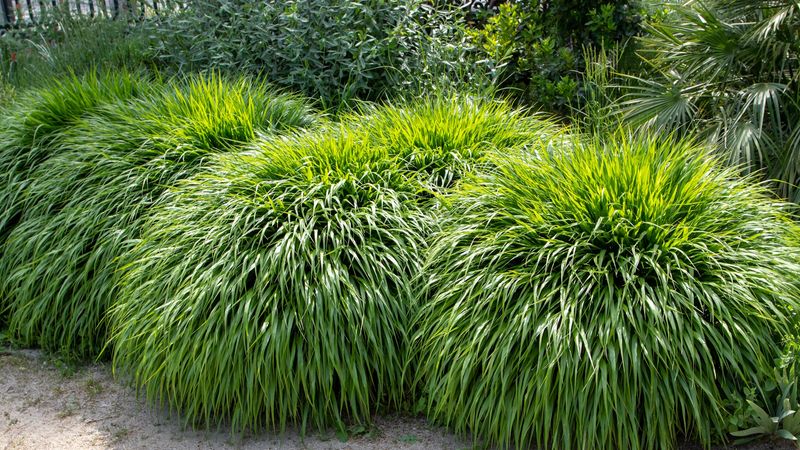
Japanese Forest Grass brings a graceful elegance to shaded areas with its flowing, arching leaves. Known scientifically as Hakonechloa, this perennial offers a striking contrast to broader-leaved plants.
Its ability to sway gently in the breeze adds dynamic movement to the garden landscape. The grass is hardy yet elegant, providing a lush groundcover that changes color with the seasons. Originating from Japanese woodlands, it carries an air of exotic sophistication.
10. Toad Lily
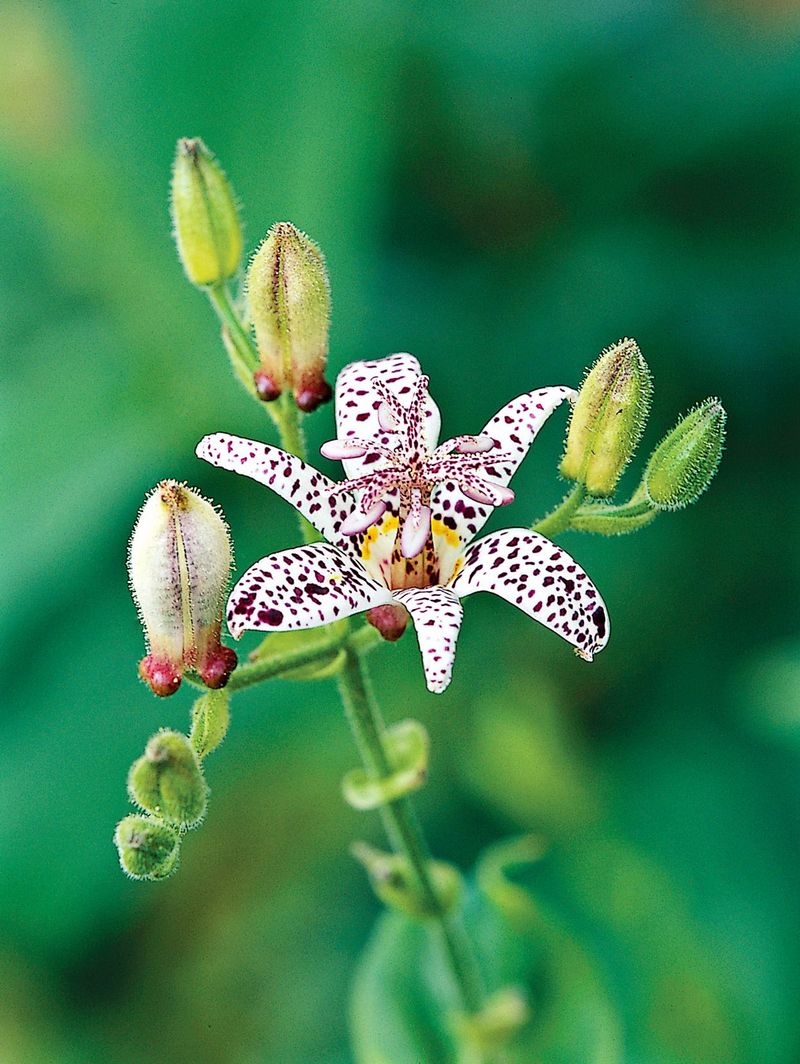
Toad Lily surprises with its exotic, starry flowers that appear in late summer to fall. These perennials thrive in shaded areas, where their intricate patterns become a focal point.
Their late bloom time ensures that the garden remains vibrant even as other plants wane. Toad Lilies are renowned for their unique floral designs, resembling orchids in miniature form. Ideal for gardeners who desire a touch of the unexpected, Toad Lilies never fail to intrigue.
11. Liriope
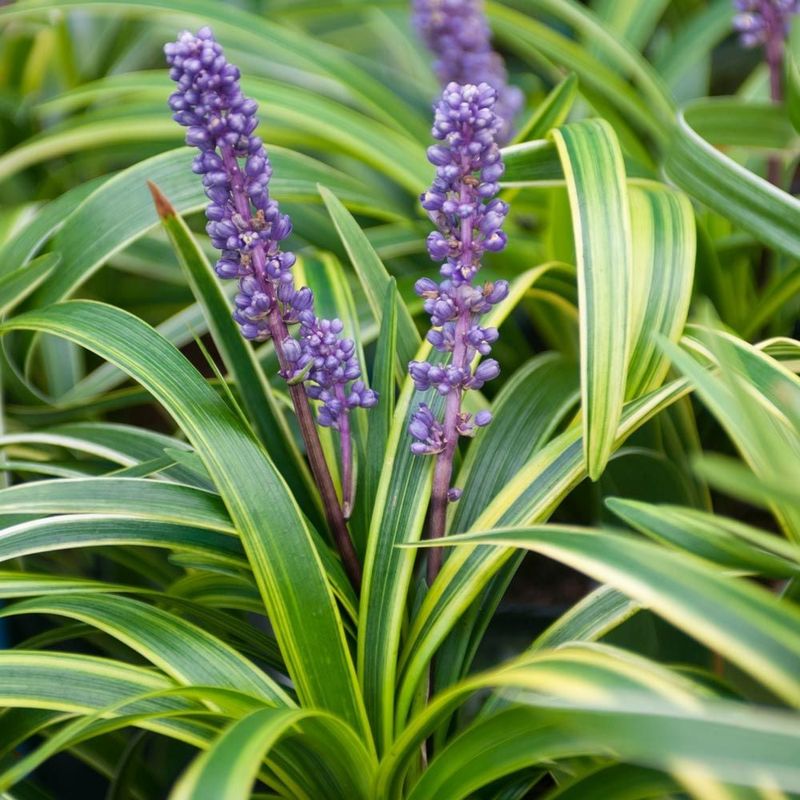
Liriope, often used as groundcover, flourishes in shaded gardens with its grass-like leaves and lavender flower spikes. This perennial is both functional and decorative, providing a lush carpet that suppresses weeds.
Its ability to withstand foot traffic makes it ideal for pathways. Liriope’s resilience and adaptability have earned it a reputation as a reliable garden staple. Fun fact: Liriope is named after a Greek nymph, adding a mythical charm to its practical nature.
12. Foamflower
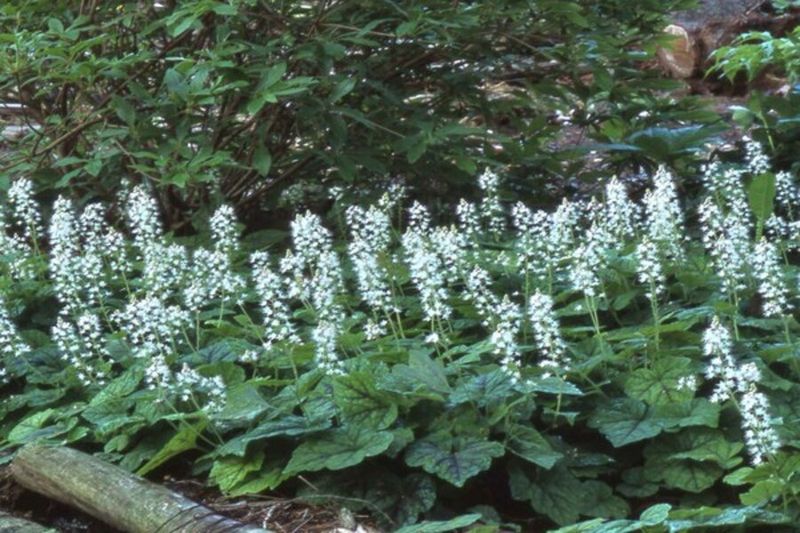
Foamflower, with its frothy white blooms, brings a lightness to shaded environments. This perennial spreads gracefully, forming a soft, lush carpet that brightens dim spaces.
Its adaptability to different soil types and its longevity make it a favorite among gardeners. Foamflower’s unique leaf patterns offer visual interest even when not in bloom. Historically, it was used by Native Americans in traditional remedies, adding a cultural depth to its garden presence.
13. Epimedium
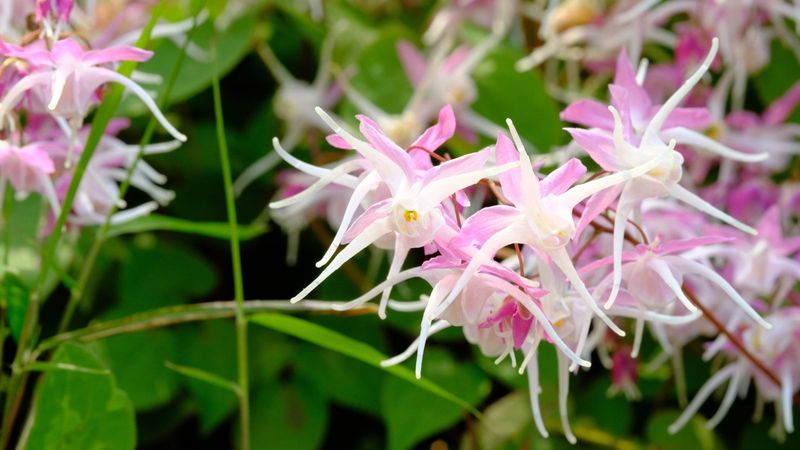
Epimedium, often called “Bishop’s Hat,” enchants with its delicate, spidery flowers and heart-shaped leaves. These perennials are well-suited for shaded areas, where they thrive with minimal care.
Their drought-resistant nature makes Epimedium an excellent choice for low-maintenance gardens. Did you know? It’s also known as “Horny Goat Weed,” reputed for its aphrodisiac properties. Ideal for those who prefer a garden full of surprises and hidden stories.
14. Barrenwort
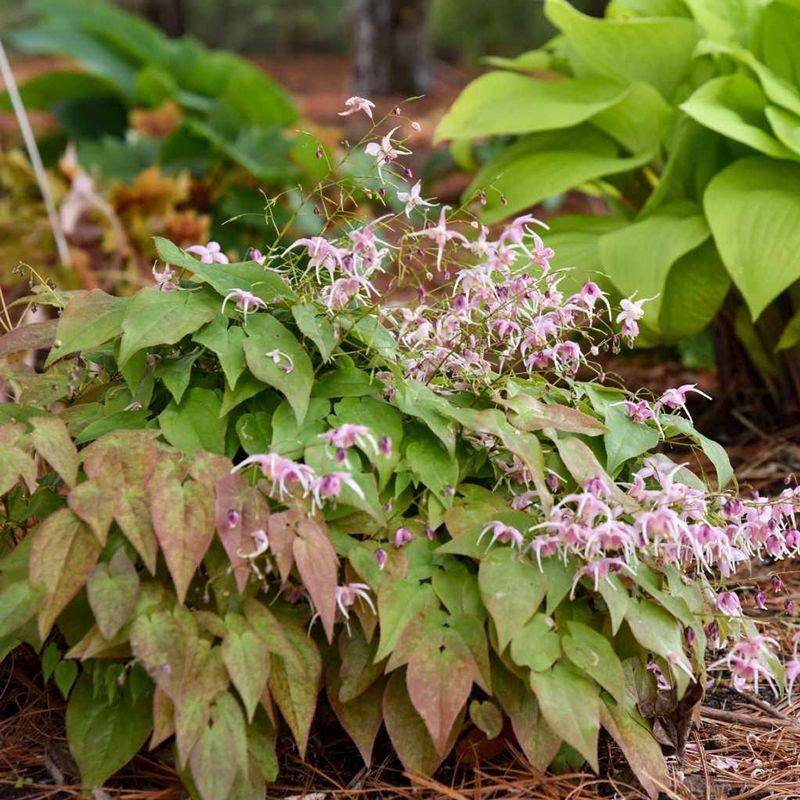
Barrenwort, with its delicate blooms and vibrant foliage, is a shade garden favorite. This perennial excels in difficult spots, offering beauty where other plants may struggle.
Its heart-shaped leaves change color with the seasons, providing year-round interest. Barrenwort’s ability to thrive in dry shade conditions makes it indispensable for challenging garden areas. Its resilience and subtle charm create a tapestry of color and texture.
15. Pulmonaria
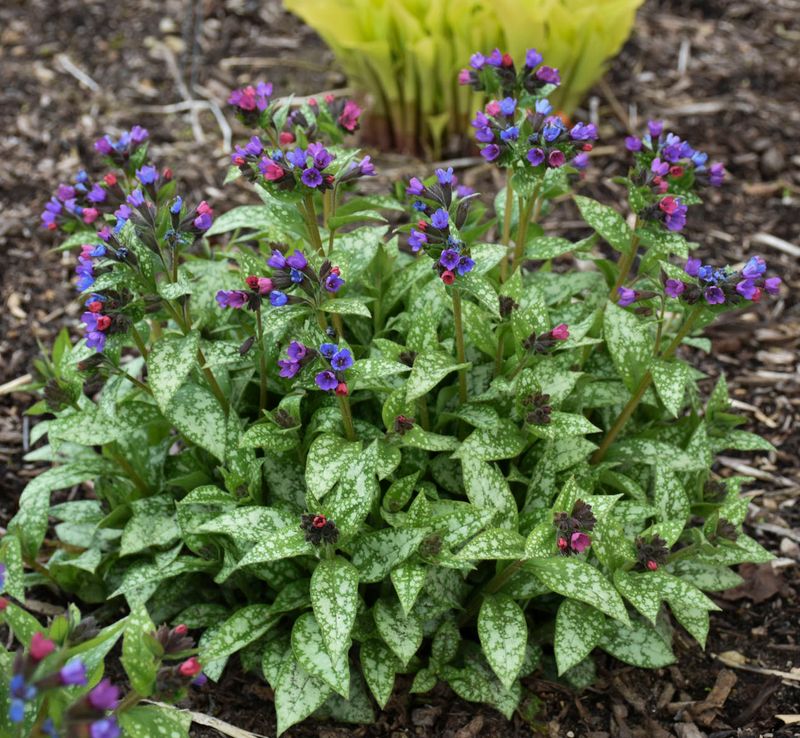
Pulmonaria, known for its speckled leaves and vibrant spring flowers, excels in shaded areas. Its blooms start as pink and gradually turn blue, adding dynamic beauty to the garden.
The plant’s decorative leaves remain attractive long after flowering, ensuring continuous appeal. Historically, Pulmonaria was used in herbal medicine, believed to treat lung ailments, which inspired its common name, “lungwort.” Perfect for gardeners seeking color and history in their plantings.