 Complete Gardening
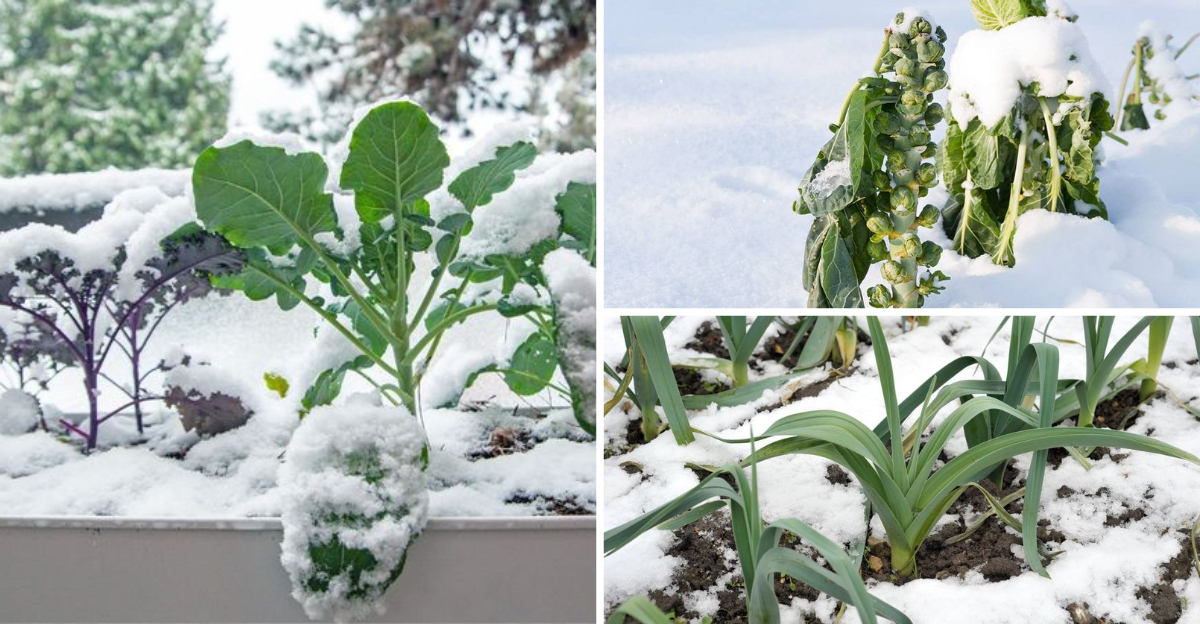
Gardening in the Nordic regions presents unique challenges due to the cold climate. However, certain crops thrive even in these harsh conditions. With careful selection and cultivation techniques, gardeners can enjoy a bounty of fresh produce throughout the year. This blog post explores ten cold-hardy crops that are perfect for Nordic gardening, offering insights into their growth patterns, unique traits, and the joy they bring to the garden.
Kale
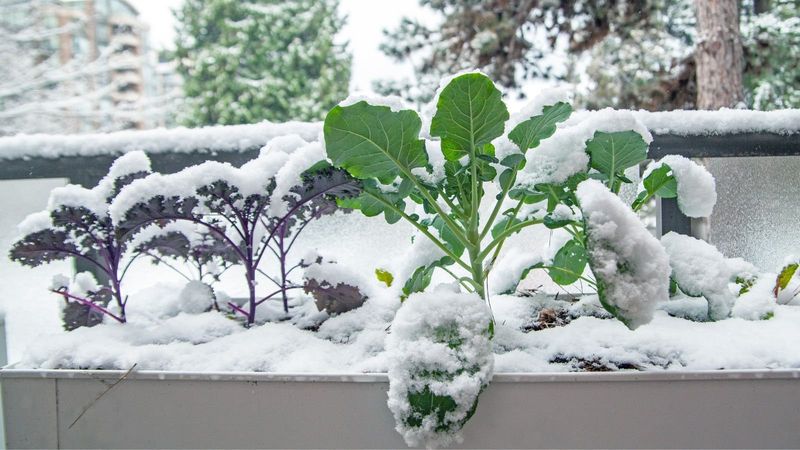
Kale, with its rich, green leaves, thrives in the cold, becoming sweeter as temperatures drop. This resilience makes it a staple in Nordic gardening.
Its robust flavor complements a variety of dishes, while its nutritional benefits, packed with vitamins C and K, are undeniable.
Whether steamed, sautéed, or blended into smoothies, kale offers endless culinary possibilities. Historically, kale has been a winter powerhouse, used by Nordic ancestors to sustain them through harsh winters. Its ability to withstand frost makes it an indispensable crop for Nordic gardeners.
Carrots
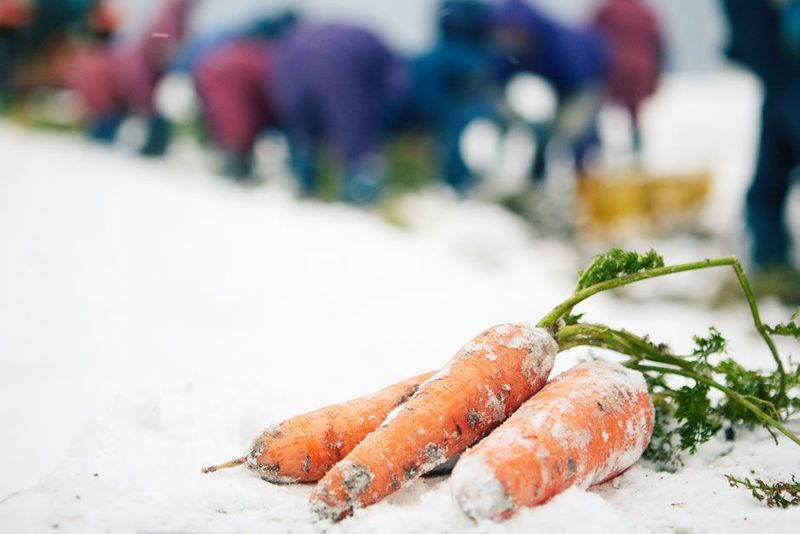
Carrots, with their vibrant orange hue, are a delightful addition to any Nordic garden.
These root vegetables thrive in cooler climates, where the cold enhances their natural sweetness. They can be stored over winter, providing a continuous supply of fresh produce.
Carrots are versatile, enjoyed raw, roasted, or in stews. Their history traces back to ancient Persia, but they have found a beloved place in Nordic soils. The ability to grow carrots in chilly conditions makes them a favorite among Northern gardeners.
Brussels Sprouts
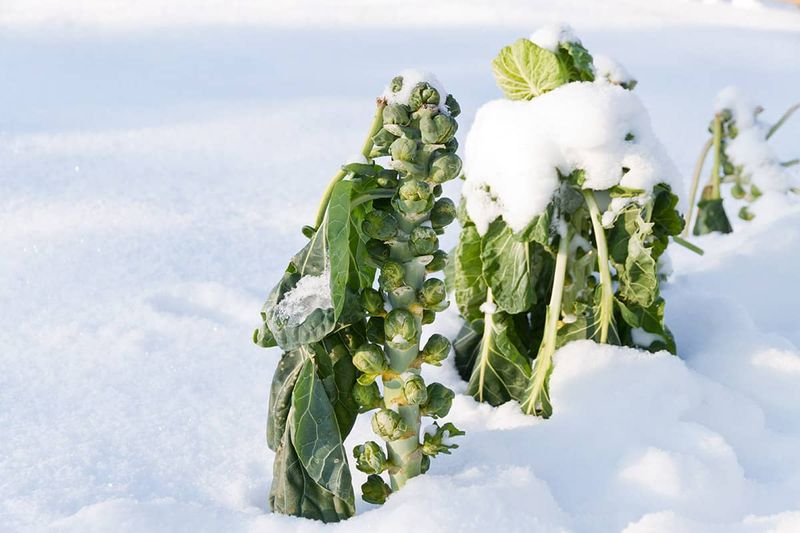
Brussels sprouts are a quintessential cold-weather crop, thriving in the frosty Nordic air.
Their sturdy stalks and compact sprouts make them well-suited for harsh climates. As a member of the cabbage family, they offer a rich source of vitamins C and K, supporting winter wellness.
Roasting these sprouts brings out their nutty flavor, a favorite winter dish. Though originating in Belgium, their adaptability has made them a staple in Nordic gardens. Their ability to withstand cold enhances their appeal for Northern growers.
Rutabaga
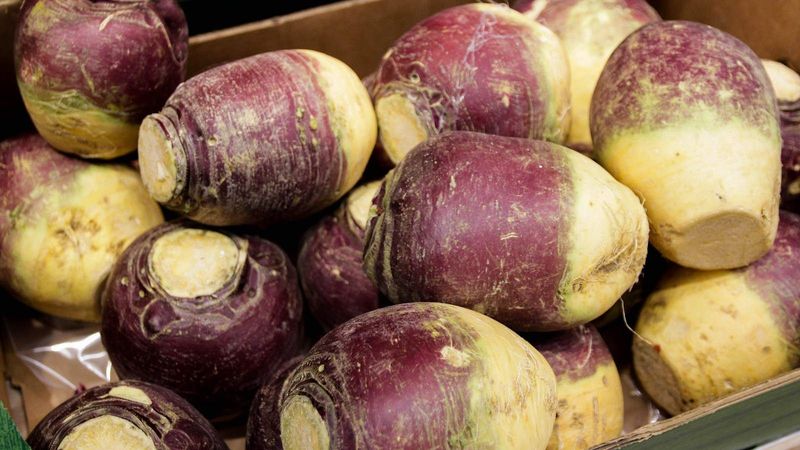
Rutabaga, often overshadowed by other root vegetables, is a hidden gem in Nordic gardening.
This hardy vegetable thrives in cold temperatures, where its sweetness intensifies. Its versatility in the kitchen, from mashes to soups, is unmatched.
Rutabagas have a storied past, once a staple during war times due to their resilience and nutritional value. The ability to store them over winter ensures a continuous food source. Their robust nature and unique taste make rutabaga an essential crop for cold climates.
Parsnips
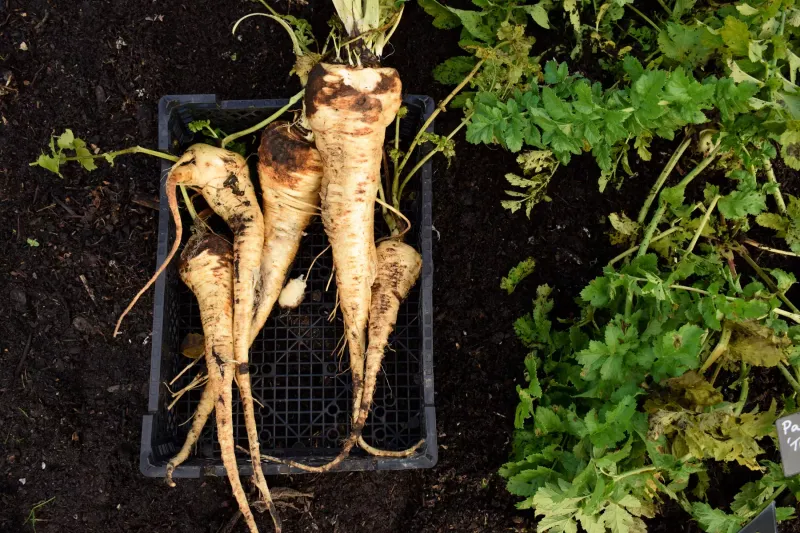
Parsnips, with their sweet, earthy flavor, are a winter staple in Nordic gardens.
These pale, carrot-like roots become sweeter after a frost, making them perfect for cold climates. They are versatile, ideal for roasting or adding depth to stews and soups.
Historically, parsnips were a primary source of sweetness before sugar became widespread, cherished for their flavor and nutrition. Their ability to thrive in frosty conditions ensures they remain a favorite for Nordic gardeners seeking robust winter crops.
Cabbage
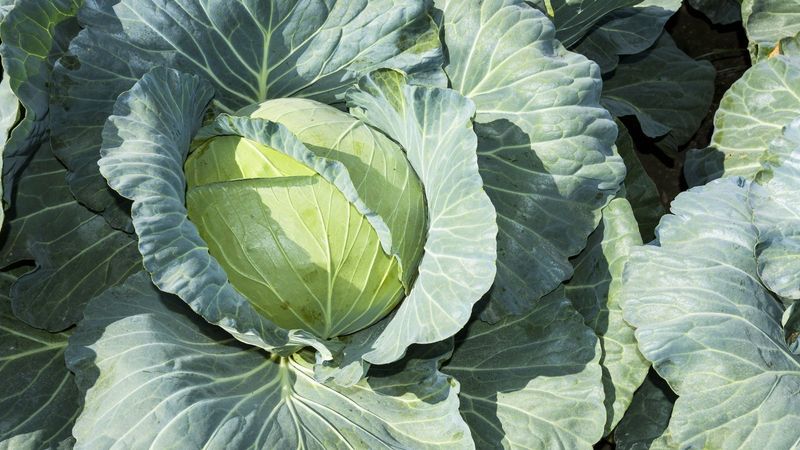
Cabbage is a resilient vegetable that flourishes in the cold, offering a crisp, refreshing taste.
Its dense heads are perfect for fermenting into sauerkraut, a traditional Nordic staple. Rich in vitamin C, cabbage supports health during long winters.
Its history is as layered as its leaves, with ancient roots in Europe and a firm place in Northern culinary traditions. The ability to withstand freezing temperatures makes cabbage a beloved choice for Nordic gardeners seeking hardy, nutritious crops.
Leeks
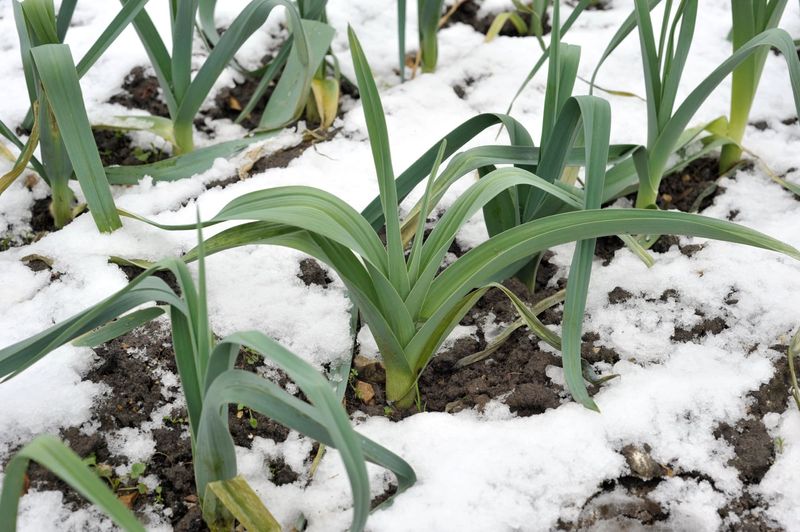
Leeks, with their mild onion flavor, are a versatile crop that thrives in Nordic gardens.
Their long, white stalks and dark green tops withstand cold, making them a winter favorite. Leeks add depth to soups and stews, popular in hearty winter meals.
Traced back to ancient Egypt, leeks have been cherished for their culinary and medicinal properties. Their ability to grow through frost and snow solidifies their place in Nordic gardening, offering both flavor and resilience.
Turnips
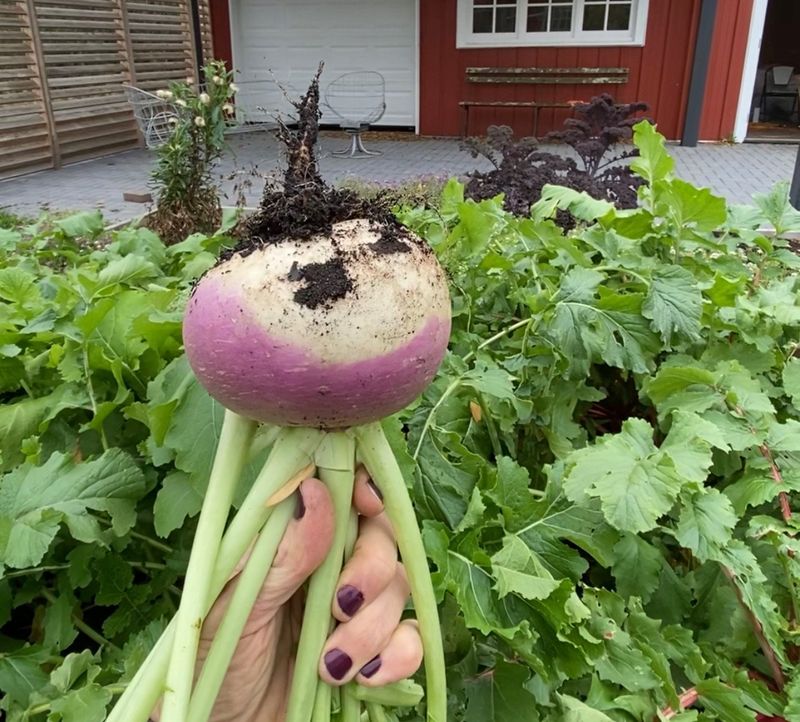
Turnips, often underrated, are a wonderful addition to the Nordic garden.
These root vegetables, with their purple tops and white bottoms, thrive in cold weather, enhancing their sweet, peppery flavor. They can be roasted, mashed, or added to soups.
Turnips have a rich history, used by ancient civilizations as a staple food. Their resilience in cold climates makes them a valuable crop for Nordic gardeners, ensuring a continuous supply of fresh produce throughout the winter months.
Beets
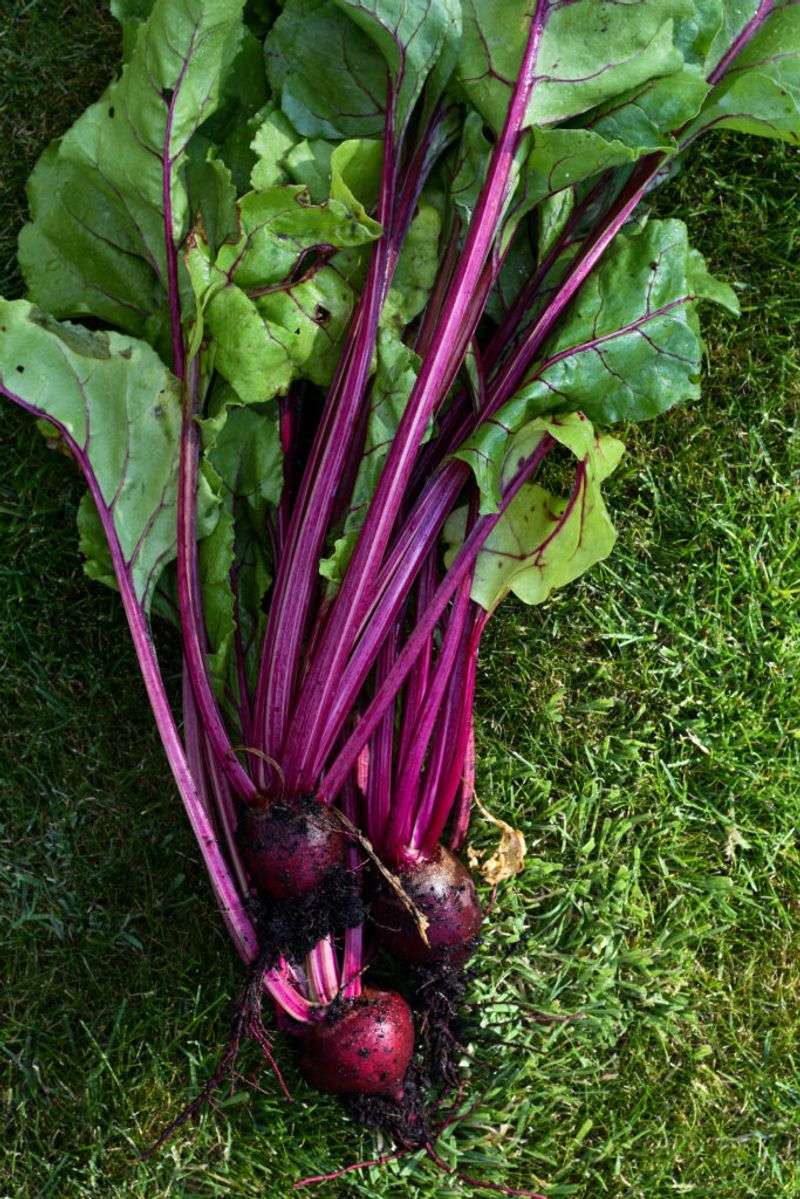
Beets, with their deep red hue, add vibrant color to Nordic gardens.
These root vegetables thrive in low temperatures, where the cold enhances their sweetness. Beets can be roasted, pickled, or used in salads, offering culinary versatility.
Historically, beets were cultivated for their leaves, but their roots have become a cherished staple. Their ability to grow through frost and snow ensures beets remain a favorite for gardeners seeking robust and colorful winter crops.
Collard Greens
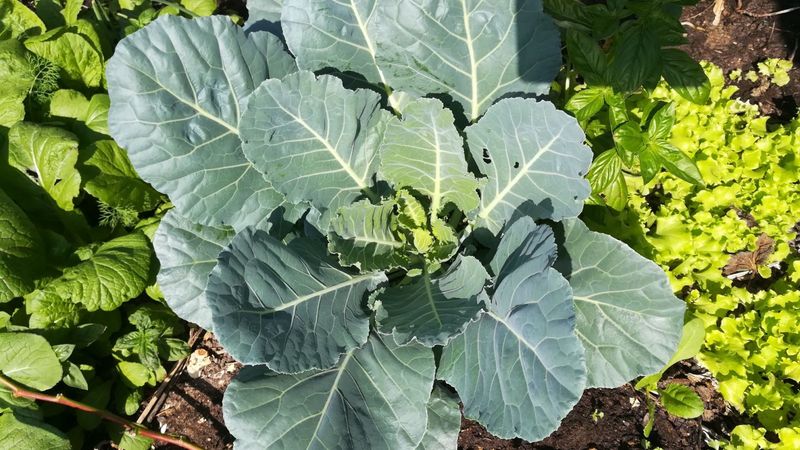
Collard greens, with their broad, dark leaves, are a resilient crop perfect for the Nordic climate.
These greens withstand frosty conditions, offering a mild, cabbage-like flavor. They can be sautéed, steamed, or used in soups.
Collard greens have a rich history, particularly in Southern cuisine, but their ability to thrive in cold makes them suitable for Northern gardens. Their robustness and nutritional value make collard greens an essential part of Nordic gardening, providing fresh greens even in winter.
Siberian Pea Shrub
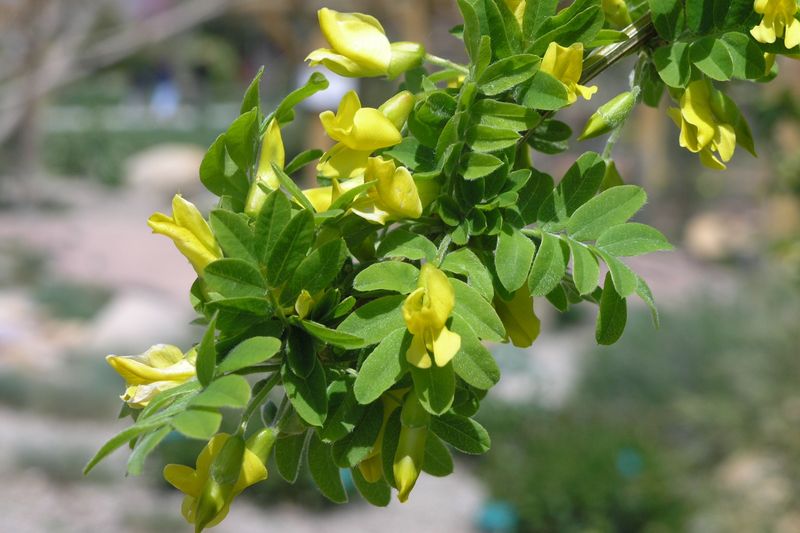
The Siberian Pea Shrub is a marvel in cold climates, offering both beauty and nutrition. With its bright yellow flowers, it brightens any garden even during colder months. This resilient shrub is more than just eye candy; it’s a source of protein-rich pods, resembling peas.
Perfect for sustainable gardening, this shrub is a nitrogen-fixer, improving soil fertility naturally. Its hardy nature allows it to endure harsh winters, making it a favorite among Nordic gardeners. Whether for beauty or utility, the Siberian Pea Shrub is a must-have for cold-climate enthusiasts.
Sea Buckthorn
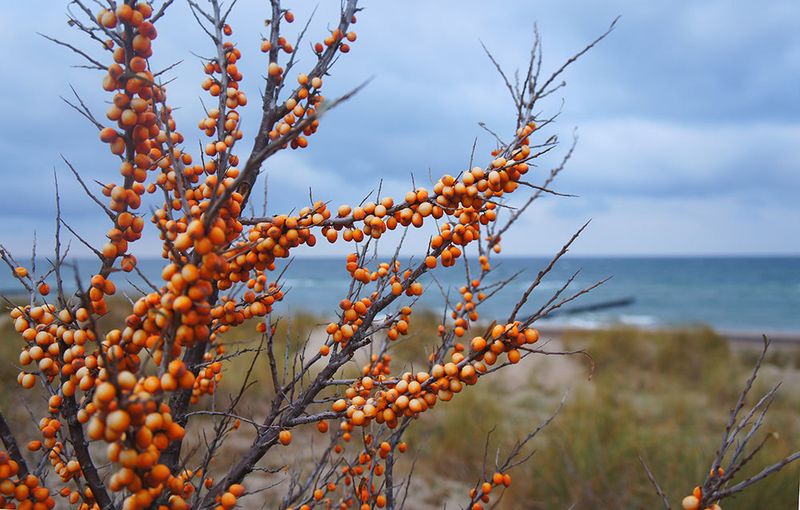
Sea Buckthorn stands out with its striking orange berries, offering a burst of color against winter’s grey backdrop. These berries are packed with vitamins, especially vitamin C, providing a health boost when other fresh produce is scarce.
This shrub thrives in poor soil and withstands frost, making it ideal for Nordic gardens. Sea Buckthorn is not just a feast for the eyes but also beneficial for wildlife, attracting birds and bees even in winter. Embrace this versatile plant to add both beauty and nutrition to your garden.
Horseradish
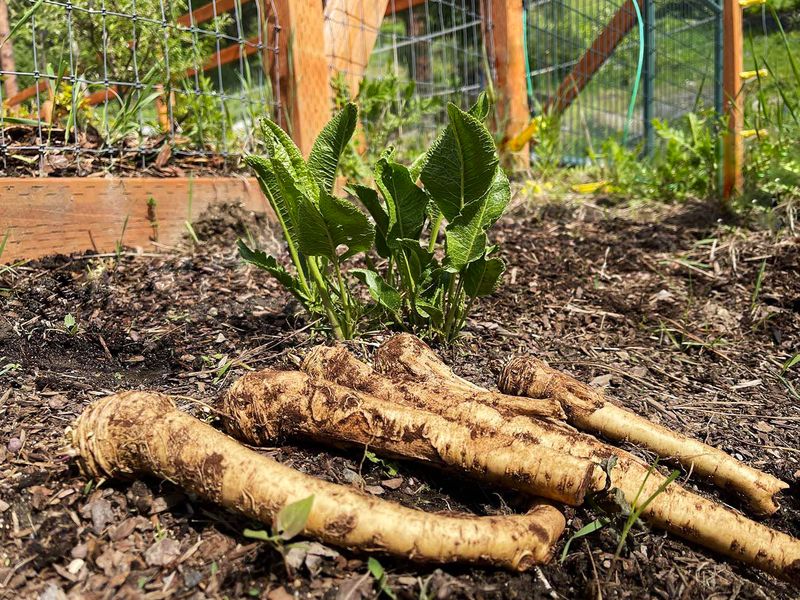
Horseradish is the underdog of cold-hardy crops, thriving where many plants falter. Its large, green leaves hint at the spicy root beneath, which becomes a staple in winter kitchens.
Hardy and undemanding, horseradish requires little care, making it perfect for novice gardeners. It’s not just about the fiery kick; this plant has medicinal properties, historically used to treat ailments like colds and flu. Bring this robust plant into your Nordic garden and enjoy its resilience and culinary versatility.
Winter Purslane
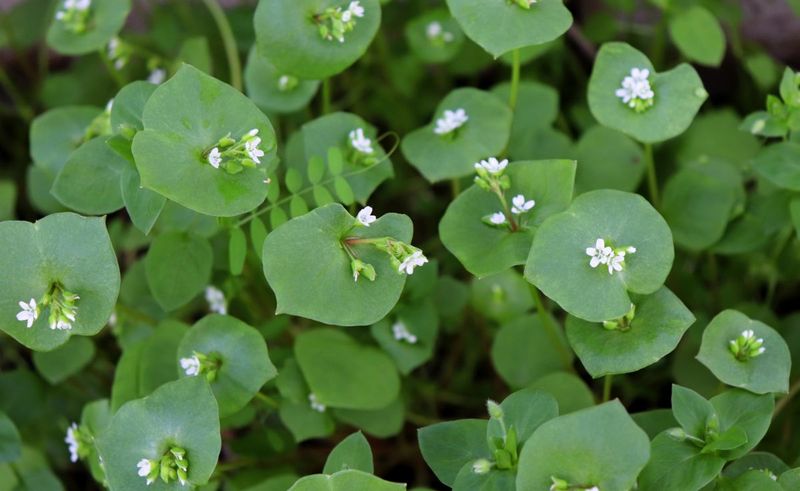
Winter Purslane, or miner’s lettuce, offers delicate, heart-shaped leaves that thrive in cold conditions. This leafy green is a rich source of vitamin C, perfect for winter salads.
Its mild flavor complements many dishes, and despite its delicate appearance, it withstands harsh Nordic winters with ease. This plant is a testament to nature’s ability to thrive against the odds, bringing freshness to your garden when other greens may struggle. Add Winter Purslane to enjoy year-round greenery.
Rhubarb
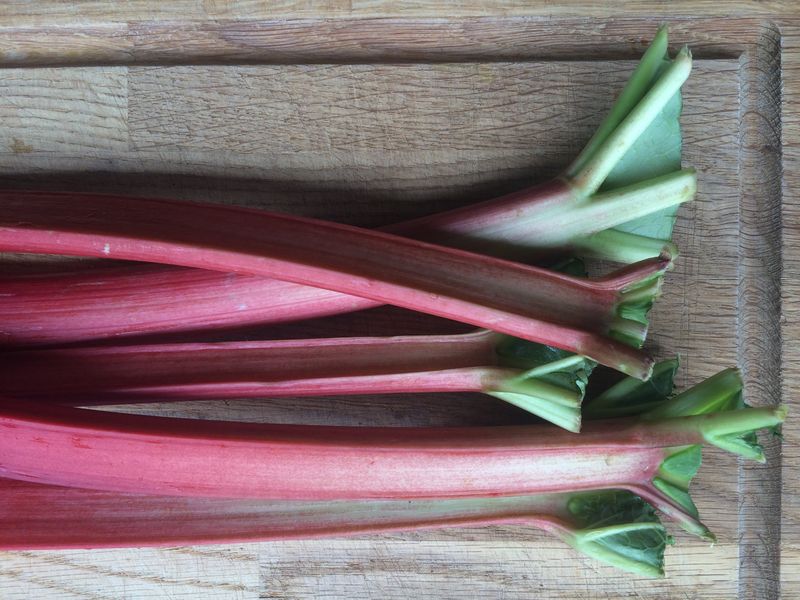
Rhubarb, with its striking red stems, adds a splash of color to any winter garden. Despite the chill, this perennial plant bursts forth with vigor in cold climates, making it a gardener’s delight.
Rhubarb is not only decorative but also essential for pies and jams, offering a tart flavor loved by many. Known for its medicinal uses, it has been a staple in Nordic gardens for centuries. Embrace rhubarb for its hardiness and the nostalgic flavors it brings to your table.
Salsify
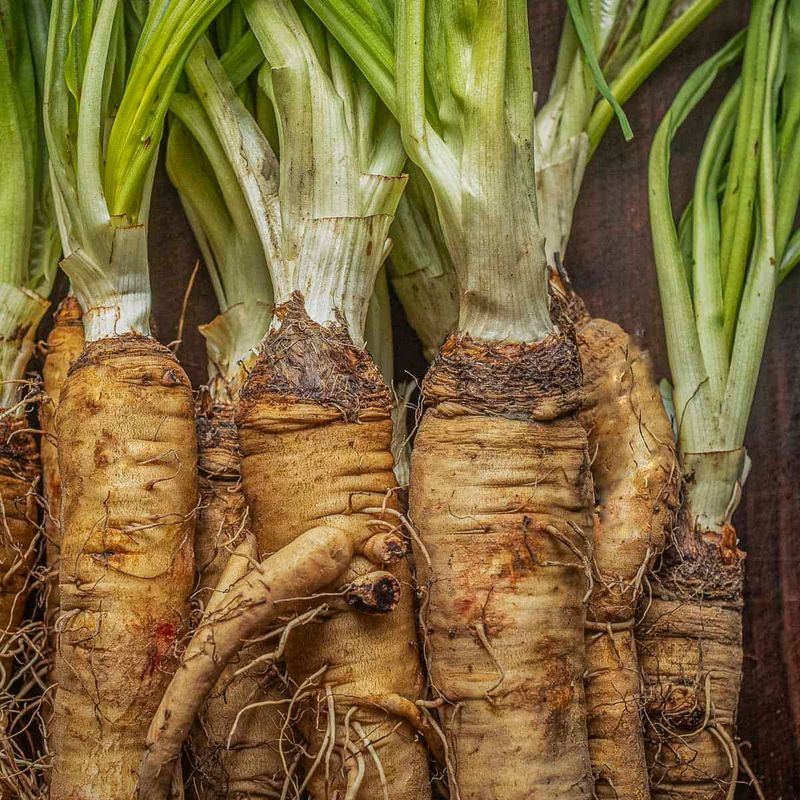
Salsify, often referred to as the ‘oyster plant,’ offers a unique taste reminiscent of its namesake. This root vegetable is perfect for adventurous gardeners looking to diversify their cold-hardy crops.
Its long, thin roots are harvested late in the season, promising a delightful culinary experience. Despite its exotic nature, salsify is easy to grow and thrives in Nordic conditions. Bring a touch of the unusual to your garden with salsify, and explore new flavors all winter long.
Perennial Onion
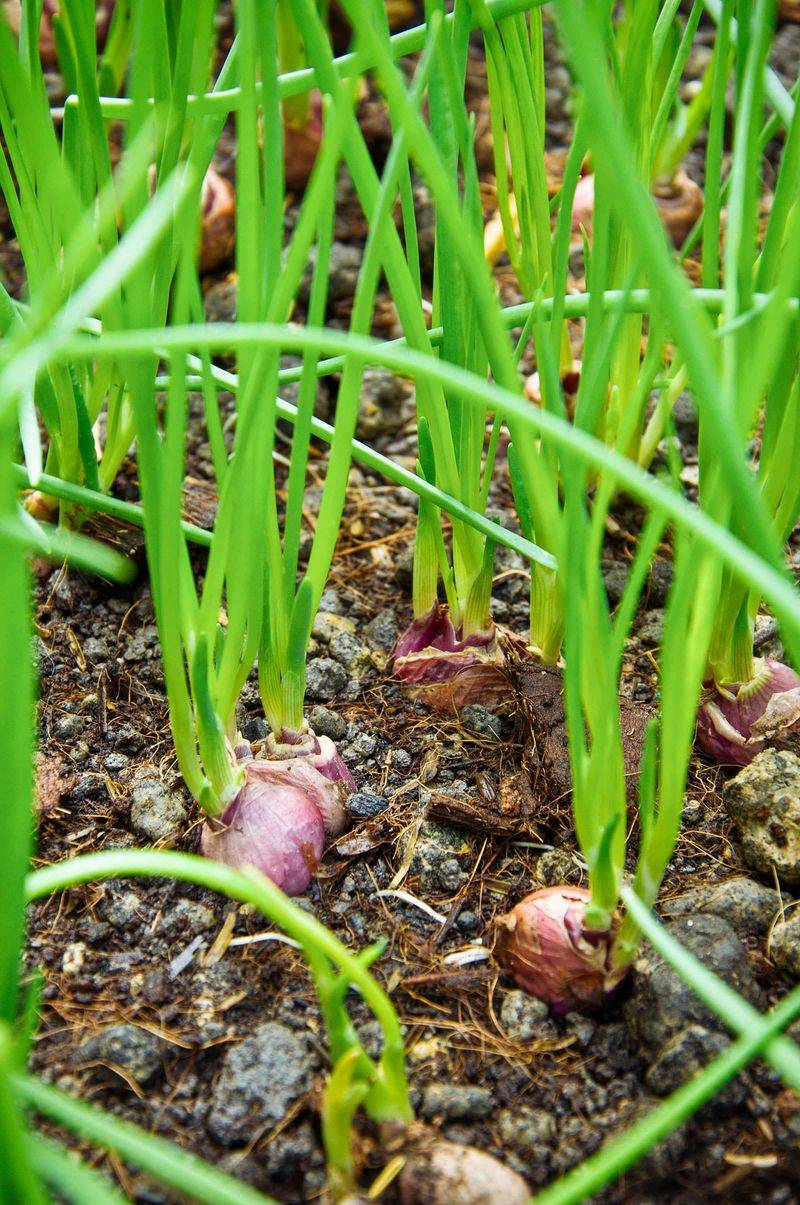
Perennial onions are a gift to Nordic gardeners, offering a continuous supply of fresh greens and bulbs even in the chilliest months. Their resilience is matched by their versatility in the kitchen, adding flavor and nutrition to countless dishes.
These onions require minimal care and can survive winter frosts, making them ideal for sustainable gardening. They symbolize perennial growth and renewal, standing strong when other plants retreat. Include perennial onions in your garden for a reliable source of fresh ingredients year-round.
Jerusalem Artichoke
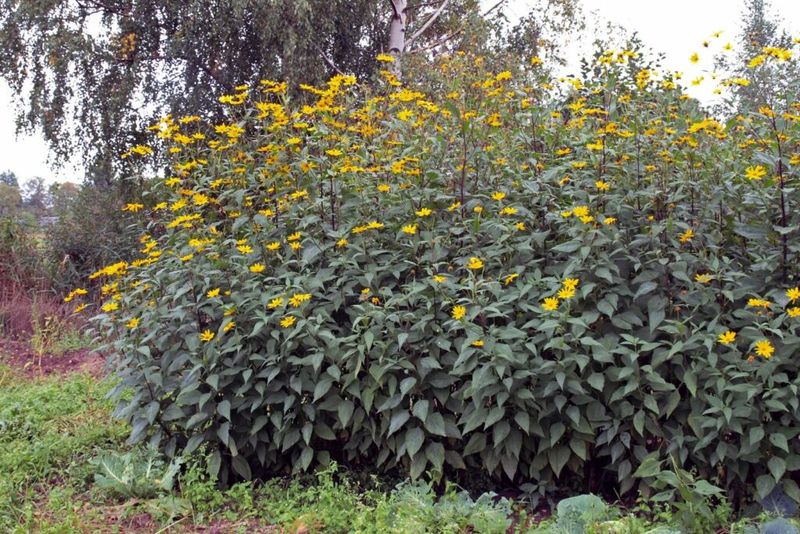
Jerusalem artichokes are the unsung heroes of cold-climate gardens. With tall stalks and cheerful yellow flowers, they brighten any frosty landscape. Beyond aesthetics, their tubers are a tasty and nutritious treat, rich in inulin.
Hardy and prolific, they require little maintenance, making them perfect for busy gardeners. Their earthy flavor enhances soups and salads, offering culinary delight during the colder months. Embrace the Jerusalem artichoke for its beauty and bounty, transforming your garden into a winter paradise.