 Complete Gardening
North Carolina’s rich soil and favorable climate make it a gardener’s paradise, especially for those utilizing raised beds. These structures not only enhance growth by improving drainage and preventing soil compaction but also allow gardeners to control the soil composition. Here, we explore thirteen plants that thrive in raised beds, promising faster growth and bountiful harvests.
Tomatoes
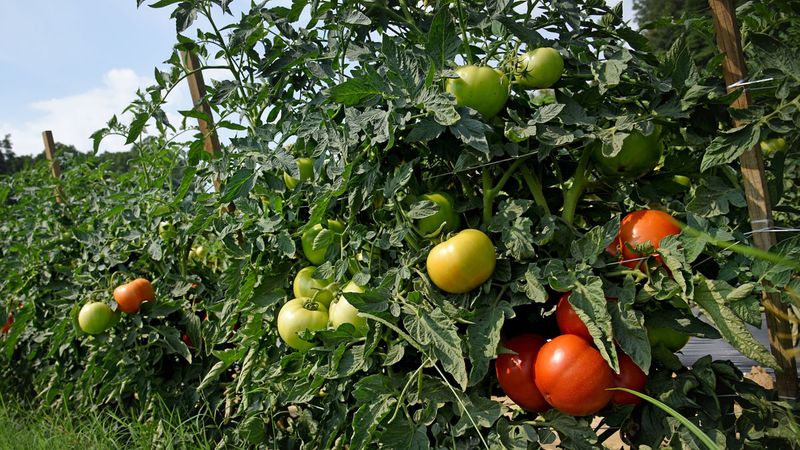
Tomatoes, the quintessential garden staple, thrive in North Carolina’s warm climate. These juicy fruits love the sun and, in raised beds, benefit from excellent drainage and aeration. Did you know? Tomatoes are technically a fruit, belonging to the nightshade family.
Planting them in raised beds allows for earlier planting, as the soil warms up faster. This leads to a more extended growing season and bountiful harvest. Use sturdy cages or trellises to support their growth, preventing sprawling.
Tomatoes come in various varieties, each with its unique flavor profile. Cherry tomatoes are perfect for salads, while beefsteaks are ideal for sandwiches. Choose a mix for a diverse harvest.
Lettuce
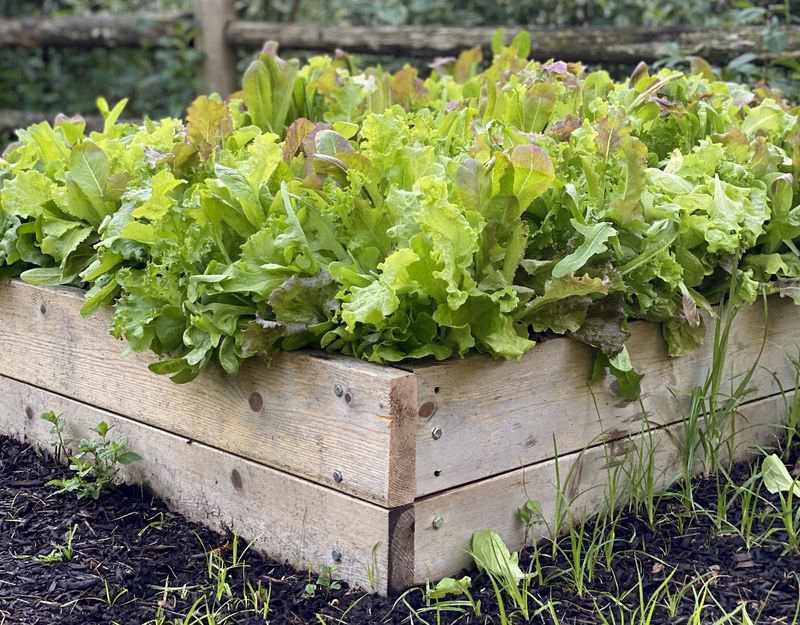
Lettuce, with its crisp leaves, offers a refreshing bite in salads and wraps. In raised beds, lettuce benefits from controlled soil conditions, allowing for consistent growth even in fluctuating weather.
Raised beds also make it easier to protect lettuce from pests. With the right watering routine, you can enjoy tender leaves throughout the growing season. Did you know? Lettuce was first cultivated by the ancient Egyptians.
Its versatility in the kitchen makes it a gardener’s favorite. From butterhead to romaine, there’s a variety for every palate. Harvest leaves as needed, encouraging the plant to produce more.
Cucumbers
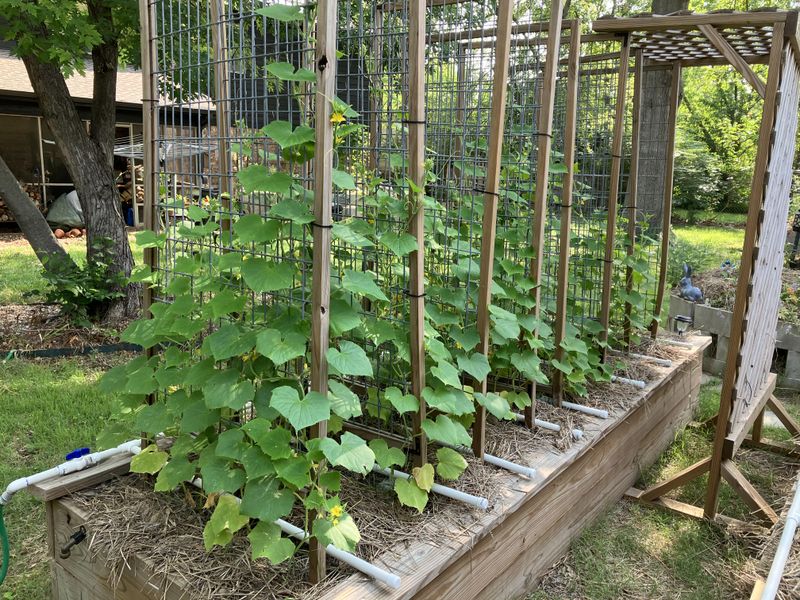
Cucumbers, known for their refreshing crunch, thrive especially well in raised beds. The structured environment prevents soil-borne diseases, which can be a common issue in traditional gardening setups.
These vines are natural climbers, so providing a trellis in your raised bed can optimize space and improve air circulation. Cucumbers are mostly water, making them a hydrating addition to summer meals.
North Carolina’s climate offers the warmth they need, while raised beds ensure they aren’t waterlogged. Whether you’re growing slicing or pickling varieties, cucumbers are a versatile addition to any garden.
Carrots
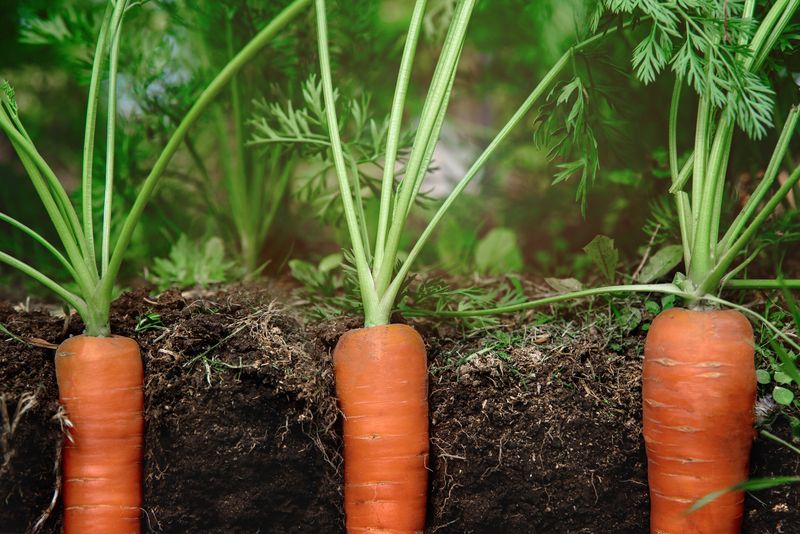
Carrots, with their vibrant color and sweet taste, are a delight to grow in raised beds. The loose soil of a raised bed is perfect for their elongated roots, preventing deformities that can occur in compacted ground.
Did you know? Carrots were originally purple or white before the orange variety we know today became popular. In North Carolina, carrots can be planted in early spring or late summer for a fall harvest.
Regular watering ensures carrots develop their sweet taste, making them a favorite in local gardens. Enjoy them fresh, roasted, or even juiced for a nutritious treat.
Peppers
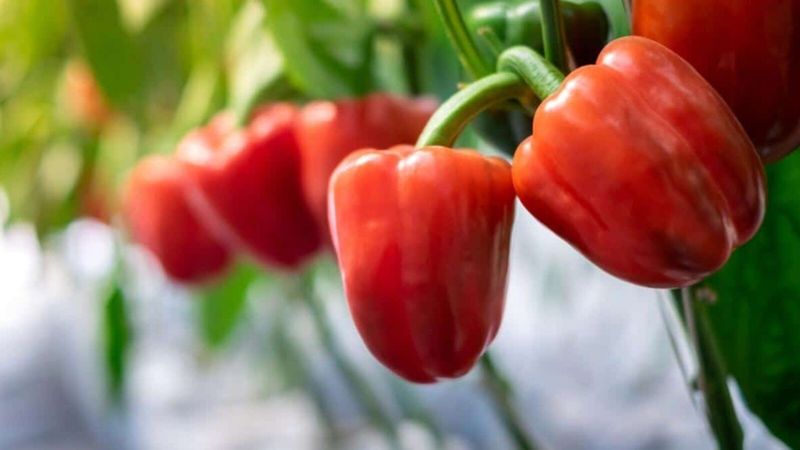
Peppers, whether sweet or spicy, add a burst of color to any garden. In raised beds, peppers benefit from enhanced soil temperature and drainage, crucial for their growth.
North Carolina’s long growing season allows for multiple harvests. Staking or caging can support their sometimes heavy fruit. Fun fact: Bell peppers are just the mature form of green peppers, with more sweetness as they ripen.
These versatile vegetables can be eaten raw, roasted, or stuffed, making them a staple in many kitchens. Experiment with different varieties to discover your favorite flavors.
Squash

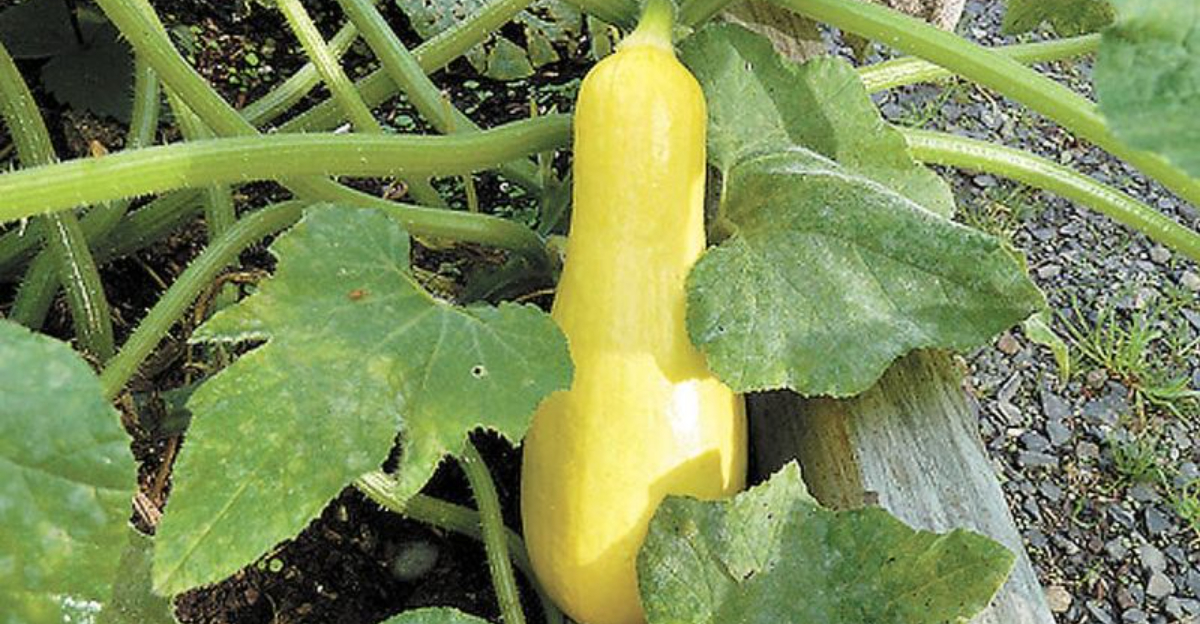
Squash, with its broad leaves and prolific growth, is a true staple in any raised bed. The elevated soil level provides better drainage, reducing the risk of rot.
Raised beds offer the advantage of space management, accommodating squash’s sprawling vines. Did you know? Squash has been cultivated in America for over 8,000 years, integral to Native American agriculture.
From zucchini to butternut, squash varieties promise abundant yields. Harvest them when they’re young and tender for the best flavor. Their versatility in cooking is matched only by their ease of growth.
Radishes
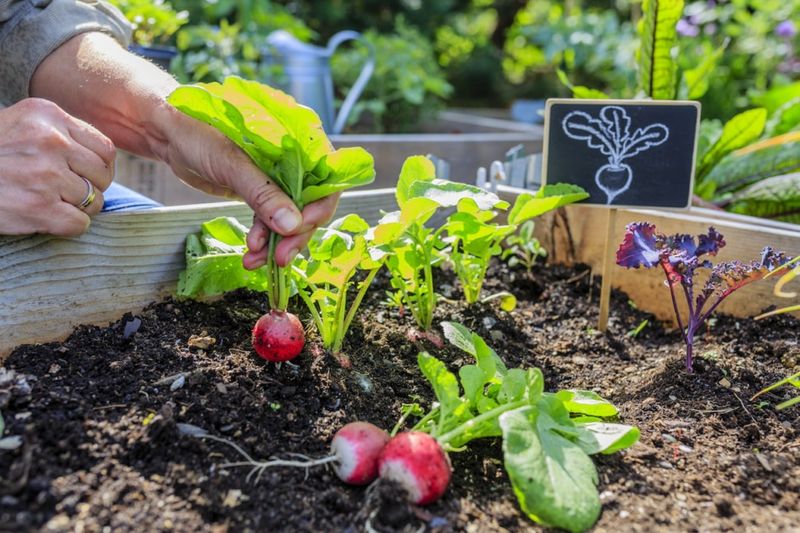
Radishes, known for their spicy bite, are a quick and rewarding crop in raised beds. Their fast growth makes them perfect for succession planting, providing continuous harvests throughout the season.
The loose soil in raised beds allows radishes to develop uniformly, enhancing their crisp texture. Did you know? Radishes were one of the first European crops introduced to the Americas.
Perfect for salads or as a crunchy snack, radishes add a pop of color and flavor. Plant different varieties for a range of tastes from mild to peppery.
Spinach
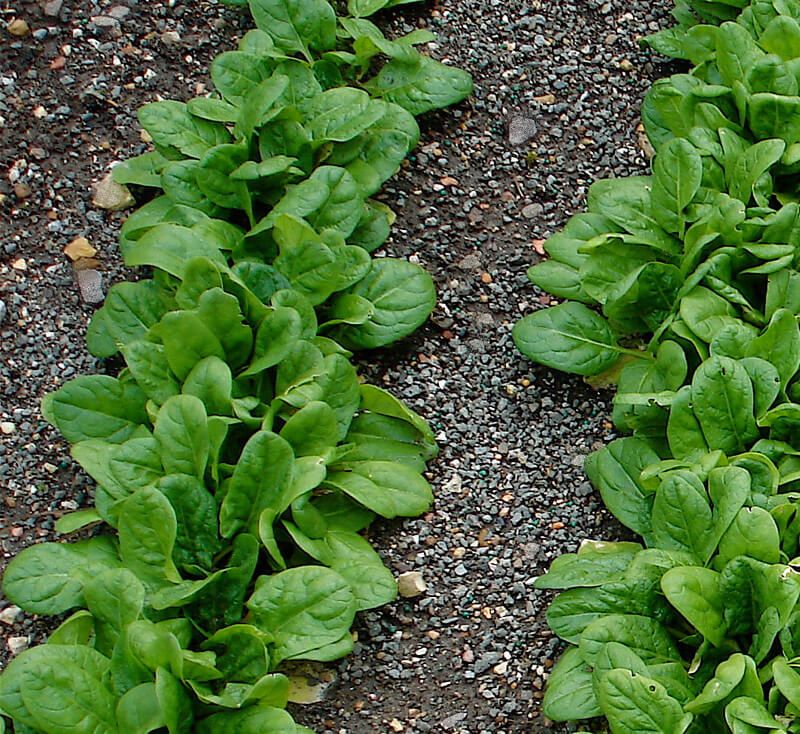
Spinach, with its nutrient-rich leaves, is a favorite for health-conscious gardeners. Raised beds provide the perfect environment for spinach, with improved drainage and soil quality.
Spinach prefers cooler temperatures, making it an ideal spring or fall crop in North Carolina. Fun fact: Spinach was a favorite of the ancient Persian empire.
Packed with iron and vitamins, spinach is perfect for salads, sautés, and smoothies. Regular harvesting encourages new growth, ensuring a continuous supply of fresh leaves.
Zucchini
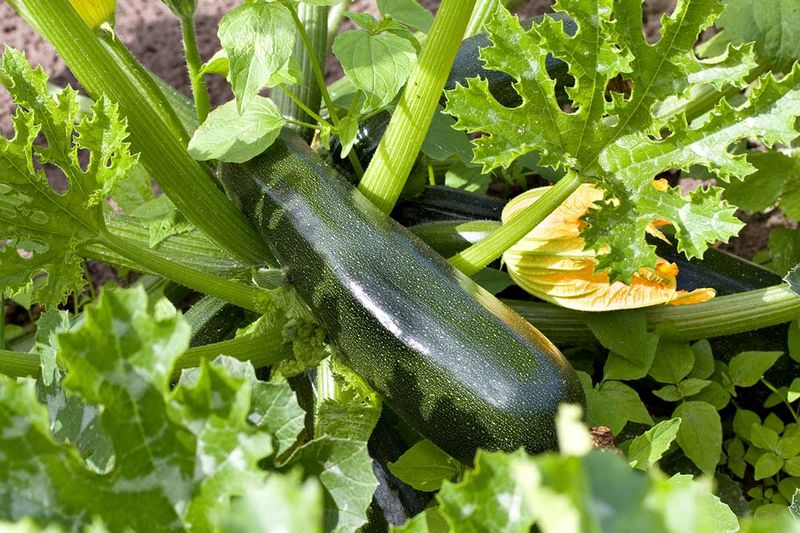
Zucchini, known for its prolific production, is a must-have for any raised bed garden. The expansive leaves shade the soil, conserving moisture and reducing weeds.
In North Carolina, zucchinis thrive in the warm months. Did you know? A single zucchini plant can produce 6 to 10 pounds of fruit over the growing season.
Their mild flavor makes them versatile in the kitchen, perfect for grilling, baking, or even spiralizing into noodles. Regular picking encourages more fruit production, so check plants frequently.
Beets
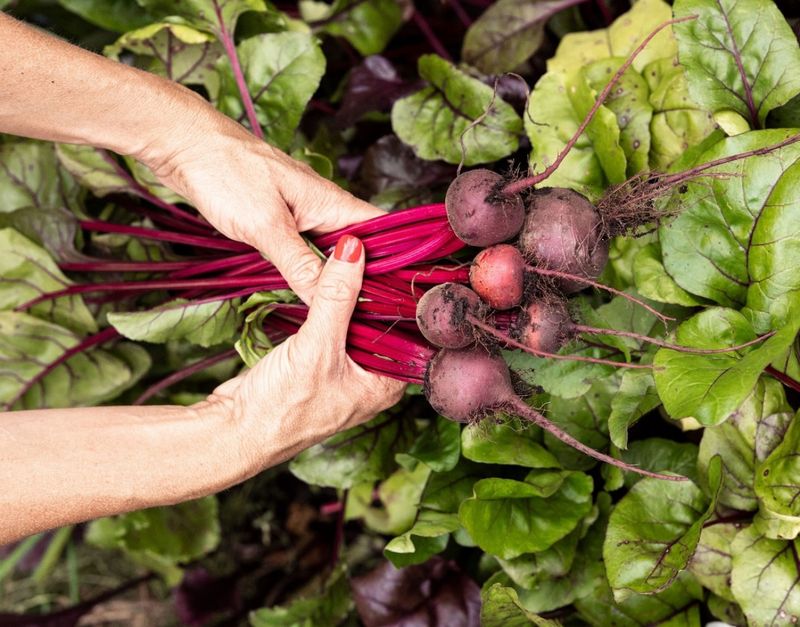
Beets, with their earthy flavor and vibrant color, are a nutritious addition to any garden. Raised beds provide the loose soil structure beets need for their bulbous roots to develop properly.
Did you know? Ancient Romans used beets as an aphrodisiac. In North Carolina, beets can be planted in both spring and fall for extended harvests.
Rich in vitamins and minerals, beets can be roasted, pickled, or eaten raw. Their greens are also edible and make a delicious addition to salads.
Herbs (Basil)
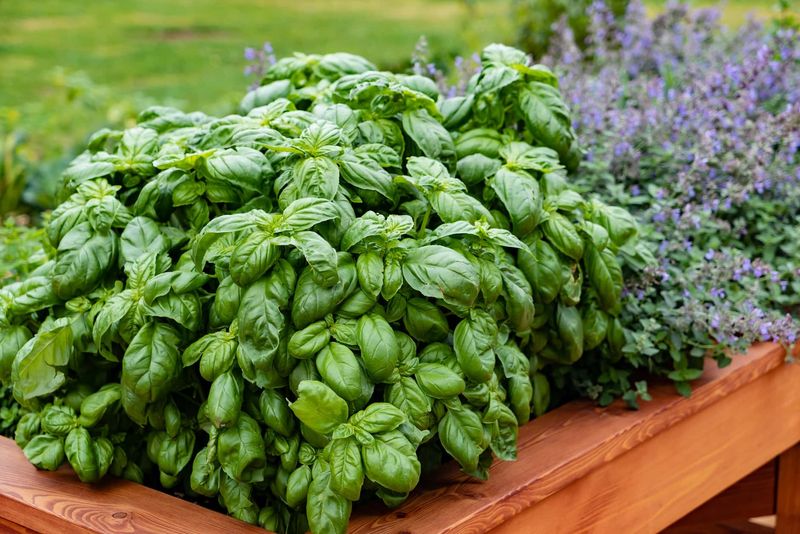
Basil, with its aromatic leaves, is a staple in many culinary dishes. Raised beds offer excellent drainage, essential for basil’s healthy growth.
In North Carolina, basil thrives in the warm, sunny summers. Did you know? Basil is considered a symbol of love in Italy.
Whether used fresh in salads, as a topping for pizza, or blended into pesto, basil is versatile and flavorful. Regular pruning encourages bushier growth, ensuring a steady supply of leaves.
Strawberries

Strawberries, with their sweet and juicy berries, are a delightful addition to any raised bed. The elevation protects them from ground pests, while the soil warms up faster, promoting early fruiting.
Did you know? Strawberries are the first fruit to ripen in the spring, making them a symbol of early harvests. In North Carolina, they benefit from the mild climate.
Enjoy strawberries fresh, in desserts, or preserved as jams. Choose everbearing varieties for continuous production throughout the season.
Kale
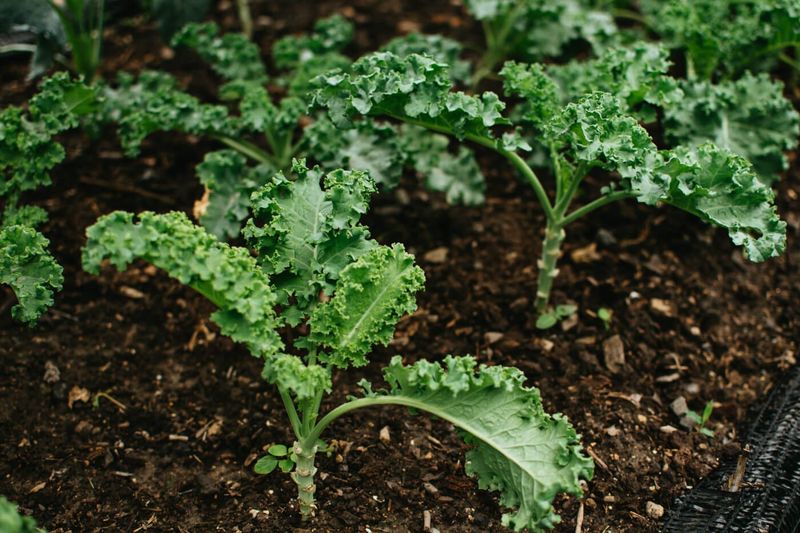
Kale, a nutrient powerhouse, is perfect for health enthusiasts looking to grow their own superfood. Raised beds provide the perfect drainage and soil conditions for kale’s robust growth.
In North Carolina, kale can be grown almost year-round, tolerating both heat and cold. Did you know? Kale was one of the most common green vegetables in Europe until the end of the Middle Ages.
Its sturdy leaves are excellent in salads, soups, or even as crispy chips. Regular harvesting of outer leaves encourages continuous growth and a bountiful harvest.