 Complete Gardening
North Dakota’s brutal winters and short growing season might seem impossible for gardening, but thousands of gardeners across the Peace Garden State prove otherwise every year. Success comes from understanding your unique climate and working with nature instead of against it. Smart planning, the right plant choices, and proven techniques can transform even the harshest backyard into a thriving garden paradise.
1. Test Your Soil Before You Plant Anything
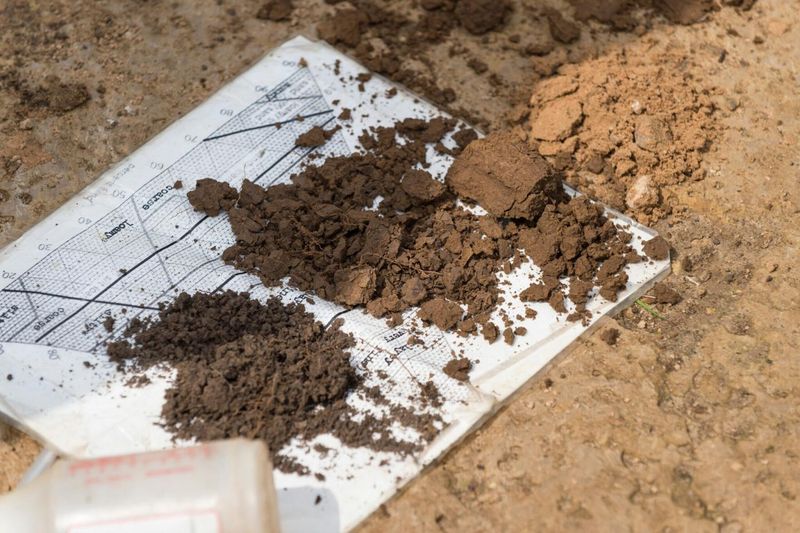
Your garden’s foundation starts underground, and North Dakota’s clay-heavy soils need special attention to flourish. Professional soil testing reveals pH levels and nutrient deficiencies that could sabotage your entire growing season.
Adding compost or well-rotted manure transforms dense clay into garden gold. These organic materials improve drainage while holding precious moisture during dry spells.
Work soil only when it crumbles easily in your hand to prevent damaging compaction.
2. Choose Plants That Laugh at Cold Weather
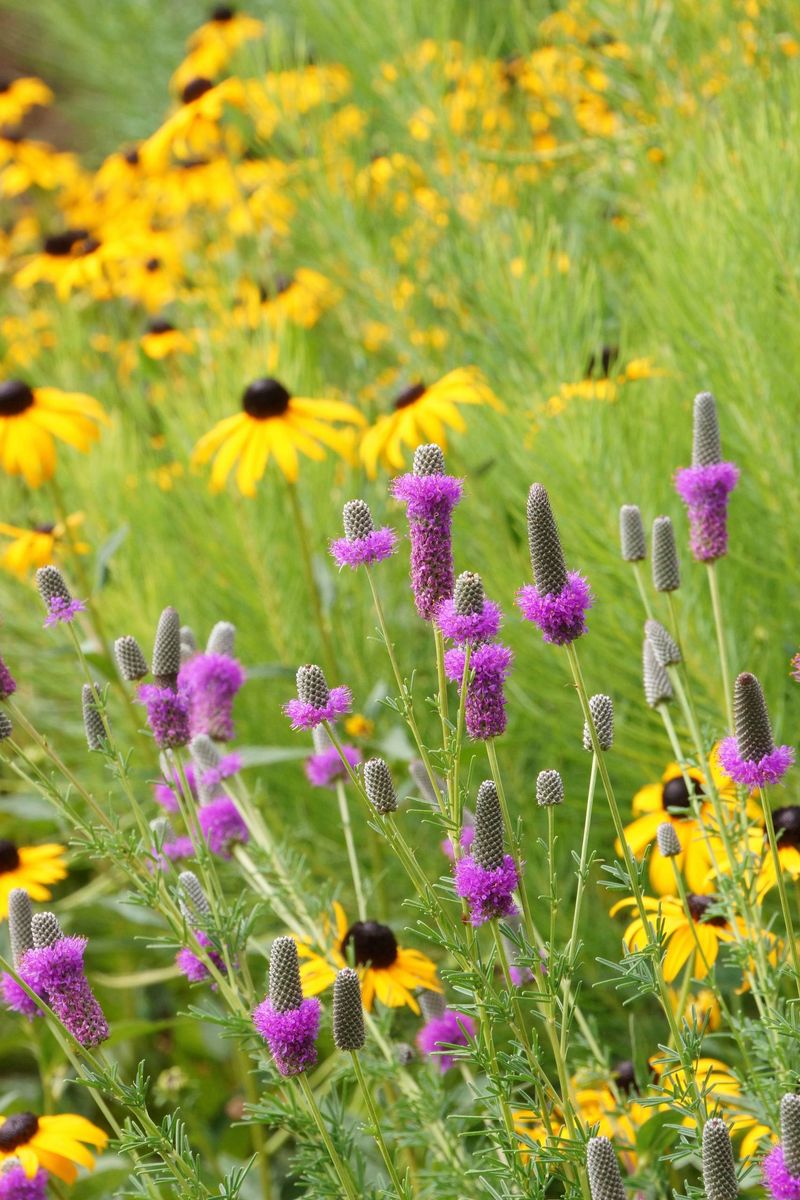
Purple Prairie Clover and Black-Eyed Susan didn’t just survive North Dakota’s ice ages – they thrived through them. Native plants already know your climate’s secrets and support local butterflies and birds naturally.
Cold-hardy varieties save you money, time, and heartbreak compared to tropical plants that surrender at the first frost. Research zone 3 and 4 plants that match your specific growing conditions.
Local garden centers stock proven winners for your area.
3. Master the Art of Perfect Timing
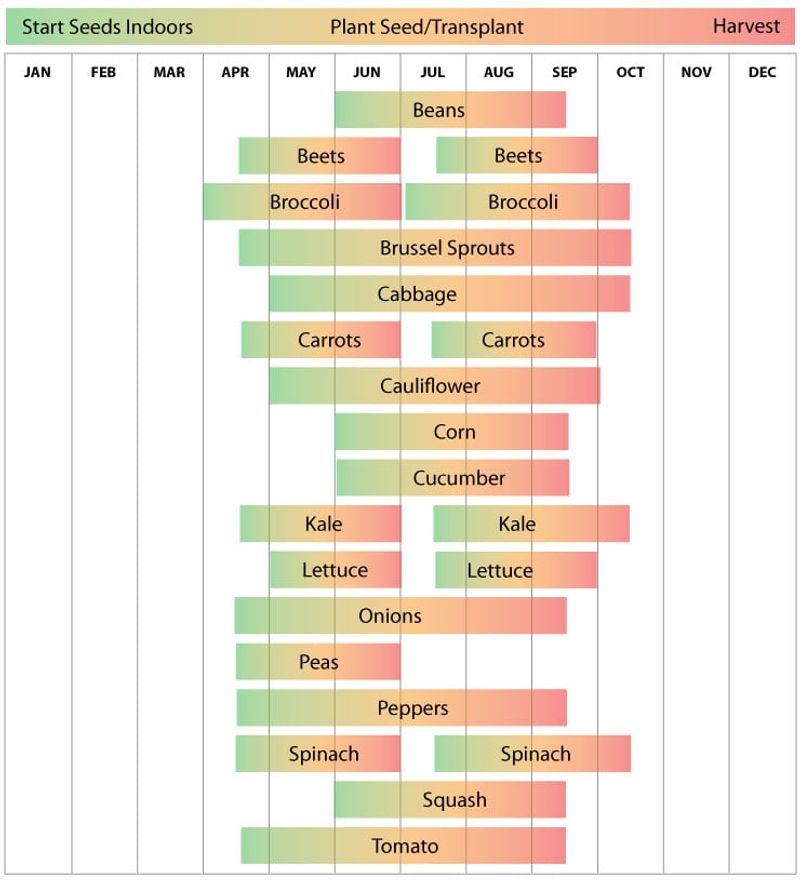
Calendars matter more in North Dakota than almost anywhere else – plant too early and frost kills everything overnight. Cool-season crops like peas, lettuce, and spinach actually prefer chilly weather and can handle light frosts.
Start these tough vegetables 2-4 weeks before your area’s average last frost date. Warm-season plants like tomatoes and peppers wait until soil temperatures reach 60 degrees consistently.
Keep detailed planting records for future reference.
4. Water Smart, Not Hard
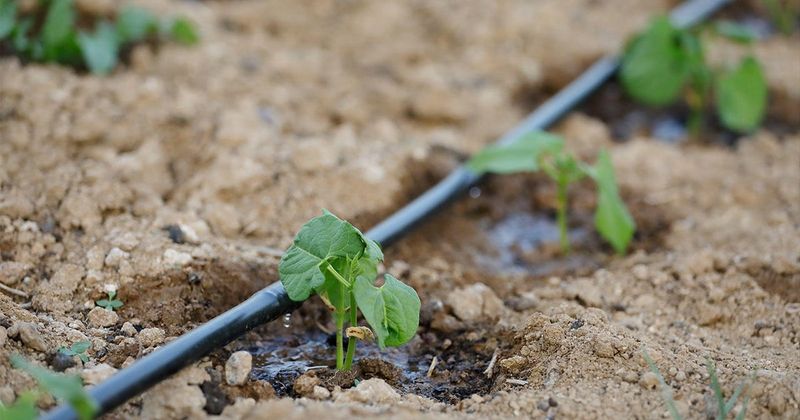
Morning watering gives plants a full day to dry off, preventing fungal diseases that love North Dakota’s humid summer nights. Deep, infrequent watering encourages roots to grow down instead of staying shallow and vulnerable.
Sprinklers waste water through evaporation, especially during windy prairie days. Soaker hoses and drip irrigation deliver water directly to root zones where plants actually need it.
Check soil moisture with your finger before watering again.
5. Mulch Like Your Garden’s Life Depends on It
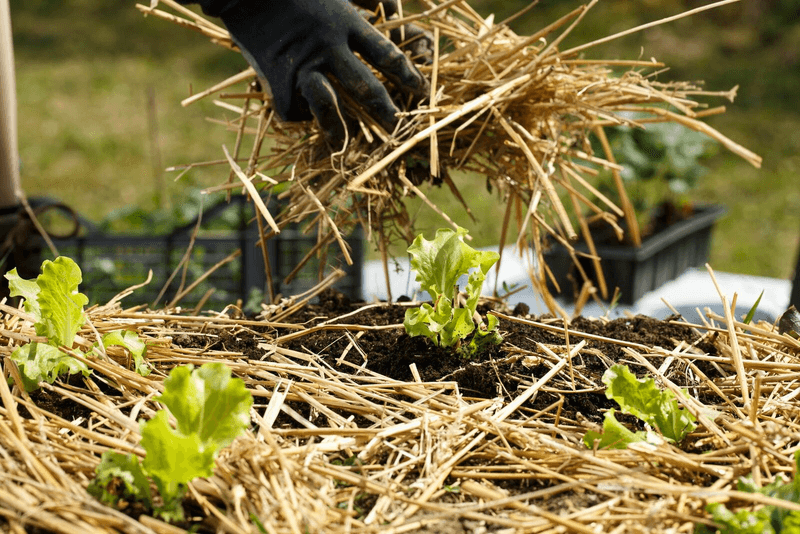
Straw, shredded leaves, and grass clippings create a protective blanket that keeps soil cool during scorching summer days. This organic layer slowly breaks down, feeding beneficial soil microbes while suppressing hungry weeds.
Apply 2-3 inches around plants, keeping mulch away from stems to prevent pest problems. Fresh mulch conserves precious moisture during North Dakota’s frequent dry spells.
Replace mulch annually for best results and soil improvement.
6. Scout for Pests Like a Garden Detective

Colorado potato beetles and cabbage worms don’t take vacations, so regular plant inspections catch problems before they explode into disasters. Early morning checks reveal slug damage and aphid colonies while they’re still manageable.
Beneficial insects like ladybugs and lacewings provide free pest control when you avoid harsh chemical sprays. Insecticidal soap handles soft-bodied pests without harming helpful garden allies.
Document pest patterns to predict future problems.
7. Companion Plant for Natural Protection
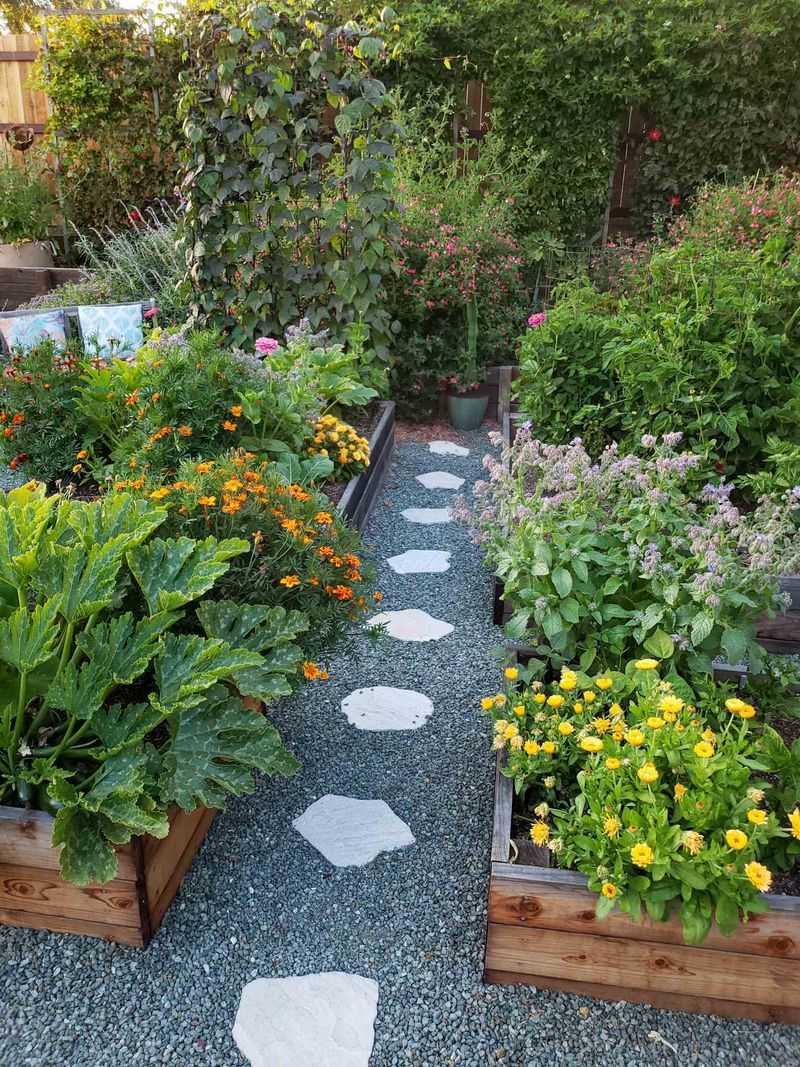
Marigolds aren’t just pretty faces – their pungent scent confuses and repels many garden pests naturally. Basil planted near tomatoes improves flavor while deterring aphids and hornworms through its aromatic oils.
Three Sisters planting (corn, beans, and squash) maximizes space while each plant helps the others thrive. Corn provides support, beans fix nitrogen, and squash shades soil.
Research companion combinations that work in your specific garden layout.
8. Extend Your Season with Simple Tricks
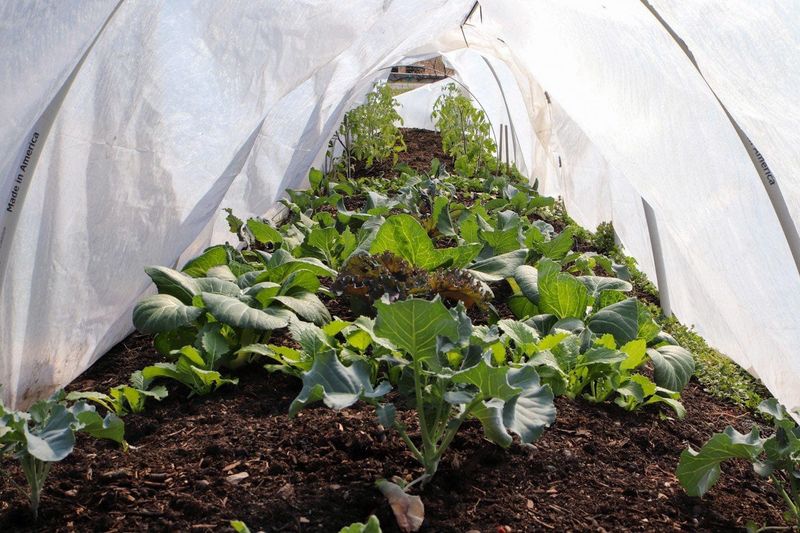
Row covers and cloches create mini-greenhouses that add weeks to both ends of North Dakota’s short growing season. These protective barriers trap warm air while allowing sunlight and rain to reach plants.
Wall-of-water devices around tomatoes can start your season a month early by storing solar heat overnight. Remove covers during flowering to allow pollination of squash and cucumber plants.
Monitor temperatures inside covers to prevent overheating damage.
9. Build or Buy Season-Extending Structures
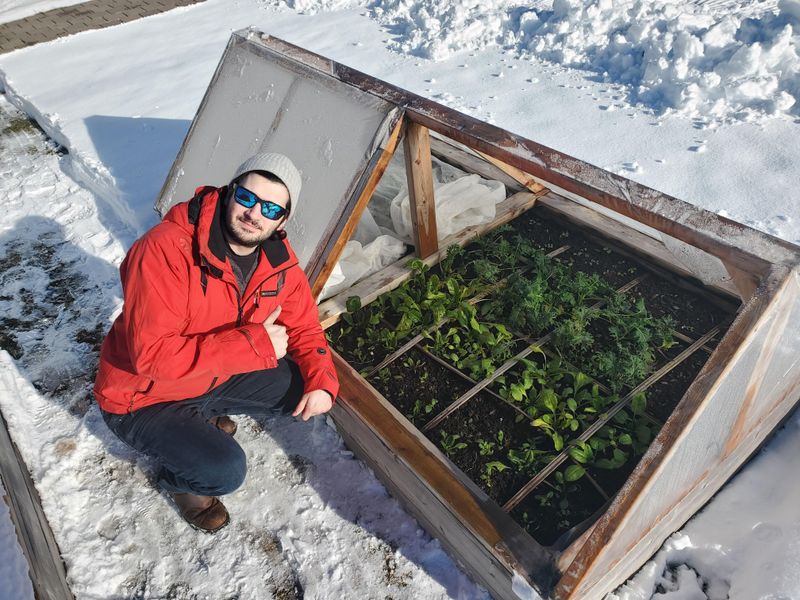
Cold frames act like solar-powered growing chambers, capturing and storing heat from winter sun for cold-hardy greens. Simple construction using old windows and scrap lumber provides years of extended harvests.
Small greenhouses or hoop houses transform North Dakota gardening from a sprint into a marathon. These structures allow seed starting, plant hardening, and winter growing of fresh salads.
Position structures facing south for maximum solar gain.
10. Tap into Local Garden Wisdom
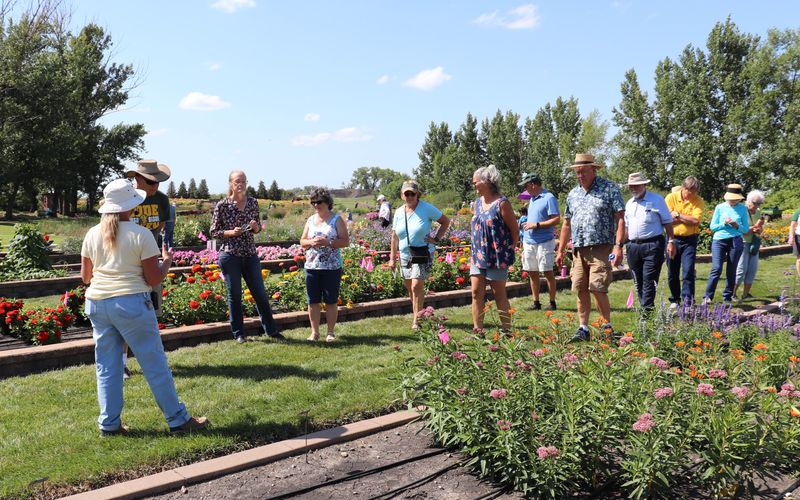
North Dakota State University Extension offers workshops specifically designed for prairie gardening challenges you won’t find in generic gardening books. Local experts understand your soil, climate, and pest pressures intimately.
Extension agents provide soil testing, plant disease diagnosis, and research-based solutions for your specific county. Their publications address everything from hail damage recovery to drought-resistant landscaping.
Many services are free or very low-cost for residents.
11. Connect with Fellow Garden Warriors
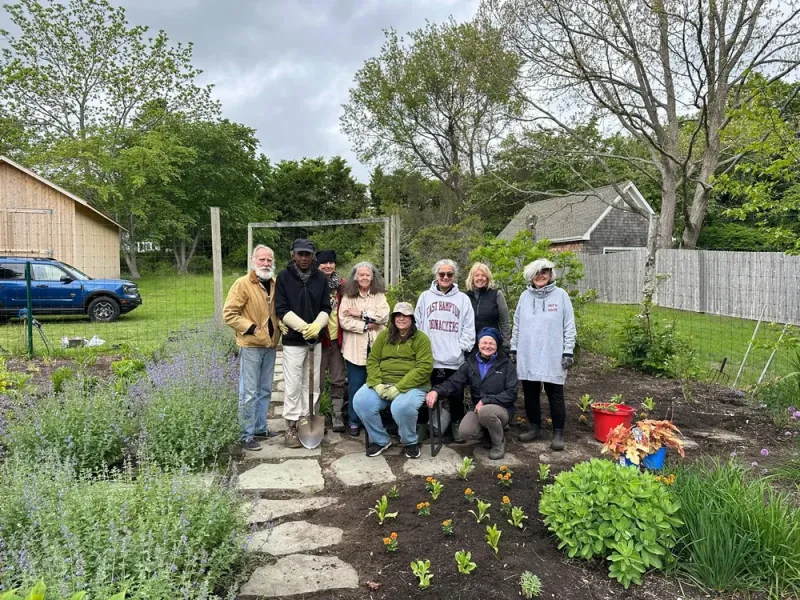
Local gardening clubs share seeds, swap plants, and offer advice that comes from decades of North Dakota growing experience. Master gardeners in your area have already solved the problems you’re facing.
Community gardens provide space, tools, and mentorship for beginning gardeners while building neighborhood connections. Garden tours showcase successful techniques and inspire new ideas for your own space.
Social media groups offer year-round support and encouragement from nearby gardeners.
12. Plan for Prairie Wind and Weather
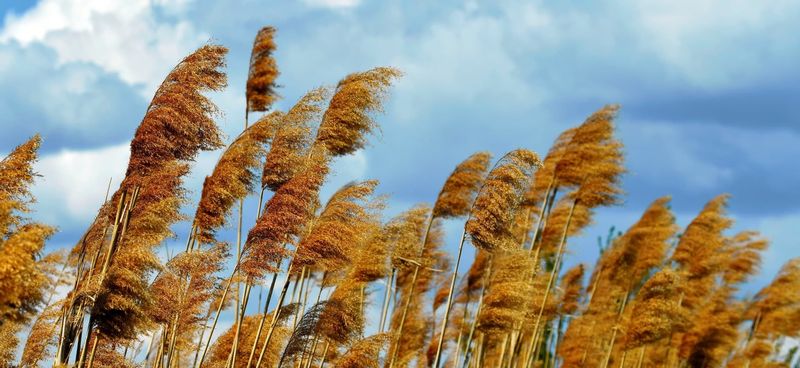
Constant prairie winds can snap tall plants and dry out soil faster than you can water. Windbreaks using shrubs, fences, or row covers create calmer microclimates for sensitive plants.
Sudden hailstorms and temperature swings require backup plans and quick-recovery strategies. Keep extra seeds and transplants ready for replanting after weather disasters.
Flexible garden plans adapt to North Dakota’s unpredictable weather patterns better than rigid schedules.