 Complete Gardening
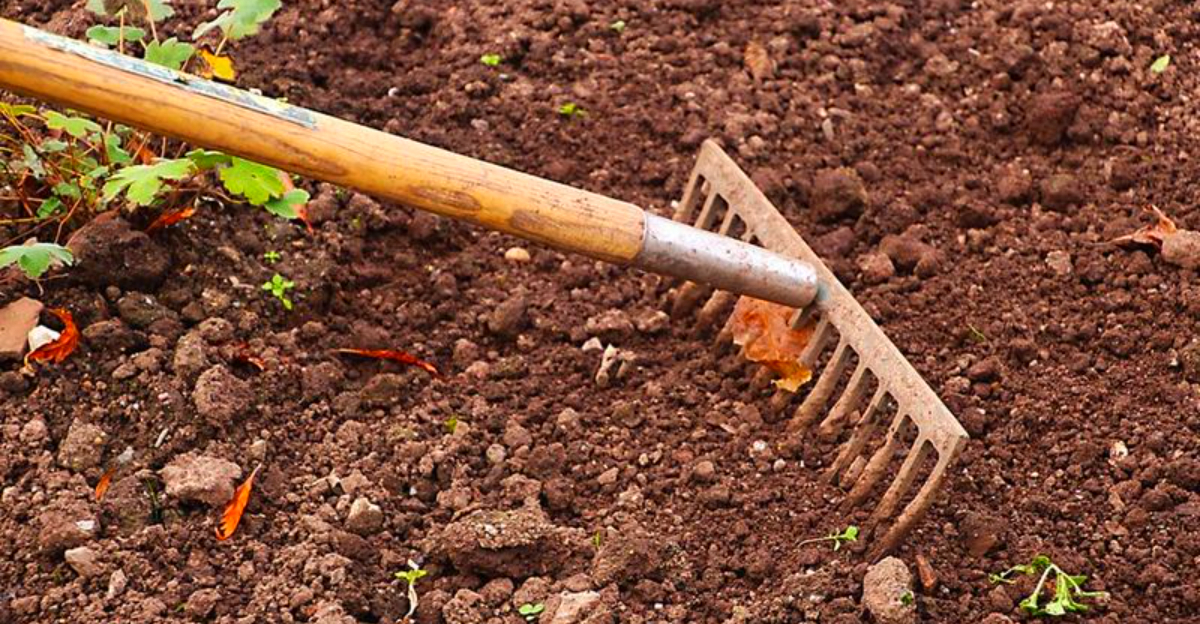
October marks the perfect time to get your garden ready for the cold months ahead. As temperatures drop and leaves begin to fall, your yard needs some extra attention to stay healthy through winter. Taking care of a few important tasks now will make a huge difference when spring arrives. Get ready to roll up your sleeves and give your garden the care it deserves before the first frost settles in.
1. Remove Diseased Plant Material

Sick plants can cause big problems if left alone over winter. Pests and diseases love to hide in dead or damaged stems and flowers, waiting to attack healthy plants when spring returns. Walk through your garden and look carefully at each plant for signs of trouble.
Cut away any stems, leaves, or flowers that look diseased or damaged. Don’t toss this material into your compost pile, as the diseases might survive and spread later. Instead, bag it up and throw it in the trash to keep your garden safe and healthy for next year’s growing season.
2. Clear Away Fallen Leaves
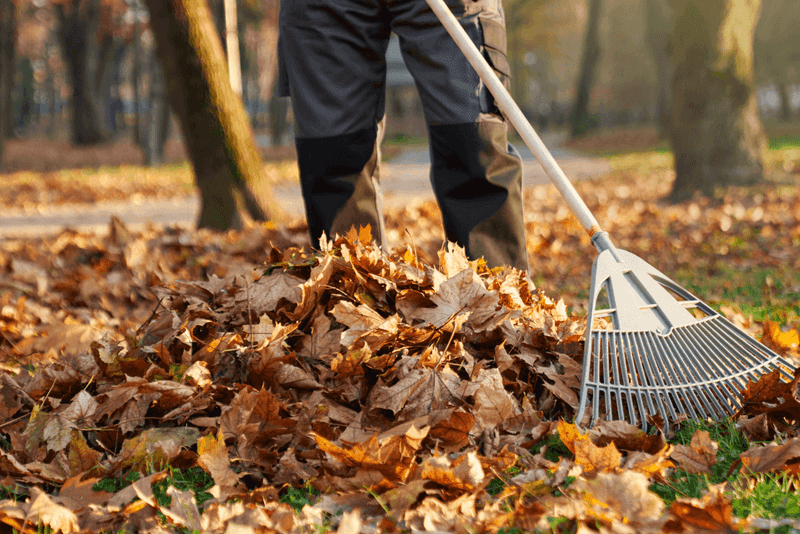
Those beautiful autumn leaves covering your lawn might look pretty, but they can create problems if you ignore them. A thick blanket of wet leaves blocks sunlight and traps moisture against your grass, creating the perfect environment for mold and fungal diseases to grow.
Grab your rake and spend some time gathering those leaves into piles. The good news is you don’t have to waste them! Add the leaves to your compost bin where they’ll break down into rich soil, or spread them around your garden beds as natural mulch that feeds the earth while protecting plant roots from freezing temperatures.
3. Prune Dead or Damaged Branches
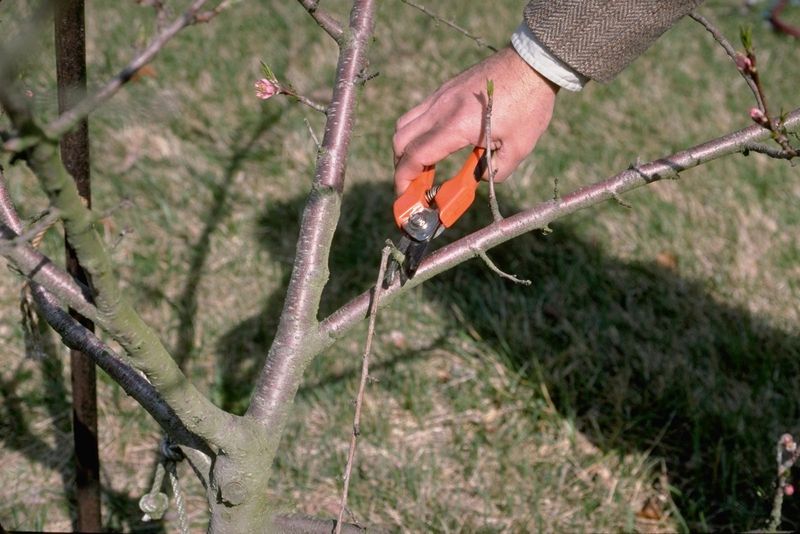
Winter storms bring heavy snow and strong winds that can turn weak branches into dangerous projectiles. Now’s the time to inspect your trees and shrubs for any branches that look dead, cracked, or hanging loosely.
Using sharp pruning tools, carefully remove these problem branches before winter weather arrives. This simple task protects your property from falling limbs and helps your plants stay healthier by directing energy toward strong, living branches instead of damaged ones. Make clean cuts at an angle just above a bud or branch junction for the best healing results.
4. Cut Back Perennial Plants
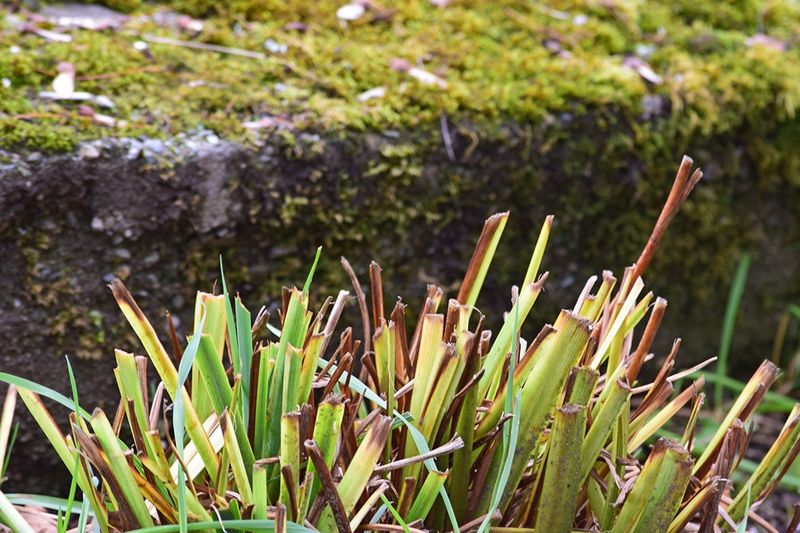
After the first frost turns your perennials brown, most of them need a good haircut. Trimming these plants down to ground level helps prevent diseases from overwintering and keeps your garden looking tidy during the cold months.
However, don’t cut everything! Leave plants like ornamental grasses, sedums, and mums standing through winter because they add visual interest to your landscape. Also keep plants with seed heads intact if you want to feed hungry birds during the lean winter months. Use clean, sharp tools and cut stems close to the soil surface for a neat appearance.
5. Plant Spring-Flowering Bulbs
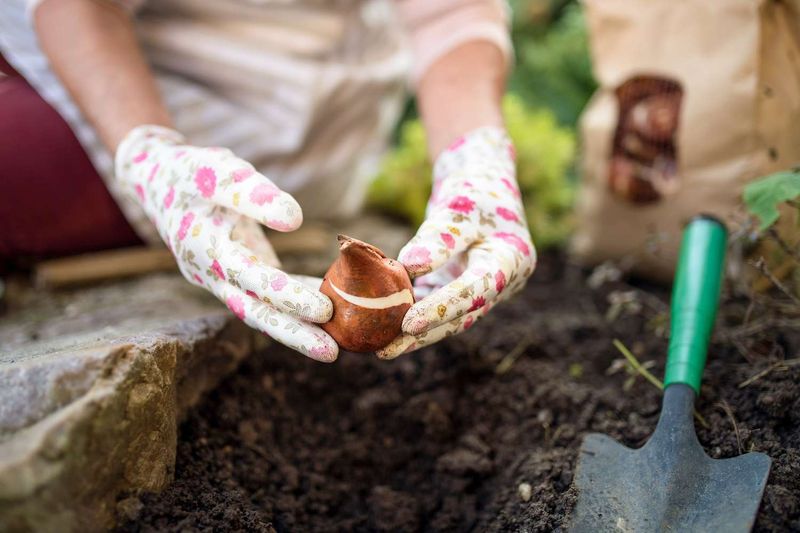
Want gorgeous flowers greeting you next spring? October is your last chance to get bulbs into the ground before the soil freezes solid. Tulips, daffodils, crocuses, and hyacinths all need this cold period underground to develop properly.
Dig holes about three times deeper than the bulb’s height, and always plant with the pointy end facing up toward the sky. Space them according to package directions, then cover with soil and water well. The cold winter months trigger changes inside the bulbs that lead to spectacular spring blooms, making this autumn chore absolutely worth the effort when colorful flowers emerge.
6. Sow Cover Crops in Vegetable Beds
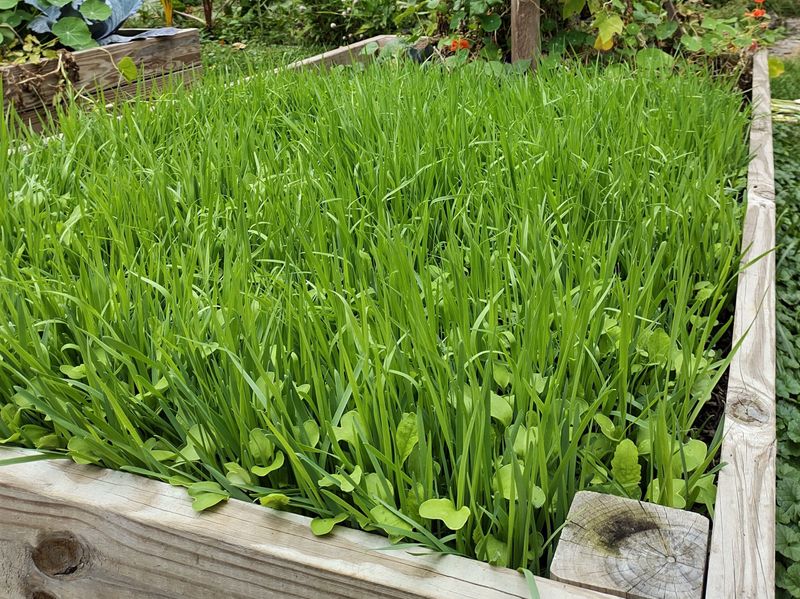
Empty vegetable beds don’t have to sit naked all winter long. Planting cover crops like winter rye, clover, or vetch protects your soil from erosion caused by wind and rain while adding valuable nutrients back into the earth.
Scatter seeds evenly across your cleared vegetable beds, then lightly rake them into the top layer of soil. These hardy plants grow during cool weather and hold the soil in place with their roots. When spring arrives, simply till or dig these crops into your beds before planting vegetables. They’ll decompose quickly and feed your garden naturally, reducing your need for chemical fertilizers.
7. Add Compost to Garden Beds
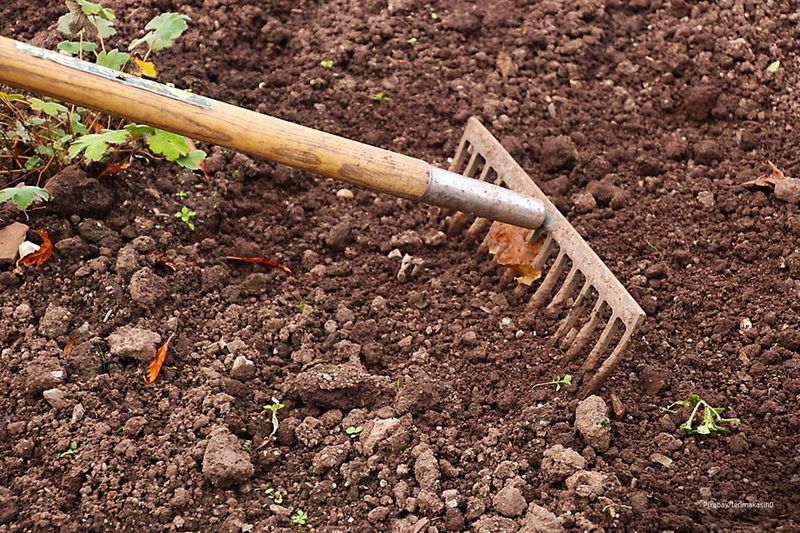
Think of compost as a cozy blanket and nutritious meal combined for your soil. Spreading a generous layer of finished compost across your garden beds now gives beneficial microorganisms time to work their magic during winter months.
Apply about two to three inches of compost over all your planting areas, including flower beds, vegetable gardens, and around trees and shrubs. The compost improves soil structure, adds essential nutrients, and helps the earth retain moisture better when spring planting season arrives. Your plants will thank you with stronger growth and healthier appearances when warm weather returns to wake everything up from winter sleep.
8. Continue Mowing Your Lawn
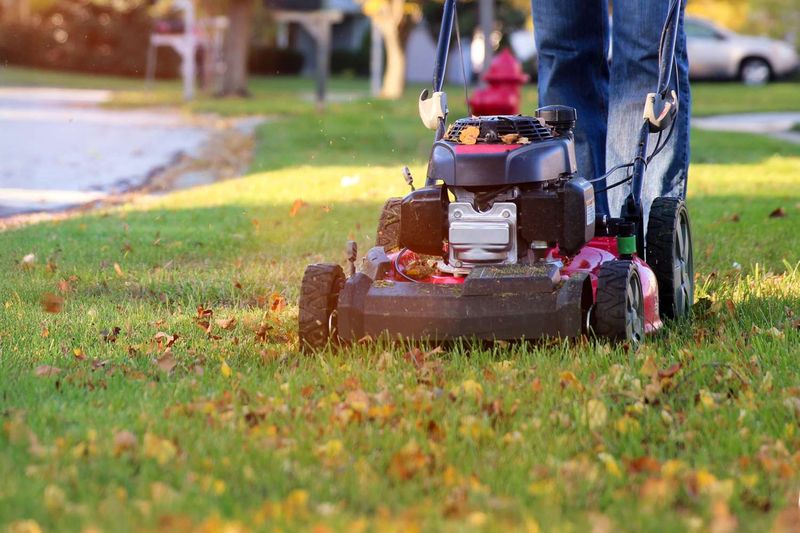
Many gardeners make the mistake of putting their mowers away too early in fall. Your grass keeps growing as long as temperatures stay above freezing, so keep mowing through October to maintain proper lawn health.
Overgrown grass creates a dense mat that blocks airflow and traps moisture, creating perfect conditions for fungal diseases and pest problems. Gradually lower your mowing height as winter approaches, aiming for about two to three inches for the final cut. This height prevents snow mold while keeping grass long enough to protect roots. Regular mowing also mulches fallen leaves into tiny pieces that decompose quickly and feed your lawn naturally.
9. Fertilize Your Lawn for Winter
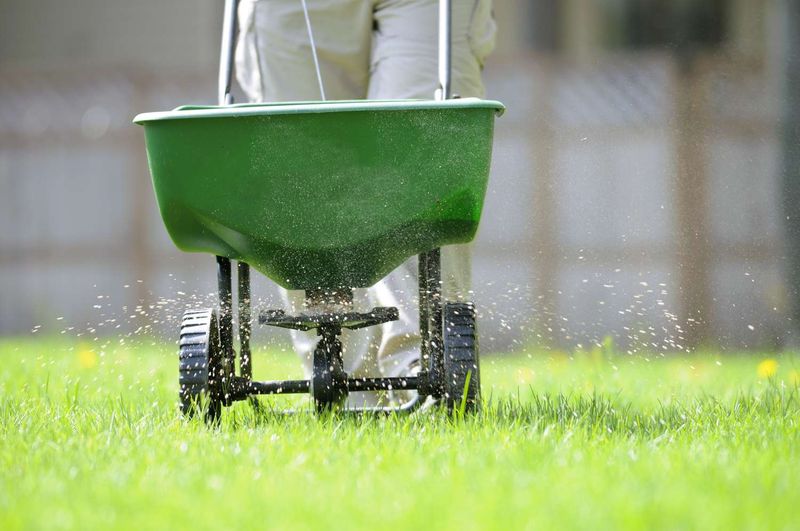
Fall fertilization might seem backwards, but it’s actually one of the smartest things you can do for your lawn. Applying a slow-release, granular fertilizer specifically designed for autumn use strengthens grass roots during their active fall growth period.
Choose a fertilizer with higher potassium content, which helps grass survive freezing temperatures and resist diseases. Spread it evenly across your entire lawn using a broadcast spreader, then water lightly to help nutrients soak into the soil. The grass stores these nutrients in its roots throughout winter, giving it energy reserves for quick, healthy growth when spring sunshine returns to your yard.
10. Apply Mulch Around Plants
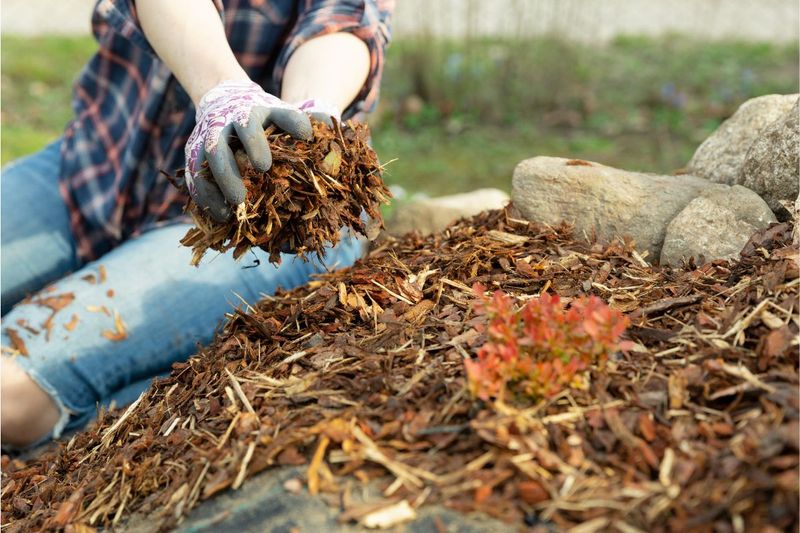
Mulch acts like a winter coat for your plant roots, protecting them from harsh temperature swings and moisture loss. Spread a two to three inch layer of organic mulch around perennials, shrubs, and trees to insulate the soil beneath.
Wood chips, shredded bark, pine needles, or even those raked leaves you collected earlier all make excellent mulch choices. Keep mulch a few inches away from plant stems and tree trunks to prevent rot and discourage rodents from nesting. As the mulch slowly breaks down over time, it adds valuable organic matter to your soil, improving its texture and fertility for future growing seasons.
11. Bring Tender Plants Indoors

Frost is a death sentence for tender plants that can’t survive freezing temperatures. Before the first hard freeze arrives, move potted herbs, tropical plants, and other cold-sensitive beauties to protected locations.
Inspect each plant carefully for hitchhiking pests before bringing them inside your home. Wash leaves gently with water and check under foliage for insects or eggs. Place plants in bright locations away from heating vents and cold drafts. Reduce watering frequency since indoor plants need less moisture during winter months. With proper care, these plants will survive until spring when they can return outdoors to enjoy warm sunshine once again.
12. Protect Evergreens from Winter Damage
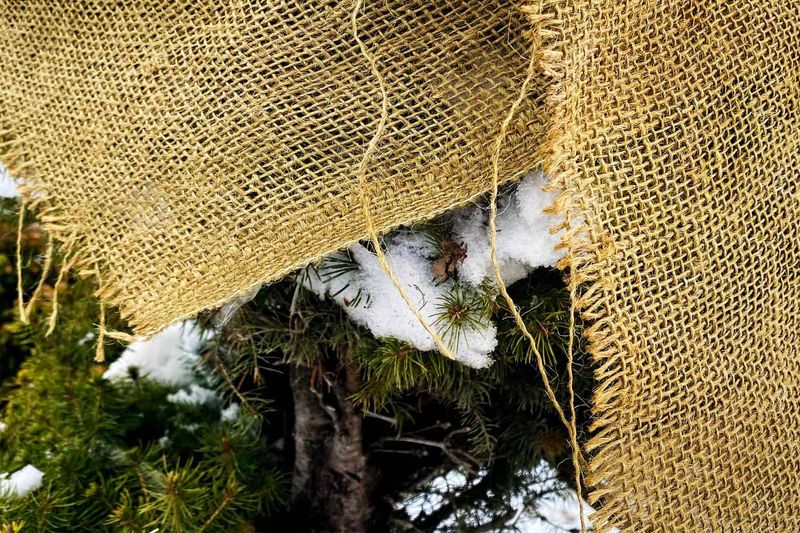
Evergreen trees and shrubs stay green all winter, but harsh winds and bright winter sun can damage their foliage by drying it out. Young or newly planted evergreens especially need extra protection during their first few winters.
Create simple windscreens using wooden stakes and burlap fabric positioned on the windward side of vulnerable plants. Alternatively, wrap smaller evergreens loosely with burlap, leaving the top open for air circulation. Anti-desiccant sprays applied to foliage also help reduce moisture loss. These protective measures prevent brown, dried-out needles and keep your evergreens looking healthy and attractive throughout the challenging winter months ahead.
13. Clean and Sharpen Garden Tools
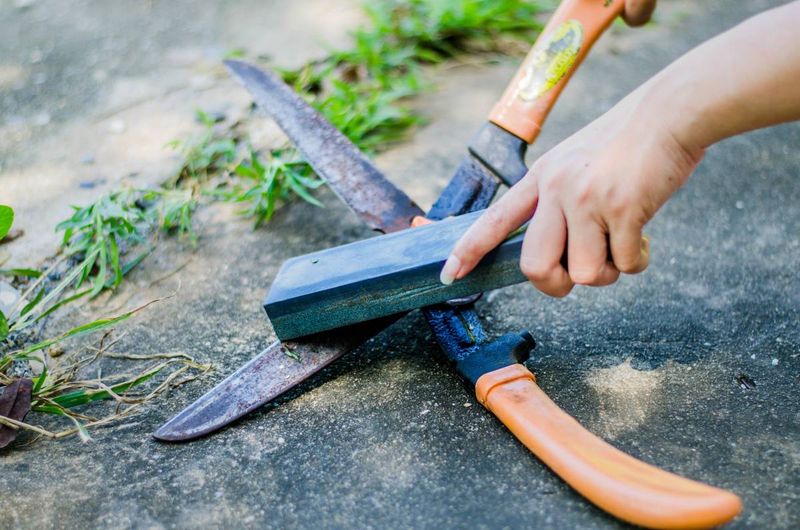
Your garden tools work hard all season long and deserve proper care before winter storage. Dirty, rusty, or dull tools won’t perform well next spring and might even spread diseases between plants.
Scrub all metal surfaces with soapy water and a steel brush to remove dirt and plant residue. Sharpen cutting edges on pruners, shears, and hoes using a file or sharpening stone. Apply a thin coat of oil to metal parts to prevent rust during storage. Wooden handles benefit from light sanding and a coat of linseed oil. Store tools in a dry location where they’ll stay clean and ready for action when gardening season returns.
14. Set Up Bird Feeders and Water Sources
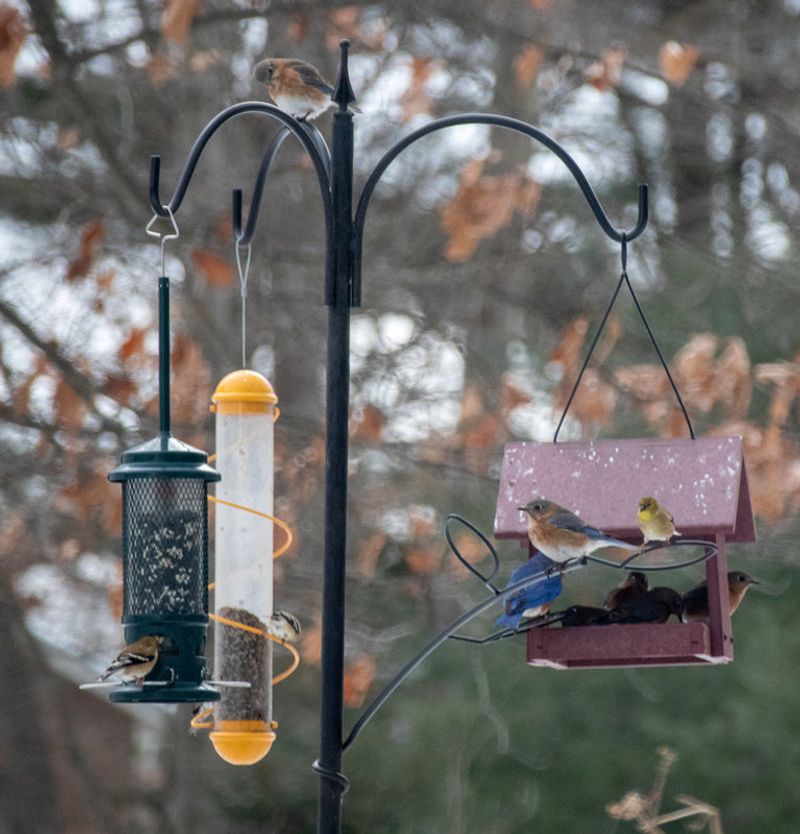
As natural food sources disappear in fall, birds need extra help finding nutrition to survive the cold months ahead. Setting up feeders filled with high-energy seeds attracts beautiful birds to your yard while helping these feathered friends stay healthy.
Position feeders near windows where you can enjoy watching your visitors, but place them high enough to keep birds safe from prowling cats. Offer fresh water daily in shallow dishes, and consider adding a small heater to prevent freezing. Black oil sunflower seeds, suet cakes, and peanuts provide excellent nutrition. Birds repay your kindness by eating garden pests and bringing joy with their songs and colorful presence.
15. Drain and Store Garden Hoses
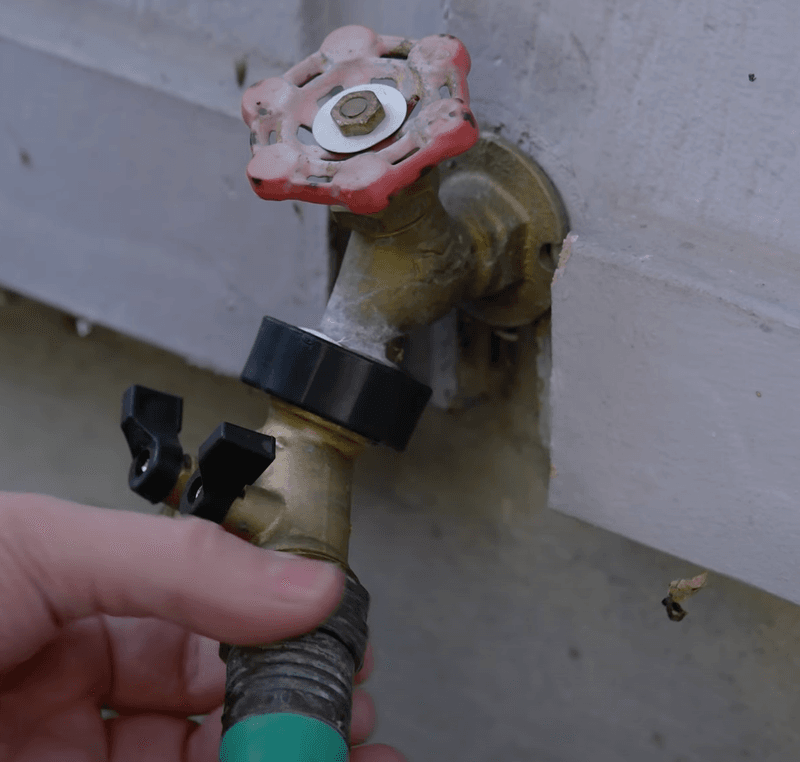
Water left inside hoses and outdoor faucets can freeze solid, causing expensive damage to both the hoses and your home’s plumbing system. Before temperatures drop below freezing, disconnect all hoses from outdoor spigots.
Drain water completely by stretching hoses out on a slope or hanging them over a fence. Once empty, coil them loosely and store in a garage, shed, or basement where they won’t freeze. Install insulated covers over outdoor faucets to protect the pipes behind them. If you have an irrigation system, hire a professional to blow it out with compressed air. These simple steps prevent costly winter damage and extend the life of your watering equipment.