 Complete Gardening
Ohio’s diverse ecosystem is constantly threatened by invasive species that can wreak havoc on local flora. Choosing the right plants is crucial not only for preserving native biodiversity but also for maintaining beautiful and functional gardens. In this article, we’ll explore five invasive species to avoid if you live in Ohio and offer five native or beneficial alternatives to plant instead. Each section will provide insights into the characteristics, threats, and gardening benefits of these plants, ensuring that your garden contributes positively to the environment.
Purple Loosestrife
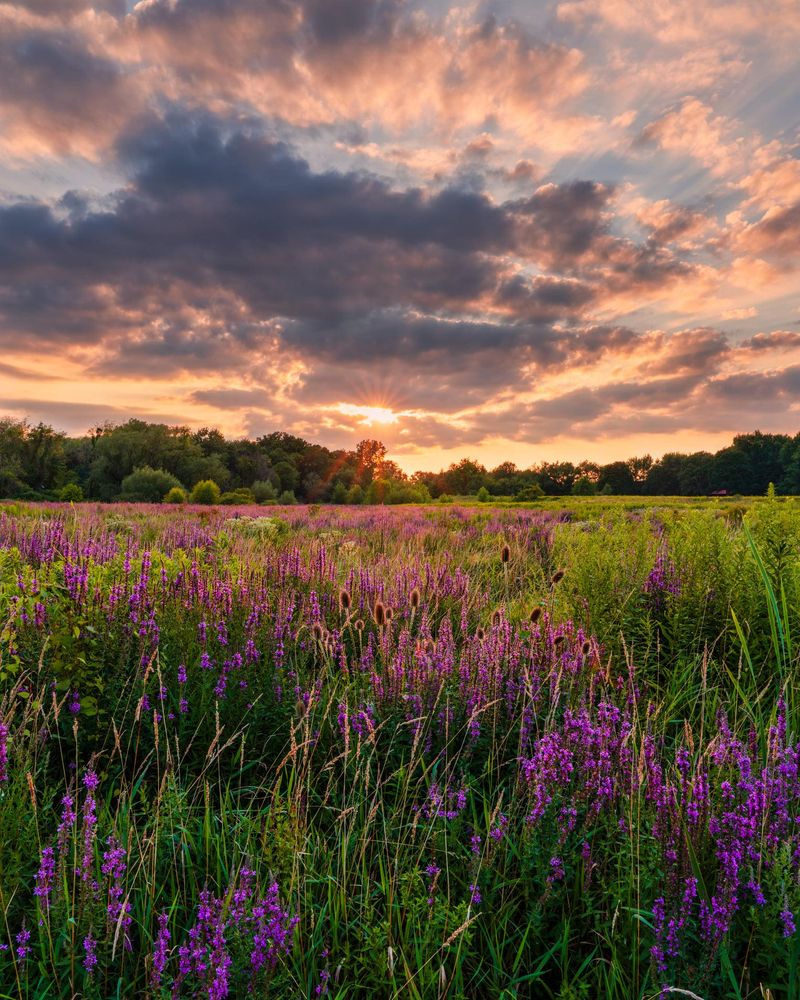
A visual delight yet an ecological nightmare, purple loosestrife invades wetlands and outcompetes native vegetation. Its ability to spread rapidly through seeds and roots makes it a formidable opponent for native plants. Imagine a sea of purple taking over Ohio’s wetlands. This plant, though beautiful, reduces biodiversity and alters the delicate balance of wetland ecosystems.
Instead, consider planting Joe-Pye Weed, a beneficial native plant with similar tall, purple blooms. Joe-Pye Weed attracts pollinators and supports local wildlife without disrupting existing systems. Its presence in gardens promotes a healthy environment and provides a stunning visual display.
Common Reed (Phragmites australis)
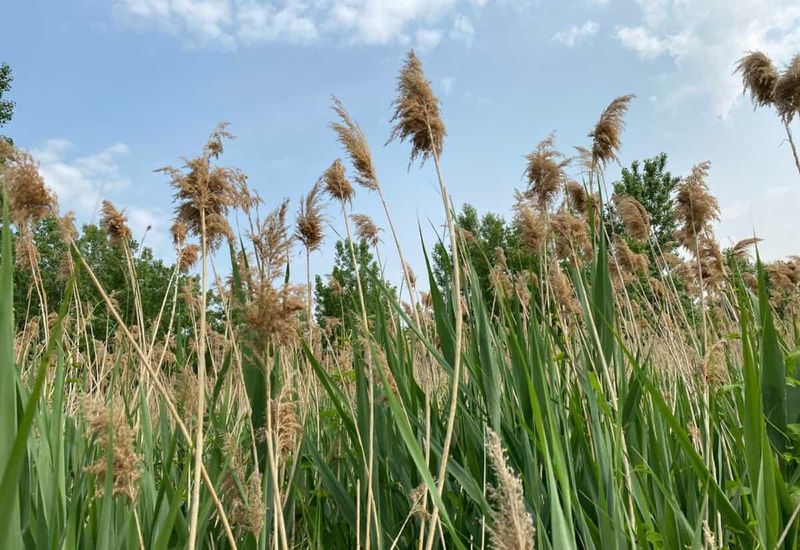
Dominating Ohio’s waterways, the common reed can form dense thickets that choke out native species and alter hydrology. Its robust growth pattern makes it a challenge for local flora to survive. Picture a monoculture of reeds stretching endlessly, overshadowing all in its path.
A more harmonious choice would be the native Cattail. Cattails offer similar structural benefits without the negative impact, providing habitat and food for wildlife. They contribute to water filtration and add a soft, natural aesthetic to water gardens and ponds.
Garlic Mustard
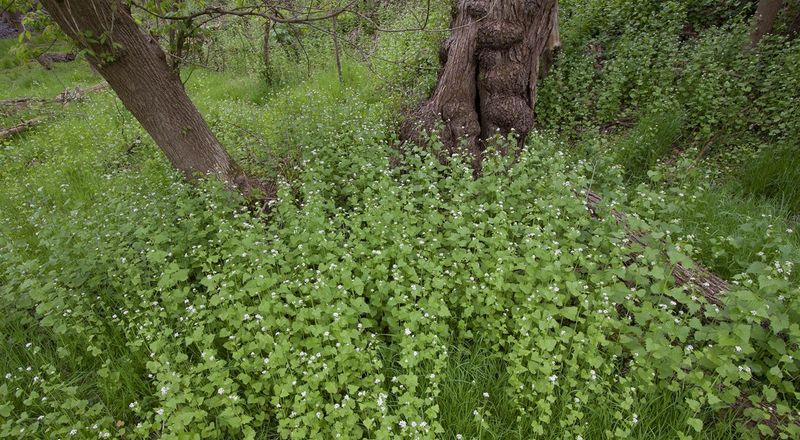
Garlic mustard, with its rapid growth and allelopathic properties, suppresses native woodland plants. It’s like a green carpet enveloping the forest floor, devoid of the rich diversity usually found in Ohio’s woodlands. This invasive species disrupts the habitat of butterflies and other insects dependent on native flora.
To counter its spread, plant Virginia Bluebells. These native flowers bring life and color to the forest, supporting pollinators and preserving the ecosystem. Virginia Bluebells bloom in early spring, offering a breathtaking display of blue hues.
Japanese Knotweed
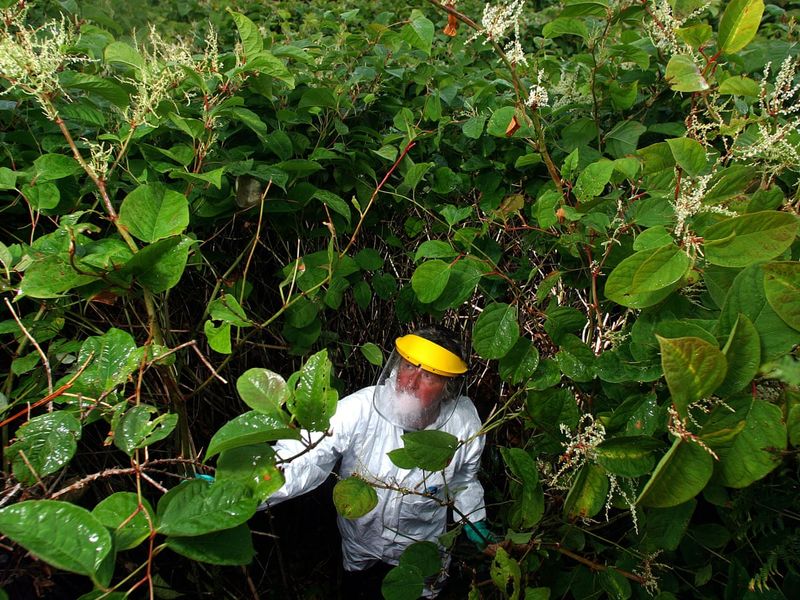
With a reputation for being nearly indestructible, Japanese knotweed can force its way through concrete and wreak havoc on infrastructure. Imagine this green beast consuming local habitats and leaving behind barren landscapes. Its aggressive growth forms dense thickets that are difficult to remove.
Switch to planting American Hazelnut, a native shrub that provides nutritious nuts and wildlife habitat. This alternative not only benefits the local ecosystem but also enhances the garden with its charming appearance and edible rewards.
Multiflora Rose
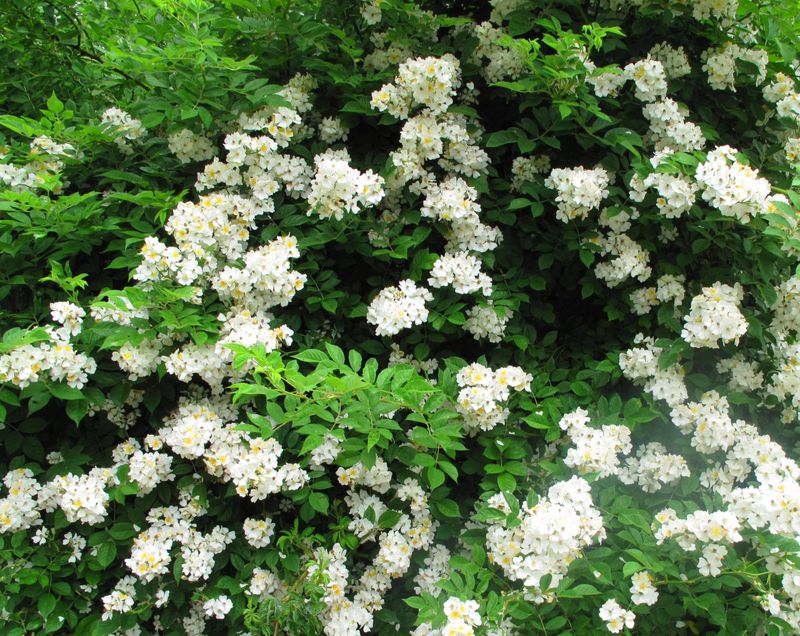
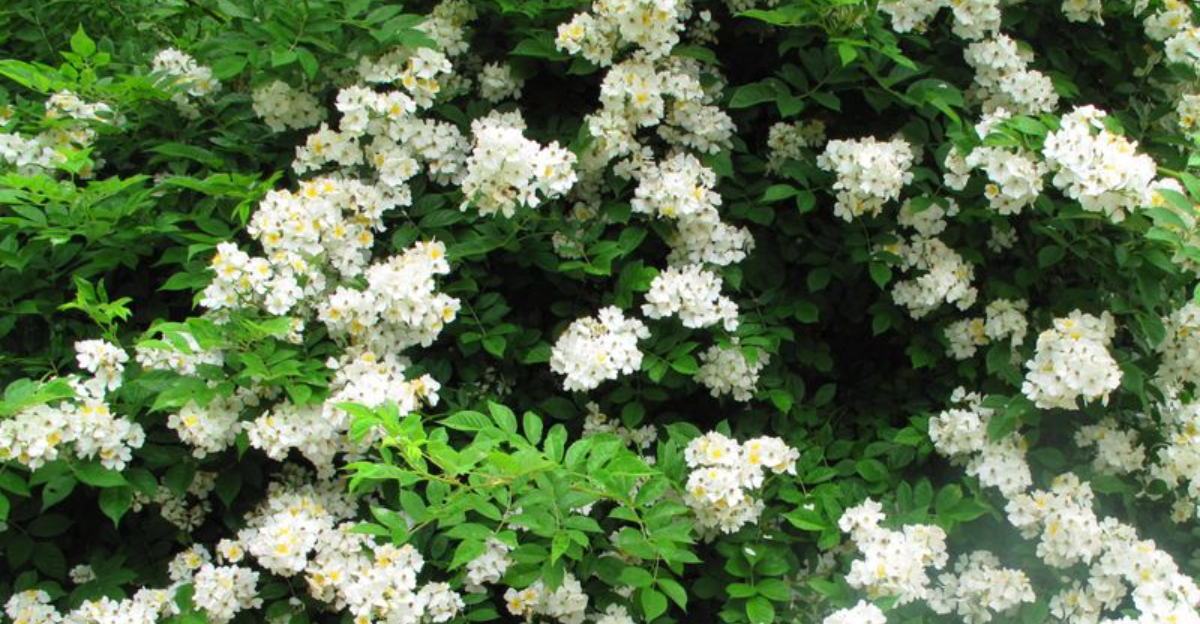
Once planted for erosion control, multiflora rose now dominates landscapes with thorny, impenetrable thickets. Think of it as a floral fortress that offers little to native wildlife in Ohio. Its rapid spread through seeds and suckering makes it a persistent problem for landowners.
Opt for planting the native Black Raspberry, which offers delicious fruit and supports various species. Black Raspberry provides nectar for pollinators and a food source for birds, creating a thriving habitat that benefits the environment and your garden alike.
Kudzu
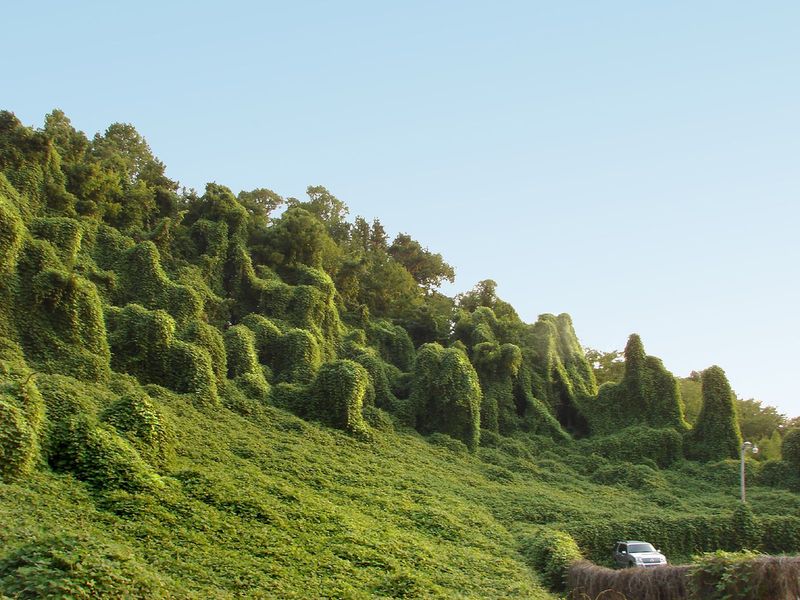
Known as “the vine that ate the South,” kudzu’s rampant growth covers everything in its path, suffocating native plants and trees. Envision a green wave engulfing Ohio’s landscapes, leaving nothing untouched. Its rapid coverage and dense foliage block sunlight, preventing other plants from thriving.
Instead, embrace the beauty of the native Trumpet Vine. This alternative offers vibrant orange blooms and attracts hummingbirds without the invasive tendencies. Trumpet Vines provide a splash of color and a haven for pollinators, enhancing gardens and natural areas.
Autumn Olive
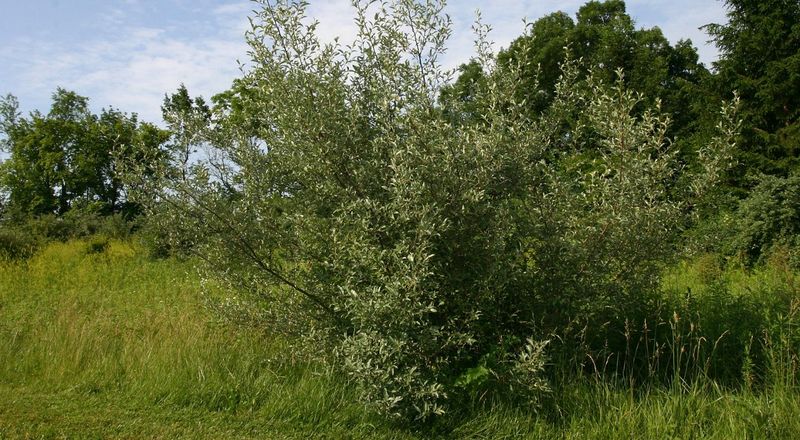
Introduced for erosion control and wildlife habitat, autumn olive has spiraled out of control, spreading aggressively across Ohio. Picture fields overtaken by this silver-leaf invader, its growth overshadowing native shrubs and trees. While birds enjoy its berries, the plant disrupts local ecosystems.
Choose the native Serviceberry, which offers similar ecological benefits without the invasive spread. Serviceberries provide early spring blossoms and delicious fruit that support wildlife, enriching the garden with beauty and biodiversity.
Norway Maple
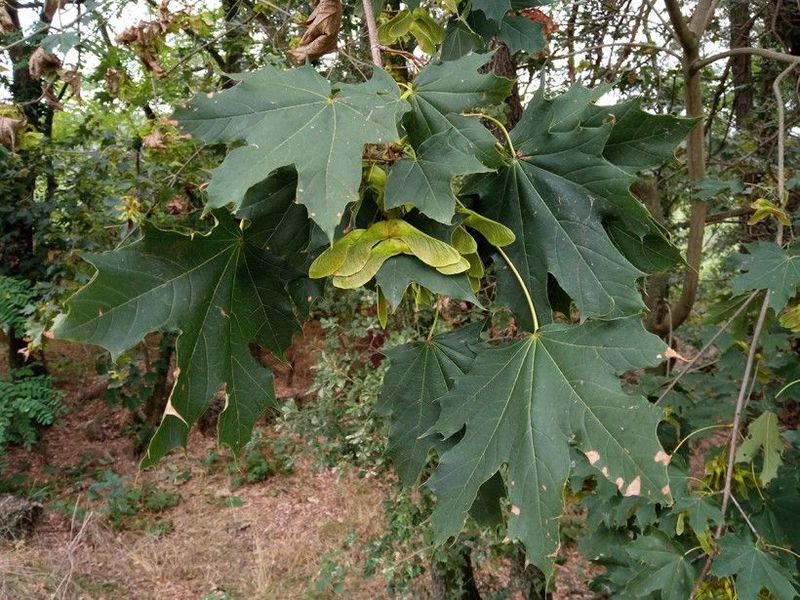
The Norway Maple’s dense canopy creates deep shade that inhibits the growth of understory plants. Imagine a garden where little else can thrive under its oppressive cover. Its shallow root system further complicates gardening efforts by competing with other plants for nutrients.
Consider planting the native Sugar Maple, which offers vibrant fall colors and supports a diverse range of understory plants. Sugar Maples allow more light to penetrate, fostering a balanced ecosystem and providing breathtaking seasonal displays.
English Ivy
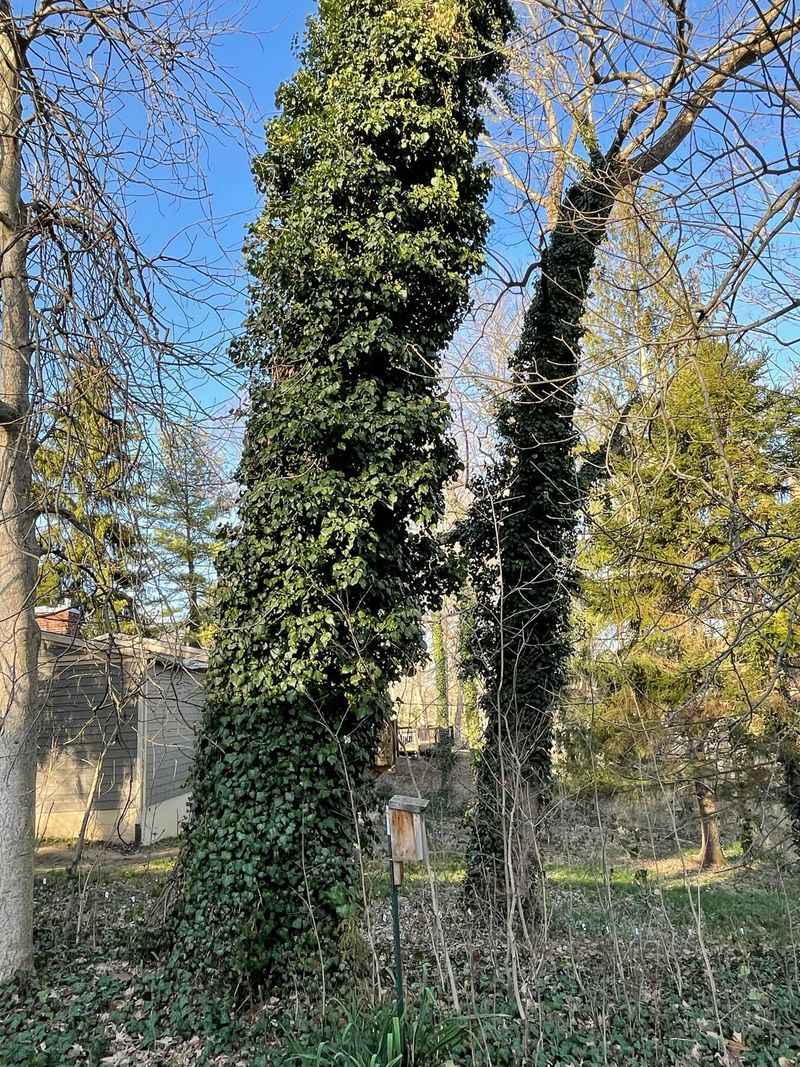
English ivy, with its evergreen allure, masks a darker side as it climbs and smothers trees, walls, and native plants. Visualize a relentless green blanket, creeping ever upward and outward. Its invasive nature leads to structural damage and decreased biodiversity.
Try planting the native Wild Ginger, which offers lush ground cover without the invasive threat. Wild Ginger thrives in shaded areas, supporting local fauna and adding a touch of elegance to the garden floor with its heart-shaped leaves.
Tree of Heaven
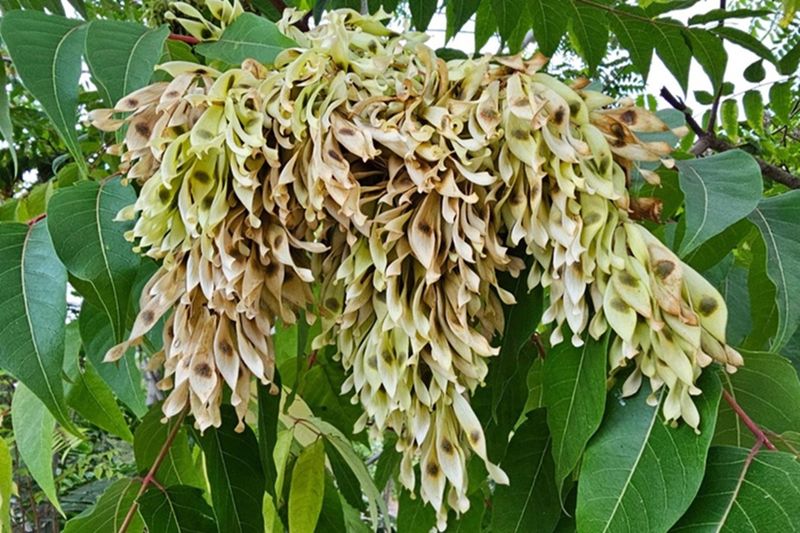
The Tree of Heaven lives up to its name in height but not in virtue. Its aggressive growth and allelopathic qualities hinder native plant growth. Imagine a towering invader, casting shade and spreading through prolific seed production. The tree’s prolific nature poses a significant challenge to native ecosystems.
Instead, plant the native Tulip Poplar, renowned for its towering elegance and ecological benefits. Tulip Poplars support local wildlife and bring beauty to urban and rural settings alike, offering a sustainable and majestic alternative.