 Complete Gardening
Oregon’s woodland gardens provide an ideal environment for a variety of fruits that thrive in the shade. These fruits not only add delicious flavors to your table but also enhance the beauty of your garden with their vibrant colors and unique shapes. Discover twelve fruits that grow sweet in the Oregon shade, offering both taste and visual appeal.
Salal Berries
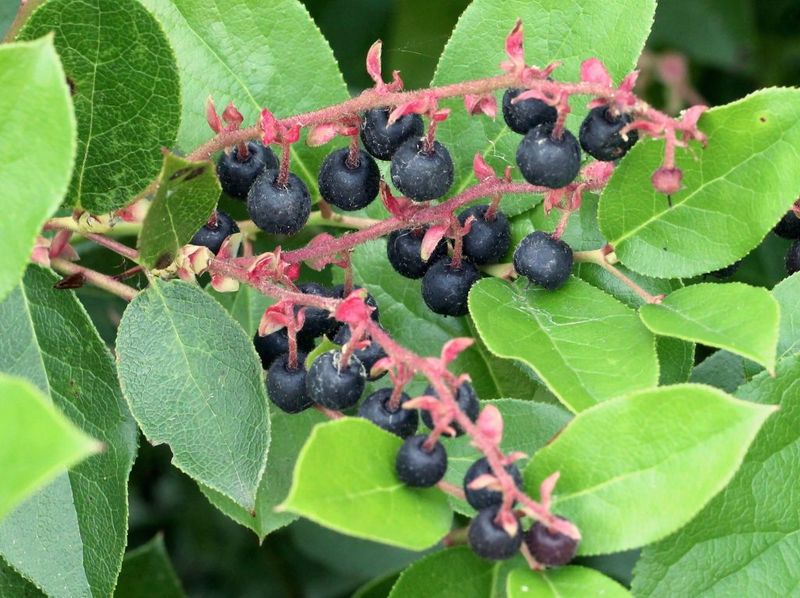
In the cool, shady groves of Oregon, salal berries flourish with a deep purple hue. Their sweet and slightly tart flavor makes them a favorite for jams and jellies. Historically, Native Americans cherished them as a staple food, and their evergreen leaves add year-round beauty to any garden.
Salal berries are not only delicious but also easy to grow, requiring minimal care once established. Their robust nature allows them to thrive even in the dappled light of a shaded forest. Plant them along pathways or as a ground cover to enjoy both their fruit and their foliage.
These berries are rich in antioxidants, offering health benefits alongside their delightful taste. Whether eaten fresh or preserved, salal berries are a versatile and rewarding choice for any Oregon garden.
Oregon Grape
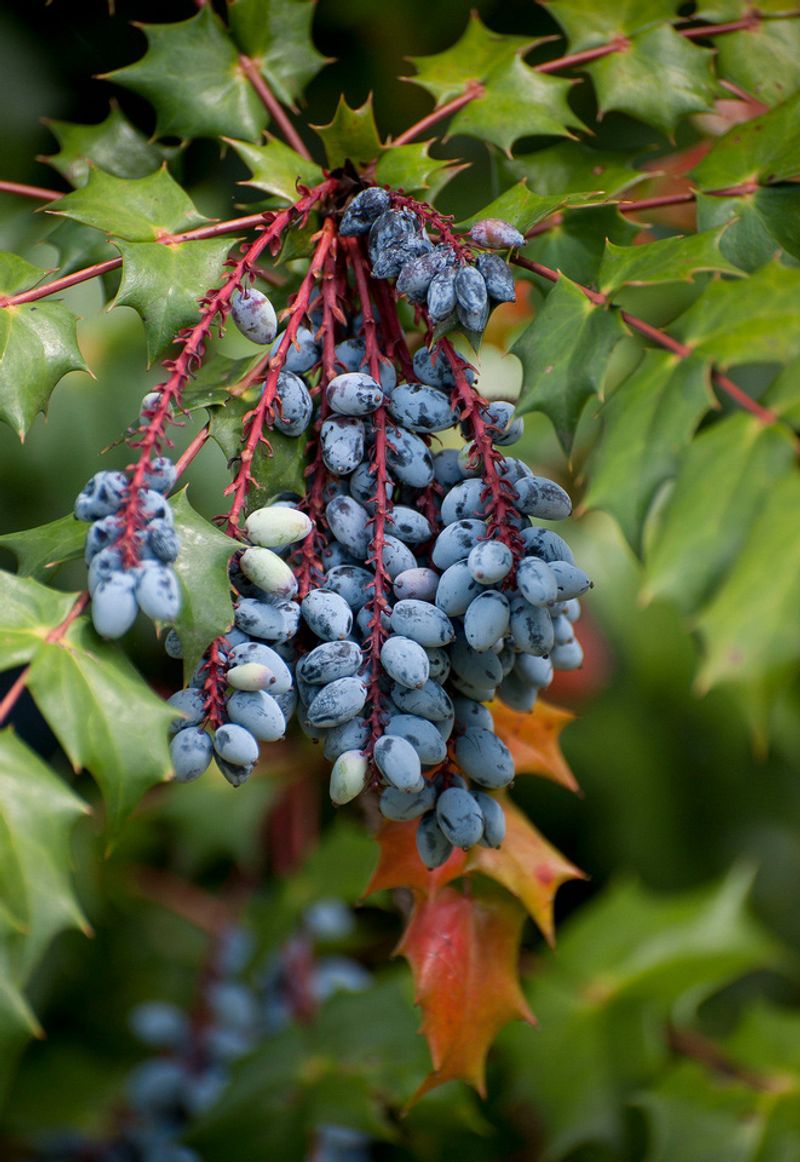
The Oregon grape, with its striking blue berries and holly-like leaves, is a standout in any shaded garden. Its tart berries are often used to make flavorful wines and preserves, while its flowers attract pollinators in early spring.
This resilient plant thrives in the shade, requiring little maintenance once established. Its evergreen foliage provides structure and color throughout the year, making it an excellent choice for woodland gardens.
A fun fact: Oregon grape is the state flower of Oregon, symbolizing the state’s rich natural heritage. Its berries, though tart, are packed with nutrients, offering both visual and culinary appeal in your garden.
Red Huckleberries
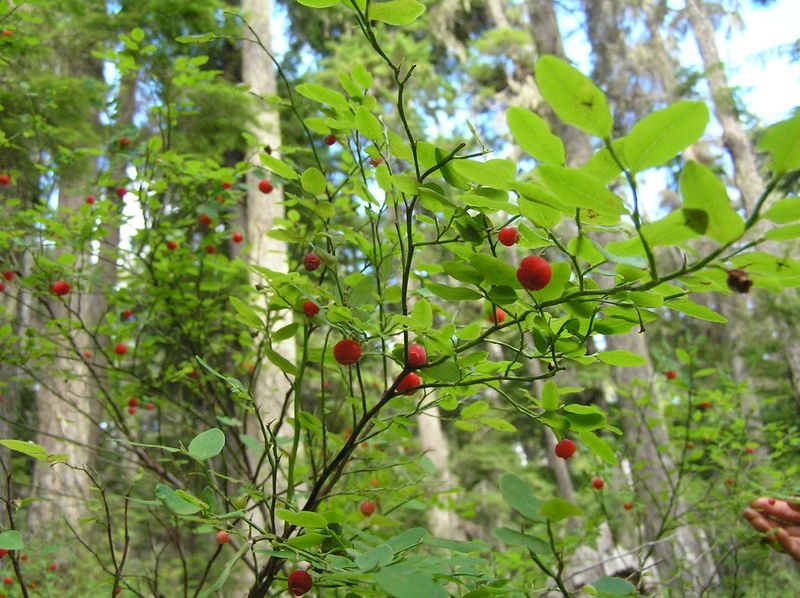
Red huckleberries offer a burst of color and flavor in the shaded corners of an Oregon garden. These berries are sweet and tangy, perfect for fresh eating or baking into pies and muffins.
Growing on slender, arching branches, red huckleberries are a delightful addition to woodland gardens. They flourish in acidic soil and shaded environments, often found growing alongside ferns and moss.
A charming anecdote: Native Americans used these berries for both food and dye, showcasing their versatility. Red huckleberries not only enhance your garden’s biodiversity but also provide a tasty treat for both humans and wildlife.
Thimbleberries
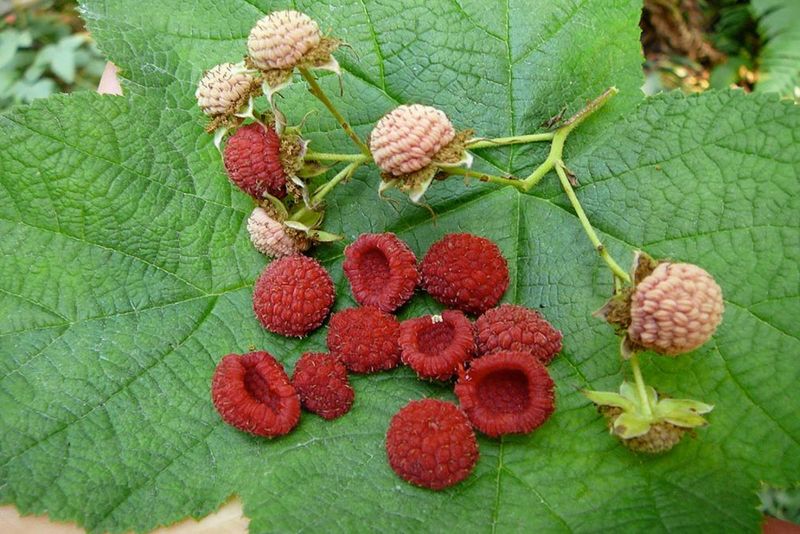
Thimbleberries are a hidden gem in Oregon’s shaded areas, offering a unique texture and flavor. Their soft, velvety red berries are delicate, with a sweet-tart taste reminiscent of raspberries.
These berries grow on tall, bristly canes, often forming dense thickets in shaded spots. Their wide, maple-like leaves add a lush, green backdrop to the vibrant berries.
Did you know? Thimbleberries were traditionally used by Native Americans for medicinal purposes. Their distinct flavor and ornamental value make them a prized addition to any woodland garden.
Evergreen Huckleberries
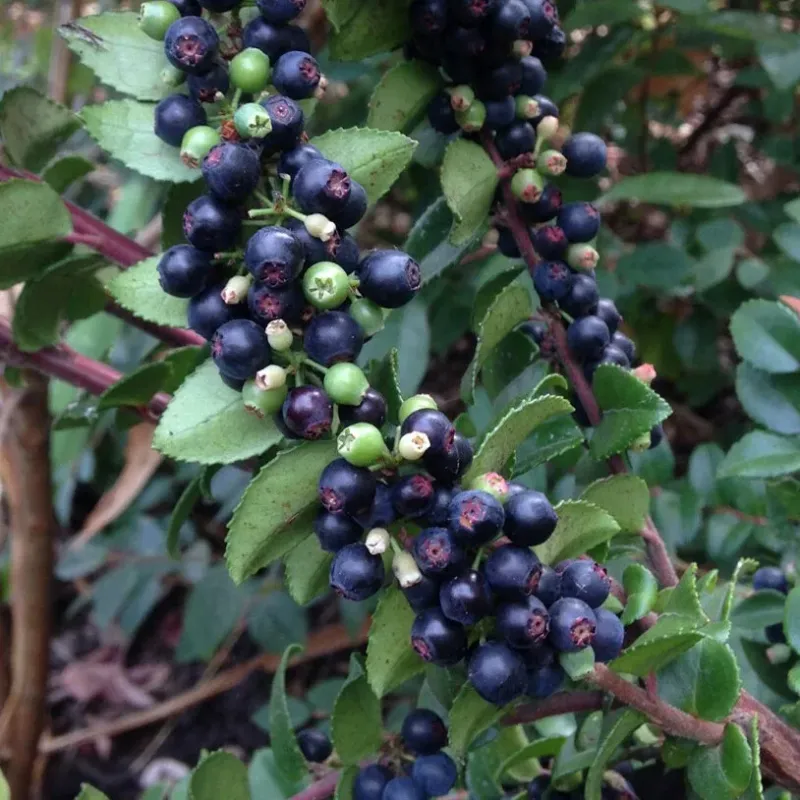
Evergreen huckleberries are a delightful discovery for those exploring Oregon’s shaded landscapes. These small, dark purple berries are sweet and juicy, perfect for fresh eating or adding to desserts.
The plant’s glossy green leaves provide year-round interest, while its compact size makes it suitable for both gardens and containers. Evergreen huckleberries thrive in acidic, well-drained soil, preferring partial to full shade.
Fun fact: These berries are a favorite among birds, providing food for wildlife while beautifying your garden. Their dual role as an ornamental and edible plant makes them a versatile choice for any shaded area.
Salmonberries
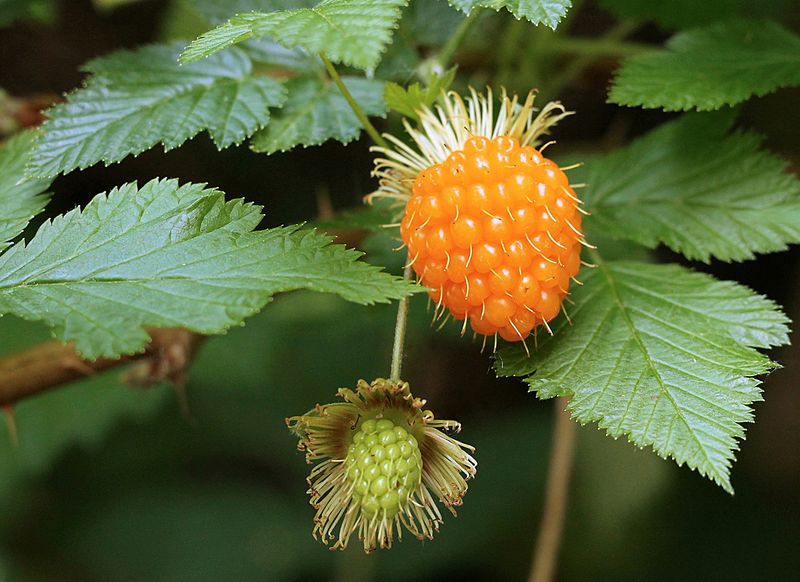
Salmonberries bring a splash of bright orange to Oregon’s shaded gardens. These berries are juicy and slightly tart, reminiscent of a cross between raspberries and blackberries.
Growing on thorny stems, salmonberries are known for their resilience and adaptability to various soil types. They prefer shaded areas near streams or damp spots in the garden.
Historically, Native Americans consumed these berries fresh, often pairing them with fish, which inspired their name. Salmonberries add both color and flavor to your garden, attracting birds and other wildlife with their enticing fruit.
Black Raspberries
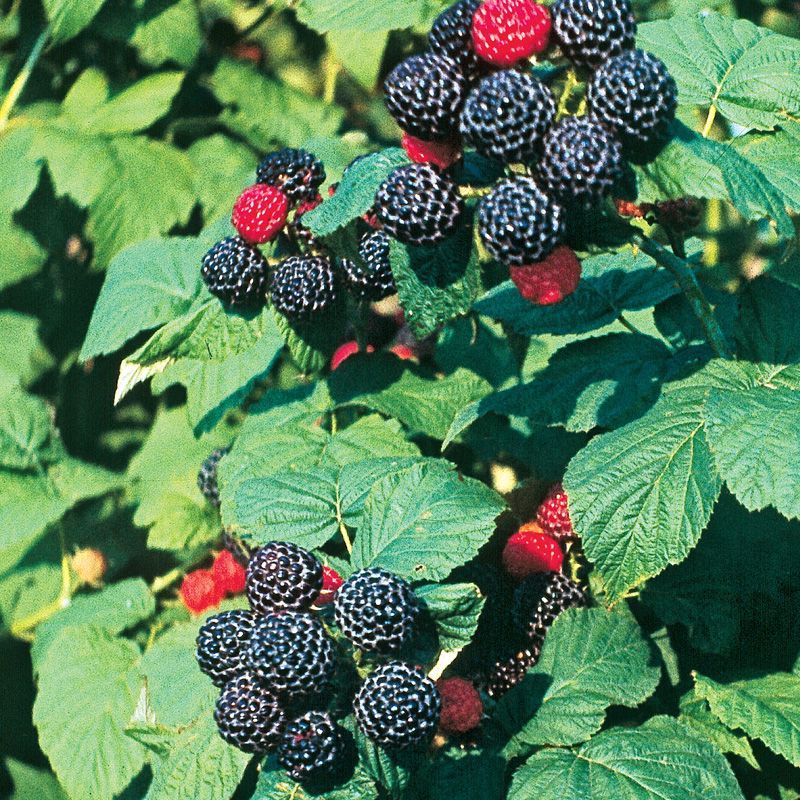
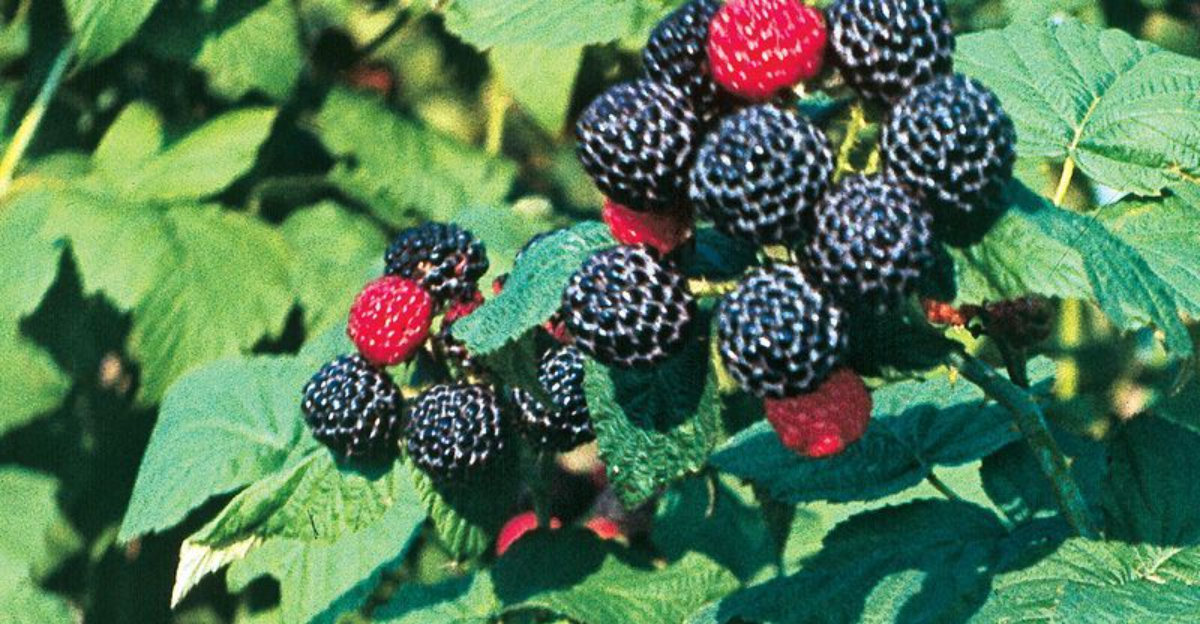
Black raspberries offer a sweet, rich flavor that stands out, even in the shade. These berries are perfect for making jams, jellies, and desserts, with their deep color and intense taste.
The canes of black raspberries are thorny and arch gracefully, creating a natural barrier or hedge in shaded parts of the garden. Their ability to thrive in less sunlight makes them a practical choice for woodland settings.
Interesting tidbit: Black raspberries are often mistaken for blackberries but are distinct in flavor and color. They not only enhance your garden with their edible bounty but also provide ecological benefits, supporting local wildlife.
Elderberries
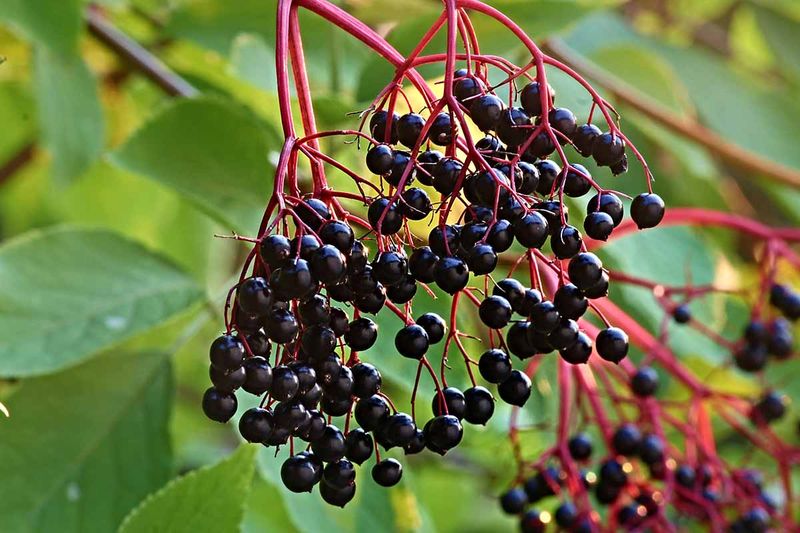
Elderberries are beloved for their medicinal properties, adding both beauty and utility to shaded gardens. These small, dark purple berries are typically used in syrups, wines, and teas.
Growing in clusters on red stems, elderberries prefer moist, shaded environments. Their feathery leaves and delicate white flowers in spring make them an attractive addition to any garden.
Did you know? Elderberries have been used in folk medicine for centuries, believed to boost immunity and treat colds. Their dual role as a decorative and functional plant makes them a smart choice for Oregon gardeners.
Blueberries
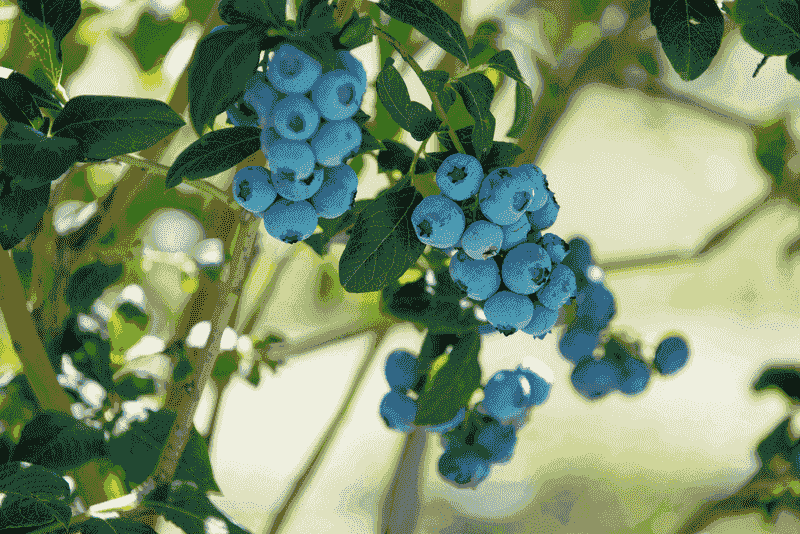
Blueberries are a classic favorite, and they thrive beautifully in Oregon’s shaded gardens. These berries are sweet and versatile, ideal for fresh eating or using in a variety of culinary dishes.
Blueberry bushes prefer acidic soil and good drainage, making them well-suited for the Pacific Northwest climate. They add seasonal interest with their spring blossoms and vibrant fall foliage.
Fun fact: Blueberries are considered a superfood, packed with antioxidants and vitamins. Their health benefits and delicious taste make them a must-have for any garden, offering beauty and bounty all year round.
Gooseberries
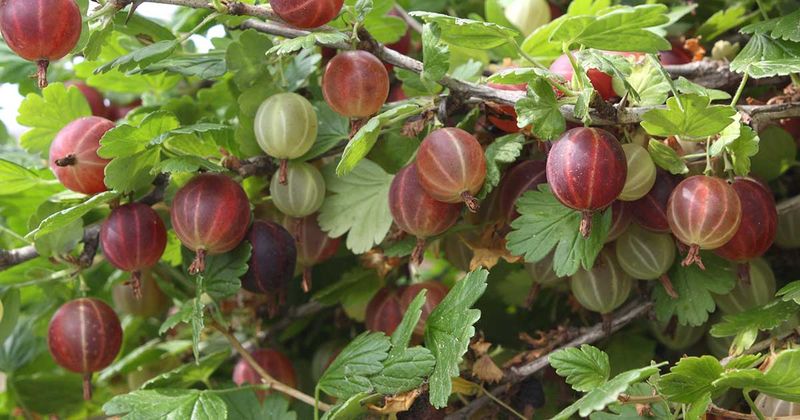
Gooseberries bring a touch of nostalgia with their tart and tangy flavor. These berries are ideal for jams and desserts, offering a unique taste that stands out in shaded gardens.
The thorny bushes of gooseberries grow well in the shade, providing a natural habitat for various pollinators. Their translucent berries, often with a pink blush, add visual interest to any garden setting.
Historically, gooseberries were popular in Victorian gardens, celebrated for their versatility and ease of growth. Today, they continue to charm gardeners with their distinctive flavor and ornamental appeal.
Rhubarb
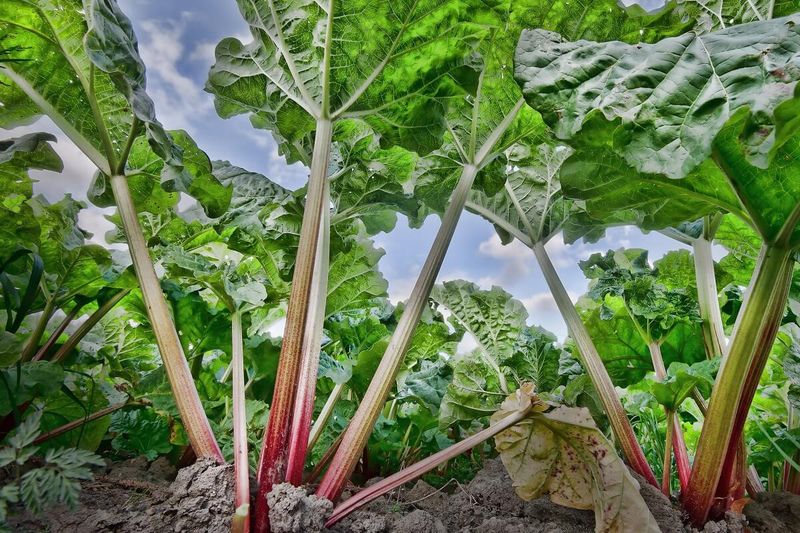
Rhubarb, though technically a vegetable, is often treated as a fruit in culinary uses. Its tart stalks are perfect for pies and preserves, thriving in the cool, shaded areas of Oregon gardens.
Rhubarb plants are robust, with large, crinkled leaves that create an impressive visual display. They require minimal care and can tolerate partial shade, making them a versatile addition to any garden.
A quirky fact: Rhubarb was historically used for its medicinal properties before becoming a culinary staple. Its bold flavor and striking appearance ensure it stands out in both the garden and the kitchen.
Currants
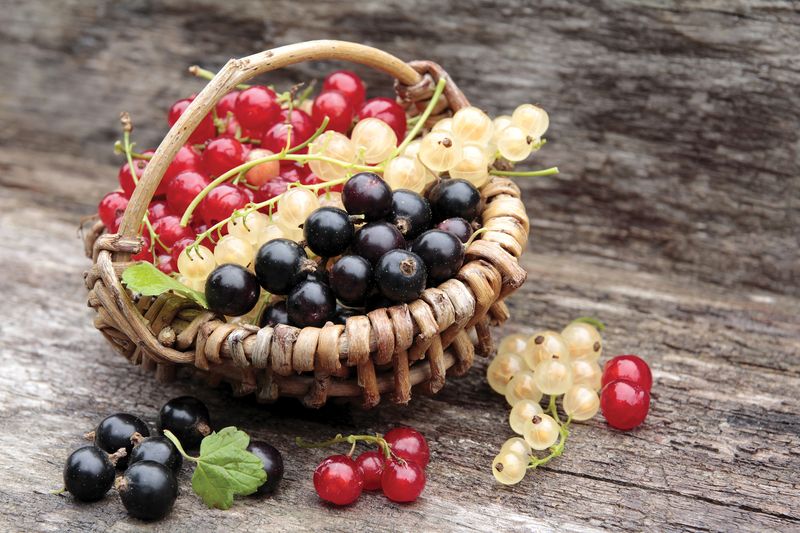
Currants, both red and black, offer a tart and tangy flavor that is perfect for jams, jellies, and fresh eating. These berries thrive in the shaded corners of Oregon gardens, adding color and taste.
Growing on compact bushes, currants are well-suited for small spaces or as an underplanting in larger gardens. Their ability to prosper in limited sunlight makes them an excellent choice for woodland settings.
Did you know? Currants were banned in the U.S. for a time due to their role in spreading a plant disease. Today, they are celebrated for their rich history and versatility, delighting gardeners with their vibrant berries.