 Complete Gardening
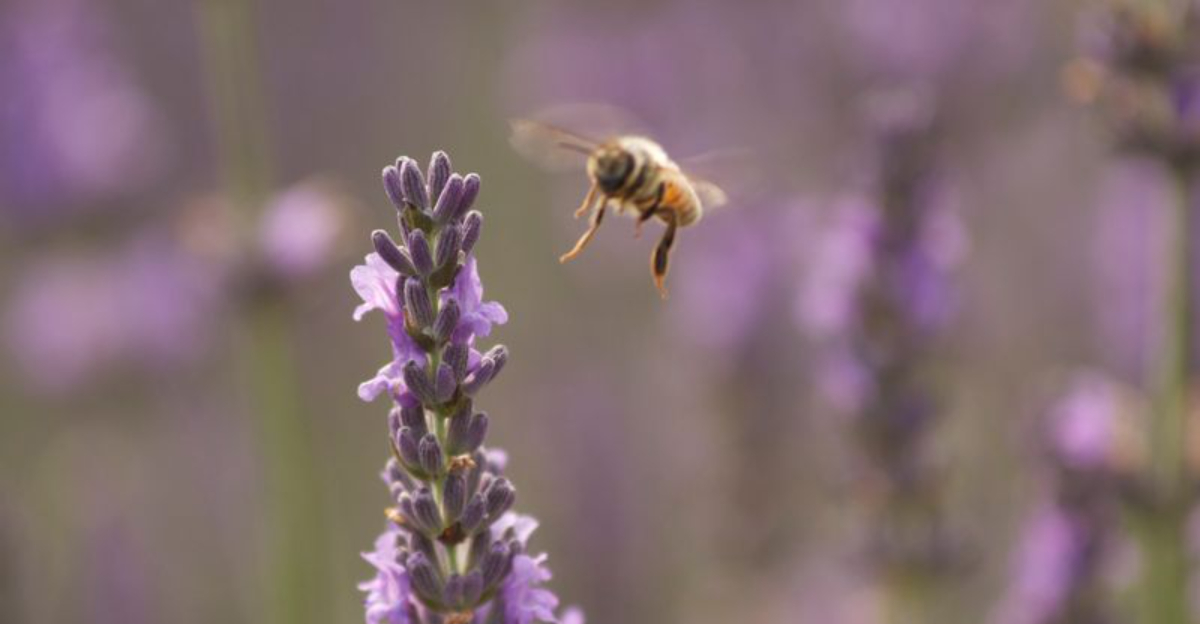
Pennsylvania gardens are vibrant ecosystems enriched by plants that attract pollinators. These plants not only enhance garden beauty but also support essential ecological functions.
Bee Balm
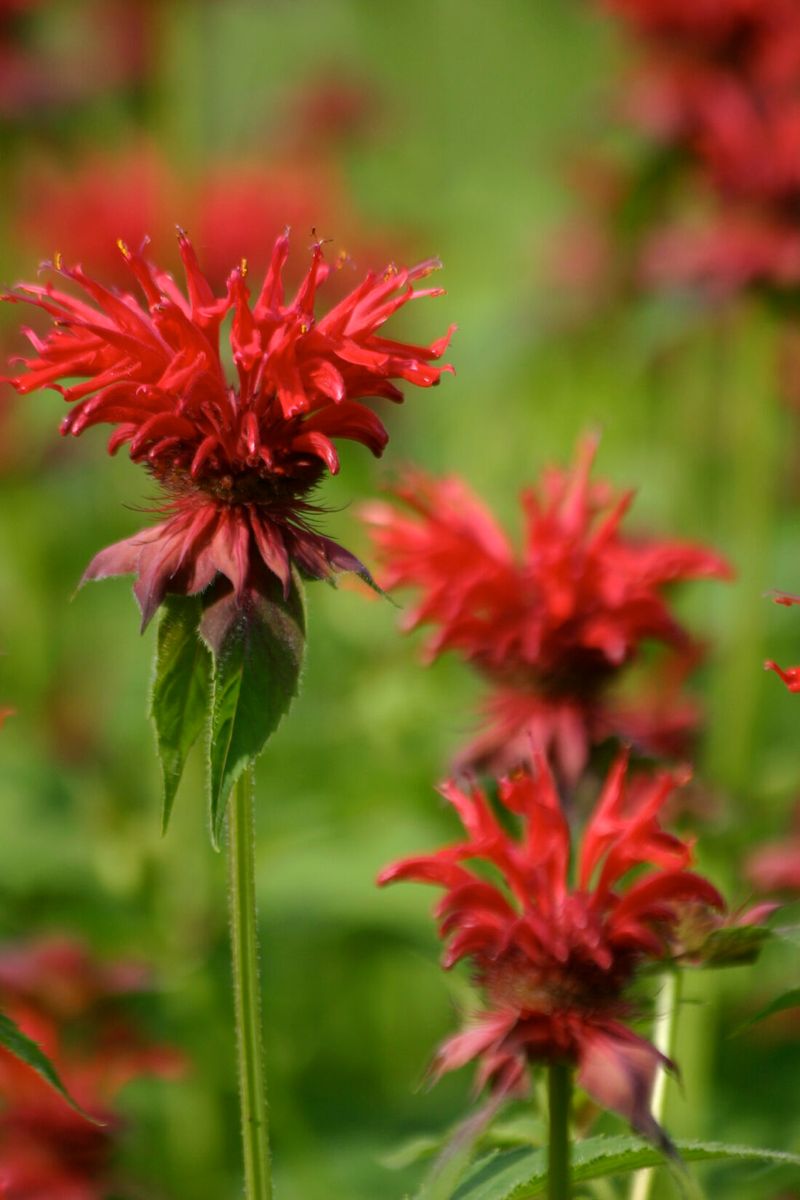
Bee Balm, with its bright scarlet blooms, is an irresistible attraction for bees and butterflies. This native plant graces Pennsylvania gardens with its fragrant and tubular flowers.
In addition to its visual appeal, Bee Balm serves as a natural remedy for colds and flus. Its presence in the garden adds both color and utility.
For a striking contrast, pair it with yellow or white flowers to create a vibrant display.
Milkweed
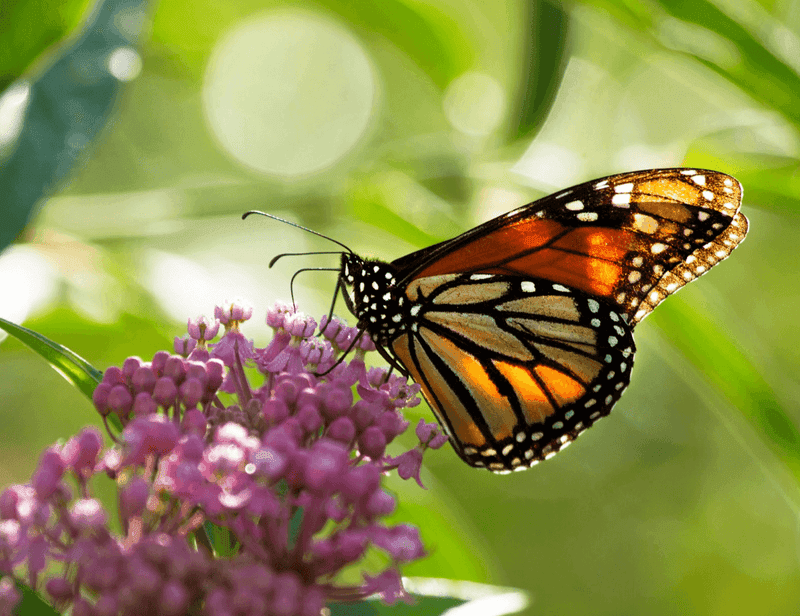
Milkweed stands as a vital lifeline for Monarch butterflies. Its pink clusters of flowers offer both nourishment and a breeding ground for these majestic insects.
In Pennsylvania, Milkweed thrives in meadows and open fields, creating a haven for pollinators. Its role in the ecosystem underscores its importance.
Planting Milkweed not only supports biodiversity but also adds a touch of wild beauty to gardens.
Purple Coneflower
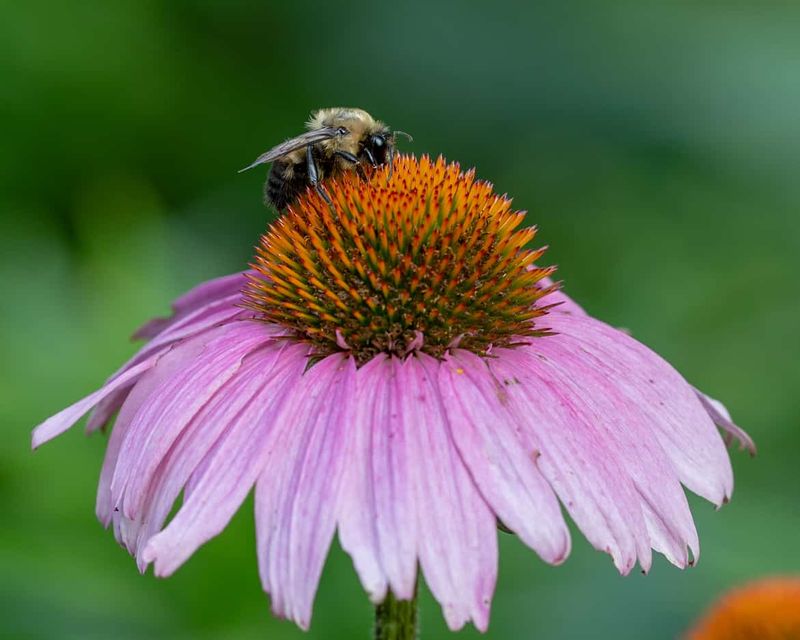
Purple Coneflower is a garden staple, boasting large daisy-like flowers with raised centers. Its robust structure makes it a favorite among bees and other pollinators.
This hardy plant is not only easy to grow but also thrives in varying conditions, making it perfect for Pennsylvania’s diverse climate.
Aside from attracting pollinators, it’s known for its medicinal properties, often used in herbal teas.
Black-eyed Susan
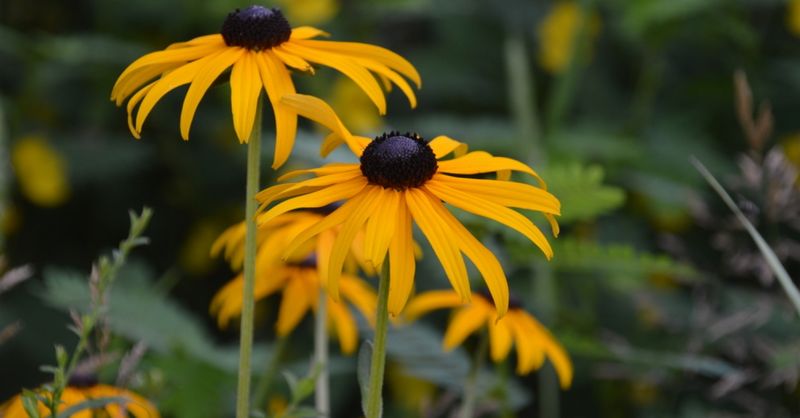
Black-eyed Susan brightens gardens with its golden petals and dark center, creating a stunning visual display. This resilient plant is a magnet for both bees and butterflies.
Its ability to adapt to different soil types makes it a versatile choice for gardeners seeking low-maintenance options.
Often seen in wildflower mixes, it provides continuous blooms from summer to fall.
Lavender

Lavender brings a touch of elegance and fragrance to any garden. Its purple spikes are not only visually appealing but also a favorite among bees and butterflies.
In Pennsylvania, Lavender thrives with proper sunlight and well-drained soil, offering a Mediterranean flair to local gardens.
Famed for its calming properties, it’s often used in aromatherapy and sachets.
Joe-Pye Weed
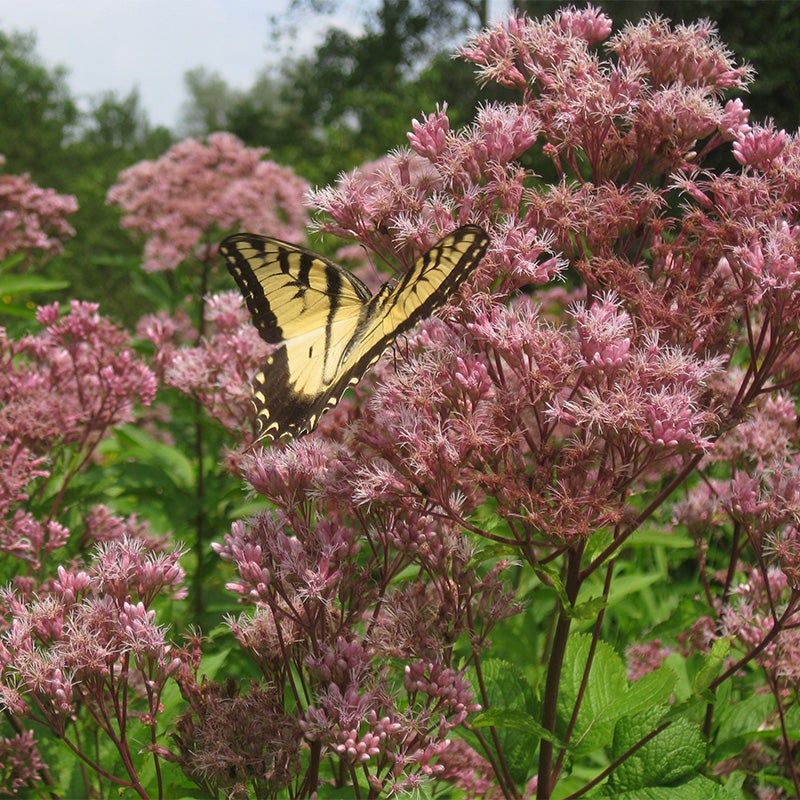
Joe-Pye Weed towers in gardens with its tall stems and clusters of pink-purple flowers. It is particularly attractive to butterflies, adding height and texture to landscapes.
Thriving in moist conditions, this plant is perfect for wetland areas in Pennsylvania. Its late-summer blooms extend the pollinator season.
Named after a Native American herbalist, it holds a place in traditional medicine.
Goldenrod
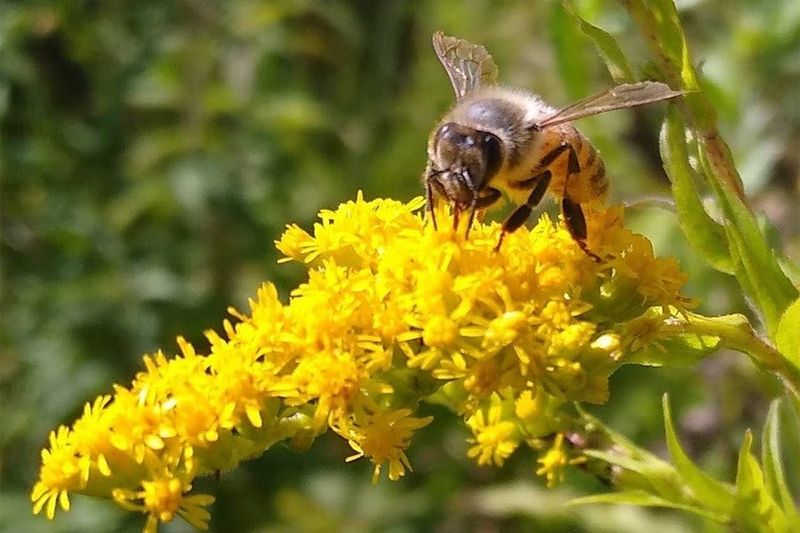
Goldenrod’s bright yellow flowers are often mistaken for causing allergies, but they are, in fact, a pollinator’s paradise. This resilient plant supports a wide range of insects.
In Pennsylvania, Goldenrod blooms in late summer, providing vital resources when other flowers have faded. Its upright form offers striking visual appeal.
Adding Goldenrod to a garden enriches biodiversity and enhances fall landscapes.
Aster
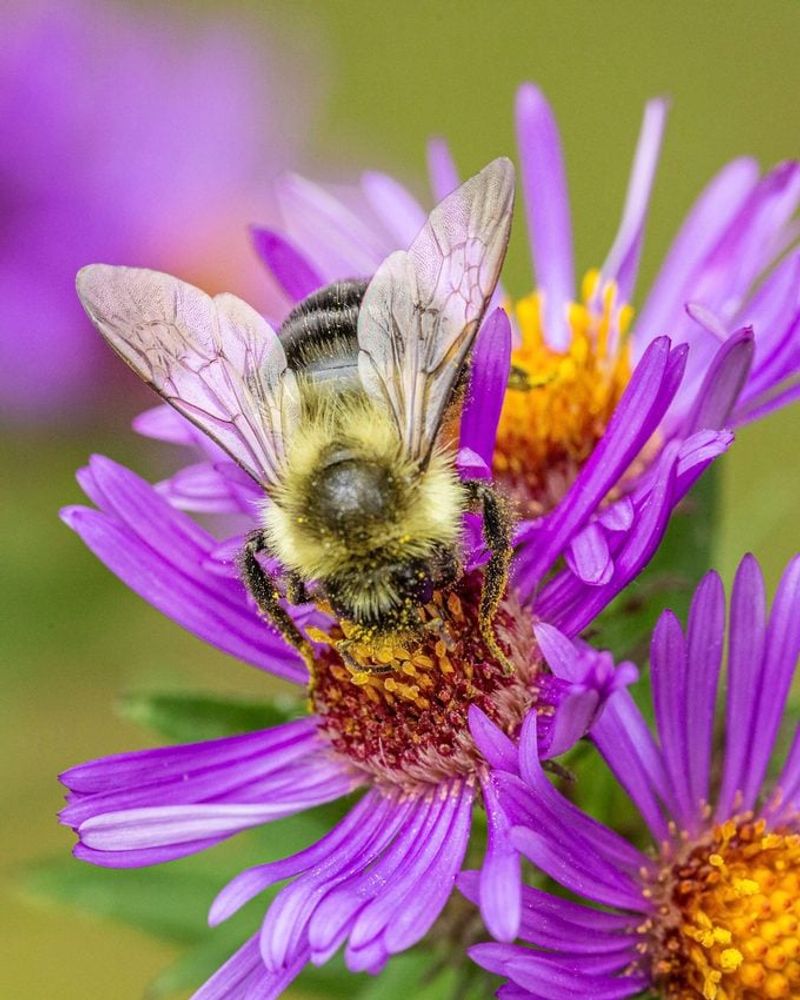
Asters, with their daisy-like appearance, bloom in late summer, offering a splash of color just as the season wanes. Their purple hues are irresistible to bees and butterflies.
These perennials are adaptable, thriving in various Pennsylvania environments, from gardens to roadsides.
Planting Asters ensures continued pollinator activity, supporting the ecosystem well into fall.
Borage
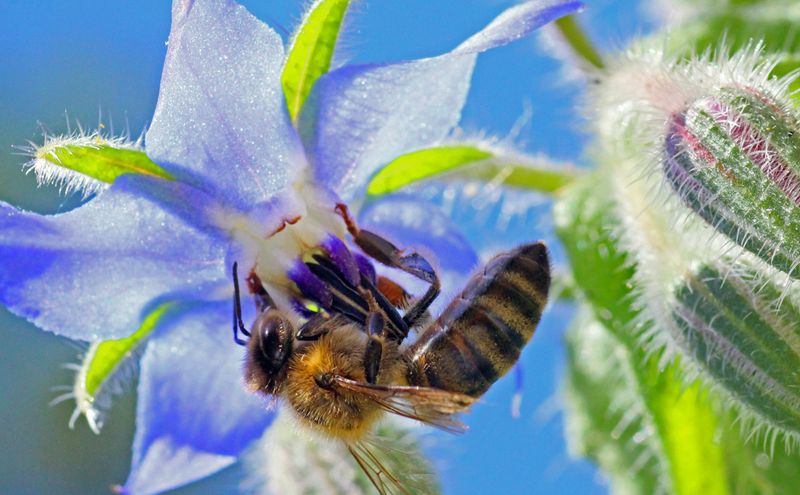
Borage’s star-shaped blue flowers add a touch of whimsy to gardens. This annual herb is particularly beloved by bees, making it a delightful addition to pollinator-friendly spaces.
In Pennsylvania, Borage grows easily from seeds, thriving in sunny spots and contributing to the garden’s biodiversity.
Beyond its beauty, Borage leaves are edible, often used in salads for a cucumber-like flavor.
Sunflower
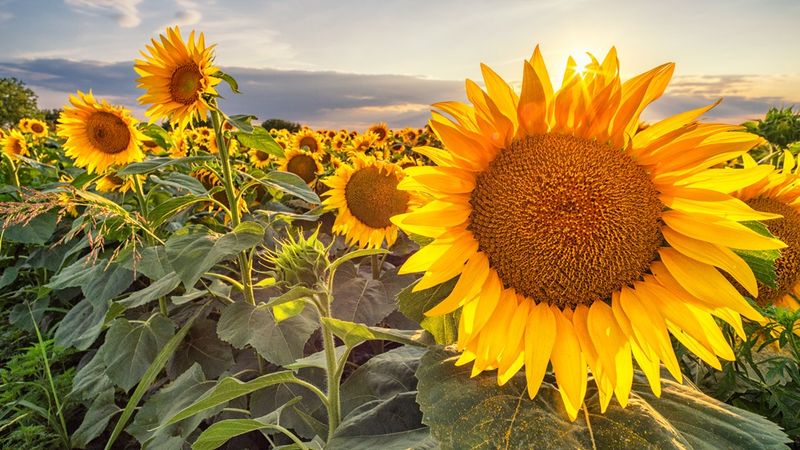
Sunflowers stand out with their towering stalks and large yellow faces, drawing not just the eye but also a host of pollinators. They are synonymous with summer’s golden days.
In Pennsylvania, Sunflowers are cultivated not only for their seeds but also for their ecological role, offering nectar and pollen to bees and birds.
These cheerful giants can be planted in rows to create a natural screen or focal point in gardens.
Yarrow
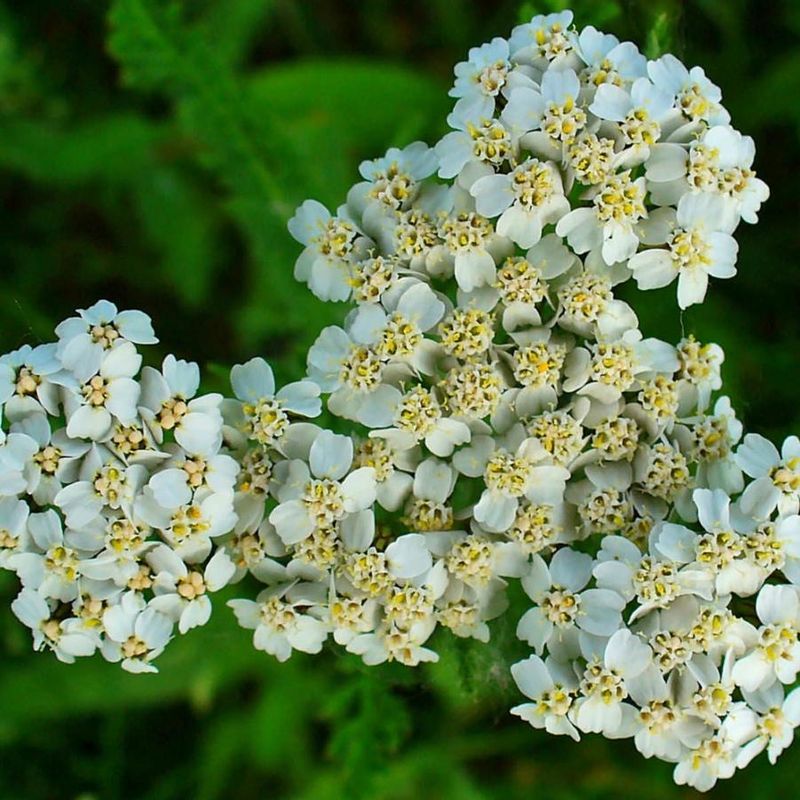
Yarrow’s flat-topped clusters of flowers come in various colors, though the white variety is most common. It supports a wide range of pollinators, including butterflies and beneficial insects.
This hardy perennial thrives in Pennsylvania’s diverse environments, from meadows to garden beds. Its ability to withstand drought makes it a practical choice for sustainable gardening.
Yarrow has been used historically for its medicinal properties, particularly in wound healing.
Culver’s Root
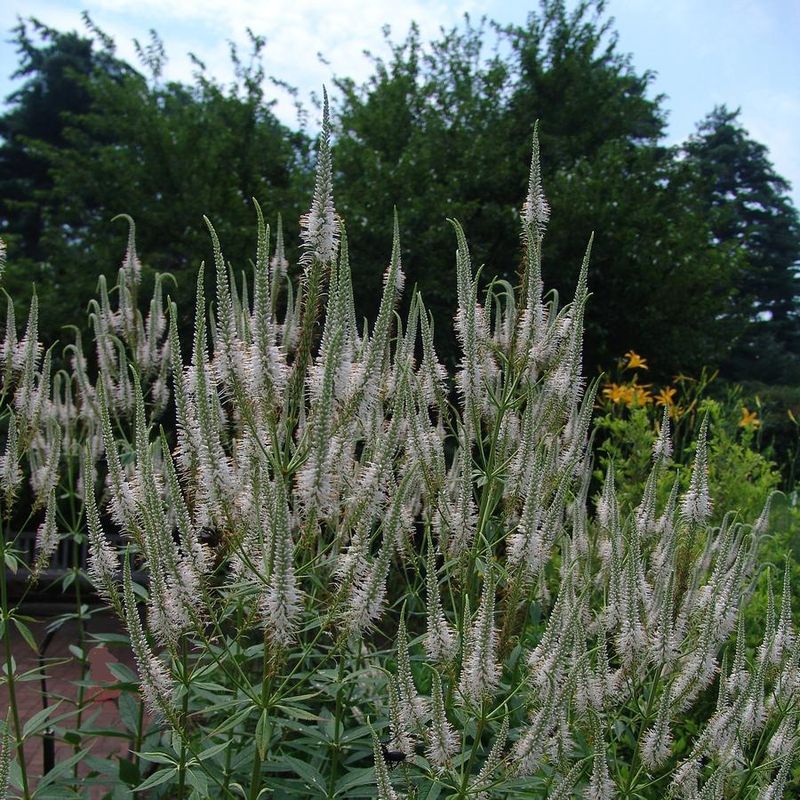
Culver’s Root, with its elegant white spires, brings a touch of sophistication to gardens. This native perennial is highly attractive to a variety of pollinators.
Thriving in moist, well-drained soils, it is ideal for rain gardens and naturalized settings in Pennsylvania.
The plant’s historical use in traditional medicine adds an intriguing layer to its garden presence.