 Complete Gardening
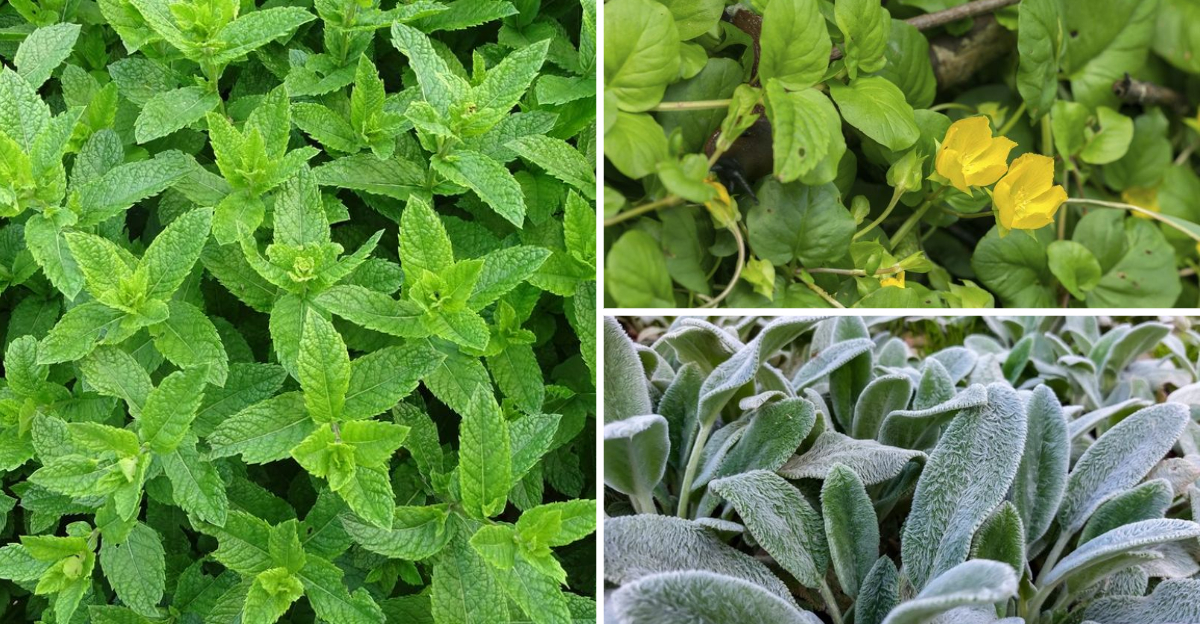
Ground covers can be a beautiful addition to any garden, providing a lush, green backdrop for other plants. However, some ground covers can become invasive, overpowering other plants and taking over your garden. This article explores 16 such ground covers, starting with the notorious Periwinkle.
1. Periwinkle (Vinca minor)
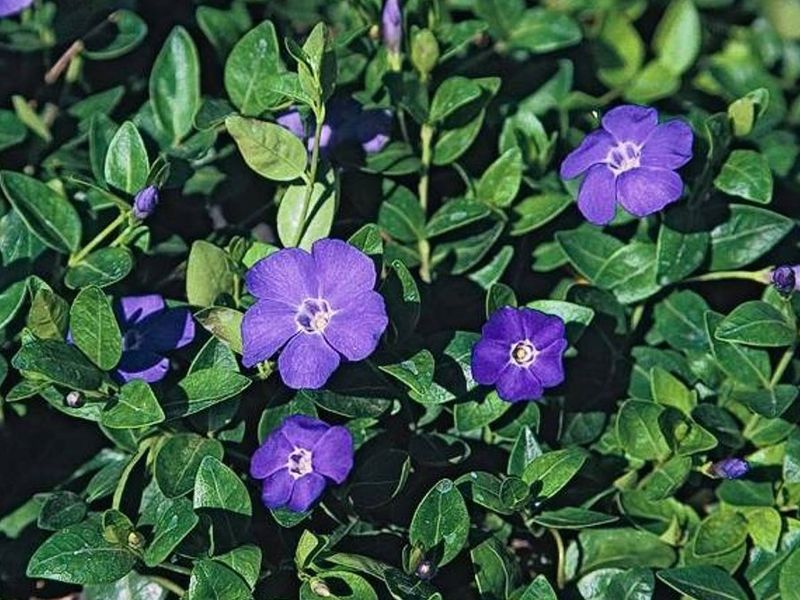
With its small, charming purple flowers, Periwinkle might seem like a perfect addition to your garden. However, its rapid growth can quickly overshadow other plants. Known to thrive in shaded areas, it can become hard to control once established.
Gardeners often find themselves battling this persistent plant, as it spreads easily through both seeds and runners. Periwinkle’s tenacious nature can choke out native species, reducing biodiversity in your garden.
If left unchecked, this plant can create a dense mat that smothers other vegetation, making it a challenging adversary for any gardener.
2. English Ivy (Hedera helix)
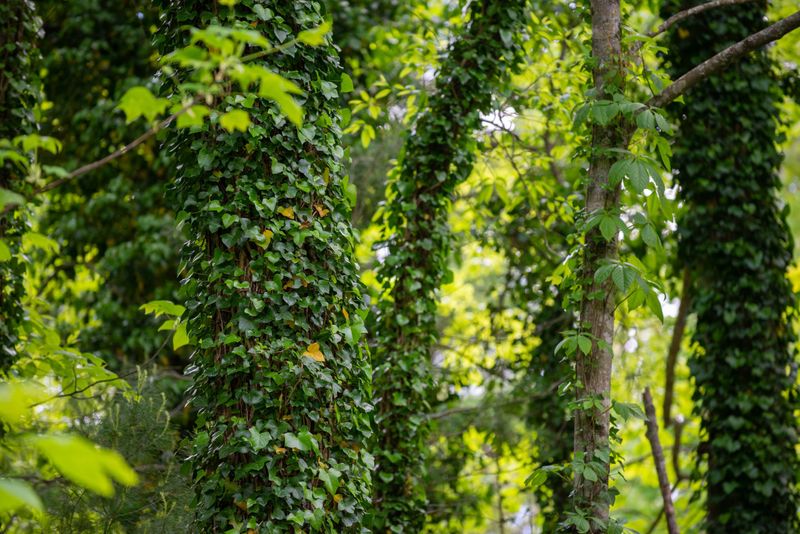
English Ivy is often admired for its elegant, climbing foliage. Yet, beneath its beauty lies an aggressive intruder. This ivy can climb and cling to almost anything, from trees to buildings, potentially causing structural damage.
Its ability to thrive in various conditions makes it a favored choice for many. Unfortunately, it can quickly become a garden bully, outcompeting native flora.
Once established, English Ivy is notoriously difficult to eradicate. Its persistent vines can wrap around other plants, suffocating them and altering the ecosystem balance.
3. Creeping Jenny (Lysimachia nummularia)
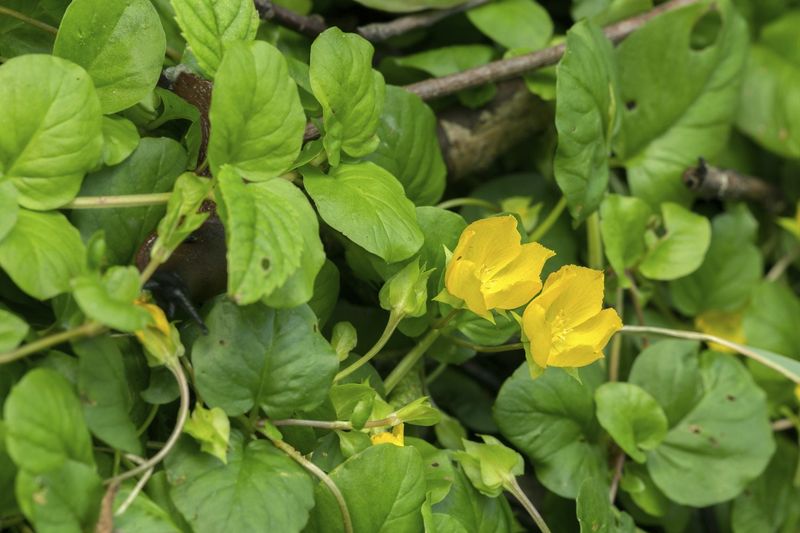
Creeping Jenny’s vibrant yellow flowers can be quite the eye-catcher. But beware – this plant’s beauty is deceptive. Known for its rapid spread, it can quickly take over garden spaces, crowding out other plants.
Garden enthusiasts often find themselves surprised by its aggressive nature. It thrives in moist environments, forming dense mats that are hard to remove.
Despite its alluring appearance, Creeping Jenny can become a gardener’s nightmare, requiring constant monitoring and control to keep its growth in check.
4. Japanese Knotweed (Fallopia japonica)
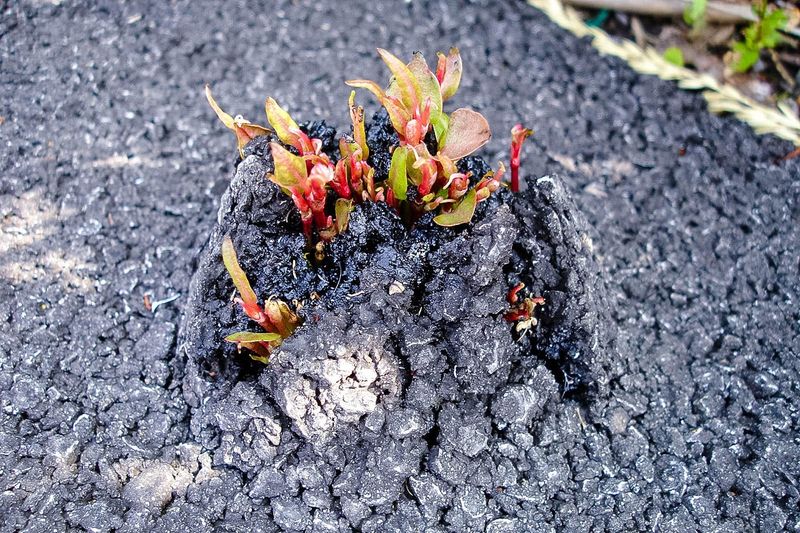
Japanese Knotweed has a bamboo-like appearance that might seem harmless at first. However, it is one of the most notorious invasive plants. Its roots can grow through concrete and foundations, causing significant structural damage.
Originating from East Asia, it has spread rapidly across gardens worldwide. The plant’s robust nature allows it to thrive in harsh conditions, making it resistant to many common control methods.
For gardeners, Japanese Knotweed represents a formidable challenge, often requiring professional intervention to eradicate completely.
5. Mint (Mentha)
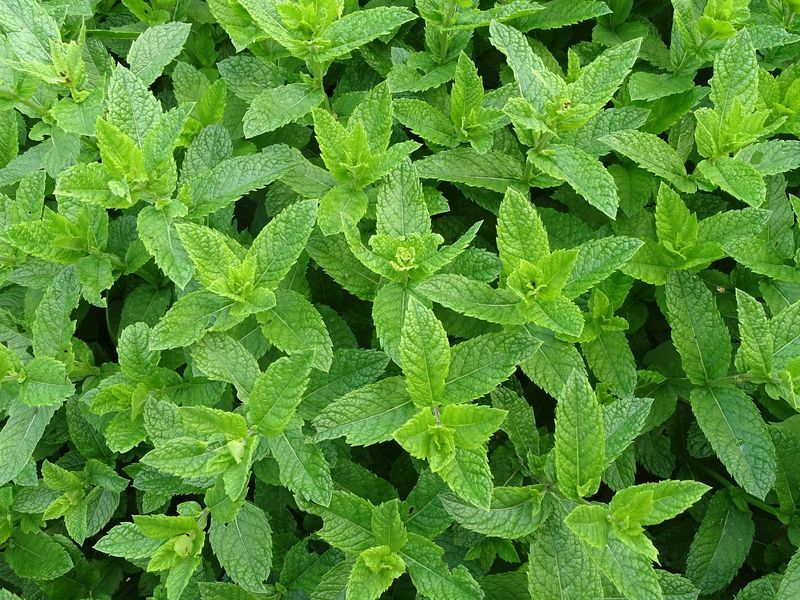
Mint is cherished for its refreshing aroma and culinary uses. Yet, its ability to spread is often underestimated. This plant can quickly overrun your garden, outcompeting other species and dominating the space.
Despite its many uses, mint’s aggressive growth habit can be a nuisance. It spreads through underground runners, making it difficult to contain.
Gardeners may find themselves in a constant battle to keep mint in check, as its tenacity can overshadow the benefits it brings to the table.
6. Bamboo (Bambusoideae)

Bamboo is renowned for its rapid growth and towering presence. While it can bring an exotic touch to gardens, it often becomes a problematic invader. Once established, its roots spread extensively, making it challenging to control.
Many gardeners are drawn to its beauty, only to find themselves overwhelmed by its expansive nature. Bamboo can outcompete other plants, leaving them starved for nutrients and space.
Controlling bamboo requires persistence and strategy, as it can quickly reclaim any cleared area if not diligently managed.
7. Lamb’s Ear (Stachys byzantina)

Lamb’s Ear, with its soft, velvety leaves, is often a favorite for adding texture to gardens. However, its ability to spread can be surprising. It forms dense mats that can overwhelm other plants, reducing biodiversity.
Gardeners are often charmed by its tactile appeal, overlooking its invasive potential. This plant can thrive in various conditions, making it a resilient yet overpowering ground cover.
Keeping Lamb’s Ear in check requires regular monitoring, as its rapid spread can quickly make it the dominant feature of your garden.
8. Creeping Charlie (Glechoma hederacea)

Creeping Charlie might remind you of childhood afternoons, picking tiny, scalloped leaves. Yet, this nostalgic plant can swiftly take charge of your garden, dominating the landscape with its vigorous growth.
Its ability to thrive in shaded areas often makes it a notorious invader. Once established, it can form dense mats that choke out other vegetation.
Gardeners must remain vigilant, as its rapid spread requires timely intervention to prevent it from monopolizing garden spaces.
9. Purslane (Portulaca oleracea)
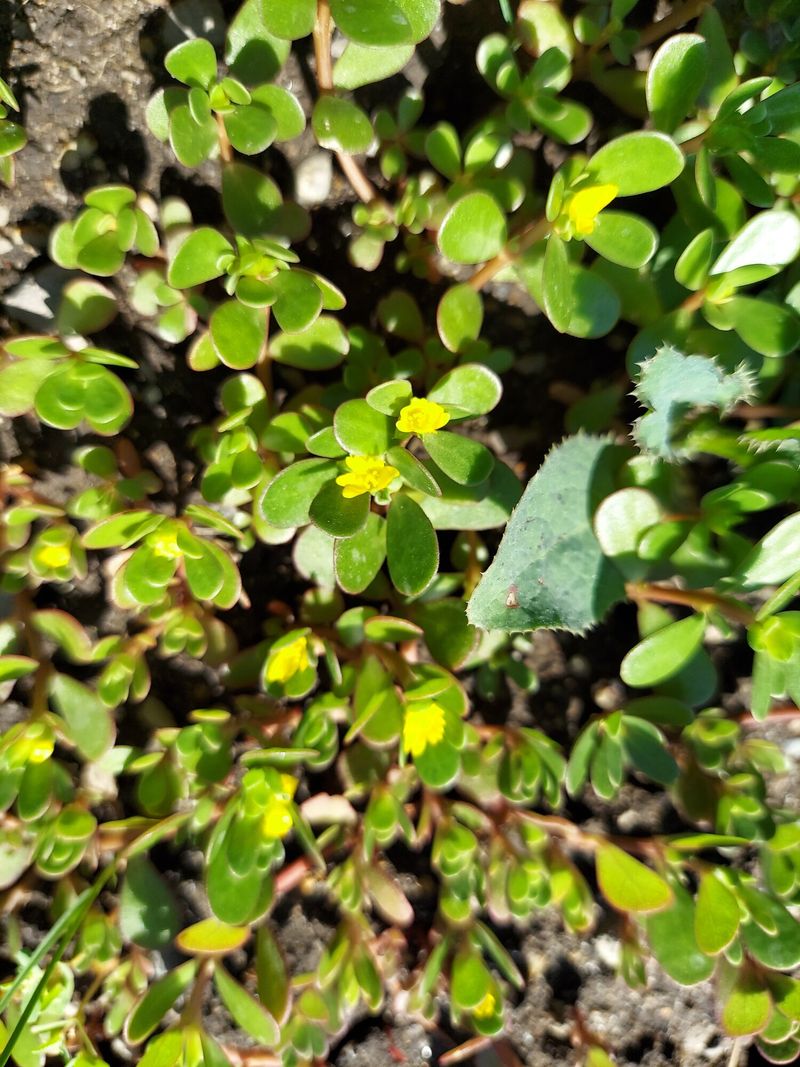
Purslane’s succulent leaves and tiny yellow flowers can be a charming addition to any garden. However, its robust nature allows it to spread rapidly, often overshadowing other plants.
This resilient plant thrives in poor soil conditions, making it a tough competitor for nutrients and space. Gardeners often struggle to keep Purslane in check, as it can quickly reclaim cleared areas.
Despite its beauty, Purslane’s aggressive growth habit necessitates careful management to prevent it from becoming a dominant force in your garden.
10. Crown Vetch (Securigera varia)

Crown Vetch’s delightful pink and white flowers might invite admiration, yet its capacity to spread is formidable. This plant can rapidly cover large areas, making it a challenging ground cover to control.
Its ability to fix nitrogen in the soil often gives it an advantage over other plants, allowing it to outcompete them for nutrients. Once established, it forms dense mats that can choke out native vegetation.
Garden enthusiasts must act vigilantly to manage Crown Vetch, as its rapid growth can easily turn it into an invasive adversary.
11. Yellow Archangel (Lamiastrum galeobdolon)
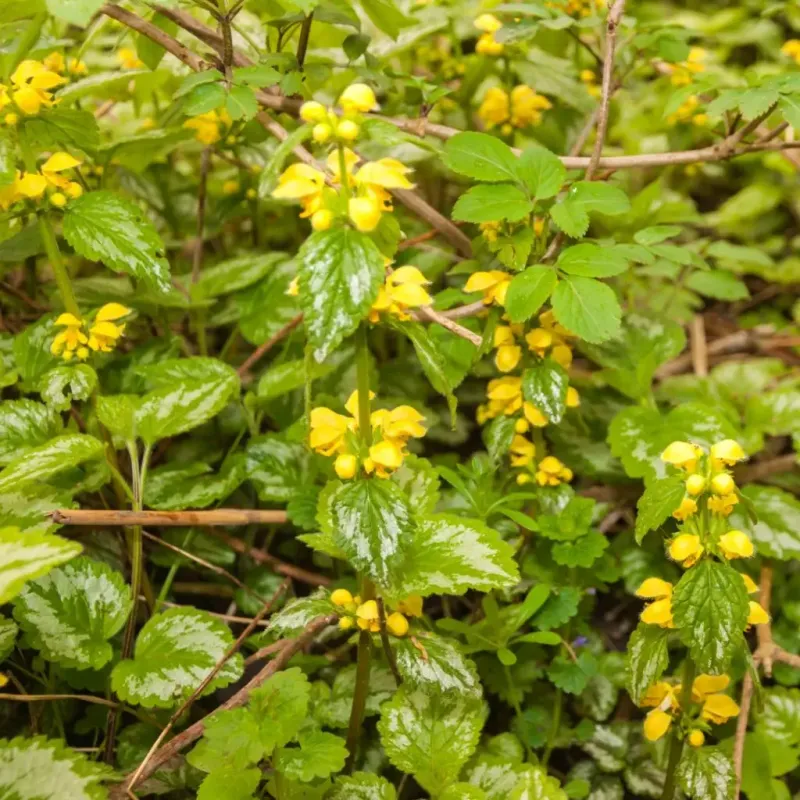
Yellow Archangel’s silvery variegated leaves and yellow flowers might appear enchanting, but its invasive nature is anything but. This plant quickly spreads through runners and seeds, taking over garden spaces.
Gardeners often find themselves caught off guard by its rapid expansion. Its ability to thrive in shaded areas makes it a persistent invader.
Controlling Yellow Archangel requires a proactive approach, as its spread can be relentless, overshadowing other plants in its path.
12. Wintercreeper (Euonymus fortunei)
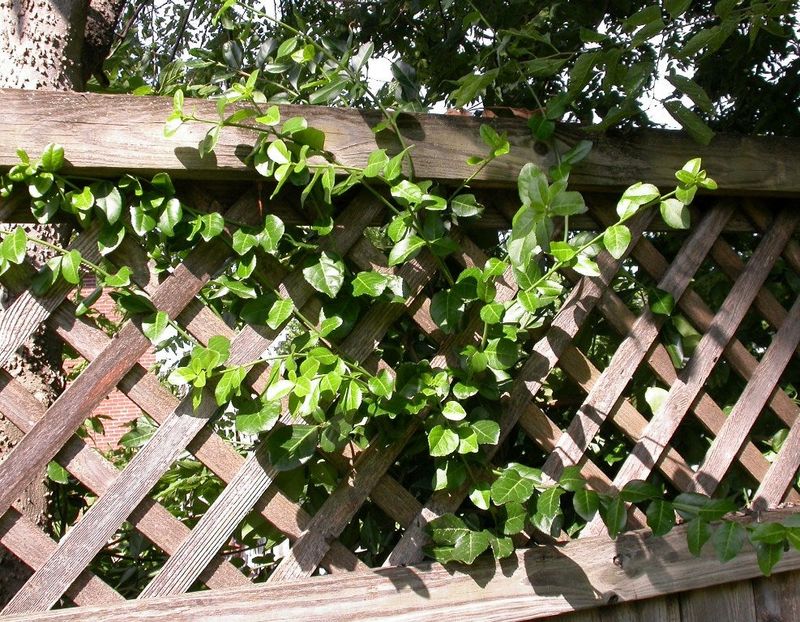
Wintercreeper is admired for its evergreen leaves that provide year-round color. Yet, its tenacious climbing ability can lead to trouble, as it overwhelms other plants and structures.
Its versatility allows it to grow in various conditions, making it a popular yet problematic choice for many gardens. Gardeners often face challenges in keeping this plant contained, as its aggressive nature can lead to extensive damage.
With careful management, Wintercreeper can still be enjoyed, but vigilance is key to preventing it from becoming a dominant presence in the garden.
13. Houttuynia (Houttuynia cordata)

Houttuynia, with its strikingly colorful leaves and fishy aroma, might initially intrigue gardeners. However, its ability to spread rapidly can lead to unforeseen challenges.
This plant thrives in damp areas, forming dense colonies that outcompete other vegetation. Its tenacity makes it hard to remove once established.
Gardeners must approach Houttuynia with caution, as its appealing appearance belies a formidable invader that requires constant attention to keep in check.
14. Bishop’s Weed (Aegopodium podagraria)
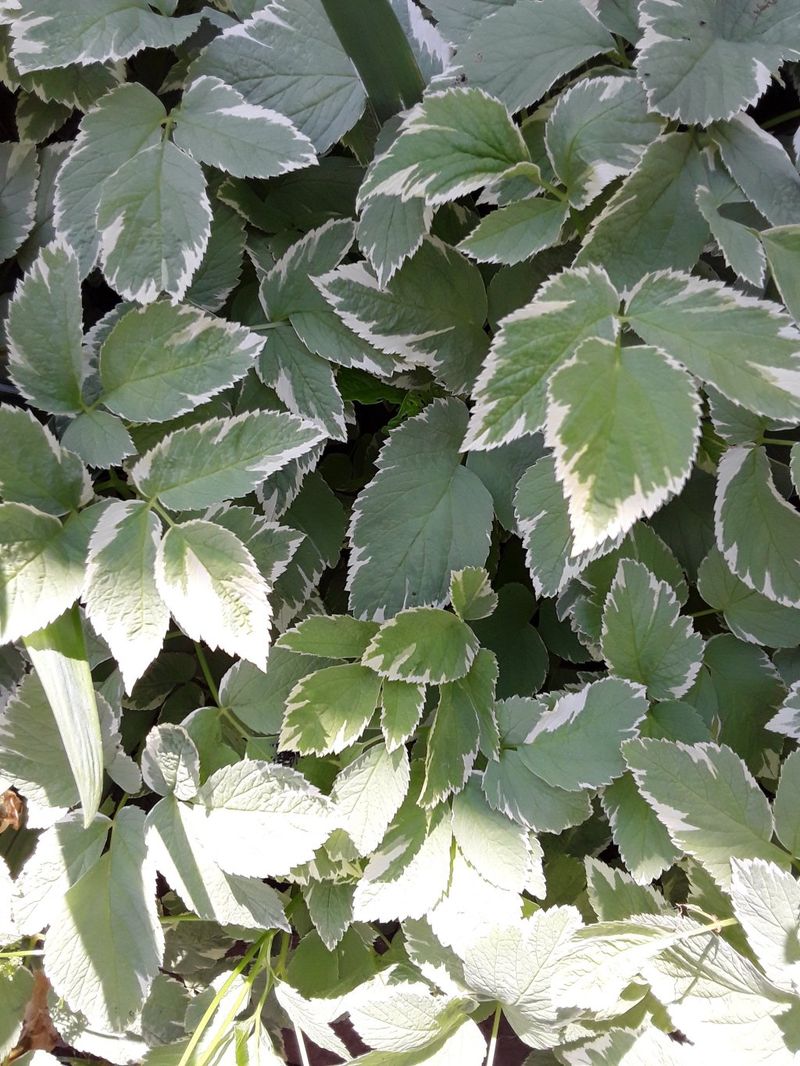
Bishop’s Weed’s variegated foliage can be appealing, yet its rapid spread can quickly become a gardener’s headache. Known for thriving in shady areas, it forms dense mats that can shade out other plants.
Despite its ornamental appeal, Bishop’s Weed’s aggressive growth can overshadow its benefits, requiring diligent control to prevent it from taking over.
Keeping this plant in check demands vigilance, as it can easily surpass other plants, turning a once vibrant garden into a monochrome landscape.
15. Ajuga (Ajuga reptans)
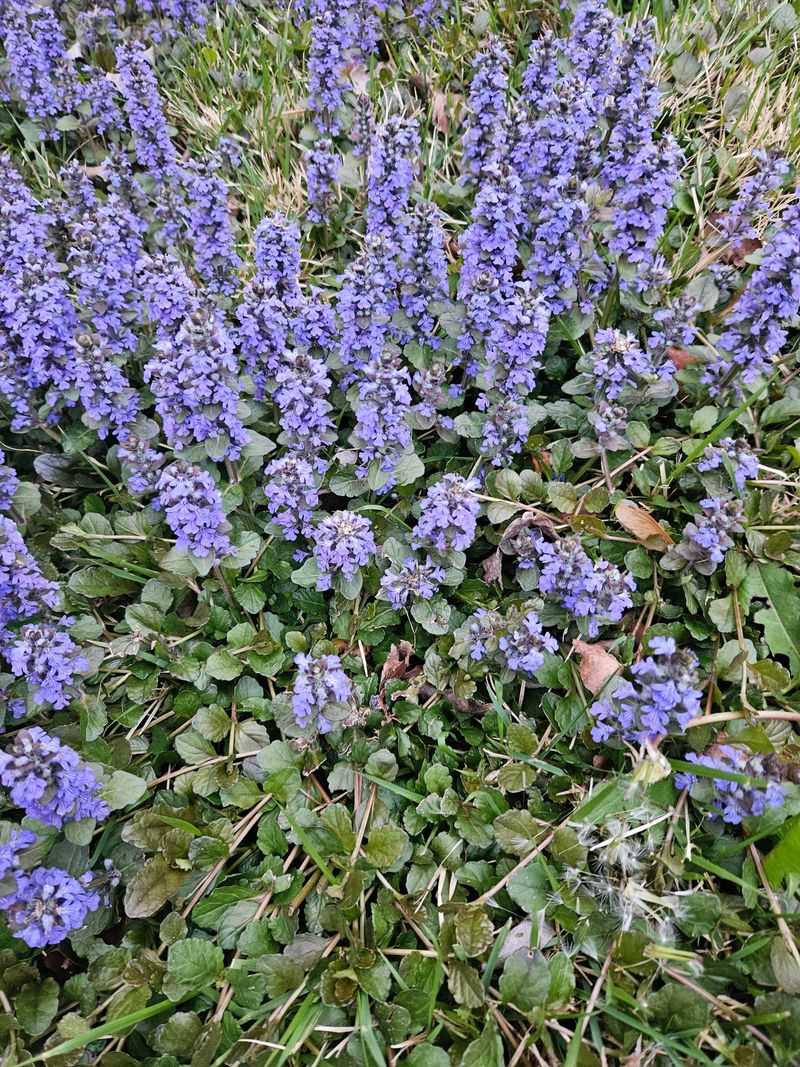
Ajuga, with its striking blue flower spikes, is often chosen for its beauty. However, its ability to spread through runners can lead to a garden takeover.
This plant’s low-growing nature allows it to form dense mats that can outcompete other vegetation, making it a formidable adversary for gardeners. Its rapid expansion often requires regular intervention to keep it under control.
Gardeners may find themselves captivated by Ajuga’s beauty, yet its aggressive growth habit demands careful monitoring to maintain balance in the garden.
16. Goutweed (Aegopodium podagraria)
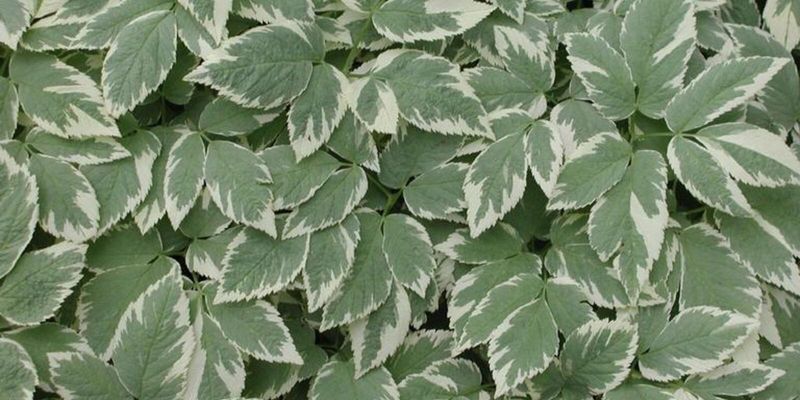
Goutweed’s lacy, variegated leaves might suggest an innocuous ground cover, but its rapid spread tells a different story. This plant thrives in shaded areas, forming dense mats that can outcompete other plants.
Gardeners are often surprised by its ability to take over garden spaces so quickly. Managing Goutweed requires consistent effort, as its tenacious nature can make it a persistent challenge.
With vigilance, this plant can be contained, yet its potential for aggressive spread makes it a formidable opponent for any gardener.