 Complete Gardening
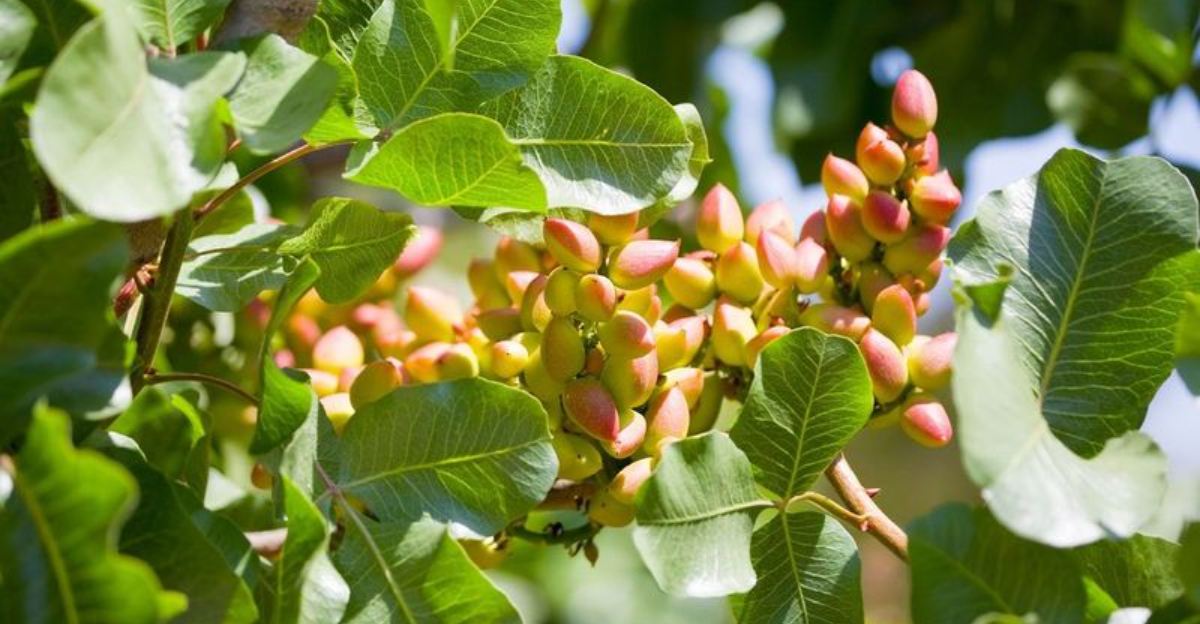
Growing pistachios at home can be a rewarding endeavor, but it comes with its own set of unique challenges.
From selecting the right climate to managing pests, each factor plays a crucial role in the successful cultivation of this nutty delight.
Here are ten common issues you might face in your home garden, along with tips to tackle them effectively.
1. Wrong Climate
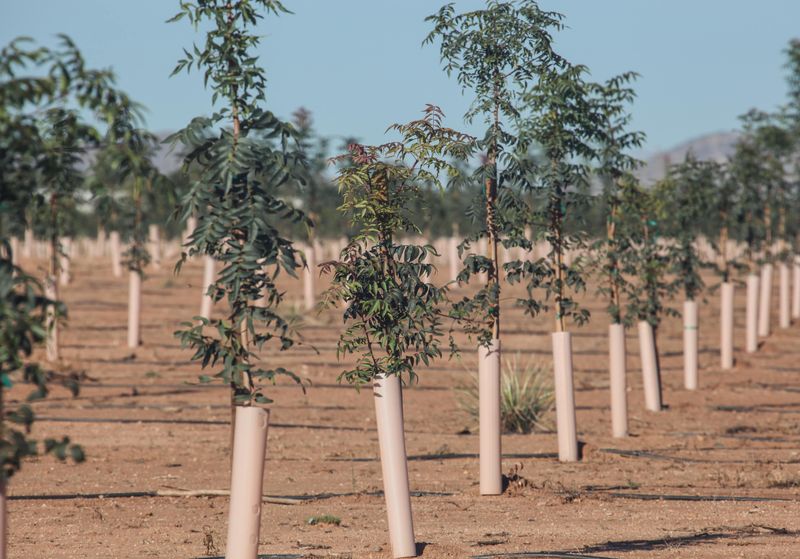
Pistachios are particular about their environment. They crave hot, arid summers and cool, temperate winters. Deviating from this can lead to less productive trees. For instance, in humid regions, the trees may catch diseases easily. If your garden isn’t in USDA zones 7–10, especially areas like California’s Central Valley, it might not support pistachios well. To give them a fighting chance, mimic their native conditions as much as possible, perhaps with greenhouses or controlled environments. Your climate choice is pivotal; understand it well before planting.
2. Poor Pollination
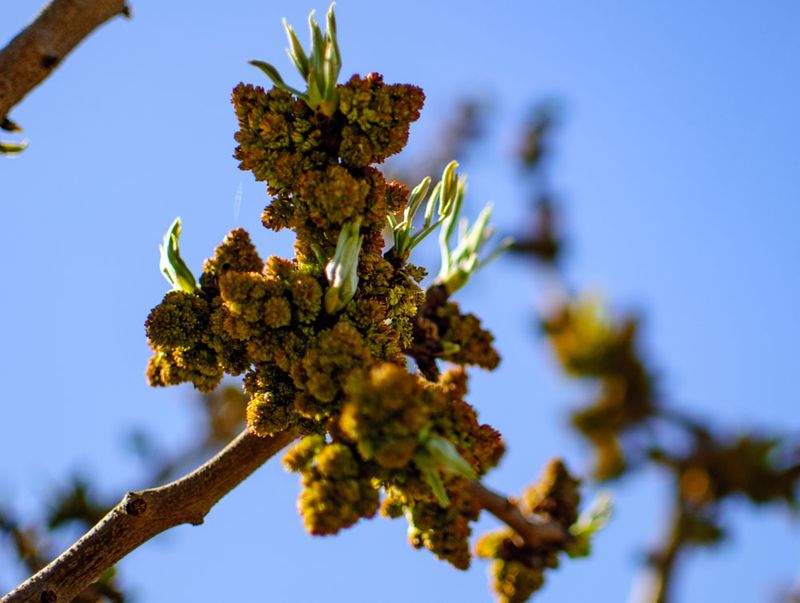
Did you know? Pistachios are dioecious, meaning they need both male and female trees to produce nuts. Inadequate pollination is a common hiccup in home gardens. Without a male tree, the females won’t bear fruit. Generally, one male tree for every 8–10 females is ideal. Ensure there’s enough wind flow to carry the pollen. Without nature’s help, even the healthiest trees might underperform. Consider planting in clusters to boost pollen transfer. This natural dance of life is essential for a bountiful harvest.
3. Overwatering
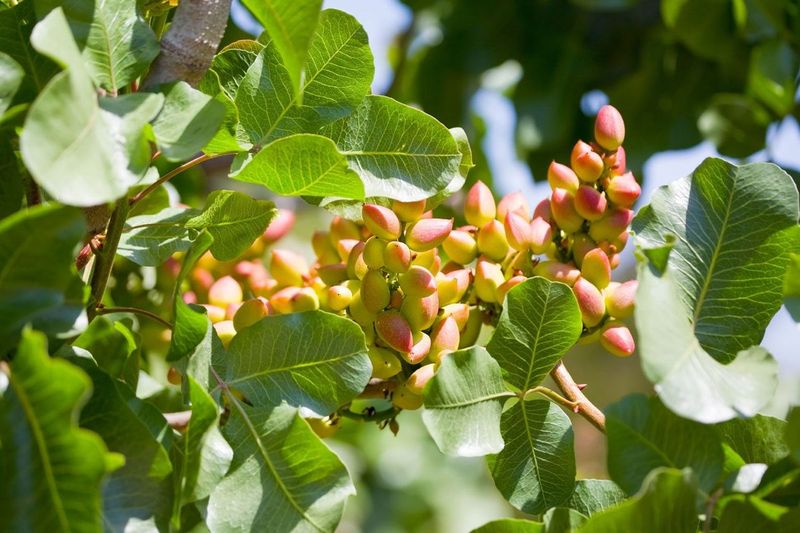
Roots drowning in water are pistachios’ worst nightmare. They prefer infrequent, deep watering rather than constant moisture. When their roots sit in soggy soil, they risk developing root rot, a dreaded disease. Opt for well-draining soil to ensure excess water escapes quickly. Allow the topsoil to dry completely before the next watering session. Imagine the roots gasping for air; that’s what happens when overwatered. Balance is key. By understanding their hydration needs, you protect them from potential overwatering dangers.
4. High Humidity or Rain
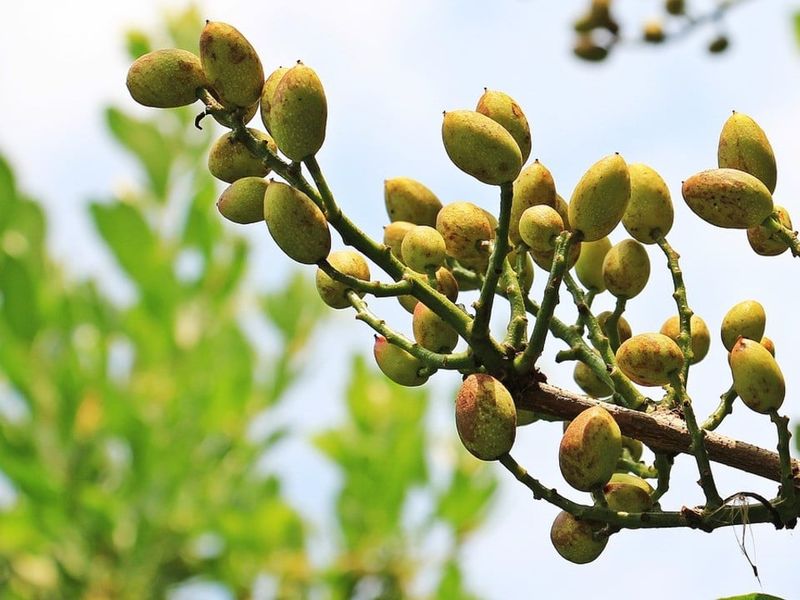
Humidity, the silent foe of pistachios, can be more damaging than visible pests. Excess moisture encourages fungal diseases, impacting nut development. If you live in a humid area, consider adjusting your planting strategy. Proper spacing and pruning can help circulate air around the tree, reducing moisture buildup. Additionally, avoid overhead watering that mimics rain exposure. The goal is to create a dry, breezy environment. It’s a delicate balance, but with care, your pistachio garden can thrive despite the odds.
5. Pistachio Psyllid or Other Pests
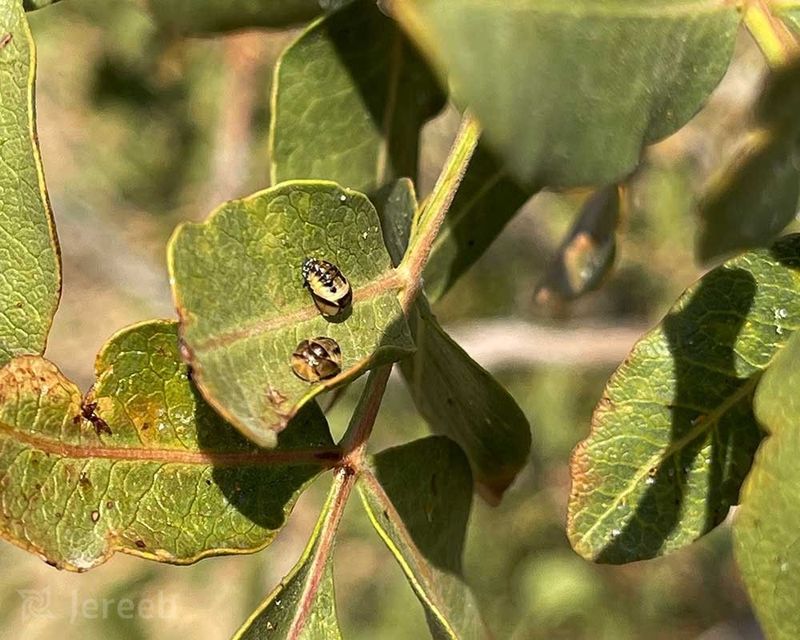
Tiny but mighty, pests like the pistachio psyllid feast on your trees, causing deformities and stunted growth. These sap-sucking insects can wreak havoc if not addressed promptly. Regular checks for infestations are essential. Use insecticidal soap or neem oil to deter these invaders. Pruning helps by reducing dense foliage, making it harder for pests to hide. In doing so, you not only protect your trees but also ensure their longevity. Vigilance is your best weapon against these persistent garden nuisances.
6. Alternaria Late Blight
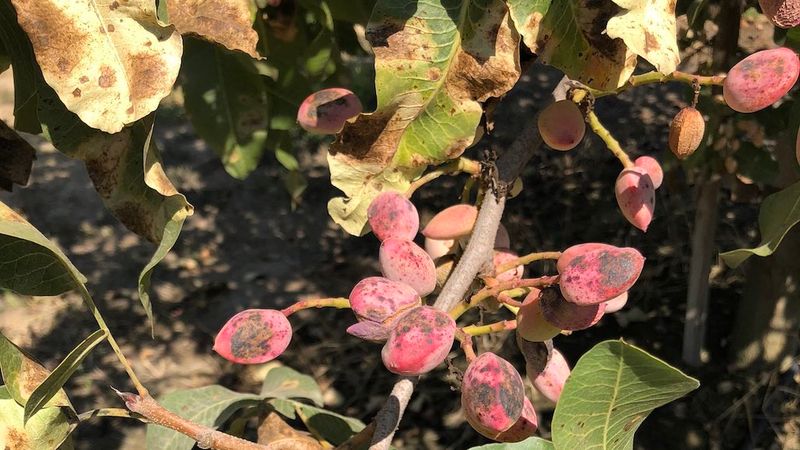
Alternaria late blight can be a gardener’s worst nightmare, leaving black spots on leaves and nuts. This fungal disease thrives in specific conditions, making prevention your first line of defense. Prioritize pruning, which improves airflow and reduces moisture. Avoid overhead watering to keep leaves dry. If blight appears, a fungicide might be necessary. Recognizing early symptoms can save your harvest. With careful monitoring, you can prevent this blight from haunting your garden. Awareness and proactive care keep this menace at bay.
7. Empty or Closed Shells
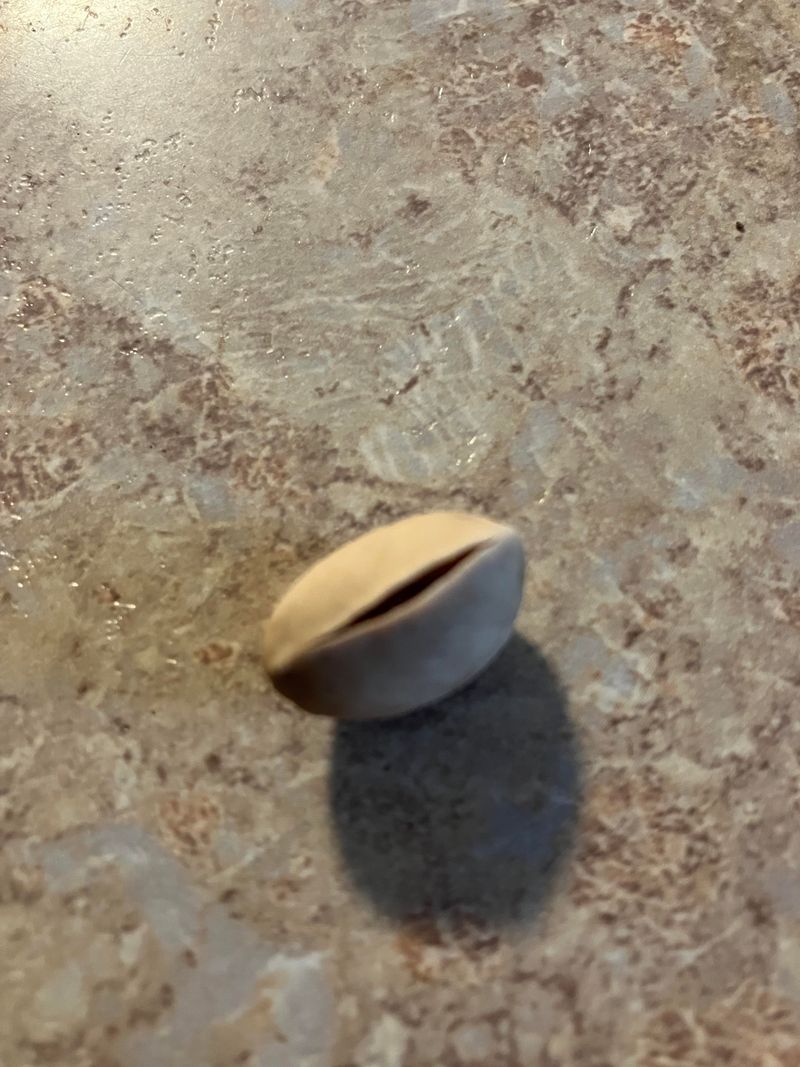
Ever cracked open a pistachio shell only to find it empty? Poor pollination or inconsistent watering during nut development usually causes this disappointment. Ensuring that male trees are well pollinated is crucial. Additionally, consistent watering practices help in proper nut formation. If your garden faces this issue, double-check the pollinator ratios and irrigation methods. Sometimes, what seems like a minor oversight can greatly impact the nut’s development. Addressing these concerns can lead to a more fruitful harvest.
8. Slow Growth or No Nuts
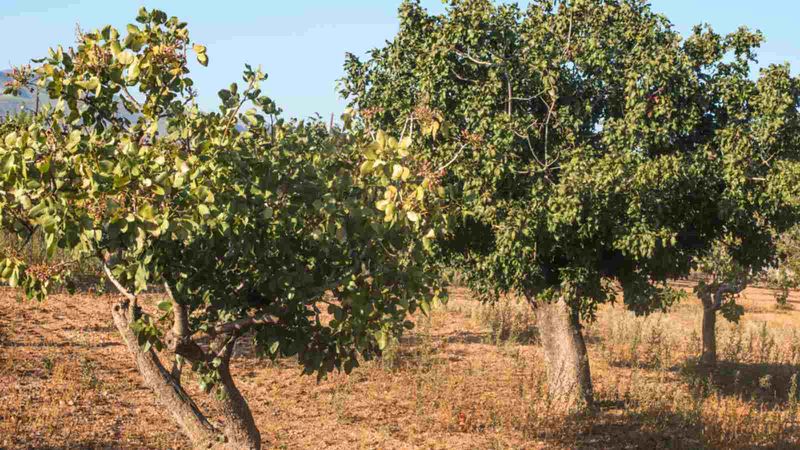
Patience is paramount in pistachio gardening. These trees are notoriously slow growers, often taking 5–7 years to mature and bear nuts. If your young tree seems sluggish, fret not. Assess its overall health, ensuring it receives proper nutrients and care. Pruning can guide its growth trajectory. Sometimes, a little patience and perseverance are all it takes for these stubborn trees. Remember, in gardening, time and effort yield the sweetest rewards. Nurture your tree, and it will eventually repay your dedication.
9. Yellowing Leaves (Chlorosis)
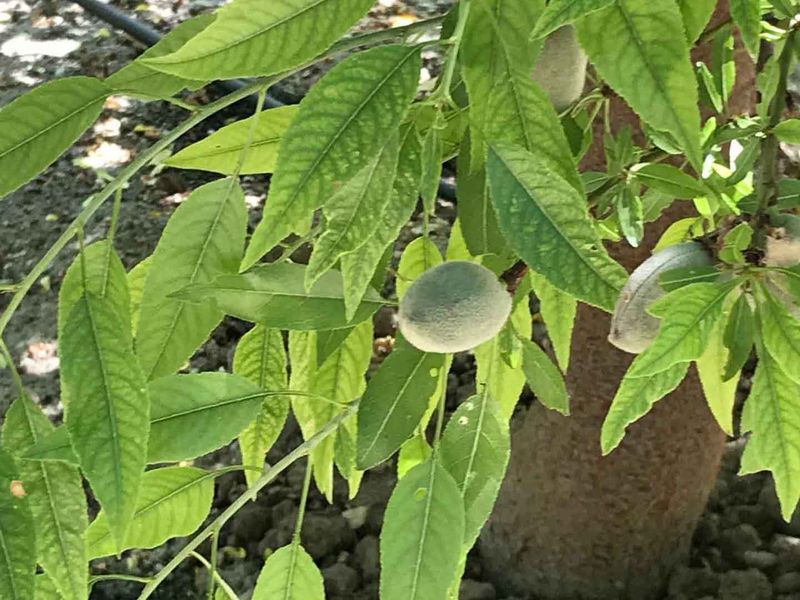
Chlorosis, marked by yellowing leaves, signals an underlying issue in pistachios. Often, it’s due to an iron or zinc deficiency in alkaline soils. Chelated micronutrient sprays can rectify this problem, making nutrients more accessible. Alternatively, soil acidifiers can adjust the pH level, improving nutrient uptake. It’s vital to address these deficiencies promptly, as prolonged chlorosis can weaken the tree. A keen eye and timely intervention ensure robust growth. Remember, healthy leaves are the first sign of a thriving pistachio garden.
10. Sunscald or Frost Damage
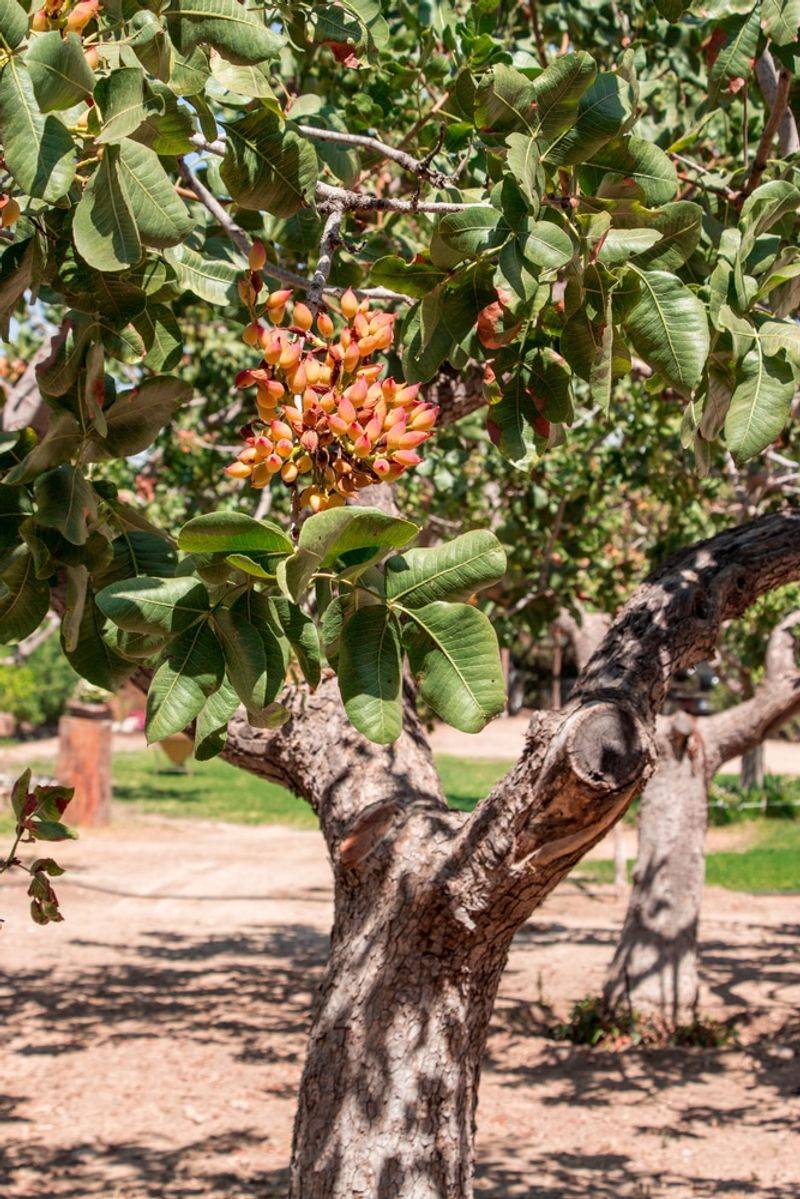
The elements can be harsh, and pistachios aren’t exempt from their wrath. Sunscald, caused by intense sunlight, or frost damage can crack the tree’s bark. While the sun can be relentless, frost poses an equally significant threat. Protect young trees by wrapping trunks or applying tree paint. In colder regions, covering trees during frosty nights can prevent damage. These protective measures shield your tree, allowing it to flourish despite climatic challenges. Embrace these practices, and your garden can weather any storm.