 Complete Gardening
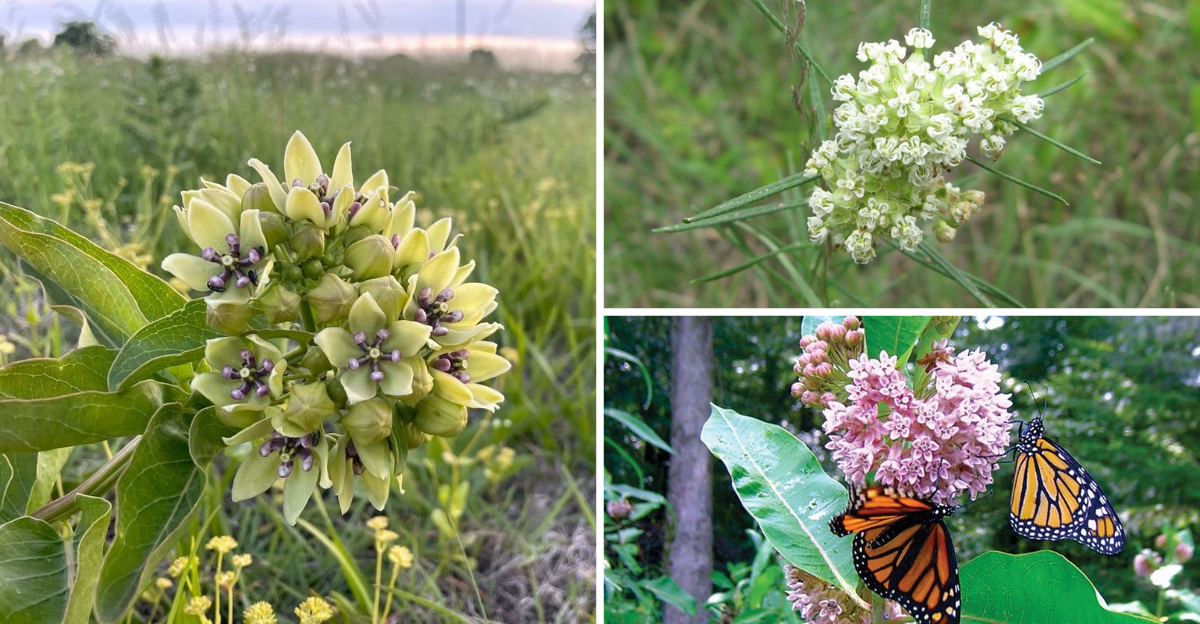
Milkweed plants are a vital component of the ecosystem, particularly for butterflies, providing them with food and habitat. By planting these 19 distinct milkweed varieties near your door, you invite a colorful parade of butterflies to grace your garden. Each variety has its own charm and allure, contributing uniquely to the environment and offering an aesthetic appeal that is both vibrant and captivating.
1. Common Milkweed
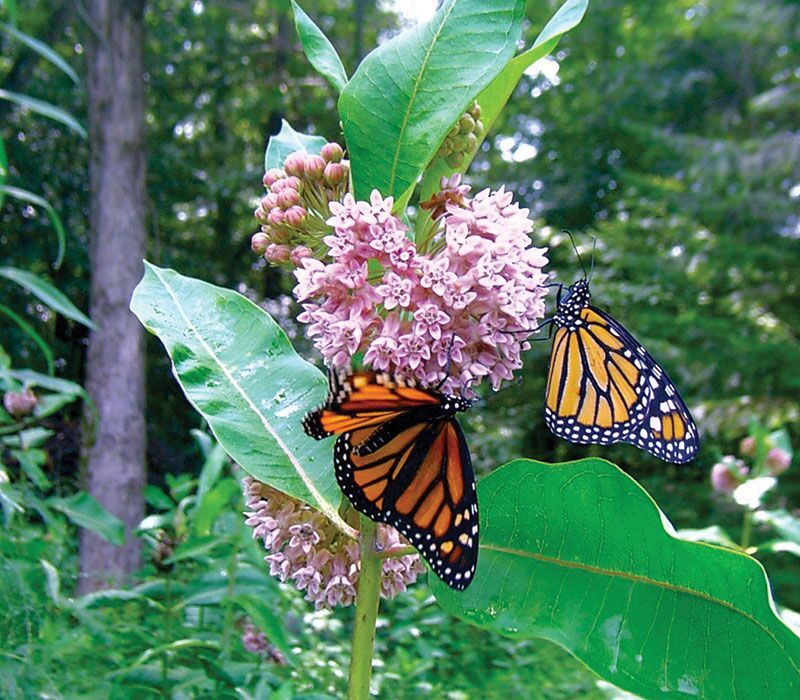
Common Milkweed is a staple in any butterfly garden, known for its robust nature and large, fragrant, pink blooms. Its tall, stately appearance adds height to garden compositions. This variety is a favorite among monarch butterflies, providing crucial sustenance during their lifecycle. It’s easy-growing and hardy, thriving in various soil types.
Did you know? Thomas Edison once studied Common Milkweed as a potential source of rubber during shortages in World War I, highlighting its diverse utility.
2. Swamp Milkweed
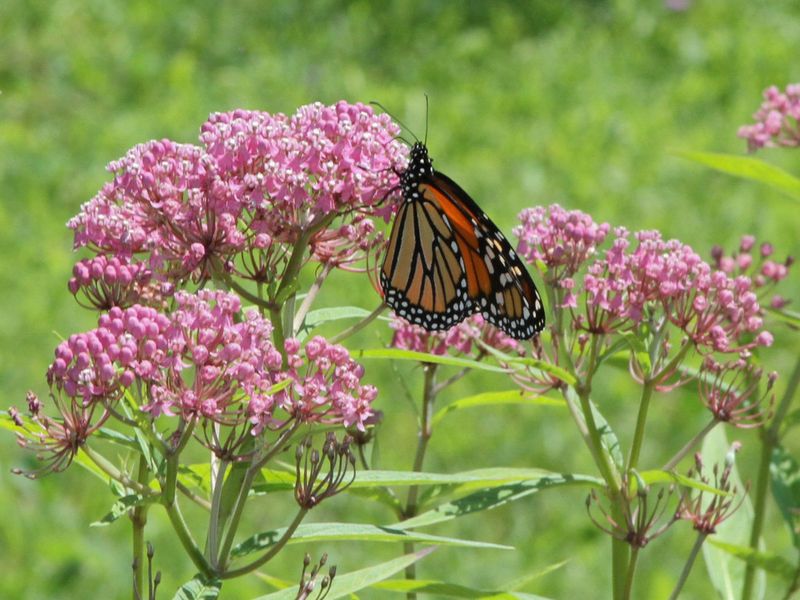
Swamp Milkweed, true to its name, flourishes in moist environments, attracting an array of butterfly species. Its pink flowers are not only beautiful but also emit a sweet fragrance that draws pollinators from afar. Perfectly suited for rain gardens, this milkweed can transform an ordinary area into a vibrant habitat.
Gardens featuring Swamp Milkweed often find themselves visited by not just butterflies, but also hummingbirds, adding a dynamic energy to the landscape.
3. Butterfly Weed
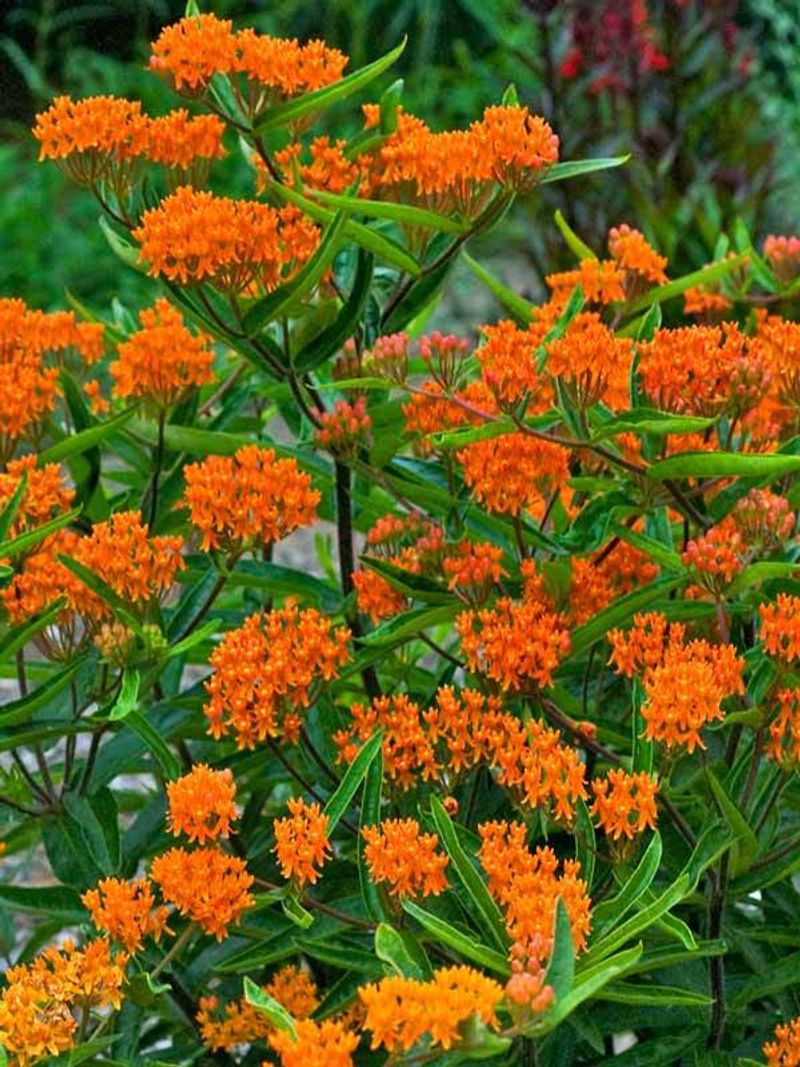
Butterfly Weed captivates with its vivid orange clusters that are impossible to ignore. Once established, this plant is drought-tolerant, making it a resilient choice for sunny spots. Its nectar-rich blooms are a magnet for butterflies, offering both nutrition and beauty.
Butterfly Weed is unique for its medicinal qualities, historically used by Native Americans to treat lung conditions, showcasing its multifaceted nature. Its vibrant presence in any garden is sure to make a statement.
4. Showy Milkweed
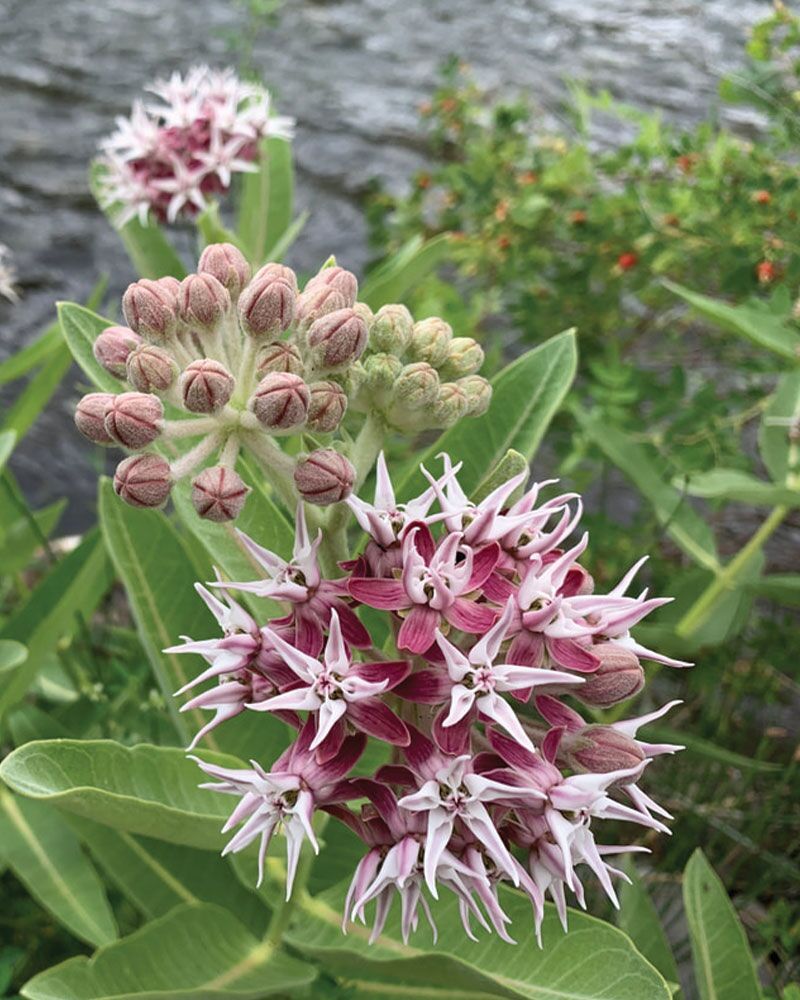
Showy Milkweed lives up to its name with eye-catching flower clusters that resemble pinkish-purple pom-poms. This variety prefers dry, well-drained soils, making it an excellent choice for xeriscaping. It’s a favorite among monarchs, contributing to their survival with every bloom.
Interestingly, Showy Milkweed was historically utilized by Native Americans for its fibers, which were used in making ropes and nets, adding a layer of cultural significance to its botanical appeal.
5. Tropical Milkweed
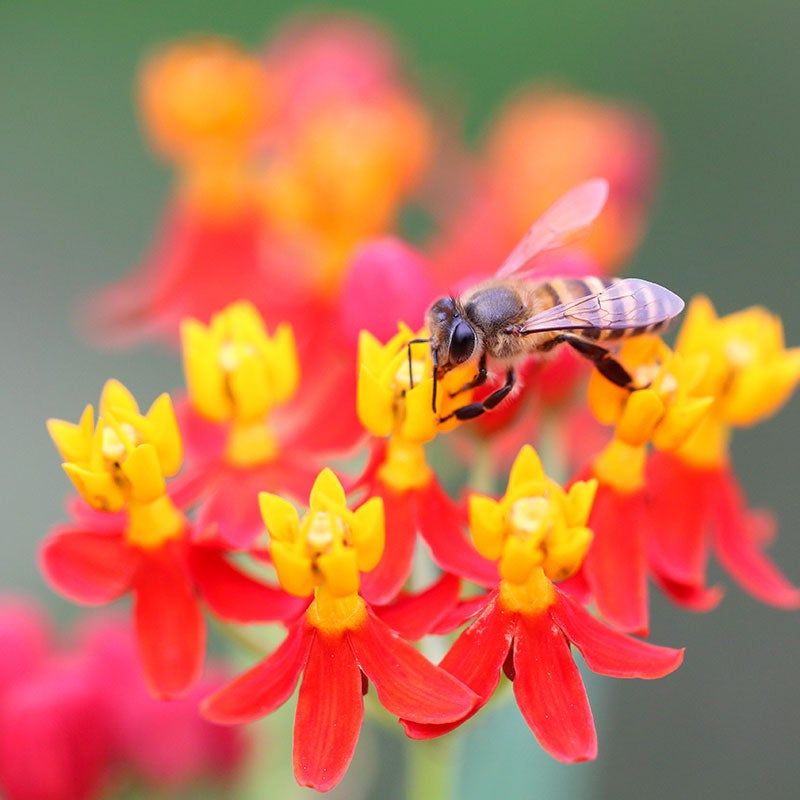
Tropical Milkweed stands out with its stunning red and yellow flowers, bringing a touch of the exotic to gardens. While it’s a favorite among butterfly enthusiasts, it requires careful management to prevent disruption of monarch migration patterns.
This milkweed is not native but has been embraced for its ornamental beauty and ability to support local butterfly populations. Its presence in the garden acts as an alluring beacon for various pollinators.
6. Purple Milkweed
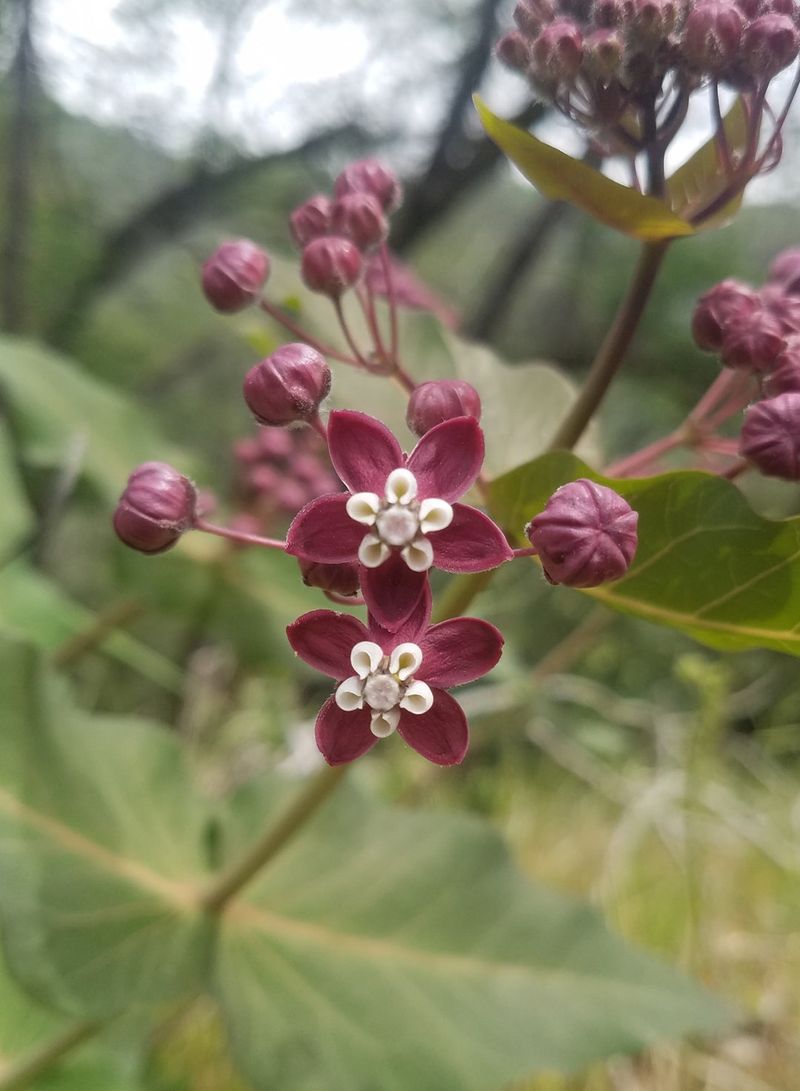
Purple Milkweed offers a regal touch with its deep violet blooms that stand out in any setting. This milkweed prefers partial shade and moist soil, making it a versatile choice for diverse garden environments. Its unique coloration makes it a popular selection among gardeners looking to add depth and interest to their plantings.
Beyond its beauty, Purple Milkweed plays an essential role in supporting various butterfly species, including the iconic monarch.
7. Mexican Whorled Milkweed
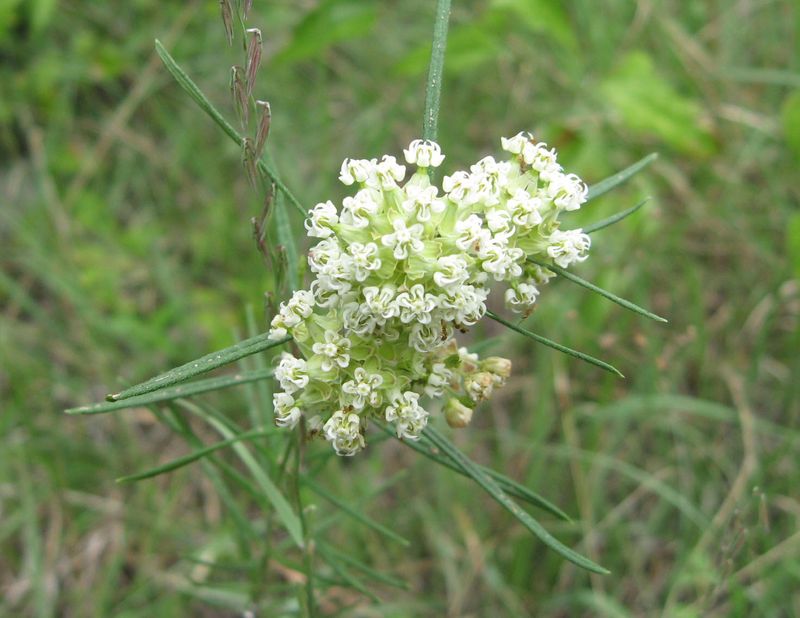
Mexican Whorled Milkweed is known for its delicate white flowers and slender, whorled leaves, creating an elegant yet understated aesthetic in gardens. It’s particularly suited to dry, arid conditions, thriving where many other plants cannot.
Its subtle appearance belies its importance as a host plant for monarch caterpillars, providing essential resources for their growth and development. This milkweed adds diversity and resilience to butterfly-friendly landscapes.
8. Green Milkweed
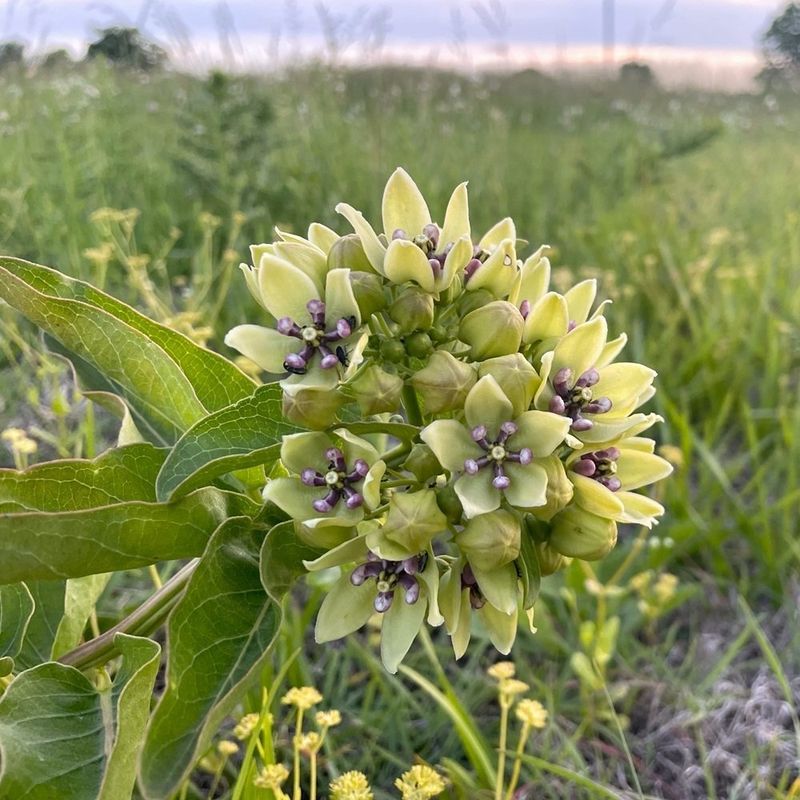
Green Milkweed, though less flashy, offers a unique charm with its understated green blooms that blend seamlessly with natural landscapes. This variety is drought-resistant and well-suited for prairie or meadow plantings, where it supports a wide range of pollinators.
Its presence in the garden underscores the importance of subtlety in plant design, offering a calming presence that complements more vibrant flora.
9. White Milkweed
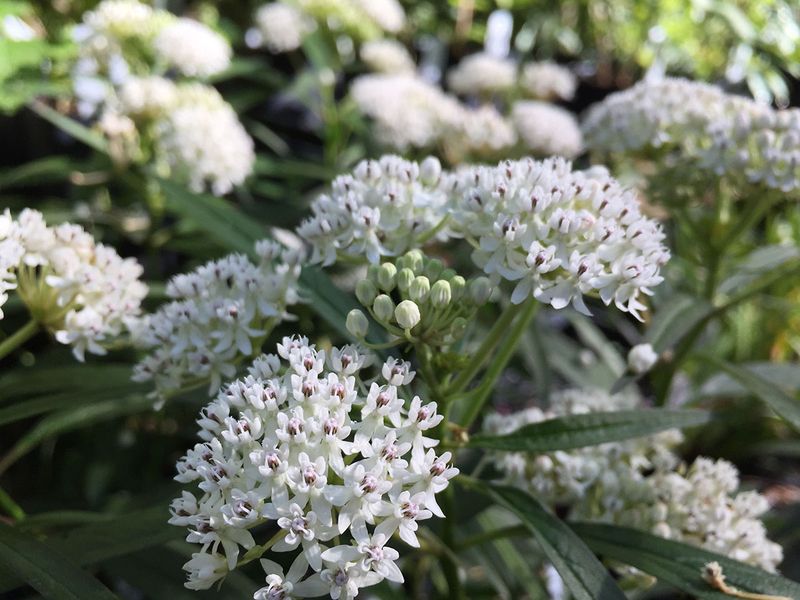
White Milkweed brings a sense of purity and tranquility with its delicate white flowers. Perfect for shaded woodland gardens, this variety thrives in rich, loamy soils. It’s an excellent choice for those looking to add a touch of elegance to their butterfly garden.
While it may not be as flamboyant as other milkweeds, its quiet beauty offers a serene backdrop for butterfly activity, emphasizing the subtle interplay between flora and fauna.
10. Hairy Balls Milkweed
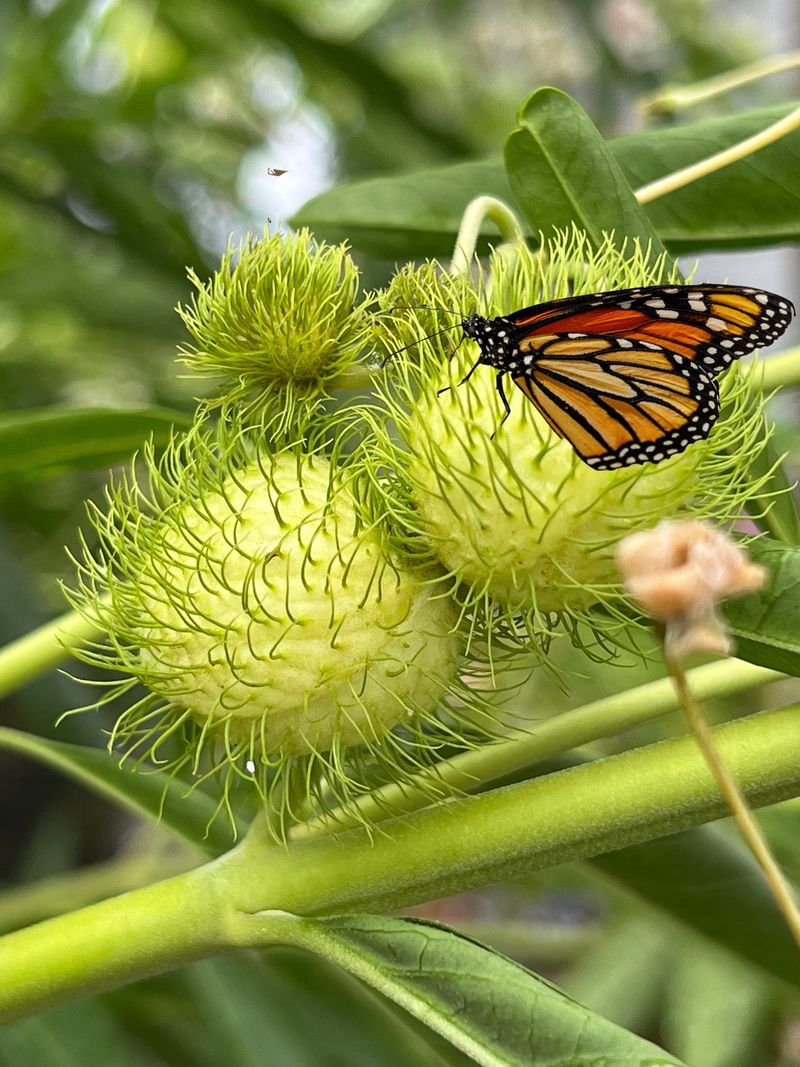
Hairy Balls Milkweed, with its quirky name and even quirkier appearance, adds an element of surprise to gardens. Its spherical green pods are a conversation starter, drawing interest from humans and butterflies alike. This plant thrives in sunny spots and is remarkably easy to grow.
Besides its ornamental appeal, it plays an important role in the life cycle of monarch butterflies, offering necessary sustenance to caterpillars. Its distinctive look makes it a memorable addition to any butterfly-friendly landscape.
11. Pinewoods Milkweed
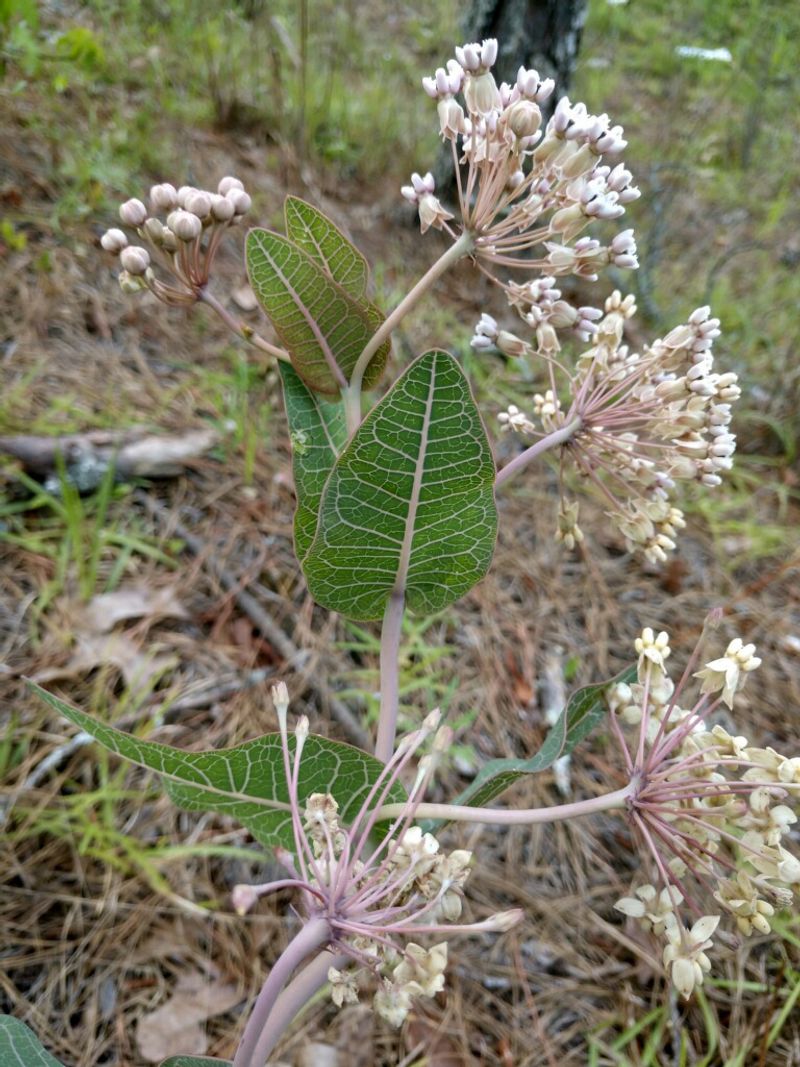
Pinewoods Milkweed is a subtle yet striking variety, known for its delicate white flowers that bloom amidst wooded areas. This milkweed thrives in sandy soils, often found in pine forests, hence its name. Its understated elegance is a magnet for butterflies, who rely on its flowers for nectar.
Adding Pinewoods Milkweed to your garden introduces a touch of natural grace, harmonizing beautifully with other native woodland plants.
12. Antelope Horns Milkweed
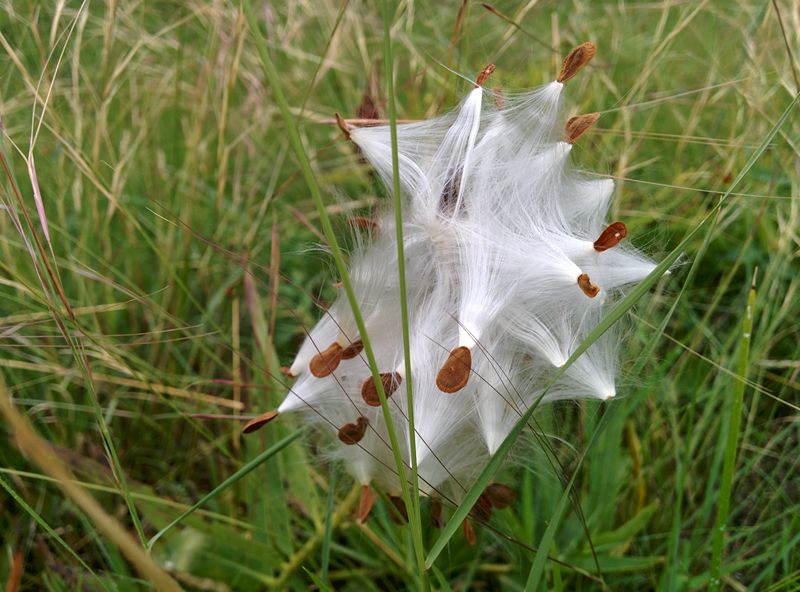
Antelope Horns Milkweed earns its name from the unique shape of its seed pods, resembling the horns of an antelope. This fascinating plant is well-suited to open prairies and grasslands, where it supports an array of pollinators, including monarch butterflies.
Its intriguing form adds texture and interest to naturalized gardens, making it a favorite among those looking to blend beauty with ecological function.
13. Woollypod Milkweed
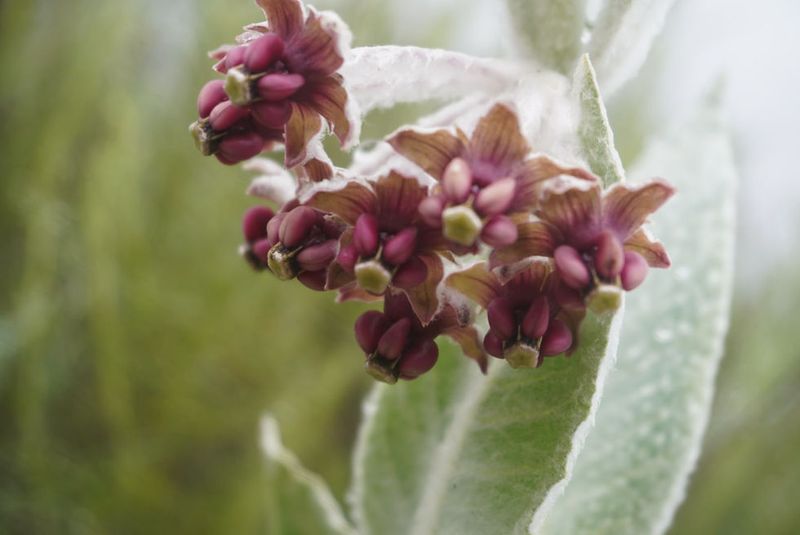
Woollypod Milkweed is notable for its soft, hairy seed pods that add a tactile element to gardens. This variety thrives in sunny, well-drained locations, where its pale pink flowers attract a host of butterfly species.
Its unique texture and appearance make it a standout choice for gardeners aiming to create a diverse and engaging landscape. Woollypod Milkweed not only supports butterfly populations but also enriches the sensory experience of any garden space.
14. Sandhill Milkweed
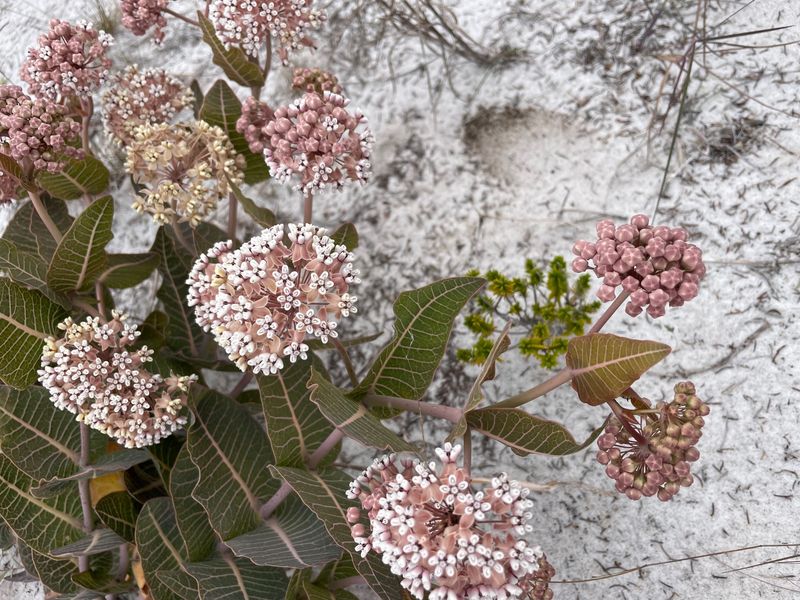
Sandhill Milkweed is adapted to sandy, well-drained soils, often found in rugged landscapes. Its creamy white flowers offer a subtle yet captivating appeal, attracting butterflies and other pollinators. This milkweed is perfect for gardeners looking to cultivate a resilient and drought-tolerant garden.
Its adaptability makes it a versatile addition to various environments, providing both ecological benefits and aesthetic charm.
15. Whorled Milkweed
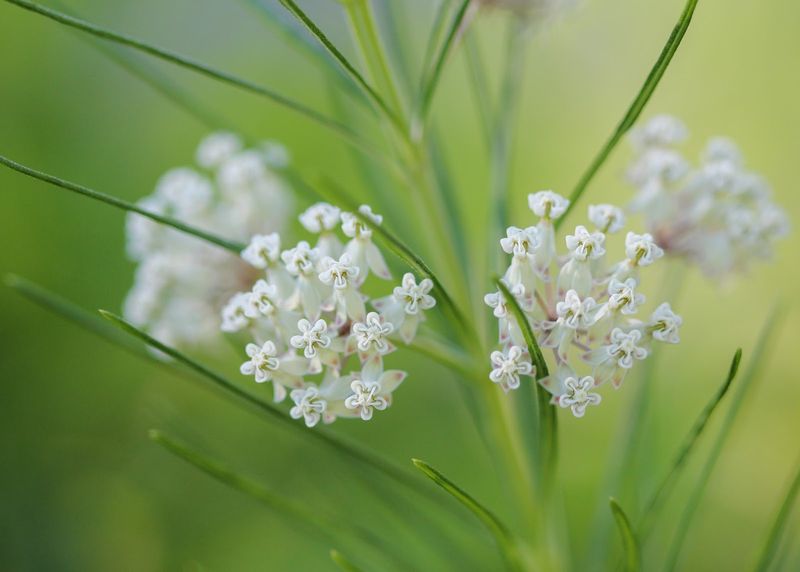
Whorled Milkweed, with its slender leaves and small white flowers, creates a delicate, airy presence in gardens. This variety is ideal for prairie plantings, where it naturally integrates into the landscape. Its understated beauty provides a gentle contrast to more robust flora.
Whorled Milkweed is an essential host plant for monarch caterpillars, playing a vital role in their development and contributing to butterfly conservation efforts.
16. Climbing Milkweed
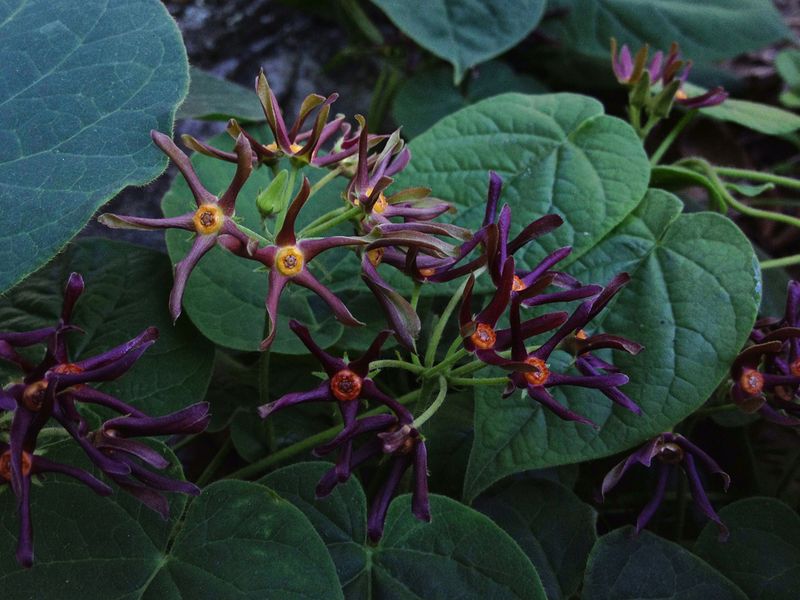
Climbing Milkweed offers a unique vertical element, winding its way up trellises or fences with ease. Its small, greenish flowers may not be showy, but they are highly attractive to butterflies and other pollinators. This plant adds dimension and interest to garden designs, making use of vertical space.
As a versatile climber, it provides essential habitat and resources for various butterfly species, enhancing both the ecological and visual dynamics of a garden.
17. Tall Green Milkweed
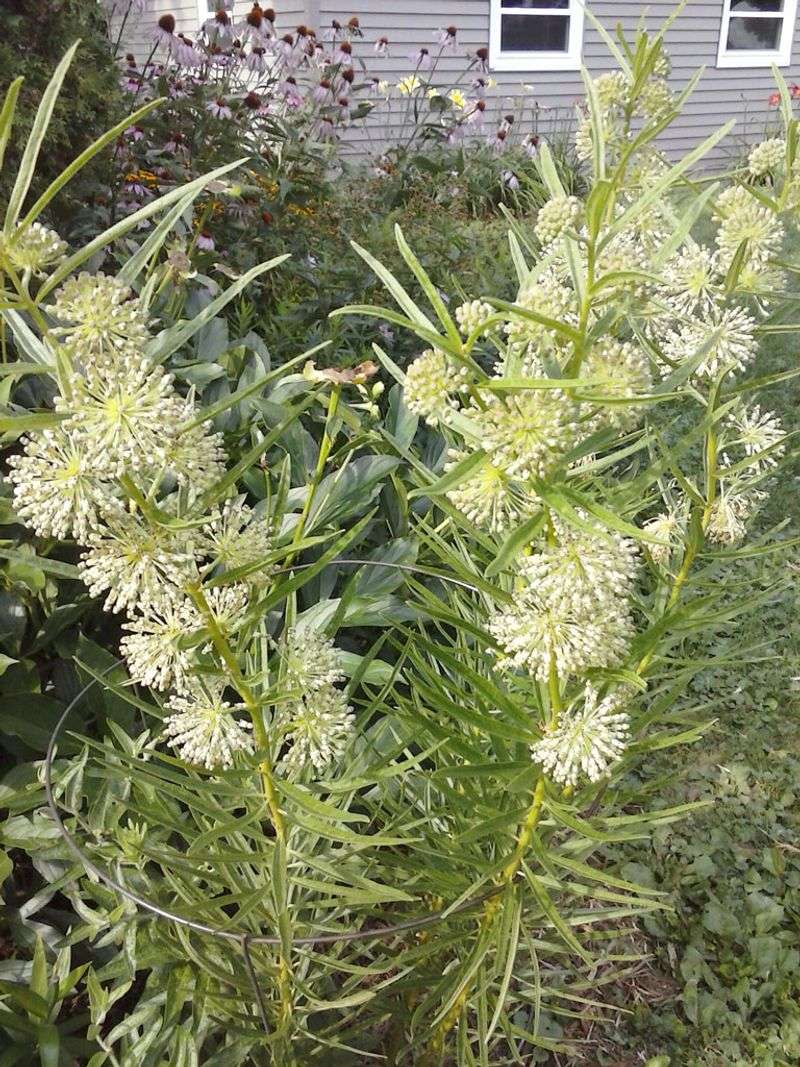
Tall Green Milkweed towers above many other garden plants, offering a stately presence with its upright stems and greenish flowers. This variety thrives in moist, sunny areas, providing essential nectar for butterflies and other pollinators. Its height adds architectural interest to any garden setting.
Beyond its ecological benefits, Tall Green Milkweed contributes to the visual tapestry of a garden, seamlessly blending function with form.
18. Prairie Milkweed
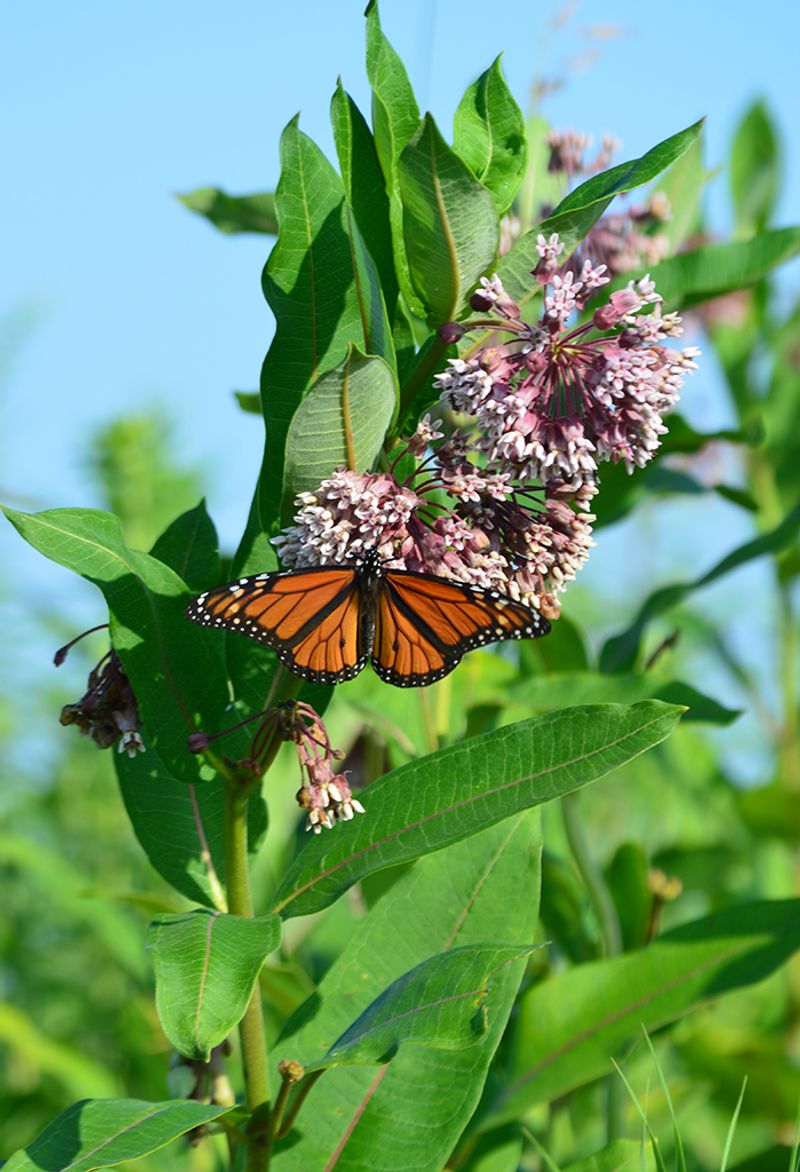
Prairie Milkweed is native to open grasslands, where its soft pink flowers draw the attention of butterflies. This hardy plant is well-adapted to dry conditions, making it a perfect choice for low-maintenance gardens. Its delicate blooms provide a gentle contrast to the ruggedness of prairie landscapes.
In addition to supporting butterfly populations, Prairie Milkweed helps maintain the biodiversity of natural environments, offering both ecological and aesthetic value.
19. Dwarf Red Milkweed
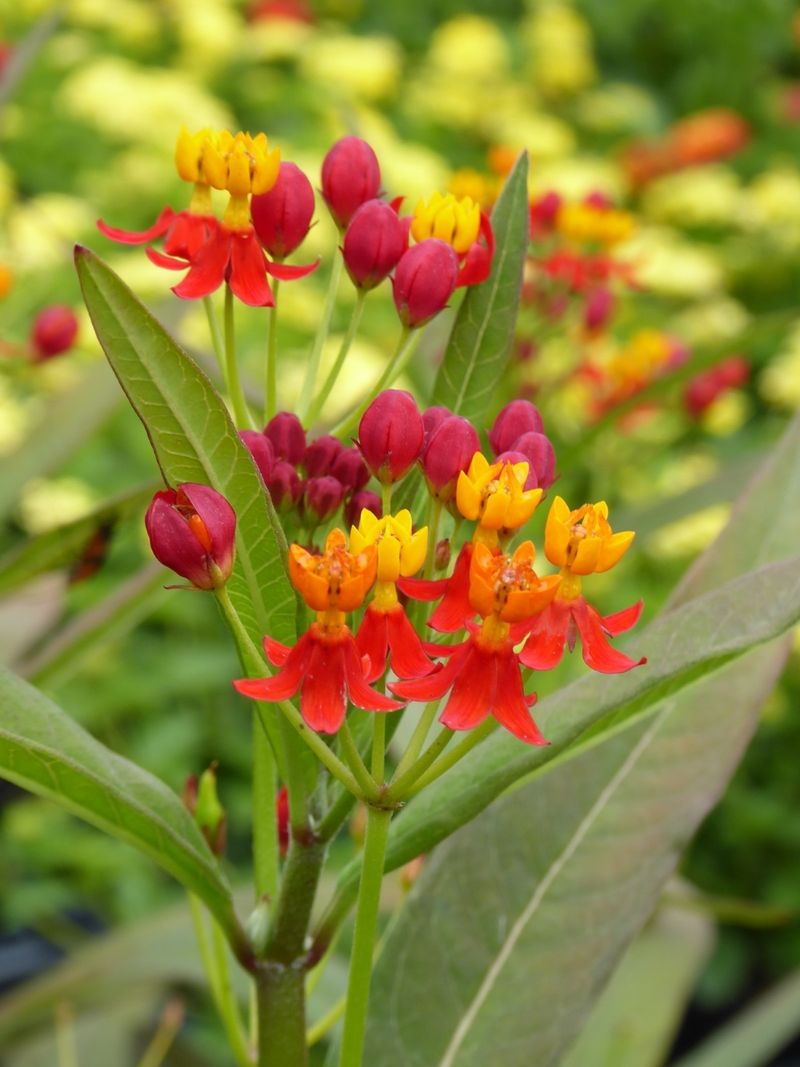
With its striking red blooms, the Dwarf Red Milkweed stands out as a vibrant addition to any garden. This variety, known scientifically as Asclepias rubra, thrives in moist environments, making it perfect for rain gardens or near water features. Its compact size ensures it won’t overshadow nearby plants, while still attracting numerous butterfly species.
Its adaptability allows it to flourish in different climates, providing a consistent food source for pollinators. Beyond its ecological benefits, the Dwarf Red Milkweed adds a splash of color from early summer into fall, offering prolonged visual appeal.
Did you know? Native to the southeastern United States, this plant is a crucial component of wetland restoration projects, aiding in conservation efforts and biodiversity enhancement.