 Complete Gardening
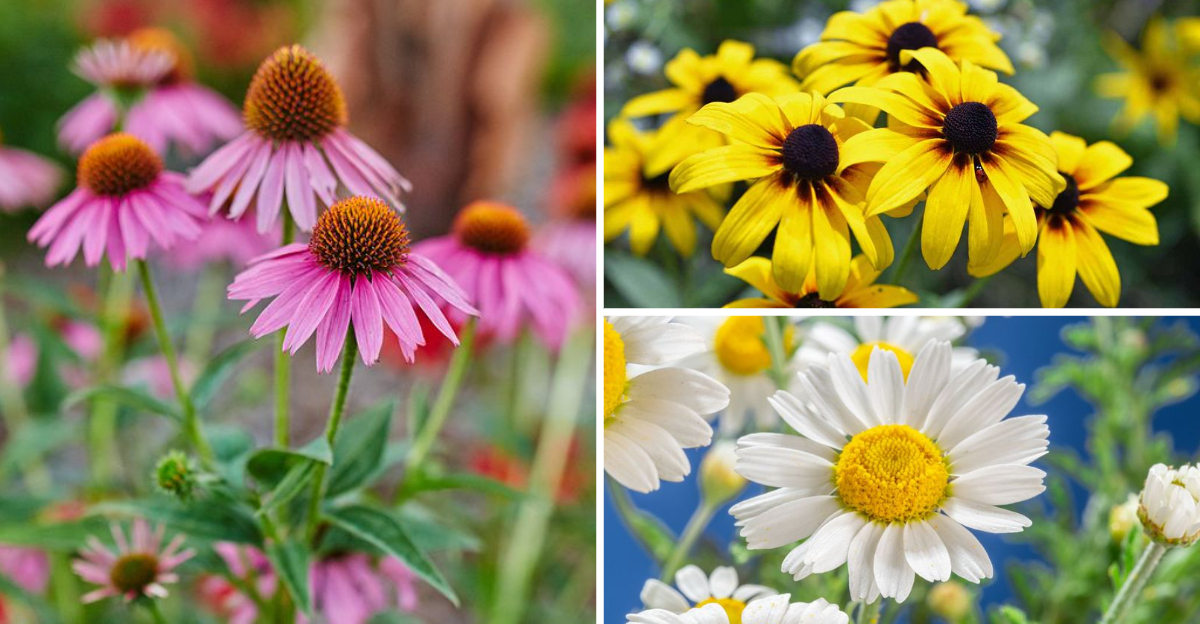
Perennials are a gardener’s best friend. They return each year, bringing color, texture, and form to your garden. Planting them now ensures you have a head start for more vibrant blooms next year. Here are 25 perennial plants you should consider planting right now to enjoy a flourishing garden in the upcoming seasons. Each of these plants has its unique charm and growing conditions, ensuring diversity and beauty in any landscape.
1. Echinacea
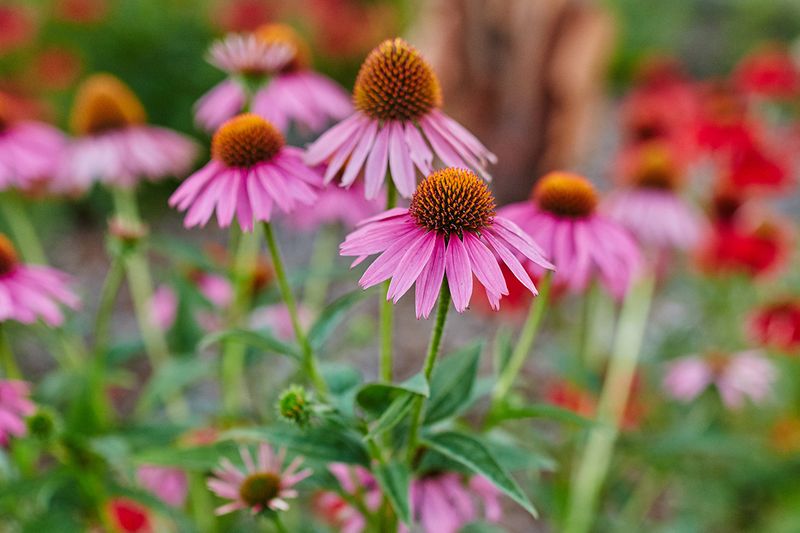
Echinacea, also known as coneflower, is a garden staple renowned for its daisy-like flowers and medicinal properties. Starting with its captivating appearance, the bold petals and central cone attract butterflies, adding life to any garden. Furthermore, Echinacea is drought-tolerant, making it a resilient choice for various climates.
Historically, Native Americans used it for its healing abilities. Today, it’s celebrated not only for its natural beauty but also for its role in herbal remedies. Plant it in sunny spots for blooms that will return year after year, each summer bringing more vibrancy.
2. Lavender
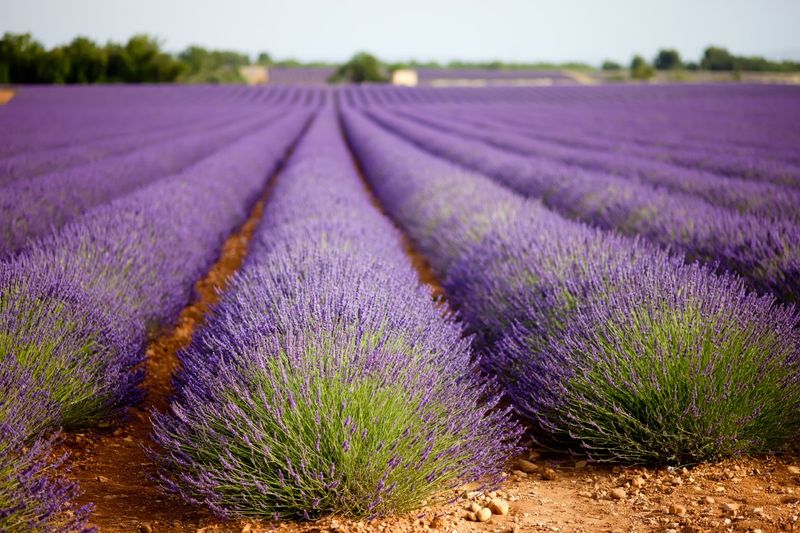
Lavender’s fragrant blooms are a sensory delight. Known for its calming scent, this perennial is perfect for creating a peaceful garden atmosphere. Plant it along walkways or in containers to enjoy its aromatic presence throughout the growing season.
Its silvery foliage and purple flowers are not only visually appealing but also attract beneficial pollinators. Historically, lavender has been used in perfumes and for its soothing properties in aromatherapy. Grow lavender in well-drained soil and full sun for thriving plants that offer a touch of Provence to your garden.
3. Hosta
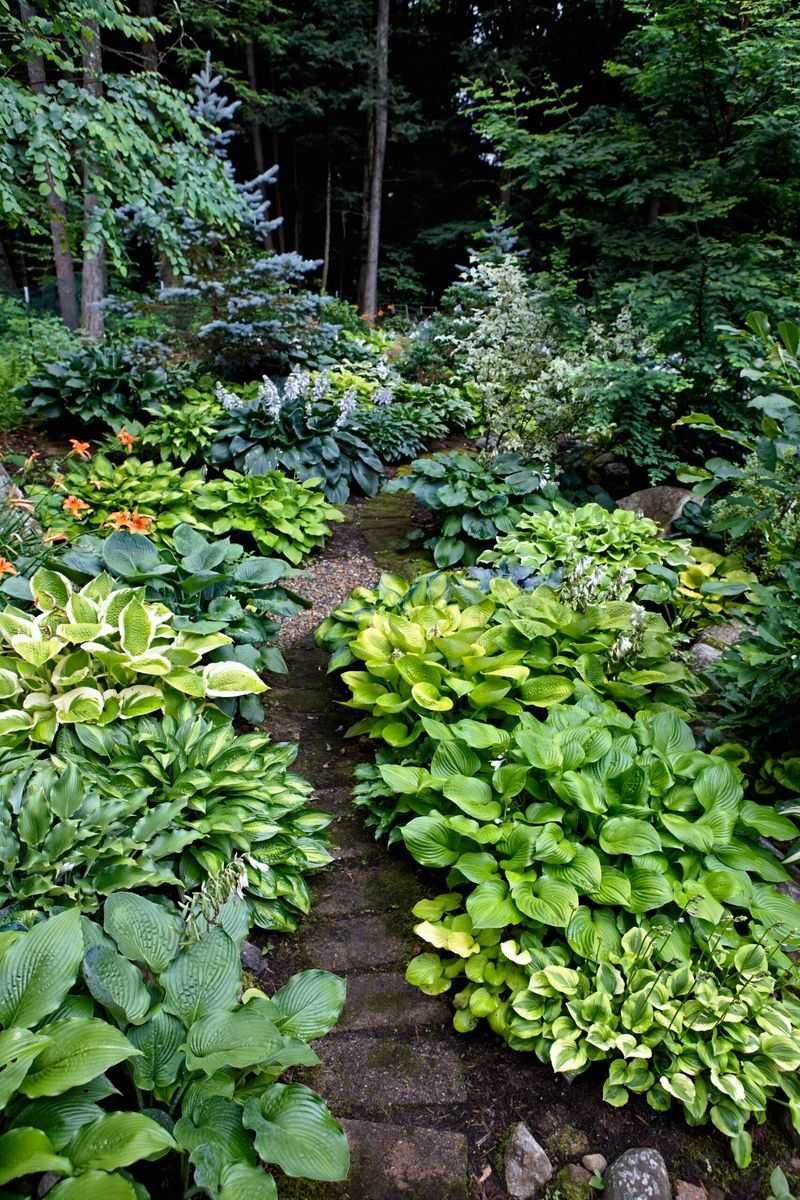
Hostas are beloved for their lush, broad leaves that add texture and color to shaded areas. This perennial is ideal for underplanting trees or filling in garden gaps. With a multitude of varieties, hostas offer an array of leaf shapes, sizes, and colors, from deep blue-green to vibrant yellow.
Though primarily grown for their foliage, hostas also produce delicate lavender or white flowers on tall stalks. These hardy plants thrive in shade and partial sun, making them versatile for various garden designs. Plant hostas for a lush, green backdrop in your landscape.
4. Peony
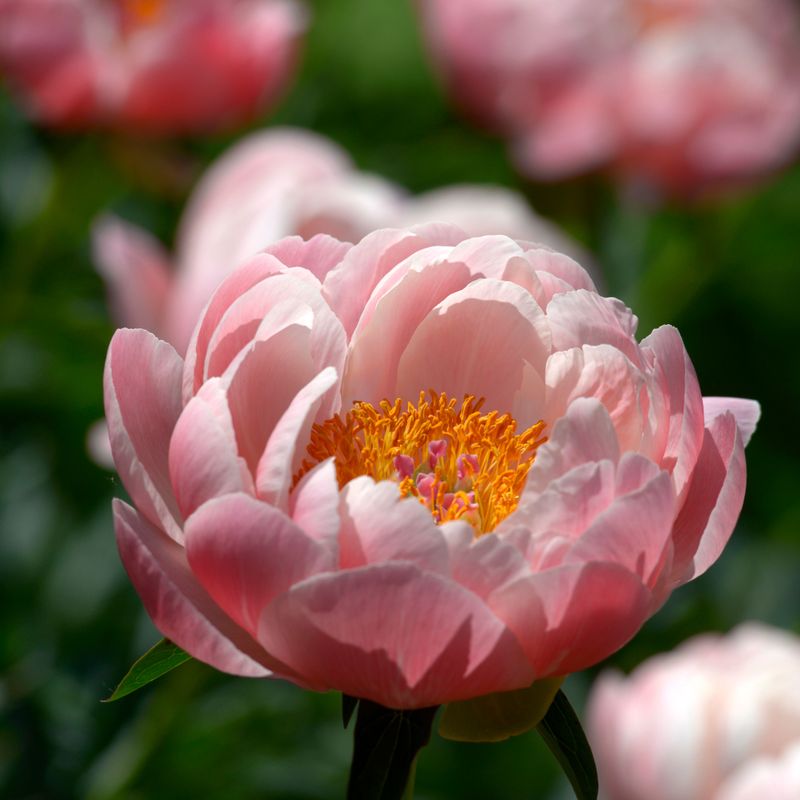
Peonies are the epitome of elegance and romance in the garden. With their large, fragrant blooms, they are a favorite for cut flowers and garden displays alike. Known for their longevity, peonies can thrive for decades if planted correctly.
The soft, ruffled petals create a show-stopping display each spring. Peonies prefer full sun and well-drained soil. Their blooms may be fleeting, but the anticipation of their arrival each year is part of their charm. Once established, these perennials grow larger and more beautiful with each passing season.
5. Daisy
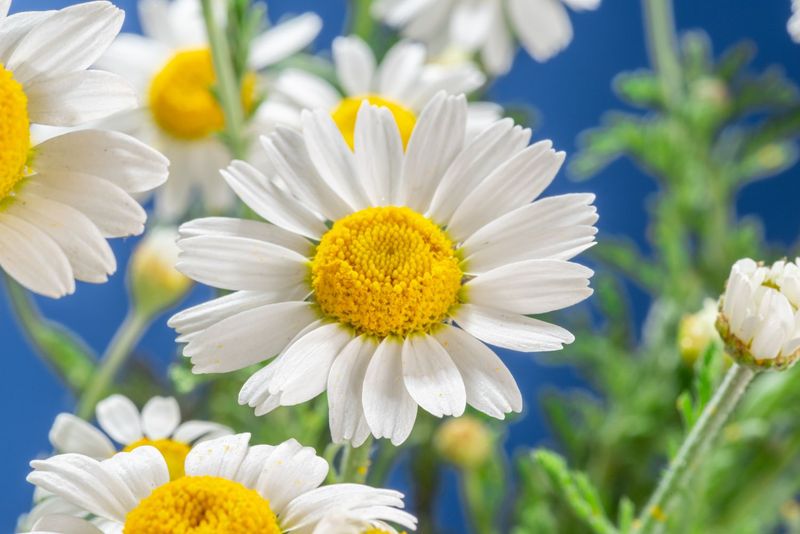
Daisies bring a cheerful touch to any garden with their classic white petals and yellow centers. Known for their simplicity and charm, they evoke a sense of nostalgia and playfulness. Daisies are hardy plants that flourish in full sun and well-drained soil.
Their long-lasting blooms make them a favorite for both garden beds and floral arrangements. Besides their beauty, daisies attract beneficial insects, contributing to garden health. Plant daisies for a low-maintenance burst of color and joy that returns each year with minimal effort.
6. Daylily
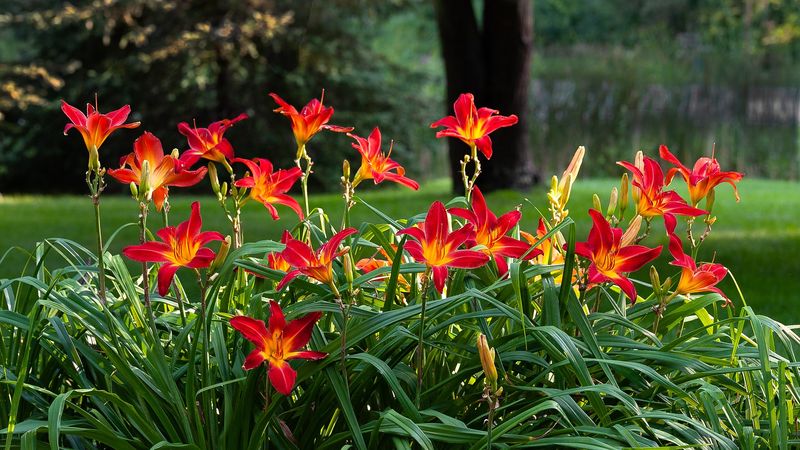
Daylilies are the chameleons of the garden world, offering a vast range of colors and forms. These tough yet beautiful perennials thrive in various conditions, including poor soil and drought. Their name stems from the fact that each bloom lasts just a day, but with many buds, they provide weeks of color.
Plant daylilies in sunny locations for the best results. Their adaptability makes them ideal for beginner gardeners. Despite the fleeting nature of individual blooms, their overall impact is long-lasting and impressive, transforming gardens into colorful tapestries.
7. Black-Eyed Susan
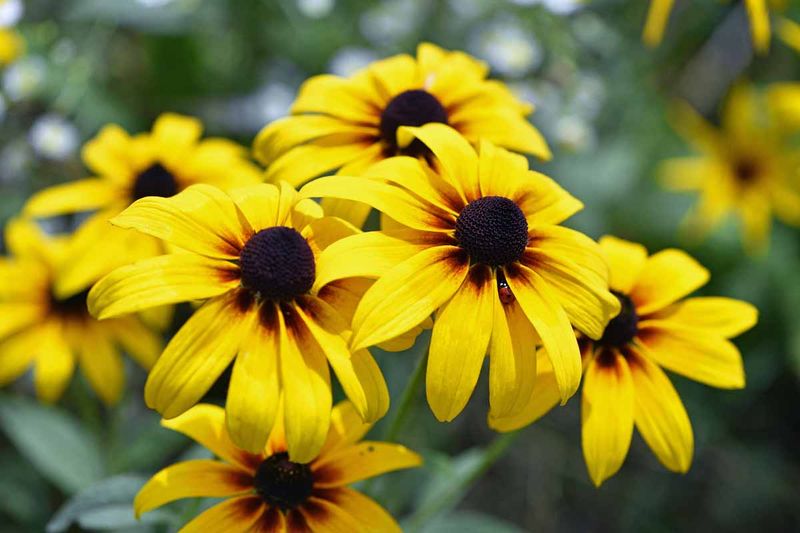
Black-Eyed Susans are bright and bold, with vibrant yellow petals and dark, central cones. These flowers are quintessentially American, bringing a rustic charm to gardens. They thrive in full sun and well-drained soil, and their sturdy nature makes them easy to grow.
Besides their striking appearance, Black-Eyed Susans attract pollinators, supporting garden biodiversity. Their ability to naturalize and spread provides a lively ground cover. Plant them to enjoy a burst of sunshine in your landscape, perfect for creating eye-catching displays year after year.
8. Sedum
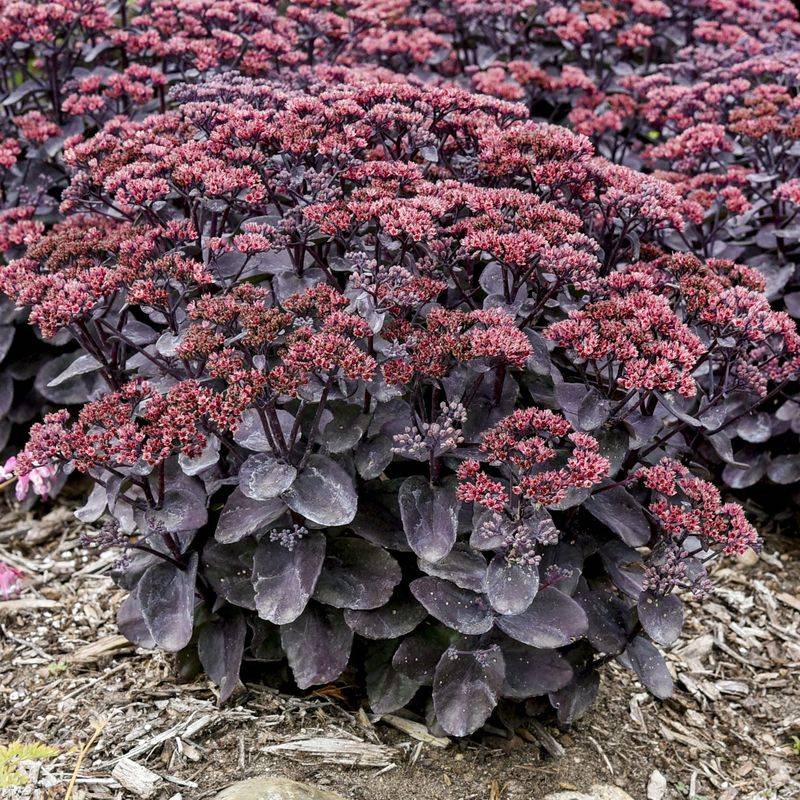
Sedum, also known as stonecrop, is a versatile perennial that thrives in rock gardens and dry areas. Its fleshy, succulent leaves store water, making it exceptionally drought-tolerant. During late summer, sedum bursts into bloom with clusters of star-shaped flowers.
This low-maintenance plant is perfect for novice gardeners. Sedum’s unique texture and form add interest to borders and container gardens alike. Its flowers attract pollinators, enhancing garden vitality. For year-round interest and resilience against the elements, incorporate sedum into your planting scheme.
9. Bee Balm
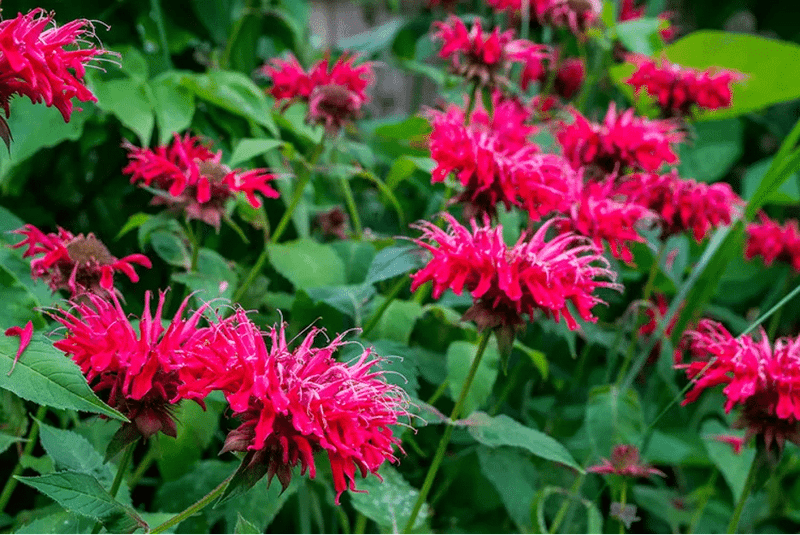
Bee Balm, with its vibrant, tubular flowers, is a favorite among pollinators such as bees and hummingbirds. This perennial adds a splash of color and lively movement to gardens. Known for its aromatic leaves, Bee Balm is also used in herbal teas and remedies.
Plant Bee Balm in sunny locations with rich, moist soil for the best blooms. Its showy flowers not only brighten spaces but also support garden biodiversity. Bee Balm’s resilience against common pests makes it an easy choice for maintaining a vibrant garden environment.
10. Irises
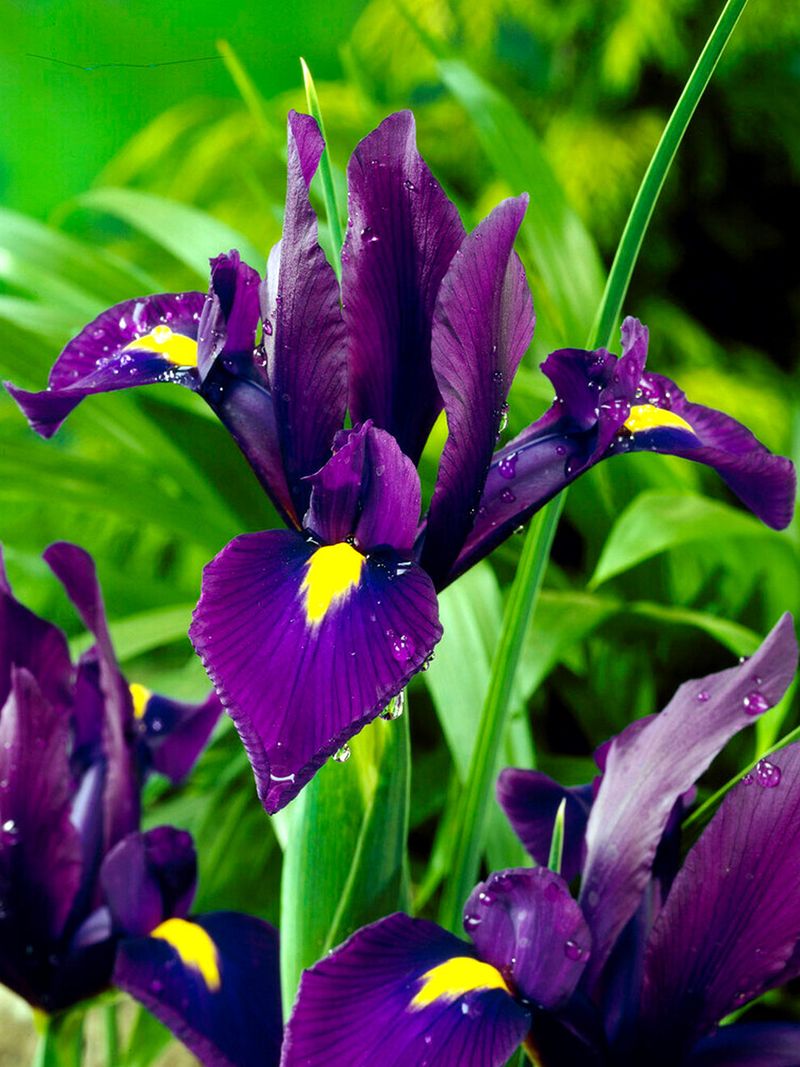
Irises are admired for their strikingly beautiful blooms and sword-like foliage. With a wide range of colors and patterns, they add a touch of elegance to any garden. Irises prefer sunny spots and well-drained soil to thrive.
These perennials are known for their easy care and ability to naturalize, spreading over time. Their distinctive flowers are a magnet for pollinators, further enhancing garden vitality. Plant irises for a blend of beauty and resilience, offering a regal presence that reappears every spring.
11. Coreopsis
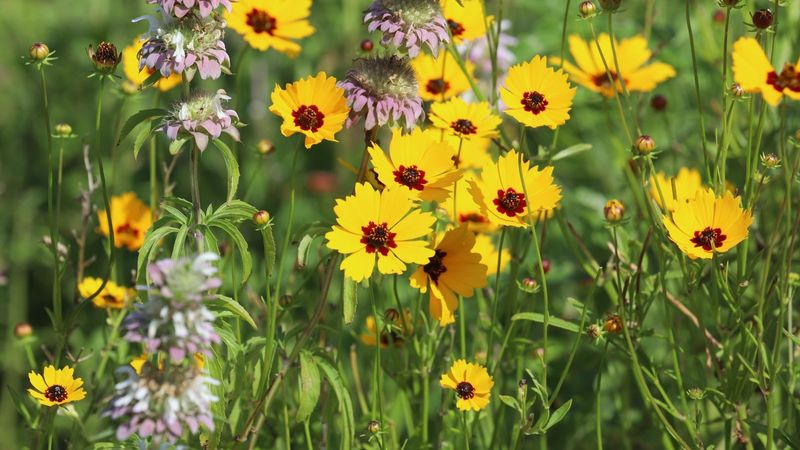
Coreopsis, with its sunny yellow blooms, is like a burst of sunshine in any garden. These cheerful flowers are easy to grow and maintain, making them a favorite for beginners. Coreopsis thrives in full sun and well-drained soil, rewarding gardeners with a long blooming season.
Its bright flowers attract butterflies, adding life and movement to the garden. Known for their resilience, coreopsis plants endure dry conditions and poor soil. Plant them for a low-maintenance, uplifting addition to your landscape, offering a perennial spectacle of color and joy.
12. Astilbe
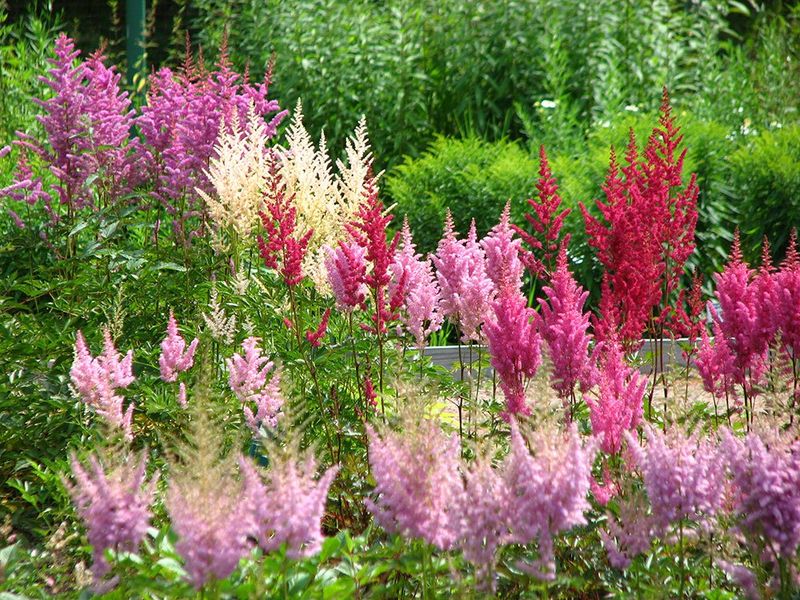
Astilbe is known for its feathery plumes and fern-like foliage, creating a soft, romantic atmosphere in the garden. These perennials are perfect for shady areas, adding color and texture where other plants might struggle.
Astilbe thrives in moist, well-drained soil, making it a great choice for woodland gardens. Its flowers come in shades of pink, red, and white, providing options for diverse garden palettes. For a lush, ethereal look that returns each year, plant astilbe in your shaded garden spots.
13. Salvia
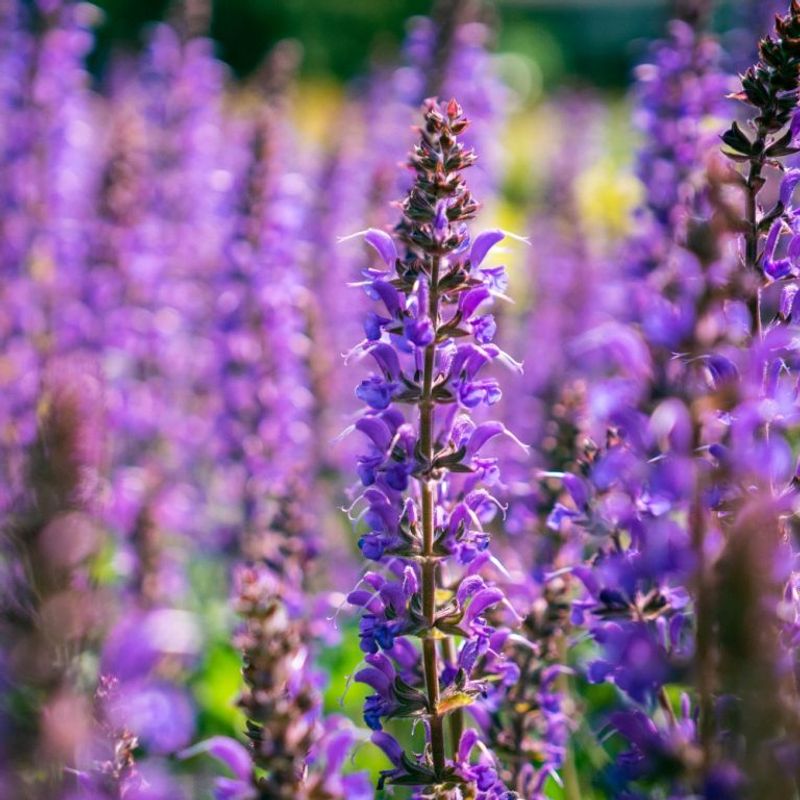
Salvia, or sage, is a hardy perennial known for its tall spikes of vibrant flowers. With hues ranging from purples to blues, salvia attracts bees and butterflies, enhancing any garden’s biodiversity. Plant salvia in full sun and well-drained soil for the best results.
This drought-tolerant plant is easy to care for, making it ideal for beginner gardeners. Salvia’s aromatic foliage adds another layer of sensory experience. Whether in borders or containers, salvia provides a lasting splash of color and life through the growing season.
14. Phlox
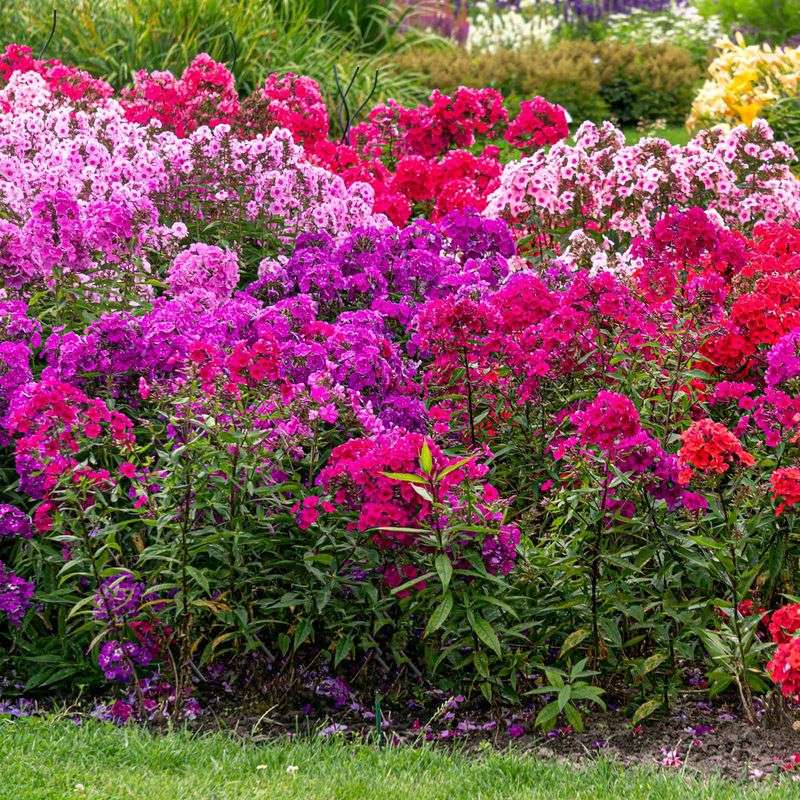
Phlox is renowned for its vibrant blooms and sweet fragrance, creating a carpet of color in the garden. These perennials thrive in full sun to partial shade and well-drained soil, offering versatility in planting options.
With a variety of heights and colors, phlox can be used in borders, containers, or as ground cover. Its flowers attract butterflies, making it a lively addition to any landscape. Plant phlox for a fragrant, cheerful garden that returns year after year, enhancing your outdoor spaces with beauty and aroma.
15. Hellebore
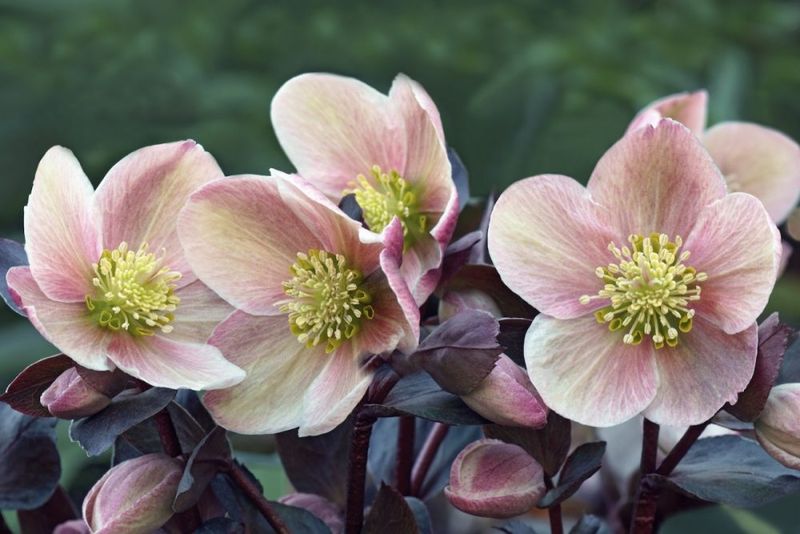
Hellebores, often called Lenten roses, are early bloomers that bring color to gardens when few other plants are active. Their nodding flowers, in shades of pink, white, and cream, provide a subtle elegance to shaded areas.
Hellebores are hardy perennials that thrive in well-drained soil and partial shade. They are deer-resistant, adding to their appeal for gardeners in rural areas. Plant hellebores for a touch of grace and resilience, offering color and interest at a time when gardens are awakening from winter’s slumber.
16. Veronica
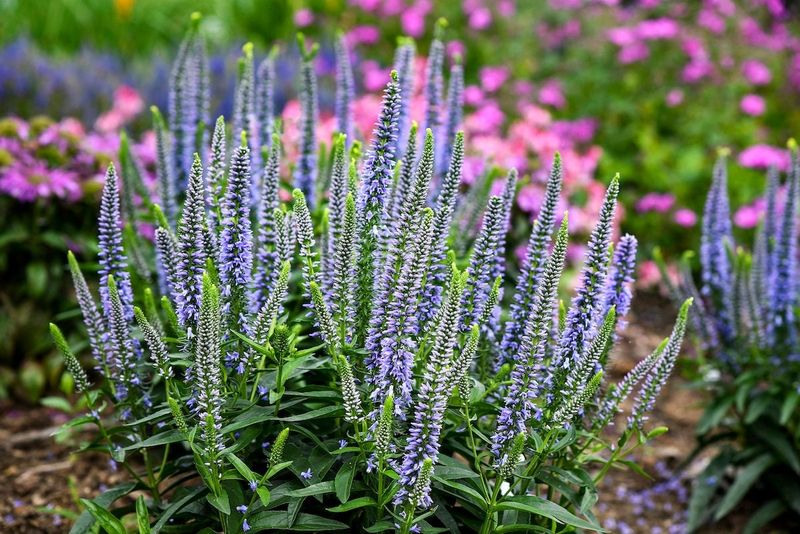
Veronica, also known as speedwell, is a charming perennial that captivates with its spiky, colorful blooms. Perfect for sunny gardens, Veronica thrives in well-drained soil, providing a splash of blue, pink, or white to borders and rock gardens.
These flowers attract butterflies, adding movement and vitality to your landscape. Known for its low-maintenance nature, Veronica is a reliable choice for gardeners seeking beauty without fuss. For striking vertical interest and vibrant color, include Veronica in your planting scheme.
17. Catmint
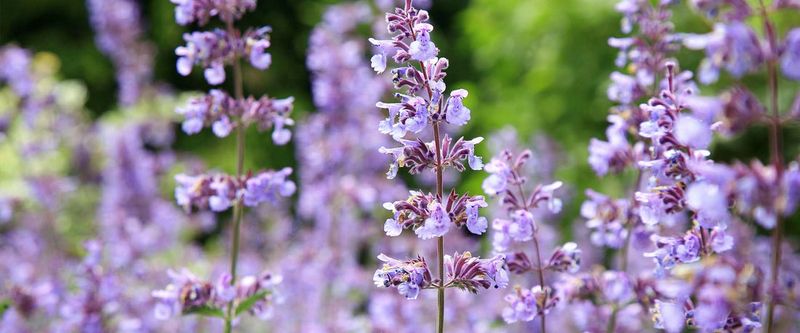
Catmint is loved for its aromatic foliage and delicate, lavender-blue flowers. Perfect for cottage gardens and borders, it thrives in full sun and well-drained soil. Catmint attracts bees and butterflies, contributing to a lively garden environment.
Its long blooming season and low maintenance needs make it a favorite among gardeners. As an added bonus, catmint is deer-resistant. For a fragrant, beautiful garden that requires little care, plant catmint and enjoy its soothing presence in your landscape.
18. Clematis
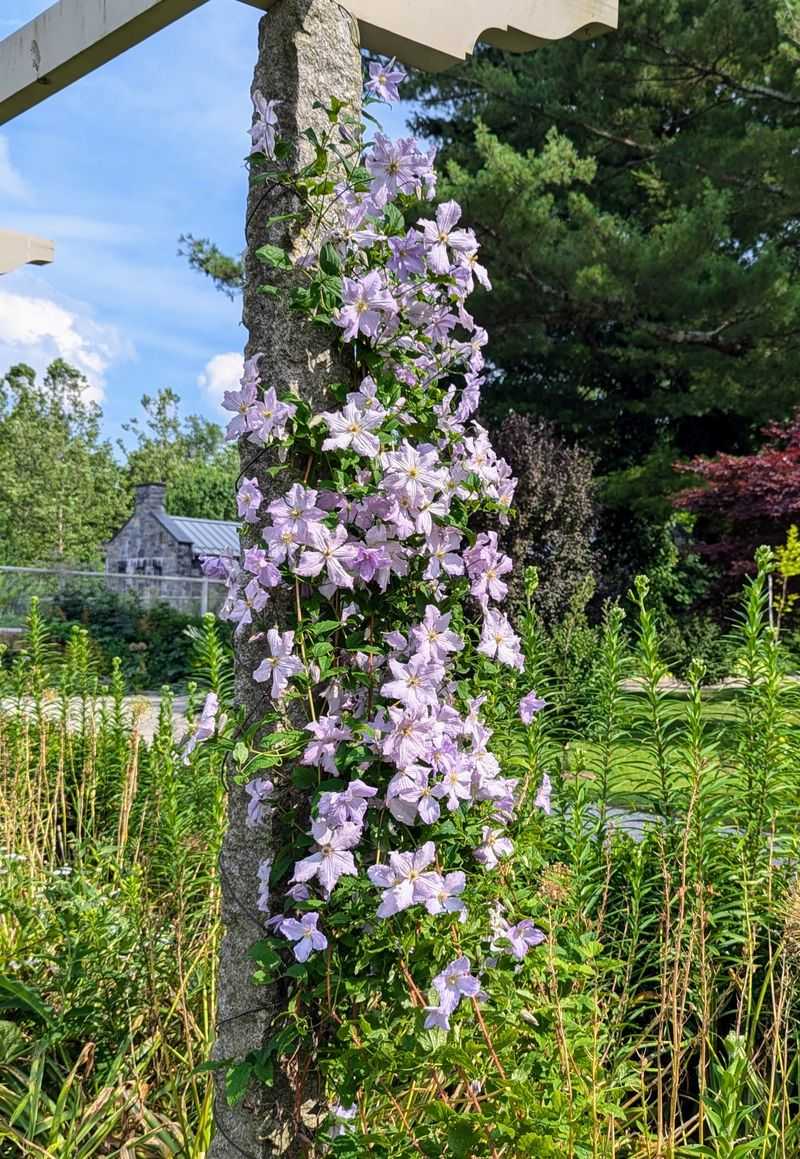
Clematis is a versatile climbing perennial known for its stunning, star-shaped blooms. With a variety of colors and forms, clematis can dress up walls, trellises, and fences, adding vertical interest to your garden.
These plants prefer sunny locations with their roots in the shade, thriving in well-drained soil. Clematis blooms from spring to fall, providing a long season of color. For a dramatic and elegant touch to your garden, plant clematis and watch as it transforms structures into living tapestries.
19. Yarrow
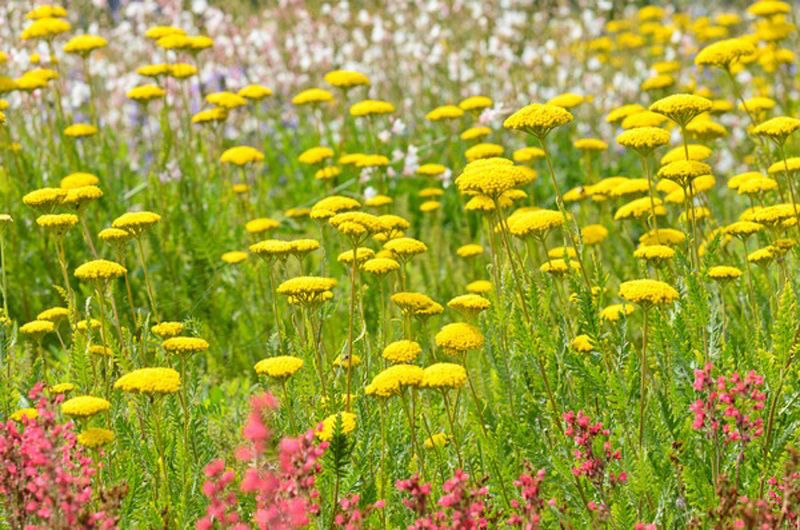
Yarrow is a hardy perennial known for its flat, umbrella-like clusters of flowers. Thriving in full sun and well-drained soil, yarrow is drought-resistant and easy to care for, making it ideal for novice gardeners.
Its blooms, in shades of yellow, pink, and white, attract butterflies and beneficial insects. Yarrow’s fern-like foliage adds texture to garden beds. Plant yarrow for a resilient, colorful addition to your landscape that supports biodiversity and requires minimal maintenance.
20. Russian Sage
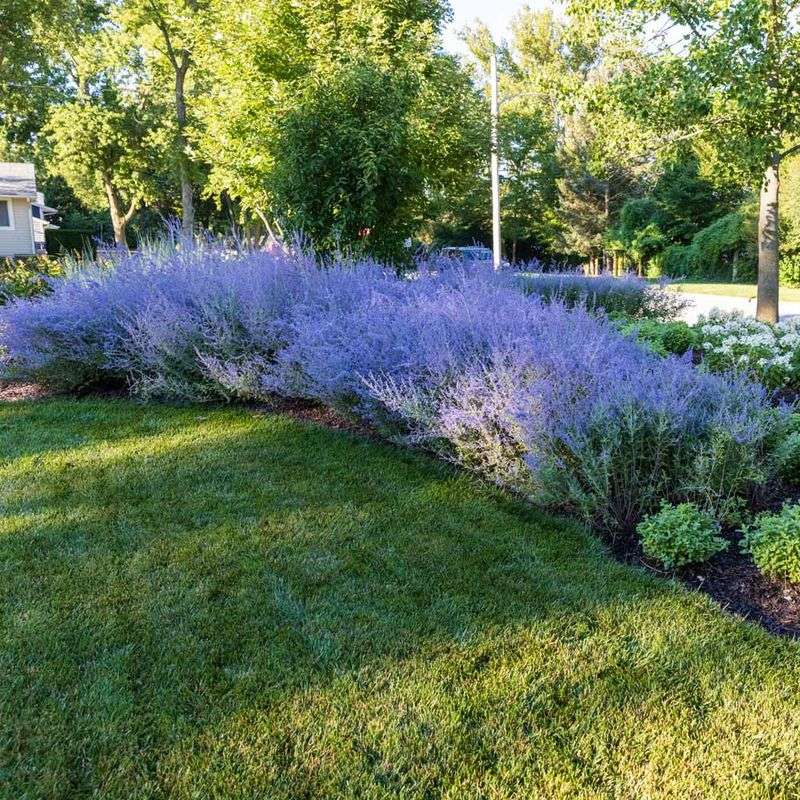
Russian Sage offers a blend of silvery foliage and lavender-blue flowers, creating a wispy, airy look in the garden. Known for its drought tolerance, Russian Sage thrives in full sun and well-drained soil.
This perennial is perfect for adding height and movement to borders. Its aromatic leaves deter pests, while its blooms attract pollinators. For a hardy, low-maintenance plant that provides a soft, ethereal presence, include Russian Sage in your planting scheme.
21. Penstemon
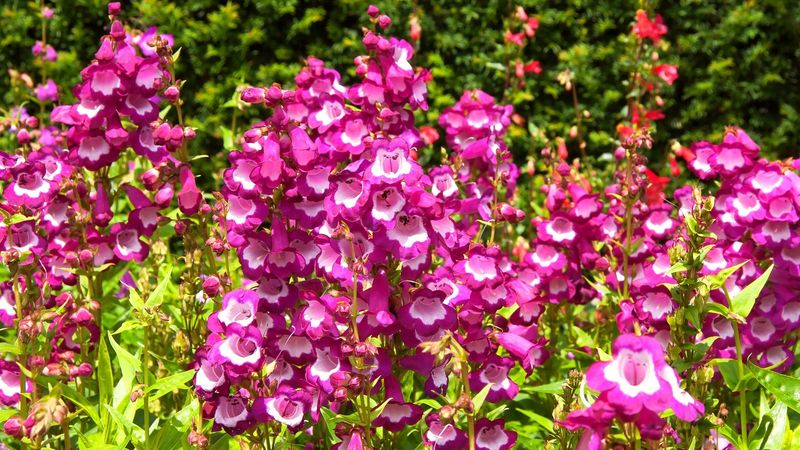
Penstemon, commonly known as beardtongue, delights with its tubular blooms and vibrant colors. Thriving in full sun and well-drained soil, penstemon is a magnet for hummingbirds and butterflies, adding life to your garden.
With its spiky flowers and varied color palette, penstemon is perfect for borders and rock gardens. Its drought-tolerant nature makes it a hardy choice for different climates. Plant penstemon for a pop of color and dynamic interest that will return year after year with minimal fuss.
22. Lupine
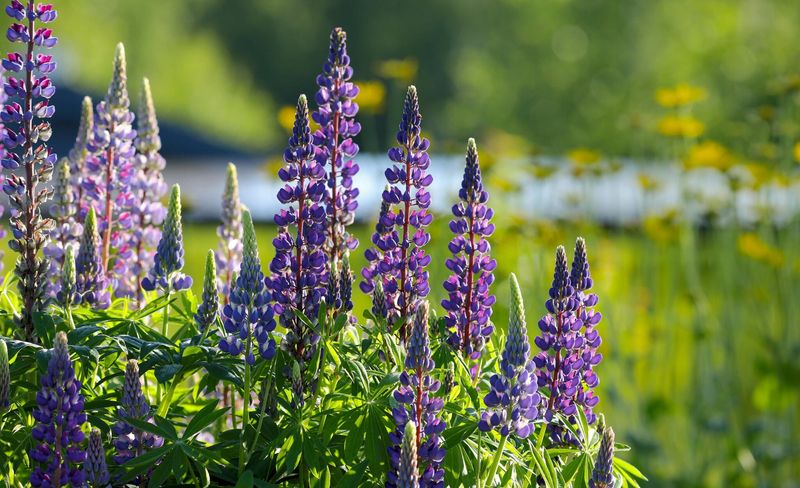
Lupines are loved for their tall, spiky blooms that create a dramatic statement in any garden. With colors ranging from blue to pink and purple, lupines add a vibrant touch to landscapes. They thrive in full sun and well-drained soil, offering a striking presence.
These perennials are nitrogen-fixers, improving soil health as they grow. Lupines attract bees and butterflies, enhancing garden biodiversity. For a bold and beautiful addition that supports both soil and pollinators, plant lupines and enjoy their stunning display each year.
23. Aster
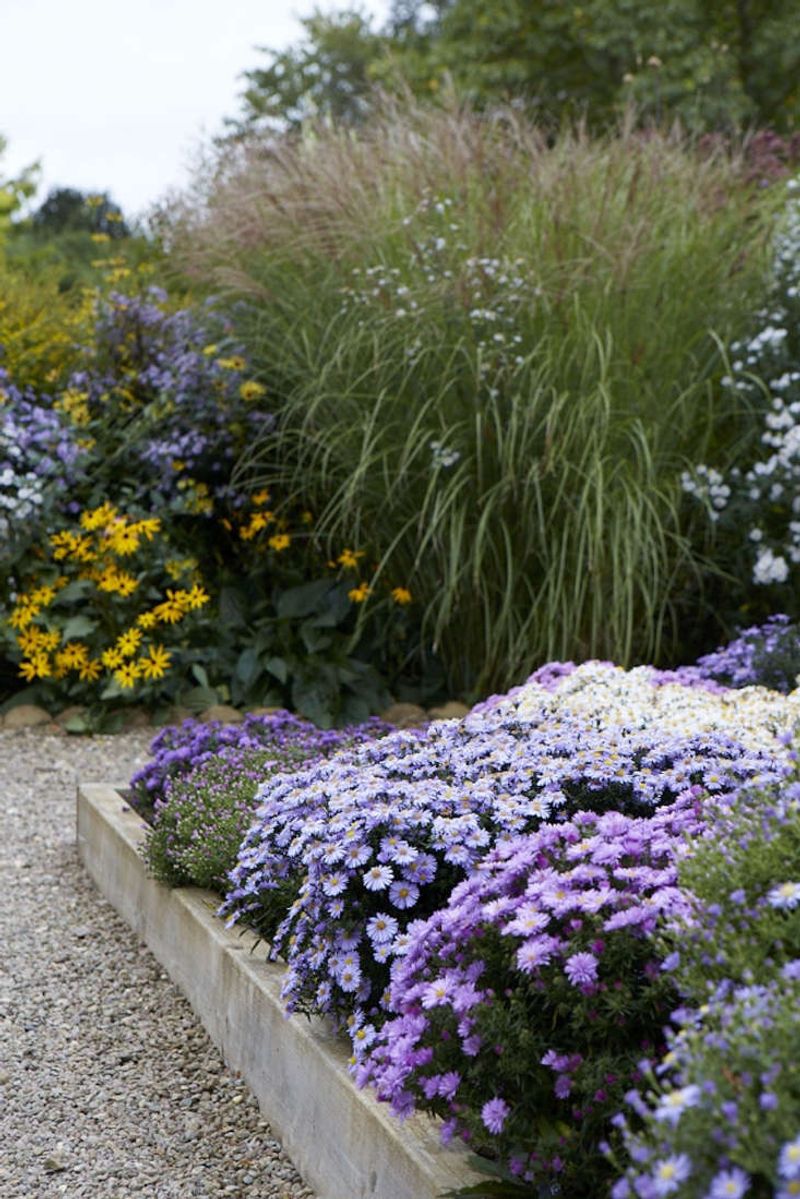
Asters bring a touch of late-season color with their daisy-like blooms in shades of purple, pink, and white. These perennials thrive in full sun and well-drained soil, extending the beauty of summer into fall.
Asters are known for attracting butterflies, supporting garden biodiversity. Their robust nature and long blooming period make them a reliable choice for any gardener. Plant asters for a pop of color that bridges the summer and autumn seasons, offering a seamless transition in your landscape.
24. Pulmonaria (Lungwort)
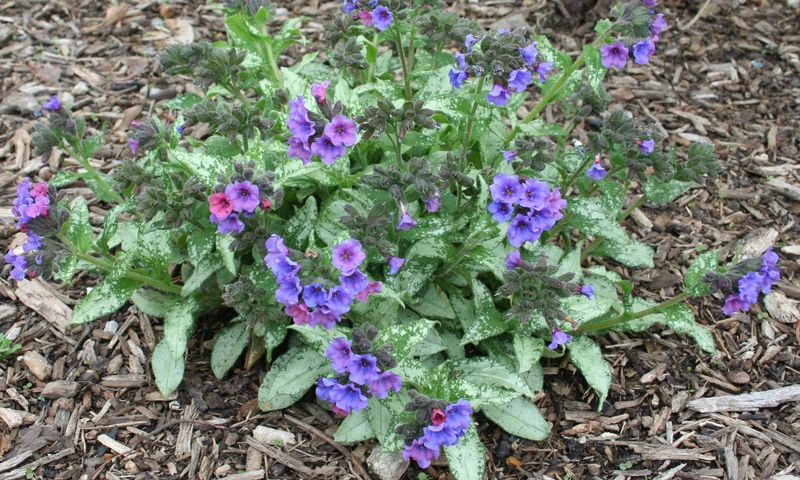
Pulmonaria, commonly known as Lungwort, is a delightful addition to any garden with its uniquely spotted leaves and clusters of purplish-blue flowers. This plant thrives in shaded areas, making it perfect for spots where sunlight is sparse. Its early spring blossoms provide a splash of color after winter.
Lungwort’s charming foliage is not just ornamental but also beneficial for attracting pollinators. Give your garden a woodland feel by planting this perennial that prefers moist, well-drained soil.
Did you know? Lungwort has been historically used in herbal medicine, believed to treat respiratory ailments.
25. Heuchera (Coral Bells)
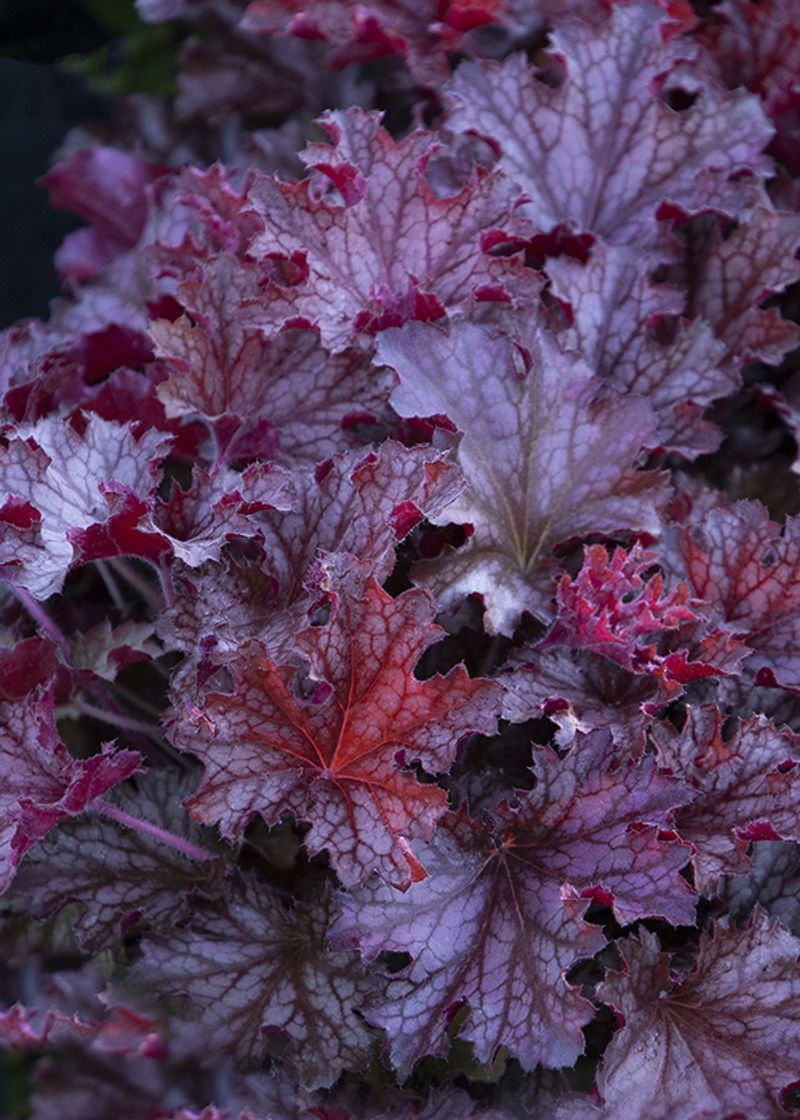
Heuchera, or Coral Bells, captivates with its stunning foliage and delicate flowers. Known for its rich reddish-purple leaves, this perennial adds depth and color to garden borders. Its bell-shaped blooms attract hummingbirds, adding life and movement to your garden.
Coral Bells are adaptable and thrive in a variety of conditions, preferring partial shade and well-drained soil. This makes it an ideal plant for mixed borders and containers.
Fun fact: Heuchera was named after Johann Heinrich von Heucher, a German physician and botanist. Its versatility and beauty make it a gardener’s favorite.