 Complete Gardening
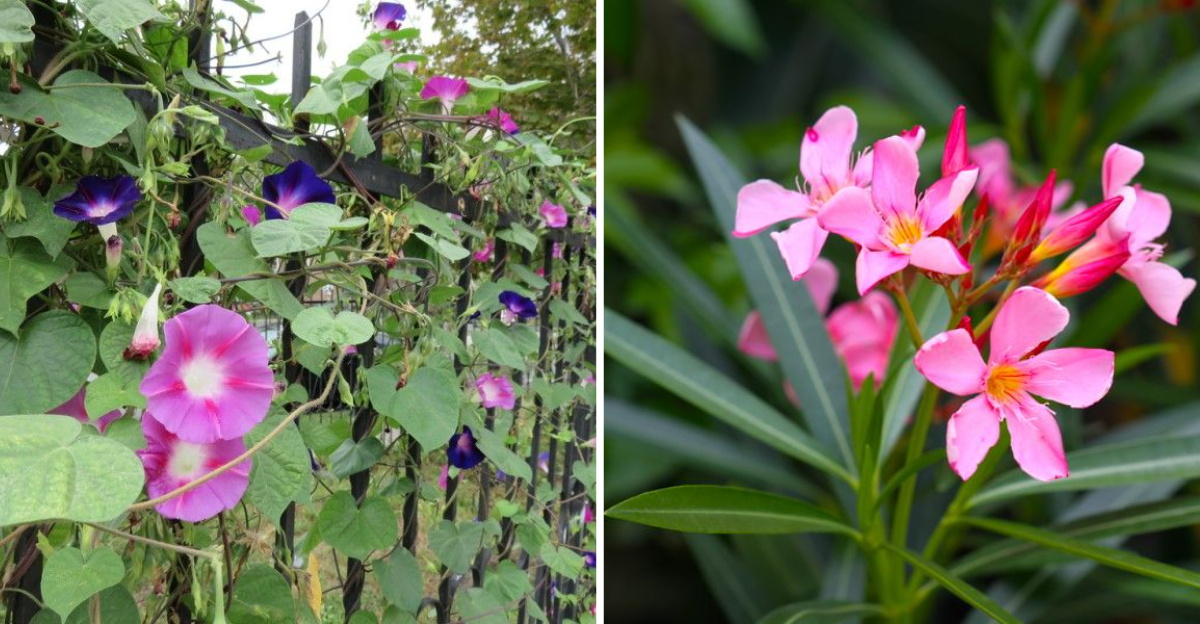
While flowers are often cherished for their beauty and fragrance, some can bring unintended challenges to your garden. These challenges might include invasiveness, toxicity, or difficulty in maintenance. In this article, we explore 20 such flowers that you might want to think twice about before planting.
1. Morning Glory
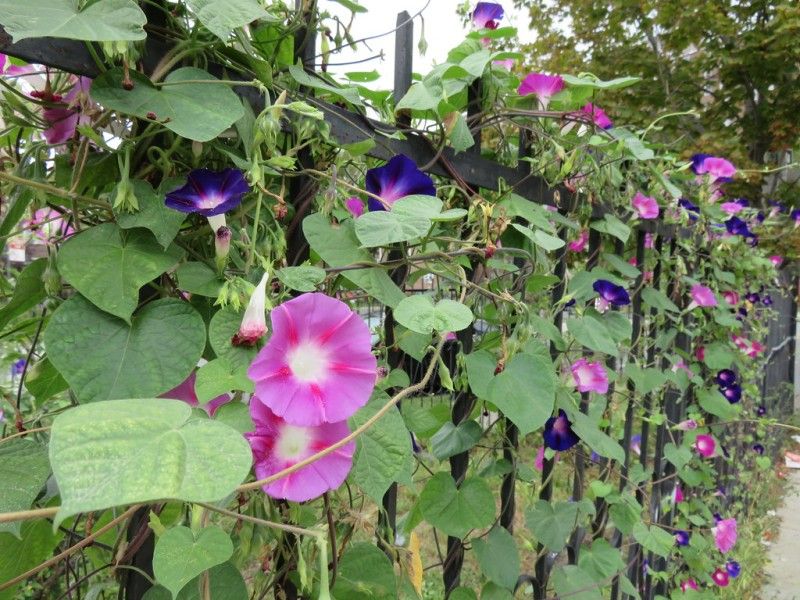
Morning Glory, with its vibrant, trumpet-shaped flowers, is undeniably charming. However, its rampant growth can quickly overwhelm your garden. This climbing vine can grow up to 10 feet in a single season, wrapping itself around anything in its path.
While beautiful, its invasive nature makes it a challenge to control. Many gardeners find themselves constantly trimming and pulling to keep it from overtaking other plants.
Did you know? Morning Glory seeds contain toxic compounds that can be harmful if ingested, especially by pets and children.
2. English Ivy
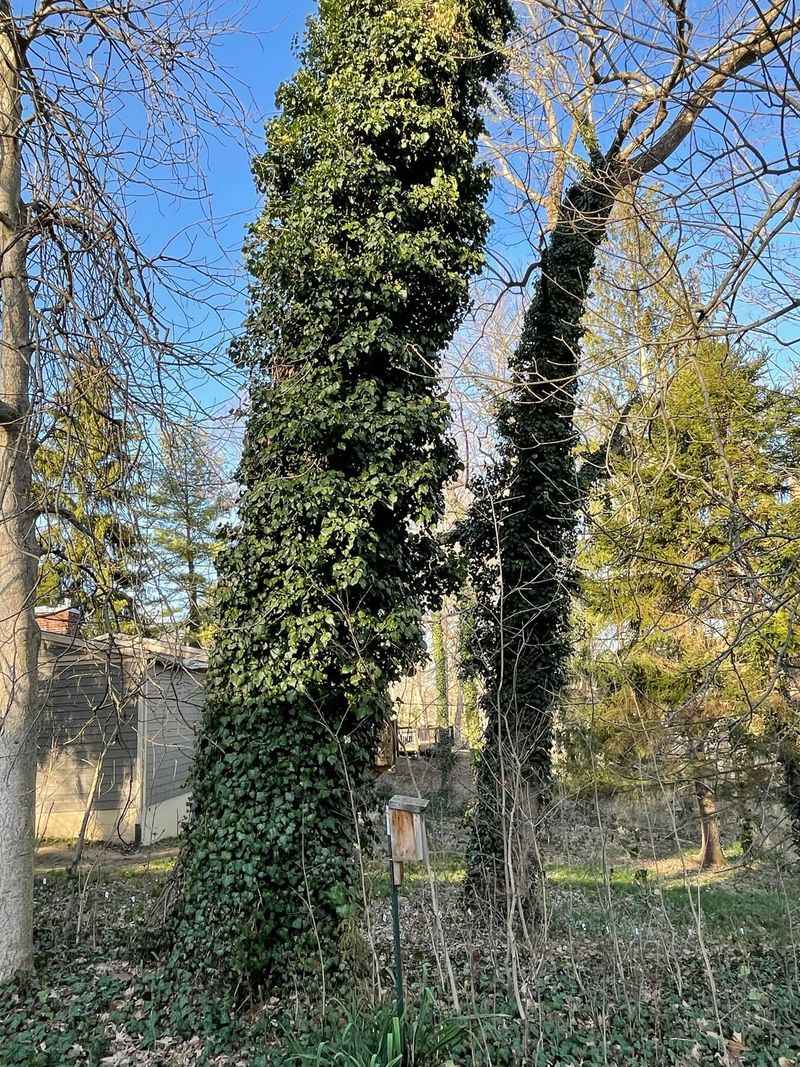
English Ivy, known for its lush, evergreen appearance, is a notorious climber. Its ability to scale buildings and trees can lead to problems, as it often causes structural damage over time.
In gardens, it creates dense mats that smother other plants, reducing biodiversity. Gardeners must keep a watchful eye to prevent it from becoming overwhelming.
Did you know? English Ivy can harbor pests and diseases, affecting not only the plants it covers but the surrounding garden as well.
3. Bamboo
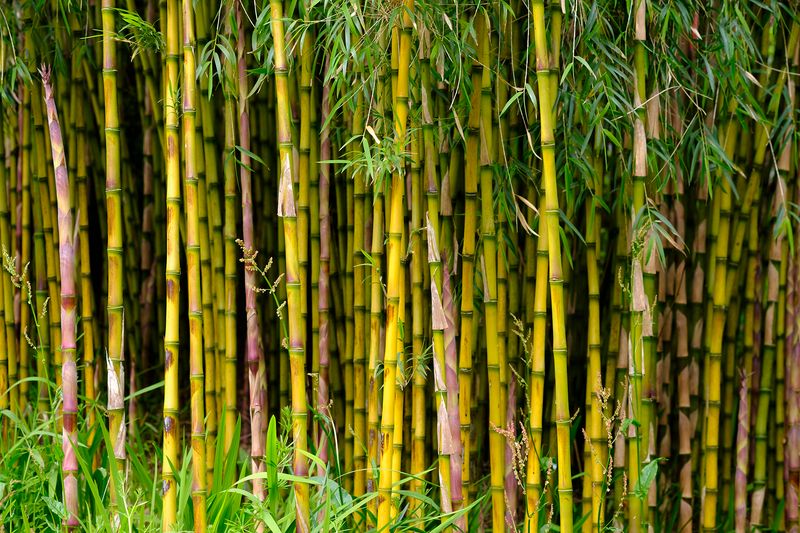
Bamboo is admired for its elegant beauty and rapid growth. However, its vigorous spreading nature can become problematic. Once established, it can be extremely difficult to remove.
Its roots spread aggressively, making it challenging to contain. Gardeners often find it taking over large areas, outcompeting other plants.
Interestingly, Bamboo has a unique flowering cycle, sometimes blooming only once in several decades, making its management even more unpredictable.
4. Wisteria
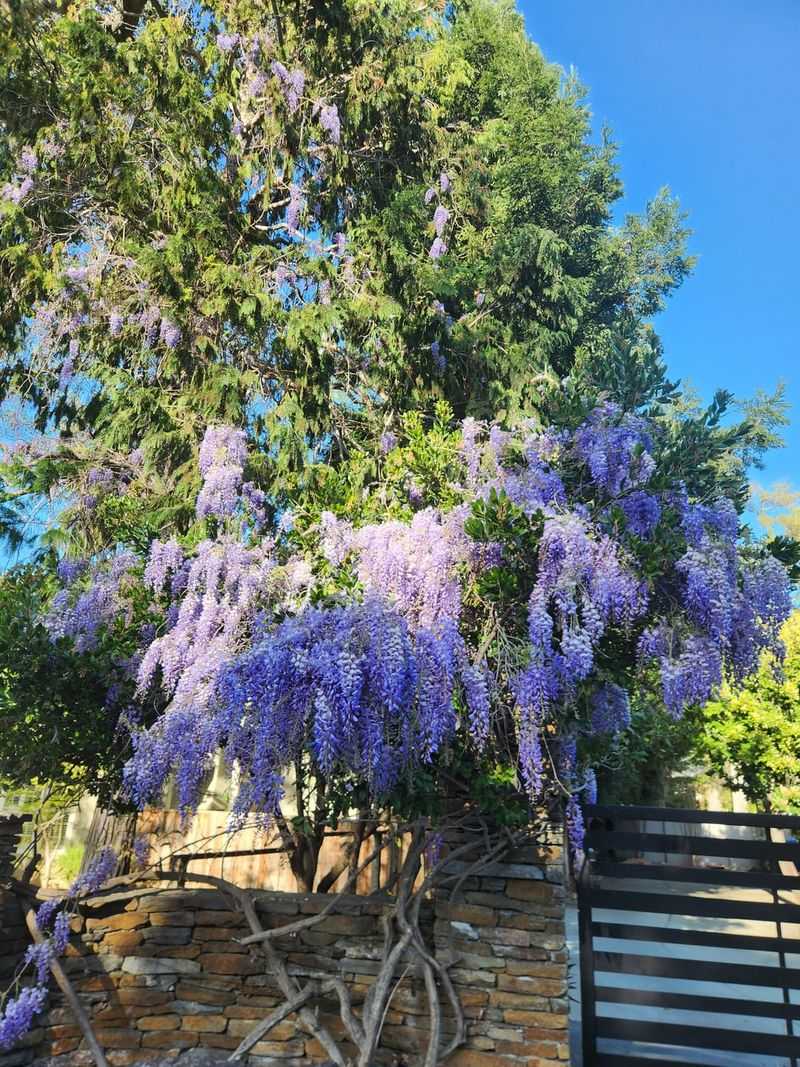
Wisteria’s breathtaking cascades of purple blooms can be mesmerizing. Yet, this vine is a force to be reckoned with. Its robust growth can quickly overtake structures, causing potential damage.
Gardeners often struggle to manage its aggressive nature, as it requires regular pruning. Without proper care, it can outcompete other plants.
Did you know? Wisteria needs strong support structures, as its woody vines become heavy and tangled over time.
5. Japanese Knotweed
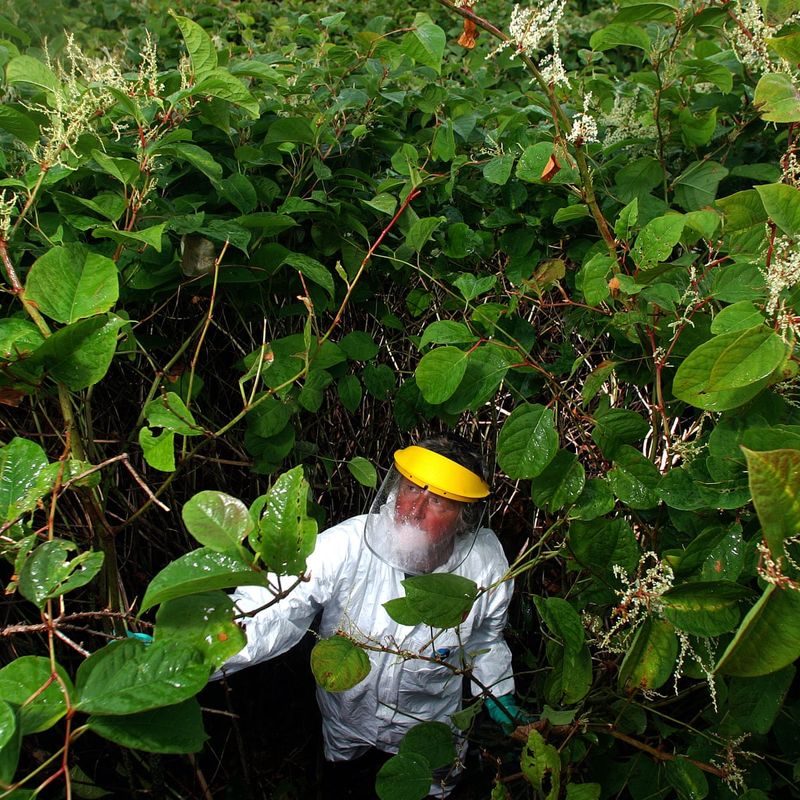
Japanese Knotweed is infamous for its rapid and aggressive growth. Its bamboo-like stems can reach several meters high, creating dense thickets.
This plant is extremely difficult to eradicate, often requiring professional assistance. Its roots can cause damage to foundations and structures.
Fun fact: Japanese Knotweed was originally introduced as an ornamental plant but soon became known for its invasive tendencies.
6. Oleander
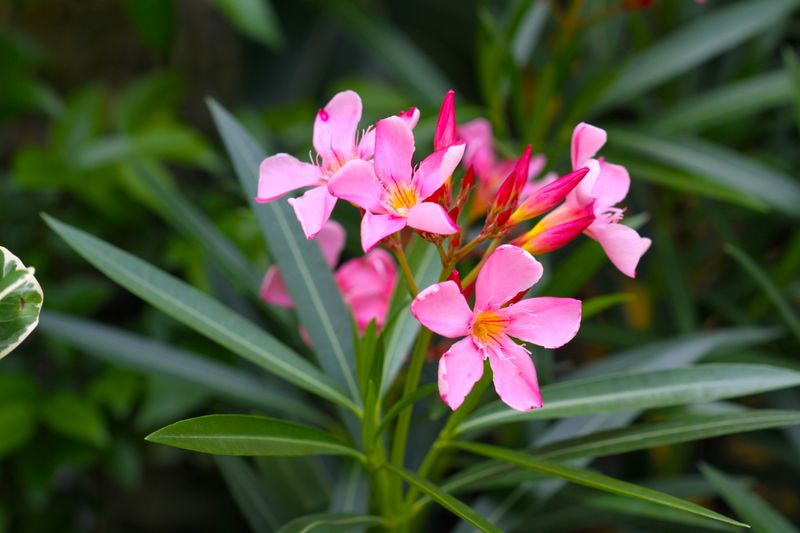
Oleander’s vibrant flowers and hardy nature make it a popular choice. However, every part of this plant is toxic. Ingesting even a small amount can be dangerous to both humans and animals.
Its toxicity requires careful planting and handling, especially in gardens frequented by children or pets. Despite its beauty, it poses significant risks.
Gardeners admire its resilience but must weigh its beauty against potential dangers.
7. Mint
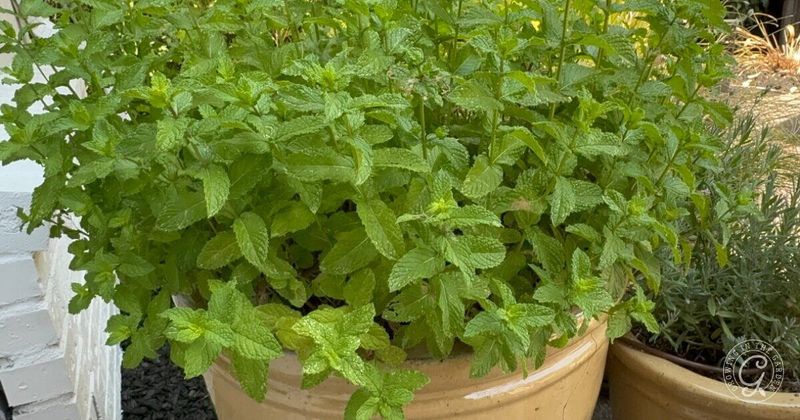
Mint is celebrated for its refreshing aroma and culinary uses. Yet, its vigorous growth can quickly get out of hand. This herb spreads aggressively through underground runners, often invading neighboring plantings.
Containing mint requires diligent effort and sometimes creative solutions, like planting it in pots.
Fun fact: Mint has been used historically for its medicinal properties but in gardens, it can become more of a relentless guest.
8. Lily of the Valley
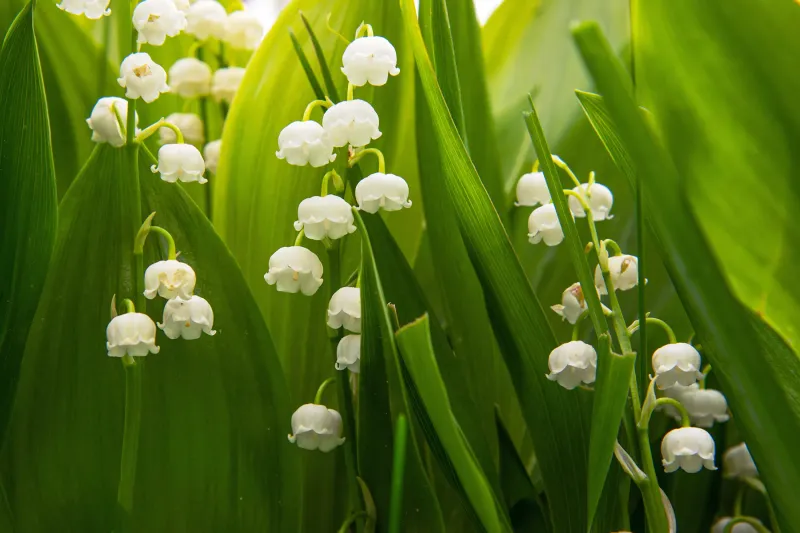
Lily of the Valley enchants with its delicate white flowers and sweet fragrance. Yet, beneath this charm lies a potent toxicity. Ingesting its parts can lead to serious health issues.
Gardeners must exercise caution when planting it, especially in areas accessible to pets or small children.
Interestingly, despite its toxic nature, it’s a traditional symbol of luck and happiness in many cultures.
9. Hydrangea
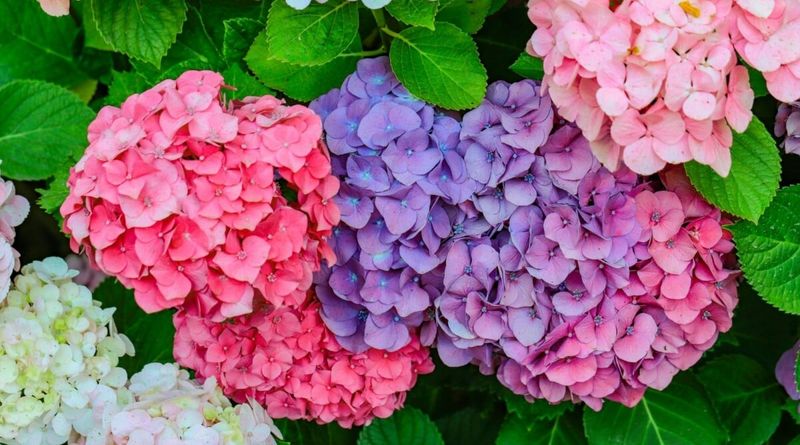
Hydrangeas are adored for their stunning, colorful blooms. However, their maintenance requires a delicate balance of soil pH, moisture, and pruning.
Without proper care, they can become leggy or fail to bloom. Furthermore, their flowers contain compounds that can be toxic if ingested.
Despite these challenges, hydrangeas remain a favorite for their breathtaking display when conditions are just right.
10. Ragwort
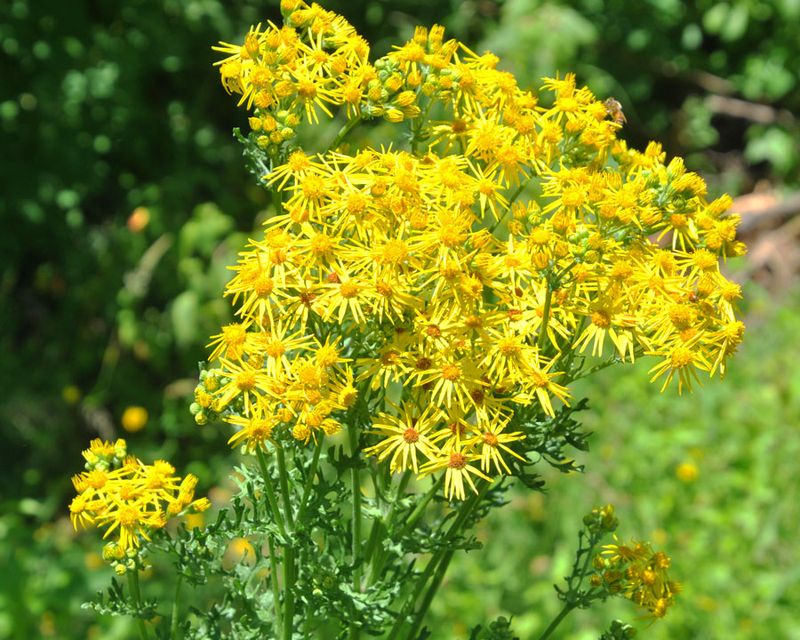
Ragwort is notorious for its bright yellow flowers and invasive nature. It spreads rapidly, often outcompeting native plants and reducing biodiversity.
Additionally, it’s toxic to livestock, posing risks to farms nearby. Its control is crucial to prevent it from becoming a dominant presence in gardens.
Did you know? Despite its toxicity, Ragwort is a crucial food source for some rare insects, creating a dilemma for gardeners.
11. Foxglove
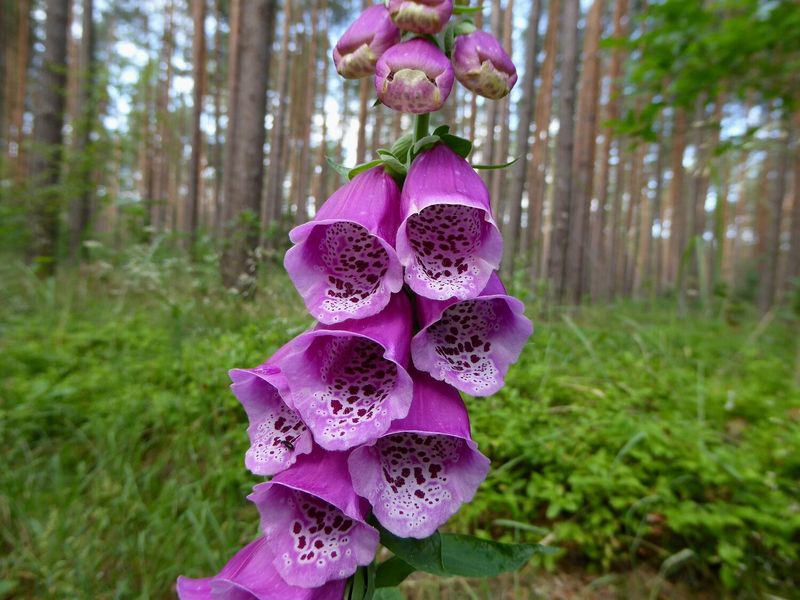
Foxglove, with its towering spikes of purple flowers, is both beautiful and dangerous. It’s well-known for containing digitalis, a compound used in heart medications.
However, ingestion of any part can be fatal, making it a risky choice for gardens visited by children or pets.
Interestingly, despite its danger, it attracts pollinators like bees, adding to its allure for some gardeners.
12. Pampas Grass
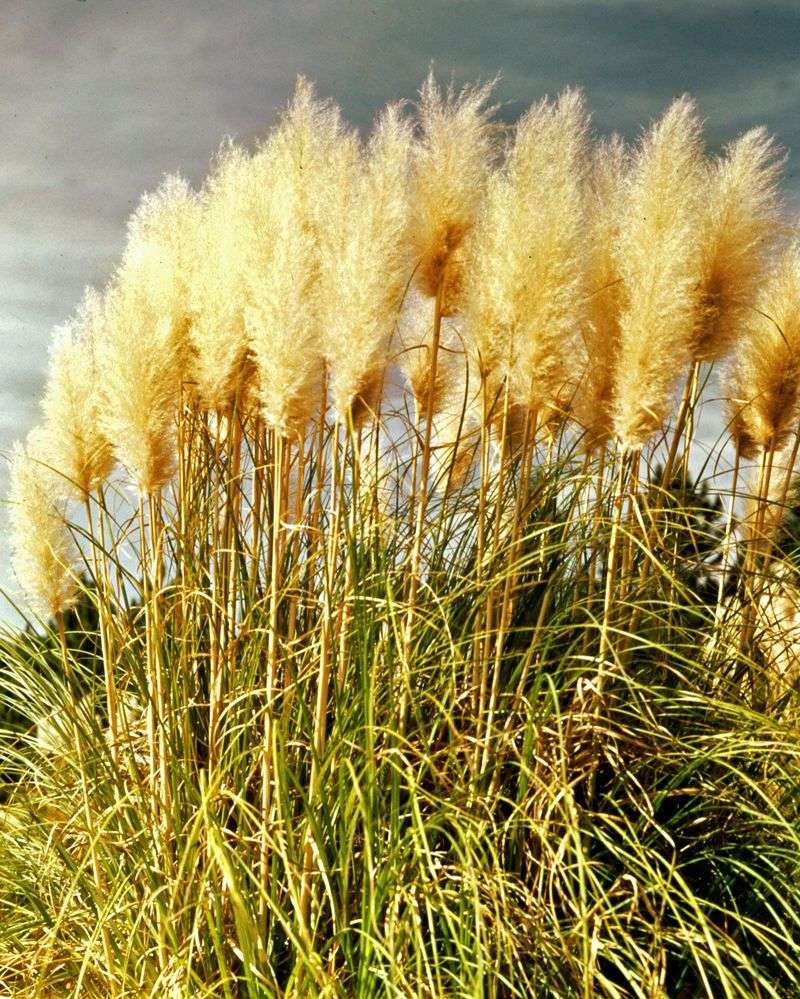
Pampas Grass is admired for its dramatic, feathery plumes and towering height. However, its invasive nature poses significant challenges.
Once established, it can spread aggressively, outcompeting native plants and becoming difficult to remove. Its sharp leaves can also cause injury during handling.
Fun fact: Pampas Grass was once popular in landscaping for its striking appearance but is now often removed due to its invasive tendencies.
13. Poison Hemlock
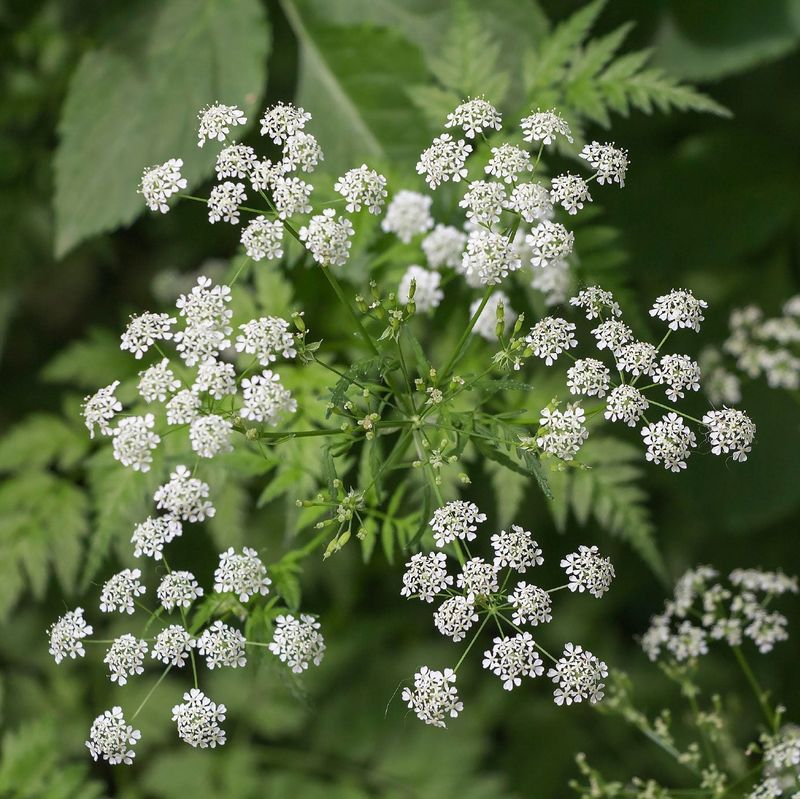
Poison Hemlock is infamous for its deadly history, famously associated with Socrates’ execution. Its toxic nature makes it a hazardous addition to any garden.
The plant’s small white flowers and fern-like leaves might seem innocuous, but all parts are highly poisonous if ingested.
Due to its danger, it requires careful handling and is best avoided in gardens where children and pets play.
14. Yellow Toadflax
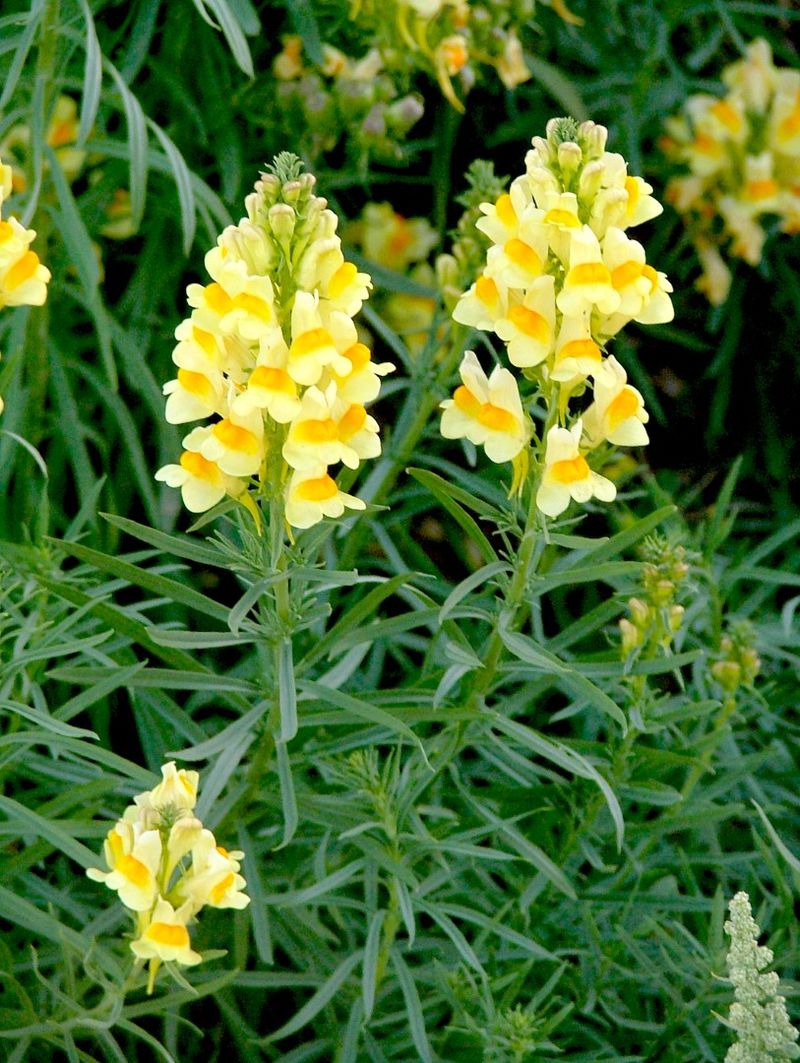
Yellow Toadflax, often mistaken for a wild snapdragon, is a vibrant but invasive plant. Its cheerful yellow flowers belie its aggressive spreading habit.
This plant can quickly outcompete natives, making it a problematic choice for environmentally conscious gardeners.
Did you know? Despite its invasiveness, it has been used historically in folk medicine for various ailments.
15. Giant Hogweed
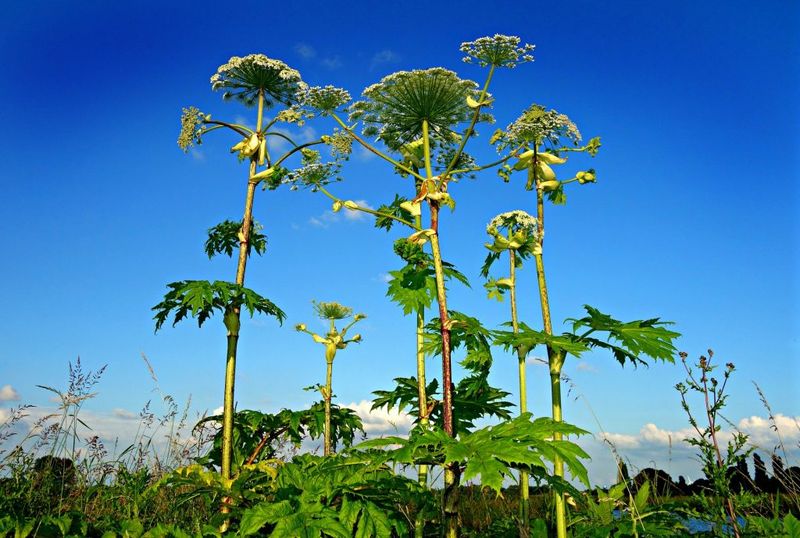
Giant Hogweed is both impressive and intimidating. Its towering height and massive flower clusters demand attention. However, its sap can cause severe skin burns and irritation.
This plant’s size and potential hazards make it unsuitable for most gardens. Handling it requires protective clothing and caution.
Despite its dangers, some find its grandeur appealing, but it’s often best admired from afar.
16. Stinging Nettle
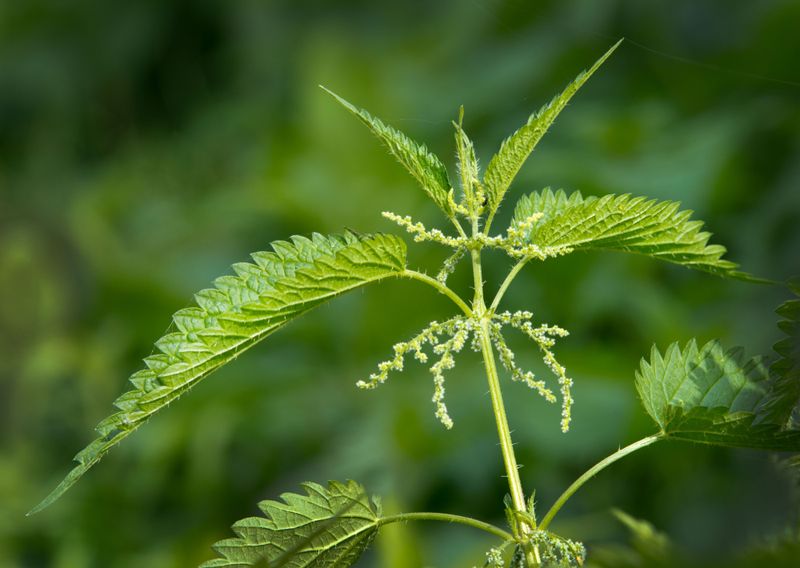
Stinging Nettle is infamous for its painful sting, caused by tiny hairs on its leaves and stems. While it has culinary and medicinal uses, its presence in gardens is often unwelcome.
This plant spreads aggressively and can create dense stands, making it a challenge to control.
Fun fact: Despite its sting, Stinging Nettle is a vital food source for several butterfly species.
17. Jerusalem Artichoke
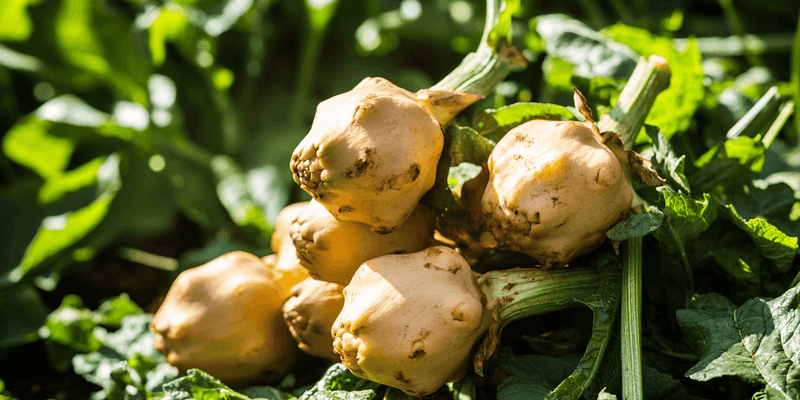
Jerusalem Artichokes, or sunchokes, offer edible tubers and attractive yellow blooms. Yet, their underground spread can quickly overrun gardens.
These plants send out tubers that multiply, making them difficult to contain. Gardeners often find them popping up unexpectedly in unwanted areas.
Despite this, they remain popular among some for their culinary potential.
18. Vinca
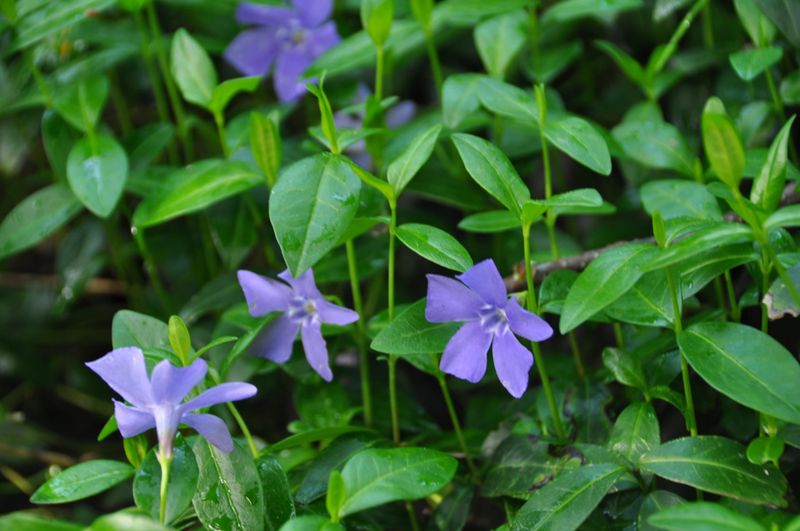
Vinca, or Periwinkle, is beloved for its low-maintenance evergreen mats and delicate blue flowers. However, it can become invasive, spreading over large areas.
Its dense growth smothers other plants, reducing garden diversity. Controlling it requires regular maintenance and effort.
Did you know? Despite its invasiveness, Vinca is often used in traditional medicine around the world.
19. Purple Loosestrife
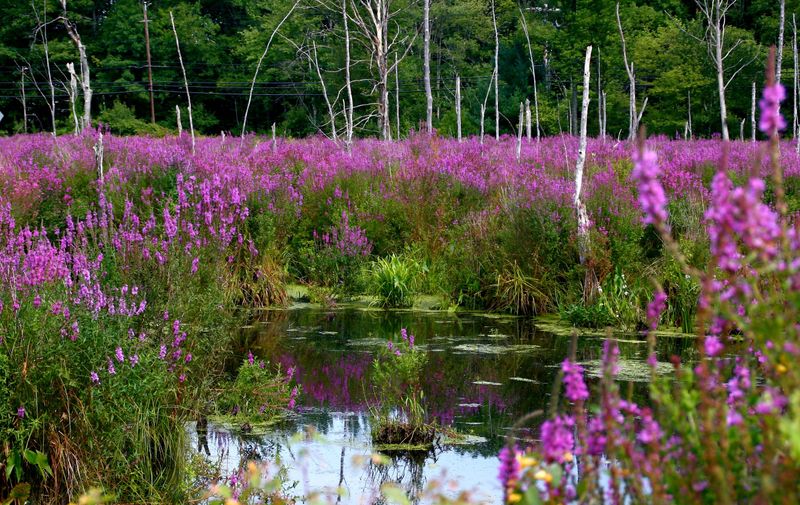
Purple Loosestrife boasts vibrant magenta flowers that create striking displays. However, its invasive nature threatens wetlands and water ecosystems.
This plant’s ability to crowd out native species poses significant ecological challenges. Its management often requires coordinated efforts.
Interestingly, despite its beauty, it’s considered one of the world’s worst invasive species.
20. Butterfly Bush
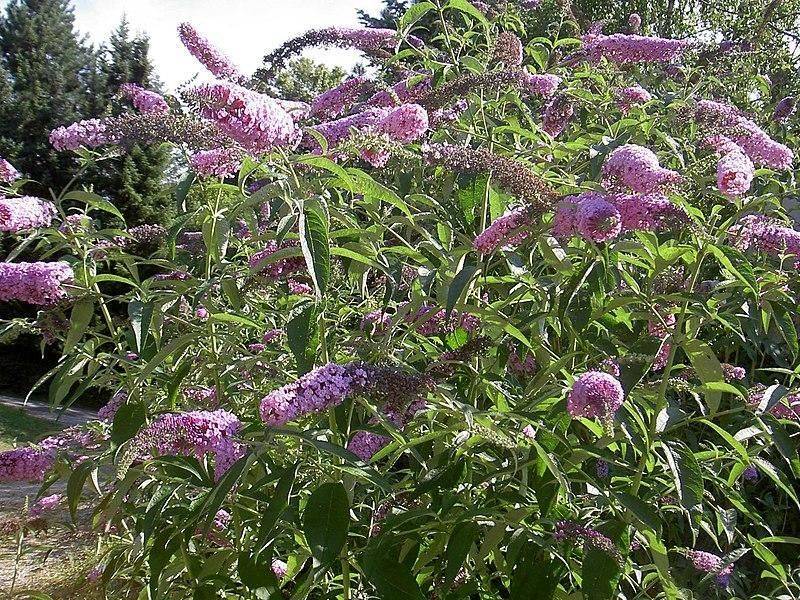
Butterfly Bush is adored for attracting butterflies with its fragrant, colorful blooms. Yet, its rapid growth and seed production can lead to invasiveness.
In some regions, it’s considered a noxious weed, outcompeting native flora. Careful management is necessary to prevent its spread.
Despite these challenges, its allure for pollinators keeps it popular among garden enthusiasts.