 Complete Gardening
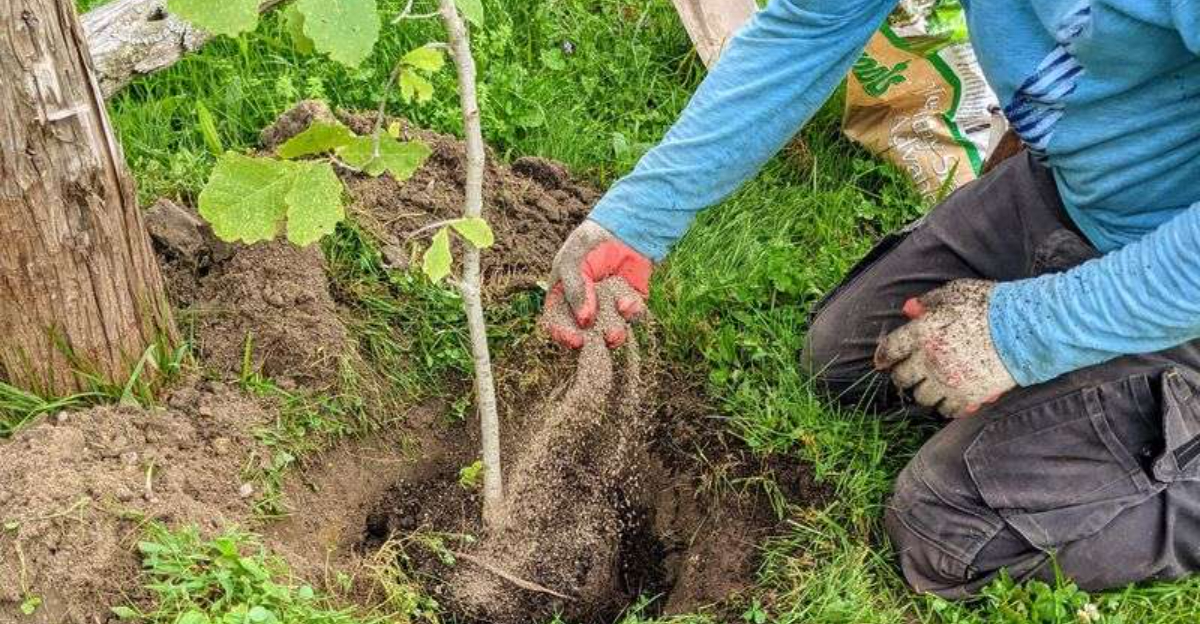
Planting trees at the right time is crucial for their long-term health and growth.
This blog explores the best times and practices for planting trees, offering 15 essential tips to ensure your trees thrive for years to come.
Whether you’re a seasoned gardener or a novice, these insights will help you make informed decisions, enhancing your landscape with healthy, robust trees.
1. Why Spring Is Prime Time for Planting
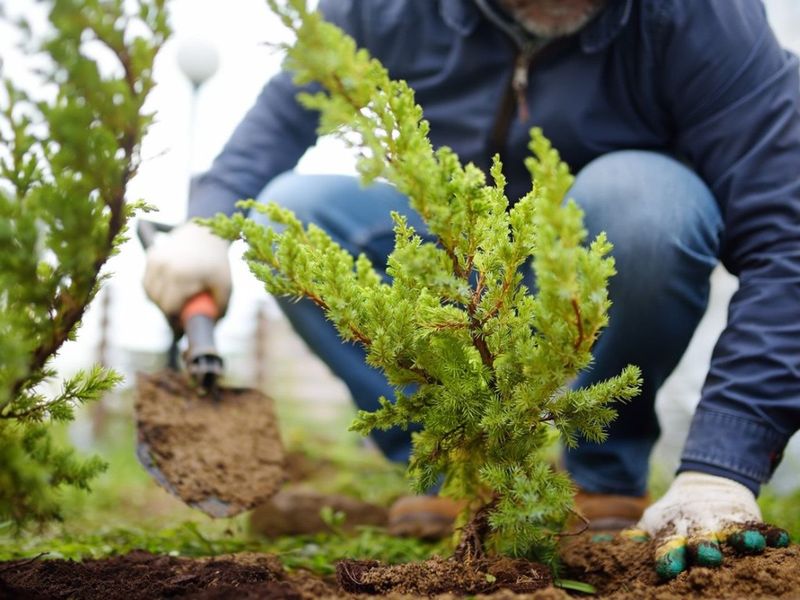
Spring, with its mild temperatures and abundant rain, offers ideal conditions for planting trees. The soil is warmer, promoting root growth, while frequent rains ensure that young trees receive enough moisture. This is a season of renewal, and trees planted now can establish roots before the heat of summer.
Gardening enthusiasts find spring planting rewarding as they witness quick growth and vibrant foliage. The key is to plant as soon as the ground thaws, allowing the tree to adapt and flourish. These early efforts lead to long-lasting beauty.
2. The Benefits of Fall Tree Planting
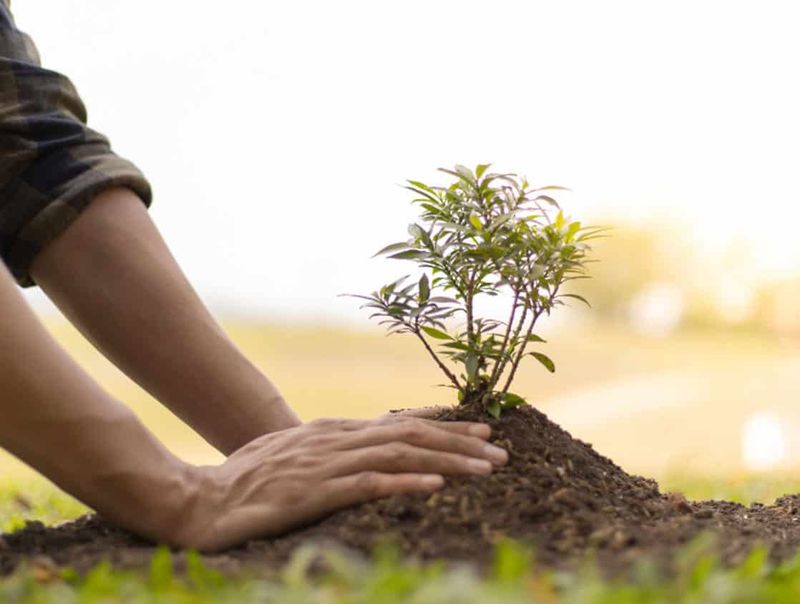
Fall planting allows trees to focus on root development without the stress of intense heat. The cooler temperatures and stable moisture levels help roots establish firmly, preparing the tree for vigorous growth come spring.
Gardeners appreciate fall planting for its lower maintenance needs; less watering is required as nature does the work. Planting trees in fall ensures they wake up ready in spring, bursting with energy and growth. This method supports a strong foundation for years of health.
3. Why Summer Isn’t Ideal for Young Trees
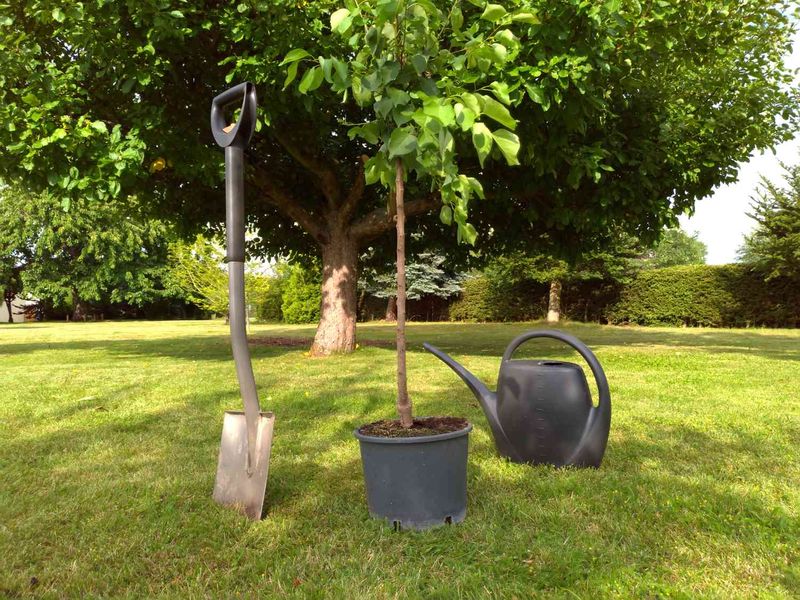
Summer poses challenges for young trees due to scorching heat and dry conditions. Newly planted trees need consistent moisture, which can be hard to maintain during hot months. The stress of heat can impede root development, leading to weak growth.
Gardeners must be cautious if planting in summer, providing shade and ensuring regular watering. Although possible, it’s not the preferred time, as trees may struggle to thrive. Understanding these limitations helps gardeners plan effectively, ensuring healthier trees.
4. How to Avoid Winter Planting Pitfalls
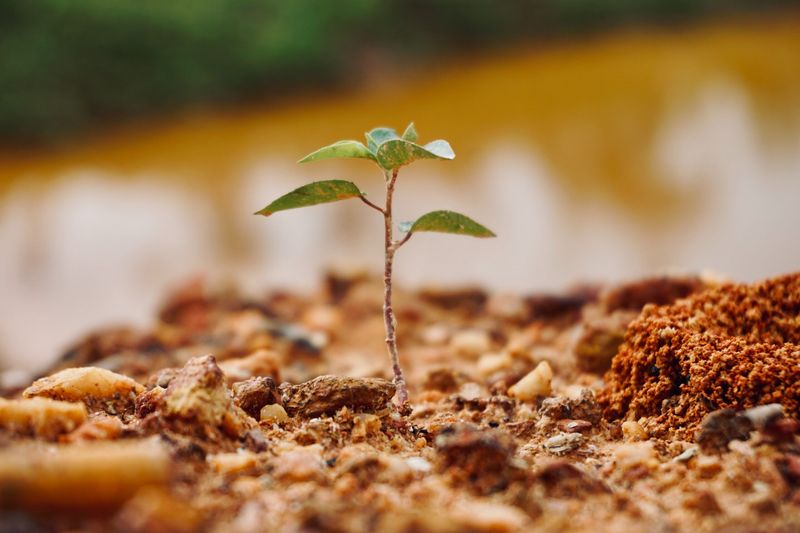
Winter planting is generally discouraged due to frozen ground and dormant tree states. The cold inhibits root growth, and the risk of frost damage is high. Trees planted in winter often struggle to establish themselves come spring.
For those determined to plant in winter, select hardy tree species and ensure adequate protection from frost. Mulching heavily can provide insulation. While challenging, understanding the risks allows for better planning and care. Always prioritize spring or fall for optimal results.
5. Choosing the Right Tree for Your Climate

Selecting the right tree species for your specific climate is vital for success. Trees adapted to local conditions are more resilient and require less maintenance. Consider factors like temperature extremes, rainfall patterns, and soil type.
Researching native species or consulting local nurseries can guide your choice, ensuring a harmonious match with the environment. By understanding your climate’s demands, you can select trees that thrive naturally, contributing to a sustainable landscape. This thoughtful selection process leads to healthier growth and less intervention.
6. Digging the Perfect Planting Hole
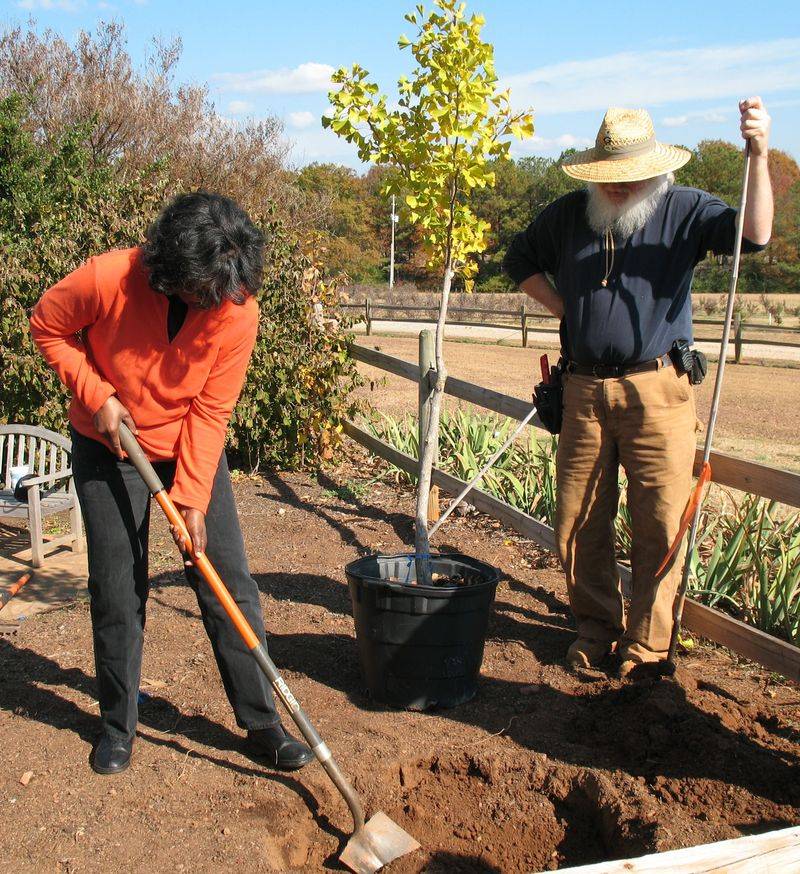
Digging the perfect planting hole is crucial for tree stability and growth. The hole should be twice as wide as the root ball but no deeper. This allows roots to spread horizontally, anchoring the tree firmly in place.
Proper hole preparation also ensures good soil structure and drainage. Loosening the surrounding soil encourages root expansion, vital for nutrient uptake. Attention to these details minimizes transplant shock, helping the tree establish quickly. An optimal planting hole is the foundation of a thriving tree.
7. The Importance of Planting at the Correct Depth
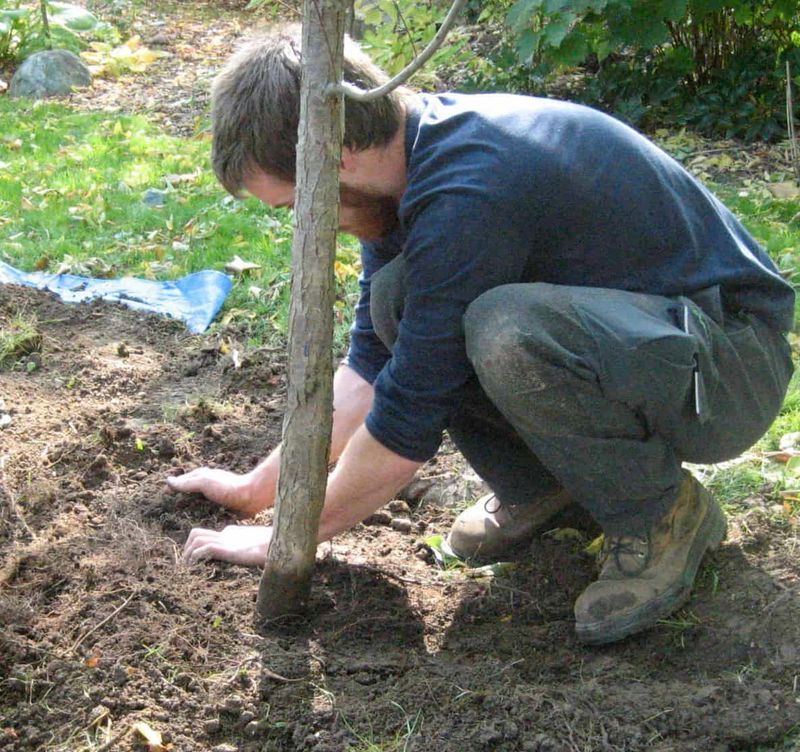
Planting at the correct depth is essential for tree health. Trees planted too deep may suffer from suffocated roots, while shallow planting can lead to instability.
Ensure the root flare is just above the soil surface, allowing roots access to air and nutrients. This practice supports robust root growth and prevents rot. Accurate depth planting enhances a tree’s longevity, reducing stress and improving adaptation to its environment. Mindful planting sets the stage for enduring strength and beauty.
8. How Mulch Helps Tree Health
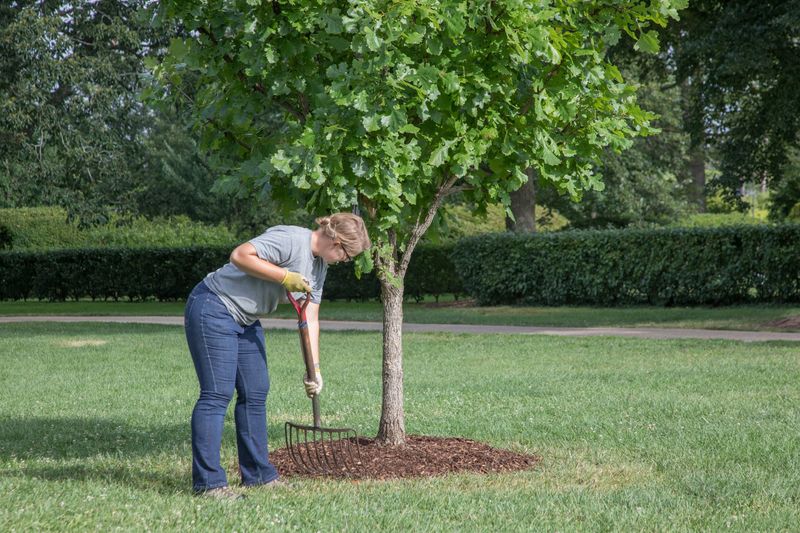
Mulch acts as a protective blanket for young trees, preserving soil moisture and regulating temperature. It reduces competition from weeds, allowing trees to access vital nutrients without interference.
Applying organic mulch enriches the soil as it decomposes, adding essential nutrients. This process enhances tree health, supporting strong growth and resilience. A well-mulched tree is better equipped to withstand environmental stress, promoting robust development. Regular mulching is a simple yet effective practice that nurtures tree vitality.
9. Watering Strategies for Strong Root Growth
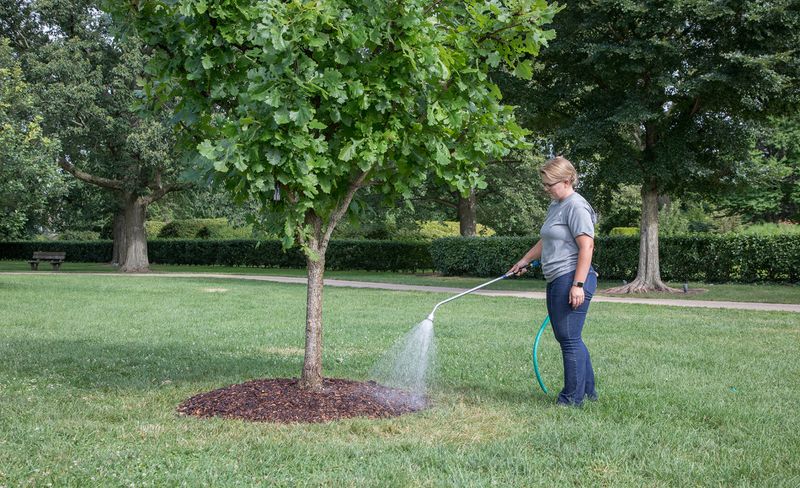
Effective watering is key to strong root development. Deep watering encourages roots to grow downward, accessing deeper soil layers rich in nutrients and moisture.
Avoid shallow watering, which leads to weak, surface-level roots. Instead, water slowly and thoroughly, ensuring soil saturation. This method promotes drought resistance and overall tree health. By adopting strategic watering practices, gardeners can support robust root systems and enduring growth. Consistent attention to watering sets the foundation for thriving trees.
10. Should You Stake Your New Tree?
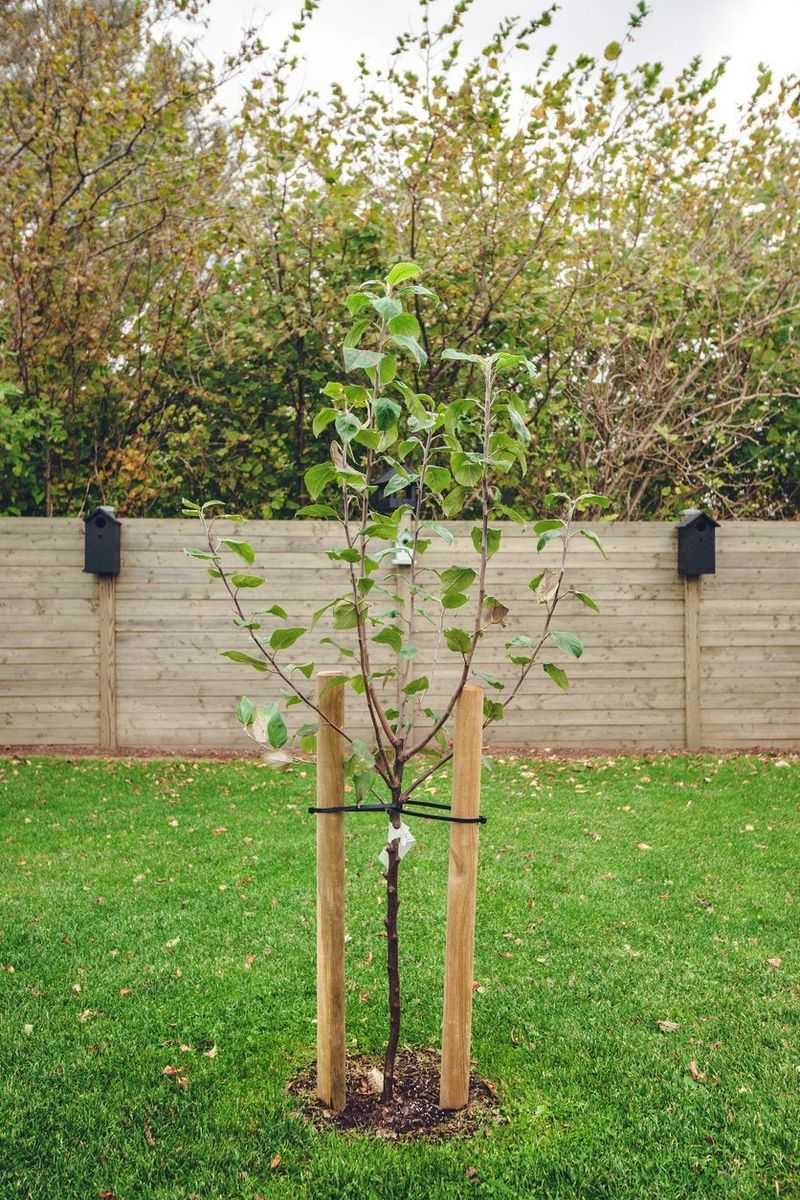
Staking provides stability to young trees, especially in windy areas. It helps the tree establish roots without being uprooted or tilted, promoting straight growth.
However, improper staking can hinder development. Ensure stakes are not too tight, allowing the tree some movement to strengthen naturally. Typically, stakes are needed only for the first year. Assessing the need for staking and executing it correctly fosters healthy, upright growth. Thoughtful support strategies enhance a tree’s ability to thrive independently.
11. How to Prune After Planting
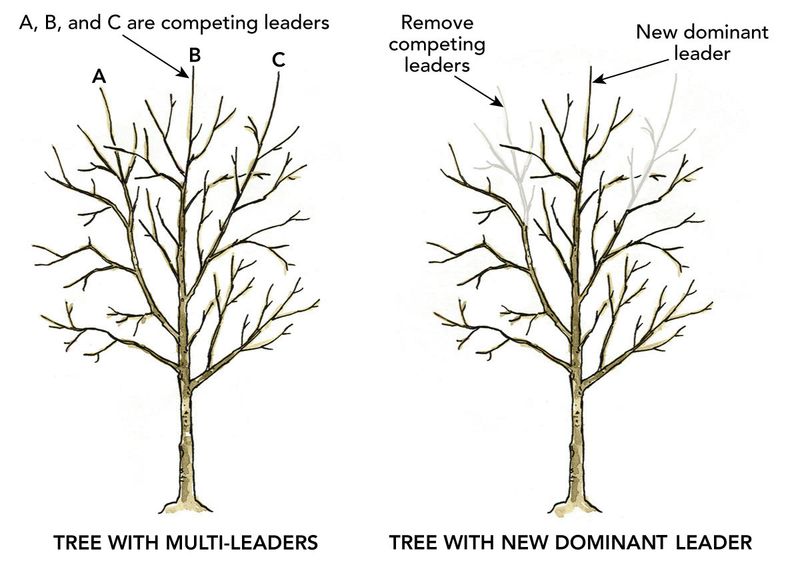
Pruning after planting is crucial for directing growth and removing damaged branches. This practice boosts tree health by preventing disease and encouraging optimal structure.
Focus on removing only necessary branches, avoiding over-pruning which can stress the tree. Pruning shapes the tree, improving light penetration and air circulation. By understanding pruning techniques, gardeners enhance the tree’s form and resilience. Thoughtful pruning supports vigorous growth and longevity, crafting a visually pleasing landscape.
12. Protecting Trees from Wildlife Damage
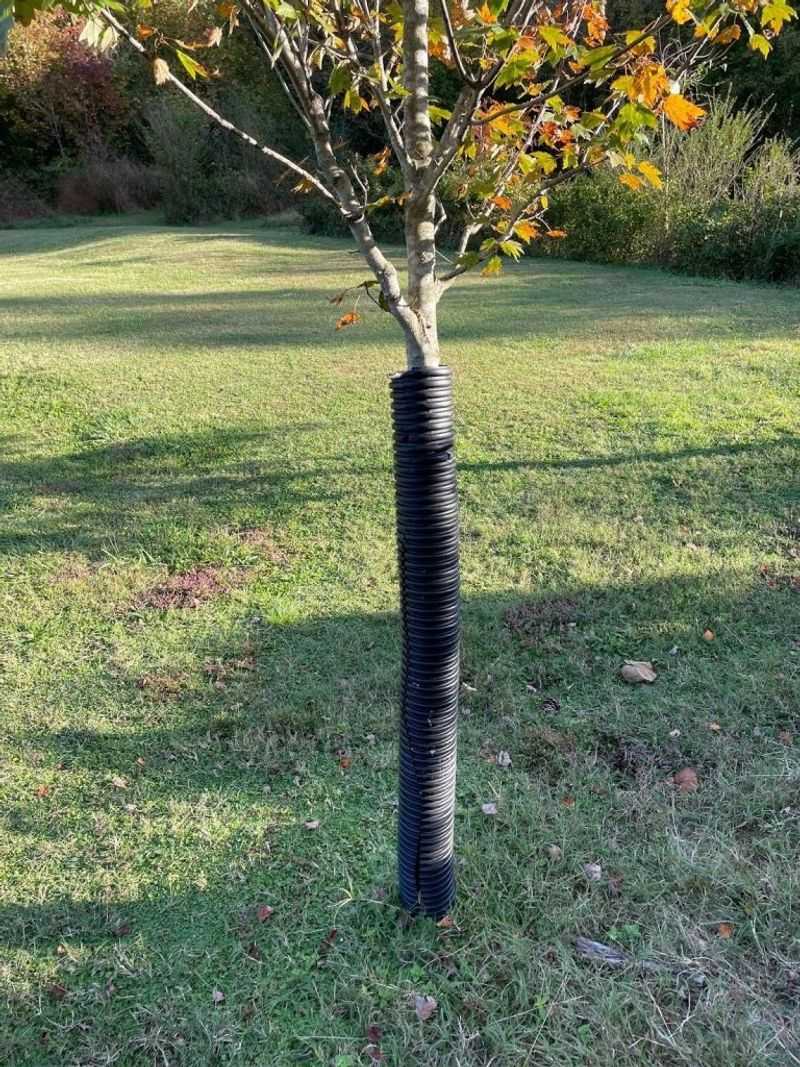
Young trees are vulnerable to wildlife damage, from browsing deer to gnawing rodents. Protecting trees with barriers like fencing or wraps prevents bark stripping and root exposure.
Regular inspections help identify potential threats early, allowing for timely intervention. Employing natural deterrents or repellents also safeguards trees. By understanding local wildlife behavior and employing protective strategies, gardeners can minimize damage and support healthy growth. A proactive approach ensures trees mature without undue stress.
13. When (and When Not) to Fertilize
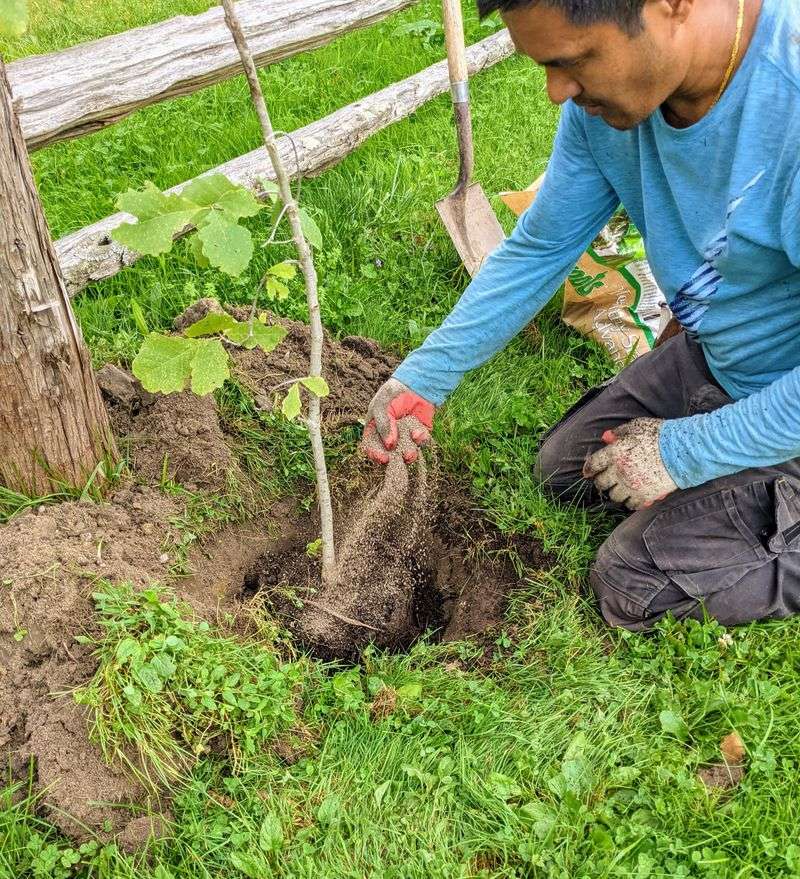
Fertilization provides nutrients for growth but must be timed correctly. Young trees benefit from fertilization in early spring or late fall when they can absorb nutrients efficiently without the stress of extreme weather.
Avoid fertilizing immediately after planting, as it can damage roots. Instead, focus on healthy soil practices first. Understanding when to fertilize optimizes tree health and minimizes risk, supporting robust growth. Thoughtful nutrient management enhances the tree’s ability to thrive and adapt.
14. Spotting Pests and Disease Early
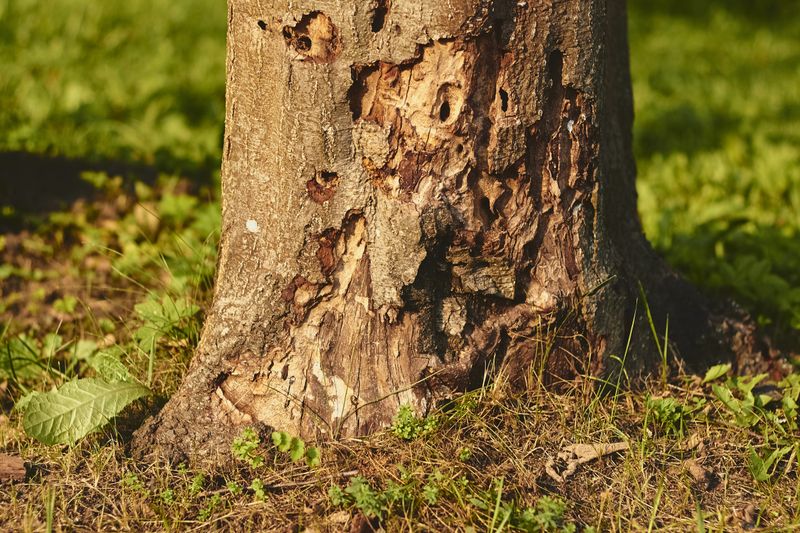
Early detection of pests and diseases is vital for tree health. Regular inspections allow gardeners to identify issues before they escalate, ensuring timely treatment and prevention.
Look for signs like discolored leaves, unusual growths, or insect presence. Employ integrated pest management strategies to control infestations without harmful chemicals. By staying vigilant and informed, gardeners can protect their trees from potential threats. A proactive stance ensures trees remain healthy and vibrant, contributing to a lush landscape.
15. Patience: The Key to a Thriving Tree
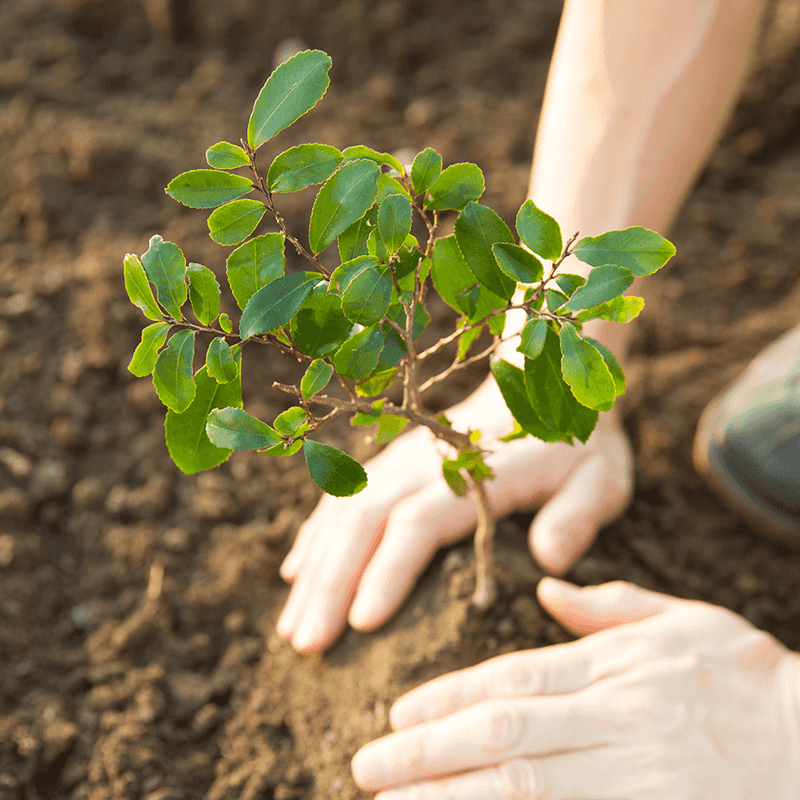
Patience is essential in nurturing trees to maturity. Growth takes time, and a hands-on approach fosters resilience and strength. Consistent care and observation lead to thriving trees.
Understand that each tree grows at its own pace. Resist the urge to force rapid growth, focusing instead on sustainable practices. This mindset cultivates a connection with nature, rewarding gardeners with healthy, majestic trees over time.
Embracing patience is a gardener’s greatest asset, ensuring long-lasting beauty and vitality.