 Complete Gardening
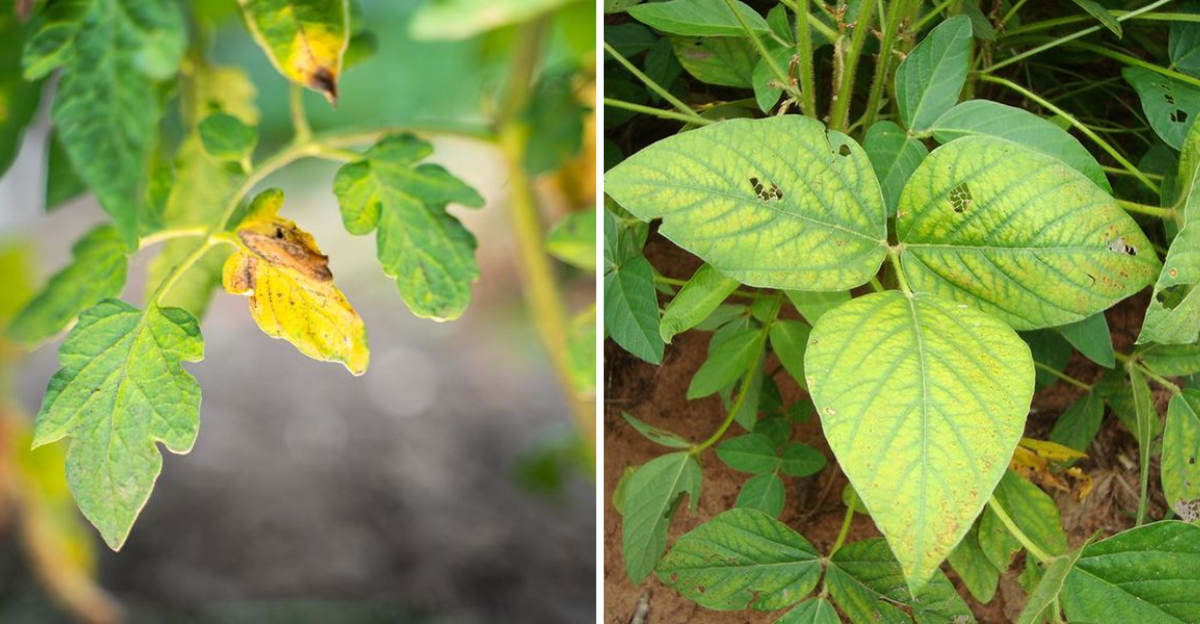
Plants can be astoundingly communicative about their health. When they lack essential nutrients, many species exhibit dramatic color changes in their foliage, turning yellow, purple, or red. These changes are not merely aesthetic; they are crucial indicators of soil health and plant well-being. Understanding these visual cues can be like reading the pulse of your garden, providing a living soil test that tells you what nutrients might be missing.
Tomato Plant
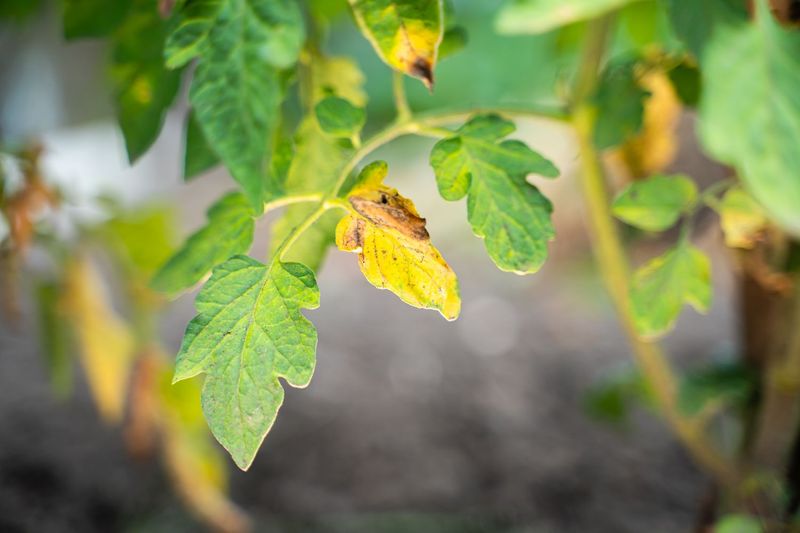
The tomato plant is a garden staple, but watch closely and it will reveal its needs. When deprived of nitrogen, its leaves may start to yellow, losing their vibrant green hue. This change begins at the tips and edges, slowly spreading if unaddressed.
Tomatoes are sensitive to nutrient levels, making them excellent indicators of soil health. Yellowing leaves can significantly impact fruit production, reducing yield. Regular soil testing helps avert this issue, ensuring a bountiful harvest.
Home gardeners value tomatoes both for their flavorful fruits and as indicators of garden vitality.
Corn
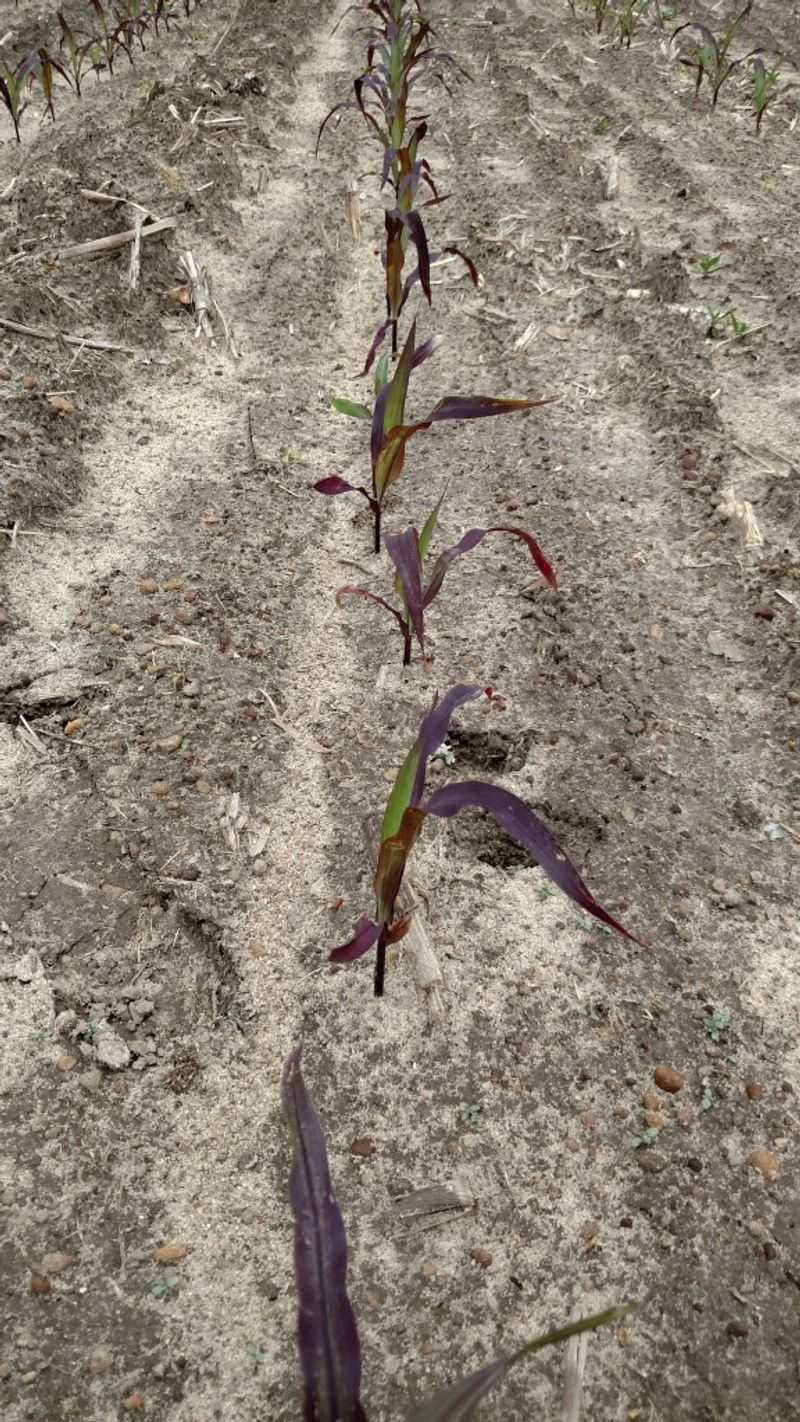
Corn is a robust crop, but phosphorus deficiency can cause its leaves to turn a striking purple. This color shift typically starts on the lower leaves and can progress upwards.
Phosphorus is vital for energy transfer and root development in corn. Without it, plants struggle, exhibiting stunted growth alongside the vivid color change. Farmers often scout fields for this visual cue to determine soil nutrient needs.
Incorporating phosphorus-rich fertilizers can reverse this issue, restoring the plant’s health and ensuring a successful harvest.
Maple Tree
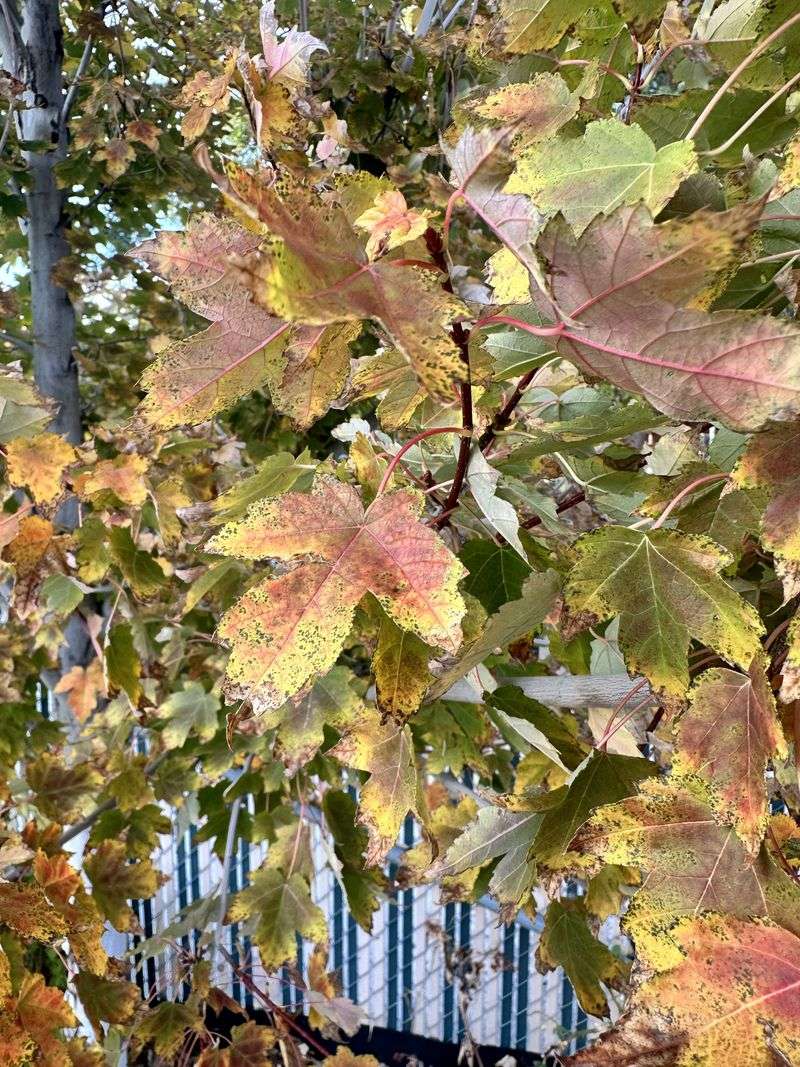
Maple trees are known for their stunning fall colors, but stress from nutrient deficiencies can cause premature leaf reddening. This often signals a lack of nitrogen or phosphorus.
The red coloration is a stress response, an attempt by the tree to cope with poor soil conditions. While beautiful, it’s a sign that the tree might need a nutrient boost to thrive.
Homeowners admire maples for their aesthetic appeal and shade, but maintaining soil health is key to preserving these majestic trees.
Bean Plant
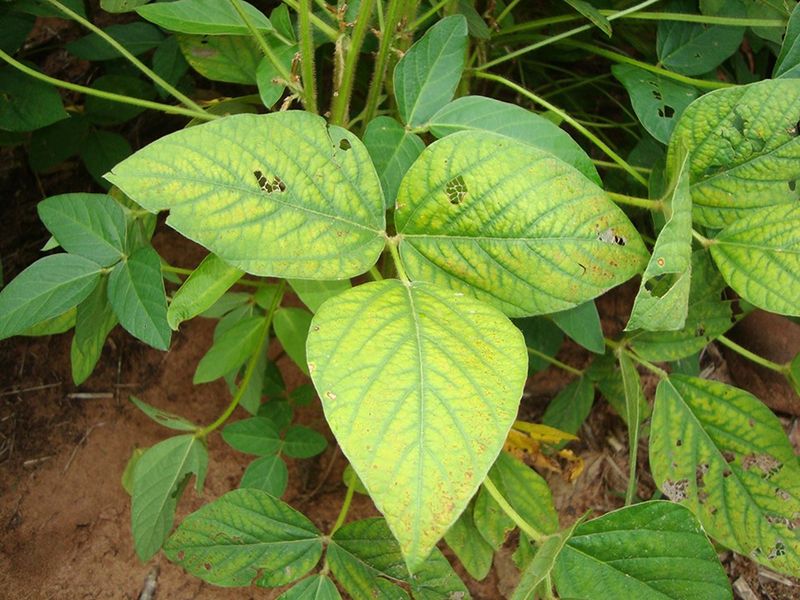
Bean plants, like many legumes, can fix nitrogen from the air. Yet, when soil lacks magnesium or other nutrients, their leaves often turn yellow.
This yellowing, known as chlorosis, can be patchy, affecting specific areas of the leaf. It is crucial for gardeners to recognize this sign as it indicates an imbalance in soil nutrition.
Providing a balanced fertilizer can remedy this, helping the plant recover and produce healthy beans. Beans are not only nourishing but also serve as an insightful guide to soil health.
Bell Pepper
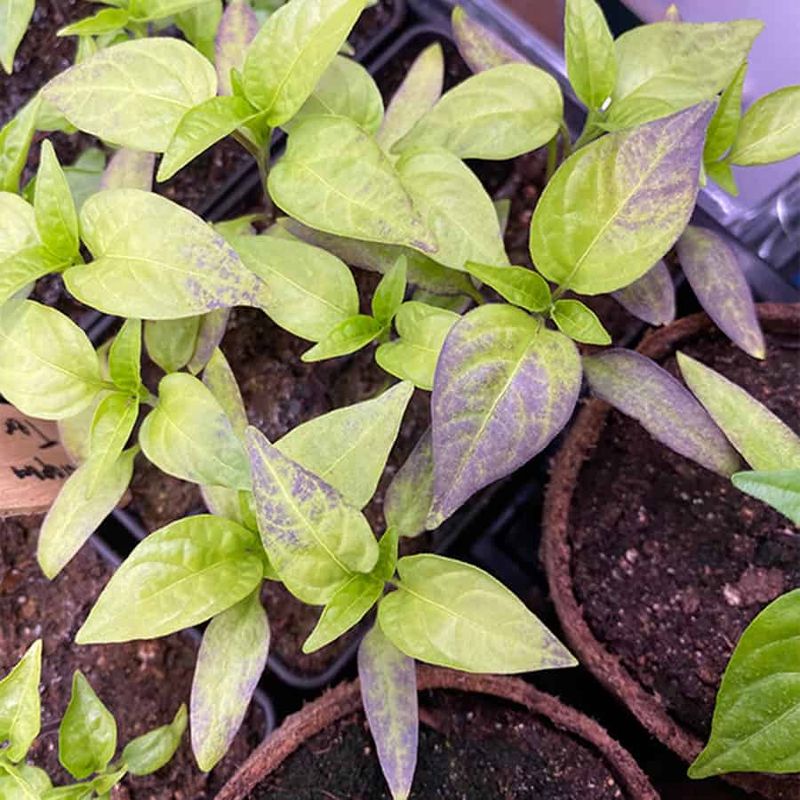
Bell peppers are beloved for their vibrant fruits, yet they can signal distress through their leaves. A deficiency in phosphorus or potassium may cause veins to turn purple, creating a striking pattern against the green leaf backdrop.
This condition can slow growth and reduce fruit yield if not corrected. Gardeners should monitor these visual cues closely to ensure peppers receive adequate nutrition.
Peppers are not just culinary delights; they’re also key indicators of a garden’s nutrient status. Addressing deficiencies early ensures flourishing plants and abundant harvests.
Spinach
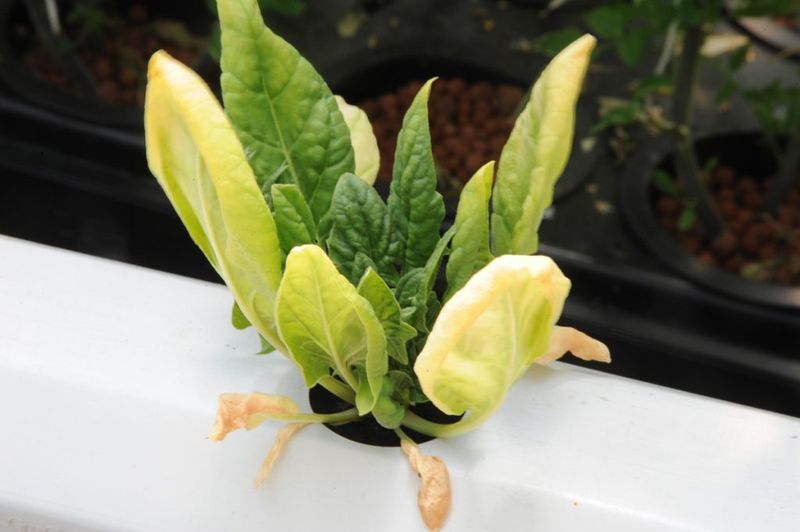
Spinach is a nutrient powerhouse, yet its leaves yellow quickly when deprived of nitrogen. This yellowing starts at the oldest leaves, moving upwards if unaddressed.
A nitrogen deficiency can weaken the plant, reducing its lush growth and nutritional value. For gardeners, this visual cue is essential for maintaining spinach productivity.
Applying a nitrogen-rich fertilizer can reverse the yellowing, ensuring that spinach continues to be a robust and nutritious addition to meals. It’s a favorite in healthy diets and in gardens for its easy-to-read signals.
Petunia
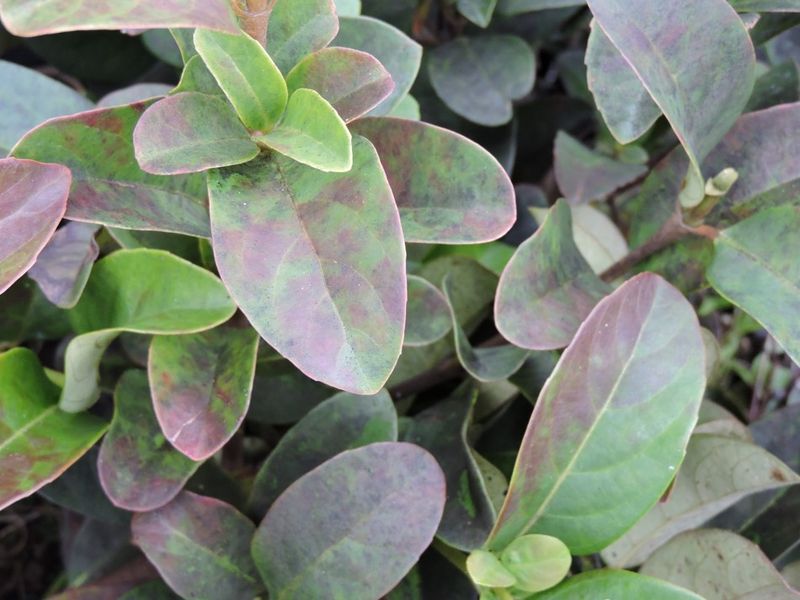
Petunias are cherished for their colorful blooms, but a phosphorus deficiency can cause their leaves to develop a purple tint. Typically, this begins at the leaf edges and works inward.
Purple leaves can lead to reduced flowering, as the plant struggles to absorb the nutrients it needs. This visual indication helps gardeners adjust fertilization practices.
Petunias are more than decorative; they are insightful garden companions that communicate soil health through their vivid foliage changes, aiding gardeners in maintaining optimal plant conditions.
Raspberry Bush
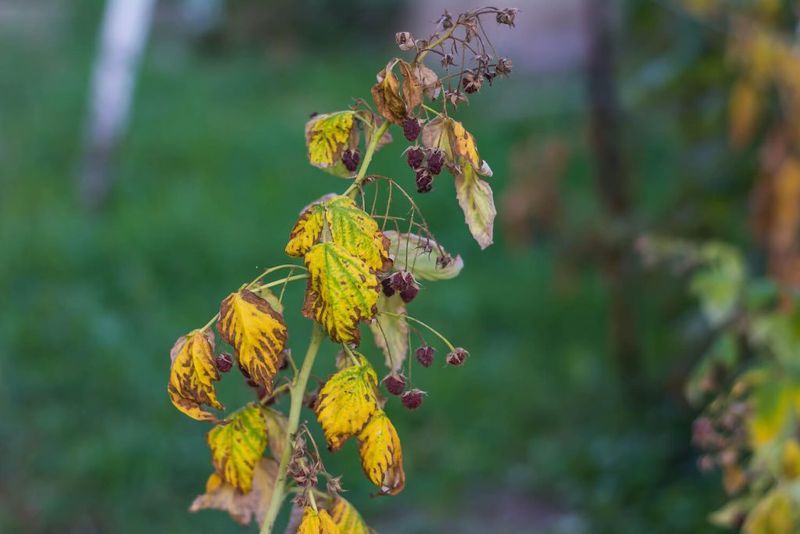
Raspberry bushes are a delightful addition to gardens, but insufficient nitrogen can cause their leaves to redden. This reddening often affects the leaf’s edges, providing an early warning sign for gardeners.
Nutrient-deficient raspberries may produce fewer, smaller berries, impacting harvest quality. Recognizing this change allows for timely nutrient interventions.
Raspberries are not only a delicious summer treat but also serve as indicators of soil health, guiding gardeners toward maintaining a balanced nutrient profile in their gardens.
Strawberry Plant
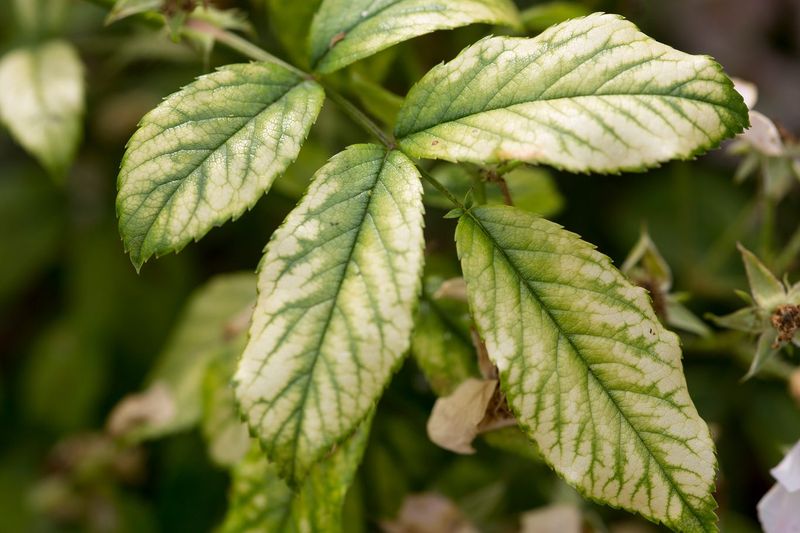
Strawberry plants are garden favorites, but their leaves can turn yellow when magnesium is lacking. This yellowing usually starts between the veins, creating a distinct pattern.
Magnesium is crucial for photosynthesis, and its deficiency can stunt plant growth and fruit production. Observing these signs can help gardeners apply the right nutrients.
Strawberries are not just tasty treats; they’re also valuable indicators of the garden’s nutrient status. By addressing deficiencies, gardeners can ensure a healthy crop and vibrant garden.
Rosebush
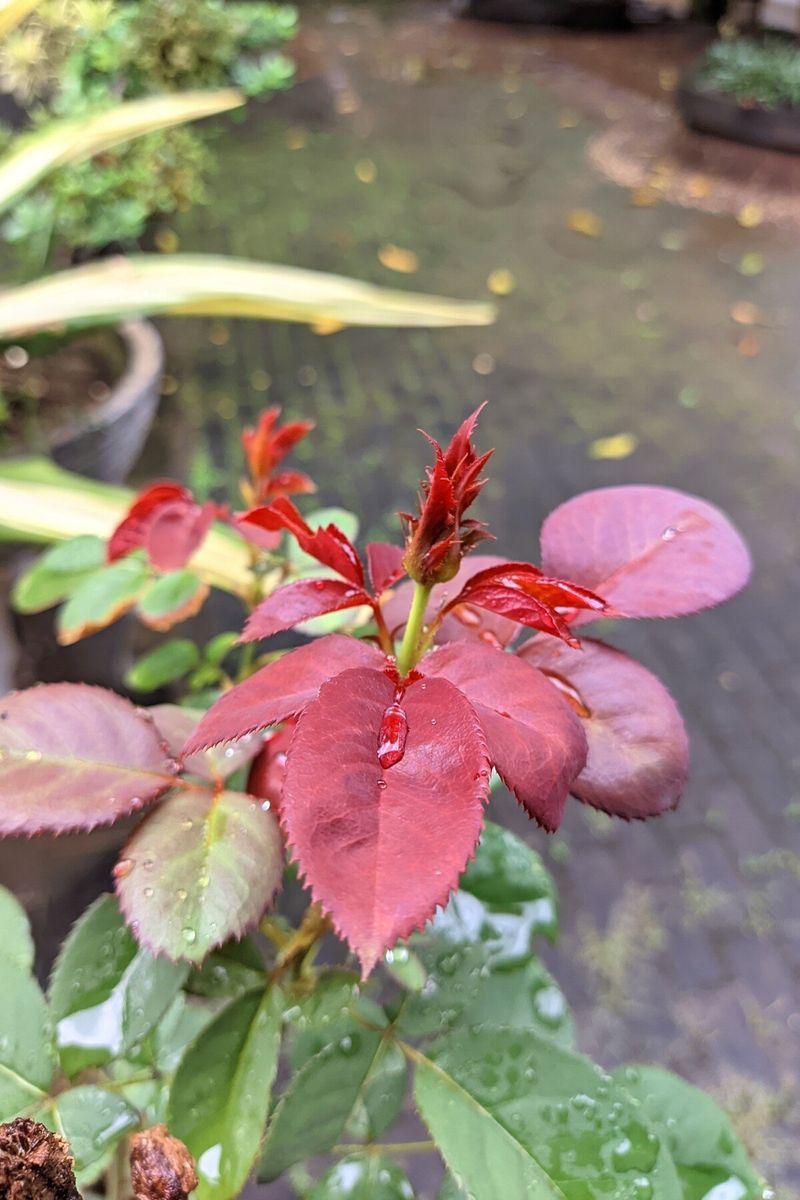
Rosebushes, symbols of beauty and romance, can signal nutrient stress through red leaf discoloration. This often results from a lack of phosphorus or potassium, affecting the plant’s vigor.
The red leaves can impact bloom quality, making it crucial for gardeners to address these deficiencies promptly. Roses are highly responsive to soil conditions, reflecting changes through their foliage.
Incorporating balanced fertilizers ensures roses remain healthy, producing lush blooms. They’re treasured not only for their flowers but also for their role in signaling the need for garden care.
Hydrangea
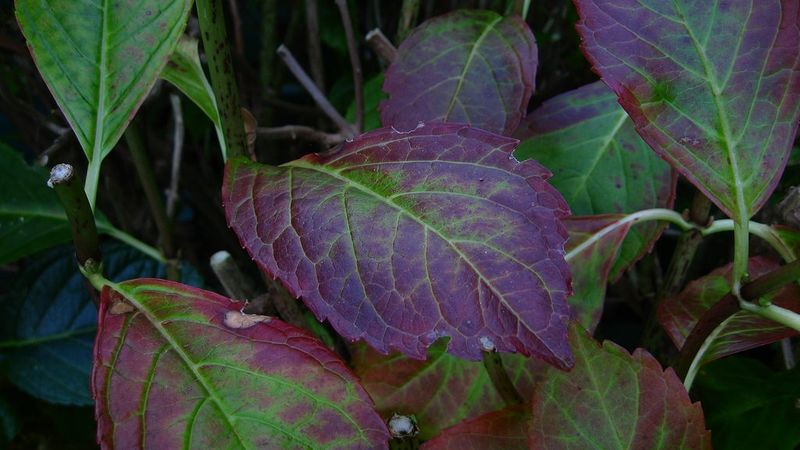
Hydrangeas are known for their stunning, large blooms. When lacking phosphorus, their flowers can turn an unexpected shade of purple or red. This shift is not only a beautiful spectacle but also a signal for gardeners to check their soil’s nutrient profile.
In addition to phosphorus deficiency, a red or purple hue might indicate aluminum toxicity or pH imbalance. Regular soil testing can help maintain the ideal conditions for these beautiful plants. By adjusting soil pH and adding necessary nutrients, hydrangeas can thrive and display their iconic blue or pink shades.
Marigold
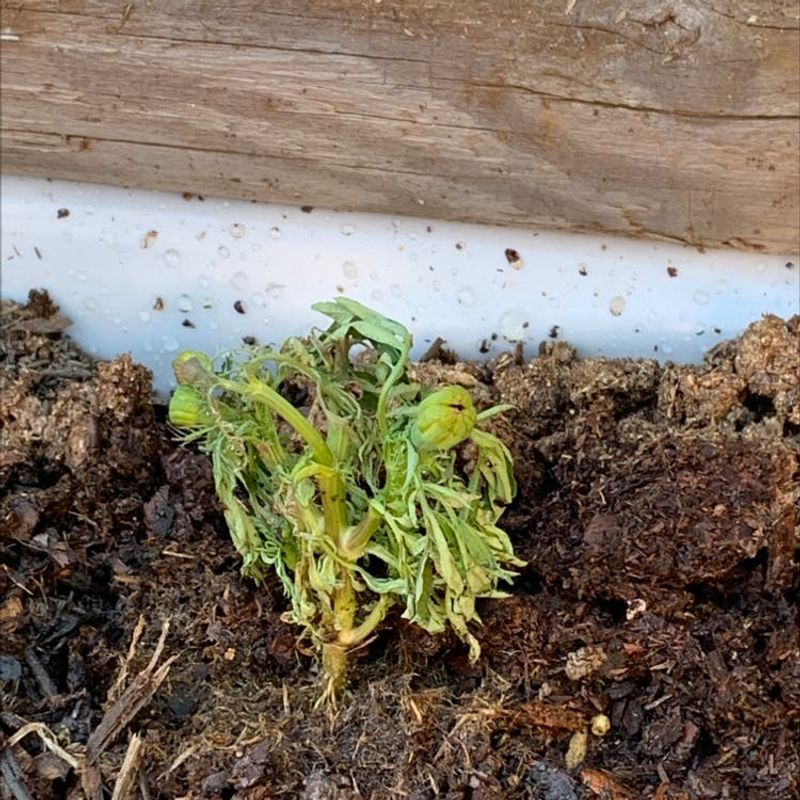
Marigolds add a pop of color to any garden. However, when their foliage turns yellow, it’s a sign of nitrogen deficiency. This yellowing can spread quickly, affecting the plant’s overall health and reducing its flowering potential.
To remedy this, gardeners can enrich the soil with organic matter or nitrogen-rich fertilizers. Marigolds thrive in well-drained soil and full sunlight, making them a resilient choice for diverse garden settings. Their vibrant blooms not only beautify spaces but also act as natural pest deterrents, providing a dual benefit to gardeners.
Blueberry Bush
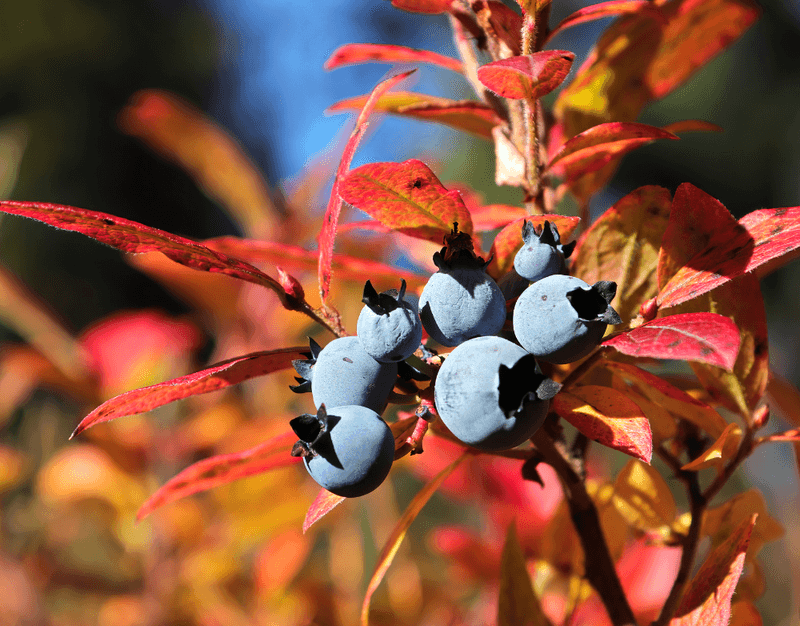
Blueberry bushes are beloved for their delicious fruit, but nutrient deficiencies can cause their leaves to turn red or purple. This color change often points to a lack of magnesium, essential for photosynthesis.
Gardeners can address this by amending the soil with magnesium-rich fertilizers or Epsom salt solutions. Blueberries prefer acidic soil conditions, so maintaining the right pH is crucial for their health. By understanding these signals, one can ensure a fruitful harvest and healthy plants, making blueberry bushes both a treat and a natural soil indicator.
Azalea
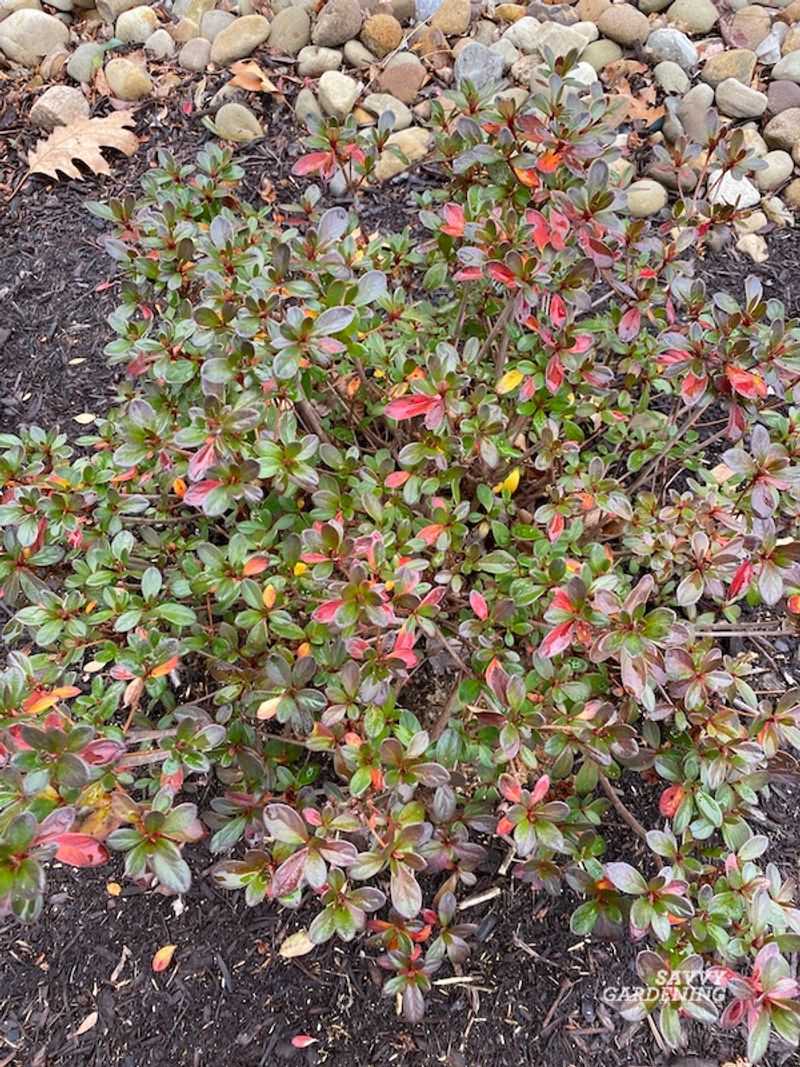
Azaleas are cherished for their vibrant spring blooms. However, a phosphorus deficiency can cause their leaves to turn an eye-catching red. This dramatic transformation signals gardeners to inspect and amend the soil’s phosphorus content.
By incorporating bone meal or phosphorus-rich fertilizers, azaleas can maintain their lush, green appearance and produce abundant flowers. Azaleas thrive in acidic, well-drained soils, and their vibrant foliage changes offer valuable insights into their nutritional needs, helping maintain garden vitality and color.
Cabbage
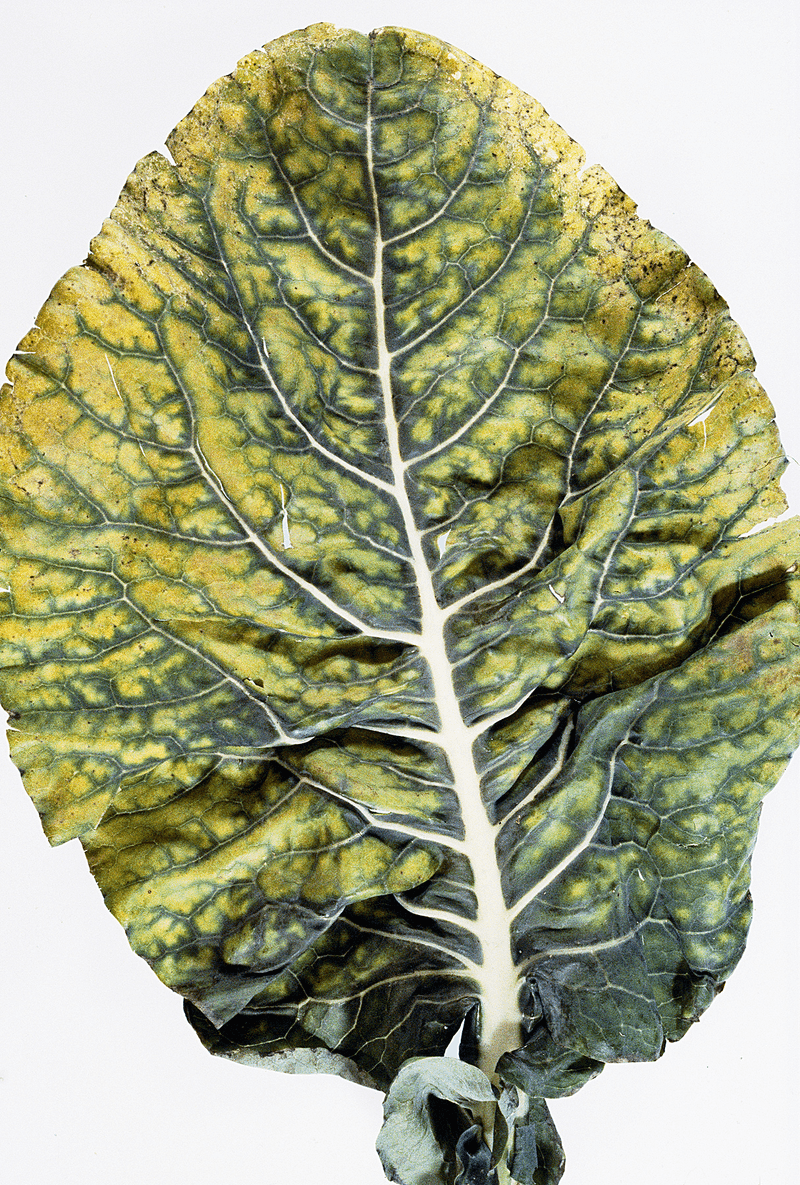
Cabbage is a staple in many gardens, favored for its nutritious leaves. When they lack potassium, the outer leaves may develop a purple tinge, signaling gardeners to adjust their soil management practices.
Potassium is vital for plant growth, influencing water uptake and enzyme activation. Correcting this deficiency involves applying potassium-rich fertilizers or compost. Cabbage requires nutrient-rich, well-drained soil to flourish. By observing these color changes, gardeners can ensure a bountiful harvest and maintain the health of their vegetable beds.
Pine Tree
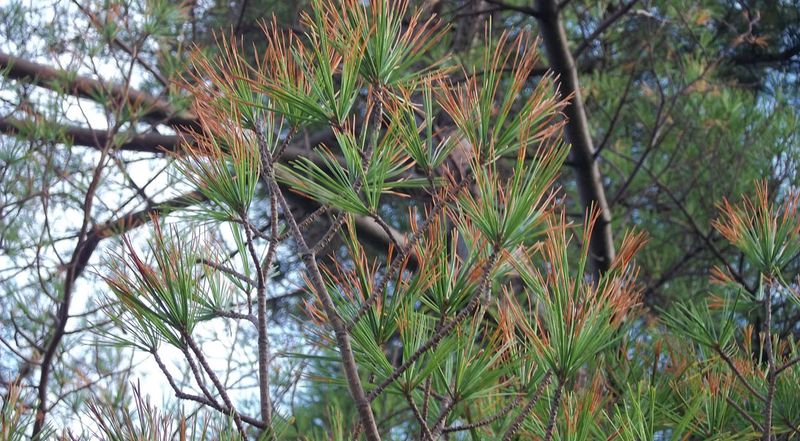
Pine trees, with their evergreen charm, can show signs of nitrogen deficiency through yellowing needles. This change affects the tree’s growth and vitality, making it a crucial signal for forest health.
Nitrogen is essential for photosynthesis and overall development. Addressing this involves soil amendment with nitrogen-rich fertilizers, which can revitalize the tree’s growth. Pine trees prefer well-drained, acidic soils, and by monitoring needle color, one can maintain their robust health and the ecological balance of forested areas.
Fuchsia
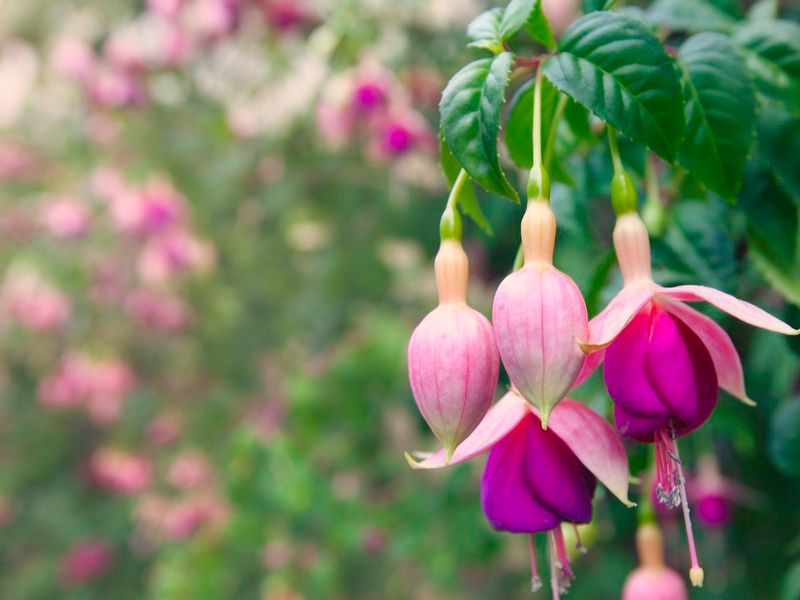
Fuchsia plants are admired for their pendulous flowers. A phosphorus deficiency can cause their leaves to turn red, alerting gardeners to the need for soil amendments.
Adding phosphorus-rich fertilizers can restore their health and enhance their flowering potential. Fuchsias thrive in well-drained, slightly acidic soils, and their vibrant blooms can brighten any garden space. This colorful warning system helps maintain their beauty and ensures that gardeners can enjoy a full display of their cascading flowers.
Hibiscus
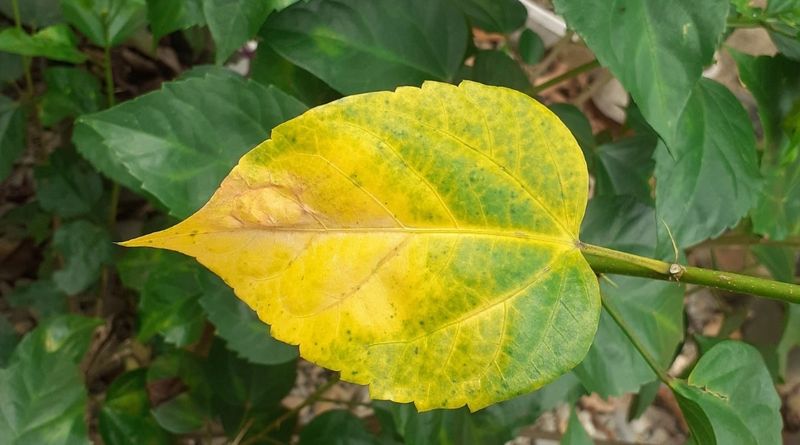
Hibiscus plants, known for their tropical blooms, can develop yellow spots on leaves due to iron deficiency. This condition impacts the plant’s chlorophyll production and overall health.
To combat this, gardeners can apply iron chelates or iron-rich supplements to the soil. Hibiscus prefers well-drained, slightly acidic soil conditions. By addressing these nutrient needs, gardeners can ensure vigorous growth and vibrant blooms. The hibiscus serves as both a garden centerpiece and a living indicator of soil health.
Rhododendron
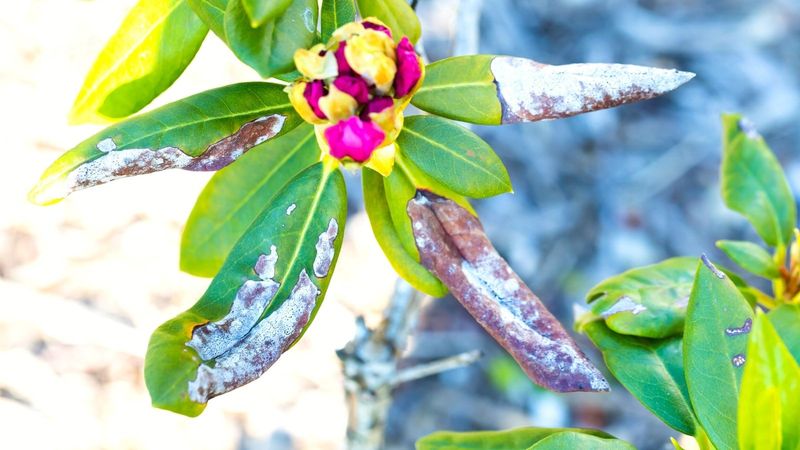
Rhododendrons are celebrated for their showy flowers, but purple-tinged leaves can indicate nutrient deficiencies, particularly phosphorus or potassium. These changes provide vital cues for soil management.
By adding balanced fertilizers and ensuring well-drained, acidic soil, rhododendrons can maintain their health and vibrant blooms. They flourish in shaded areas, offering beauty and color to diverse garden landscapes. Observing these color changes allows gardeners to adjust their care practices, ensuring continued growth and flowering success.