 Complete Gardening
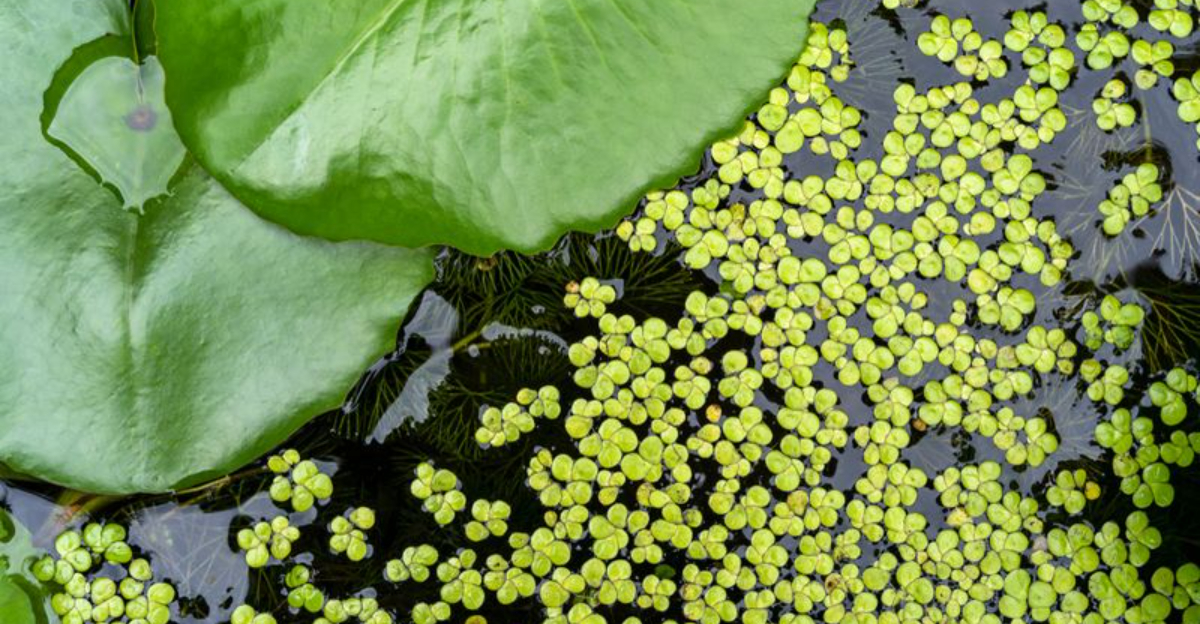
In the world of flora, some plants defy expectations and challenge the norms of growth and survival. These audacious species thrive in ways that surprise and captivate, showcasing nature’s creativity.
From carnivorous habits to dramatic transformations, these plants break all the rules, offering a glimpse into the wild side of plant life.
Explore these 15 rebellious plants and discover how they dance to their own unique tunes, adding intrigue and wonder to the natural world.
1. Resurrection Plant (Selaginella lepidophylla)
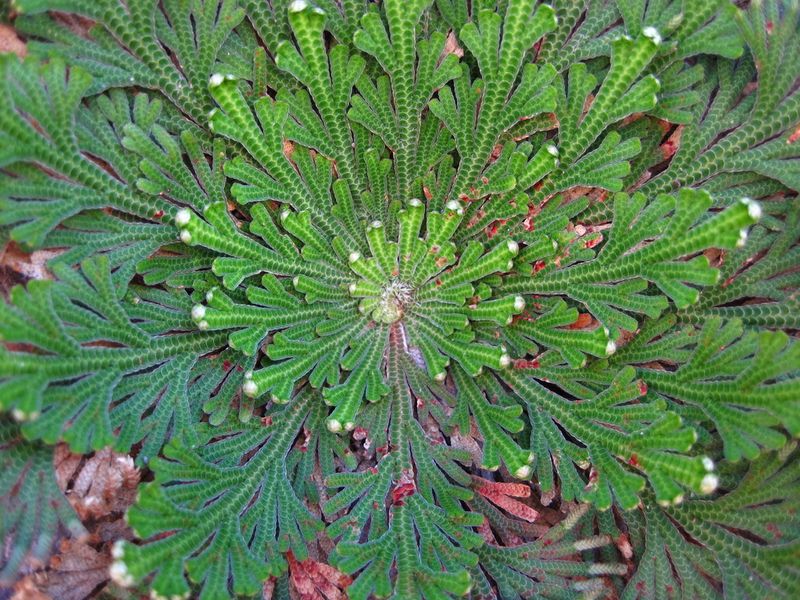
Imagine a plant that seems to give up entirely during dry times, only to stage an incredible comeback. The Resurrection Plant curls into a tight ball, appearing dead, but with just a splash of water, it unfurls and turns green, as if nothing ever happened.
This amazing transformation is a survival strategy that allows it to endure harsh conditions. Its ability to “resurrect” is not just fascinating but also a symbol of resilience. In the wild, it teaches us the art of bouncing back with vigor and grace.
2. Venus Flytrap (Dionaea muscipula)
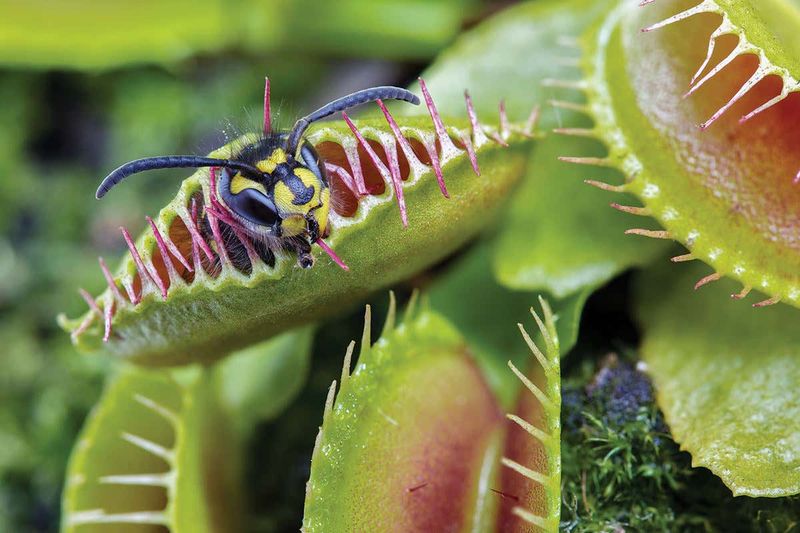
The Venus Flytrap is not your typical plant. It combines alluring beauty with a predatory nature, trapping unsuspecting insects in its jaw-like leaves. This carnivorous plant supplements its diet by consuming bugs, a necessity in nutrient-poor soils where it grows.
Its quick snapping action is a spectacle of nature’s engineering. Each trap can only close a few times before it dies, making each meal crucial. This fascinating lifecycle emphasizes the delicate balance of survival and adaptation, making the Venus Flytrap a true marvel.
3. Lithops (Living Stones)
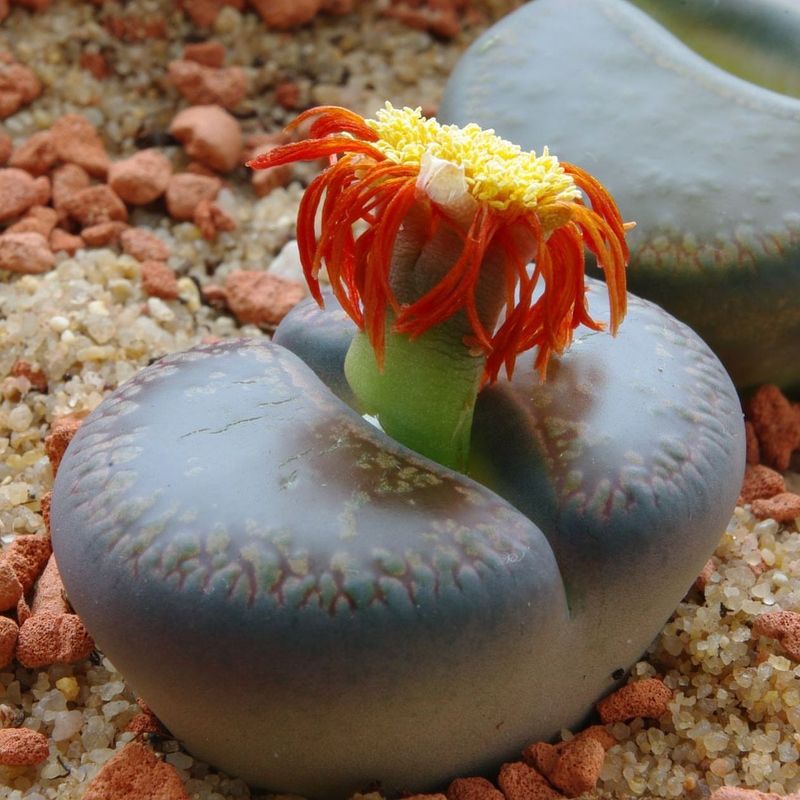
Lithops, known as living stones, are masters of disguise in the plant world. Their unique appearance mimics the stones around them, providing excellent camouflage from herbivores. In their native arid regions, this adaptation is crucial for survival.
They thrive on minimal water, thanks to their succulent nature. As seasons change, they bloom with surprising bursts of color, adding a splash of vibrancy to their rocky abode. It’s an enchanting sight that defies the dull expectations of desert life, proving that beauty often comes in the most unexpected forms.
4. Tumbleweed (Kali tragus)

Tumbleweed’s life story is as adventurous as it sounds. When mature, it detaches from the ground and rolls away, scattering seeds across the land. This nomadic strategy ensures its progeny spread far and wide, adapting to new environments.
It’s a symbol of resilience and wanderlust, embodying the spirit of exploration. However, its invasive nature in non-native regions can cause ecological disruptions. Despite this, tumbleweeds capture the imagination, representing the untamed and unpredictable side of plant life.
5. Night-Blooming Cereus (Epiphyllum oxypetalum)
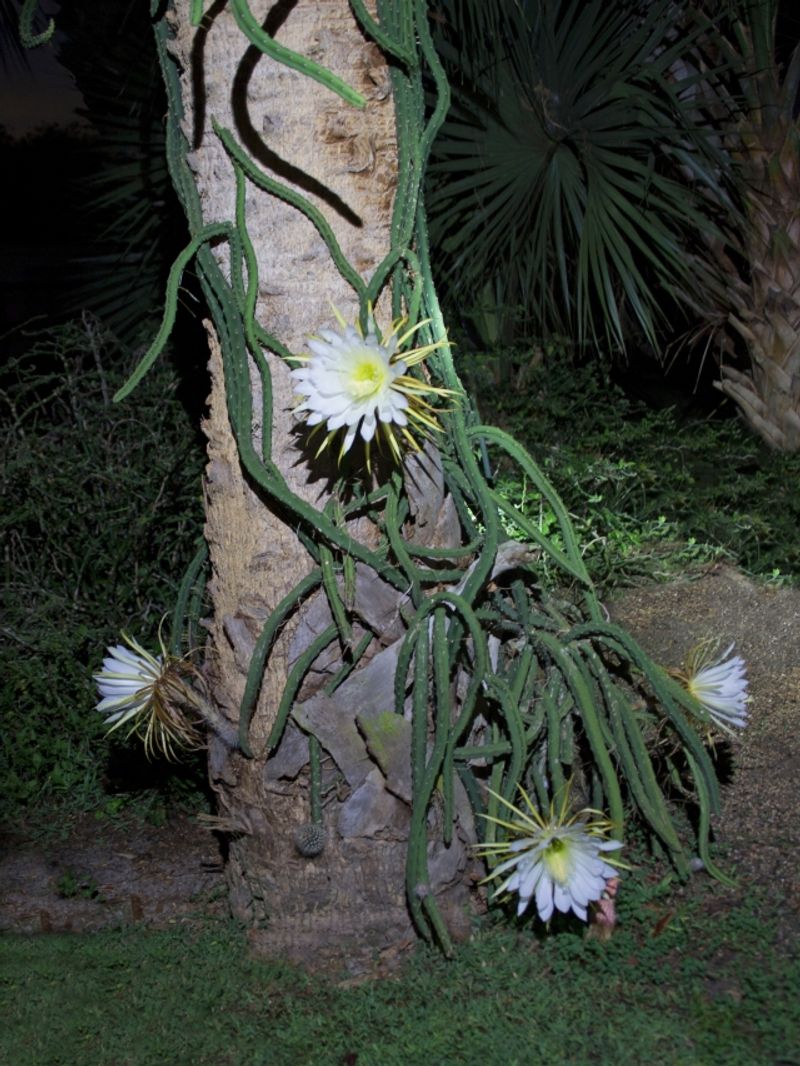
The Night-Blooming Cereus is a cactus with an enchanting secret: it blooms but once a year, and only at night. Its ephemeral flowers open under the moon’s gentle gaze, releasing a fragrance that attracts nocturnal pollinators.
This fleeting beauty is a reminder of life’s transient moments and the hidden wonders waiting to be discovered. As dawn approaches, the flowers close, vanishing until next year’s encore.
It’s a mesmerizing display of nature’s rhythms, captivating those lucky enough to witness its short-lived splendor.
6. Corpse Flower (Amorphophallus titanum)
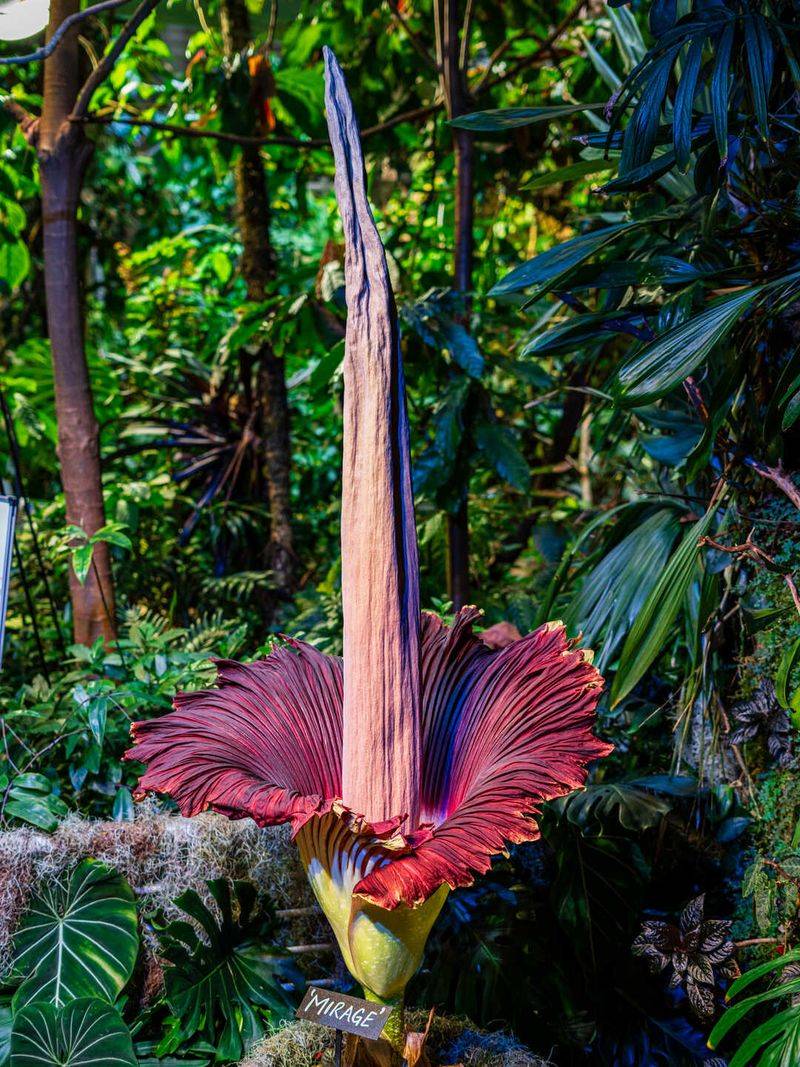
The Corpse Flower is notorious for its gigantic bloom and a scent reminiscent of rotting flesh. This audacious strategy lures flies and carrion beetles for pollination, defying conventional floral beauty.
Its rare appearance makes it a celebrated botanical event, drawing enthusiasts eager to experience its spectacle. The bloom’s colossal size and pungent odor are testaments to the diverse strategies plants employ to thrive.
It’s an extraordinary reminder of nature’s ingenuity and the lengths it will go to ensure survival.
7. Air Plants (Tillandsia spp.)
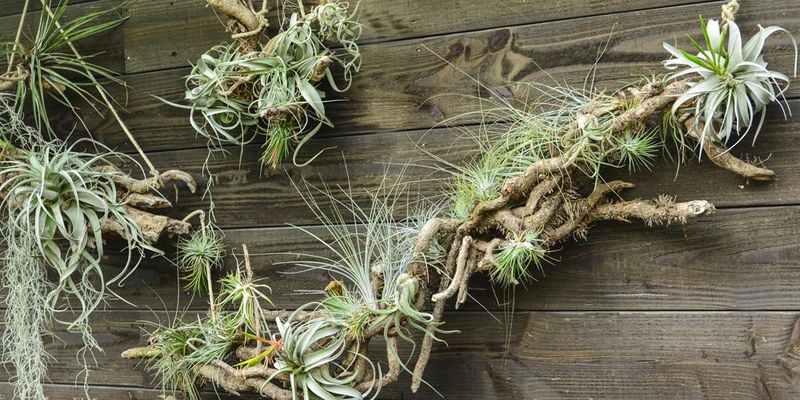
Air Plants defy traditional gardening norms by thriving without soil. They absorb moisture and nutrients through their leaves, needing only air, water, and a place to hang out. Their versatile nature allows them to grow in diverse environments, from tropical forests to urban homes.
They embody freedom and adaptability, making them popular among plant enthusiasts. Whether perched on a tree or displayed in creative indoor setups, Air Plants bring a touch of elegance and whimsy to any space, proving that roots aren’t always necessary for growth.
8. Sensitive Plant (Mimosa pudica)
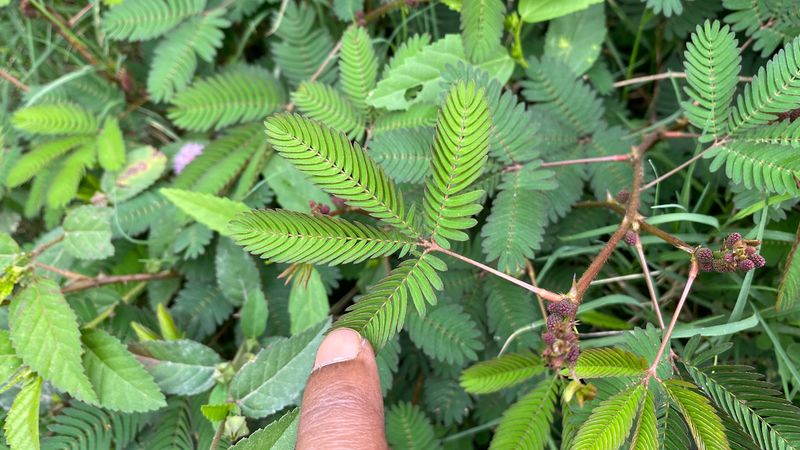
The Sensitive Plant is known for its playful reaction to touch. Its leaves fold inward at the slightest disturbance, as if shying away from contact. This rapid movement is a defense mechanism, deterring herbivores and curious fingers.
The folding action is a marvel of plant physiology, showcasing how living organisms respond to their environment. It’s not just a botanical curiosity but a living lesson in sensitivity and response.
In gardens, it adds an interactive element, delighting children and adults alike with its charming antics.
9. Ghost Plant (Monotropa uniflora)
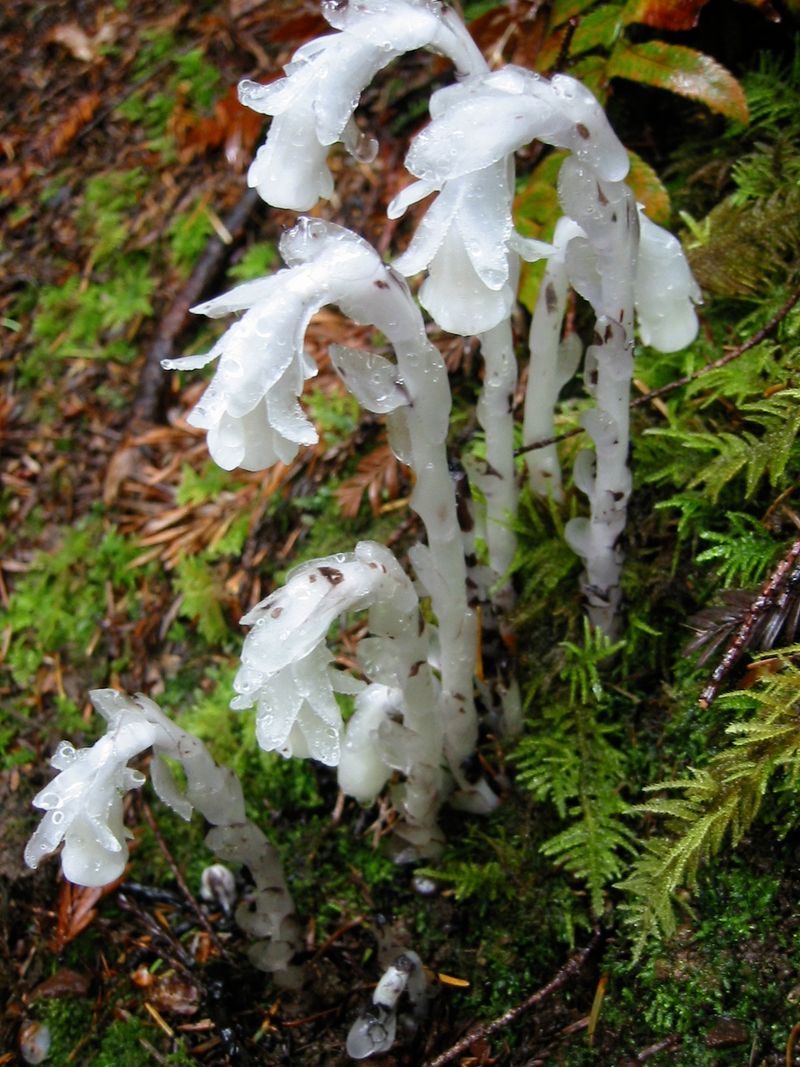
The Ghost Plant is an eerie yet captivating spectacle in the plant kingdom. Its pale, waxy appearance is due to the absence of chlorophyll, as it derives nutrients through a symbiotic relationship with fungi. This parasitic lifestyle allows it to inhabit dark forest floors where sunlight is scarce.
Its ghostly presence adds an element of mystery to wooded areas, and its rarity makes it a thrilling find for botanists and nature enthusiasts. The Ghost Plant is a testament to the unexpected paths evolution can take in the quest for survival.
10. Duckweed (Lemna minor)
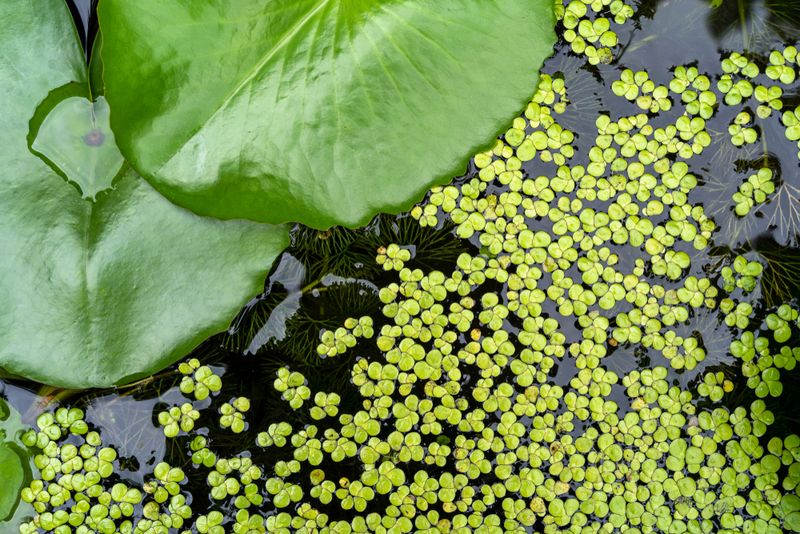
Duckweed is a tiny powerhouse of the aquatic world. These minuscule plants float on still water surfaces, creating a verdant carpet that supports diverse ecosystems. Despite their small size, they multiply rapidly, covering ponds with a green sheen.
Duckweed plays an essential role in water purification and provides habitat for aquatic life. Its ability to thrive in various conditions makes it a symbol of efficiency and adaptability.
This unassuming plant is a crucial component of freshwater habitats, embodying the quiet strength found in nature’s smallest beings.
11. Kudzu (Pueraria montana)

Kudzu, often dubbed “the vine that ate the South,” is a force of nature. It grows at a remarkable rate, enveloping anything in its path with leafy tendrils. Originally introduced for erosion control, it has become a notorious invader in certain regions.
Its rapid spread is both a marvel and a menace, showcasing nature’s unchecked power. While its invasive nature poses challenges, Kudzu’s lush greenery and adaptability highlight the dynamic relationship between plants and their environments.
It’s a reminder of nature’s boundless energy and resilience.
12. Pitcher Plant (Nepenthes spp.)
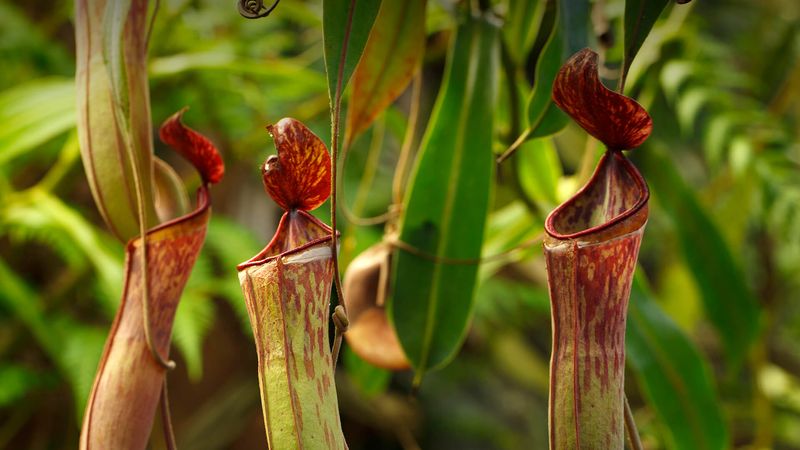
Pitcher Plants are masterful hunters of the plant world. Their alluring pitchers, filled with digestive fluids, trap unsuspecting insects lured by sweet nectar. Once inside, escape is nearly impossible, and the insects become a nutrient source for the plant.
This carnivorous adaptation allows them to thrive in nutrient-poor soils where others might struggle. Their diversity in color and shape adds an exotic flair to their habitats.
Pitcher Plants embody the art of enticement and survival, turning the tables on the natural order with elegance and cunning.
13. Stinking Hellebore (Helleborus foetidus)
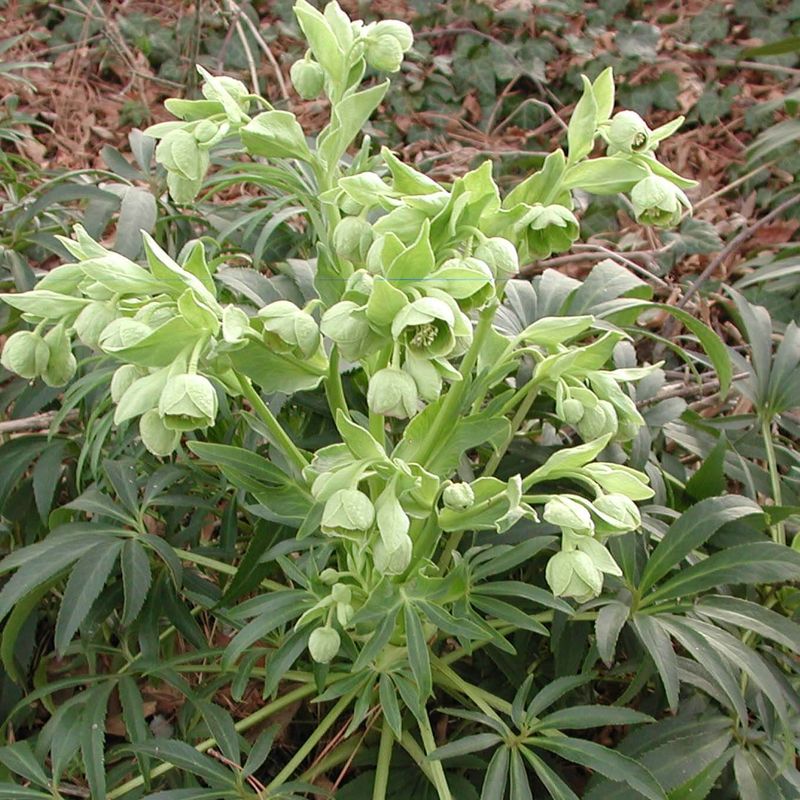
The Stinking Hellebore defies the bleakness of winter with its unusual blooms. Despite the cold, it emerges with pale green flowers, lending color to wintry landscapes. Its unpleasant odor deters herbivores, a clever survival tactic.
Native to Europe, this resilient plant thrives where many fail, showcasing the beauty of persistence. Its ability to bloom in harsh conditions is a symbol of endurance and strength, offering a reminder that life can flourish even in the harshest environments. It’s a winter warrior with a unique charm.
14. Walking Onion (Allium proliferum)
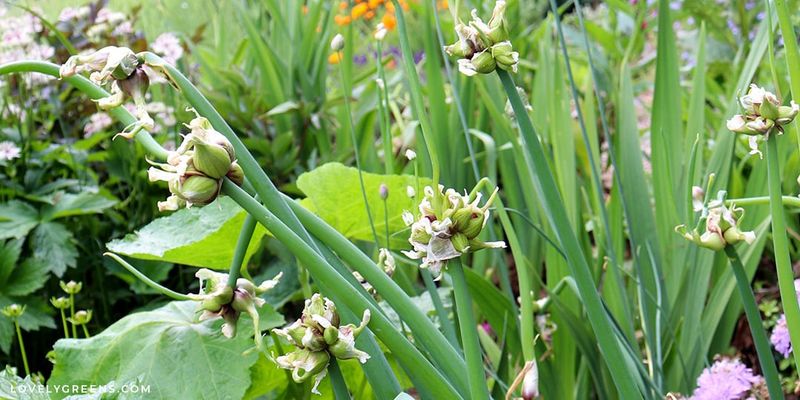
Walking Onions are a curious spectacle in the vegetable world. Instead of seeds, they produce bulbils at the top of stalks, which eventually weigh down and touch the ground, taking root and “walking” across gardens.
This propagation method makes them a perennial favorite among gardeners who appreciate their low-maintenance nature. Their unique growth habit is a testament to the diverse strategies plants use to spread and thrive.
Walking Onions are not just a culinary delight but also a fascinating study in plant adaptation and mobility.
15. Strangler Fig (Ficus spp.)

Strangler Figs are nature’s dramatic storytellers. They begin life in the canopy, sending roots downward that wrap around a host tree, eventually overtaking it. This relentless growth can lead to the host’s demise, as the fig claims its place in the forest hierarchy.
Their complex root systems create intricate patterns, adding to their allure. In many cultures, they symbolize both life and death, reflecting the cycle of growth and decay. Strangler Figs are a captivating example of nature’s power and the relentless drive to survive.