 Complete Gardening
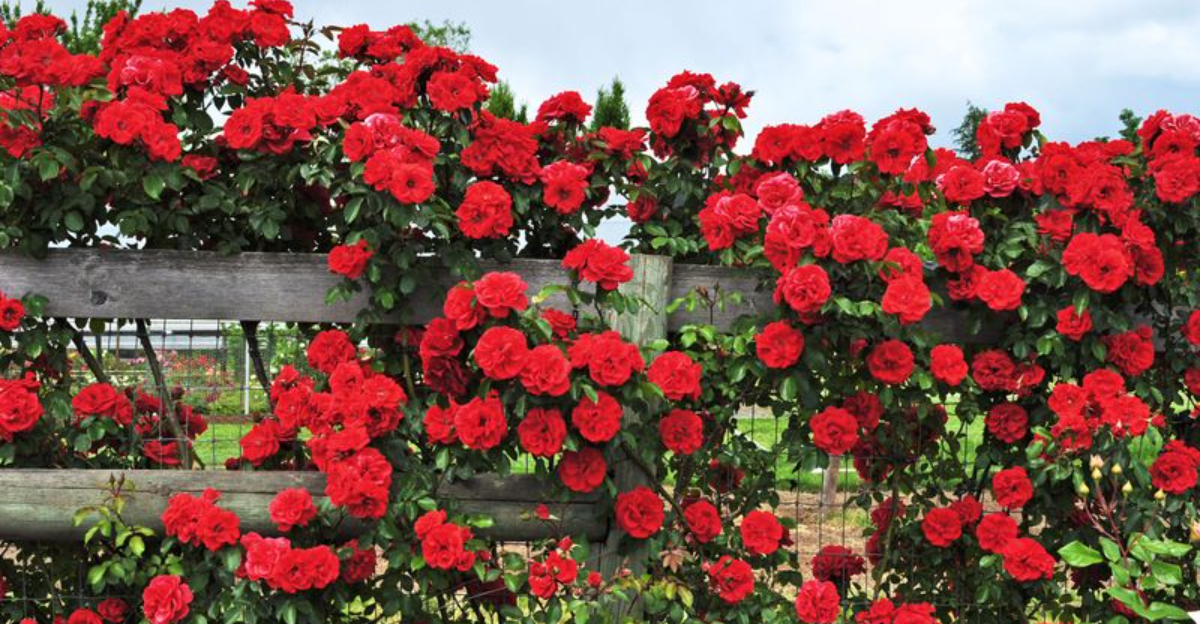
Roses have been cherished throughout history for their unparalleled beauty and symbolic meaning.
While they are often celebrated for their stunning appearance and delightful fragrance, there are also considerations to keep in mind when cultivating these iconic flowers.
In this blog post, we’ll explore ten reasons why roses are adored worldwide and five reasons you might want to think twice before planting them in your garden.
1. Timeless Beauty
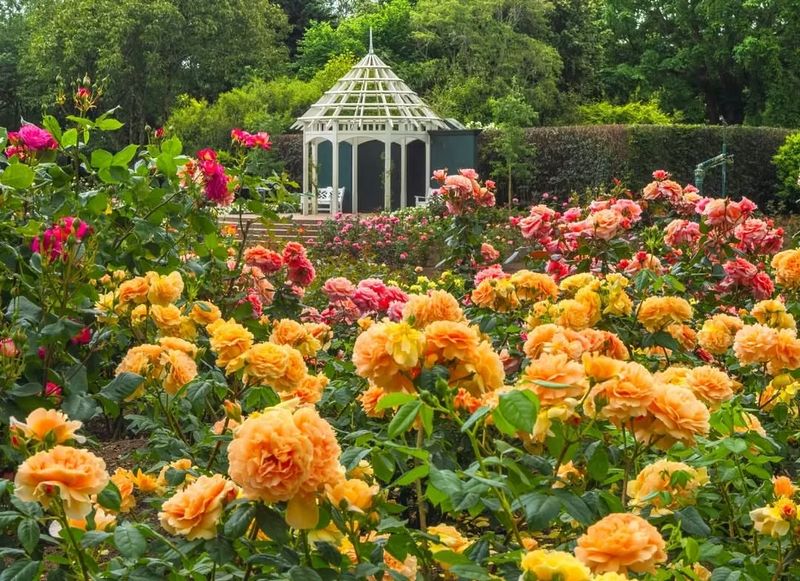
Roses have an undeniable allure that transcends time. Their graceful blooms capture the essence of beauty, making them a staple in both antique gardens and modern bouquets.
The sight of a rose in full bloom evokes a sense of elegance and sophistication, unmatched by other flowers.
These blooms are not just visually striking; they carry a rich history intertwined with art, literature, and culture.
From ancient times to contemporary settings, roses have maintained their status as symbols of love and admiration, resonating deeply with people of all ages.
2. Incredible Variety
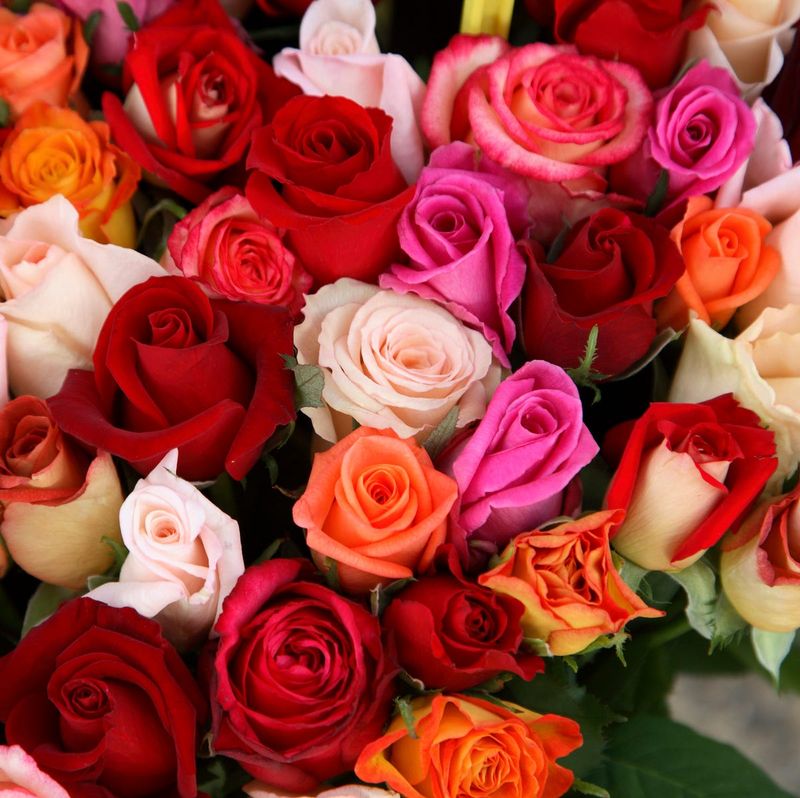
With over 150 species and thousands of cultivars, roses offer a delightful array of choices. Whether you prefer the classic red, radiant yellow, or mysterious blue, there’s a rose to suit every taste and occasion.
This variety extends beyond color, with different shapes and sizes that cater to varied aesthetic preferences. The diversity of roses allows gardeners to experiment and create unique floral arrangements, ensuring that their garden is always a visual treat.
3. Fragrance to Swoon Over
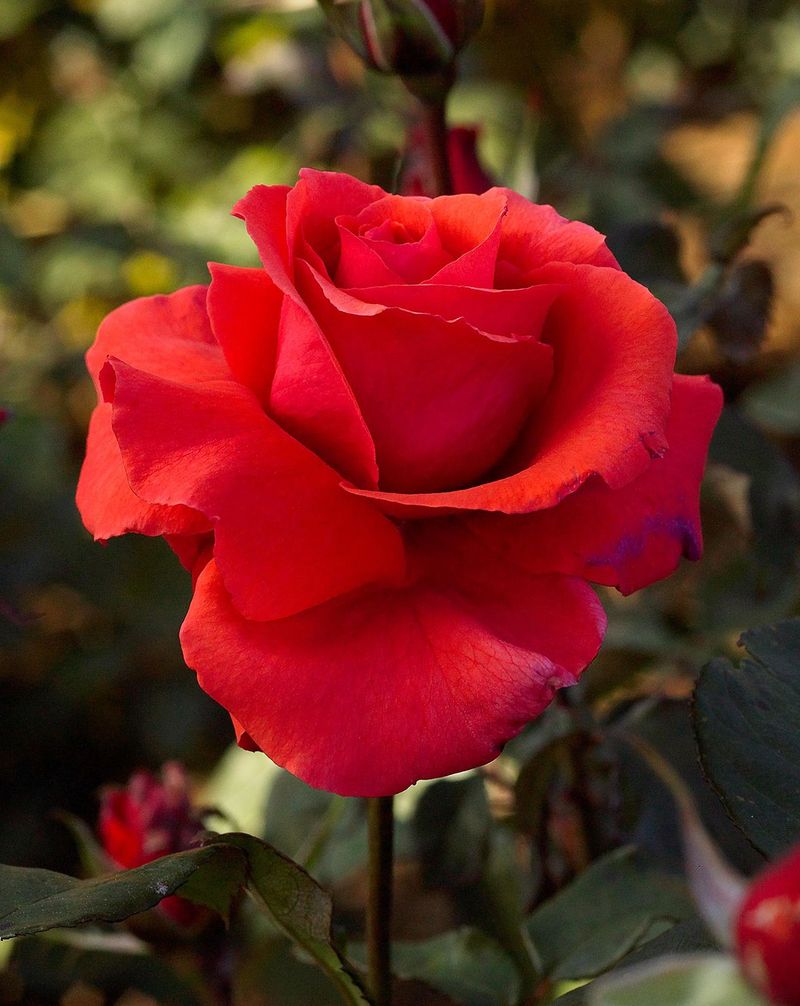
The fragrance of roses is as captivating as their appearance. From the delicate scent of tea roses to the robust aroma of damask roses, each variety offers a unique olfactory experience.
This intoxicating fragrance can transform any space into a fragrant haven, providing a sensory escape from the mundane.
Whether in a garden or a vase on a dining table, roses fill the air with a perfume that’s both soothing and invigorating, enchanting all who encounter them.
4. Year-Round Symbolism
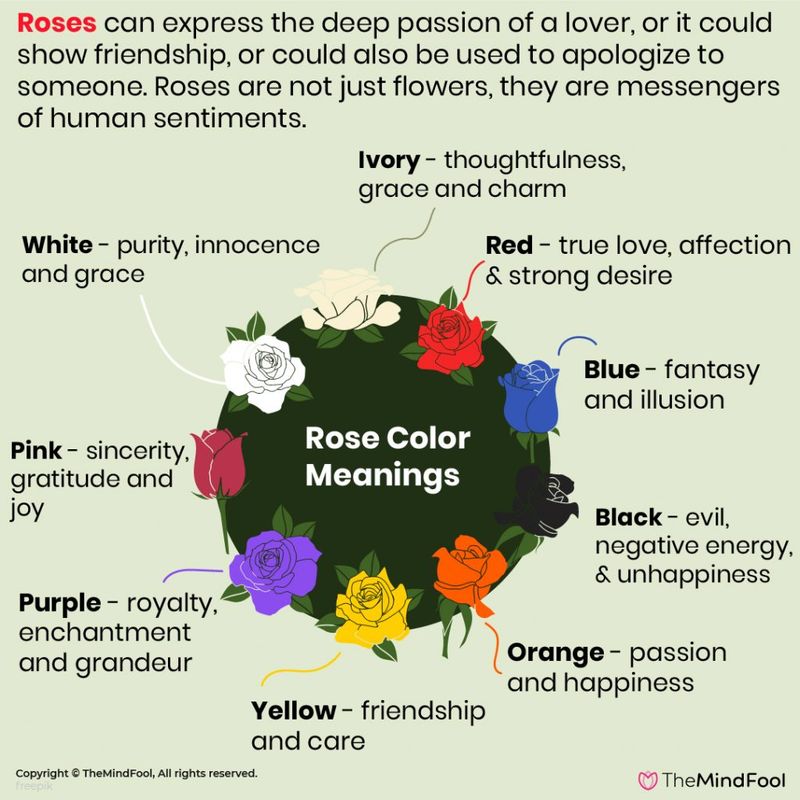
Roses have been long associated with profound symbolism. They effortlessly convey emotions and sentiments, making them perfect for any occasion. From the passion symbolized by red roses to the friendship represented by yellow, each color tells a story.
These symbolic meanings have been passed down through generations, making roses a universal language of emotion. Whether in celebration or remembrance, roses hold the power to express feelings that words sometimes can’t capture.
5. Long Blooming Season
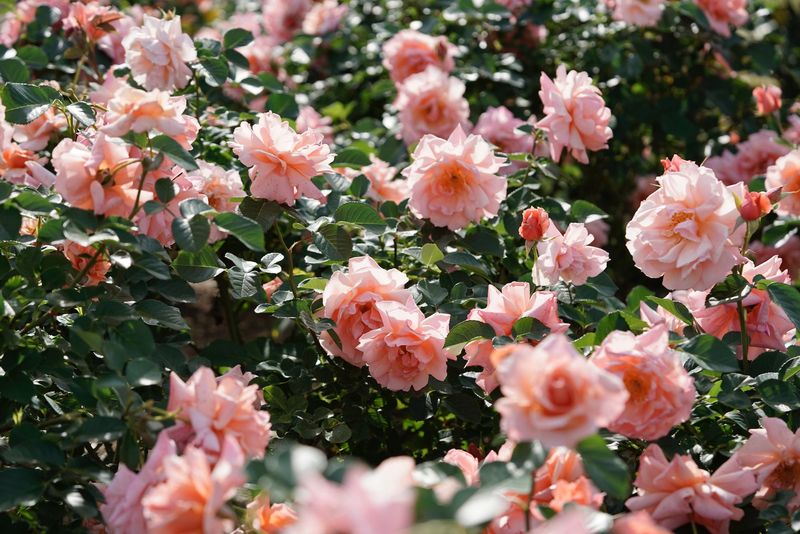
Roses are celebrated for their persistent beauty throughout the growing season. With proper care, many varieties bloom from spring until fall, offering a continuous display of color and form.
Deadheading, or the removal of spent flowers, encourages new growth and prolongs the blooming season. This ensures that gardens remain vibrant and alive, attracting admirers and pollinators alike.
The extended blooming season allows gardeners to enjoy the beauty of roses for months on end.
6. Great for Pollinators
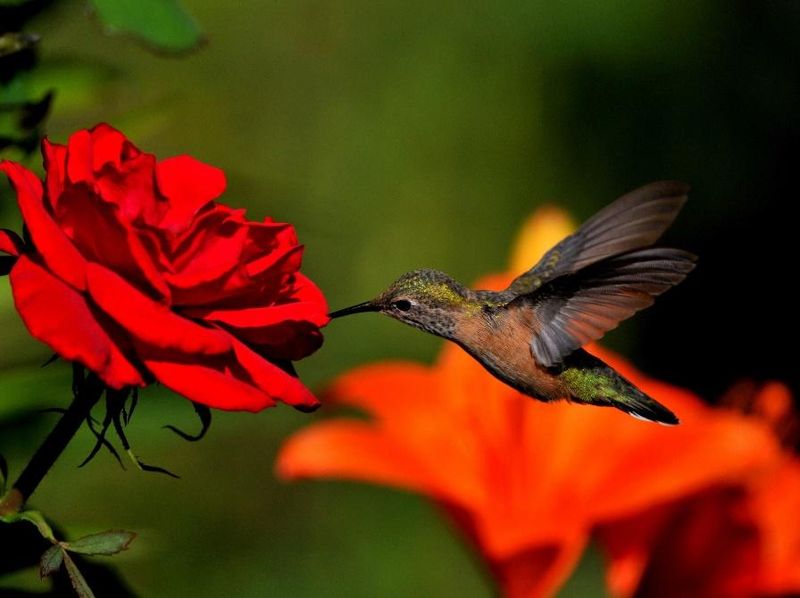
Roses, particularly single-petal and open-bloom varieties, are excellent for attracting pollinators. Bees, butterflies, and other beneficial insects are drawn to these flowers, aiding in pollination and promoting biodiversity.
By planting roses, gardeners contribute to the health of the local ecosystem. The presence of these pollinators also enhances the vibrancy of gardens, creating a lively and dynamic environment.
Supporting pollinators through rose cultivation is a rewarding endeavor for nature lovers.
7. Perfect Cut Flowers
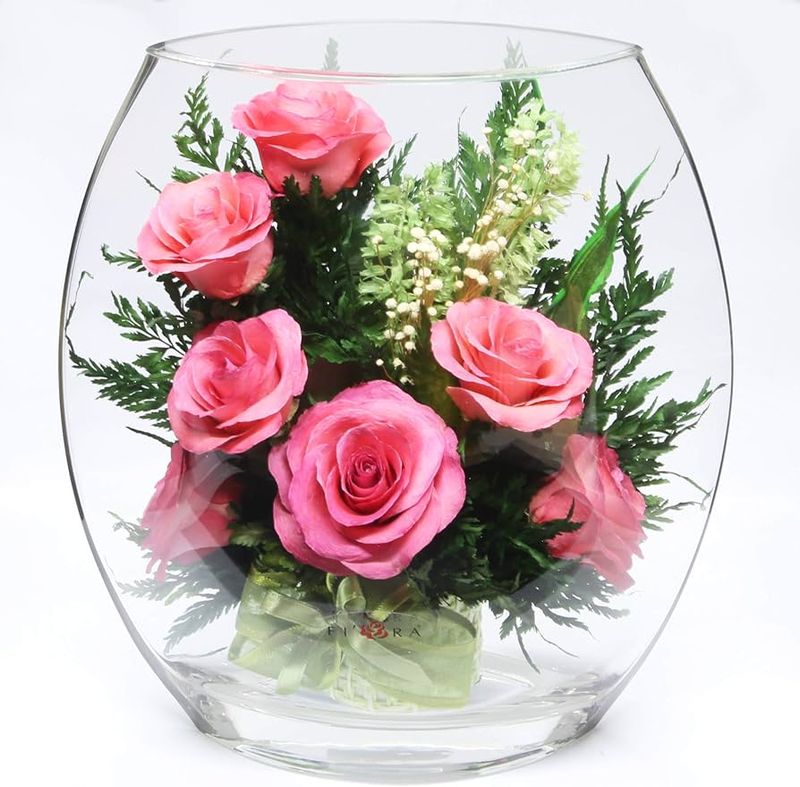
Roses make exceptional cut flowers, renowned for their long-lasting beauty in arrangements. Their sturdy stems and diverse colors offer endless possibilities for floral art.
When placed in a vase, roses can brighten any room, adding a touch of elegance and sophistication. The process of arranging roses can be therapeutic, allowing individuals to express creativity while enjoying nature’s finest blooms.
These qualities make roses a favorite choice for bouquets and centerpieces.
8. Medicinal and Culinary Uses
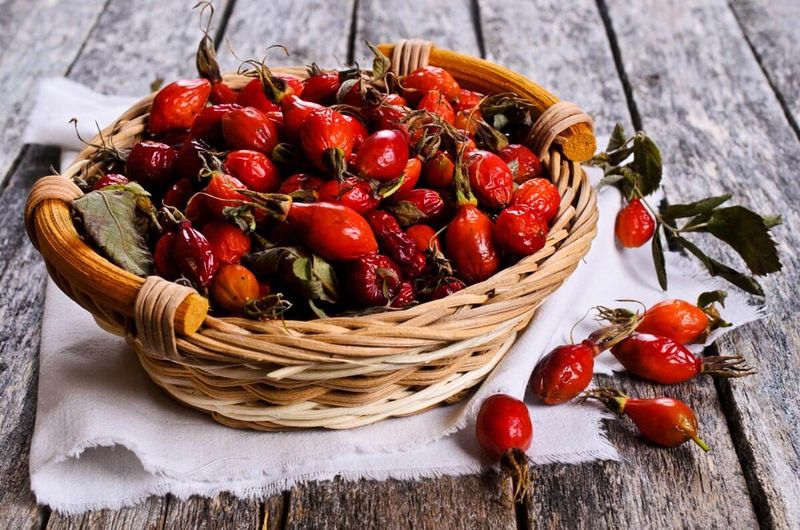
Roses are not just ornamental; they have valuable medicinal and culinary properties. Rosehips, the fruit of the rose, are rich in vitamin C and antioxidants, often used in teas and syrups.
The petals themselves can be infused into skincare products, offering soothing and rejuvenating benefits. These uses highlight the versatility of roses, extending their appeal beyond aesthetics.
Incorporating roses into wellness routines provides a natural way to harness their beneficial properties.
9. Strong Emotional Connection
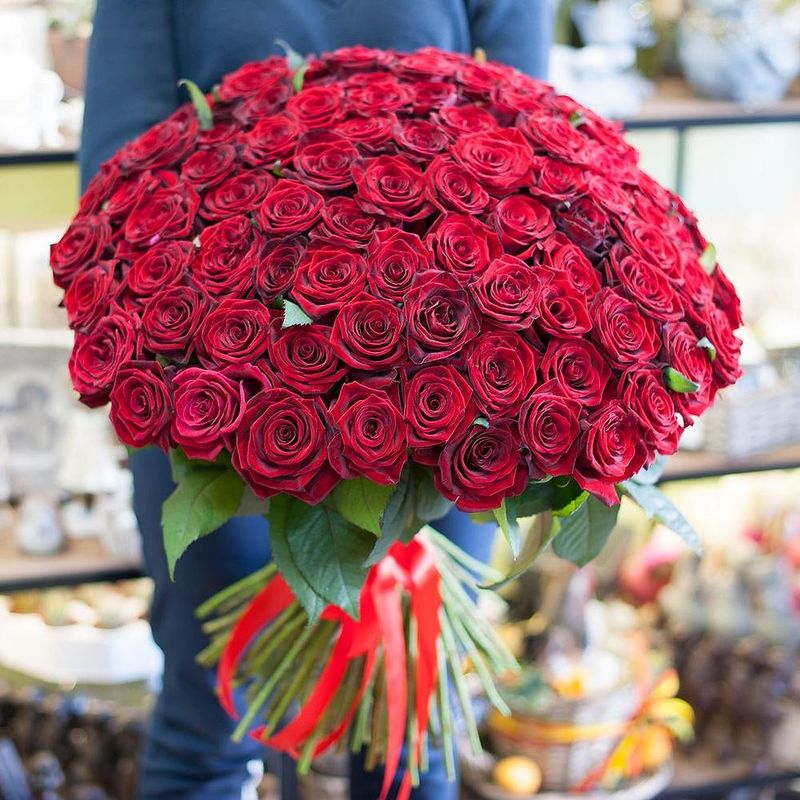
Roses often carry deep personal and cultural meanings. A single rose can evoke memories of love, loss, joy, or nostalgia. They play significant roles in life’s most meaningful moments, from weddings to funerals.
The emotional resonance of roses is unmatched, making them a powerful symbol in various traditions and ceremonies. Their ability to connect with human emotions on such a profound level is why roses remain timeless and cherished by many.
10. Garden Showstoppers
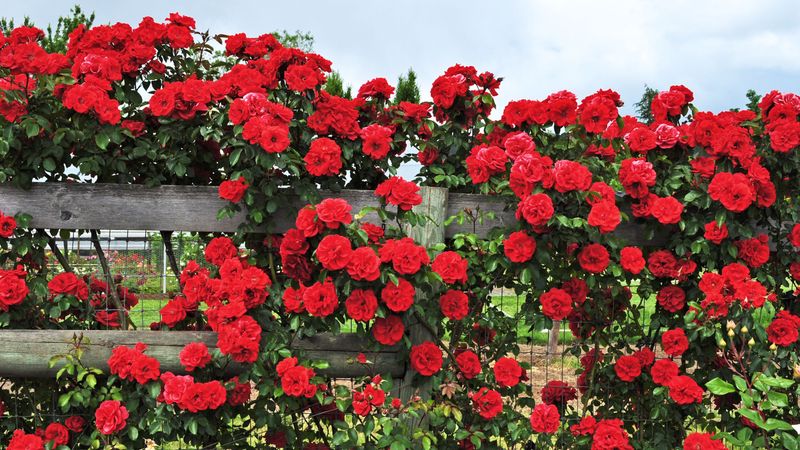
Roses serve as garden showstoppers, capable of transforming any landscape into a picturesque scene. Whether used as climbers, hedges, or focal points, their visual impact is undeniable.
The vibrant colors and lush foliage of roses enhance garden aesthetics, making them a favored choice for both amateur and professional gardeners. Their presence in a garden can create a serene and inviting atmosphere, perfect for relaxation and enjoyment.
1. High-Maintenance Reputation

Roses are known for their high-maintenance reputation, requiring dedicated care to thrive. Pruning, spraying, and regular fertilizing are essential practices to keep roses healthy and vibrant.
For some, the commitment needed to maintain roses can be overwhelming, deterring potential growers. While the results are undeniably rewarding, it’s important to recognize the effort involved in cultivating these blooms.
The meticulous attention required is both a challenge and an opportunity for gardening enthusiasts.
2. Susceptibility to Pests and Disease
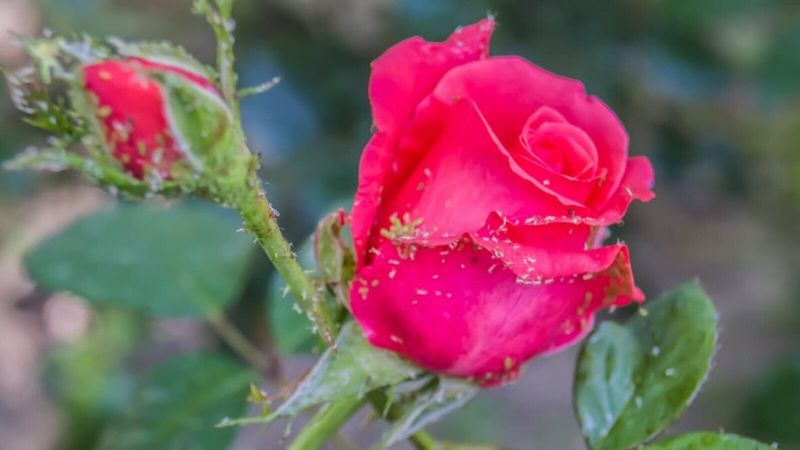
Roses can be prone to pests and diseases, such as black spot, aphids, and powdery mildew. These issues require vigilance and timely intervention to prevent damage.
Gardeners must be proactive in monitoring and treating affected plants to ensure their roses continue to flourish. This susceptibility adds another layer of complexity to rose care, making it a consideration for those new to gardening.
Despite the challenges, many find the beauty of roses worth the effort.
3. Prickly Business
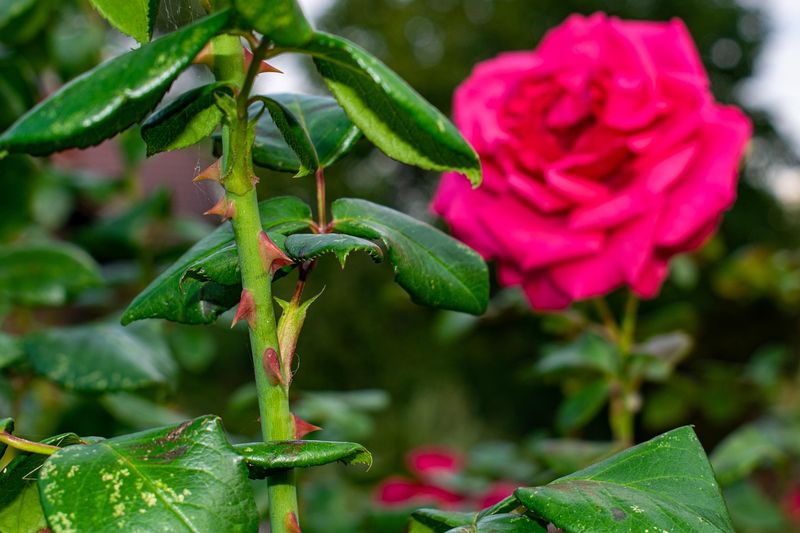
The thorns of a rose are both a defense mechanism and a gardening hazard. While they protect the plant from predators, they can make planting and pruning a literal pain.
Handling roses requires caution and appropriate tools to avoid injury. Those new to rose cultivation should be aware of this aspect, as it can be an unexpected challenge.
Despite the prickly nature, the allure of roses often outweighs this minor inconvenience for dedicated gardeners.
4. Can Be Expensive
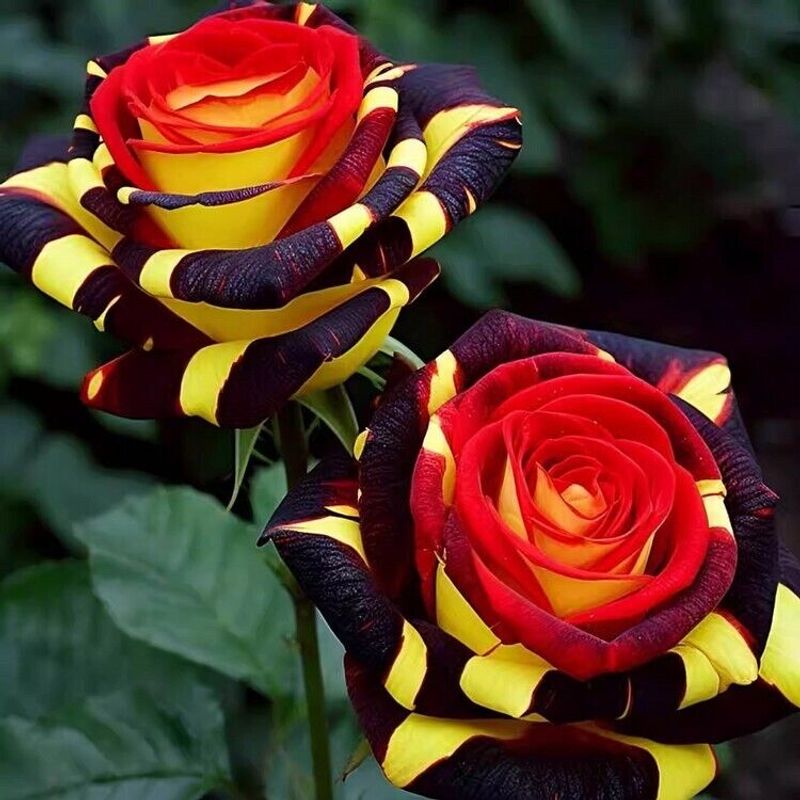
Growing roses can be costly, especially if one desires rare or specialty varieties. The expense extends beyond the initial purchase, involving care products and maintenance tools.
For some, the financial investment is a small price to pay for the joy and beauty roses bring. However, it’s essential to budget for these costs when planning a rose garden.
Understanding the potential expenses can help gardeners make informed choices that align with their resources.
5. Not All Are Bee-Friendly
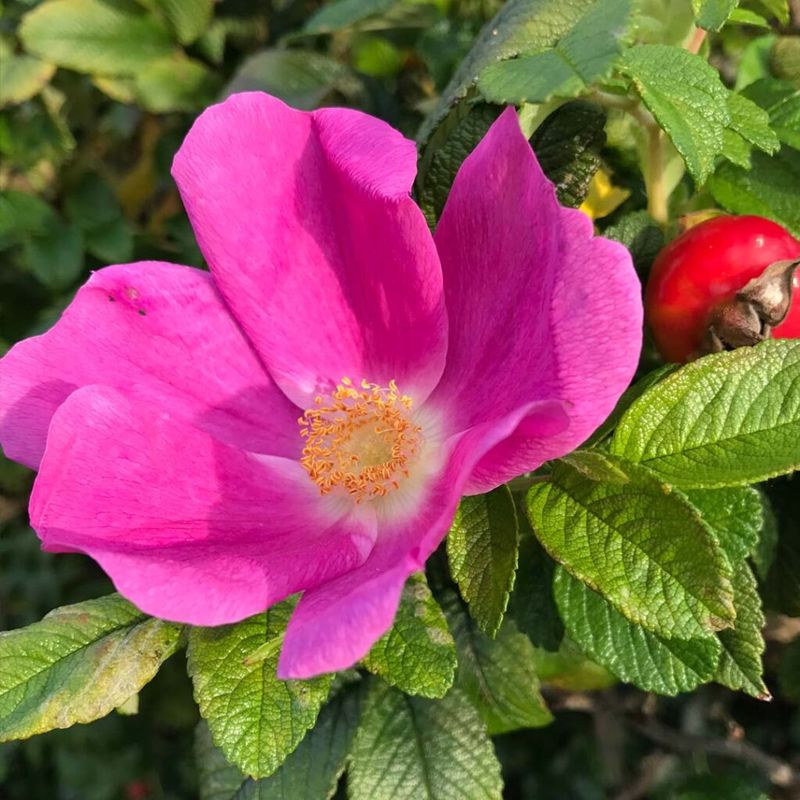
While many roses attract pollinators, not all are bee-friendly. Modern hybrids often prioritize aesthetics over function, offering little nectar for bees.
This can limit the ecological benefits of planting certain rose varieties. Gardeners interested in supporting pollinators should research and select roses known for their nectar production.
By choosing bee-friendly options, they can contribute positively to the environment while enjoying the beauty of roses.