 Complete Gardening
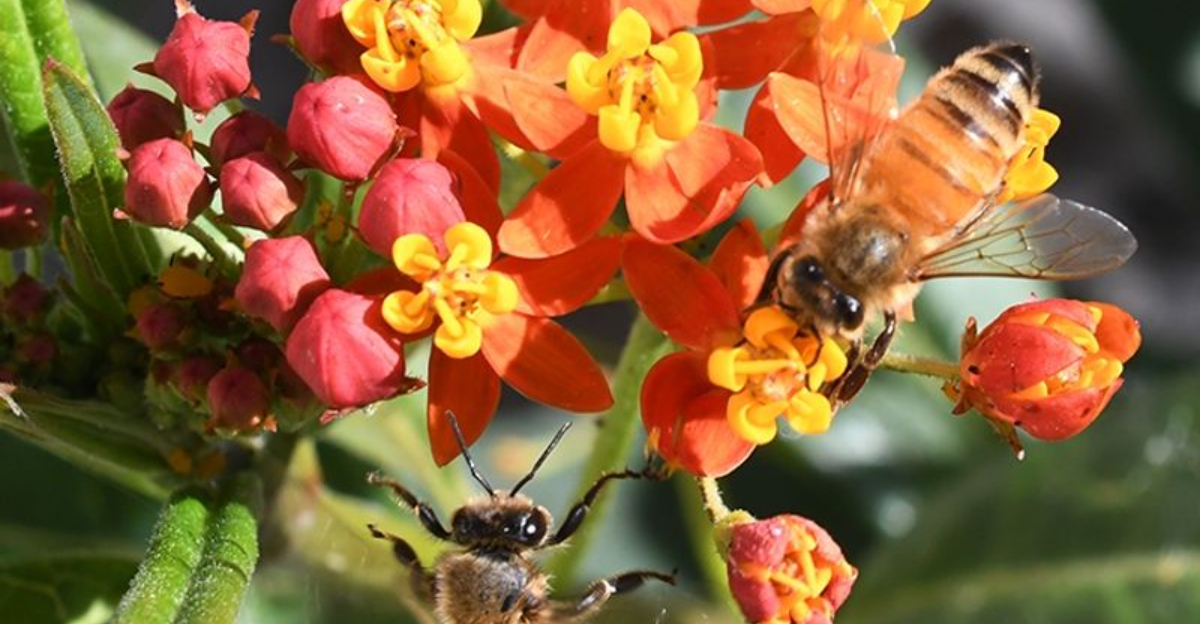
In recent years, the decline of bee populations has become a pressing concern for environmentalists and gardeners alike. Bees, vital pollinators in many ecosystems, are essential for the health of gardens and the production of food. By incorporating pollinator-friendly plants into your garden, you not only beautify your space but also provide bees with the nourishment they need to thrive. Here’s a list of 15 essential plants that can make your garden a haven for bees.
1. Lavender (Lavandula)
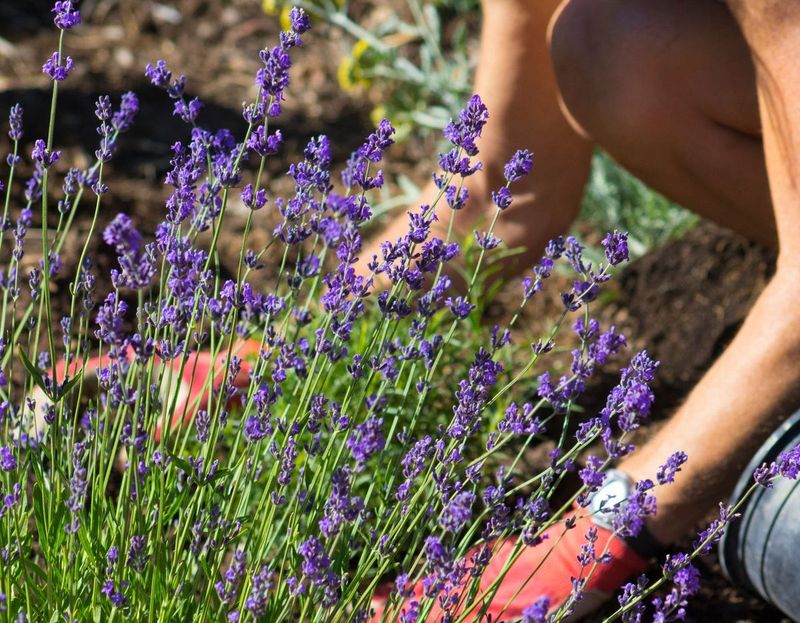
Lavender’s fragrant blooms are a favorite among bees, thanks to their rich nectar. Nestled in sunny, well-drained spots, these purple flowers provide sustenance throughout their long blooming season. Picture a warm summer day where gentle breezes waft the soothing lavender scent through the air. Beyond its allure to bees, lavender’s resilience makes it a gardener’s delight. Did you know that lavender has been cherished for centuries for its calming properties? This timeless plant not only supports our buzzing friends but also brings serenity to those who plant it.
2. Sunflower (Helianthus)
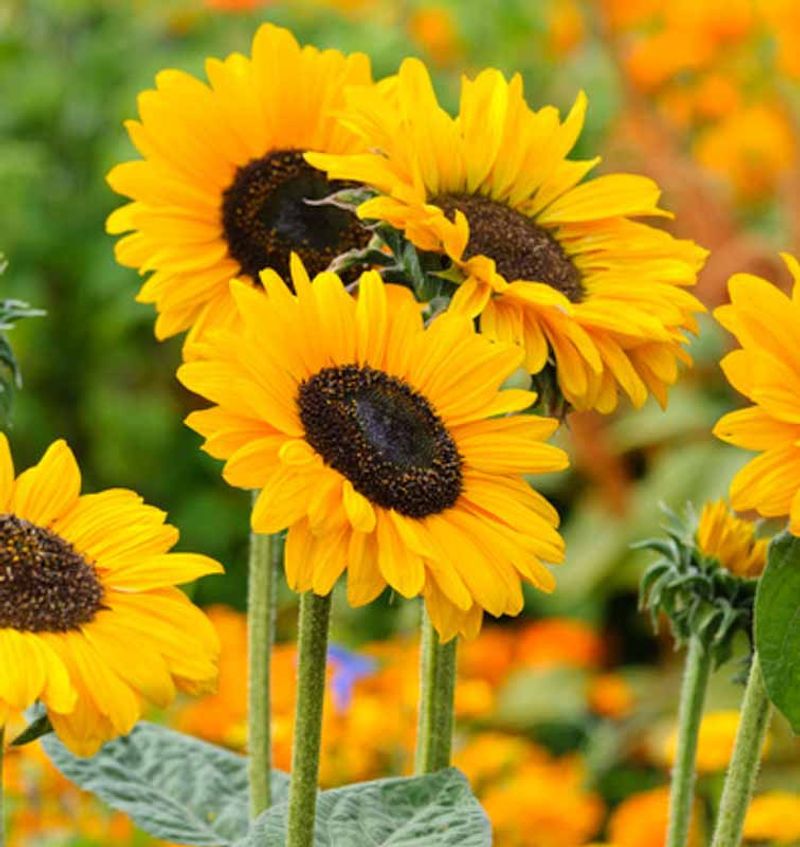
Towering sunflowers, with their bright and cheerful faces, are a beacon for bees, offering abundant pollen. These giants thrive in full sun, making them ideal for borders. Imagine a field of golden sunflowers swaying gently, each flower a meeting point for buzzing bees. Sunflowers are more than just a pretty face; they play a role in supporting bee health. Historically, sunflowers have symbolized adoration and loyalty. Today, they stand as a symbol of resilience and hope, providing essential nourishment for pollinators.
3. Bee Balm (Monarda)
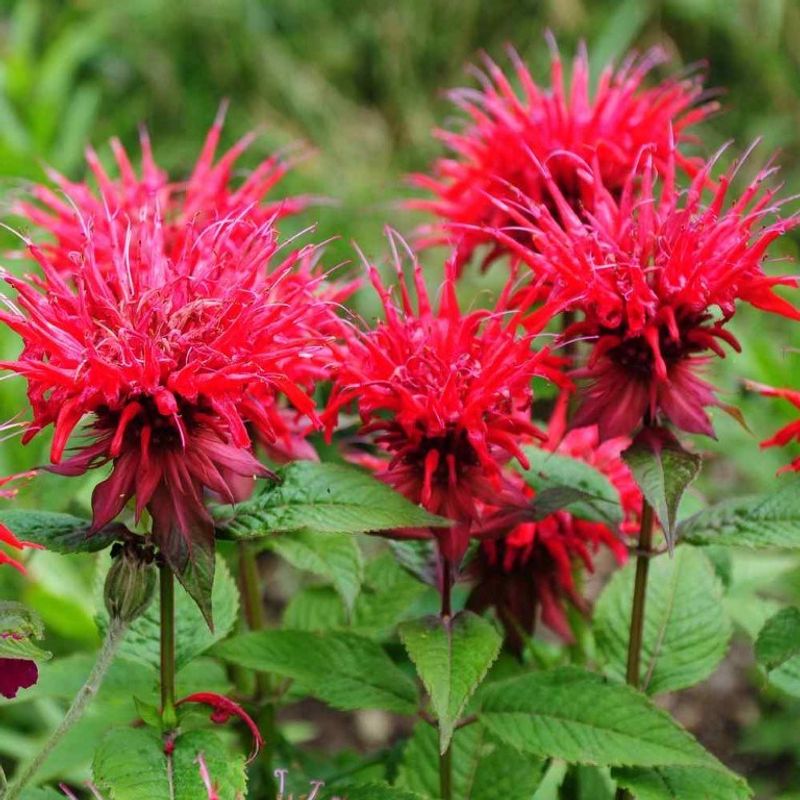
Bee Balm, with its distinctive tubular flowers, is irresistible to bees and hummingbirds alike. This plant shines in partial to full sun, adding vibrant color and life to gardens. Picture a garden alive with movement, the air buzzing softly as bees flit from flower to flower. In Native American folklore, bee balm was used for medicinal purposes, a testament to its versatile nature. Its striking appearance and bee-attracting properties make it a garden favorite, a true testament to nature’s beauty and utility.
4. Coneflower (Echinacea)
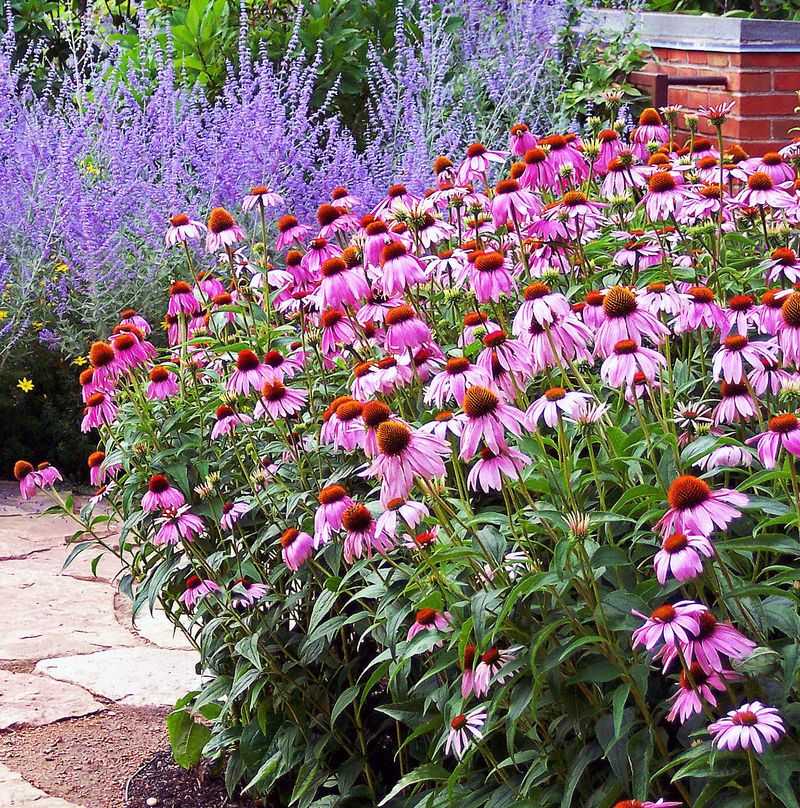
Coneflowers, with their robust blooms, offer a rich source of pollen for bees. Drought-tolerant and long-lasting, they are perfect for gardens seeking low-maintenance beauty. Envision a garden awash with purple, each coneflower standing tall and proud. The name ‘Echinacea’ is derived from the Greek word for hedgehog, referring to its spiny center. These flowers not only enhance the aesthetics of a garden but also play a crucial role in maintaining bee populations, making them a worthy addition to any landscape.
5. Borage (Borago officinalis)
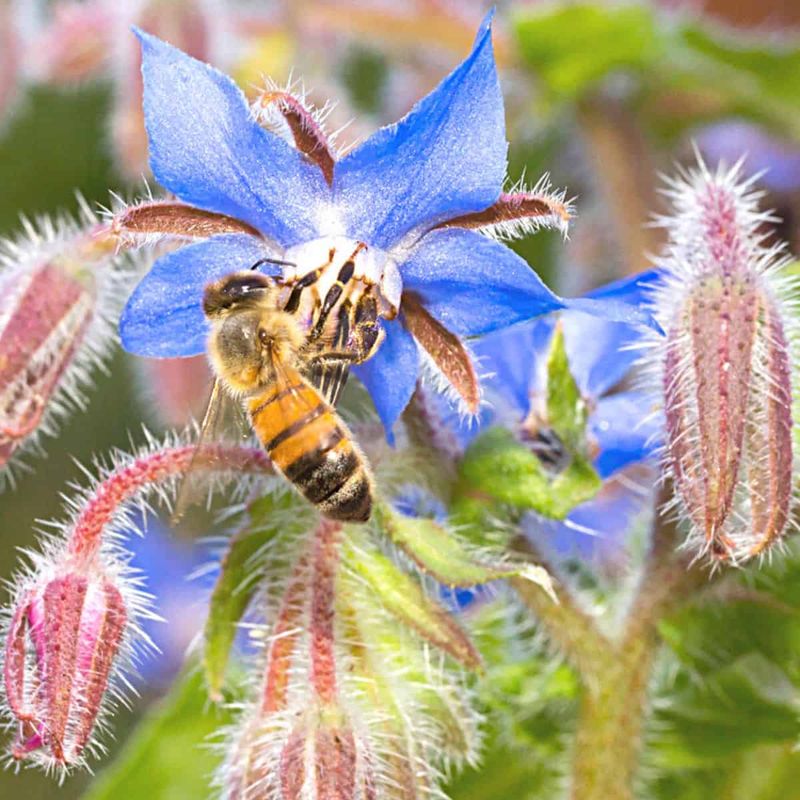
Borage, with its starry blue flowers, offers a continuous nectar source for bees. This plant’s charm extends beyond its visual appeal; it’s edible for humans too! Think of a wildflower patch where borage blooms among its companions, a vibrant dance of blue and green. Historically, borage was believed to bring courage to the heart. Its ability to attract and nourish bees underscores its importance in any herb garden or wildflower patch, making it a versatile and valuable plant for pollinators.
6. Salvia (Sage)
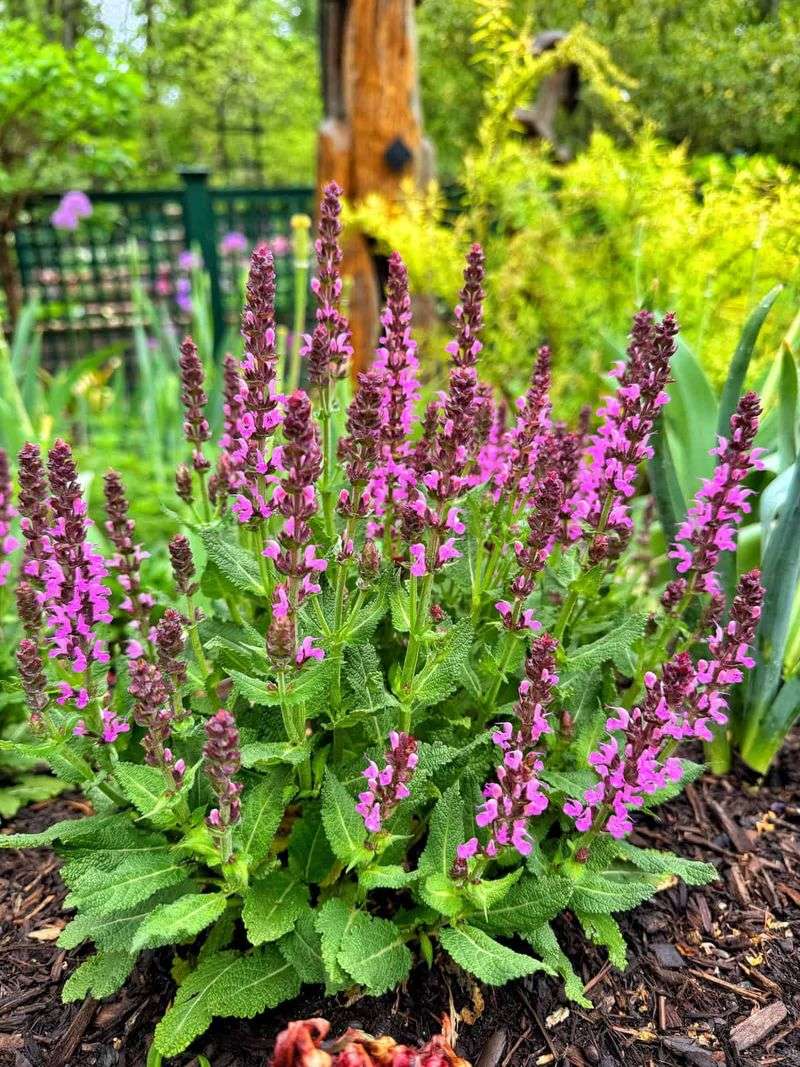
Salvia, known for its dense spikes of nectar-rich flowers, is a magnet for bees. Thriving in sunny, dry areas, this plant adds a splash of color and life to any garden. Picture a sun-drenched garden where salvia’s vibrant spikes stand tall, each one a beacon for hungry bees. The name ‘Salvia’ is derived from the Latin word ‘salvere,’ meaning to heal. This plant not only supports pollinators but also enriches gardens with its healing presence and stunning appearance.
7. Goldenrod (Solidago)
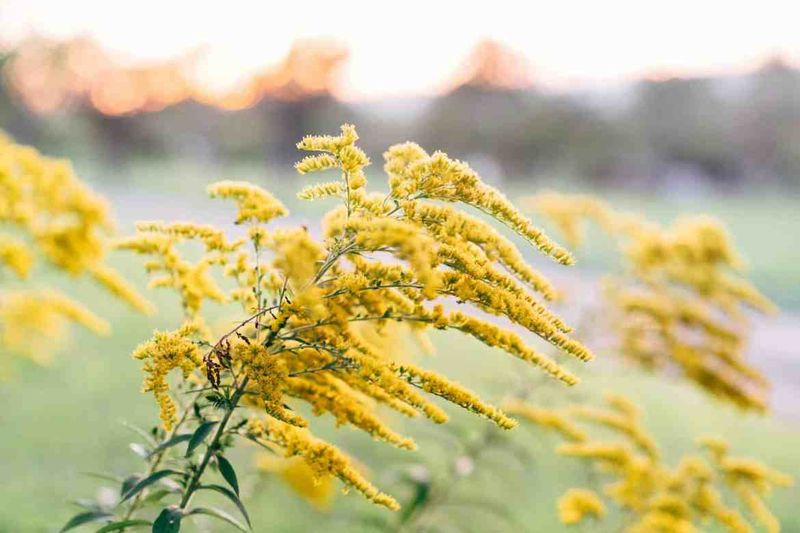
Goldenrod, with its bright yellow flowers, plays a crucial role for fall pollinators. Blooming late in the season, it provides essential nourishment as other plants fade. Picture a naturalized garden where goldenrod’s vivid blooms stand out against the autumn landscape. Contrary to common belief, goldenrod is not a major allergen. Instead, it supports a wide variety of pollinators during its blooming period. This plant’s late-season vitality makes it an indispensable part of any garden aimed at supporting bees.
8. Milkweed (Asclepias)
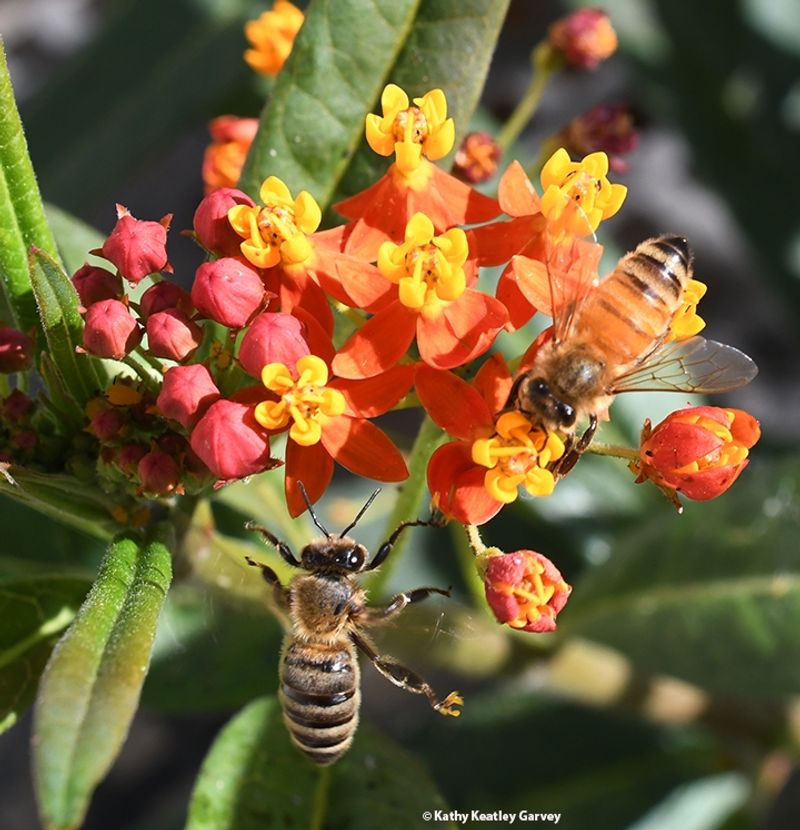
Milkweed is famed for its role in supporting monarch butterflies, but bees also adore its nectar-rich flowers. This plant thrives in wildflower gardens, offering essential sustenance to pollinators. Envision a garden where vibrant milkweed blooms attract a flurry of wings, a harmonious dance of life. The genus name ‘Asclepias’ honors the Greek god of healing, highlighting its historical significance. Milkweed’s ability to support diverse pollinators makes it a cornerstone in ecological gardening efforts.
9. Catmint (Nepeta)
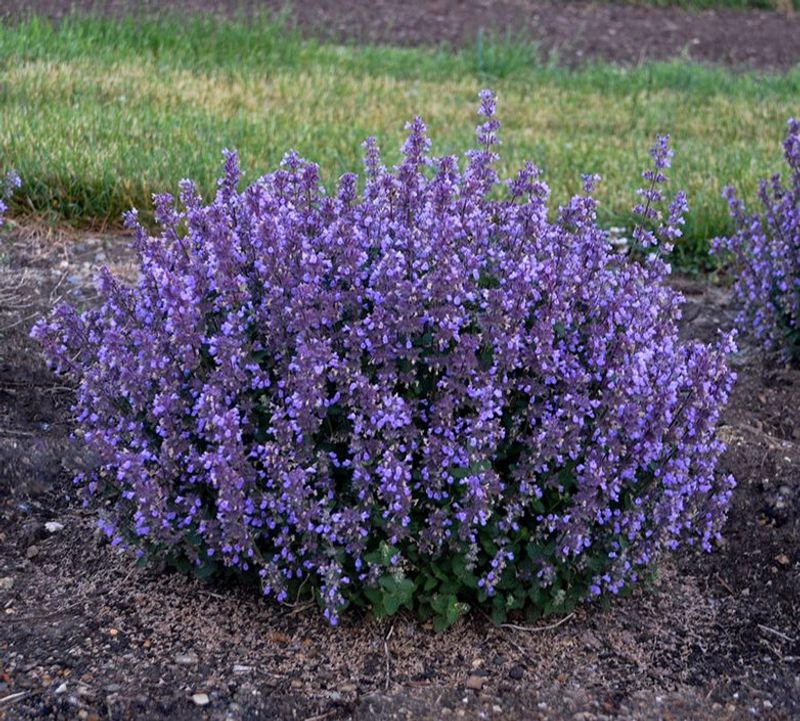
Catmint, with its fragrant lavender flowers, offers a long bloom period, making it a favorite among bees. This drought-resistant plant is ideal for borders and ground cover. Imagine a garden border filled with catmint, its soft hues creating a serene backdrop as bees flit happily among its blooms. The soothing scent of catmint is not just appealing to humans; it’s a beacon for bees seeking nectar. Its adaptability and gentle charm make catmint a valuable addition to any pollinator-friendly garden.
10. Phacelia (Phacelia tanacetifolia)
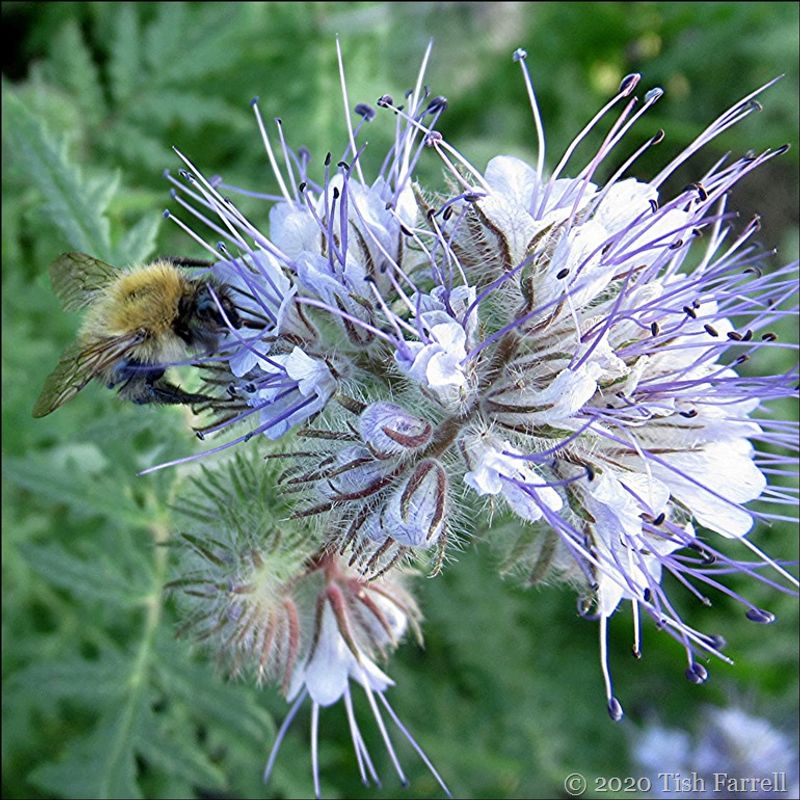
Phacelia is renowned for its exceptional nectar production. Its delicate purple flowers are a haven for bees, thriving in cover crops or wild areas. Picture a field carpeted with phacelia, each bloom contributing to a buzzing symphony of pollinator activity. This plant’s ability to produce vast amounts of nectar makes it a powerhouse for bee sustenance. Known colloquially as ‘fiddleneck,’ phacelia’s delicate beauty and ecological importance make it a must-have for any garden focused on pollinator health.
11. Thyme (Thymus)
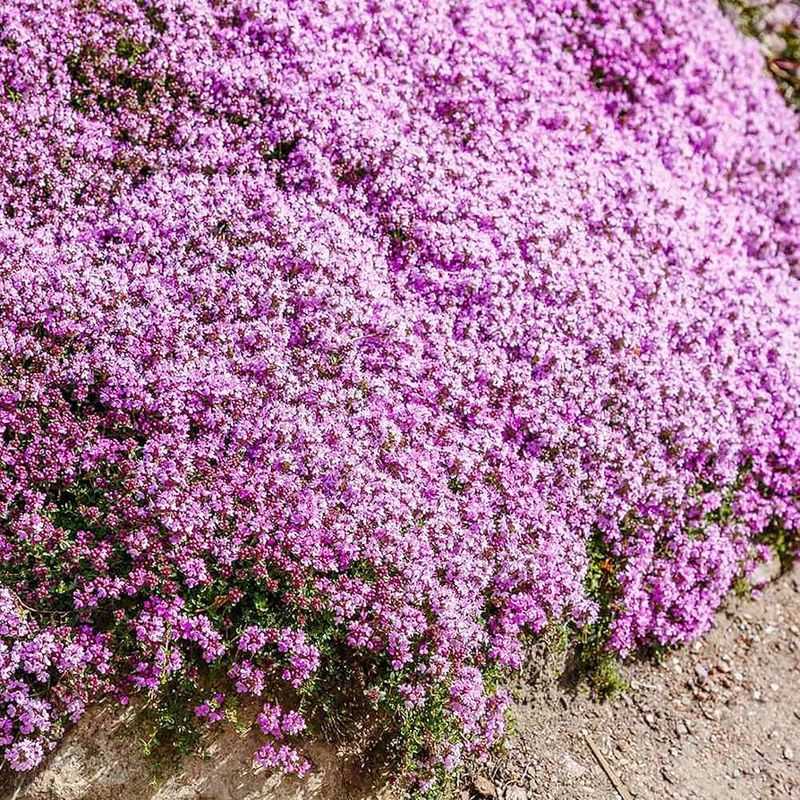
Thyme, with its tiny yet potent flowers, provides a rich nectar source for bees. This hardy herb thrives in rock gardens and sunny spots. Imagine a sunlit rock garden where thyme adds texture and fragrance, each bloom a tiny oasis for bees. Beyond its culinary uses, thyme has a storied history in herbal medicine, valued for its antiseptic properties. Its ability to attract pollinators while offering practical benefits makes thyme an essential addition to herb gardens.
12. Zinnia (Zinnia elegans)
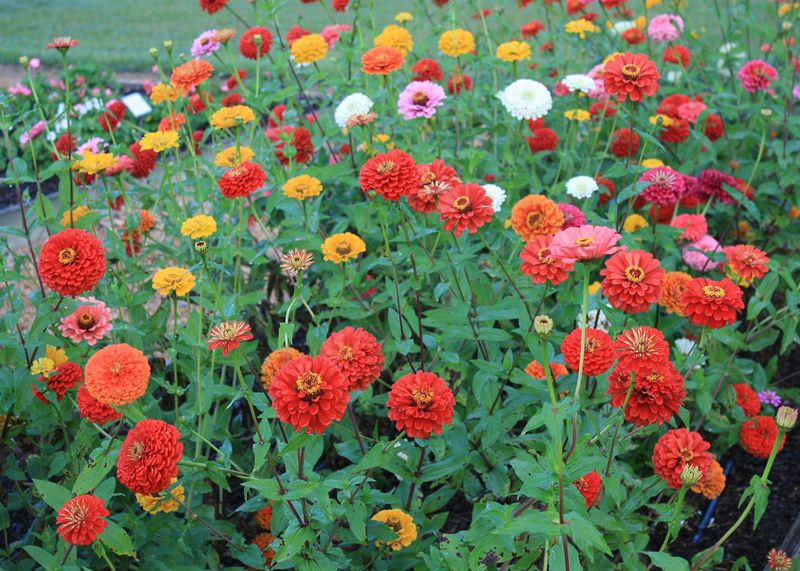
Zinnias, with their dazzling range of colors, offer easy access to nectar, making them popular with bees and butterflies. These bright blooms thrive in cutting gardens, adding vibrancy and life. Picture a garden where zinnias create a vivid tapestry, each flower an open invitation to pollinators. The zinnia’s origin traces back to Mexico, where it was prized for its beauty and resilience. Today, zinnias stand as a testament to nature’s artistry, crucial in supporting diverse pollinator species.
13. Chives (Allium schoenoprasum)
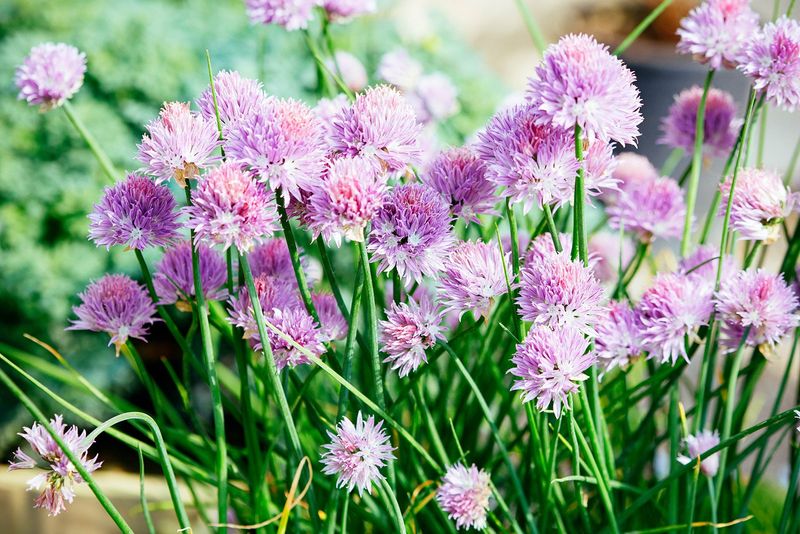
Chives, with their early spring blooms, offer an edible delight for both humans and bees. Their purple spherical flowers are a charming addition to herb gardens and containers. Picture a spring morning where chive blooms glisten with dew, a busy scene as bees partake in their nectar feast. Beyond their culinary appeal, chives have been associated with protection and fortune in folklore. Their role in early spring pollination makes chives a valuable plant for sustaining bee populations.
14. Black-Eyed Susan (Rudbeckia)
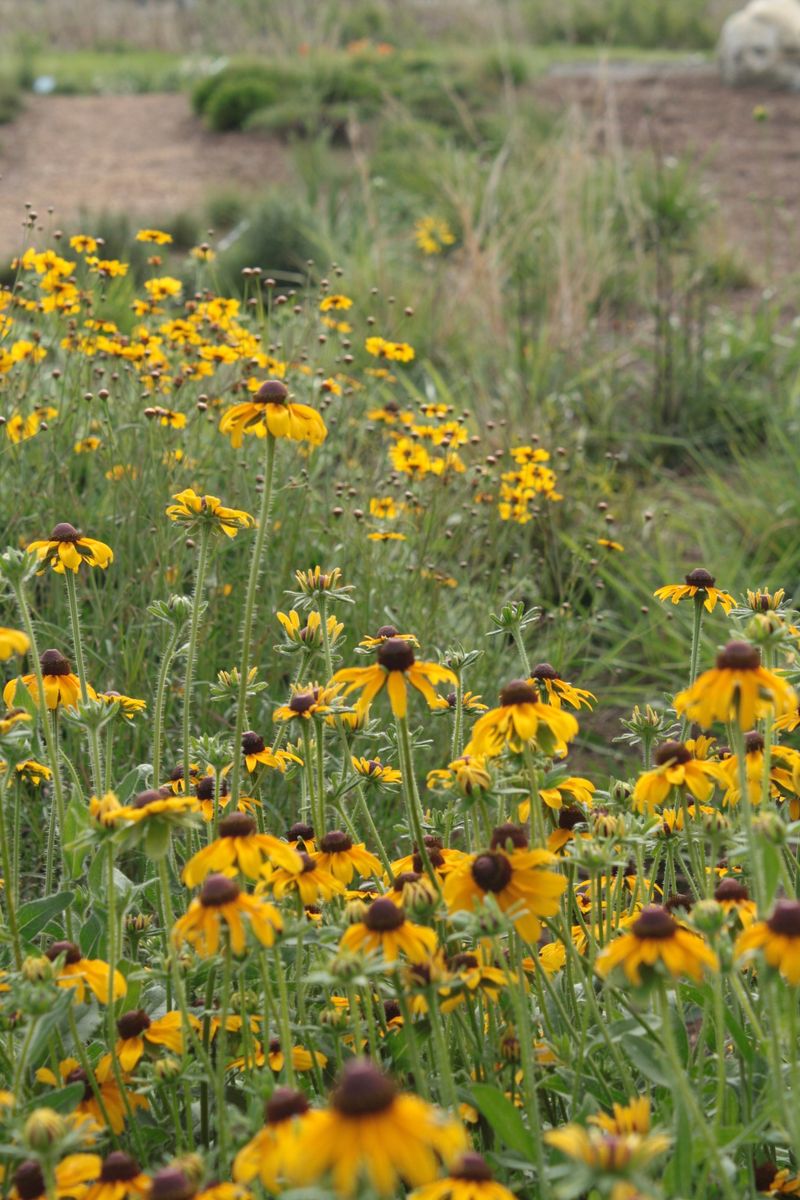
Black-Eyed Susans, with their hardy nature and bright blooms, are a beloved choice for sunny meadows and borders. Their distinct appearance, featuring dark centers surrounded by vibrant yellow petals, makes them a favorite among bees. Imagine a meadow awash with these sunny blooms, a lively stage for pollinators. Named after Swedish botanist Olof Rudbeck, these flowers are as rich in history as they are in color. Their ability to thrive in diverse conditions makes them invaluable for bee-friendly gardens.
15. Wild Lupine (Lupinus perennis)
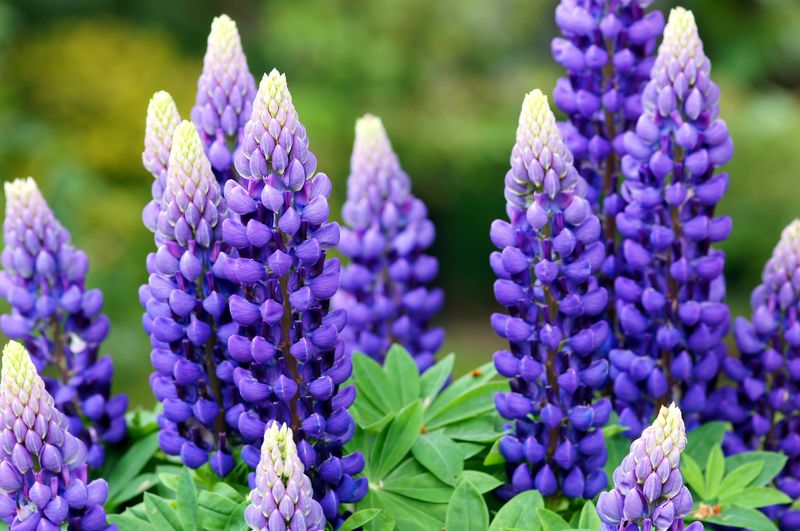
Wild Lupine, with its striking spikes of blue and purple flowers, is a vital supporter of native bumblebees. It thrives in naturalized areas, offering a dramatic visual appeal. Picture a landscape where wild lupines stand tall, their presence a testament to nature’s resilience. Historically, lupines have been associated with rejuvenation and the promise of new life. Their role in supporting native pollinators underscores their importance in biodiversity efforts. Wild lupines are a must for any garden dedicated to ecological balance.